This article is for informational purposes only and does not replace medical advice from your surgeon. Always follow your provider's personalized recovery instructions.
Understanding What Happens Beneath Your Scar
Every cosmetic surgery incision goes through a defined healing process before it reaches its final appearance. Some research suggests that scar tissue develops in three distinct stages, and understanding these stages can help set realistic expectations for your recovery.
The inflammatory stage begins immediately after your procedure. Your body responds to the incision by increasing blood flow to the area, which is why fresh scars often appear red, raised, or swollen in the first one to two weeks. White blood cells move into the area to begin clearing damaged tissue and preventing infection.
The proliferative stage typically follows over the next several weeks. During this stage, your body produces new collagen fibers to close and strengthen the wound. This is when the incision line often appears pink and slightly raised as new tissue forms.
The maturation stage is the longest phase and can continue for up to a year or more. Some research indicates that during this stage, the initial collagen fibers are gradually replaced with a stronger, more organized form of collagen. This is when scars typically transition from pink or red to a lighter color and begin to flatten.
So, How Long Does It Actually Take for Scars to Heal?
Most cosmetic surgery scars follow a general fading timeline of 12 to 18 months, though some research suggests that full maturation can take up to two years for certain scar types and locations. Timelines vary considerably between individuals and between different types of procedures, so it's important to view any timeline as a general guide rather than a guarantee.
Within that broader window, most patients notice the following pattern:
Weeks 1-3:
Scars appear pink, red, or dark, and may feel raised or firm
Months 1-3:
Color often begins shifting from red toward pink, and firmness may start to soften
Months 3-6:
Scars typically continue lightening and flattening, though changes become more gradual
Months 6-18:
Scars generally reach their more mature appearance, though subtle changes can continue
It's worth noting that scars do not disappear entirely, since some research indicates that scar tissue remains structurally different from the surrounding skin indefinitely, even once fading has stabilized. The goal of most scar management approaches is to minimize visibility, not to fully eliminate the scar.
Factors That Influence Your Fading Timeline
Several variables affect how quickly and how fully a scar fades:
Skin tone and type.
Some research suggests that individuals with darker skin tones may be more prone to hyperpigmentation or raised scarring, which can affect the visible fading process.
Incision location.
Areas with more tension or movement, such as joints or the abdomen, may take longer to fade than areas with less mechanical stress.
Age.
Younger skin tends to produce collagen more efficiently, which some research links to faster wound healing, though this can also increase the risk of raised or thickened scarring.
Genetics.
A family history of keloid or hypertrophic scarring can make some individuals more prone to prolonged or more visible scarring.
Aftercare practices.
Consistent scar massage and wound care habits, along with sun protection (covered in more detail below), are commonly associated with improved fading outcomes.
Nutritional status.
Some research suggests that adequate protein, vitamin C, and collagen-supportive nutrients may play a role in supporting the body's natural tissue repair processes during healing.
Types of Scars You Might Develop
Not all surgical scars heal the same way. Understanding the general categories can help you recognize what's typical versus what may warrant a conversation with your surgeon.
Normal, flat scars are the most common outcome for the majority of surgical incisions. They typically follow the fading timeline described above without significant raising or widening. Most patients who follow standard aftercare guidance fall into this category.
Hypertrophic scars are raised and thickened but stay within the boundaries of the original incision. These are generally associated with excess collagen production during healing and may take longer to flatten. Some research suggests hypertrophic scarring is more common in areas with higher skin tension, such as the shoulders, chest, and joints.
Keloid scars extend beyond the original incision site and continue growing over time, sometimes for months or years after the original incision has closed. These are less common but may require specific treatment approaches, and some research indicates a genetic component that makes certain individuals more prone to developing them.
Atrophic scars appear sunken or indented rather than raised, and are less commonly associated with surgical incisions compared to conditions like acne. When they do occur after surgery, they're typically linked to tissue loss beneath the incision site rather than excess collagen production.
If you notice a scar developing outside of these general patterns, or if it seems to be behaving differently than expected for your procedure, checking in with your surgeon can help rule out complications early.
Fading Timelines Across Different Procedures
While the general 12-to-18-month window applies broadly, incision location and procedure type can shift the timeline in either direction.
Facelift and neck lift scars, often placed along the hairline and behind the ears, tend to be less visible early on due to their placement, though tension in the area can influence firmness during the proliferative stage.
Tummy tuck scars, positioned along the lower abdomen, cross an area with more tension from movement, which some research associates with a longer maturation period.
BBL and liposuction incision points are typically small, but scar appearance at each site can vary based on individual healing response and aftercare consistency.
Rhinoplasty scars, when incisions are made, are usually minimal and often fade relatively quickly given their small size and low-tension location.
Breast lift and reduction scars tend to follow longer timelines due to incision length and the tension placed on the chest area during normal movement.
If you're recovering from a specific procedure, reviewing the dedicated recovery timeline for that surgery can offer more tailored guidance than general scar information alone.
Supporting Your Body's Natural Fading Process
While no product can guarantee a specific fading timeline, several habits are commonly recommended to support the healing process:
Applying broad-spectrum SPF 30+ to healing incisions once they've closed, since UV exposure is commonly linked to prolonged discoloration and can darken a scar well into the maturation stage
Following silicone sheet or gel protocols as recommended by your surgeon, which some research suggests may support scar flattening when used consistently over several weeks
Gently massaging mature incisions once cleared by your surgeon, to help support tissue remodeling and reduce firmness
Keeping the incision moisturized during the early proliferative stage, as some research suggests dry, cracked skin around a healing wound may prolong visible scarring
Avoiding smoking, which some research associates with slower wound healing and less favorable scar outcomes
Following your surgeon's specific activity restrictions, since excess tension on a healing incision is commonly linked to widened or thickened scarring
Consistency across habits, rather than any single intervention, tends to matter most. Scar fading is a gradual biological process, and small daily choices during the proliferative and early maturation stages can compound over months.
Maintaining adequate hydration and nutrition throughout recovery, since your body is actively rebuilding tissue during this window
Why Nutrition Matters More Than Most Patients Realize
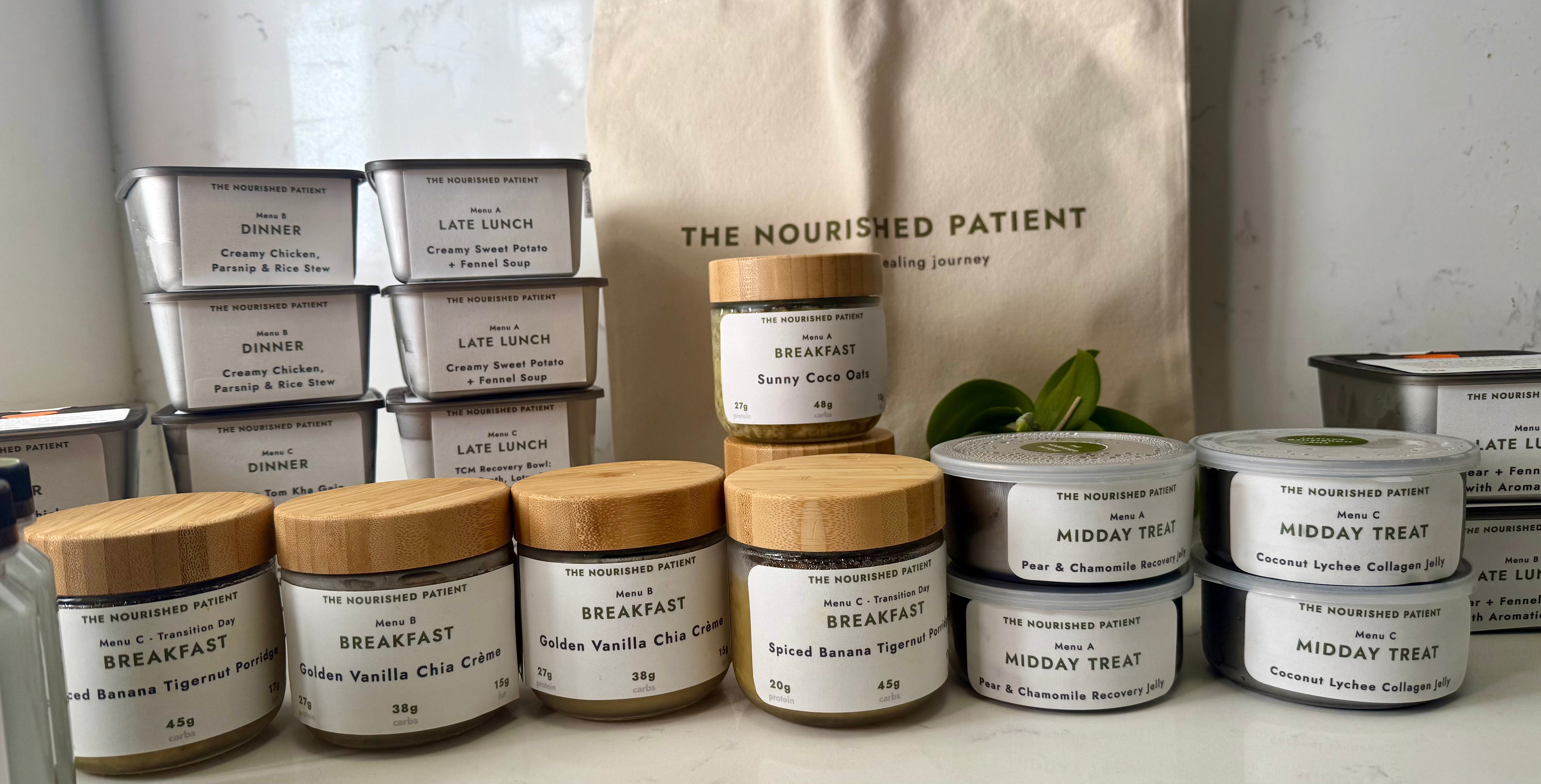
Some research suggests that up to 2 out of 3 women may be nutrient-depleted heading into surgery, often without realizing it. Since your body relies on specific nutrients, including protein, vitamin C, and collagen-supportive compounds, to carry out the biological processes involved in wound healing and scar formation, nutritional gaps during recovery may influence how efficiently your body moves through the healing stages described above.

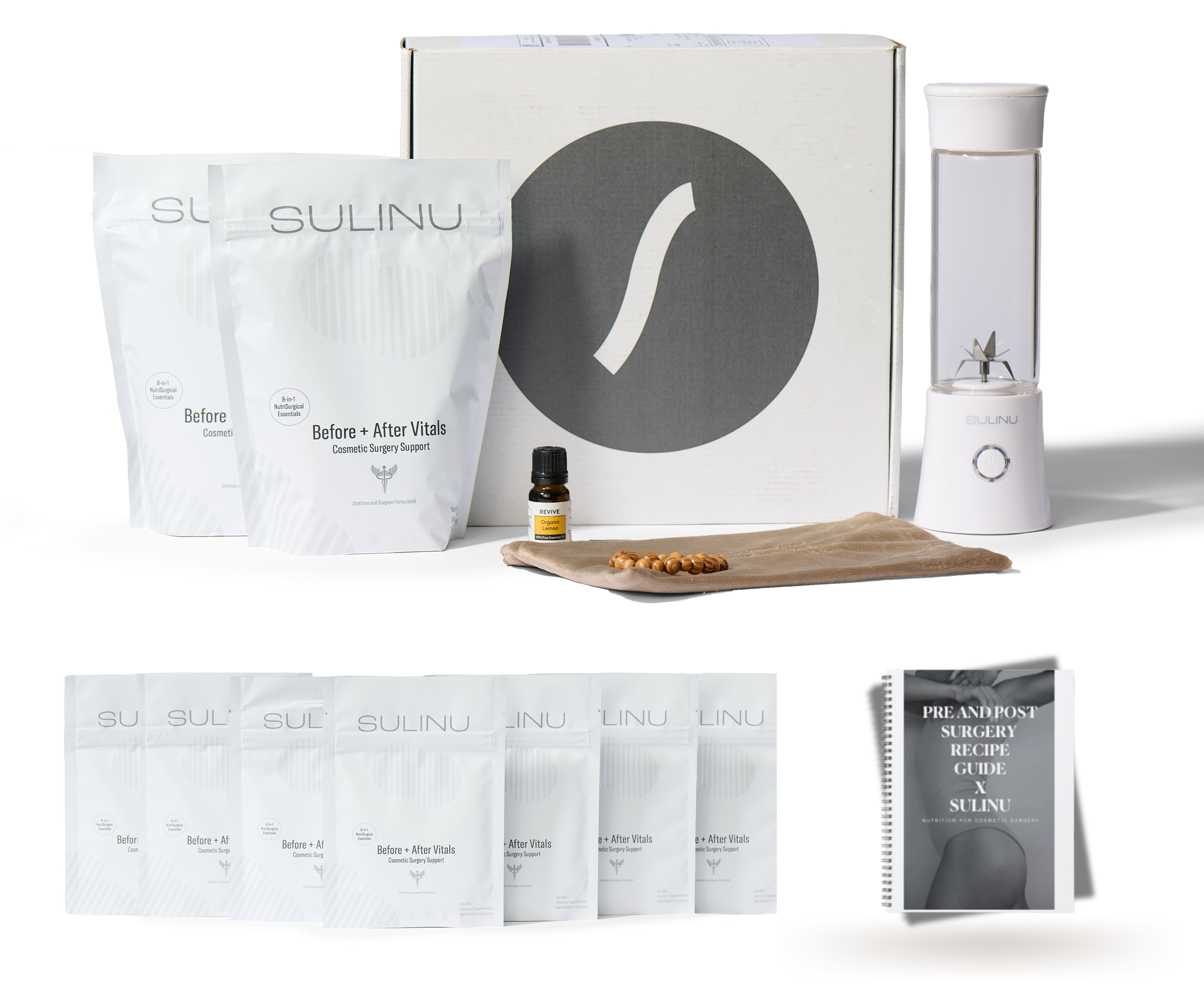
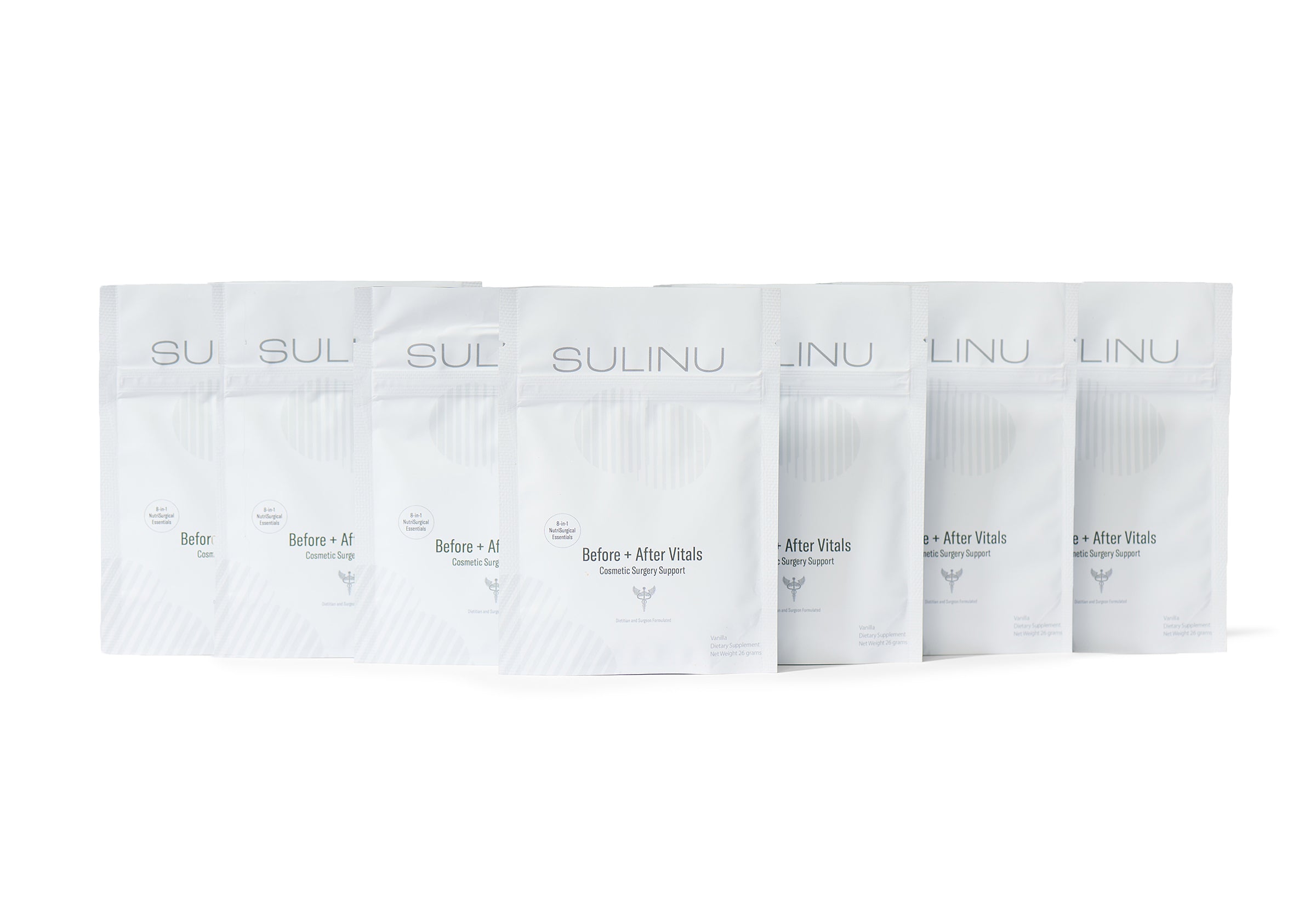
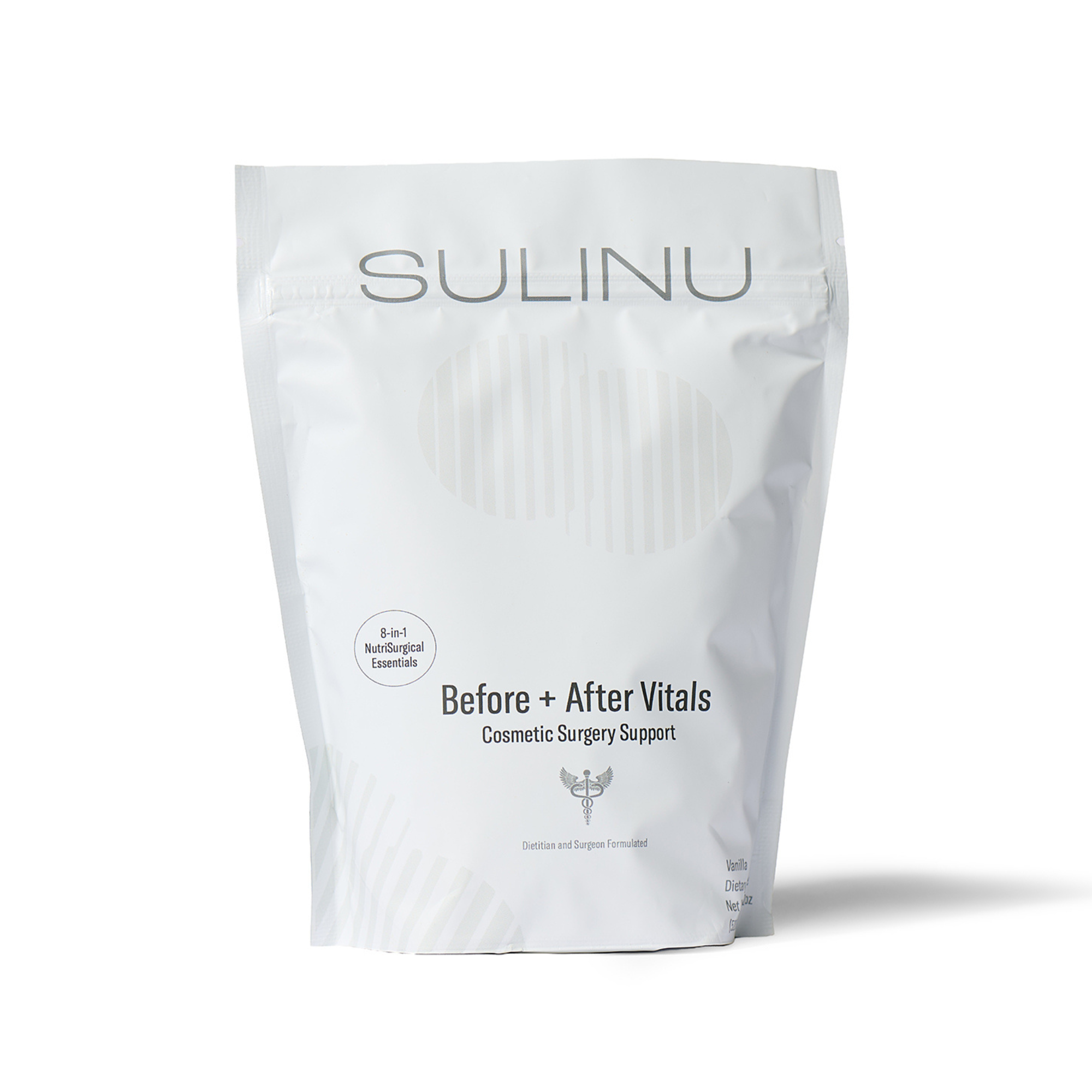
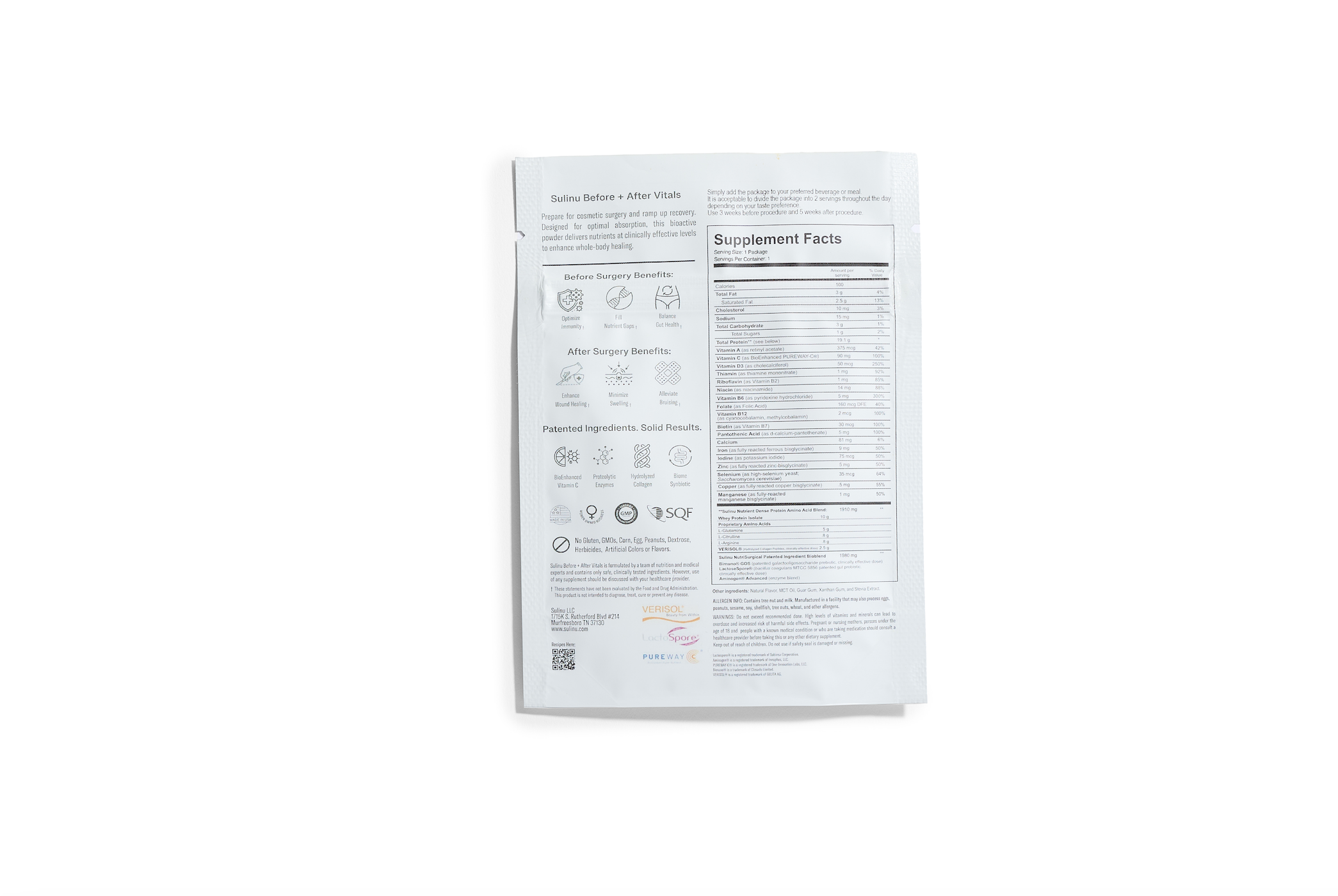
Before+ After Vitals: Surgeon-Approved Ingredients for Scar Healing Support
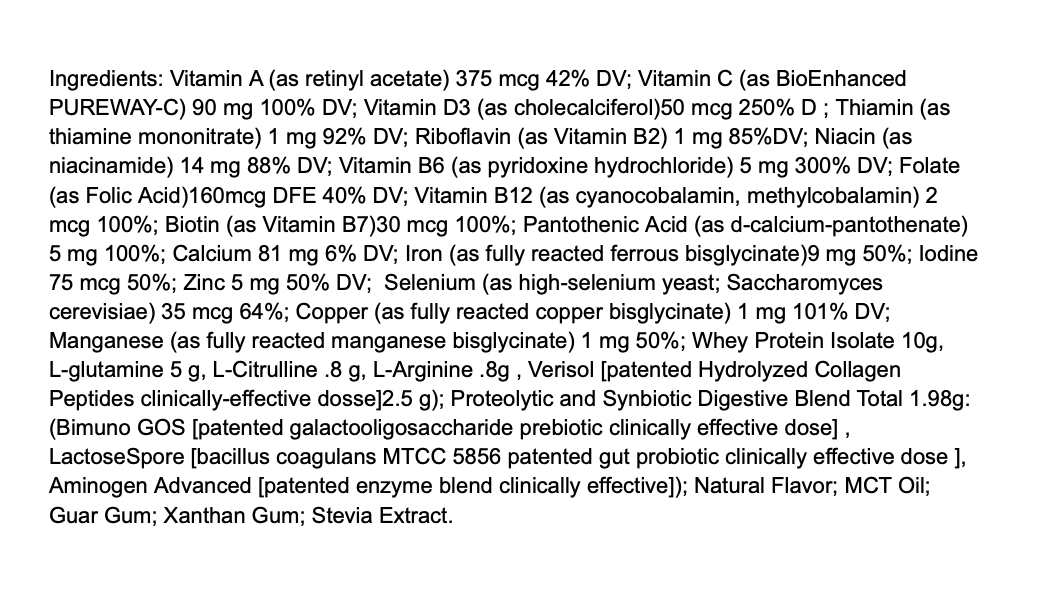
BioEnhanced Vitamin C
A patented, rapid-absorbing form that some research suggests achieves significantly higher tissue retention than standard ascorbate formulations. Vitamin C is foundational to collagen synthesis, immune defense, and antioxidant protection during the inflammatory phase, all of which directly influence how your body manages bruising, swelling, and the quality of scar tissue over time. It's also formulated to avoid the GI side effects that typically make high-dose vitamin C difficult to tolerate post-surgery.
Hydrolyzed Collagen Peptides
A patented version that some studies indicate may support meaningful improvement in skin elasticity in a matter of weeks. Collagen peptides don't just add collagen. They signal skin cells to produce more of their own. This matters at every stage: for swelling resolution as tissues remodel, for bruising clearance as vascular integrity is restored, and for scar quality as new tissue architecture forms.
Proteolytic Enzymes
Patented enzymes that, when combined with protein, some research suggests, can help double total amino acid absorption. Amino acids are the building blocks your body uses to repair incision tissue, clear inflammatory debris, and build new scar architecture. Getting more of them absorbed, not just consumed, is the goal.
Biome Synbiotics
Surgery disrupts gut health, and disrupted gut health disrupts everything else: nutrient absorption, immune function, inflammatory response. Prolonged bruising and swelling are often downstream of a gut that isn't processing and delivering nutrients efficiently. This patented prebiotic and probiotic blend is designed to survive stomach acid and arrive active in the gut, supporting the digestive foundation that makes all other healing nutrients work.
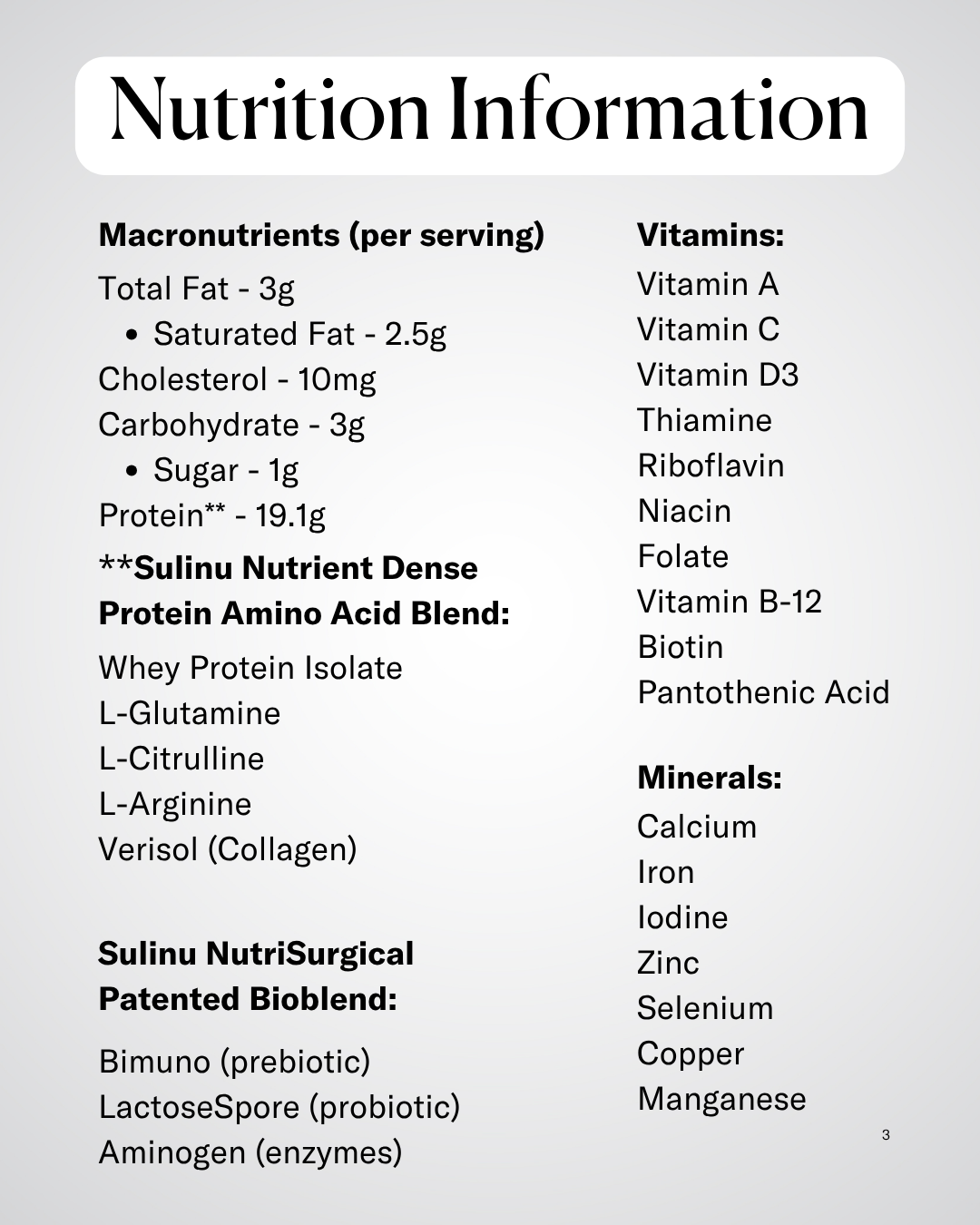
The formula also includes targeted amino acids (L-glutamine, L-citrulline, L-arginine), essential vitamins (A, B-complex, C, D3), and minerals (zinc, copper, manganese, iron) — all in clinically relevant dosages, not token inclusions.
No GMOs. No gluten. No artificial colors. No ingredients that interfere with each other. Everything in Before + After Vitals is there because it has a specific job in your recovery.
Scoop. Mix. Heal.
How much do I need to support my surgery recovery?
Our recommended protocol for post-surgical healing is at least:
1 bag before surgery
1 bag after surgery
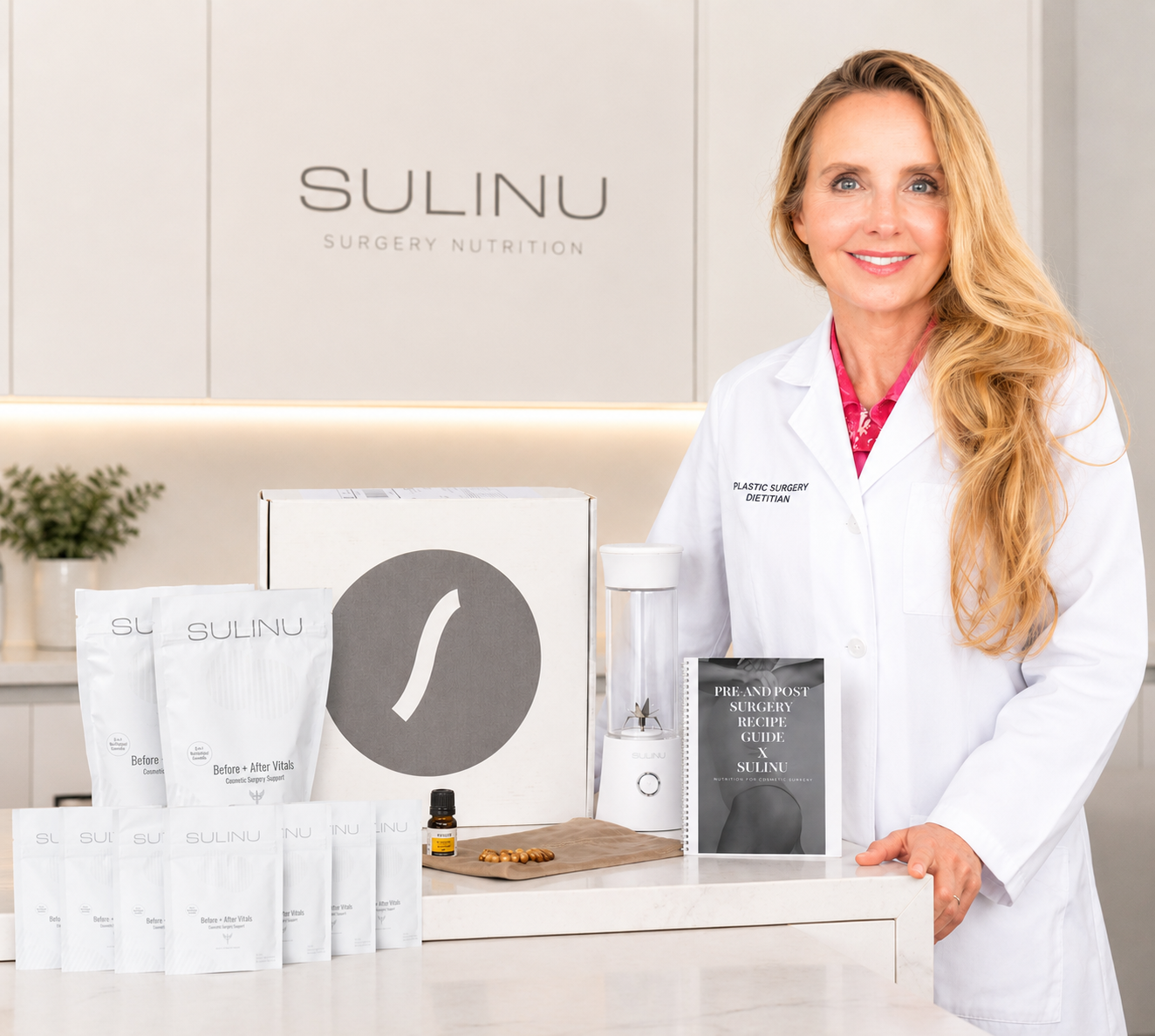
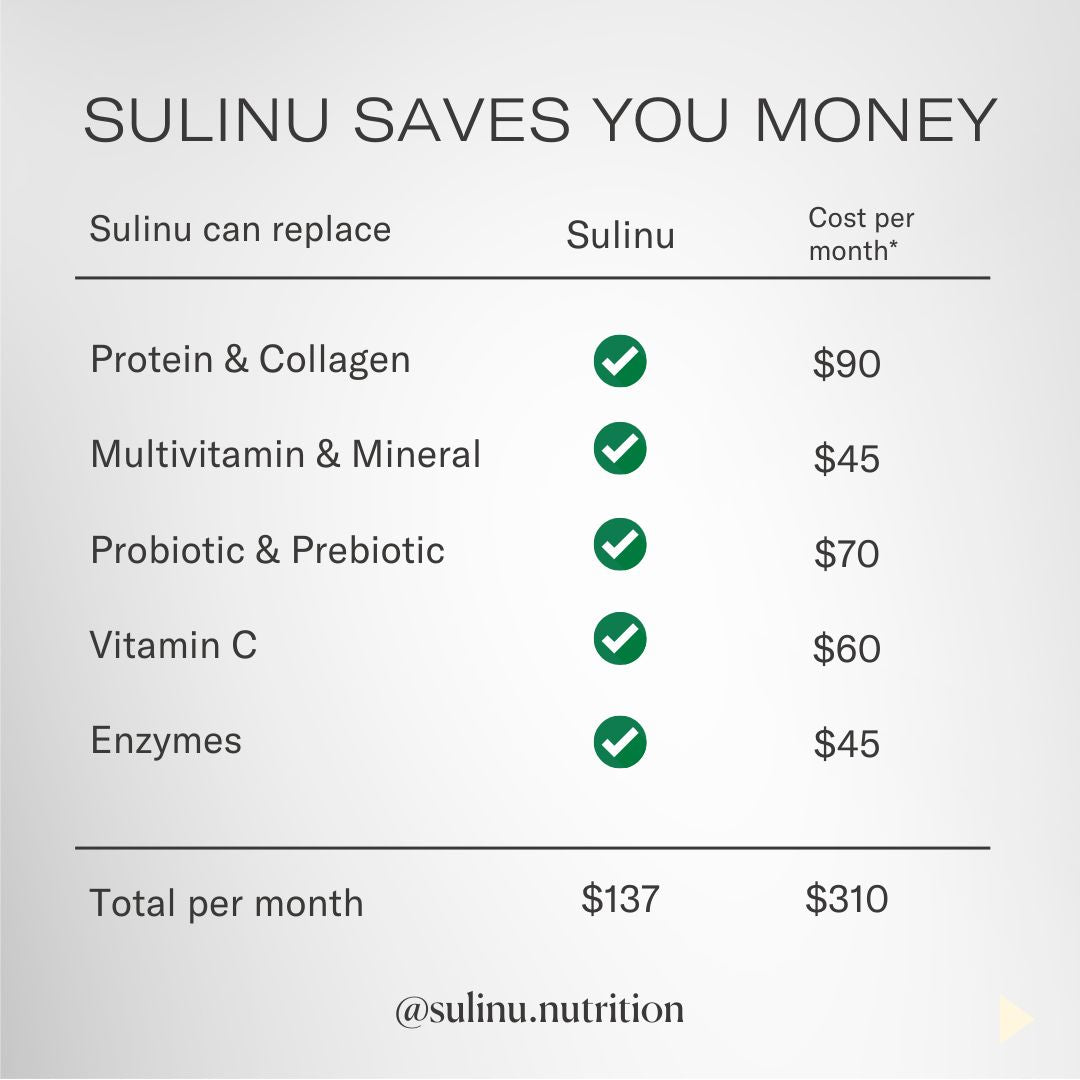
Support your surgery recovery with our VIP Bundle and get everything you need for before and after surgery. You can also get a discount with a subscription plan.

Already recovering from surgery?
Have you already had surgery and are wondering if this will still help? The short answer: yes, absolutely! Your tissue takes up to one year to heal. Starting now still counts.
When to Talk to Your Surgeon
While most scars follow a predictable fading pattern, certain signs warrant a conversation with your provider:
A scar that continues growing beyond the original incision site
Increasing pain, redness, or warmth after the initial healing period
Signs of infection, including discharge or fever
A scar that has not shown any improvement after several months
Surgical Scar Healing FAQs:
Do all surgical scars eventually fade?
Most scars do fade significantly over 12 to 18 months, though some research suggests complete fading varies by individual and scar type. Scars typically do not disappear entirely.
Can I speed up how fast my scar fades?
While no method guarantees a specific timeline, consistent sun protection, appropriate wound care, and adequate nutrition are commonly associated with supporting the body's natural fading process.
Why is my scar still red after several months?
Some research indicates that scars can remain pink or red well into the proliferative and early maturation stages, which can extend several months to a year depending on the individual and incision location.
Is it normal for a scar to feel firm or raised at first?
Yes. Firmness and slight raising during the early proliferative stage are commonly reported as scar tissue forms, and this often softens as the scar moves into the maturation stage.
Medical Disclaimer
The information provided in this article is for general educational purposes only and is not intended to constitute medical advice, diagnosis, or treatment.
Every individual's healing process is unique, and outcomes vary based on a wide range of factors, including health status, surgical technique, and post-operative care. Always follow the specific guidance of your board-certified plastic surgeon and medical team.
If you experience any concerning symptoms during recovery — including signs of infection, wound separation, or unusual pain — contact your surgical team immediately.
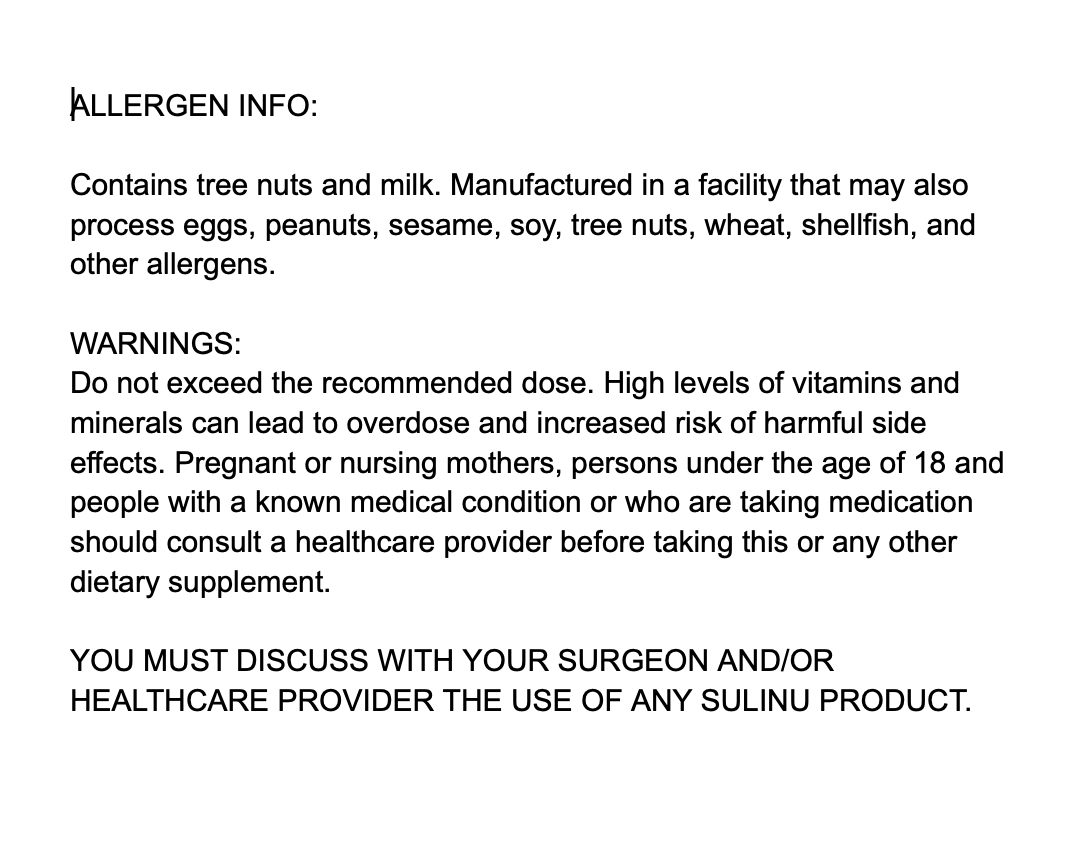
These statements have not been evaluated by the Food and Drug Administration. Sulinu's Before + After Vitals is not intended to diagnose, treat, cure, or prevent any disease.


![A ⭐BEST VALUE⭐ The Prep + Recovery Bundle [free shipping] package is displayed on a white background with text highlighting its clinical benefits and international sourcing, emphasizing improved nerve regeneration, better protein absorption, and faster healing—making it an ideal addition to any surgical recovery kit.](http://www.sulinu.com/cdn/shop/files/2.jpg?v=1776452906&width=1080)
![A promotional image for The PREP STARTER Kit [free shipping], showcasing its key benefits such as protein, vitamins, minerals, amino acids, probiotics, and enzymes. Featured as an essential pre-op supplement in your surgery prep kit, the product bag is displayed alongside fresh green vegetables on a light background.](http://www.sulinu.com/cdn/shop/files/12.jpg?v=1776452906&width=1080)
![A hand holds a scoop of white powder above an open bag of The PREP STARTER Kit [free shipping]. Text highlights that this research-based formula aids surgery recovery, delivers 19g of protein and 29 carefully selected ingredients per daily scoop—making The PREP STARTER Kit an essential addition to any surgery prep kit.](http://www.sulinu.com/cdn/shop/files/3.jpg?v=1776452906&width=1080)
![A woman’s face in close-up appears on the left. On the right, text explains post-surgery risks: metabolism rises, appetite drops, food intake falls, and nutrient needs soar. The message: your body needs more while you eat less—making The PREP STARTER Kit [free shipping] essential for recovery.](http://www.sulinu.com/cdn/shop/files/9.jpg?v=1776452906&width=1080)
![Text graphic explaining consequences of not fueling the healing body: slower wound healing, higher infection risk, more bruising, increased fatigue, pain, and constipation. Highlights that nutrition is essential for recovery but often overlooked—using The PREP STARTER Kit [free shipping] can help support your body and make all the difference for surgical recovery.](http://www.sulinu.com/cdn/shop/files/10.jpg?v=1776452906&width=1080)
![A smiling woman holding a box labeled The PREP STARTER Kit [free shipping] stands beside text explaining the purpose behind creating The PREP STARTER Kit: to support post-surgery recovery by providing targeted nutrition backed by real clinical data, serving as an essential surgery protein guide for patients seeking optimal outcomes.](http://www.sulinu.com/cdn/shop/files/14.jpg?v=1776452906&width=1080)
![A person in a fitted outfit poses against a neutral background. Text reads ⭐BEST VALUE⭐ The Prep + Recovery Bundle [free shipping]. Discover the ultimate surgery prep bundle—nutrition for cosmetic surgery and essential support for your recovery kit.](http://www.sulinu.com/cdn/shop/files/UltimateSurgeryBundle-Sulinu.png?v=1775162796&width=537)