Facelift scars are the part of the recovery conversation that often gets a polite mention and a quick pivot to "but they fade beautifully!" And while that's technically true for most patients, it's not the whole story.
The whole story involves biology, timing, a little genetics, a lot of diligence, and a few things your surgeon's post-op packet probably glossed over.
Where Facelift Scars Actually Live
First, let's orient ourselves.
In a traditional facelift, incisions typically begin at the temples within the hairline, curve around the front of the ear (often tucked into the natural skin fold called the tragus), continue behind the earlobe, and extend into the lower scalp. If a neck lift is included, a small additional incision is usually made under the chin.
The goal of this placement isn't just surgical convenience — it's deliberate camouflage. Hairlines, ear creases, and natural facial folds are purpose-built for concealment.
Mini facelifts use shorter incisions, typically concentrated around the ear, which means less surface area healing but the same general timeline.
Think of surgical technique as the foundation. Incision placement is the first variable in your scar outcome, and it's set before you even wake up. A skilled surgeon positions cuts within hairlines and natural creases, under low tension, to create the most favorable healing conditions possible.
Everything you do in recovery is what maximizes that head start.
The Three Phases of Facelift Scar Healing
Scar formation isn't a single event. It's a biological construction project that happens in stages, each with its own rules and requirements.
Phase 1: Inflammatory (Weeks 1–2)
Right after surgery, your body does what it always does in response to injury: it goes into full emergency mode. Blood vessels mobilize, swelling begins, and the incision sites look red and slightly angry. This is not a sign that something is wrong — this is your immune system doing exactly its job. During this phase, the priority is keeping incisions clean, protected, and untouched. No picking. No scrubbing. No doing anything besides following your surgeon's instructions to the letter.
Phase 2: Proliferative (Weeks 3–6)
Here's where the real structural work happens. Your body begins producing collagen — the primary protein that forms scar tissue — and the incision starts to physically close and consolidate. Scars during this phase often appear raised, firm, and potentially darker. Many patients are alarmed at this stage. Don't be. This is not your final result. This is scaffolding.
Collagen production during this phase is responsive — meaning what you put into your body (and what you put on your skin) can genuinely influence the quality of tissue being built. More on that shortly.
Phase 3: Maturation (Months 2–24)
This is the long game. Over the following months — and yes, for some patients it takes closer to two years for full maturation — scar tissue softens, flattens, and fades. The red-to-pink-to-near-invisible progression most facelift patients experience happens here. Some studies suggest that diligent scar care during this phase can meaningfully accelerate the timeline to a more refined appearance.
The bottom line: facelift scars are not a finished product at six weeks. They're barely a rough draft. Supporting this process with the right aftercare can make a huge difference in your long-term results.
The Types of Facelift Scars You Might Encounter
Not all facelift scars are created equal. Here's the spectrum.
Fine Line Scars
The gold standard. These are flat, narrow, and gradually match your surrounding skin tone over time. Most facelift patients with good surgical technique, appropriate aftercare, and favorable healing biology end up here.
Hypertrophic Scars
These appear raised and sometimes darker than the surrounding skin, but importantly, they stay within the boundaries of the original incision. They're more common in patients whose bodies produce collagen aggressively, which sounds like it should be a good thing but can overshoot optimal healing.
The good news: hypertrophic scars typically improve over time, and some studies suggest that treatments like silicone sheets or topical therapies can support the flattening process.
Keloid Scars
Keloids take the overproduction problem a step further — they expand beyond the original incision line and can be raised, ropey, or thickened. Keloid formation has a strong genetic component. Patients with a personal or family history of keloids should have a frank conversation with their surgeon before surgery, since prevention is considerably easier than correction.

The Hidden Factors That Decide Your Scar Outcome
Here's the part nobody likes to hear: you don't have complete control over your scars.
Genetics
Genetics play an enormous role in how your body lays down collagen and how aggressively it responds to skin injury. Some people are simply predisposed to cleaner scarring. Others aren't. Knowing your family history of scarring before surgery is useful data.
Skin Type
Skin type and tone also matter. Some research suggests deeper skin tones may be more prone to hyperpigmentation or keloid formation — not because of any inherent healing deficiency, but because of how melanocytes respond to injury. This is worth discussing in detail with your surgeon during consultation.
Surgical Tension
Surgical tension, how tightly the skin is pulled during closure, significantly impacts scar quality. Incisions closed under excessive tension are more likely to result in wider or more prominent scars. This is entirely in your surgeon's hands.
Smoking
Smoking is the variable that undermines everything else. It constricts blood vessels, reduces oxygen delivery to healing tissue, and some research suggests it can meaningfully increase the risk of poor scarring outcomes. Surgeons aren't being dramatic when they say to stop well before surgery.
Age
Age also factors in too. Younger skin tends to produce collagen more vigorously, which sounds beneficial — but it can also mean more reactive early scarring. Mature skin typically scars more quietly, though it may take longer to fully remodel.
Nutrition
What you eat before and after surgery directly affects your body's ability to build new tissue. Collagen synthesis depends on adequate protein, vitamin C, and zinc — deficiencies in any of these can slow wound healing and compromise scar quality.
Conversely, getting your nutritional status right before going under the knife gives your body the raw materials it needs to close wounds cleanly. Most patients don't think about surgical nutrition until they're already in recovery. Starting earlier — ideally in the weeks before surgery — gives you a meaningful edge on how your scars ultimately form.
Your Practical Facelift Scar Management Playbook
The good news: while you can't override genetics, you can significantly influence your scar outcome through smart, consistent aftercare.
Sun protection is non-negotiable. UV exposure is one of the fastest ways to permanently darken a healing scar. Facelift scars on the face and around the ears are essentially in a constant sun-exposed area. SPF 50+ daily — not just beach days. This applies for a minimum of 12 months post-surgery, ideally longer.

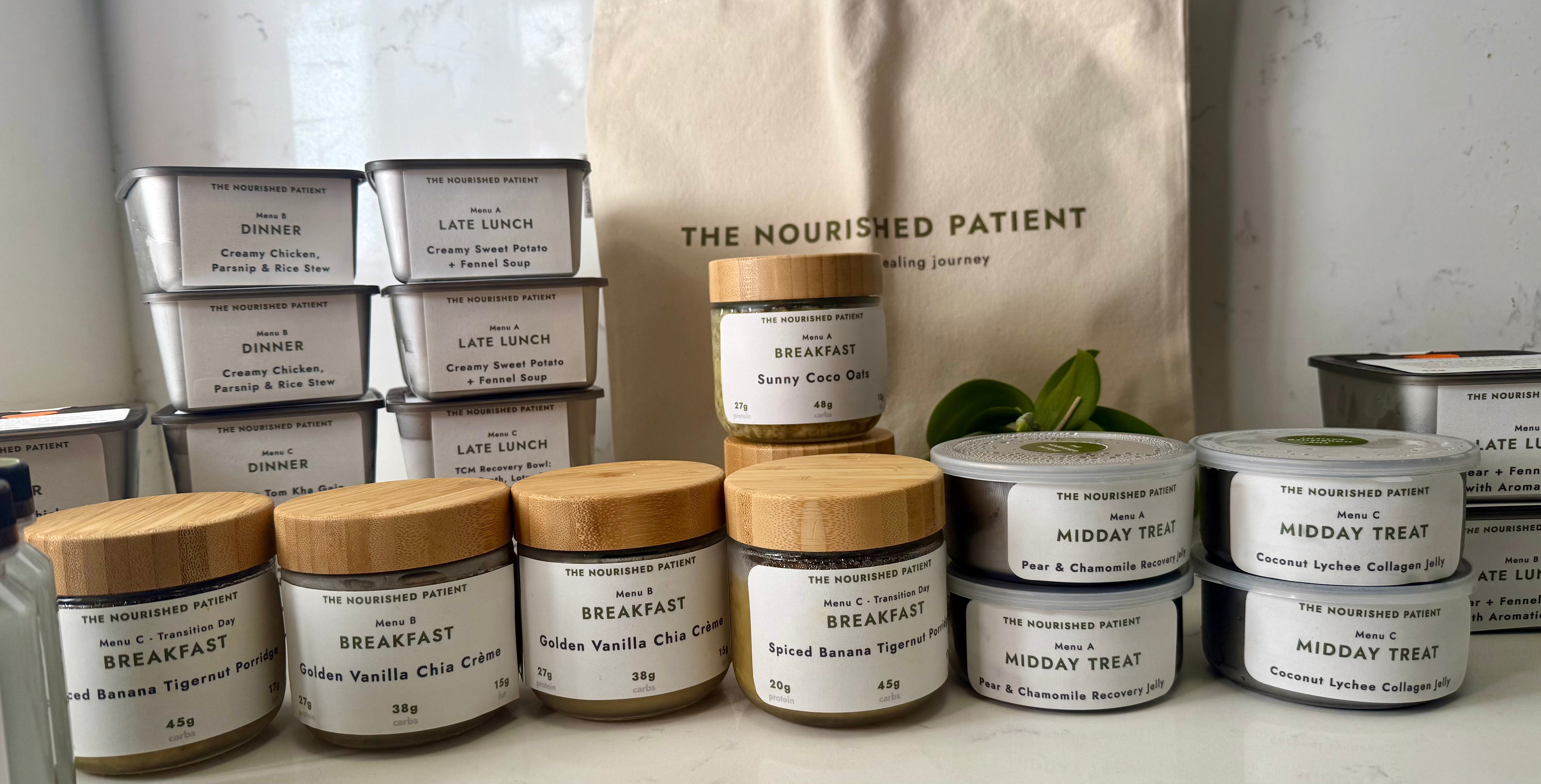
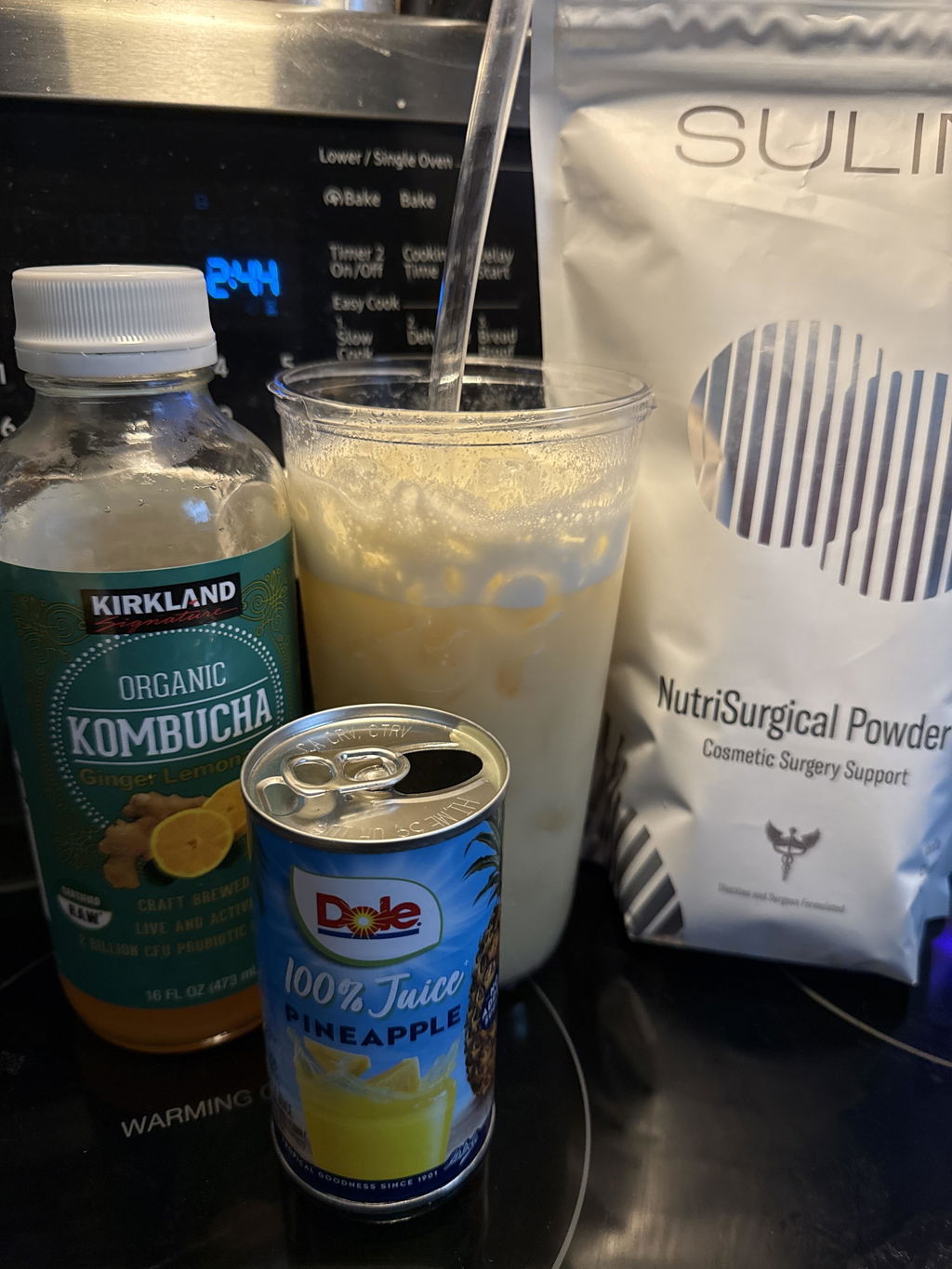
Prioritizing nutrition is a must. Scar tissue quality is partly determined by what your body has available to build with. Key nutrients — including protein, collagen, and amino acids — directly support tissue repair. What you eat during recovery isn't background noise; it's active input. A post-surgery supplement designed specifically for cosmetic surgery recovery can help greatly in supporting scar healing.

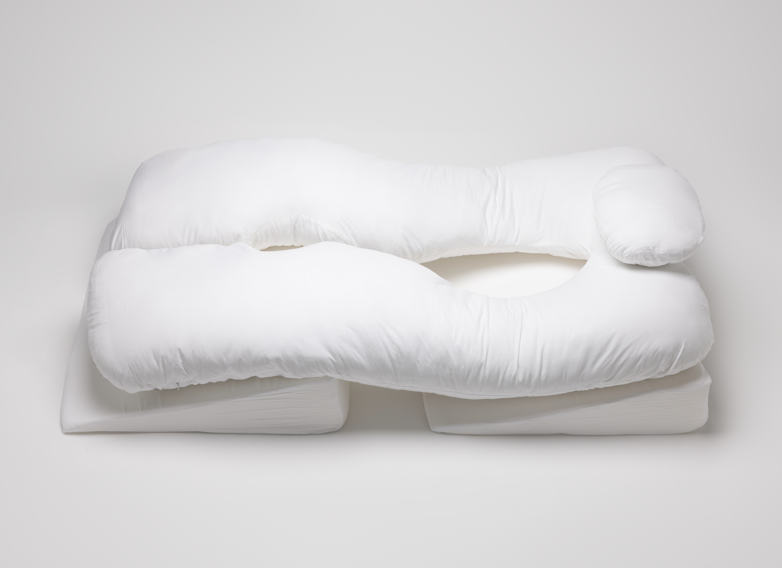
Use elevated back sleeping. Doctors often recommend sleeping elevated after a facelift. It reduces swelling, improves circulation, and speeds recovery, but a stack of regular pillows can't hold the right angle all night. A post-surgery pillow that supports elevated back sleeping for your facelift recovery can help protect your results.
Silicone gel or sheets are a well-studied topical option for scar management. Some research suggests they support hydration of the scar tissue and may help regulate collagen production. They're also low-risk, which is why surgeons tend to recommend them without much hesitation once incisions are fully closed.
Scar massage may help. Typically introduced around 6–8 weeks post-op with your surgeon's approval, it is generally thought to help break up adhesions and encourage scar tissue to soften, and may support blood flow to the area, which supports remodeling. Consistency matters more than intensity here.
Avoid tension on your incision sites during early healing. That means no heavy lifting, no strenuous activity that causes straining, and sleeping in a position that doesn't put pressure on healing tissue.
Keep incisions clean and moisturized. During the early weeks, a gentle, fragrance-free approach is best. Once your surgeon gives the green light, keeping scar tissue supple and hydrated helps prevent the scar from becoming thick or adherent.
The Nutrition Piece Nobody Puts in the Brochure
Here's something that often gets entirely omitted from the scar conversation: your body cannot build quality tissue from subpar materials.
Facelift recovery places an intense demand on your body's nutritional resources. Collagen synthesis, immune response, tissue repair, and inflammation management — all of these biological processes are nutrient-dependent.
Some studies suggest that a meaningful portion of surgical patients enter recovery in a nutritionally depleted state, which can impact everything from healing speed to the quality of scar tissue being built.
During the proliferative phase, specifically when your body is actively constructing scar tissue, what you're eating (and absorbing) can influence the structural outcome.
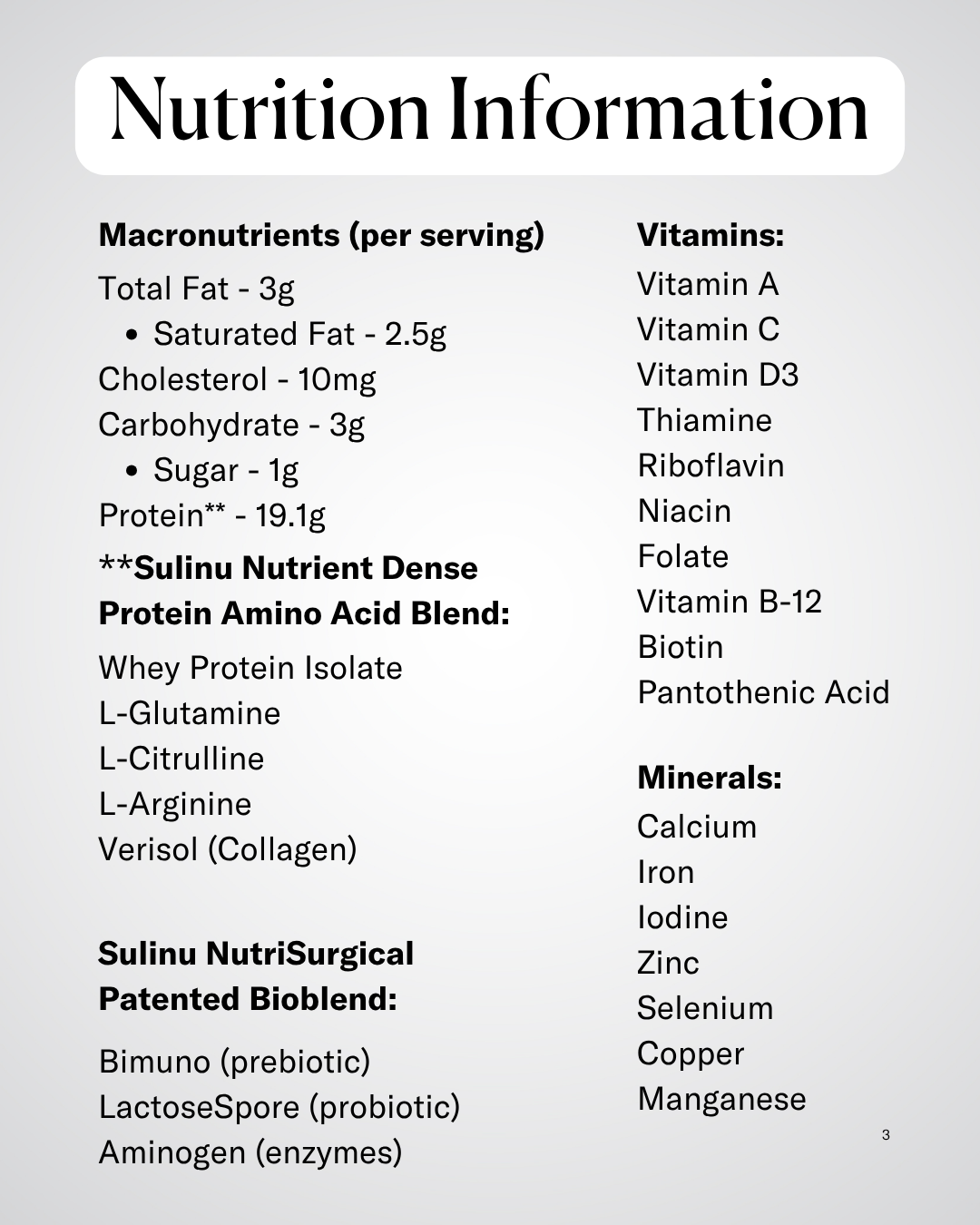
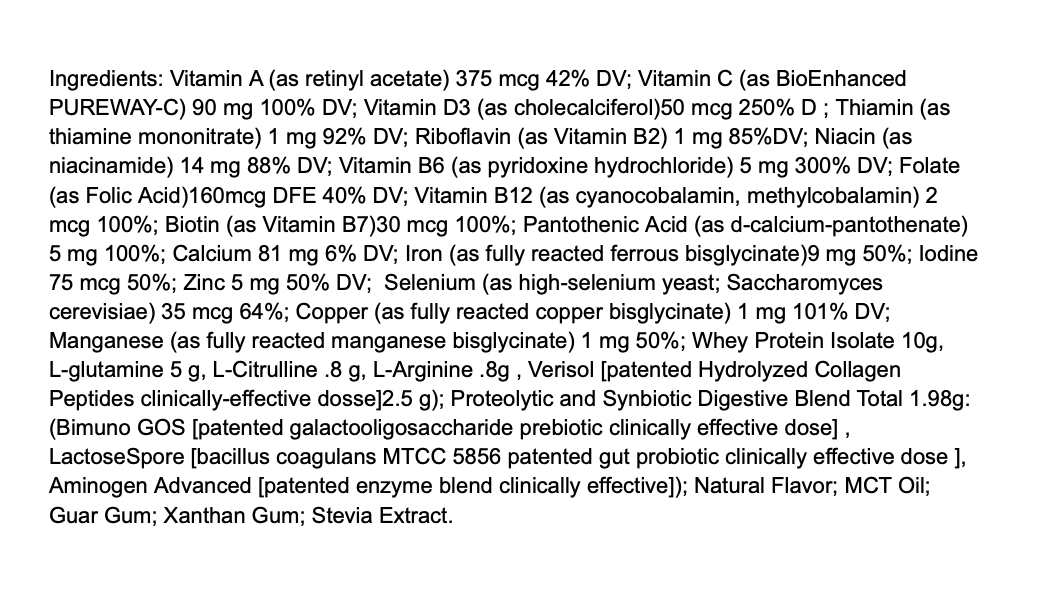
Vitamin C plays a key role in collagen synthesis. Some research suggests that inadequate levels may affect collagen cross-linking. Protein is the raw material for tissue repair. Zinc supports wound healing and immune function. Proteolytic enzymes may help clear inflammatory debris and support more organized tissue remodeling.


The challenge is that standard diets and even general multivitamins often don't deliver these nutrients at the levels your recovering body actually needs — or in forms it can efficiently absorb when digestive function is already compromised by medications and surgical stress.
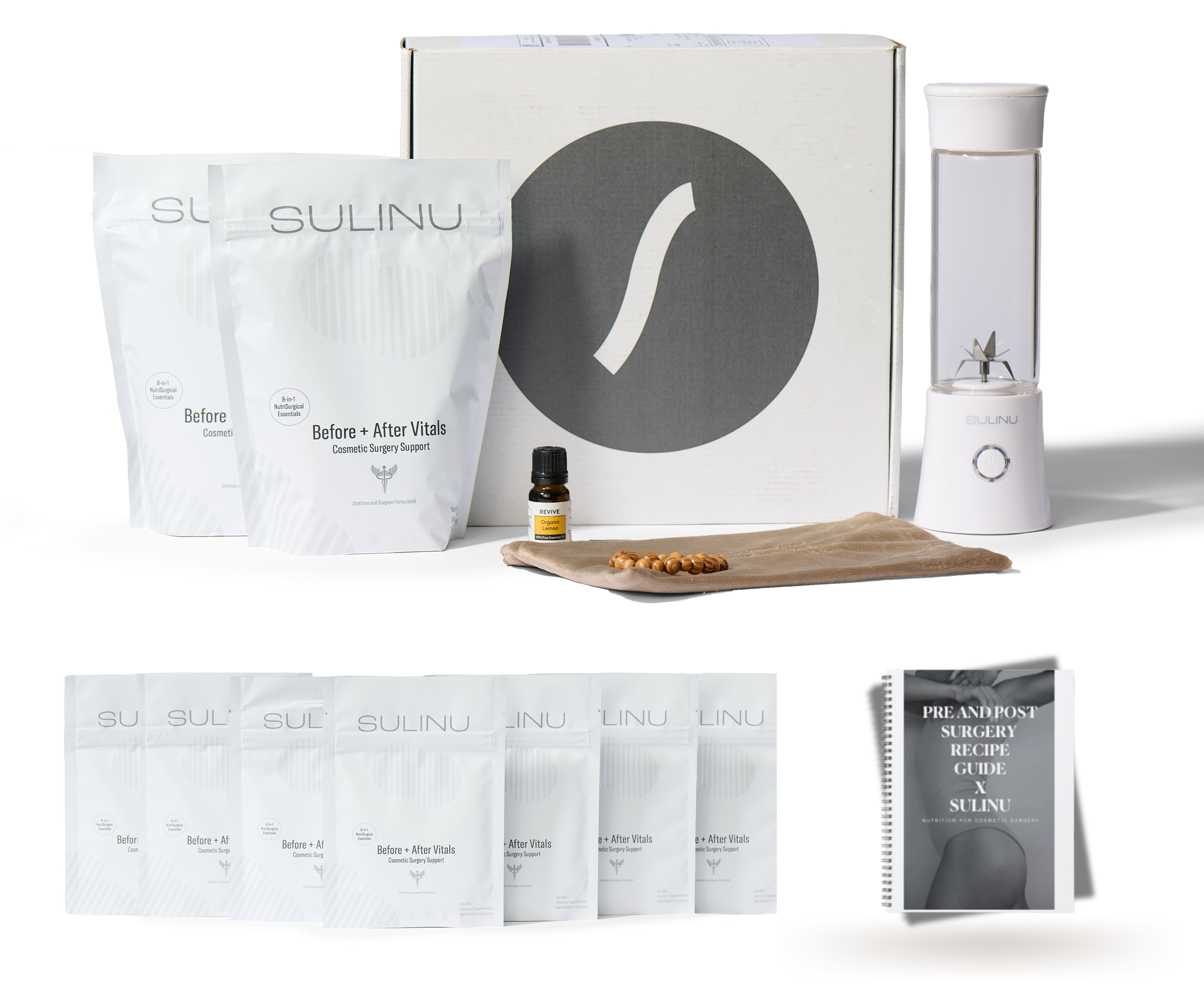
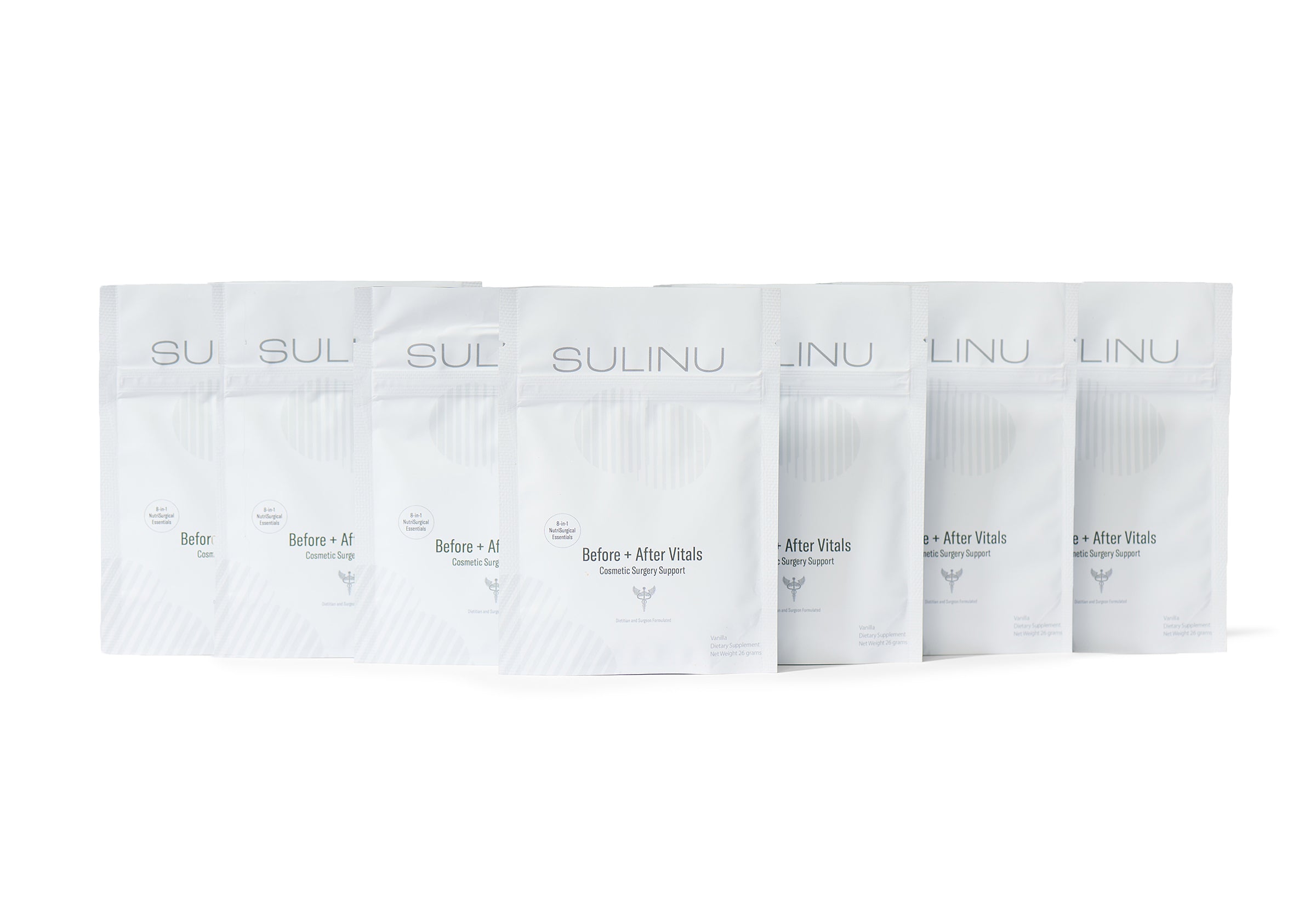
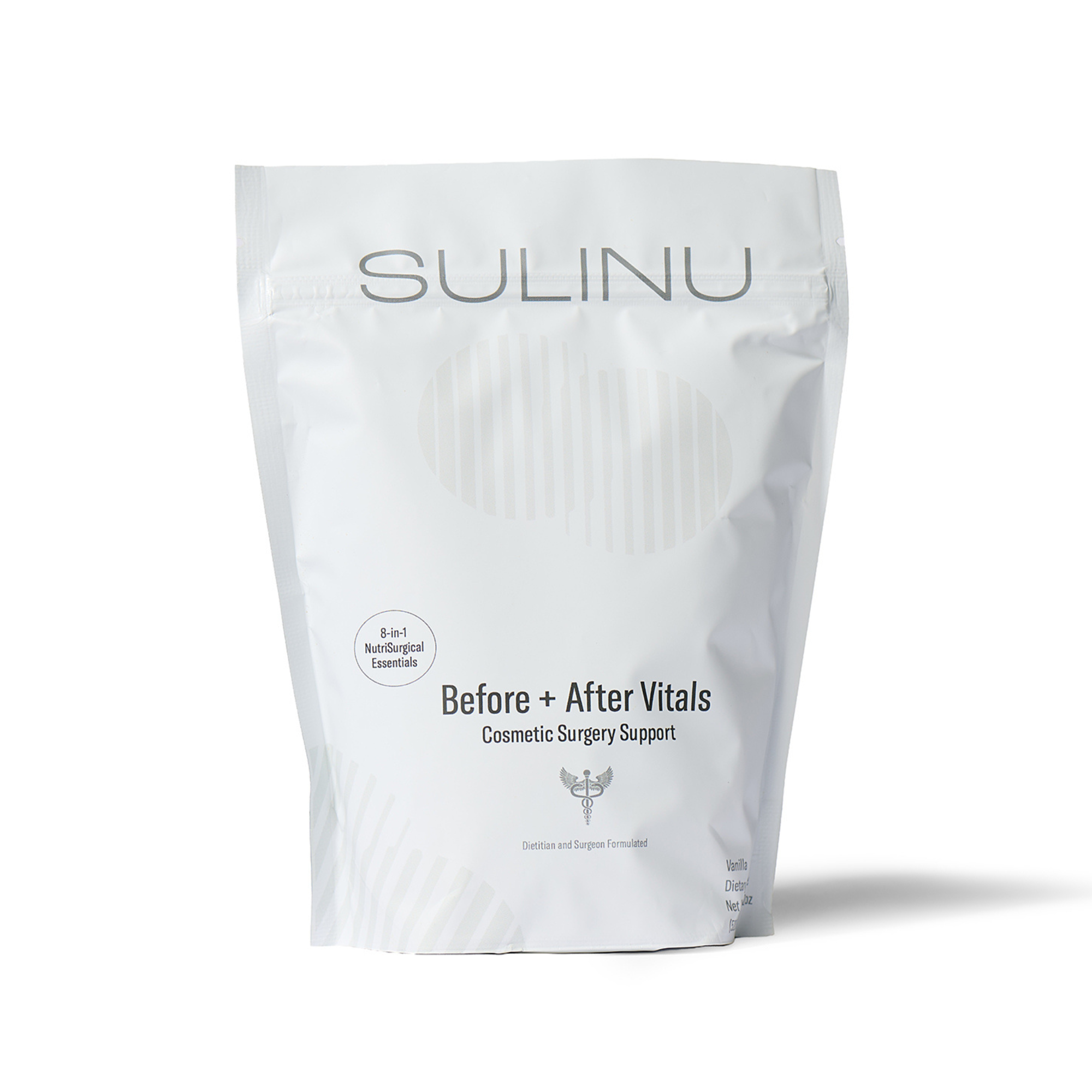
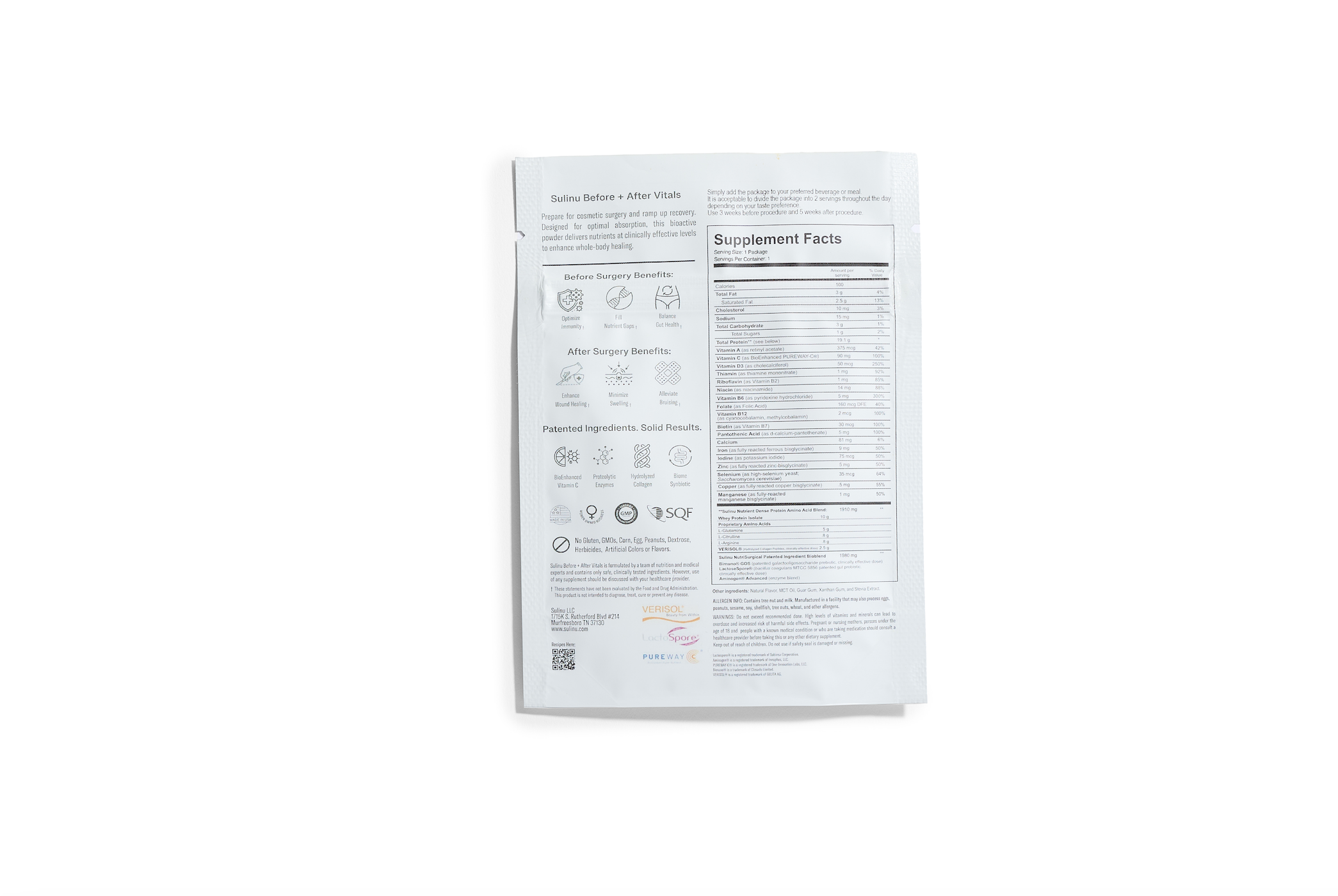
This is where Sulinu's Before + After Vitals can be a game-changer for facelift scar recovery.
Designed specifically for cosmetic surgery recovery, not general wellness, it's a NutriSurgical formulation built around the unique nutritional demands of surgical healing.
The formula includes BioEnhanced Vitamin C for collagen support, a proteolytic enzyme complex to aid in inflammatory cleanup, hydrolyzed collagen peptides to signal your skin cells toward active collagen production, and a synbiotic blend to maintain digestive integrity when medications disrupt your gut. One scoop. Everything your body needs to heal — not just survive recovery.
The concept is straightforward: better building materials make better repairs.
Scoop. Mix. Heal.
SHOP THE BEST SUPPLEMENT FOR MINIMIZING FACELIFT SCARS
Red Flags: When Your Facelift Scar Needs Medical Attention
Most facelift scars follow a predictable, if occasionally frustrating, trajectory. But some warning signs deserve a call to your surgeon, not a self-diagnosis session.
Widening scars that continue to expand weeks after surgery may indicate tension issues or poor wound closure that warrants evaluation.
Scar tissue that feels hard, nodular, or painful beyond the expected early firmness should be assessed — particularly if accompanied by skin changes or restricted movement.
Significant asymmetry between the two sides, especially if one side is visibly more raised or darker, is worth flagging. Some variation is normal; pronounced differences are not.
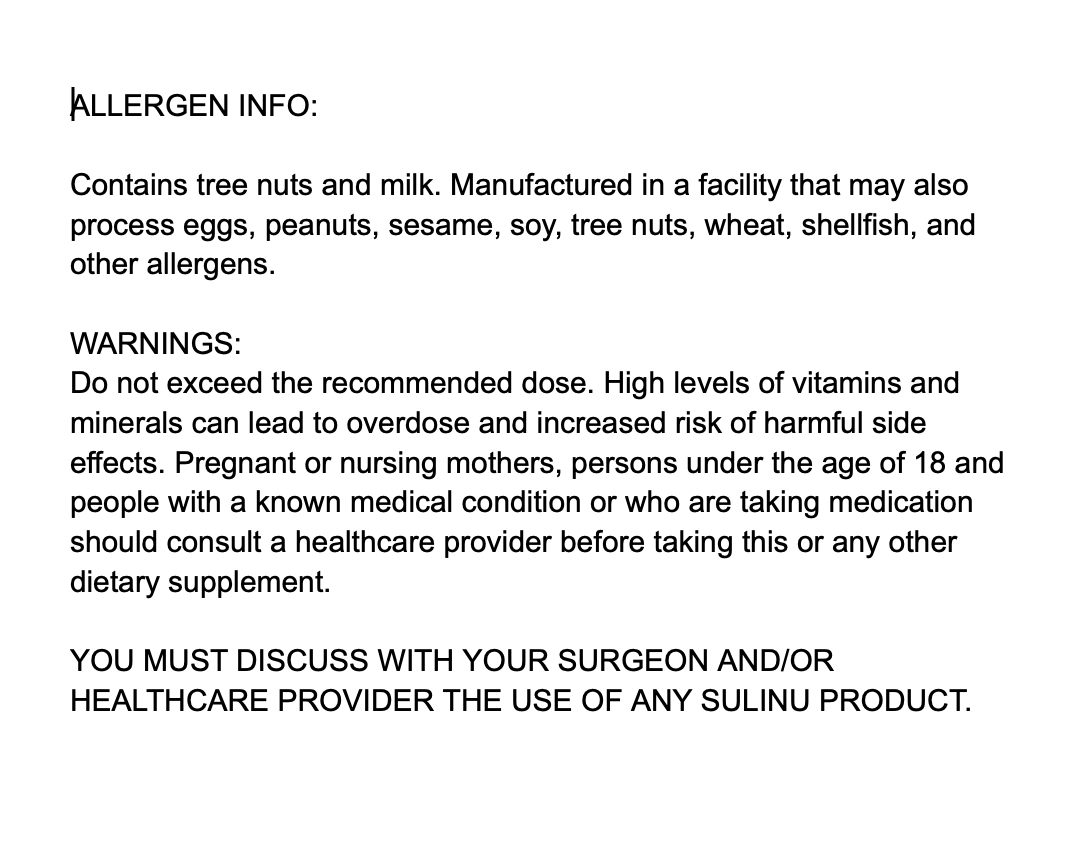
Signs of infection — redness spreading beyond the scar line, warmth, discharge, or fever — require prompt medical attention, not watchful waiting.
And if a scar is simply not progressing the way you expected after 6–12 months, that's the right time to discuss options with your surgeon. Laser treatments, steroid injections, and scar revision procedures exist precisely for this.
FAQs: Facelift Scars
How long do facelift scars take to fully heal?
The complete maturation process can take anywhere from 12 months to two years, depending on your skin type, the extent of your procedure, and the consistency of your aftercare. Many patients notice meaningful improvement around the 6-month mark, but final results are typically a longer game than most people expect going in.
Will people be able to tell I had a facelift because of my scars?
In most cases, particularly when the procedure is performed by a skilled surgeon with thoughtful incision placement, facelift scars become virtually undetectable over time. The strategic placement within hairlines and natural ear folds does exactly what it's designed to do. Results vary based on individual healing factors.
Can I wear makeup to cover my facelift scars?
Yes, but timing matters. Most surgeons recommend waiting until incisions are fully closed and the skin has recovered enough to tolerate product, typically a few weeks post-op. After that, mineral-based concealers and foundations are generally gentler on healing tissue than heavy formulations.
Does what I eat actually affect my scar outcome?
More than most people realize. Some studies suggest that targeted nutritional support during surgical recovery can positively influence tissue quality and healing speed. Getting adequate protein, vitamin C, and other healing-critical nutrients is one of the few recovery variables fully in your control. Supplements like Before + After Vitals are specifically formulated to address the elevated nutrient demands of cosmetic surgery recovery.
Is it normal for facelift scars to itch?
Yes, itching during the proliferative and early maturation phases is extremely common and is generally a sign that nerves are regenerating and tissue is actively remodeling. Resist the urge to scratch. Gentle silicone application or scar massage (once approved by your surgeon) can help manage the sensation.
What's the difference between hypertrophic scars and keloids?
The key practical difference is containment and trajectory. Hypertrophic scars tend to self-correct over time with consistent aftercare. Keloids, which run in families and are largely genetically driven, don't follow that same path and typically require active intervention to manage. If you're unsure which you're dealing with, your surgeon can assess and guide the next steps.
Can facelift scars be revised if I'm unhappy with the outcome?
Yes, scar revision is a real and relatively common option for patients whose scars don't mature as expected. Depending on the issue, options range from non-invasive (laser resurfacing, steroid injections, microneedling) to surgical revision of the incision itself. Many surgeons suggest waiting at least 12 months before pursuing revision, since scars continue to improve on their own well past the point most patients expect.
Medical Disclaimer
The information in this article is intended for general educational purposes only and does not constitute medical advice, diagnosis, or treatment.
Facelift scar healing is an individual process influenced by numerous factors unique to each patient.
Always follow the specific post-operative instructions provided by your plastic surgeon, and consult your medical team with any concerns about your recovery. Individual results vary. Nothing in this article should be used as a substitute for professional medical guidance.


![A promotional image for The PREP STARTER Kit [free shipping], showcasing its key benefits such as protein, vitamins, minerals, amino acids, probiotics, and enzymes. Featured as an essential pre-op supplement in your surgery prep kit, the product bag is displayed alongside fresh green vegetables on a light background.](http://www.sulinu.com/cdn/shop/files/12.jpg?v=1776452906&width=1080)
![A hand holds a scoop of white powder above an open bag of The PREP STARTER Kit [free shipping]. Text highlights that this research-based formula aids surgery recovery, delivers 19g of protein and 29 carefully selected ingredients per daily scoop—making The PREP STARTER Kit an essential addition to any surgery prep kit.](http://www.sulinu.com/cdn/shop/files/3.jpg?v=1776452906&width=1080)
![A ⭐BEST VALUE⭐ The Prep + Recovery Bundle [free shipping] package is displayed on a white background with text highlighting its clinical benefits and international sourcing, emphasizing improved nerve regeneration, better protein absorption, and faster healing—making it an ideal addition to any surgical recovery kit.](http://www.sulinu.com/cdn/shop/files/2.jpg?v=1776452906&width=1080)
![A woman’s face in close-up appears on the left. On the right, text explains post-surgery risks: metabolism rises, appetite drops, food intake falls, and nutrient needs soar. The message: your body needs more while you eat less—making The PREP STARTER Kit [free shipping] essential for recovery.](http://www.sulinu.com/cdn/shop/files/9.jpg?v=1776452906&width=1080)
![Text graphic explaining consequences of not fueling the healing body: slower wound healing, higher infection risk, more bruising, increased fatigue, pain, and constipation. Highlights that nutrition is essential for recovery but often overlooked—using The PREP STARTER Kit [free shipping] can help support your body and make all the difference for surgical recovery.](http://www.sulinu.com/cdn/shop/files/10.jpg?v=1776452906&width=1080)
![A smiling woman holding a box labeled The PREP STARTER Kit [free shipping] stands beside text explaining the purpose behind creating The PREP STARTER Kit: to support post-surgery recovery by providing targeted nutrition backed by real clinical data, serving as an essential surgery protein guide for patients seeking optimal outcomes.](http://www.sulinu.com/cdn/shop/files/14.jpg?v=1776452906&width=1080)
![A person in a fitted outfit poses against a neutral background. Text reads ⭐BEST VALUE⭐ The Prep + Recovery Bundle [free shipping]. Discover the ultimate surgery prep bundle—nutrition for cosmetic surgery and essential support for your recovery kit.](http://www.sulinu.com/cdn/shop/files/UltimateSurgeryBundle-Sulinu.png?v=1775162796&width=537)