A tummy tuck is a significant investment — in money, in recovery time, in the physical experience of surgery. The scar is part of the deal. But how that scar ultimately looks isn't entirely out of your hands, and the window to influence it starts earlier than most patients realize.
Tummy tuck scars are inevitable. What isn't fixed is how well yours heals. That comes down to your procedure type, your genetics — and critically, how prepared your body is going into surgery and how well you support it coming out.
This guide covers every stage of tummy tuck scar healing and what actually moves the needle on outcomes.
The Scar Is Part of the Deal — And That's Okay
Let's get something out of the way first: there is no such thing as a scar-free tummy tuck. Anyone telling you otherwise is either selling something or misinformed. Skin has been cut, repositioned, and closed — and your body's response to that is scar tissue. That's not a flaw in the process; that's biology doing its job.
The better framing? A tummy tuck scar is a trade. You're exchanging excess, stretched, post-pregnancy or post-weight-loss skin for a firmer, contoured abdomen — and a scar that, with the right approach, most people won't see because it lives below the waistband of virtually any bikini bottom or pair of underwear.
That said, not all scars are created equal. Some patients are looking at a thin, faded line at the 12-month mark. Others are dealing with something that takes longer to settle. Understanding the variables is where informed management begins.
Types of Tummy Tuck Scars and Where They Land
The type of abdominoplasty you had is generally considered one of the most significant factors in the size and location of your scar. Here's a quick breakdown:
Mini Tummy Tuck Scar
A mini tummy tuck targets the lower abdomen only — below the belly button. The incision is shorter than a full tummy tuck, typically running a few inches across the pubic area. The scar is easier to conceal, heals relatively quickly, and tends to sit very low — often within the natural crease above the pubic hairline.
Full Tummy Tuck Scar
The standard abdominoplasty involves a horizontal incision running hip to hip, positioned just above the pubic area. A second, smaller incision is made around the belly button (navel) for repositioning. The hip-to-hip scar is longer but is deliberately placed to sit below the bikini line. The navel scar, when healed properly, blends naturally with the surrounding tissue and becomes difficult to detect.
Extended Tummy Tuck Scar
For patients with more extensive skin laxity — often following significant weight loss — the incision extends further around the flanks and sometimes the hips. The scar is longer but follows the same low placement principle.
Fleur-de-Lis Tummy Tuck Scar
The fleur-de-lis technique adds a vertical incision running up the midline of the abdomen, intersecting with the horizontal hip-to-hip incision. This is typically reserved for patients with both vertical and horizontal excess skin — commonly after bariatric surgery. The trade-off is a more visible scar pattern, but the degree of skin removal and contouring it allows is significantly greater.
In all cases, a skilled surgeon's primary goal is to keep incision lines within the "clothing zone" — the area easily covered by underwear, swimwear, or low-rise pants. Placement is strategic, not accidental.
What Your Tummy Tuck Scar Actually Looks Like: Week by Week
Scar healing takes longer than most patients expect. Here's what you're actually looking at:
Weeks 1–2: The Raw Stage
Immediately post-surgery, the incision is closed and dressed. The scar appears as a fresh, red line — possibly with some bruising, swelling, and tenderness surrounding it. There may be small irregularities or what surgeons call "pleats" at the closure sites. This is completely normal. Your body has shifted into acute healing mode, flooding the area with blood flow and immune response. LEARN MORE ABOUT TUMMY TUCK SWELLING HERE
Weeks 3–6: The Thickening Phase
External sutures are typically removed during this window. The scar may actually look worse than it did in week one — more red, firmer, possibly slightly raised. This is because collagen production is ramping up. The scar is building its structural foundation. Itching is common and, frustrating as it is, signals active healing.
Months 2–6: The Transition
The scar begins to flatten and shift in color — from deep red or purple toward softer pink or light brown. This is when most patients start silicone therapy and sun protection in earnest. The scar is still maturing, but visible progress becomes more encouraging.
Months 6–12: The Fade
By six months, most tummy tuck scars are noticeably softer, flatter, and lighter. The intense redness has typically resolved. By the 12-month mark, many patients are looking at a pale, flat line that blends reasonably well with surrounding skin.
12–18 Months: Maturation
At this point, the scar is considered fully mature. It will continue to soften and fade subtly over the following years. Some patients at the five-year mark are looking at a line that's nearly indistinguishable from the surrounding skin — particularly with consistent long-term care.
The honest caveat? None of this is exact. Your timeline depends on factors that are uniquely yours.
Why Two People Can Have the Same Surgery and Very Different Scars
Tummy tuck scar outcomes vary widely.
Some patients will barely notice their scars at six months, and others will still working through visible lines at a year. This isn't random. The key variables are:
Genetics and Skin Type.
Some people are genetically predisposed to produce more collagen than necessary during healing, resulting in raised, hypertrophic scars. Keloid scarring — where scar tissue grows beyond the boundaries of the original wound — is less common but more genetically driven. Knowing your family's scar history is useful information before any surgery.
Skin Tone
Patients with deeper skin tones may experience more pronounced hyperpigmentation during healing. This doesn't mean worse long-term outcomes, but it does mean the intermediate phase can feel more pronounced. Consistent sun protection is especially critical.
Surgical Technique and Closure
Surgical technique is widely believed to play a meaningful role in scar outcomes. Precise closure under appropriate tension, careful tissue handling, and strategic incision placement may all influence how the wound heals. A scar that's placed under too much tension is generally thought to be more likely to widen or rise.
Smoking
Some research suggests that smoking may impair circulation and oxygen delivery to healing tissue, and that it could be associated with increased complication rates and slower scar maturation. Most surgeons consider it one of the more controllable factors in recovery outcomes.
Nutrition
The body's ability to build and remodel scar tissue is generally believed to be influenced by nutritional status during recovery. Some research suggests that nutrients like vitamin C, zinc, omega-3 fatty acids, and protein may each play a role in tissue repair and healing. When nutritional stores are depleted post-surgery, recovery may be slower. More on this in a moment.
Post-Operative Compliance
Patients who wear their compression garments consistently, avoid sun exposure, start silicone therapy on schedule, and follow post-op instructions typically see better outcomes. The recovery period is longer than most patients expect — and consistency over months, not days, is what drives results.
How to Actually Minimize Your Tummy Tuck Scar
Here's what the evidence — and clinical experience — supports:
Sun Protection
UV exposure to a healing scar may trigger hyperpigmentation that can be difficult and slow to resolve. Keeping the scar covered or applying broad-spectrum SPF 30+ whenever it's exposed is generally recommended for at least the first year post-surgery, and some surgeons suggest ongoing protection beyond that.
Silicone Gel or Silicone Sheets
Some research suggests silicone gel works by hydrating scar tissue and regulating collagen production, resulting in flatter, softer, less pigmented scars over time. Most surgeons recommend starting silicone therapy around weeks 2–3, once the wound is fully closed. Apply consistently daily, for months, to see results.
Scar Massage
Starting around weeks 2–3 (check with your surgeon on timing), some practitioners suggest that gentle massage may help soften scar tissue, support circulation in the area, and encourage the scar to flatten over time. Done consistently, it's considered by many surgeons to be a low-risk addition to a scar care routine.
Compression Garments
Wearing your compression garment as directed does more than manage swelling — it reduces tension on the incision line, which can help prevent scar widening. The post-surgical period, when the wound is still weak and vulnerable, is precisely when this support matters most.
Sleeping Position
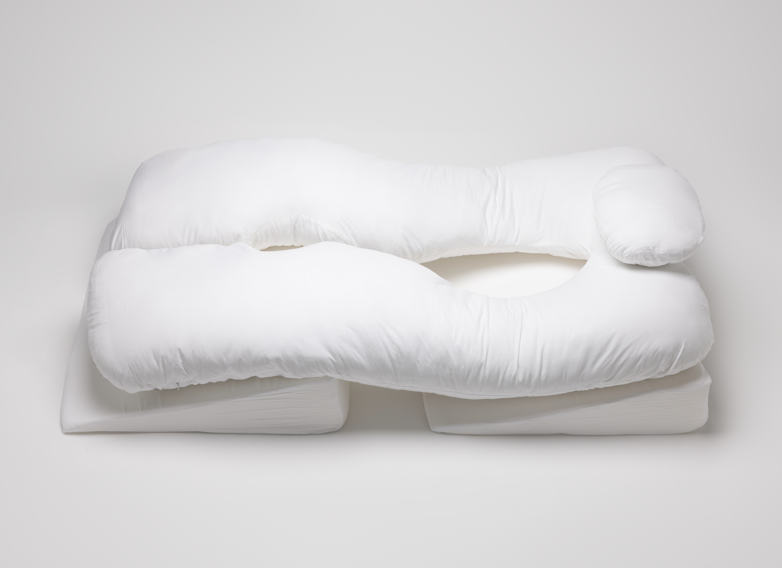
Your body works overtime while you're sleeping to promote tissue repair. Poor sleep can add weeks to recovery because tissue integration and collagen remodeling happen primarily during sleep cycles. Elevated back sleeping is often recommended by doctors after cosmetic surgery and supports healing after a tummy tuck. Protect your results today with the #1 doctor-recommended post-surgery pillow for tummy tuck recovery.
Nutrition: The Overlooked Variable
Surgery doesn't just stress your body in general — it puts your skin's repair machinery under specific demand.
Collagen remodeling, the process responsible for how a scar matures from raised and red to flat and pale, is biologically resource-intensive. Your skin is actively rebuilding its structural architecture, regulating pigmentation response, and resolving inflammation at the wound site — all simultaneously, and all dependent on what your body has available to work with.
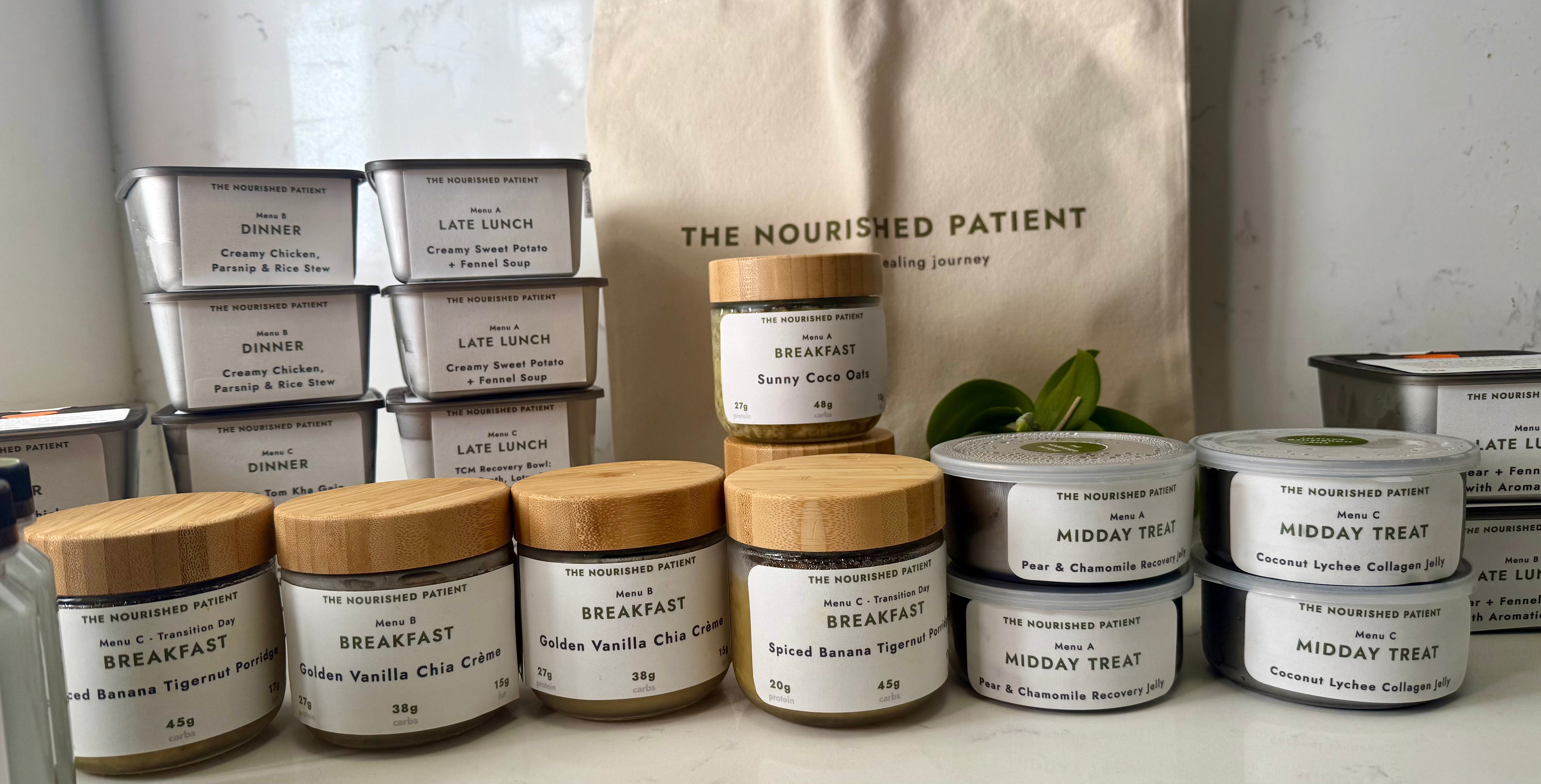
Some research suggests that certain nutrients play a particularly meaningful role in dermal repair. The building blocks for collagen synthesis, compounds that help regulate inflammation in healing tissue, and micronutrients support a more controlled pigmentation response as the scar matures. The challenge is that getting adequate therapeutic levels of these nutrients through diet alone during recovery — when appetite is often suppressed and absorption can be compromised — is genuinely difficult.
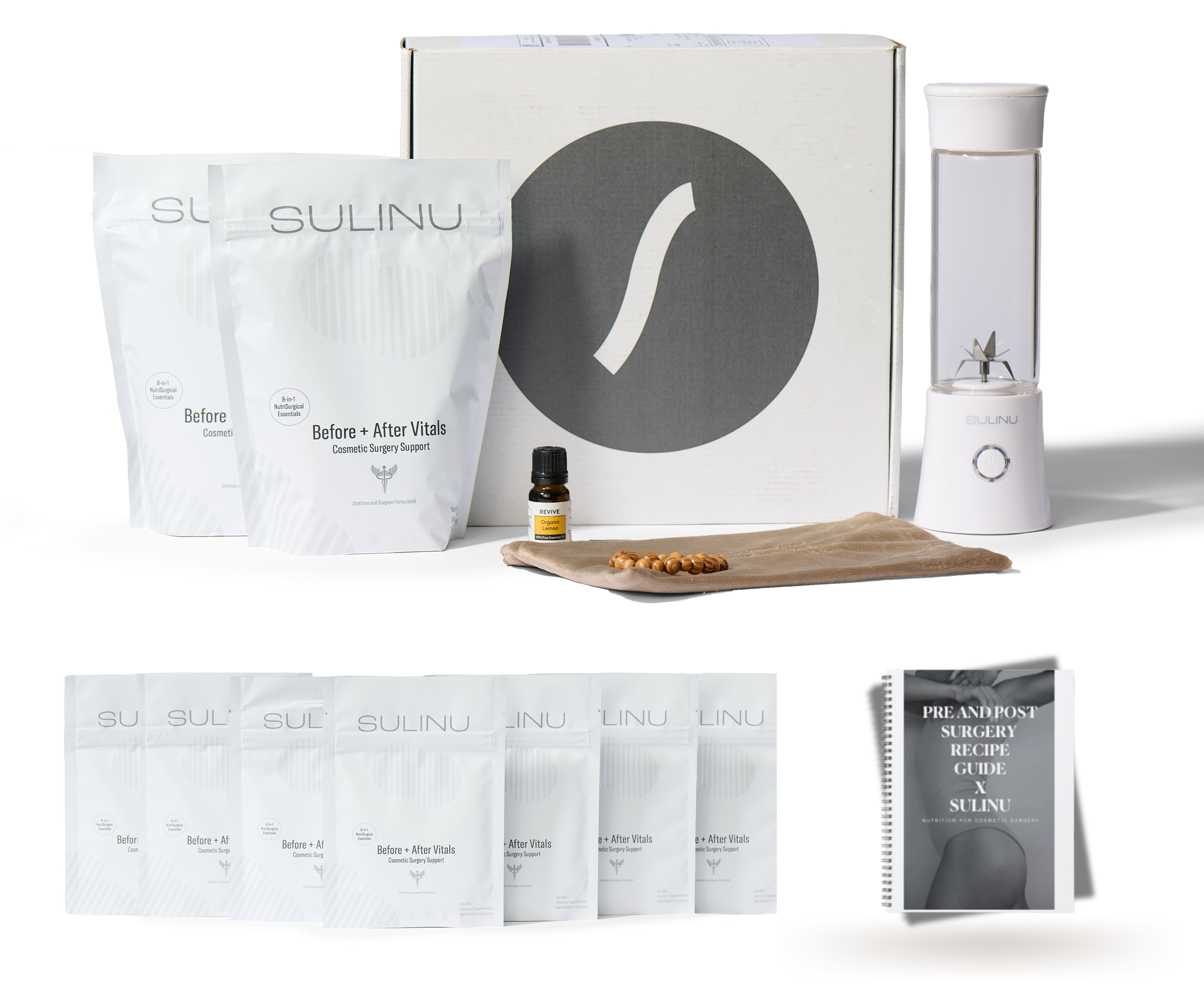
Sulinu's Before + After Vitals: Protect the Investment in Your New Tummy Tuck
You've made a significant investment to get here. The surgery, the recovery time, the physical experience of going under the knife. The last thing you want is for your scar outcome to be undermined by something you could have addressed.
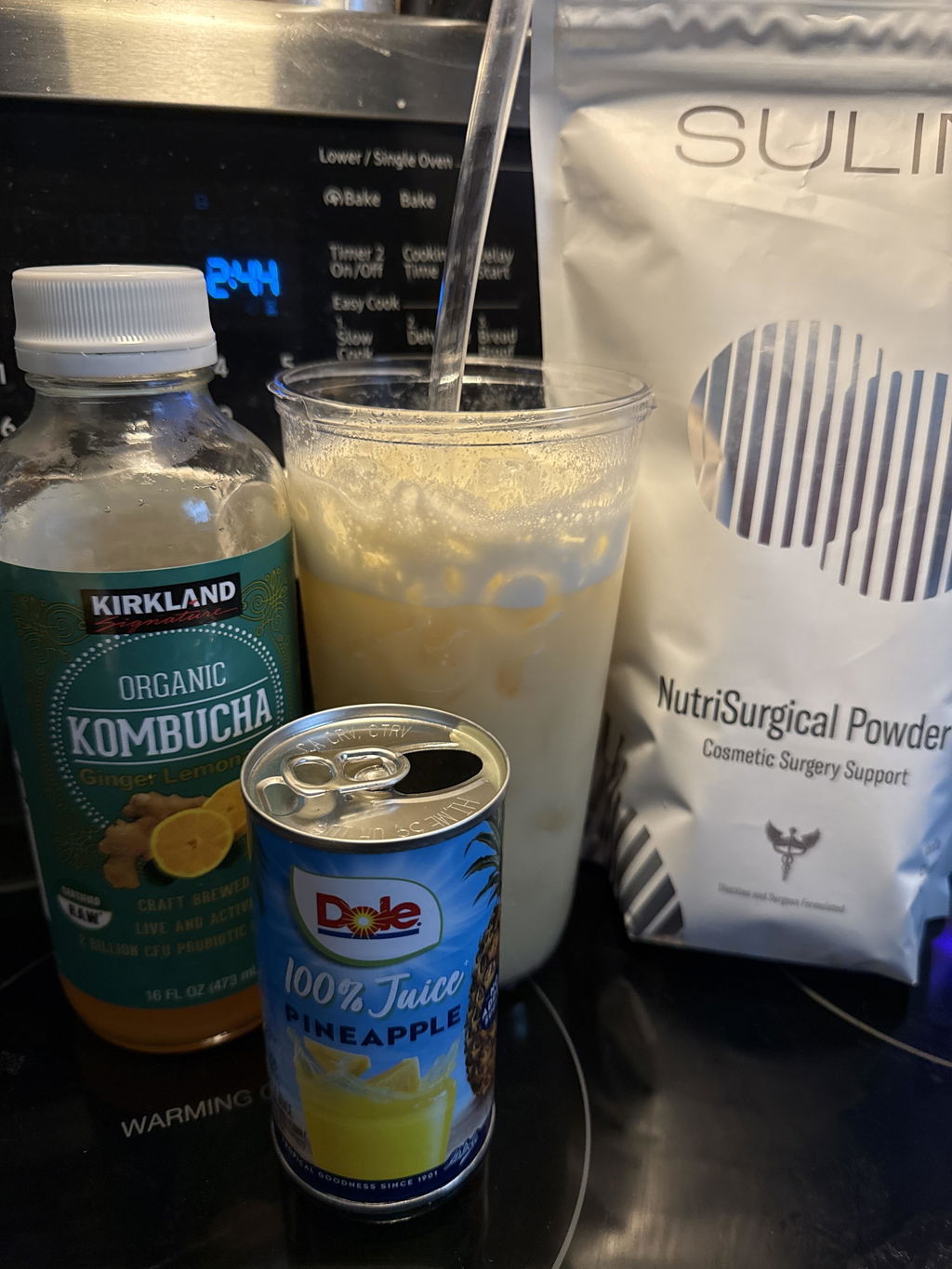
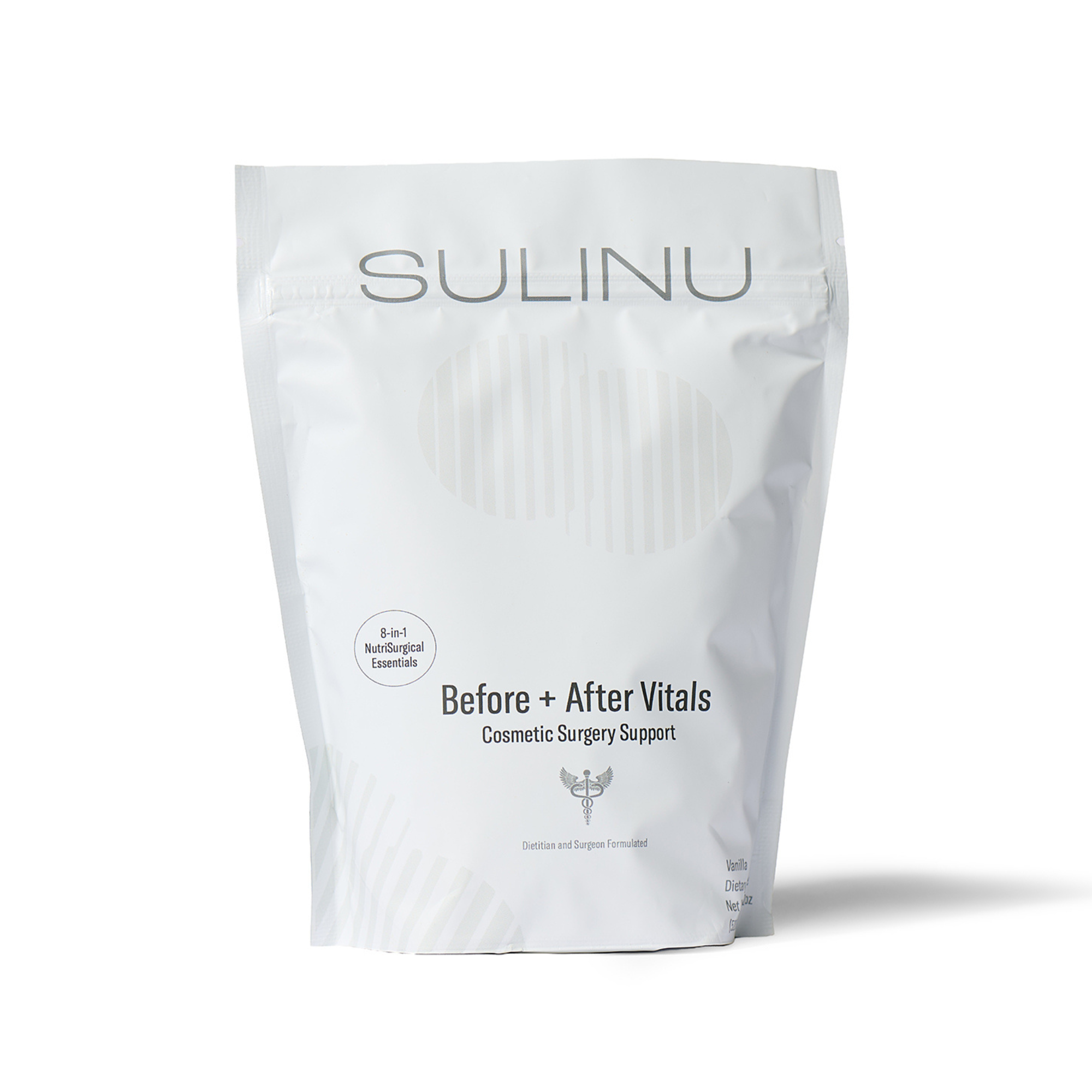
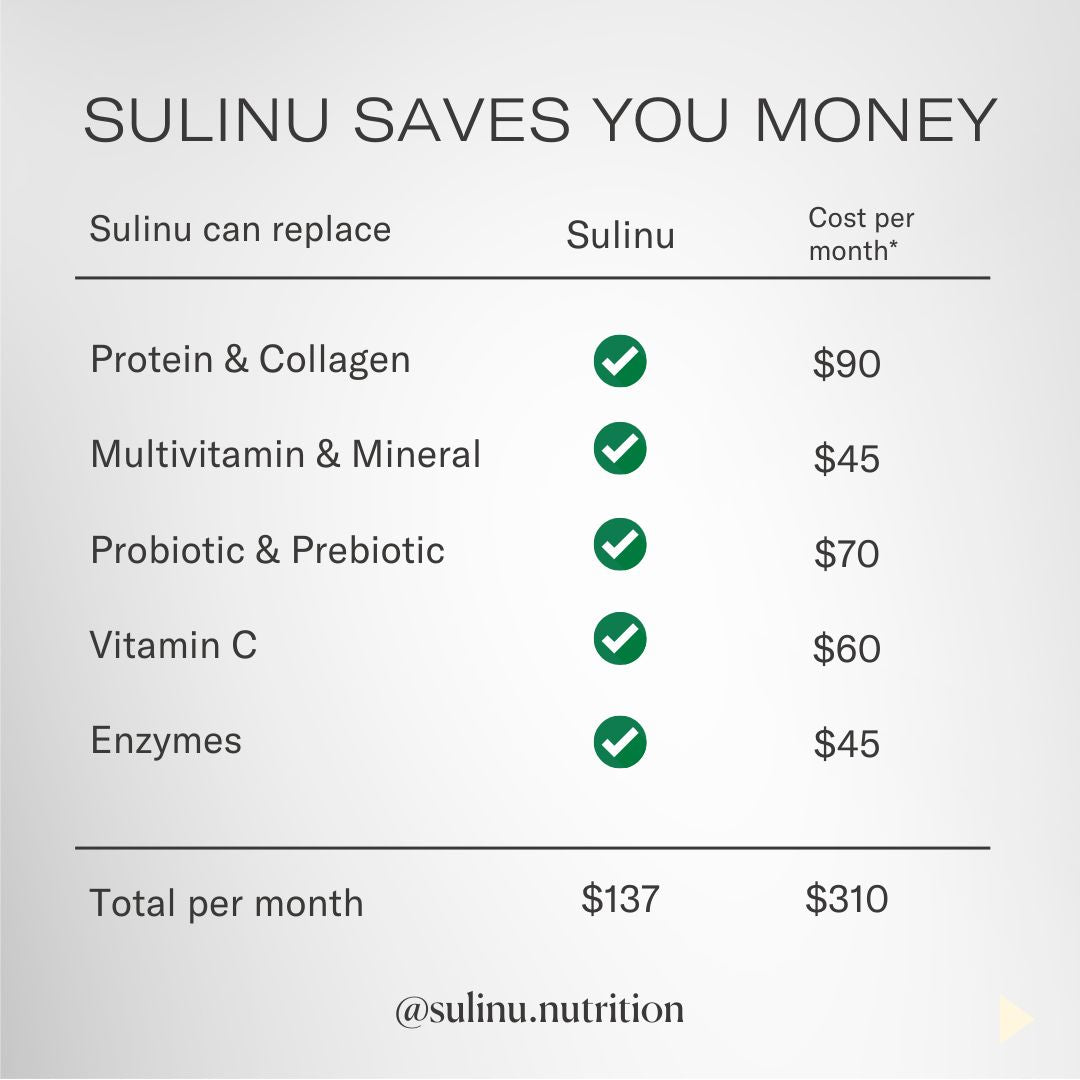
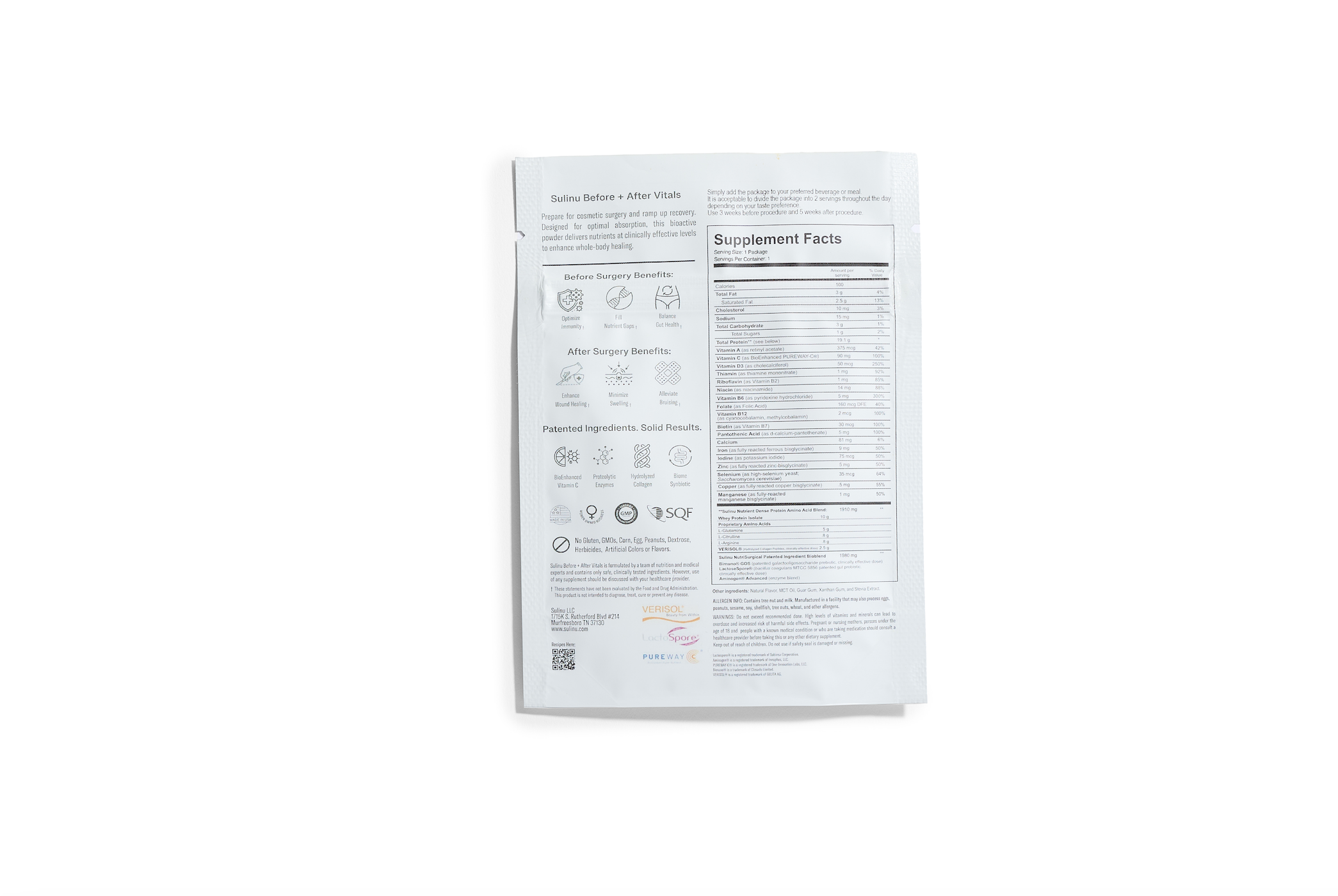
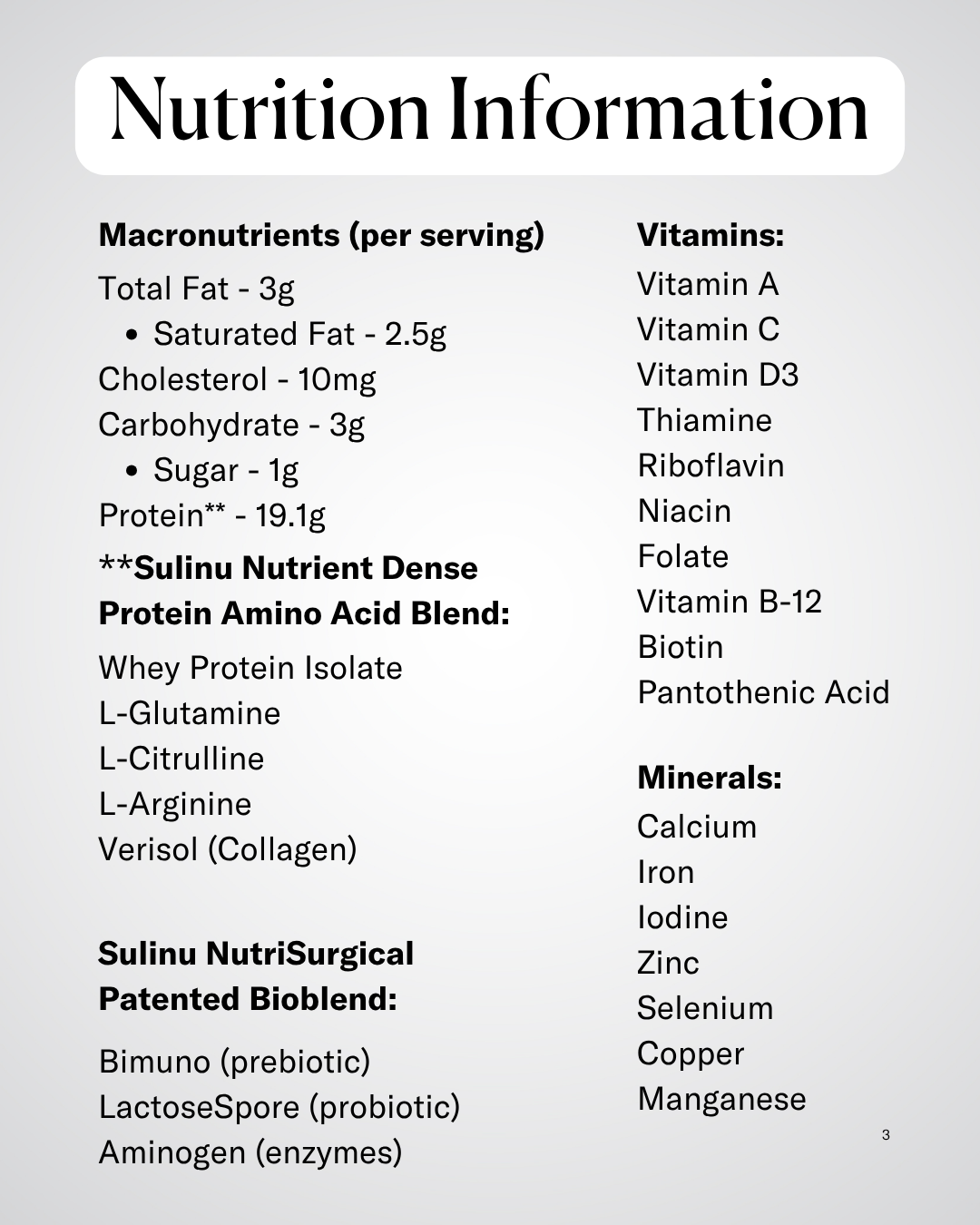
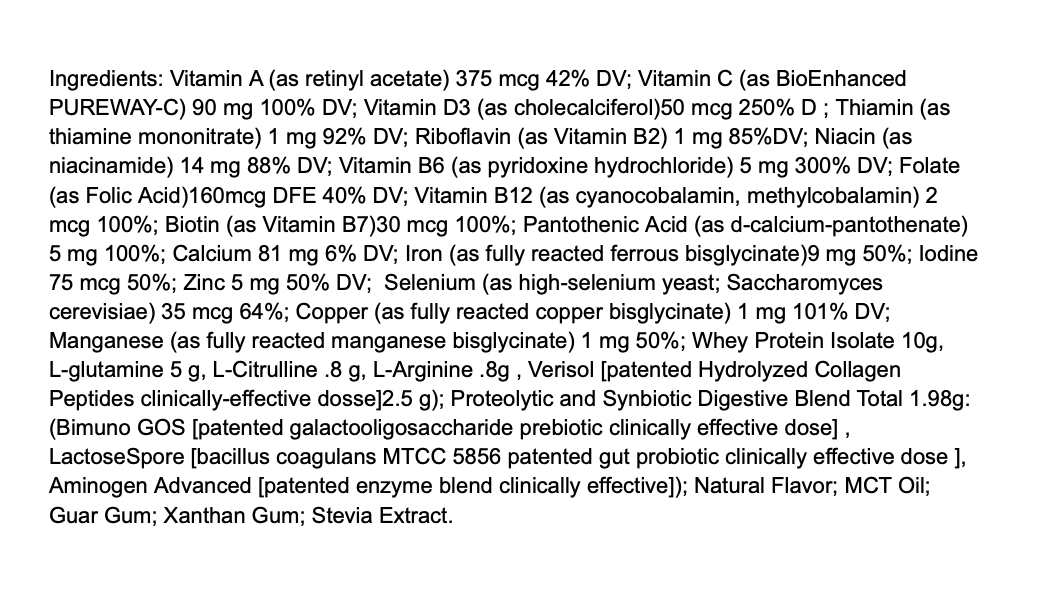
Wound healing is resource-intensive. Your body is rebuilding tissue, regulating collagen, and resolving inflammation at the incision site — all simultaneously, and all dependent on what you're giving it to work with. Sulinu's Before + After Vitals delivers the specific nutrients your skin needs during the pre- and post-surgical window, in one daily scoop.
The world's first NutriSurgical supplement. Formulated for this exact moment.
Scoop. Mix. Heal.
SHOP THE BEST SUPPLEMENT FOR TUMMY TUCK SCAR HEALING

SHOP BEFORE + AFTER VITALS AND PROTECT YOUR TUMMY TUCK RESULTS
Advanced Scar Treatments
When at-home care isn't delivering the results you want, there are clinical options worth discussing with your surgeon or a dermatologist:
Laser Therapy
Vascular lasers (like pulsed dye) can target the redness in early-stage scars, while fractional lasers address texture and pigmentation in more mature ones. Some patients see significant improvement in scar appearance with a series of treatments.
Microneedling
Microneedling is believed to work by creating controlled micro-injuries in scar tissue that may stimulate collagen production and improve texture over time. It tends to be most commonly recommended for flat scars rather than raised ones, and is typically considered after the initial healing phase has passed.
Steroid Injections
For hypertrophic or raised scars, corticosteroid injections can help flatten and soften the tissue over a series of treatments. This is typically a first-line clinical option for abnormal scar development.
Scar Revision Surgery
In cases where a scar has healed poorly — widened, risen above the waistline, or developed significantly — surgical revision is an option. Most surgeons recommend waiting until the scar is fully mature (12–18 months) before considering this route, as early intervention often yields incomplete results.
The good news: the vast majority of tummy tuck scars don't require any of the above. Consistent at-home care, starting early and maintained over months, handles most cases.
FAQ: Tummy Tuck Scars
How long does a tummy tuck scar take to fully heal?
Most tummy tuck scars are considered mature at 12–18 months, though they can continue to fade and soften beyond that point. The most dramatic improvements typically happen in the first six months with consistent care.
Will my tummy tuck scar ever completely disappear?
Tummy tuck scars are permanent — they don't disappear entirely. The goal of scar management is to make them as flat, pale, and inconspicuous as possible. Many patients reach a point where the scar is essentially invisible under clothing and barely noticeable without.
Can I cover my tummy tuck scar with a tattoo?
Yes — tattooing over a healed tummy tuck scar is an option some patients choose, either to camouflage the scar or as an intentional design. Surgeons typically recommend waiting until the scar is fully mature (12–18 months minimum) before tattooing.
Is it normal for my tummy tuck scar to itch during healing?
Yes — itching is one of the most common (and annoying) signs of active healing. Nerve regeneration and collagen remodeling both contribute to itchiness. Resist scratching, stay moisturized, and know that it typically resolves as healing progresses.
What should I be eating to help my tummy tuck scar heal?
Protein, vitamin C, zinc, and anti-inflammatory nutrients all play roles in wound healing and scar maturation. A purpose-built surgical recovery supplement like Sulinu's Before + After Vitals provides the specific nutrients needed during the healing window.
When should I be worried about my tummy tuck scar?
Contact your surgeon if you notice signs of infection (increasing redness, warmth, discharge, or odor), fever, the wound reopening, or pain that isn't improving. Unusual scar development — like significant thickening or spreading — is also worth flagging at a follow-up appointment.
Medical Disclaimer
The information provided in this article is intended for educational purposes only and does not constitute medical advice, diagnosis, or treatment.
Every patient's healing experience is unique, and outcomes vary based on numerous individual factors, including surgical technique, genetics, skin type, and adherence to post-operative care instructions.
Always follow the specific guidance of your plastic surgeon and medical team. Consult a qualified healthcare professional before starting any supplementation or scar treatment protocol.


![A promotional image for The PREP STARTER Kit [free shipping], showcasing its key benefits such as protein, vitamins, minerals, amino acids, probiotics, and enzymes. Featured as an essential pre-op supplement in your surgery prep kit, the product bag is displayed alongside fresh green vegetables on a light background.](http://www.sulinu.com/cdn/shop/files/12.jpg?v=1776452906&width=1080)
![A hand holds a scoop of white powder above an open bag of The PREP STARTER Kit [free shipping]. Text highlights that this research-based formula aids surgery recovery, delivers 19g of protein and 29 carefully selected ingredients per daily scoop—making The PREP STARTER Kit an essential addition to any surgery prep kit.](http://www.sulinu.com/cdn/shop/files/3.jpg?v=1776452906&width=1080)
![A ⭐BEST VALUE⭐ The Prep + Recovery Bundle [free shipping] package is displayed on a white background with text highlighting its clinical benefits and international sourcing, emphasizing improved nerve regeneration, better protein absorption, and faster healing—making it an ideal addition to any surgical recovery kit.](http://www.sulinu.com/cdn/shop/files/2.jpg?v=1776452906&width=1080)
![A woman’s face in close-up appears on the left. On the right, text explains post-surgery risks: metabolism rises, appetite drops, food intake falls, and nutrient needs soar. The message: your body needs more while you eat less—making The PREP STARTER Kit [free shipping] essential for recovery.](http://www.sulinu.com/cdn/shop/files/9.jpg?v=1776452906&width=1080)
![Text graphic explaining consequences of not fueling the healing body: slower wound healing, higher infection risk, more bruising, increased fatigue, pain, and constipation. Highlights that nutrition is essential for recovery but often overlooked—using The PREP STARTER Kit [free shipping] can help support your body and make all the difference for surgical recovery.](http://www.sulinu.com/cdn/shop/files/10.jpg?v=1776452906&width=1080)
![A smiling woman holding a box labeled The PREP STARTER Kit [free shipping] stands beside text explaining the purpose behind creating The PREP STARTER Kit: to support post-surgery recovery by providing targeted nutrition backed by real clinical data, serving as an essential surgery protein guide for patients seeking optimal outcomes.](http://www.sulinu.com/cdn/shop/files/14.jpg?v=1776452906&width=1080)
![A person in a fitted outfit poses against a neutral background. Text reads ⭐BEST VALUE⭐ The Prep + Recovery Bundle [free shipping]. Discover the ultimate surgery prep bundle—nutrition for cosmetic surgery and essential support for your recovery kit.](http://www.sulinu.com/cdn/shop/files/UltimateSurgeryBundle-Sulinu.png?v=1775162796&width=537)