You Googled "mini facelift cost," found a number, and felt briefly satisfied. Then you kept reading, and the number got bigger. And bigger. Sound familiar?
Here's the thing: the price you see quoted in most places is usually just the surgeon's fee — a single line item in what is actually a multi-part financial commitment. That's not a scam, it's just how surgical pricing works. But going in without understanding the full picture can leave you either underestimating your budget or, worse, choosing a provider based on an incomplete comparison.
This guide breaks down every component of mini facelift pricing, what moves the number up or down, how it stacks up against a full facelift, and — critically — what most people forget to budget for during recovery. No vague estimates. No soft-pedaling. Just the full financial picture, so you can plan intelligently and invest wisely.
What Is a Mini Facelift, Actually?
Before we talk money, let's get on the same page about what you're buying. A mini facelift — sometimes called a short-scar facelift or lower facelift — is a surgical procedure that targets mild to moderate laxity in the lower face, specifically the jawline, jowls, and upper neck. It involves smaller incisions (typically placed around the ears), less tissue manipulation than a traditional facelift, and a meaningfully shorter recovery window.
It is not a thread lift. It is not a liquid facelift. It is not a "lunchtime procedure." It's real surgery — just a more targeted, less aggressive version of the full monty. The ideal candidate is generally someone in their late 30s to early 60s who has started noticing jowling or looseness along the jaw but whose skin still has enough elasticity to respond well to repositioning. If you're dealing with significant mid-face sagging, deep nasolabial folds, or extensive neck laxity, your surgeon may steer you toward a more comprehensive procedure.
Results from a mini facelift generally last somewhere in the range of five to ten years, though individual factors — skin quality, lifestyle, sun exposure, genetics — play a significant role in how long that refresh holds.
The Real Mini Facelift Cost Breakdown
Let's talk numbers.
The frequently cited national average for a mini facelift tends to fall somewhere between $7,500 and $15,000 all-in, though you'll find prices both below and well above that range depending on a number of variables we'll get into. What you're actually paying for when you write that check falls into several distinct buckets.
Surgeon's fee. This is the largest single line item and the most variable. It reflects the surgeon's training, specialization, years of experience performing facial procedures specifically, and — candidly — their reputation. A board-certified facial plastic surgeon in a major metro with a packed waitlist will charge considerably more than a general plastic surgeon in a smaller market. This isn't arbitrary; facial surgery is a specialty within a specialty, and that expertise has real value when it's your face on the line.
Anesthesia. Mini facelifts can be performed under local anesthesia with sedation or general anesthesia, depending on patient preference, surgeon recommendation, and procedural complexity. Local anesthesia with sedation is generally less expensive because it eliminates the need for a separate anesthesiologist. Expect anesthesia fees to range from roughly $1,000 to $2,500 or more.
Facility/operating room fee. Whether the procedure takes place in an accredited in-office surgical suite, a freestanding ambulatory surgery center, or a hospital setting, there's a facility fee. In-office suites operated by the surgeon's practice often carry lower overhead costs, which can work in your favor.
Pre-operative requirements. Labs, medical clearances, and pre-op appointments are typically billed separately and can add a few hundred dollars before you've even had the procedure.
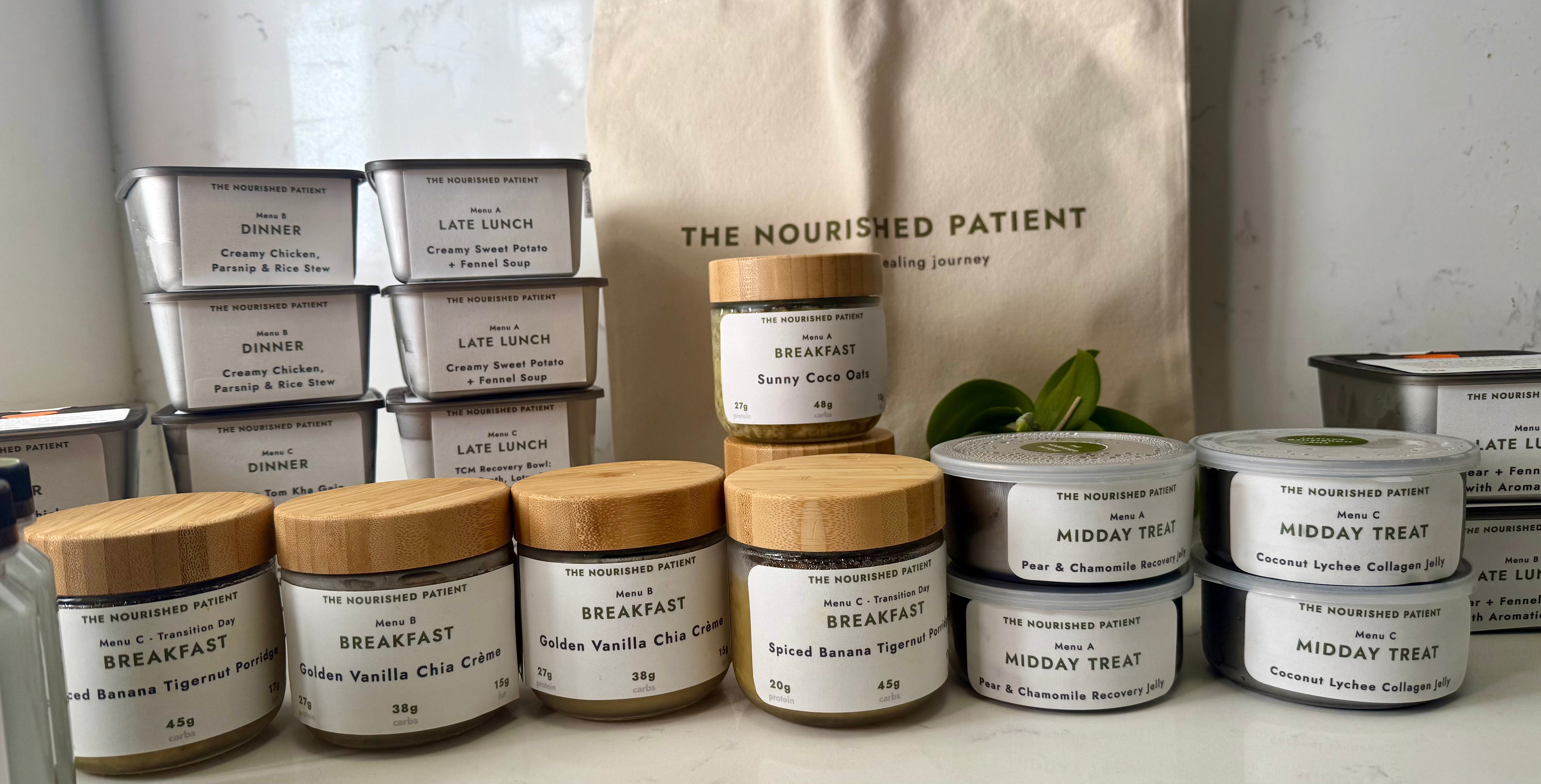
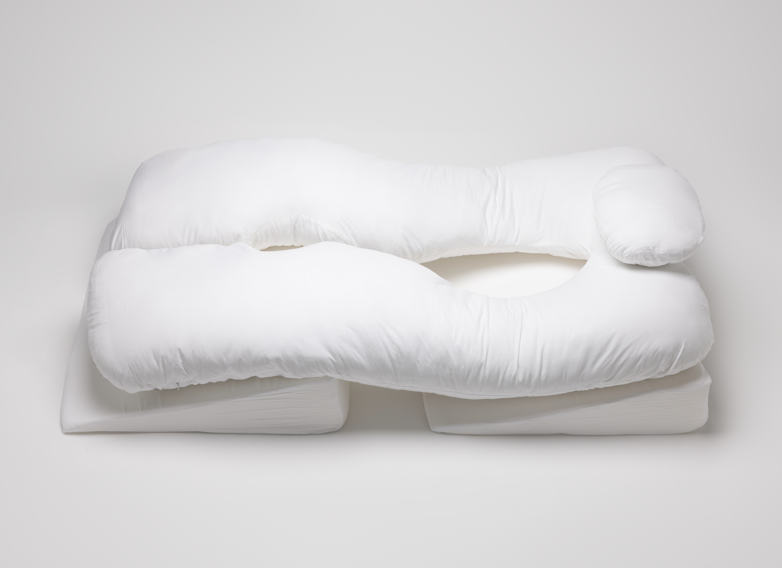
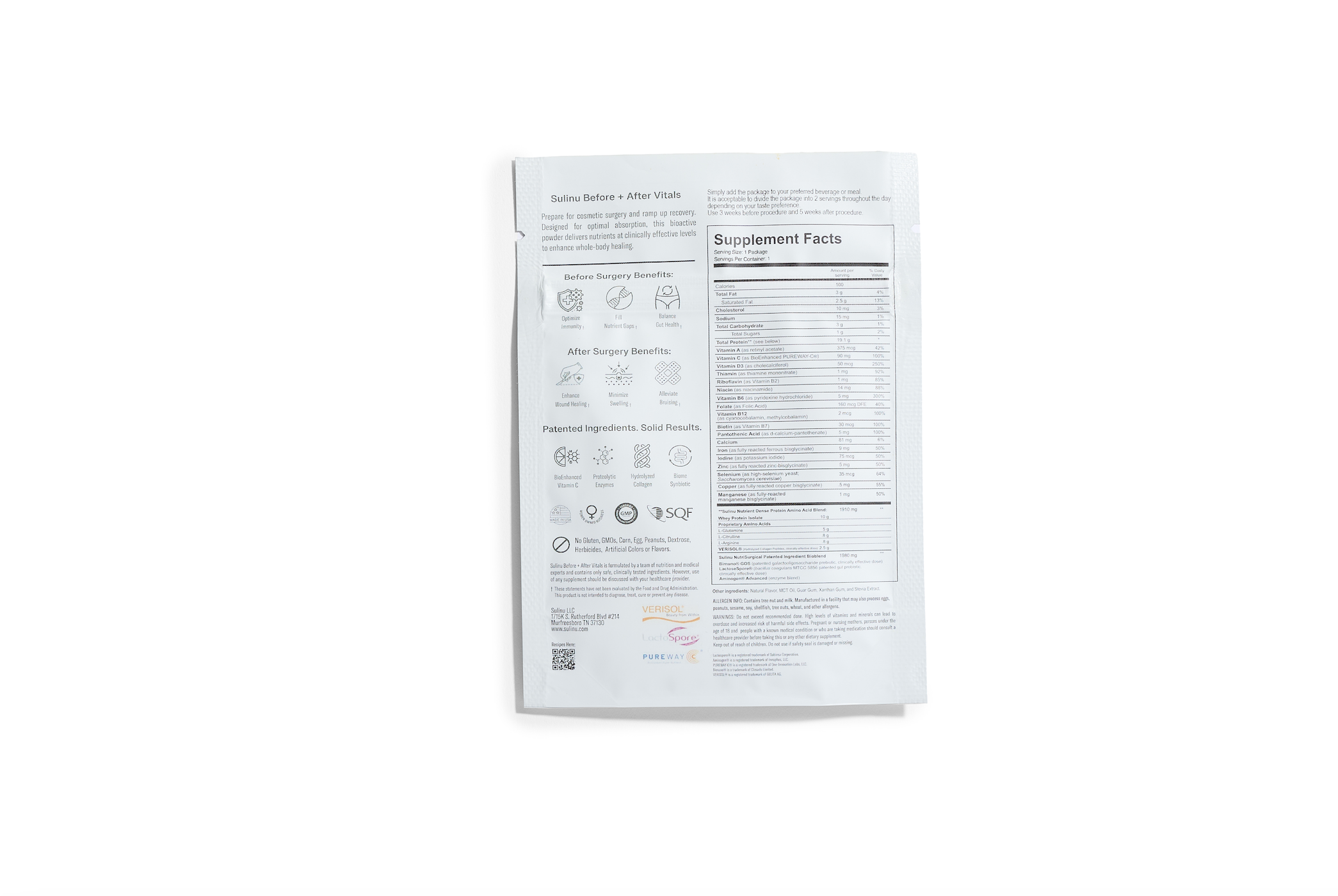
Post-operative care. This includes follow-up appointments, prescribed medications (pain management, antibiotics, anti-nausea), compression garments, wound care supplies, cosmetic surgery supplements, and any additional products your surgeon recommends. Budget $500 to $1000 as a rough estimate, though this varies.
Add it up, and a realistic total for a mini facelift in most U.S. markets generally lands between $8,000 and $15,000. In major cities like New York, Los Angeles, or Miami, some estimates suggest the upper end can extend well beyond that.
What Drives the Price Up — Or Down
Understanding the cost variables isn't just academic — it's how you make a smart decision rather than just a cheap one.
Geographic location is one of the biggest price drivers. Surgeons practicing in major coastal cities operate in higher-overhead markets and serve patients who expect to pay premium prices. The same level of skill in a mid-sized market may come at a meaningfully lower price point — which is why medical tourism for cosmetic procedures is a real trend, both domestically and internationally.
Board certification and specialization matter. A surgeon who is board-certified specifically in facial plastic surgery has completed additional fellowship training beyond general plastic surgery residency. That focus on the face — and nothing but the face — tends to command higher fees and is often worth it.
Anesthesia type affects cost, as noted above. Procedures done under local anesthesia with sedation typically cost less than those requiring a full anesthesia team. Your surgeon will help determine what's appropriate for your situation, but it's a variable worth understanding.
Combining procedures is where you can actually find cost efficiency. If you're already interested in an eyelid lift (blepharoplasty), a neck lift, or laser resurfacing, doing those procedures at the same time as your mini facelift means you pay a single anesthesia fee and a single facility fee instead of multiple sets. Combining procedures typically reduces the total cost compared to staging them separately — by some estimates, patients save anywhere from 20% to 30% by consolidating.
Cutting corners on surgeon selection is, bluntly, a false economy. Revisions cost more than getting it right the first time — financially, physically, and emotionally. The risk of needing corrective work increases significantly when the initial procedure is performed by someone without adequate experience in facial surgery. Price shop all you want on facility fees and timing; be considerably more careful about doing it on your surgeon.
Mini vs. Full Facelift: The Cost-Value Equation
If you're weighing whether to do a mini or go bigger, the cost difference is real but not as dramatic as you might think. A traditional SMAS facelift or deep plane facelift tends to run anywhere from $15,000 to $30,000 or more in most markets — sometimes significantly more for high-demand surgeons. That's roughly double to triple a mini facelift, depending on the market.
What you get for the premium is more comprehensive correction: deeper tissue repositioning, more extensive neck work, longer-lasting results (often in the range of 10 to 15 years for a well-executed deep plane facelift), and the ability to address more significant or widespread aging. For patients with moderate to advanced laxity, the full facelift isn't just a "more expensive version" of the mini — it's a different tool solving a different problem.
For the right candidate, the mini facelift offers an excellent cost-to-outcome ratio. Five to ten years of natural-looking rejuvenation with less downtime and a lower initial investment makes it an appealing entry point, particularly for patients in their 40s who want to stay ahead of the curve rather than play catch-up later.
One approach worth discussing with your surgeon: using the mini facelift strategically in your 40s, then considering a more comprehensive procedure in your 50s or 60s if needed. Some patients find this staged approach gives them more consistent results over time while allowing them to space out the financial investment.
Recovery: The Hidden Cost Nobody Budgets For
Here's where most mini facelift budgets quietly fall apart: recovery costs.
Time off work is the obvious one. Most patients are presentable within one to two weeks, but comfort levels, job type, and personal confidence all factor into when people actually return to their routines. If you're self-employed, that downtime has a direct dollar figure attached to it. Factor it in.
Help at home — particularly in the first several days — is often necessary. Whether that means hiring someone or leaning on family, it's a real logistical and sometimes financial consideration.
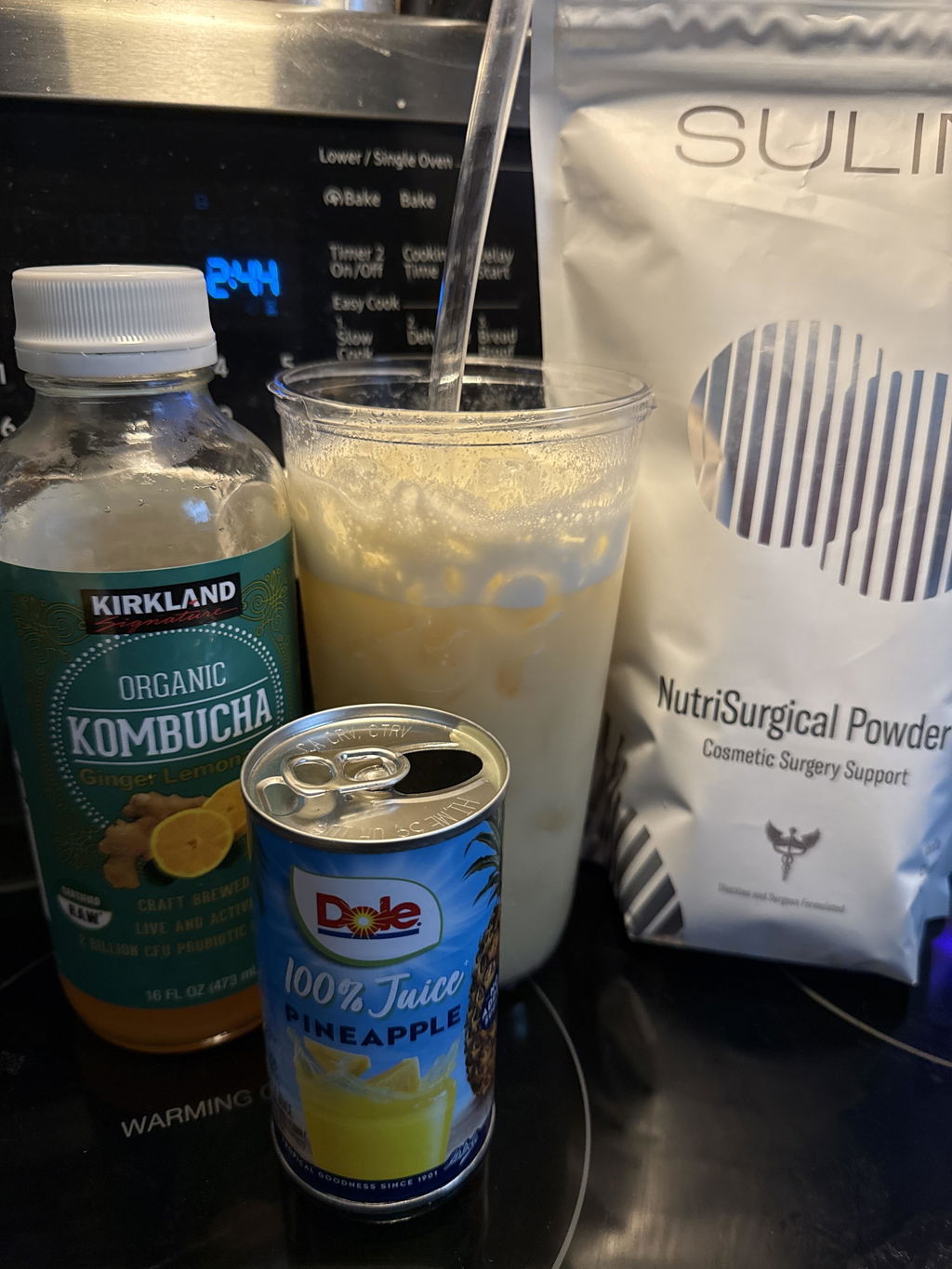
Post-operative supplies, prescribed medications, and follow-up care add up. And then there's something most people never think about until they're already in recovery: surgical nutrition.
Your body's nutritional demands increase significantly after any surgery. Some research suggests that patients who are nutritionally depleted going into a procedure may experience more complications and longer healing timelines than those who are properly prepared.
Protect Your Investment With Sulinu's Before + After Vitals
You've done the research, chosen the right surgeon, and committed to the investment — the last thing you want is a slower recovery standing between you and your results.
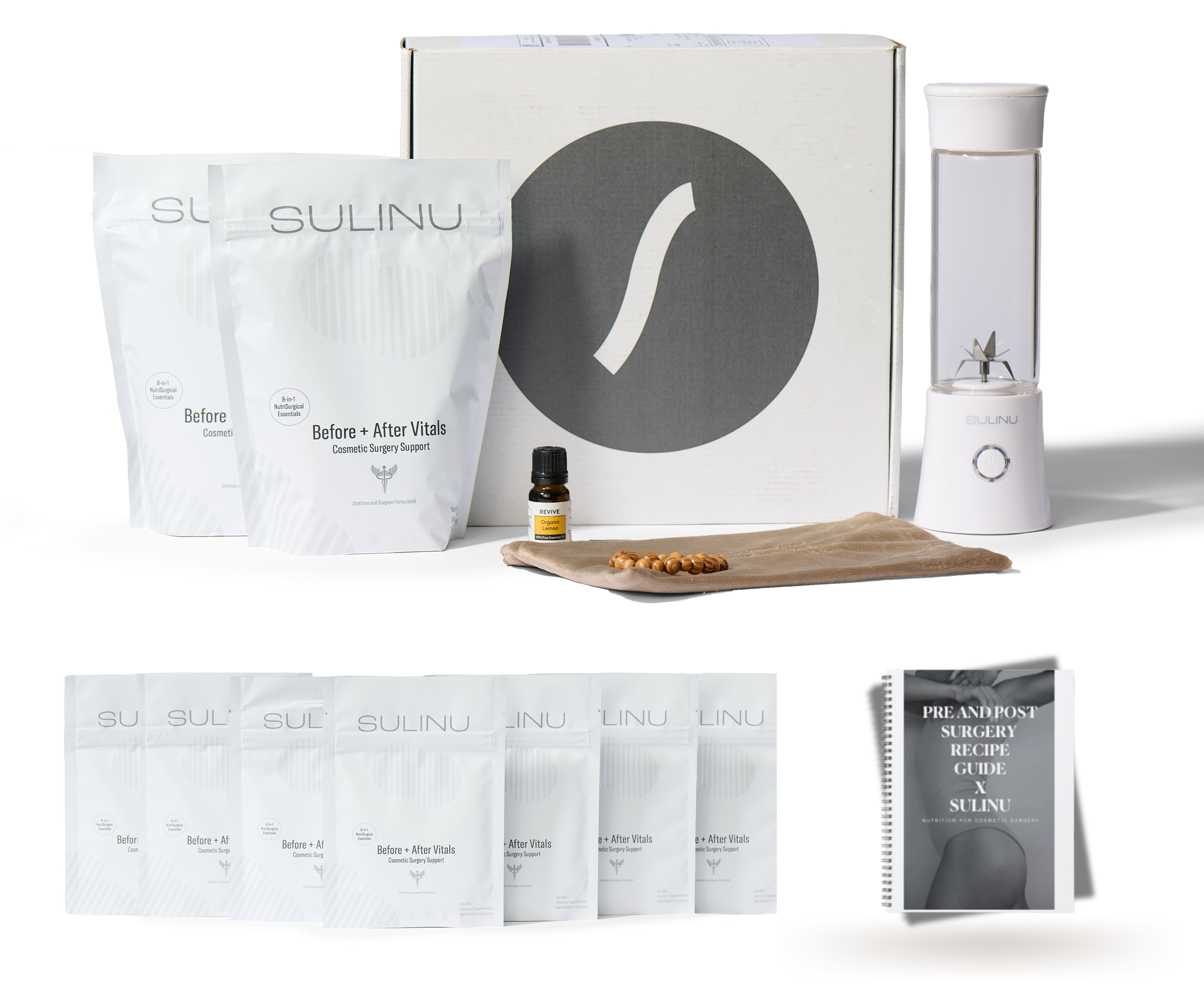
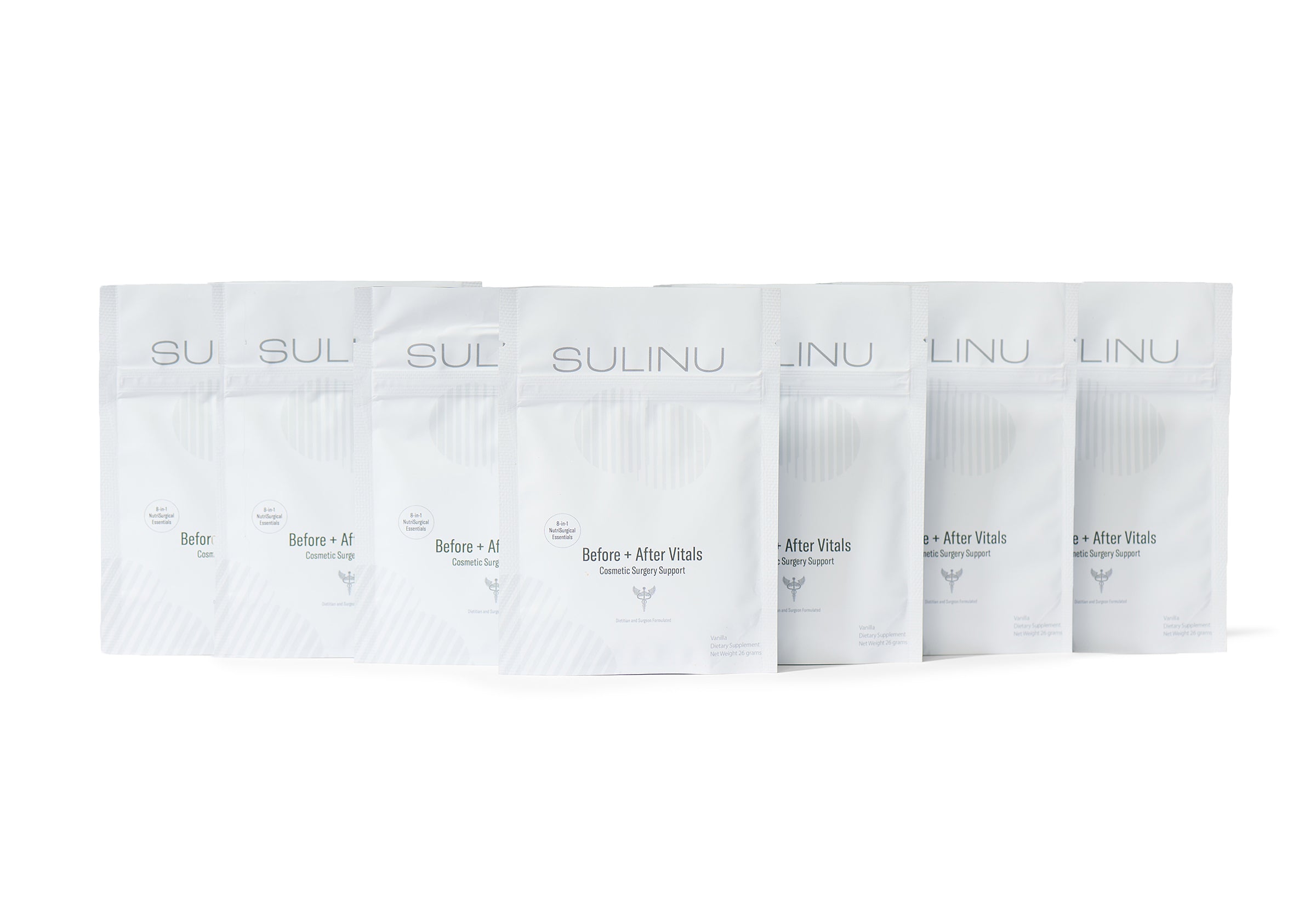
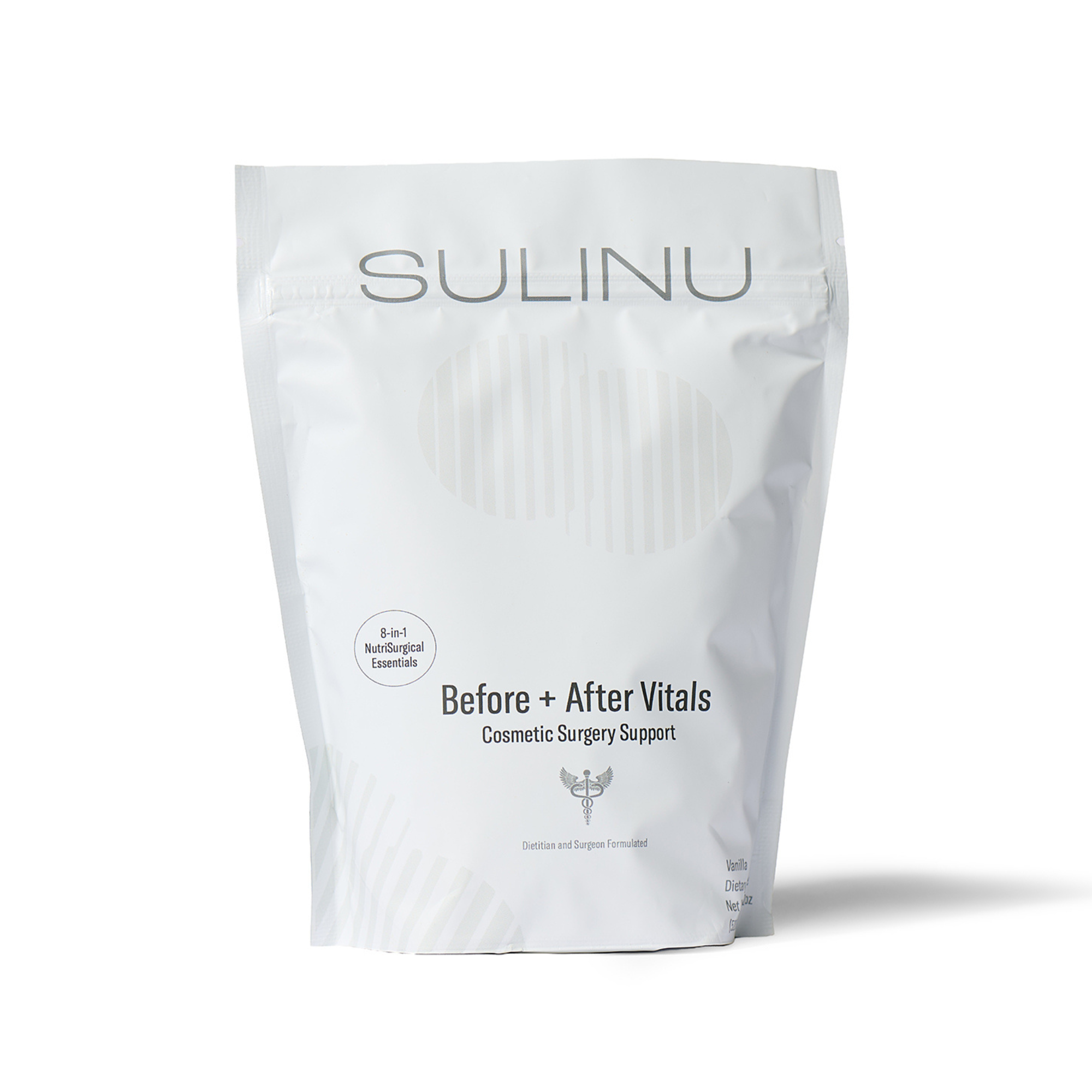
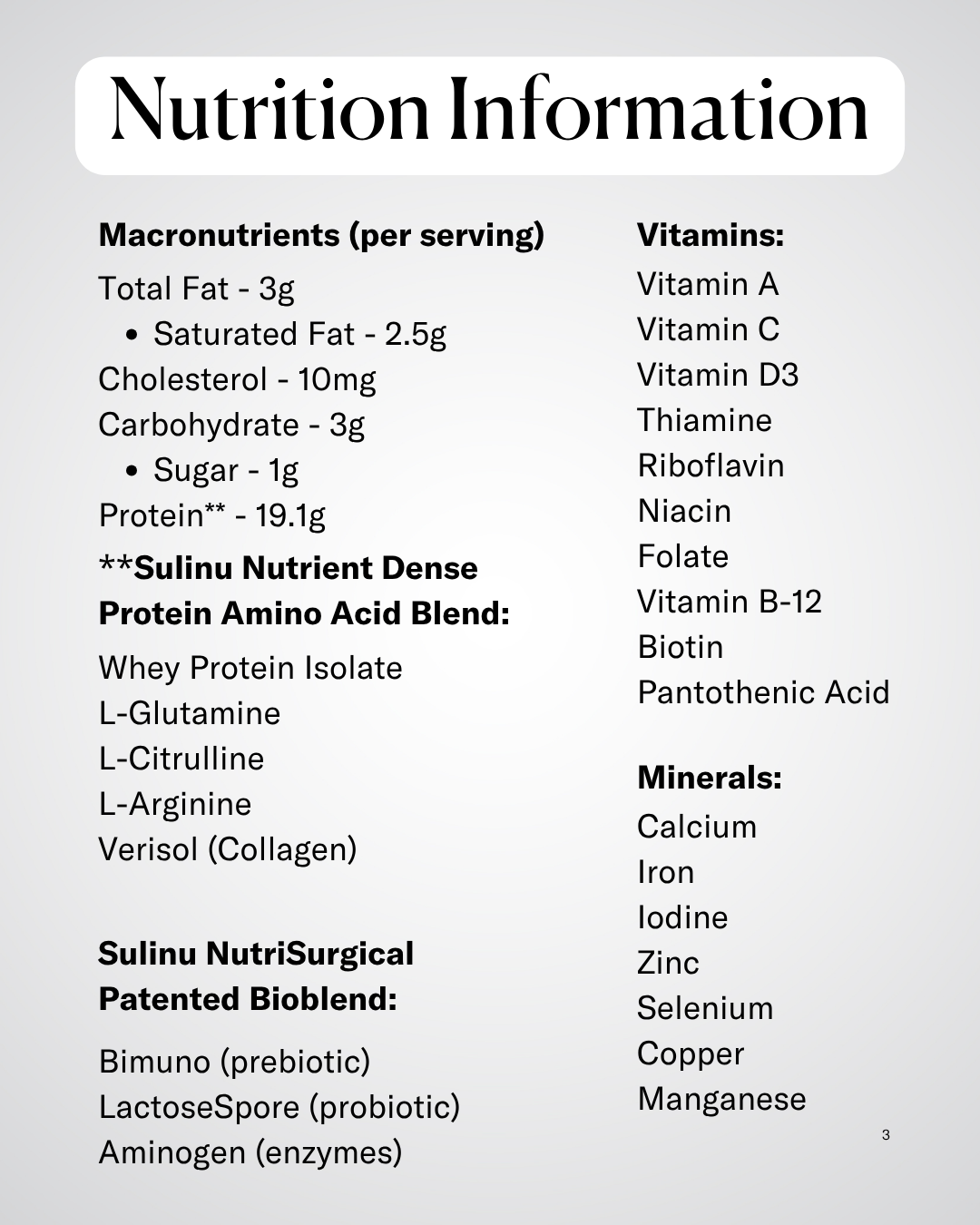
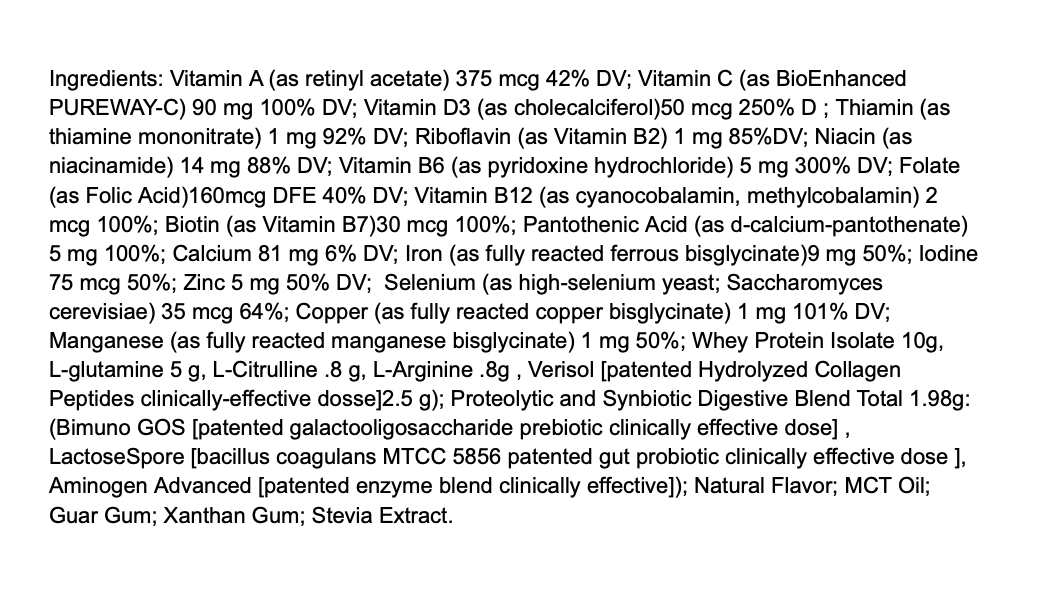
Sulinu's Before + After Vitals was formulated specifically for cosmetic surgery patients, not as a general wellness supplement, but as targeted nutritional support designed to optimize your body's wound healing process before and after your procedure.
With a mini facelift costing anywhere from $8,000 to $15,000, giving your body every advantage to heal efficiently just makes financial sense.
Scoop. Mix. Heal.
It's a simple addition to your recovery routine that works as hard as you did to get here.
SHOP BEFORE + AFTER VITALS
Is a Mini Facelift Worth It? How to Think About ROI
Let's do some math that actually makes you feel better about the price tag.
If a mini facelift costs $10,000 and the results last seven years, that's roughly $1,400 per year — or about $117 per month — for a meaningful improvement in how you look and feel every single day. Frame it that way, and it starts to look a lot more like a reasonable investment than a luxury splurge.
The emotional ROI is harder to quantify but consistently reported as high. Patients who are good candidates and choose skilled surgeons often describe the results as natural — refreshed rather than dramatic. They look like themselves, just better rested. That kind of quiet confidence tends to compound in ways that are difficult to put a dollar figure on.
The actual calculation of whether it's "worth it" is personal. But if you're a good candidate, you've done your research on the surgeon, and you've budgeted honestly — including recovery — the mini facelift has a strong track record of delivering on its promise.
SHOP BEFORE + AFTER VITALS
Mini Facelift Cost FAQs
Does insurance cover a mini facelift?
No. Mini facelifts are elective cosmetic procedures and are not covered by health insurance. There are narrow exceptions for reconstructive work following trauma or certain medical conditions, but cosmetic rejuvenation does not qualify. Most practices offer financing options through third-party providers like CareCredit or Alphaeon if cost is a barrier.
What's the least I can spend on a mini facelift without compromising safety?
There's no universal answer, but prices significantly below the typical market range for your area should prompt questions, not excitement. Ask specifically about the surgeon's board certification, how many mini facelifts they perform annually, and where the procedure takes place. An unusually low price is often a sign that something — experience, facility quality, or anesthesia level — has been reduced.
How long do mini facelift results last?
Most patients can expect results to last somewhere between five and ten years, with significant variation based on skin quality, lifestyle factors (sun exposure, smoking, diet), and how the underlying aging process continues to progress. Maintaining a solid skincare routine and protecting against UV exposure can meaningfully extend results.
Can I finance a mini facelift?
Yes. Many plastic surgery practices offer in-house payment plans or work with healthcare financing companies that offer promotional interest rates for qualified applicants. It's worth asking directly during your consultation rather than assuming financing isn't available.
What's the difference between a mini facelift and a thread lift?
A thread lift uses temporary sutures placed under the skin to mechanically lift tissue — no incisions, no tissue repositioning, much shorter results. It's a non-surgical procedure typically lasting one to two years. A mini facelift is actual surgery involving incisions, tissue repositioning, and skin removal. The results are more significant, more natural-looking, and considerably longer lasting. They solve different problems at different price points, and a board-certified surgeon can help you determine which is appropriate for your anatomy and goals.
MEDICAL DISCLAIMER
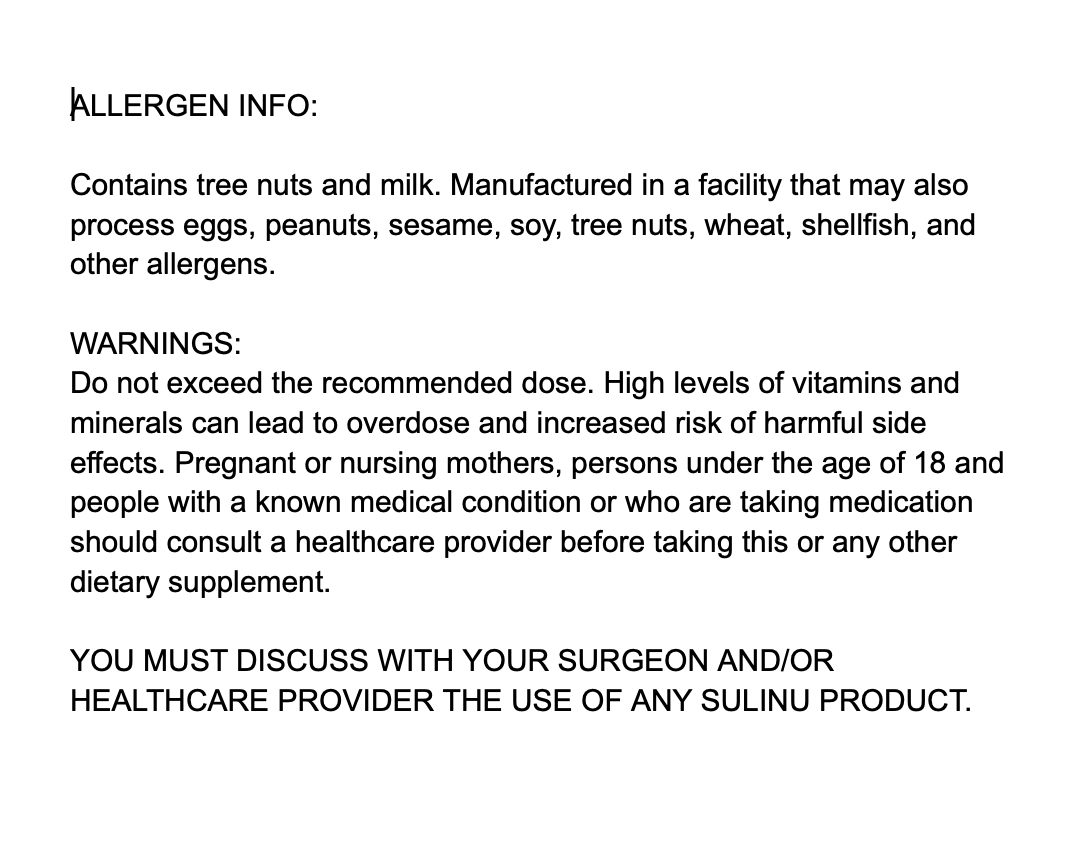
This content is provided for educational purposes only and should not replace professional medical advice, diagnosis, or treatment.Every person's wound healing is unique and depends on numerous factors, including surgical procedure, individual health status, medications, and adherence to post-operative instructions.
Always consult with your healthcare providers before starting any supplement regimen, particularly in conjunction with surgical procedures. If you experience concerning symptoms during recovery—including signs of infection, wound dehiscence, allergic reactions, or any unusual symptoms—contact your medical team immediately.
Individual results vary significantly, and no supplement regimen can guarantee specific wound healing outcomes. Nutritional supplements are not FDA-approved to prevent, treat, or cure any disease or condition.


![A promotional image for The PREP STARTER Kit [free shipping], showcasing its key benefits such as protein, vitamins, minerals, amino acids, probiotics, and enzymes. Featured as an essential pre-op supplement in your surgery prep kit, the product bag is displayed alongside fresh green vegetables on a light background.](http://www.sulinu.com/cdn/shop/files/12.jpg?v=1776452906&width=1080)
![A hand holds a scoop of white powder above an open bag of The PREP STARTER Kit [free shipping]. Text highlights that this research-based formula aids surgery recovery, delivers 19g of protein and 29 carefully selected ingredients per daily scoop—making The PREP STARTER Kit an essential addition to any surgery prep kit.](http://www.sulinu.com/cdn/shop/files/3.jpg?v=1776452906&width=1080)
![A ⭐BEST VALUE⭐ The Prep + Recovery Bundle [free shipping] package is displayed on a white background with text highlighting its clinical benefits and international sourcing, emphasizing improved nerve regeneration, better protein absorption, and faster healing—making it an ideal addition to any surgical recovery kit.](http://www.sulinu.com/cdn/shop/files/2.jpg?v=1776452906&width=1080)
![A woman’s face in close-up appears on the left. On the right, text explains post-surgery risks: metabolism rises, appetite drops, food intake falls, and nutrient needs soar. The message: your body needs more while you eat less—making The PREP STARTER Kit [free shipping] essential for recovery.](http://www.sulinu.com/cdn/shop/files/9.jpg?v=1776452906&width=1080)
![Text graphic explaining consequences of not fueling the healing body: slower wound healing, higher infection risk, more bruising, increased fatigue, pain, and constipation. Highlights that nutrition is essential for recovery but often overlooked—using The PREP STARTER Kit [free shipping] can help support your body and make all the difference for surgical recovery.](http://www.sulinu.com/cdn/shop/files/10.jpg?v=1776452906&width=1080)
![A smiling woman holding a box labeled The PREP STARTER Kit [free shipping] stands beside text explaining the purpose behind creating The PREP STARTER Kit: to support post-surgery recovery by providing targeted nutrition backed by real clinical data, serving as an essential surgery protein guide for patients seeking optimal outcomes.](http://www.sulinu.com/cdn/shop/files/14.jpg?v=1776452906&width=1080)
![A person in a fitted outfit poses against a neutral background. Text reads ⭐BEST VALUE⭐ The Prep + Recovery Bundle [free shipping]. Discover the ultimate surgery prep bundle—nutrition for cosmetic surgery and essential support for your recovery kit.](http://www.sulinu.com/cdn/shop/files/UltimateSurgeryBundle-Sulinu.png?v=1775162796&width=537)