You've been dreaming about a breast reduction for years. Maybe decades. The chronic back pain, the shoulder grooves deep enough to store a pencil, the bras that cost as much as a car payment and still don't fit right. You're finally getting ready to book your surgery and the nervous anticipation is starting to kick in. Or worse, you've already done it, yet your recovery is starting to feel like a full-time job.
Breast reduction is one of the highest patient satisfaction surgeries in plastic surgery. The results are life-changing. But recovery has a reputation for catching people off guard — not because it's uniquely brutal, but because most content glosses over the confusing middle part. The part where you're not sure if what you're experiencing is normal healing or cause for a 2 a.m. call to your surgeon.
This guide is for that middle part: what to expect, what's a red flag, and what you can actually do to give your body its best shot at a smooth recovery.
The Recovery Reality Check
Breast reduction is a substantial surgery. Your surgeon removes excess tissue, reshapes the breast, repositions the nipple and areola, and closes everything with layered incisions.
Your body's response: full-scale repair mode. The first few weeks are the most intensive — you'll be uncomfortable, swollen, restricted, and tired, often simultaneously. None of that is a sign that something went wrong.
The key to getting through recovery without spiraling is knowing which experiences are "expected and manageable" versus "call your surgeon today." Let's break those down.
The Most Common Problems After Breast Reduction Surgery
1. Swelling: The Unwelcome Houseguest That Overstays Its Welcome
Swelling is the most universal post-surgical experience, and breast reduction is no exception. In the first week, your breasts will likely look larger than your target size — which is deeply ironic after surgery specifically designed to make them smaller. Don't panic. That's fluid, not tissue.
Swelling peaks in the first one to two weeks and then gradually subsides, but it doesn't disappear overnight. Most patients see significant improvement by weeks four to six, with residual puffiness — particularly along incision lines — lingering for three to four months. Some subtle swelling can persist up to a year as internal tissues continue to remodel.
What helps:
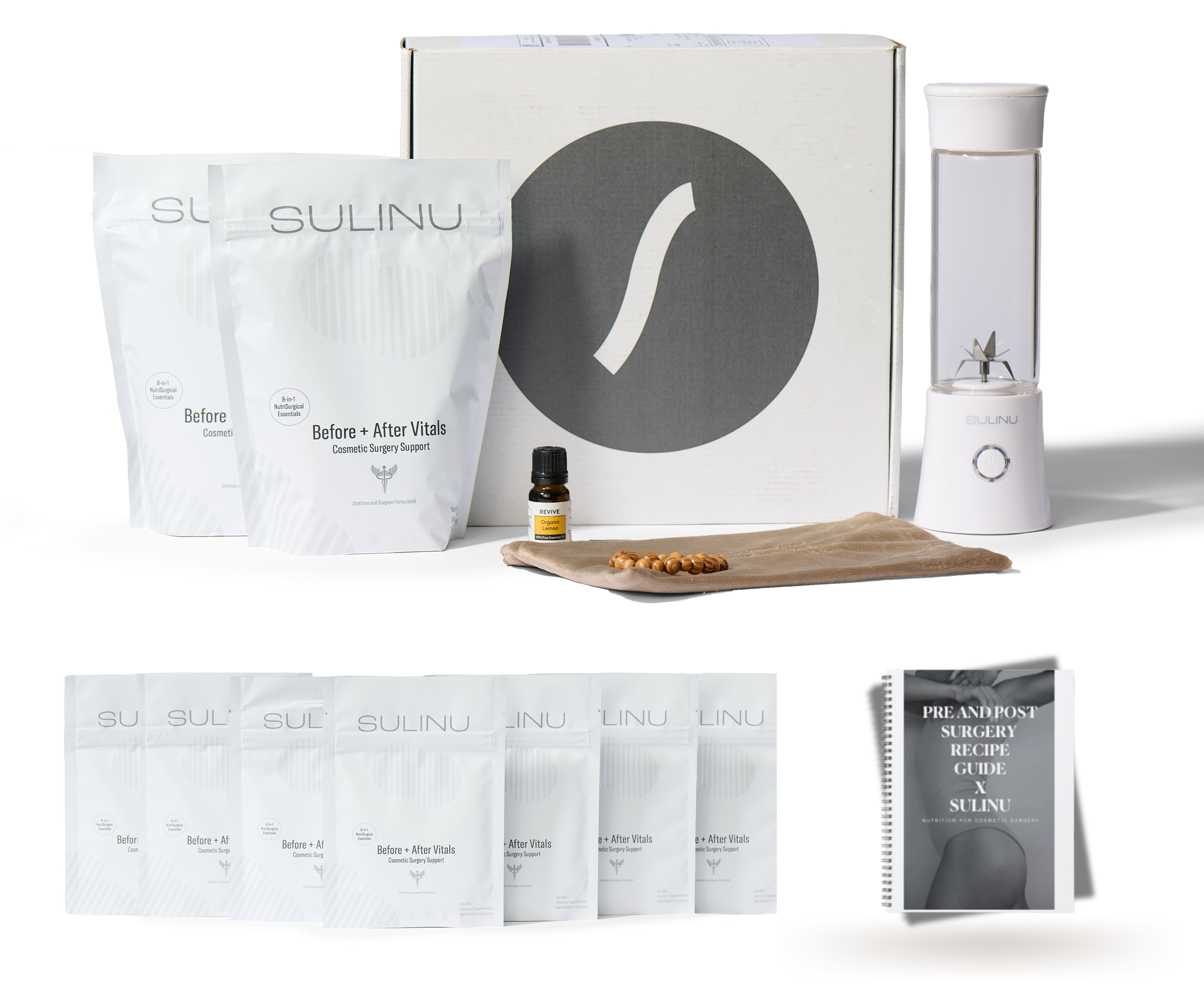
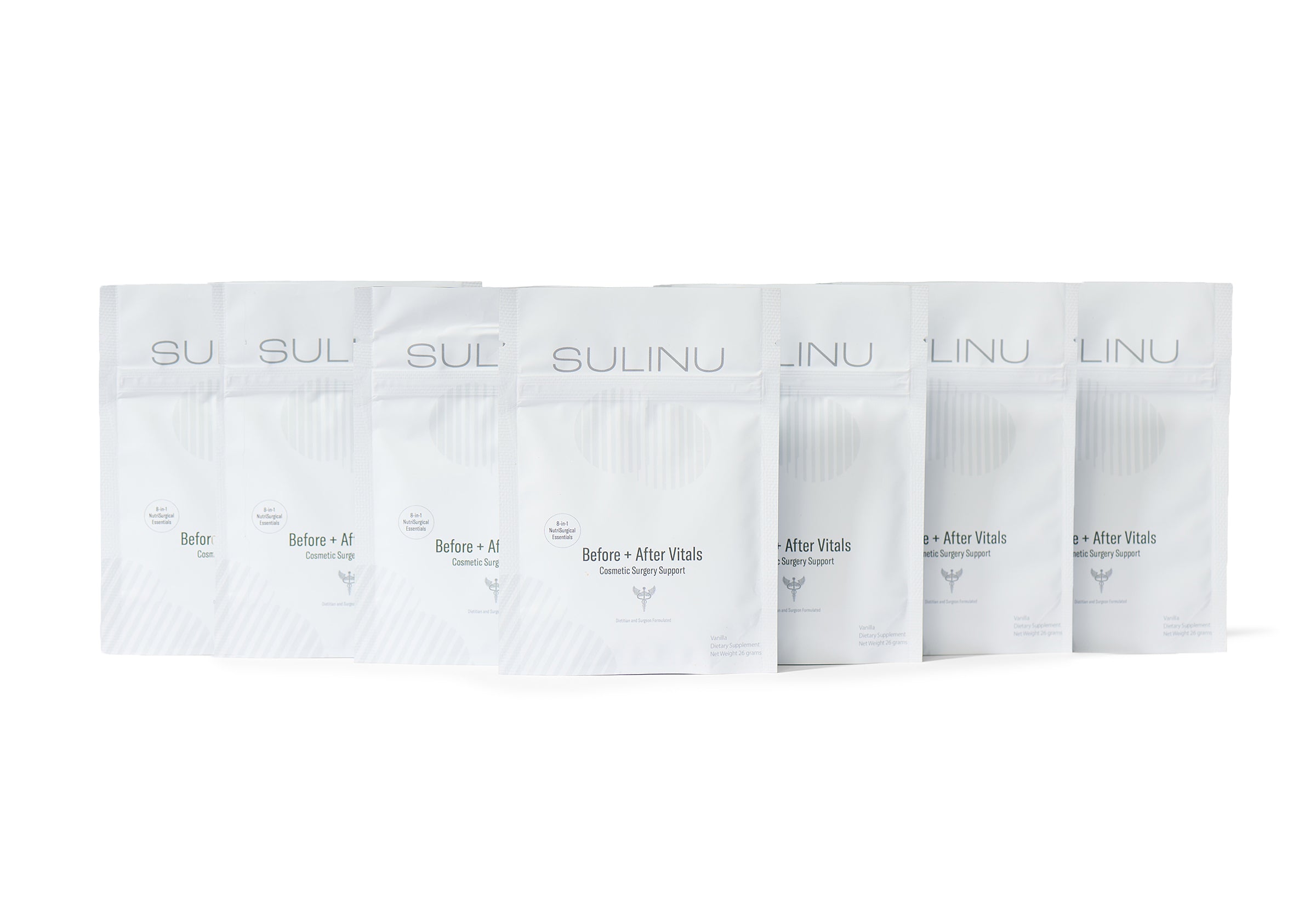
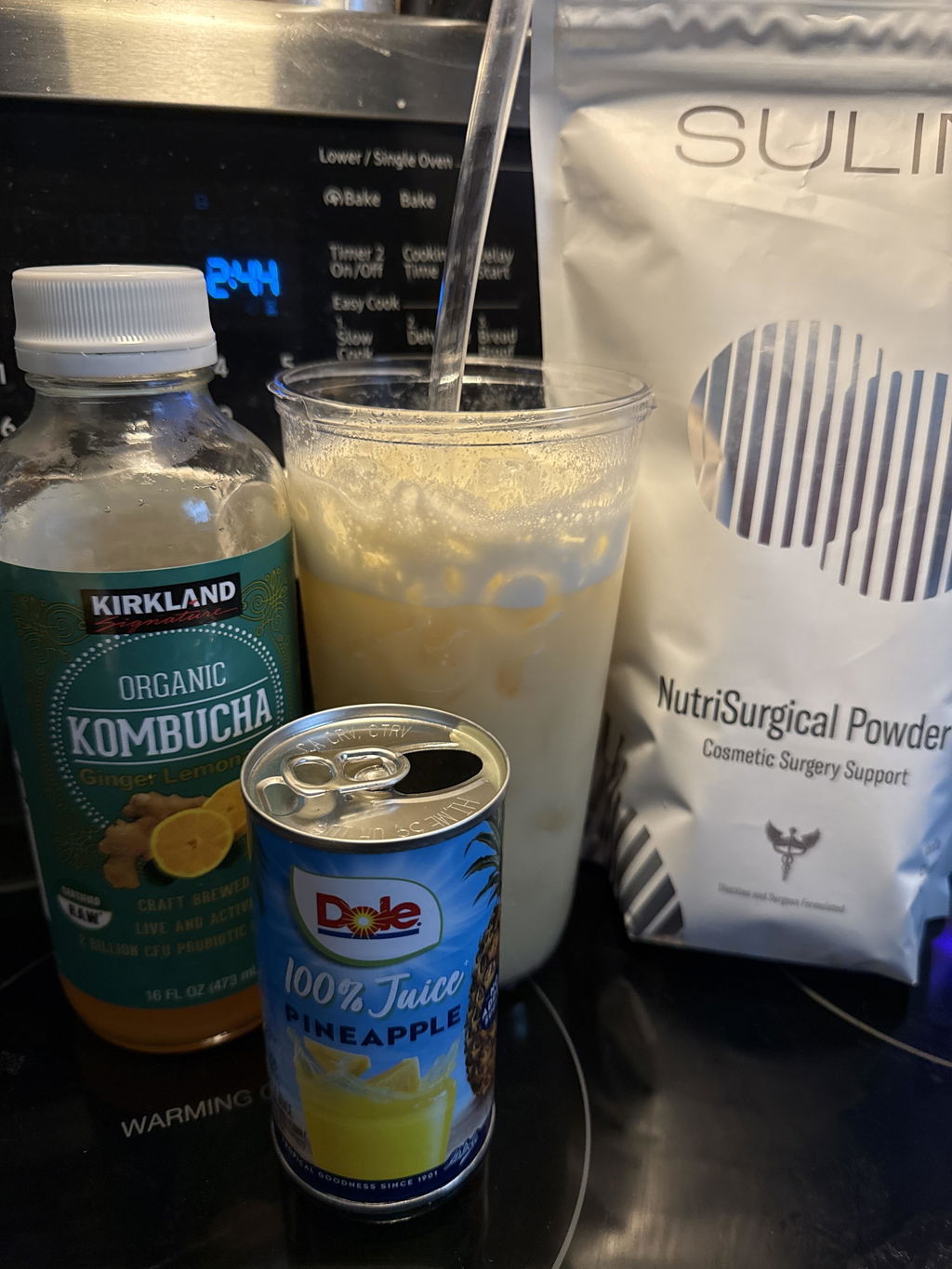
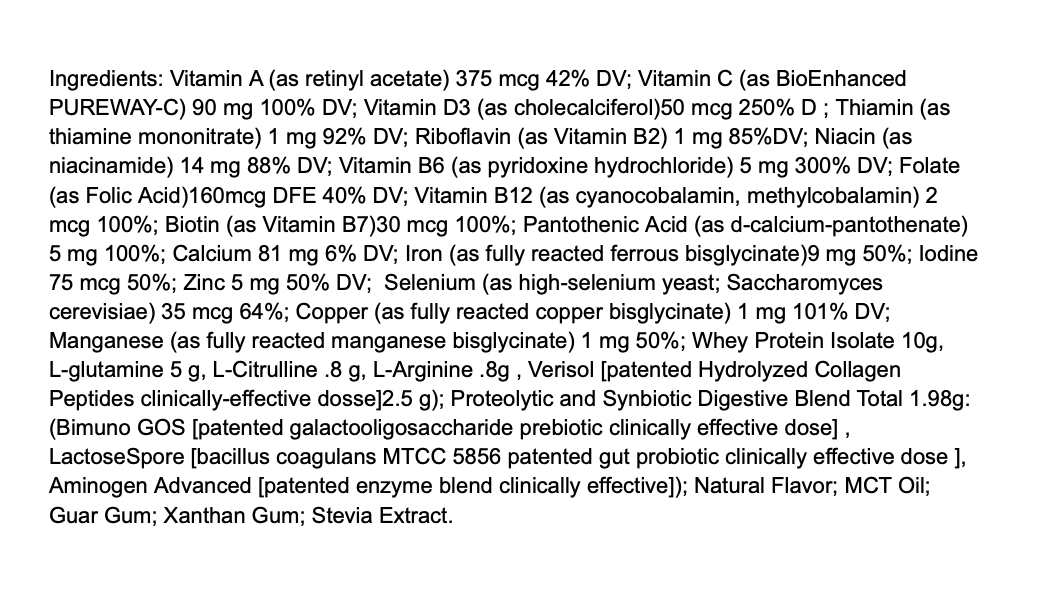
Nutrition for Swelling: Get ahead of swelling with Sulinu's Before + After Vitals, the world's first and only NutriSurgical supplement designed for cosmetic surgery recovery.

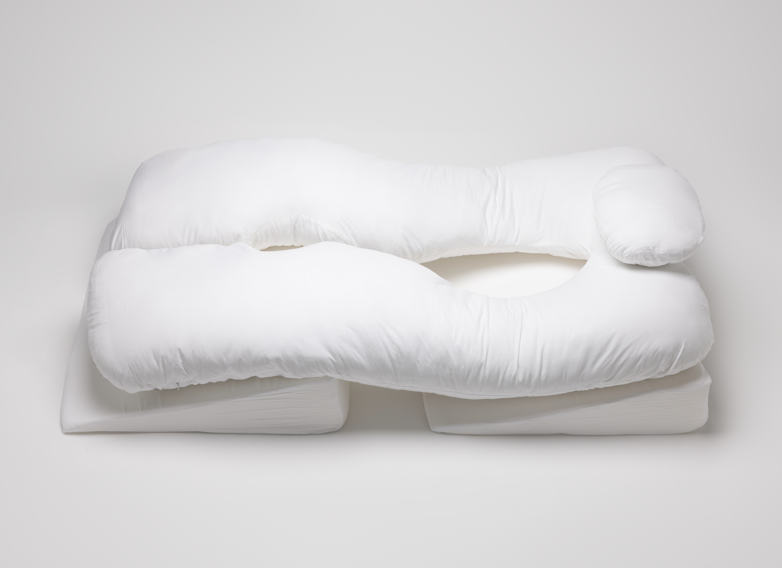
Sleep Positioning: Sleep with your upper body elevated with the help of a full-body post-surgery pillow specifically designed for breast surgery recovery, wear your compression bra as directed, stay well hydrated, and avoid sodium-heavy foods that encourage fluid retention. Gentle walking improves circulation and aids drainage — but no heavy lifting or arm-raising until your surgeon clears it.
When to call your surgeon:
If swelling is dramatically worse on one side, is hot to the touch, is increasing rather than decreasing after the first week, or is accompanied by fever or unusual tightness in the chest.
2. Bruising: The Full-Color Experience Nobody Mentioned
Post-surgical bruising is essentially a roadmap of where your body is working hardest. It's normal, it's temporary, and it goes through a very predictable (if unpleasant) color progression: deep purple and red in the first few days, transitioning to green and yellow as your body breaks down and reabsorbs the pooled blood. Most bruising resolves within two to three weeks.
Bruising may extend beyond the breast itself — traveling downward toward the abdomen due to gravity — which surprises many patients. This is normal.
What helps:
Surgeon-Approved Nutrition: Sulinu's Before + After Vitals is formulated with a vitamins, minerals, antioxidants, prebiotics, high quality protein, collagen and five patented ingredients to lessen bruising.

When to call your surgeon:
A hematoma — a collection of blood pooling under the skin — is a more serious concern. Signs include a breast that feels unusually firm, bulging, or tightly swollen, often concentrated in one area. Hematomas don't always resolve on their own and may require intervention. If one breast suddenly becomes significantly more swollen and painful than the other, contact your surgeon promptly.
3. Pain, Tightness, and the Nerve Fireworks Show
Pain after breast reduction is expected and typically well-controlled with prescribed medications. Most patients find the discomfort manageable within the first few days and transition to over-the-counter options within a week.
What surprises many patients is the specific character of the pain as healing progresses: burning sensations, shooting or electric-shock feelings, and intense itching deep in the tissue. This is nerve regeneration — and while it's uncomfortable, it's actually a positive sign that sensation is returning. It tends to peak around weeks two through four and gradually settles.
Chest tightness is also very common, particularly in the first two weeks. Your skin, muscles, and breast tissue are adjusting to their new configuration, and that tightening sensation is normal as everything settles.
What helps:
Follow your prescribed pain protocol exactly. Don't tough it out unnecessarily — adequate pain management allows you to breathe deeply, which reduces the risk of post-op lung complications. For nerve discomfort, loose soft clothing against the skin helps significantly.
When to call your surgeon:
Pain that is severe, not controlled by prescribed medication, or suddenly worsens after a period of improvement warrants immediate follow-up.
4. Incision and Scar Changes: The Long Game
Breast reduction involves meaningful incisions — commonly an anchor or lollipop pattern — and those incisions leave scars. What is within your control is how well those scars heal.
In the first weeks, incisions will look red, raised, and firm. Over the following months, they typically soften, flatten, and fade closer to your skin tone. Full scar maturation takes six months to a year. Some patients experience hypertrophic (thickened, raised) scarring, particularly those genetically predisposed to it. This doesn't mean your healing is failing — it means your body is producing slightly more collagen than needed in that area, which can be managed.

What helps:
Continued Nutritional Support: Many women are nutrient-depleted even before their surgery. Choosing a cosmetic surgery supplement designed specifically with scar healing in mind can help speed up your scar recovery and protect your investment in the long-term.
Gentle Massage: Once your surgeon gives the green light (typically four to six weeks post-op), scar massage with a gentle moisturizer breaks down internal adhesions and improves texture. Sun protection is non-negotiable — UV exposure permanently darkens immature scars, so SPF 50 on your chest is essential once you're out of dressings.
When to call your surgeon:
Incisions that are opening or separating, areas of skin that appear dark or seem to be dying, or scars rapidly enlarging beyond incision lines.
5. Nipple and Breast Sensation Changes: Temporary Weirdness Is the Norm
Sensation changes after breast reduction are extremely common and rarely discussed enough before surgery. Both extremes can occur: numbness (decreased or absent sensation) and hypersensitivity (where even fabric against your nipple feels unbearable).
This happens because the nerves supplying the nipple and breast tissue are affected during surgery. Some studies suggest a meaningful percentage of patients experience some degree of decreased nipple sensation in the immediate post-op period. In most cases, sensation gradually returns over weeks to months as nerves regenerate.
What helps:
For numbness, gentle massage once incisions have healed may support nerve recovery. For hypersensitivity, loose, soft fabric (jersey cotton, not lace) and avoiding direct stimulation lets the nerves settle.
When to call your surgeon:
Lasting numbness beyond six months, or sensation changes accompanied by visible skin or nipple discoloration.
6. Fatigue, Asymmetry, and Itching: The Supporting Cast
Fatigue is one of the most underestimated post-surgical experiences. Your body is running a full-scale healing operation, and that costs energy. Expect to feel more tired than anticipated for the first two to three weeks, and resist the urge to overdo it the moment you start feeling better — that "I feel great" moment on day five is often a trap.
Asymmetry in early healing is normal and expected. Each breast follows its own swelling pattern and rate of tissue settling. Final results take three to six months to fully reveal themselves — resist comparing sides until then.
Itching at incision sites signals healing nerve activity. It's maddening, but scratching risks damaging fragile new tissue. Antihistamines can help if it's disruptive.
The Problem Nobody Talks About: Nutrient Depletion
Here's what most post-surgical guides leave out entirely: your body just performed an enormous biological task, and it is running on a deficit.
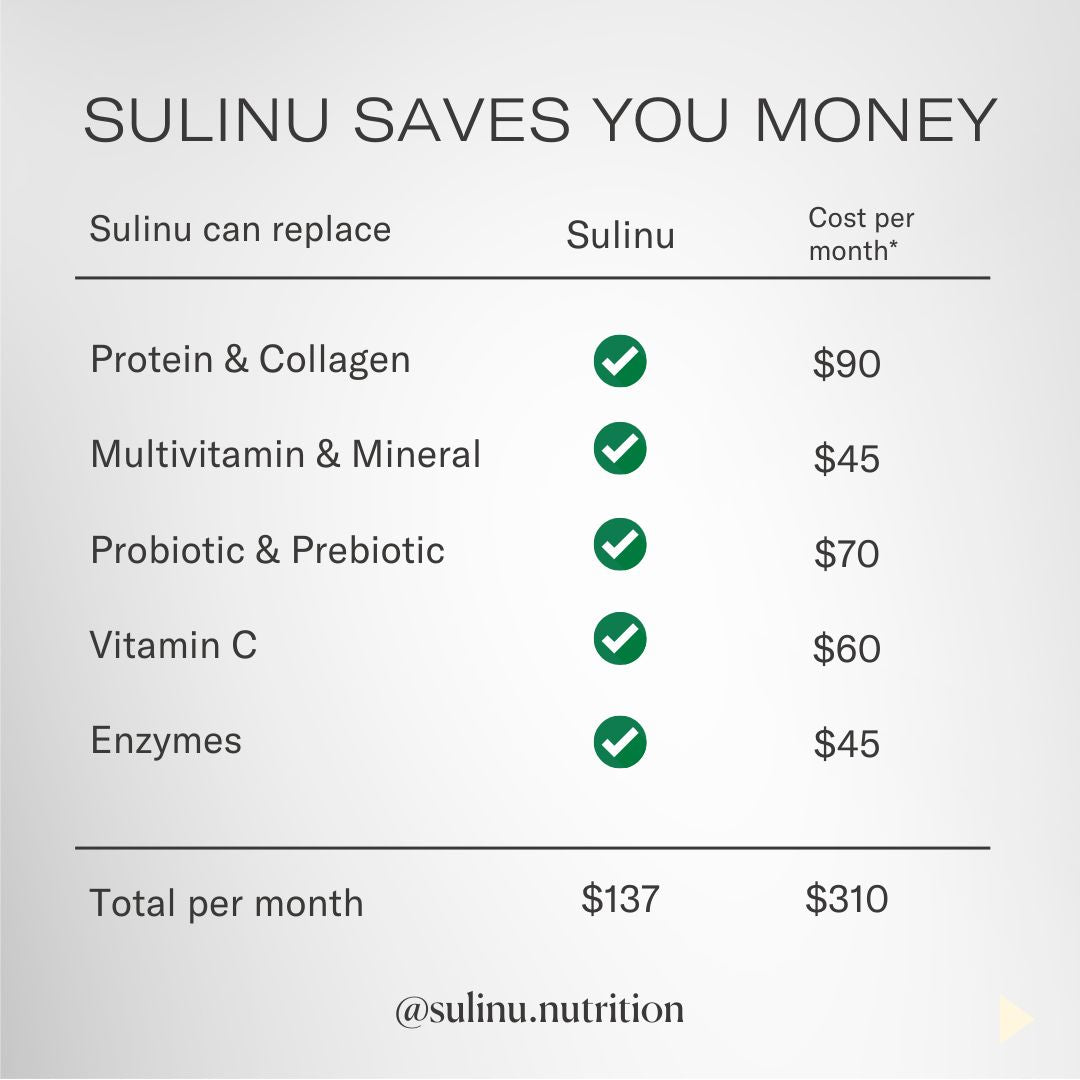
Surgery places extraordinary nutritional demands on the body. Some research suggests that as many as 2 out of 3 women enter surgery already nutrient depleted — before the added demands of wound healing, tissue repair, immune response, and collagen synthesis are factored in. Standard multivitamins weren't designed for this. They lack the therapeutic dosages of the specific amino acids, micronutrients, and proteins that surgical recovery actually requires.
This is where specialized surgical nutrition fills a gap that rest and a healthy diet alone can't always bridge.
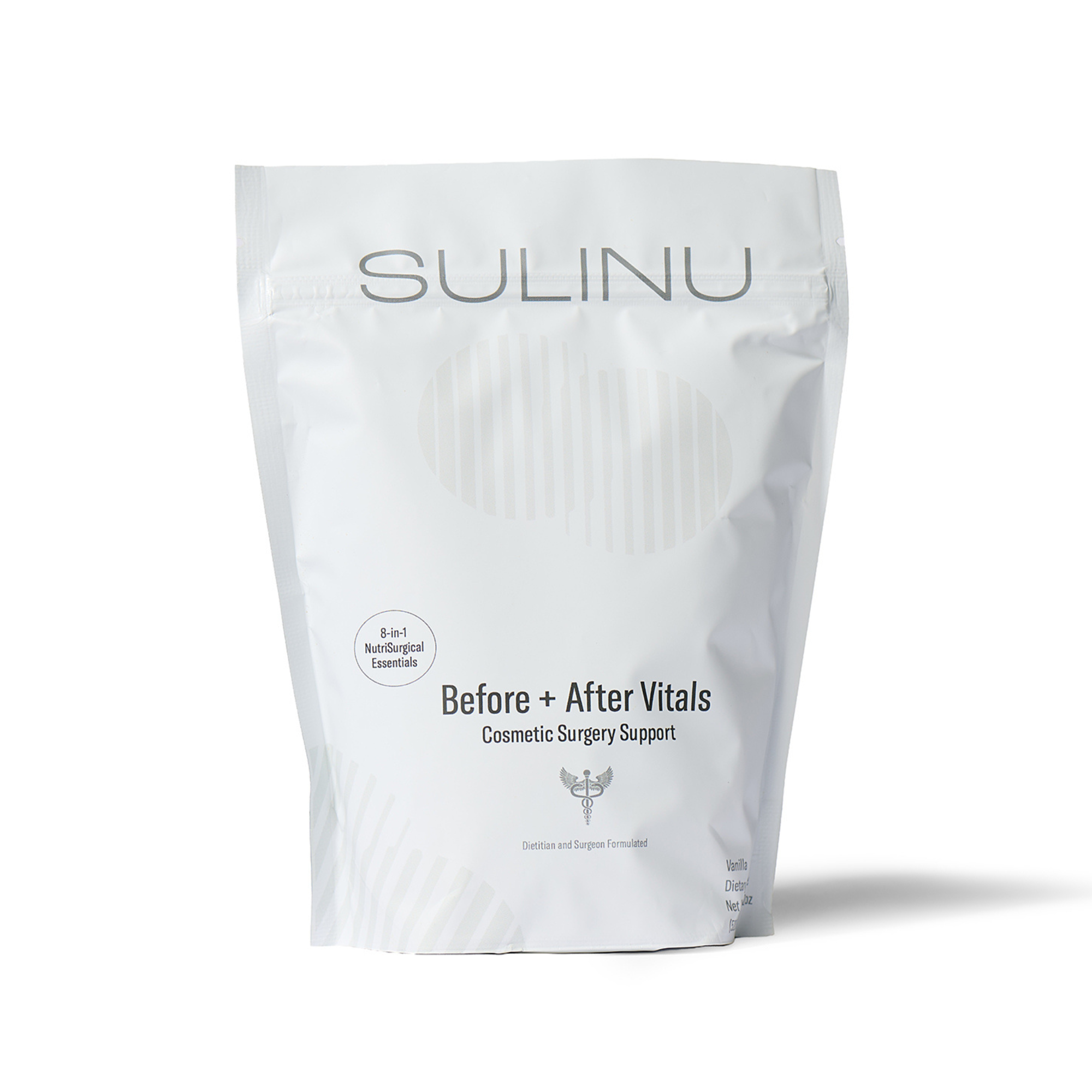
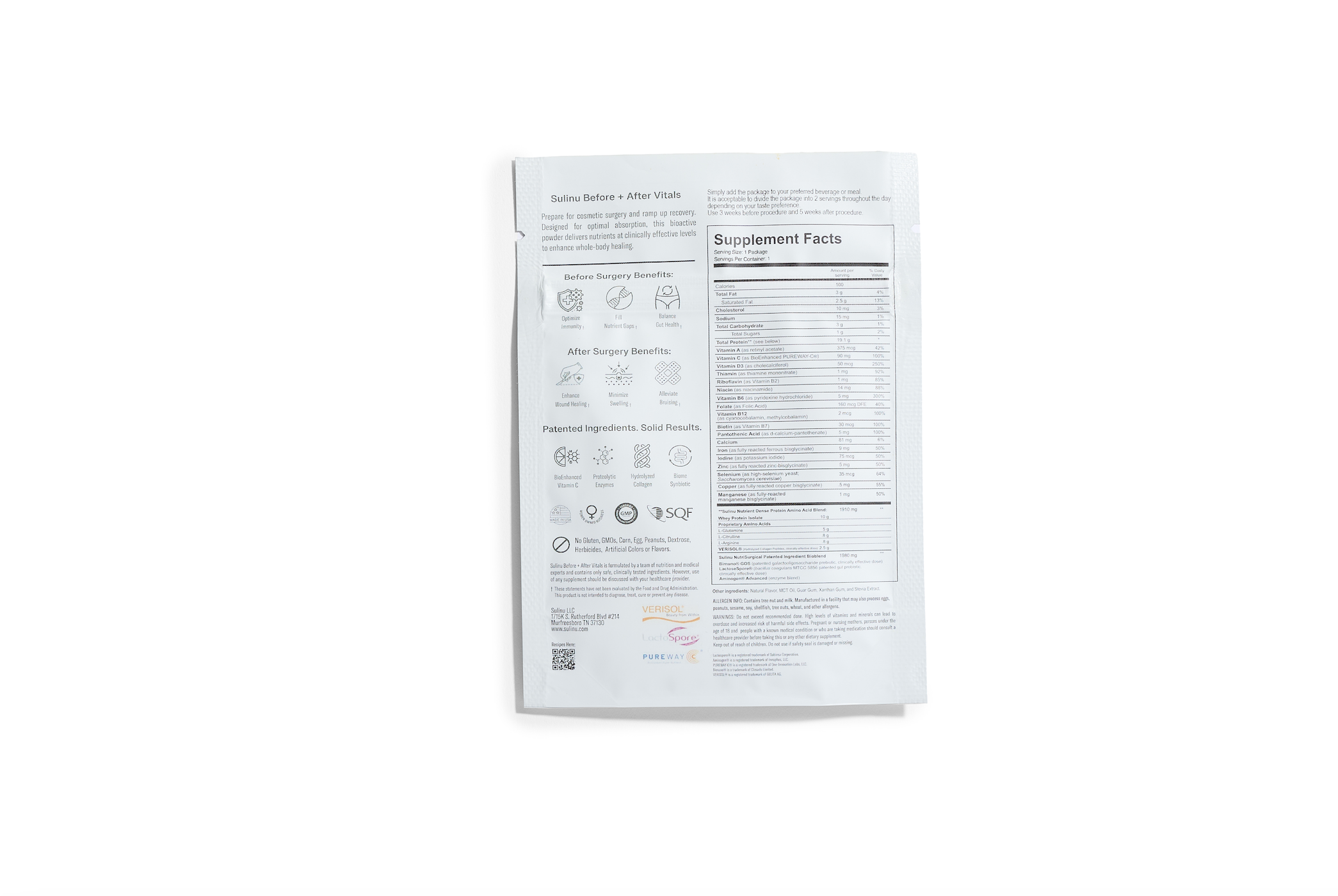
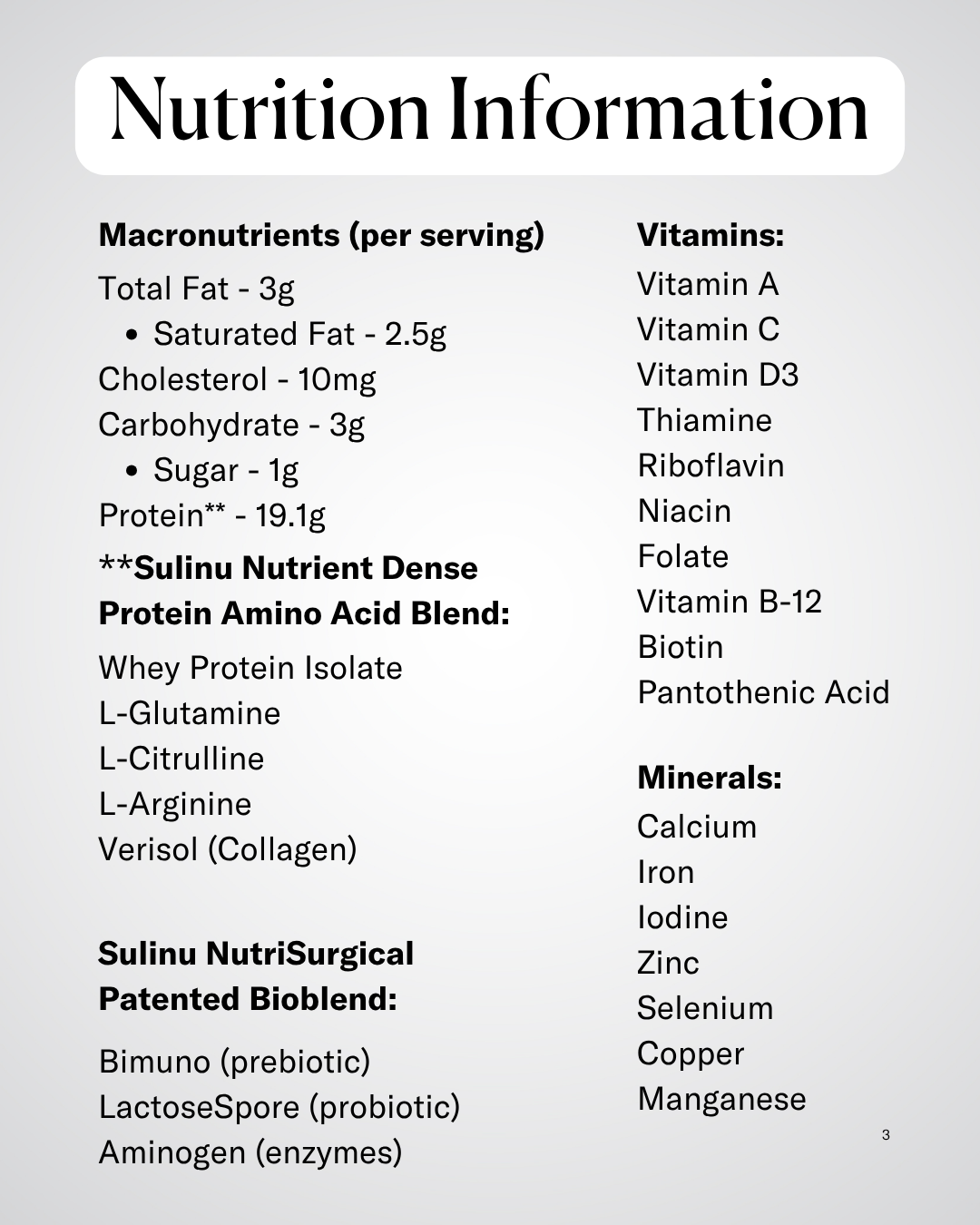
Sulinu's Before + After Vitals was developed specifically for this — not as a general wellness supplement, but as a NutriSurgical powder built for the unique demands of cosmetic surgery recovery. Created by a plastic surgery clinical dietitian who couldn't find a truly comprehensive option for her own patients, it delivers protein, collagen, amino acids, micronutrients, synbiotics, and enzymes in a single daily scoop.
Some studies suggest that adequate nutrition during the post-surgical window meaningfully reduces recovery complications and supports faster wound healing.
Before + After Vitals addresses the full spectrum: supporting collagen production for incision healing, providing L-Glutamine for immune and gut health, and delivering BioEnhanced Vitamin C — a patented form that research indicates the body absorbs at higher rates than standard ascorbate.
Scoop. Mix. Heal.
For best results, Sulinu recommends starting one to three months before surgery and continuing for three months post-op. Already had your procedure? It's never too late. Your scar is healing for at least a year after surgery.
SHOP BEFORE + AFTER VITALS
Red Flags: When to Call Your Surgeon Immediately
Most post-reduction symptoms are normal healing.
These are not — contact your surgical team without delay:
-
Fever above 101°F — a mild fever in the first 48 hours is common, but persistent or high fever signals potential infection
-
Signs of infection — increasing redness, warmth, swelling, pus, or foul odor at incision sites
-
Wound separation — incisions that are opening or pulling apart
-
Sudden dramatic asymmetry — one breast becomes significantly larger, harder, or more painful (possible hematoma or seroma)
-
Skin or nipple going dark — dusky, purple, or black tissue may indicate compromised blood supply and requires urgent attention
-
Signs of blood clot — calf pain, leg swelling, or shortness of breath after surgery warrant emergency evaluation
Week-by-Week Recovery Snapshot
Weeks 1–2: Peak swelling and bruising. Rest, elevation, compression bra. Pain managed with medication. Fatigue is high — this is normal.
Weeks 3–4: Swelling visibly reducing. Bruising fading. Most patients return to desk work. Nerve sensations (tingling, itching, shooting) may intensify — the nerves waking up is a good sign.
Month 2: Significant swelling improvement. Scar massage typically begins. Light activity returns. One breast may still look different — patience.
Month 3+: Continued scar maturation. Final shape becoming clearer. SPF protection on incisions ongoing. This is when most patients start fully experiencing the life change they signed up for.
Breast Reduction Surgery FAQs
How long does swelling last after breast reduction?
Most significant swelling resolves within four to six weeks, but subtle swelling — particularly along incision lines — can persist for three to six months. Full tissue settling may take up to a year.
Is it normal for one breast to heal differently than the other?
Yes. Each breast is its own healing process with its own swelling pattern and rate of tissue change. Asymmetry in the early weeks is expected and usually resolves as healing progresses.
Why do I have numbness or hypersensitivity in my nipples?
The nerves supplying the nipple are affected during surgery and need time to regenerate. Both numbness and hypersensitivity are common and typically temporary, with sensation gradually returning over weeks to months.
What can I do to help my scars heal better?
Once your surgeon clears you (typically four to six weeks post-op), consistent scar massage, silicone sheets or gels, and daily SPF protection can help.
Nutrition also plays a meaningful role — your body needs the right building blocks to produce quality collagen at the healing site. Before + After Vitals was formulated specifically to support this process.
MEDICAL DISCLAIMER
This content is provided for educational purposes only and should not replace professional medical advice, diagnosis, or treatment. Every person's wound healing is unique and depends on numerous factors, including surgical procedure, individual health status, medications, and adherence to post-operative instructions.
Always consult with your healthcare providers before starting any supplement regimen, particularly in conjunction with surgical procedures. If you experience concerning symptoms during recovery—including signs of infection, wound dehiscence, allergic reactions, or any unusual symptoms—contact your medical team immediately.
Individual results vary significantly, and no supplement regimen can guarantee specific wound healing outcomes. Nutritional supplements are not FDA-approved to prevent, treat, or cure any disease or condition.


![A promotional image for The PREP STARTER Kit [free shipping], showcasing its key benefits such as protein, vitamins, minerals, amino acids, probiotics, and enzymes. Featured as an essential pre-op supplement in your surgery prep kit, the product bag is displayed alongside fresh green vegetables on a light background.](http://www.sulinu.com/cdn/shop/files/12.jpg?v=1776452906&width=1080)
![A hand holds a scoop of white powder above an open bag of The PREP STARTER Kit [free shipping]. Text highlights that this research-based formula aids surgery recovery, delivers 19g of protein and 29 carefully selected ingredients per daily scoop—making The PREP STARTER Kit an essential addition to any surgery prep kit.](http://www.sulinu.com/cdn/shop/files/3.jpg?v=1776452906&width=1080)
![A ⭐BEST VALUE⭐ The Prep + Recovery Bundle [free shipping] package is displayed on a white background with text highlighting its clinical benefits and international sourcing, emphasizing improved nerve regeneration, better protein absorption, and faster healing—making it an ideal addition to any surgical recovery kit.](http://www.sulinu.com/cdn/shop/files/2.jpg?v=1776452906&width=1080)
![A woman’s face in close-up appears on the left. On the right, text explains post-surgery risks: metabolism rises, appetite drops, food intake falls, and nutrient needs soar. The message: your body needs more while you eat less—making The PREP STARTER Kit [free shipping] essential for recovery.](http://www.sulinu.com/cdn/shop/files/9.jpg?v=1776452906&width=1080)
![Text graphic explaining consequences of not fueling the healing body: slower wound healing, higher infection risk, more bruising, increased fatigue, pain, and constipation. Highlights that nutrition is essential for recovery but often overlooked—using The PREP STARTER Kit [free shipping] can help support your body and make all the difference for surgical recovery.](http://www.sulinu.com/cdn/shop/files/10.jpg?v=1776452906&width=1080)
![A smiling woman holding a box labeled The PREP STARTER Kit [free shipping] stands beside text explaining the purpose behind creating The PREP STARTER Kit: to support post-surgery recovery by providing targeted nutrition backed by real clinical data, serving as an essential surgery protein guide for patients seeking optimal outcomes.](http://www.sulinu.com/cdn/shop/files/14.jpg?v=1776452906&width=1080)
![A person in a fitted outfit poses against a neutral background. Text reads ⭐BEST VALUE⭐ The Prep + Recovery Bundle [free shipping]. Discover the ultimate surgery prep bundle—nutrition for cosmetic surgery and essential support for your recovery kit.](http://www.sulinu.com/cdn/shop/files/UltimateSurgeryBundle-Sulinu.png?v=1775162796&width=537)