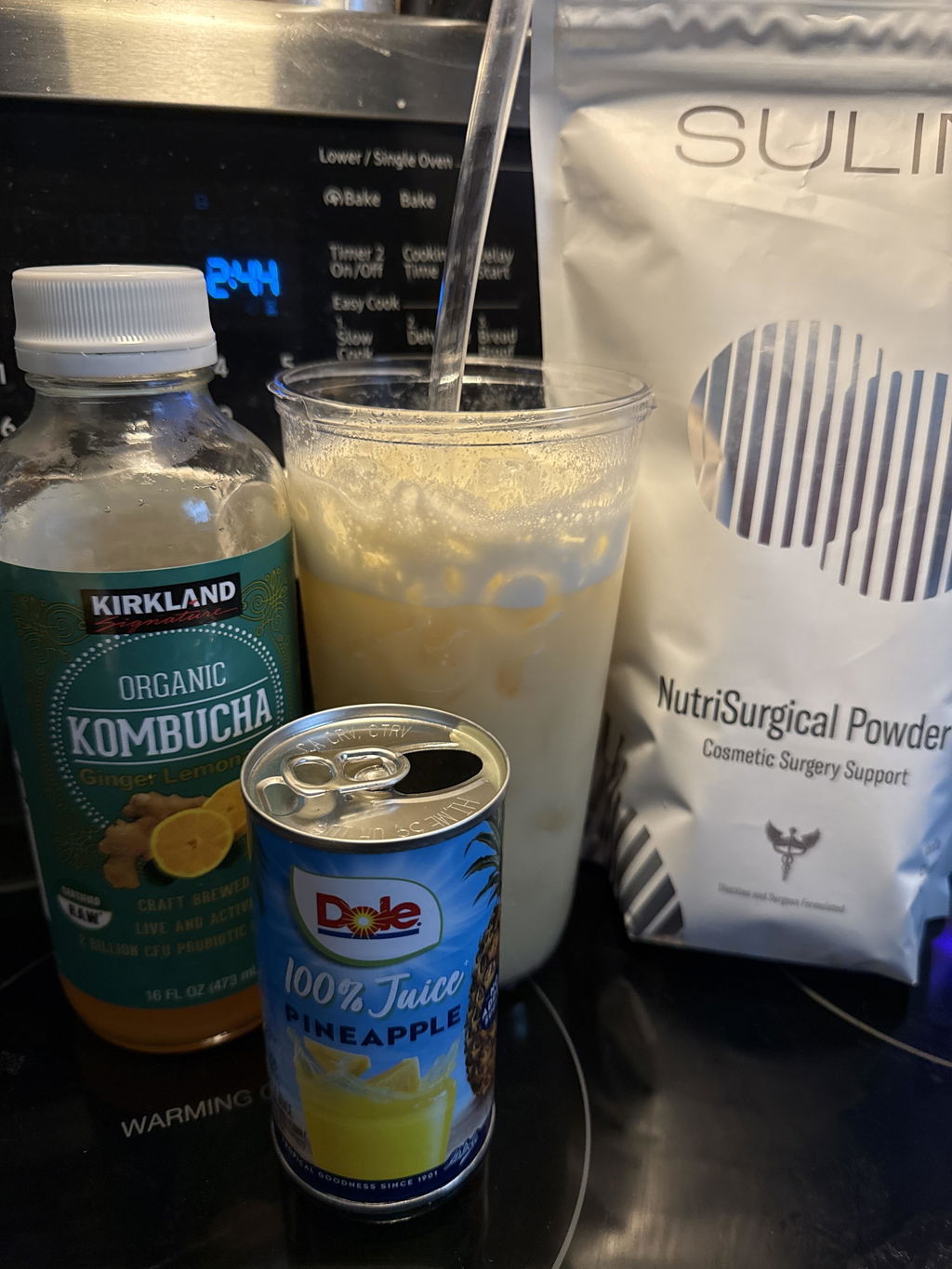
Walk into any pharmacy post-surgery, and you'll face shelves packed with supplements promising faster healing, stronger scars, and miraculous recovery. The wound healing supplement market has exploded into a multi-billion dollar industry where everyone claims to have the magic formula.
The problem: most of these supplements are either ineffective, improperly dosed, or actively working against your healing.
The truth? Only a handful of supplements have solid clinical evidence supporting their role in wound healing. The rest are expensive placebos at best and potentially harmful at worst. Your incisions don't care about marketing claims—they respond to specific nutrients at therapeutic doses during critical healing windows. Period.
This isn't about buying everything labeled "healing support." This is about understanding the actual biochemistry of wound repair and providing your body with precisely what it needs to close wounds faster, build stronger tissue, and create better scars.
The Wound Healing Reality Most People Miss
Your surgical incision goes through three distinct phases that each have specific nutritional demands. During the inflammatory phase (days 1-6), your body floods the wound site with immune cells while forming initial clot structures. The proliferative phase (days 4-21) involves rapid cell division, new blood vessel formation, and collagen deposition. The remodeling phase (weeks 3-12+ months) strengthens and organizes scar tissue into its permanent architecture.
What shocks most people: your body needs 5-10 times more of certain nutrients during wound healing than normal maintenance requires. A standard multivitamin designed for general wellness simply cannot provide therapeutic levels needed for optimal tissue repair.
Some research suggests that 2 out of 3 women are nutrient-depleted after surgery, which directly impacts wound closure speed, scar quality, and complication risk. This is why specialized NutriSurgical formulations designed specifically for wound healing exist—to bridge the gap between normal nutrition and surgical recovery demands with therapeutic doses in enhanced absorption forms.
The Proven Winners: Supplements That Actually Work
Vitamin C: The Master Wound Healer
Vitamin C isn't just helpful for wound healing—it's absolutely essential. Your body requires vitamin C as a cofactor for every single step of collagen synthesis. Without adequate vitamin C, your fibroblasts literally cannot produce the structural proteins that close wounds and create scar tissue.
Some research suggests that vitamin C deficiency causes delayed wound healing, reduced wound strength, and increased dehiscence (wound reopening) risk. Surgical patients need 500-1000mg daily for optimal collagen production, far exceeding the 75-90mg RDA designed for preventing scurvy.
The challenge? Standard ascorbic acid causes digestive upset at therapeutic doses and has poor tissue retention. Enhanced absorption forms achieve superior tissue saturation without gastrointestinal side effects.
Zinc: The Immune and Protein Powerhouse
Zinc plays dual critical roles in wound healing: immune function and protein synthesis. Studies show that zinc deficiency extends healing timelines by 50% or more.
The therapeutic dose for wound healing is 15-30mg elemental zinc daily. However, zinc demonstrates a narrow therapeutic window—too little impairs healing, while excessive amounts (over 40mg daily) can actually inhibit copper absorption and paradoxically slow wound repair. Most importantly, don't assume more is better.
Vitamin A: The Epithelialization Specialist
Vitamin A accelerates epithelialization—the process where new skin cells migrate across wound surfaces to close openings. This vitamin also supports immune function at wound sites and helps reverse some healing impairments caused by steroid medications.
For surgical wound healing, doses of 10,000-25,000 IU daily are commonly recommended for short periods (2-4 weeks). However, vitamin A is fat-soluble and accumulates in your body, making excessive supplementation potentially toxic. Never exceed recommended doses without medical supervision. Pregnant women should avoid supplemental vitamin A above standard prenatal levels.
Protein and Amino Acids: The Structural Foundation
Wounds require 1.5-2 times more protein than normal maintenance needs. Amino acids serve as building blocks for collagen, elastin, and every structural component of new tissue.
The challenge isn't just consuming enough protein—it's ensuring your body can actually break it down and absorb the amino acids. Surgical stress, medications, and digestive disruption all impair protein utilization precisely when demands are highest. Proteolytic enzymes significantly improve your body's ability to extract and use amino acids from dietary protein.
Probiotics: The Gut-Wound Connection
Your gut health directly impacts how well surgical wounds heal. Surgery and antibiotics devastate your intestinal microbiome, triggering systemic inflammation that interferes with wound repair while impairing nutrient absorption.
Some research suggests that probiotic supplementation can reduce surgical site infections by 30-50% while improving overall healing outcomes. Look for multi-strain formulations with delayed-release technology so bacteria survive harsh stomach acid.
The Complete Solution: When Individual Supplements Fall Short
The reality of piecing together individual wound healing supplements: timing becomes complicated, nutrients compete for absorption, dosing requires constant calculation, and compliance suffers when you're managing five separate bottles while recovering from surgery.
Most people start with good intentions and end up with inconsistent supplementation that undermines results. The complexity of optimizing individual supplements often creates more problems than it solves.
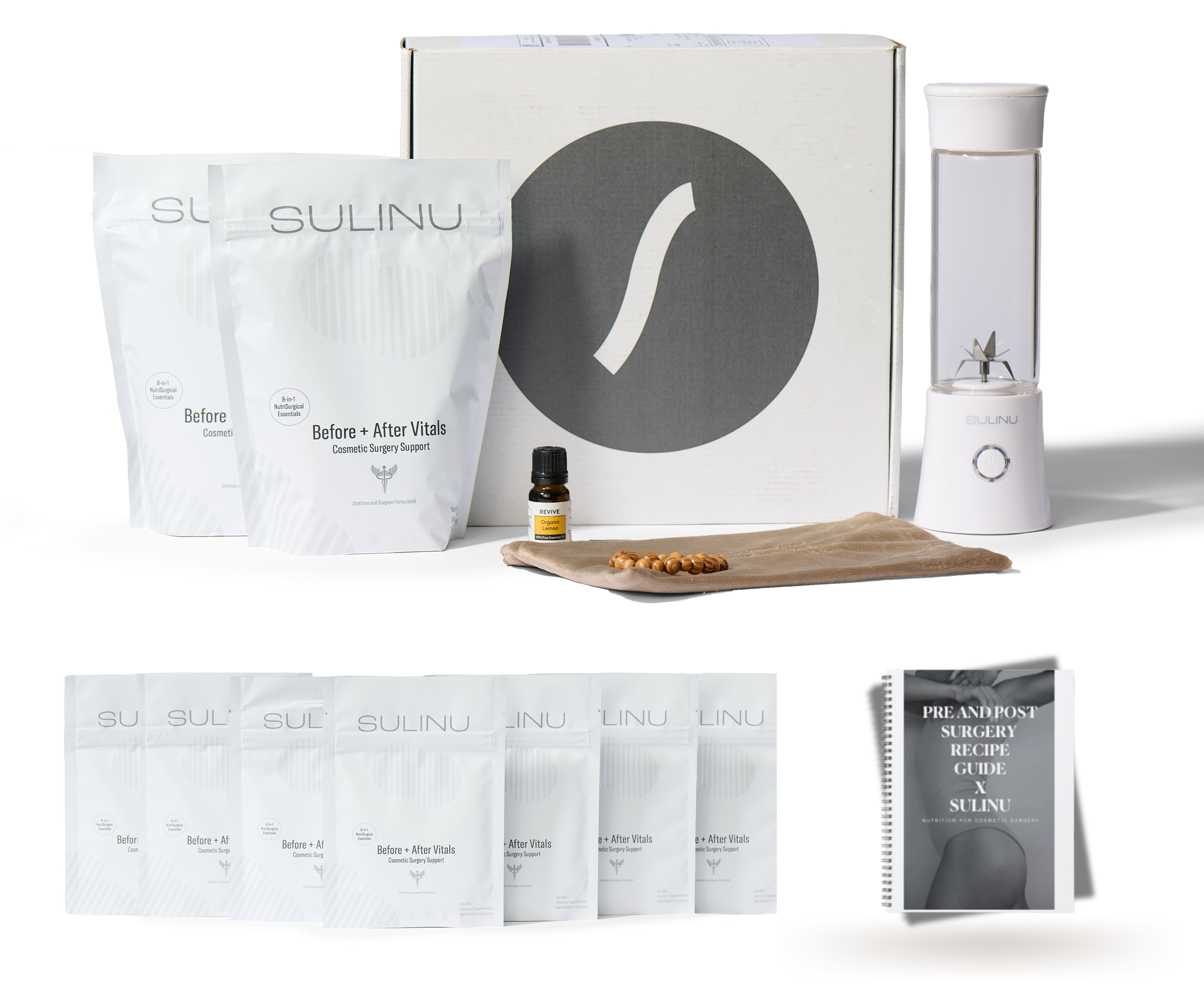
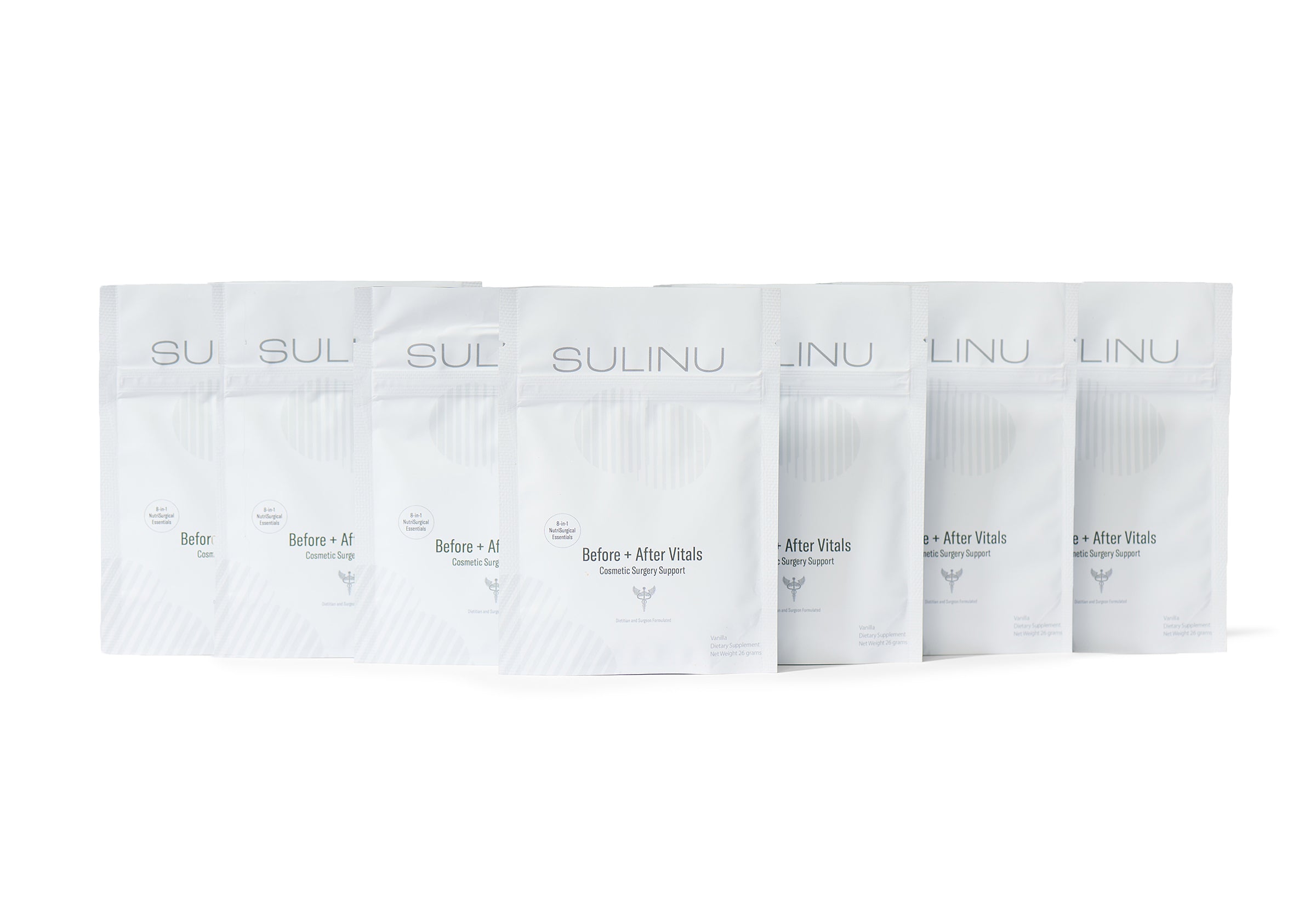
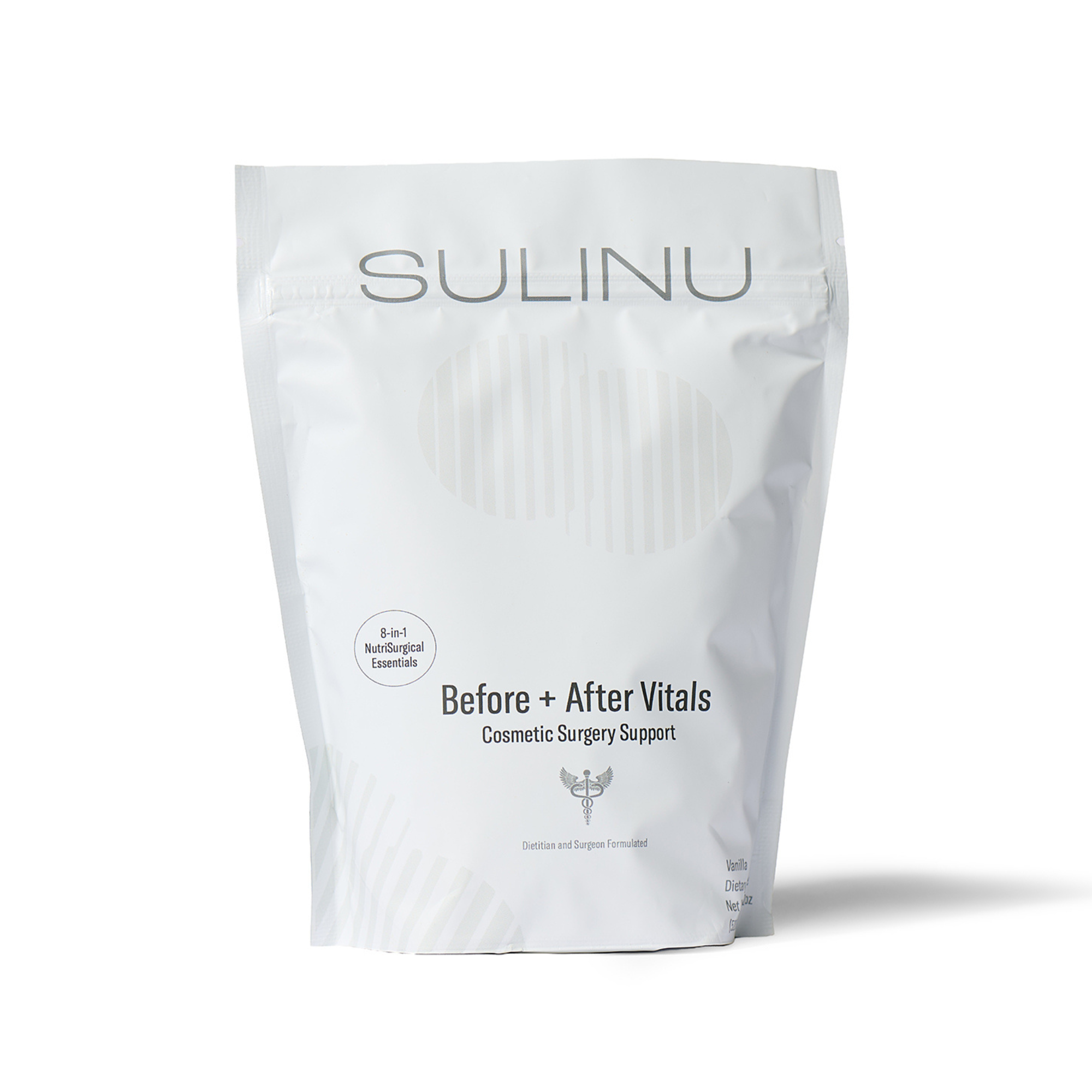
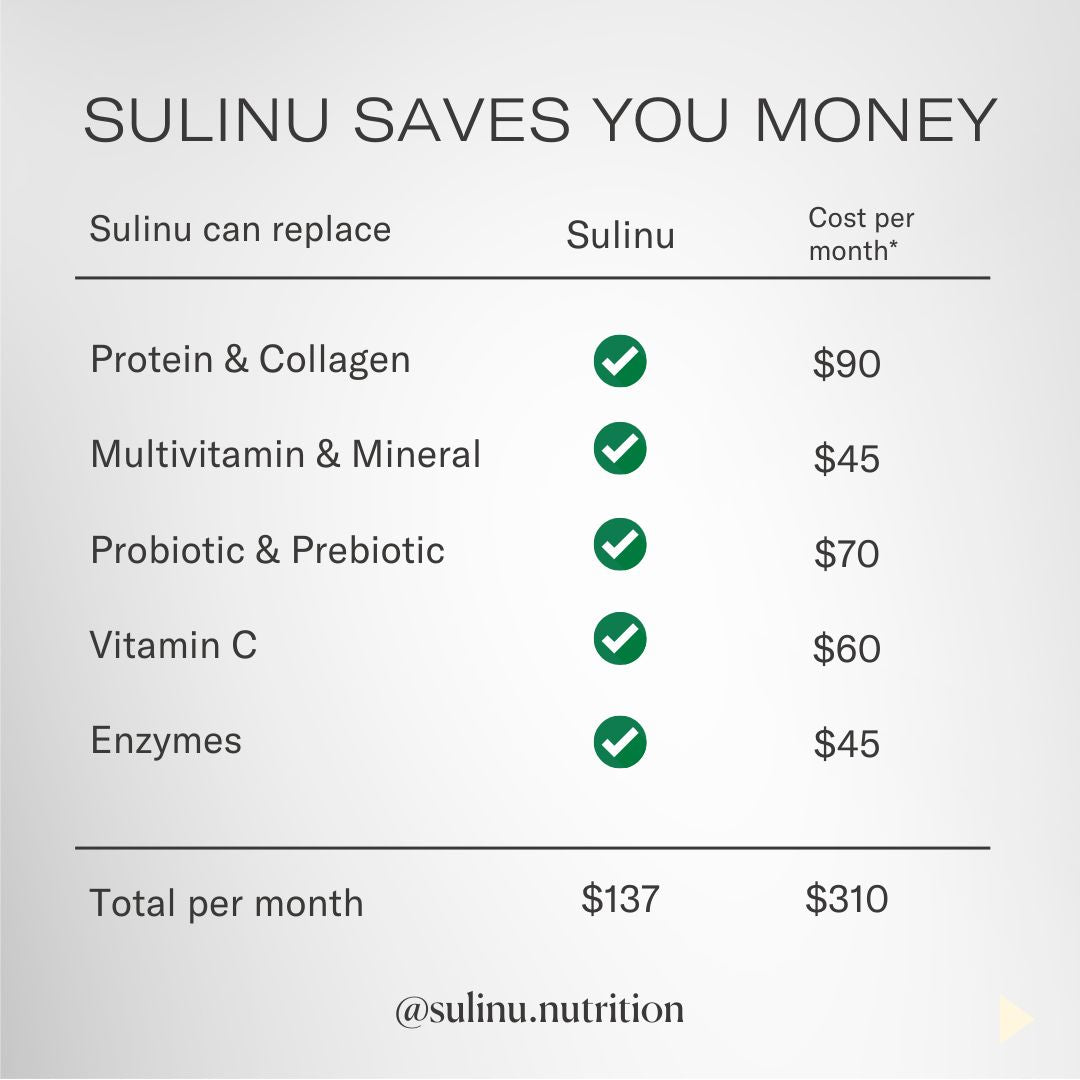
Sulinu's Before + After Vitals represents the evolution beyond random supplement stacks—a complete NutriSurgical system specifically engineered for wound healing demands. Instead of guessing at doses and timing, you get precise therapeutic levels of every nutrient clinical research shows actually matters for tissue repair.
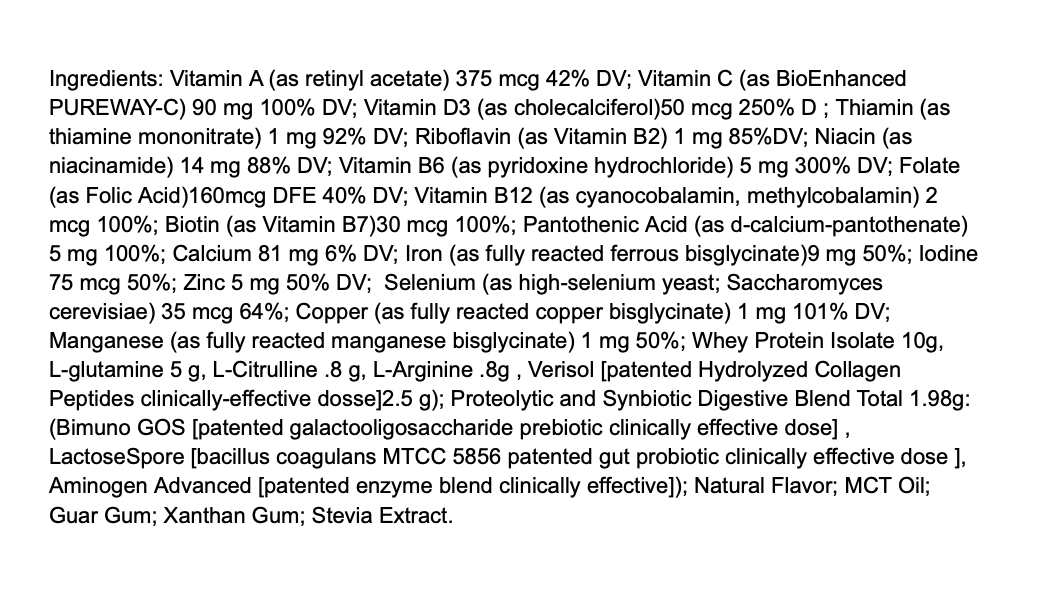
BioEnhanced Vitamin C achieves 233% higher tissue retention than standard ascorbic acid, ensuring your fibroblasts maintain the vitamin C saturation needed for continuous collagen production throughout all healing phases. This enhanced absorption means therapeutic levels without digestive disruption that derails supplementation compliance.
Proteolytic Enzyme Complex doubles amino acid absorption from dietary protein, ensuring your body can actually access the building blocks needed for intensive tissue construction. During surgical recovery when protein demands skyrocket but digestive function is compromised, enzymatic support becomes the difference between adequate and optimal amino acid availability.
Hydrolyzed Collagen Peptides actively signal your fibroblasts to increase natural collagen production by up to 15% within four weeks. This stimulation of endogenous collagen synthesis creates stronger, more organized tissue architecture that determines long-term wound strength and scar quality.
Biome Synbiotic Complex combines targeted probiotics with prebiotic fibers designed to survive stomach acid and restore gut health disrupted by surgery and antibiotics. Healthy intestinal function ensures you actually absorb all these nutrients while reducing systemic inflammation that interferes with wound repair.
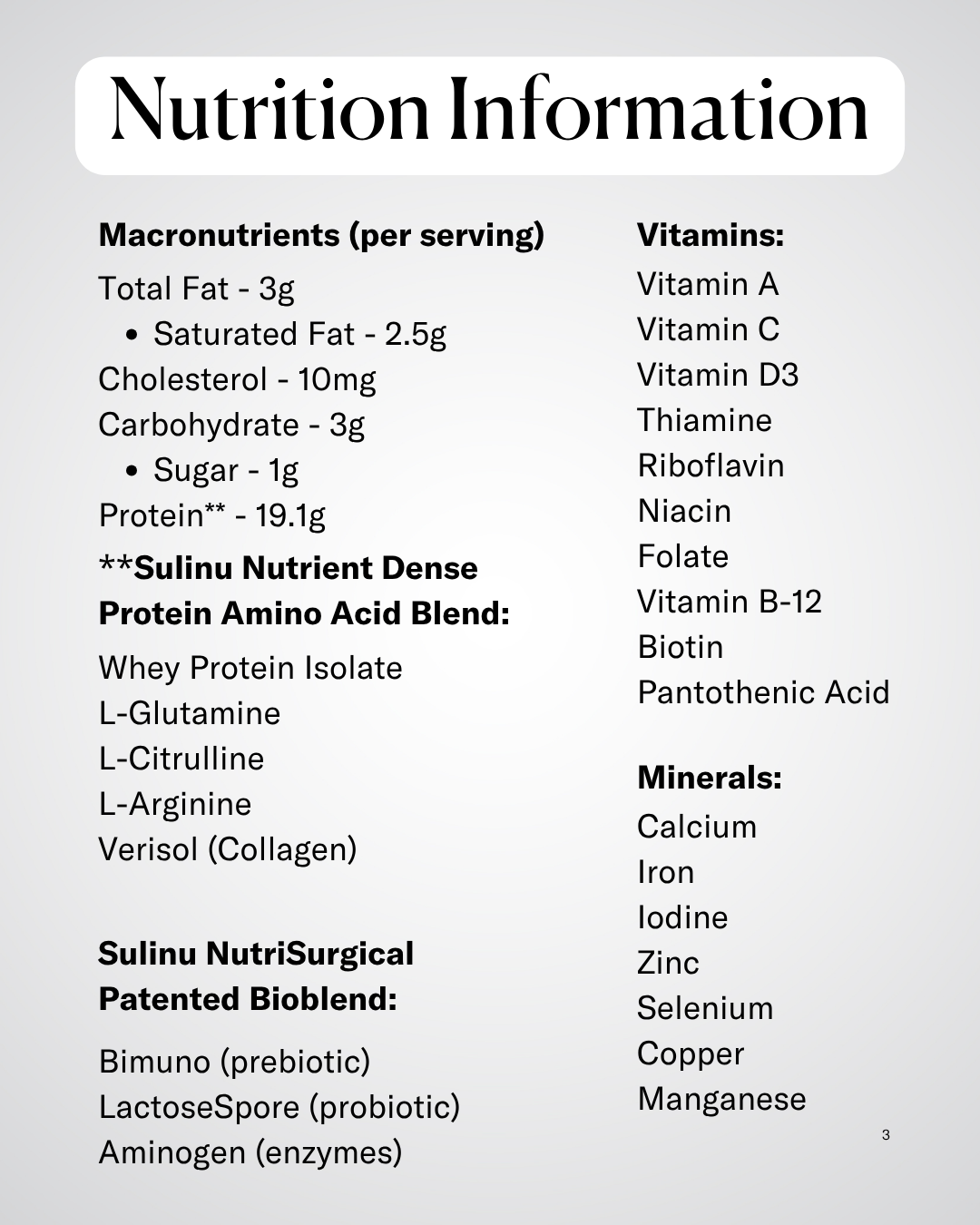
The formula includes 19+ grams of easily digestible protein, 19 vitamins and minerals in enhanced absorption forms, and every nutrient precisely balanced to support healing. Clinical data shows users experience 40% fewer complications and 30% less likelihood of problematic healing outcomes.
Scoop. Mix. Heal.
Begin 1-2 weeks before surgery to build tissue nutrient reserves, continue with 1 scoop daily for 6-8 weeks post-surgery, and support your body through the entire healing timeline with consistent, comprehensive nutrition.
With 90% of users reporting beautiful incision healing and significantly faster recovery, this integrated approach proves that wound healing supplements work best when designed as a complete system rather than assembled piecemeal.
The Overhyped and Ineffective: What's Wasting Your Money
Vitamin E: The Dangerous Myth
Walk into any store and someone will recommend vitamin E for wound healing and scar prevention. Some research indicates vitamin E supplementation does not improve wound healing or scar appearance, and may actually impair both.
Some clinical studies found that topical vitamin E either showed no benefit or actively worsened scar appearance. Even worse, vitamin E at high doses can interfere with blood clotting and increase bleeding risk.
Arnica: Limited Evidence
Arnica enjoys tremendous popularity for bruising and healing support, yet evidence for internal use remains minimal. Oral supplementation hasn't demonstrated reliable wound healing benefits in rigorous trials.
Colloidal Silver: Dangerous and Disproven
Colloidal silver gets promoted as antimicrobial despite having no legitimate place in modern medicine. Clinical evidence doesn't support wound healing benefits, while documented risks include permanent skin discoloration, kidney damage, and neurological problems. The FDA has explicitly warned against colloidal silver products.
The "More Must Be Better" Fallacy
Perhaps the most dangerous approach is excessive dosing. Fat-soluble vitamins can accumulate and cause toxicity. Excessive zinc can block copper absorption. Too much vitamin C can cause digestive problems. Wound healing requires precise nutritional balance, not megadoses.
What Definitely Doesn't Work
Expired or Degraded Supplements: That bottle in your medicine cabinet for two years provides minimal nutritional value, regardless of label claims.
Supplements Without Third-Party Testing: Without third-party verification, you're trusting marketing claims over actual content.
Topical Supplements That Can't Penetrate: Rubbing vitamin E oil or collagen cream on closed incisions doesn't appear to be meaningful for deeper tissue healing. Nutrients must reach tissues through your bloodstream.
The Random Stack Approach: Buying whatever sounds good creates nutrient competition, absorption interference, and dosing imbalances.
Wound Healing Supplements: FAQs
When should I start taking wound healing supplements?
Begin 1-2 weeks before surgery if possible to build tissue nutrient reserves. If you didn't start pre-surgery, begin immediately—your body continues healing for months.
Can I take too much of these wound healing supplements?
Absolutely. Fat-soluble vitamins can cause toxicity, excessive zinc blocks copper absorption, and megadoses of vitamin C can cause digestive problems. Stick to therapeutic doses proven effective in clinical research.
Do I need a prescription for wound healing supplements?
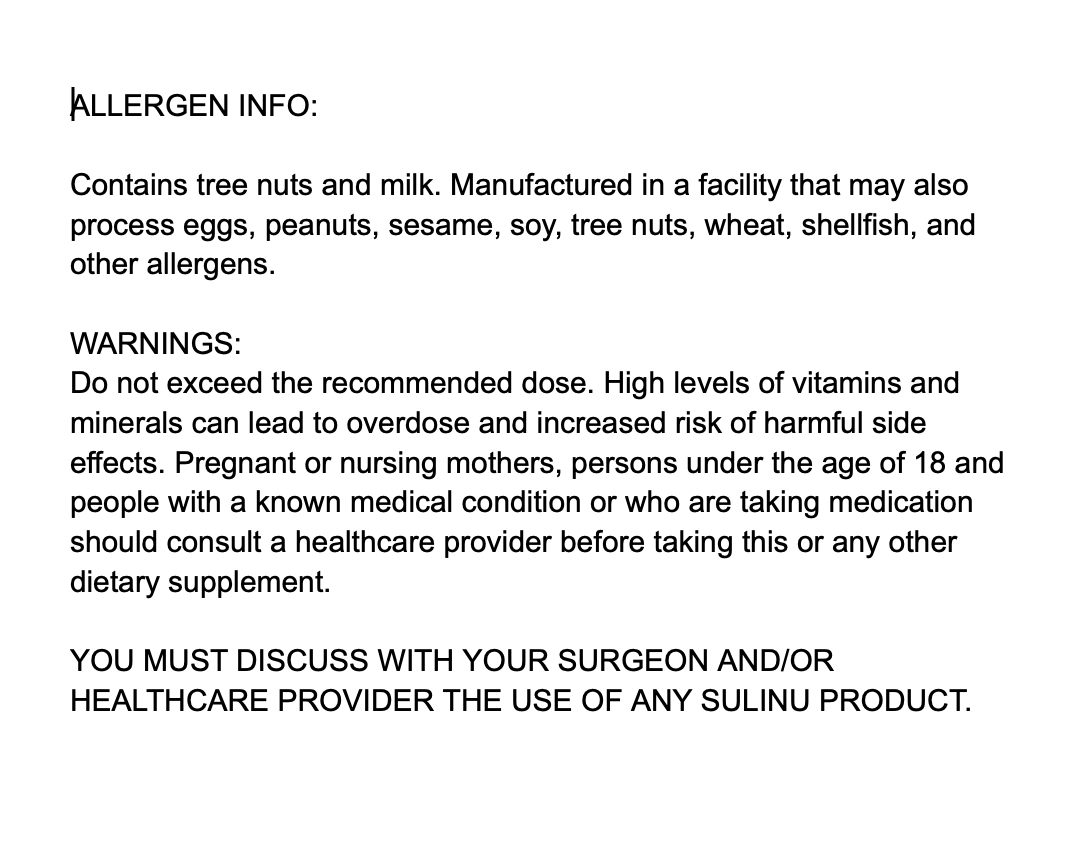
Most are available over-the-counter. Discuss supplementation plans with your surgeon, particularly if you take medications.
How long should I take supplements after surgery?
Most protocols recommend 6-8 weeks of intensive supplementation. Continue through at least 12 weeks to support remodeling when collagen organization determines final scar strength.
What's the difference between post-surgical supplements and regular vitamins?
Post-surgical supplements deliver therapeutic doses specifically calculated for wound repair—often 5-10 times higher than standard multivitamin levels. They use enhanced absorption forms designed for compromised digestive states.
Can food alone provide enough nutrients for wound healing?
Theoretically yes, practically no. Achieving therapeutic vitamin C levels would require eating 10+ oranges daily. Enhanced absorption supplements deliver therapeutic levels without requiring massive food volumes.
Medical Disclaimer
This content is provided for educational purposes only and should not replace professional medical advice, diagnosis, or treatment. Every person's wound healing is unique and depends on numerous factors, including surgical procedure, individual health status, medications, and adherence to post-operative instructions.
Always consult with your healthcare providers before starting any supplement regimen, particularly in conjunction with surgical procedures. If you experience concerning symptoms during recovery—including signs of infection, wound dehiscence, allergic reactions, or any unusual symptoms—contact your medical team immediately.
Individual results vary significantly, and no supplement regimen can guarantee specific wound healing outcomes. Nutritional supplements are not FDA-approved to prevent, treat, or cure any disease or condition.


![A promotional image for The PREP STARTER Kit [free shipping], showcasing its key benefits such as protein, vitamins, minerals, amino acids, probiotics, and enzymes. Featured as an essential pre-op supplement in your surgery prep kit, the product bag is displayed alongside fresh green vegetables on a light background.](http://www.sulinu.com/cdn/shop/files/12.jpg?v=1776452906&width=1080)
![A hand holds a scoop of white powder above an open bag of The PREP STARTER Kit [free shipping]. Text highlights that this research-based formula aids surgery recovery, delivers 19g of protein and 29 carefully selected ingredients per daily scoop—making The PREP STARTER Kit an essential addition to any surgery prep kit.](http://www.sulinu.com/cdn/shop/files/3.jpg?v=1776452906&width=1080)
![A ⭐BEST VALUE⭐ The Prep + Recovery Bundle [free shipping] package is displayed on a white background with text highlighting its clinical benefits and international sourcing, emphasizing improved nerve regeneration, better protein absorption, and faster healing—making it an ideal addition to any surgical recovery kit.](http://www.sulinu.com/cdn/shop/files/2.jpg?v=1776452906&width=1080)
![A woman’s face in close-up appears on the left. On the right, text explains post-surgery risks: metabolism rises, appetite drops, food intake falls, and nutrient needs soar. The message: your body needs more while you eat less—making The PREP STARTER Kit [free shipping] essential for recovery.](http://www.sulinu.com/cdn/shop/files/9.jpg?v=1776452906&width=1080)
![Text graphic explaining consequences of not fueling the healing body: slower wound healing, higher infection risk, more bruising, increased fatigue, pain, and constipation. Highlights that nutrition is essential for recovery but often overlooked—using The PREP STARTER Kit [free shipping] can help support your body and make all the difference for surgical recovery.](http://www.sulinu.com/cdn/shop/files/10.jpg?v=1776452906&width=1080)
![A smiling woman holding a box labeled The PREP STARTER Kit [free shipping] stands beside text explaining the purpose behind creating The PREP STARTER Kit: to support post-surgery recovery by providing targeted nutrition backed by real clinical data, serving as an essential surgery protein guide for patients seeking optimal outcomes.](http://www.sulinu.com/cdn/shop/files/14.jpg?v=1776452906&width=1080)
![A person in a fitted outfit poses against a neutral background. Text reads ⭐BEST VALUE⭐ The Prep + Recovery Bundle [free shipping]. Discover the ultimate surgery prep bundle—nutrition for cosmetic surgery and essential support for your recovery kit.](http://www.sulinu.com/cdn/shop/files/UltimateSurgeryBundle-Sulinu.png?v=1775162796&width=537)