Your surgeon just recommended a deep plane facelift instead of a traditional one, and you're wondering what that means for your recovery.
Here's the truth: deep plane facelifts create a completely different recovery experience—not necessarily worse, but definitely different.
The deep plane technique repositions facial structures at a deeper anatomical level, working beneath the SMAS layer to create more natural, longer-lasting results. Understanding exactly why deep plane recovery differs transforms this process from an anxiety-inducing mystery into a manageable journey.
The Deep Plane Difference: Understanding Your Unique Recovery
Traditional facelifts work in superficial layers, lifting skin and SMAS as separate structures. Deep plane technique repositions these as a unified composite flap, working in deeper tissue planes where major facial structures live. This creates more extensive tissue manipulation with different inflammatory responses.
Swelling Pattern Distinctions
Deep plane surgery creates more diffuse, longer-lasting swelling because it affects deeper tissue layers with extensive blood and lymphatic vessel networks. You'll experience more cheek and midface fullness initially—not the typical facelift swelling concentrated around the jawline and neck.
The Recovery Trade-Off
Deep plane facelifts often require 2-3 weeks longer for initial recovery compared to traditional techniques. However, final results typically look more natural and last 10-15 years versus 7-10 years for traditional facelifts.
Deep Plane Facelift Recovery Timeline
Week 1: The Deep Tissue Response
Your body is stabilizing the newly repositioned SMAS and facial fat pads while managing trauma to deeper tissue planes. Blood vessels are sealing and rebuilding. Your lymphatic system processes unprecedented cellular debris from multiple tissue layers.
What You'll Experience: Significant facial fullness that may completely mask surgical improvements, with swelling concentrated in midface and cheek areas. Numbness or altered sensation across larger facial areas. Deep, dull ache different from surface pain. Drainage from incisions may be more substantial.
Critical Success Factors: Maintain strict head elevation (45 degrees minimum) around the clock. Follow all movement restrictions. Manage pain effectively.
Weeks 2-4: Structural Stabilization
The repositioned SMAS layer integrates into its new position through collagen formation and tissue adhesion. Deeper blood vessels establish new circulation patterns.
What You'll Experience: Swelling that fluctuates dramatically based on activity, sleep quality, and weather. Continued facial fullness makes judging results impossible. Asymmetry as different sides heal at varying rates—completely normal but psychologically challenging.
Months 2-3: The Settling Phase
While traditional facelifts show most results by 6-8 weeks, deep plane patients need 10-12 weeks before final contours emerge.
What's Happening: Deeper facial structures reach permanent positions as swelling resolves from innermost tissue planes outward. Extensive collagen remodeling creates natural-looking results. Repositioned facial fat pads settle into long-term positions.
Month 3+: The Reveal
By three months, the natural integration of deeper structures creates results that don't look "pulled" or artificial—simply a refreshed, well-rested version of yourself.
The Nutritional Foundation for Deep Plane Success
Deep plane facelifts create 30-40% more tissue trauma than traditional techniques. Your protein requirements increase by 60-80% above normal levels. Your vitamin C needs skyrocket to support massive collagen synthesis across multiple tissue layers. Meanwhile, pain medications and surgical stress compromise your ability to absorb nutrients from food.
Some research suggests that 2 out of 3 women are nutrient-depleted after surgery, directly impacting healing speed and final aesthetic results.
Why Standard Supplements Fall Short
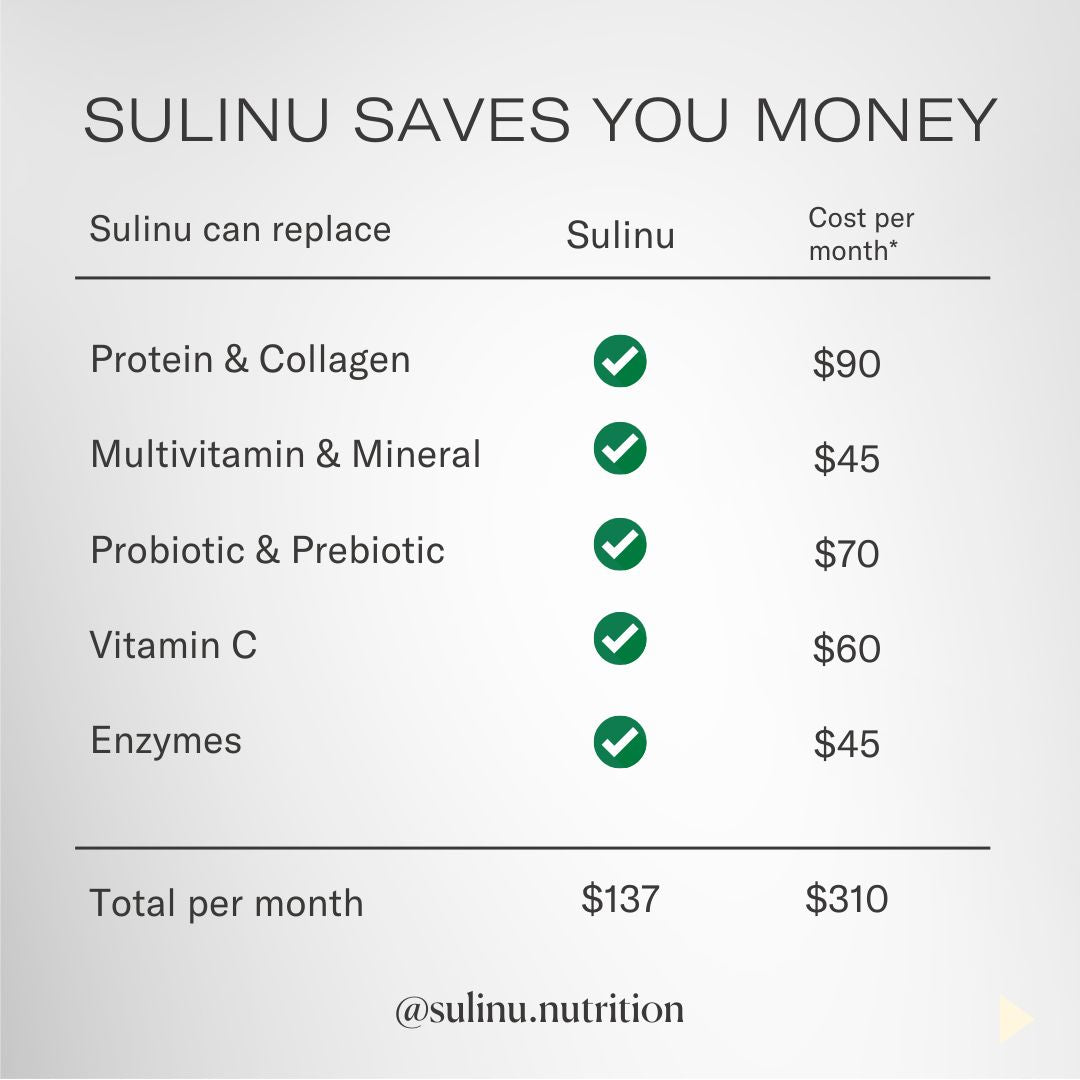
General supplements use basic nutrient forms that absorb poorly when your digestive system is compromised. They provide insufficient dosages for tissue repair demands and often include ingredients that interfere with healing.
Sulinu: The Complete Solution for Deep Plan Facelift Recovery
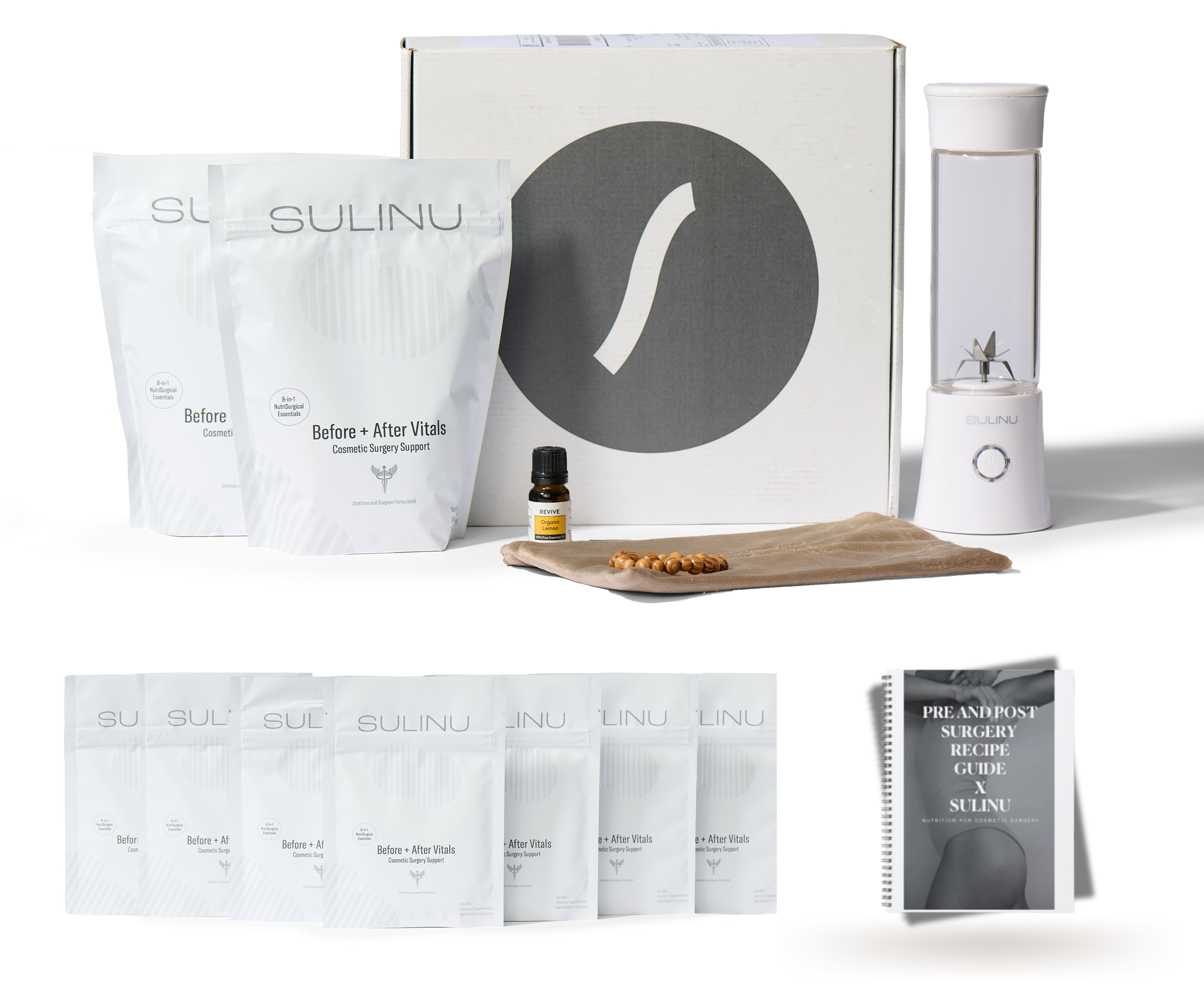
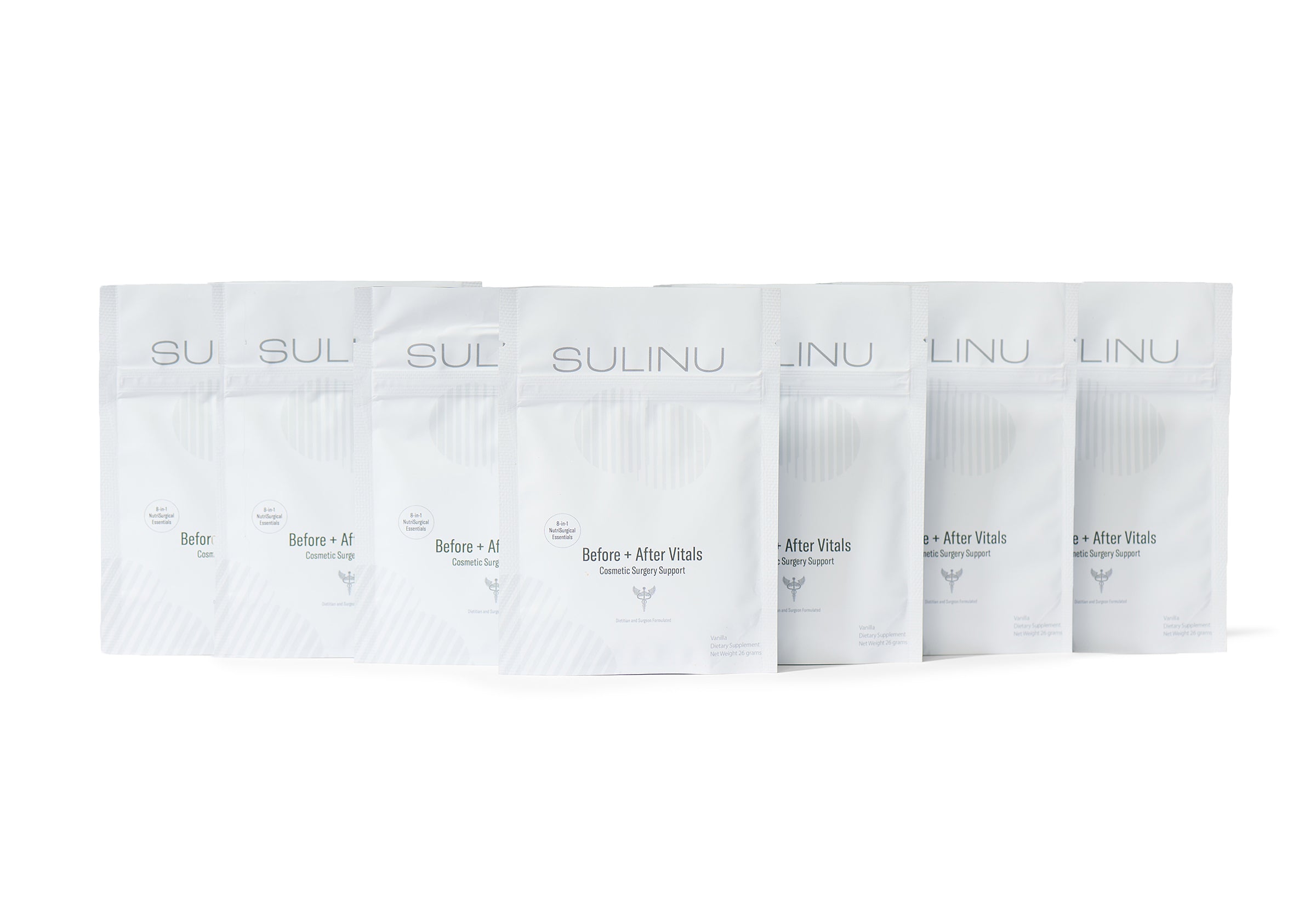
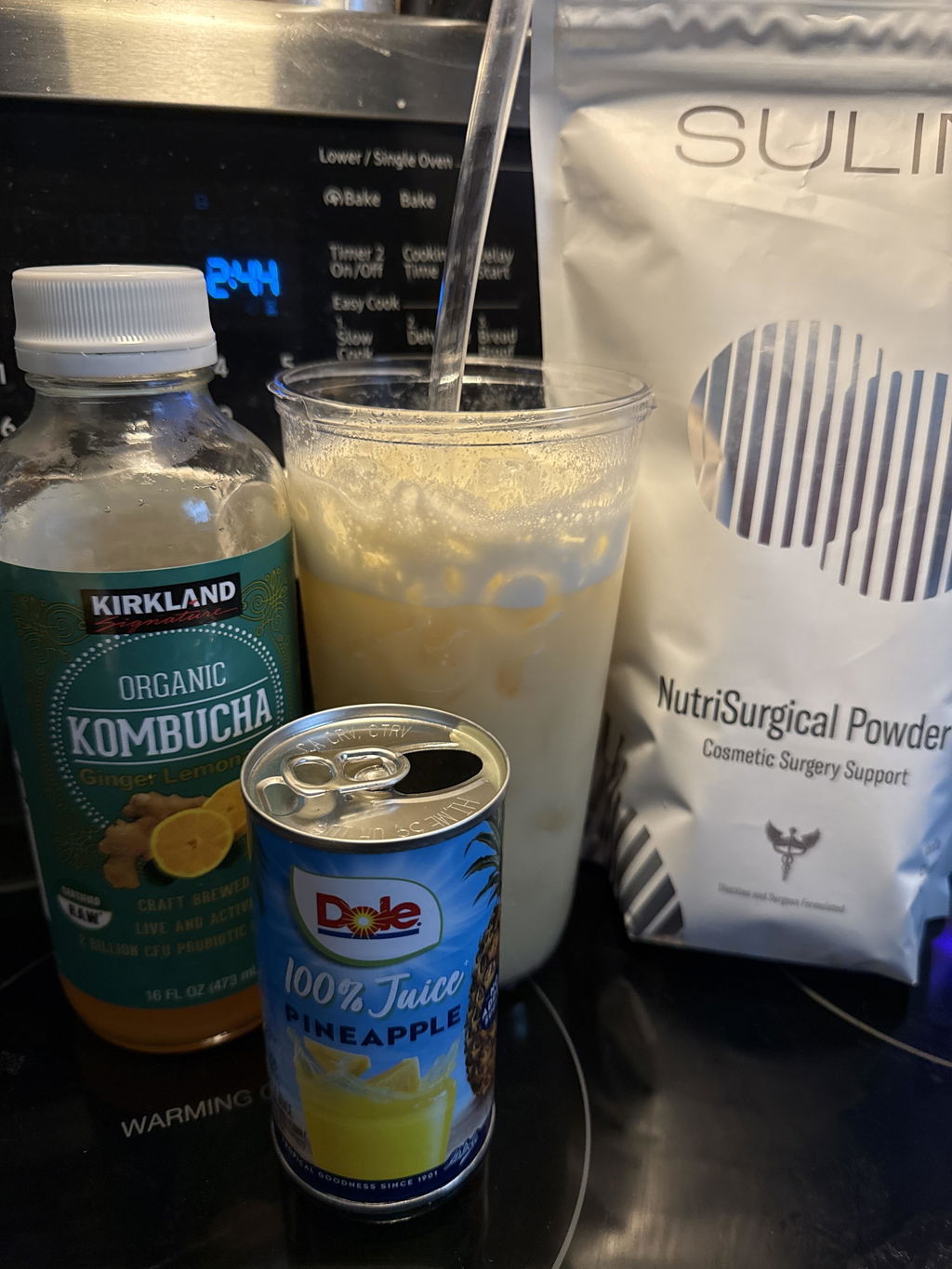
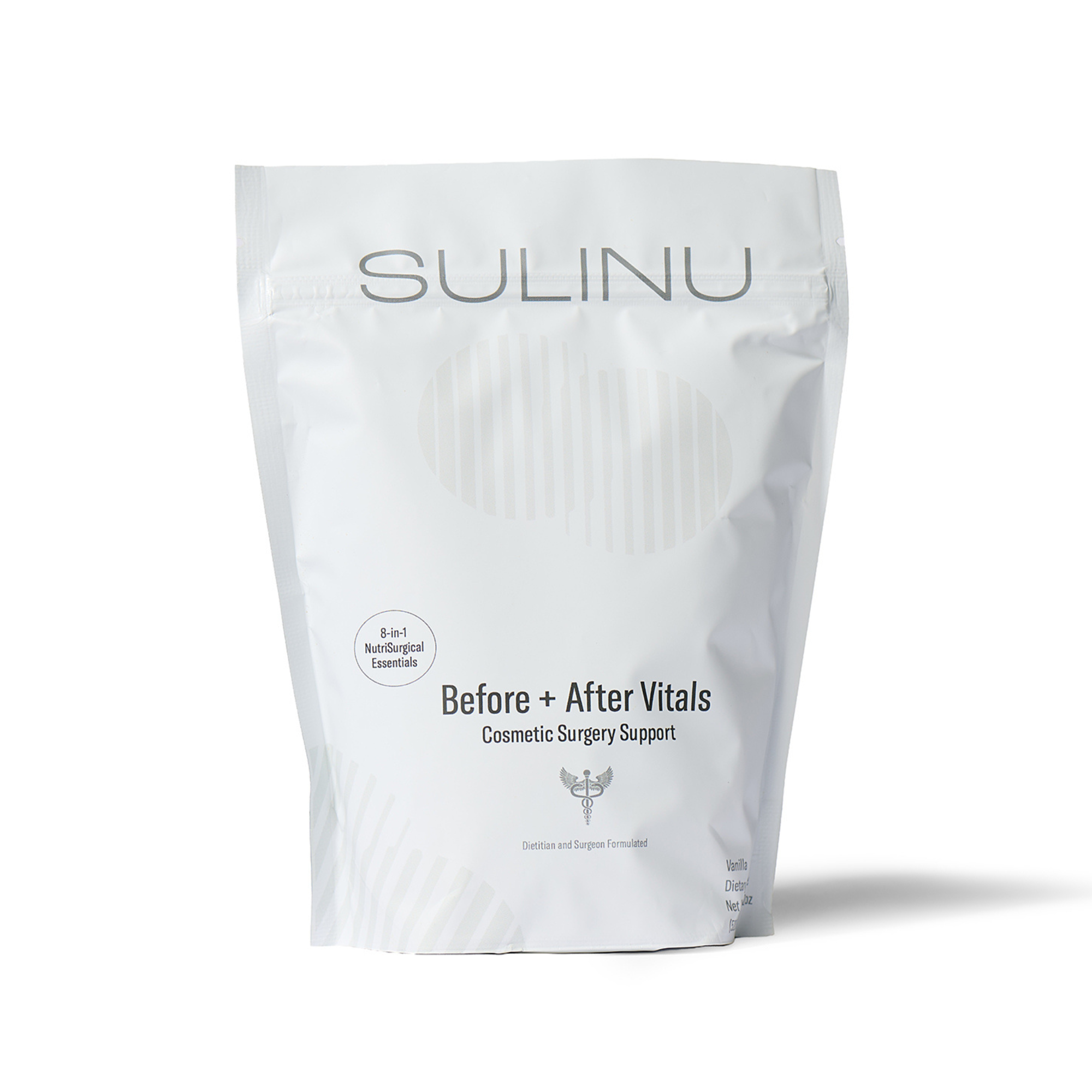
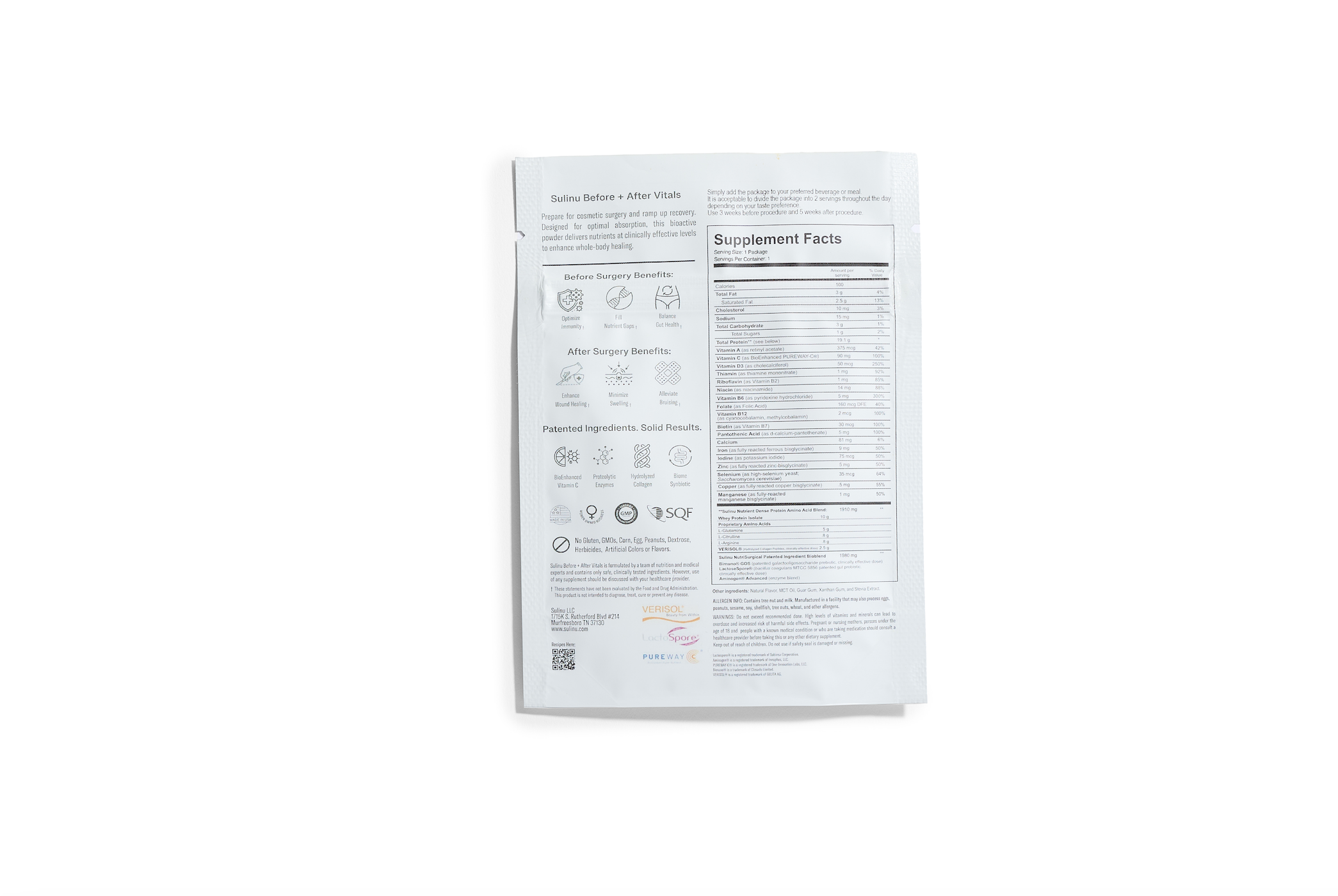
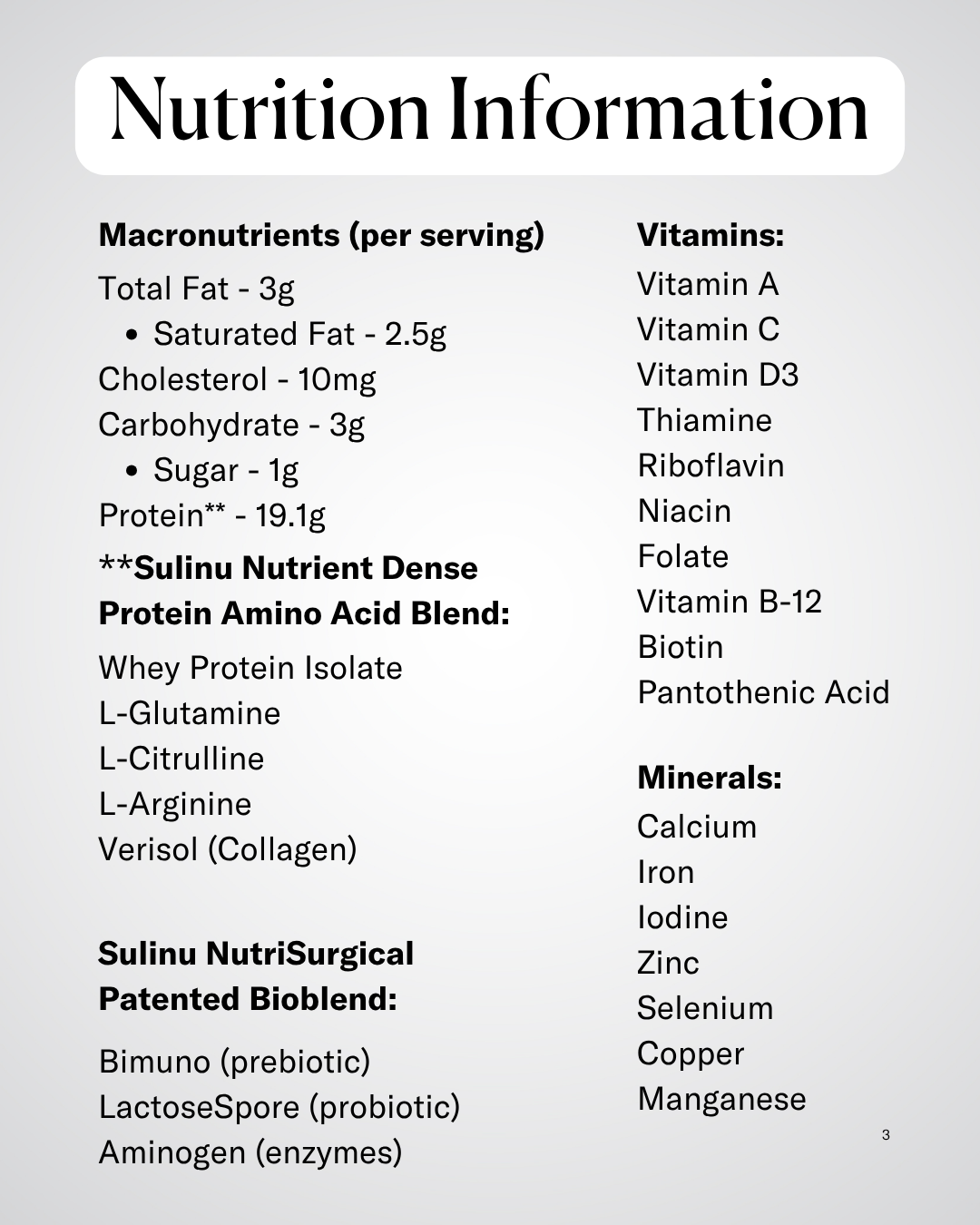
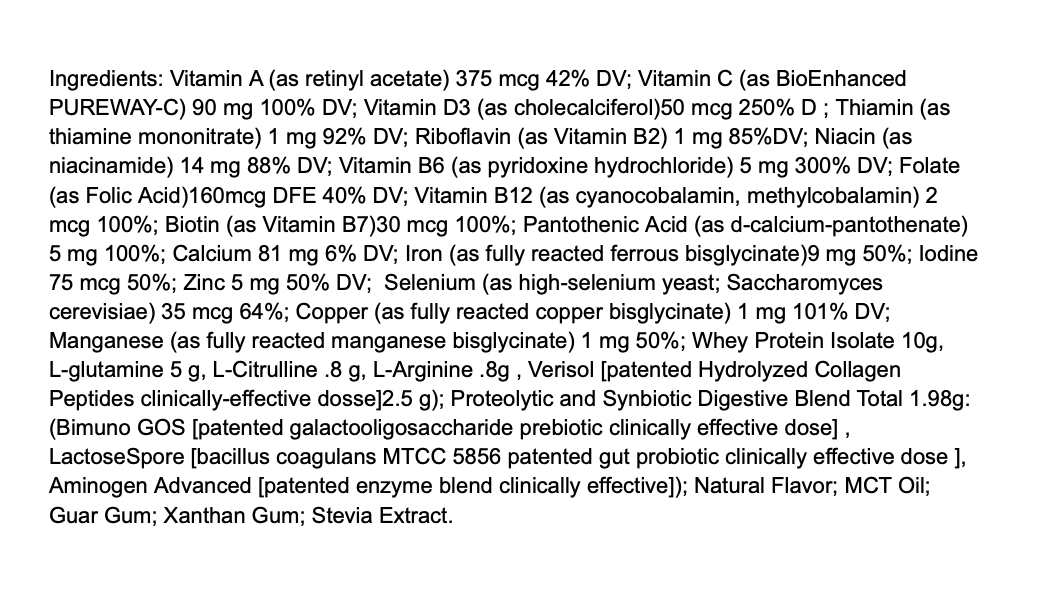
Sulinu's Before + After Vitals stands out as the world's first comprehensive wound healing supplement designed specifically for cosmetic surgery recovery. This NutriSurgical formula delivers 26 surgical essentials in one scoop, with 5 patented ingredients backed by 20+ clinical studies.
BioEnhanced Vitamin C achieves 233% higher tissue retention than standard supplements, delivering maximum anti-inflammatory and collagen-building support where your deeper facial structures need it most.
Proteolytic Enzymes double your amino acid absorption from dietary protein, ensuring your body gets building blocks for extensive structural repair. These enzymes also break down inflammatory proteins accumulating in deeper tissue planes—directly accelerating recovery.
Hydrolyzed Collagen triggers your facial cells to produce 15% more natural collagen within just 4 weeks, directly impacting tissue quality that determines whether results look natural or artificial.
Biome Synbiotics maintain digestive health despite medications that typically disrupt gut function, ensuring nutrient absorption when your face needs it most.
How to Use: Begin 1-2 weeks before surgery with 1/2 to 1 scoop daily. Post-surgery, take 1 scoop daily for 8-10 weeks. Continue through month 3 to optimize final tissue integration.
Scoop. Mix. Heal.
Strategic Deep Plane Recovery Management
Elevation and Positioning
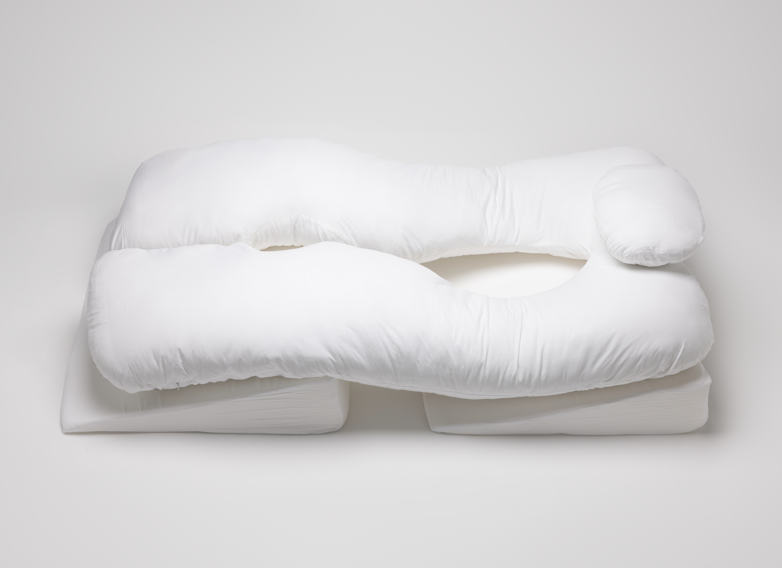
Use a sleep system designed specifically for post-surgical healing to support your entire torso, not just your head. Sleeping with just your head elevated creates neck flexion that impedes lymphatic drainage.
Movement Modification
Avoid significant facial muscle contraction for 2-3 weeks: vigorous chewing, wide smiling, excessive talking, dramatic expressions. The repositioned SMAS layer needs time to adhere before you subject it to forces of normal facial expressions.
Swelling Management
Cold Therapy: Apply cold compresses to your neck and shoulders rather than directly to swollen facial areas. Use 15-20 minute applications every 2-3 hours during the first week.
Lymphatic Activation: Once cleared by your surgeon (typically week 2-3), a professional lymphatic drainage massage trained for deep plane work can significantly accelerate swelling resolution.
Activity Progression: Start with 5-minute gentle walks every few hours, gradually increasing duration while monitoring facial swelling response.
Lifestyle Factors
Sleep Quality: Your body performs intensive repair work during deep sleep. Poor sleep can add weeks to recovery because tissue integration and collagen remodeling happen primarily during sleep cycles.
Elevated back sleeping supports healing after a deep plane facelift. Protect your results today with the #1 doctor-recommended post-surgery pillow for cosmetic surgery recovery.
Stress Management: Chronic stress elevates cortisol, interfering with collagen synthesis and prolonging inflammatory responses.
Sun Protection: UV exposure triggers hyperpigmentation in healing incisions and degrades collagen. Use SPF 50+, wear wide-brimmed hats, and avoid direct sun for at least 6 months.
Red Flags: When to Contact Your Surgeon
Contact your surgeon immediately if you notice sudden asymmetry developing after initial symmetrical healing, increasing pain rather than gradual improvement, vision changes or severe headaches, signs of infection (fever above 101°F, increasing redness, unusual drainage), hardened areas that don't soften, breathing difficulties, or worsening numbness.
FAQs: Deep Plane Facelift Recovery
How does deep plane recovery differ from traditional facelift recovery?
Deep plane recovery involves 2-3 weeks longer initial healing, more persistent midface swelling, less dramatic but longer-lasting bruising, and more extensive numbness. However, results look more natural and last 10-15 years versus 7-10 years for traditional techniques.
When will I see my results?
Unlike traditional facelifts where results appear around 6-8 weeks, you'll need 10-12 weeks before final contours emerge. Initial improvements become visible around week 6, but actual results won't be apparent until month 3-4.
Why does my face still look swollen 2 months after surgery?
Deepest swelling affecting the SMAS and facial fat pads takes longest to resolve. This persistent deeper swelling is normal and indicates proper tissue repositioning.
Can I speed up recovery?
Create optimal conditions through strict elevation for 3-4 weeks, professional lymphatic drainage when approved, and strategic nutritional support. Complete supplement solutions like Before + After Vitals provide therapeutic nutrients for extensive tissue integration. Patients who optimize recovery see results 20-30% faster.
Is the longer recovery worth it?
Most patients report yes—extended initial recovery trades for more natural results that last significantly longer and age more gracefully without the "pulled" appearance some traditional facelifts develop.
When can I return to work?
Most need 2-3 weeks for desk work, 4-6 weeks for public-facing roles, and 6-8 weeks for physically demanding work. Many work remotely during weeks 2-4.

Medical Disclaimer
This content is provided for educational purposes only and should not be considered a substitute for professional medical advice, diagnosis, or treatment. Every deep plane facelift recovery is unique and depends on numerous factors, including surgical technique, individual healing characteristics, and adherence to post-operative instructions.
The information represents general guidelines and should never replace specific instructions from your plastic surgeon and medical team. Always prioritize and follow your surgeon's specific guidelines over any general information found online.
If you experience concerning symptoms during recovery—including excessive swelling, signs of infection, severe pain, vision changes, neurological symptoms, breathing difficulties, or anything abnormal—contact your surgeon immediately or seek emergency medical care.
Individual results vary significantly based on age, skin quality, extent of aging, surgical technique, and numerous other factors. No recovery timeline can guarantee specific outcomes. The best results come from choosing a qualified, board-certified plastic surgeon, following instructions carefully, maintaining realistic expectations, and maintaining open communication with your medical team.
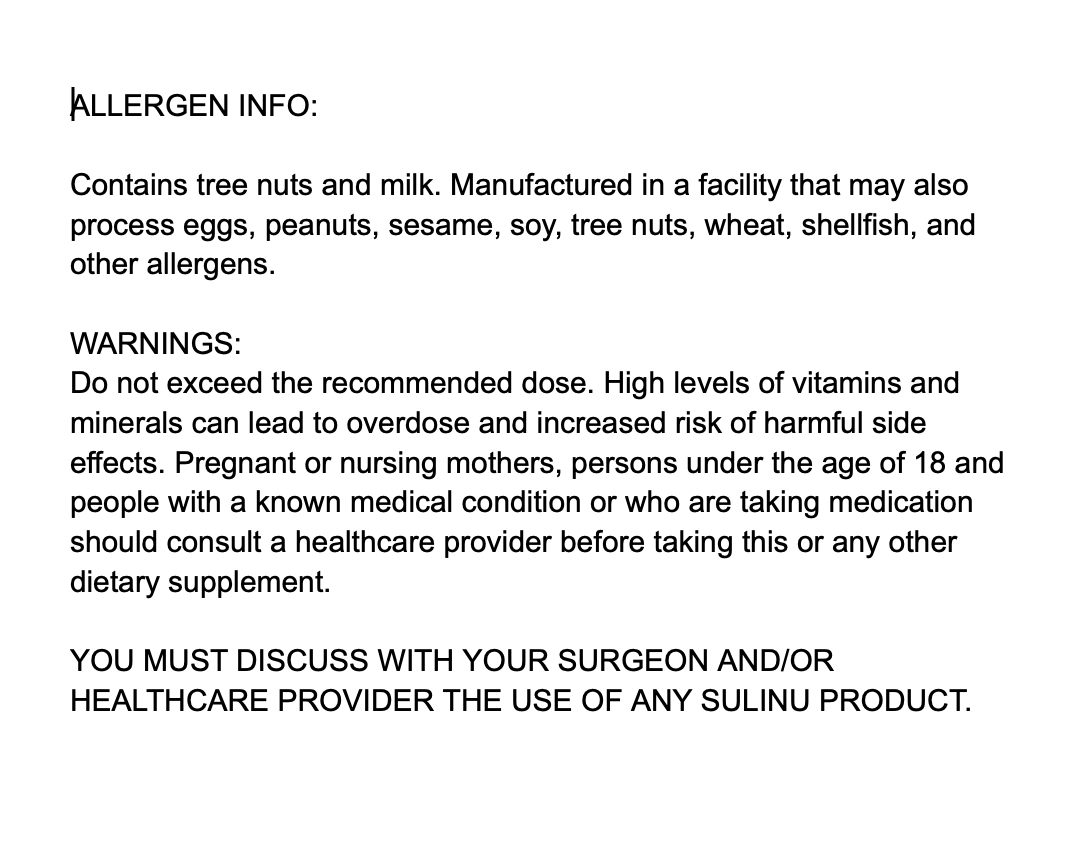
Nutritional supplements are not FDA-approved to prevent, treat, or cure any disease or condition. Always consult with your healthcare providers before starting any new supplements, as these may interact with prescribed medications or interfere with your healing process.


![A promotional image for The PREP STARTER Kit [free shipping], showcasing its key benefits such as protein, vitamins, minerals, amino acids, probiotics, and enzymes. Featured as an essential pre-op supplement in your surgery prep kit, the product bag is displayed alongside fresh green vegetables on a light background.](http://www.sulinu.com/cdn/shop/files/12.jpg?v=1776452906&width=1080)
![A hand holds a scoop of white powder above an open bag of The PREP STARTER Kit [free shipping]. Text highlights that this research-based formula aids surgery recovery, delivers 19g of protein and 29 carefully selected ingredients per daily scoop—making The PREP STARTER Kit an essential addition to any surgery prep kit.](http://www.sulinu.com/cdn/shop/files/3.jpg?v=1776452906&width=1080)
![A ⭐BEST VALUE⭐ The Prep + Recovery Bundle [free shipping] package is displayed on a white background with text highlighting its clinical benefits and international sourcing, emphasizing improved nerve regeneration, better protein absorption, and faster healing—making it an ideal addition to any surgical recovery kit.](http://www.sulinu.com/cdn/shop/files/2.jpg?v=1776452906&width=1080)
![A woman’s face in close-up appears on the left. On the right, text explains post-surgery risks: metabolism rises, appetite drops, food intake falls, and nutrient needs soar. The message: your body needs more while you eat less—making The PREP STARTER Kit [free shipping] essential for recovery.](http://www.sulinu.com/cdn/shop/files/9.jpg?v=1776452906&width=1080)
![Text graphic explaining consequences of not fueling the healing body: slower wound healing, higher infection risk, more bruising, increased fatigue, pain, and constipation. Highlights that nutrition is essential for recovery but often overlooked—using The PREP STARTER Kit [free shipping] can help support your body and make all the difference for surgical recovery.](http://www.sulinu.com/cdn/shop/files/10.jpg?v=1776452906&width=1080)
![A smiling woman holding a box labeled The PREP STARTER Kit [free shipping] stands beside text explaining the purpose behind creating The PREP STARTER Kit: to support post-surgery recovery by providing targeted nutrition backed by real clinical data, serving as an essential surgery protein guide for patients seeking optimal outcomes.](http://www.sulinu.com/cdn/shop/files/14.jpg?v=1776452906&width=1080)
![A person in a fitted outfit poses against a neutral background. Text reads ⭐BEST VALUE⭐ The Prep + Recovery Bundle [free shipping]. Discover the ultimate surgery prep bundle—nutrition for cosmetic surgery and essential support for your recovery kit.](http://www.sulinu.com/cdn/shop/files/UltimateSurgeryBundle-Sulinu.png?v=1775162796&width=537)