Does "minimally invasive" mean no scars? We're sharing what to expect with lipo scars and healing.
Somewhere along the way, "minimally invasive" started getting heard as "scar-free." It's not quite that. Liposuction still requires the surgeon to get a cannula under your skin, and any time skin is broken, your body responds by forming scar tissue. That part's non-negotiable.
Here's the actual good news: those entry points are indeed tiny. Often smaller than a grain of rice by the time they're fully healed. So "will I scar" isn't really the useful question. The better one is: where will they be, how many will there be, and how fast do they disappear into the background of your skin?
Read on to learn all about liposuction scars and what you should know before surgery.
Mapping It Out: Where Your Scars Will Show Up, By Area
Liposuction doesn't use one incision. It uses a handful of small entry points, and where they land depends entirely on what you're having treated. Here's the honest rundown, area by area.
Abdomen and flanks:
Usually tucked near the navel or along the natural waistline, right where a bikini bottom already sits. Most patients report forgetting these are even there within a matter of months.
Thighs and inner thighs:
Typically placed in the groin crease or along the inner thigh fold — spots that fall out of view in basically anything you'd normally wear.
Arms:
Commonly positioned near the elbow crease or tucked into the underarm, low-visibility even in short sleeves.
Chin and neck:
Usually hidden just beneath the chin or behind the ear, the same logic surgeons use for facelift incisions.
Notice a pattern? Surgeons aren't guessing at placement. They're actively working the geometry of your body to land these entry points somewhere your eye, or anyone else's, isn't naturally drawn.
Why Some People End Up With More Visible Marks Than Others
If liposuction scars are supposed to be minor, why do some patients end up more self-conscious about theirs than others? A few real variables are usually behind it.
How many areas you're treating. One zone means a small handful of entry points. A full-body contouring session means considerably more. This is arithmetic, not bad luck.
Cannula size.
Technique has genuinely improved here. Finer cannulas mean smaller openings, which is a big part of why liposuction scarring today tends to look different — smaller and less noticeable — than what older before-and-after galleries online might suggest.
Whether it's stacked with another procedure.
Pairing lipo with something like a BBL or tummy tuck means your total scar picture includes both procedures, not just the liposuction portion in isolation. Worth knowing going in, so nothing feels like a surprise later.
None of this is something you're deciding solo. It's a conversation with your surgeon. But going in already knowing the "why" behind these variables means you can ask sharper questions in your consultation instead of just nodding along.
The Healing Timeline, Without the Sugarcoating
Immediately after surgery, entry points look pink or red and feel slightly firm. That's completely normal, even though it doesn't match the "you'll never notice it" reputation liposuction has online.
The first few weeks are the most visible stretch. Some tenderness and mild swelling right around each site is expected. Somewhere in the one-to-three month range, most people start noticing real flattening and lightening. From there, continued fading typically runs six to twelve months, occasionally longer depending on the person.
If a mark looks slightly more noticeable at eight weeks than it did at two, that's usually active tissue remodeling, not a step backward. This is the exact point where people start comparing themselves to filtered "after" photos online and spiraling for no real reason.
What actually helps move that timeline along:
1. Wearing your compression garment for exactly as long as your surgeon recommends
2. Keeping healing skin out of direct sun, since UV exposure darkens scar tissue
3. Skipping cigarettes, since smoking measurably slows circulation and repair
The Part Your Surgeon Can't Fully Control
Your surgeon decides where the entry points go and how small they are. Your genetics decide a lot of what happens after that.
Some people are simply more prone to raised, thickened, or discolored scarring, regardless of how skilled the surgeon is. Deeper skin tones can be somewhat more prone to visible pigment shifts at each site. Age and existing skin elasticity play a role too.
The honest takeaway: stressing about genetics you can't change is wasted energy. Putting that same energy toward the recovery habits actually within your control is a far better trade.
The One Recovery Variable Most People Skip Entirely
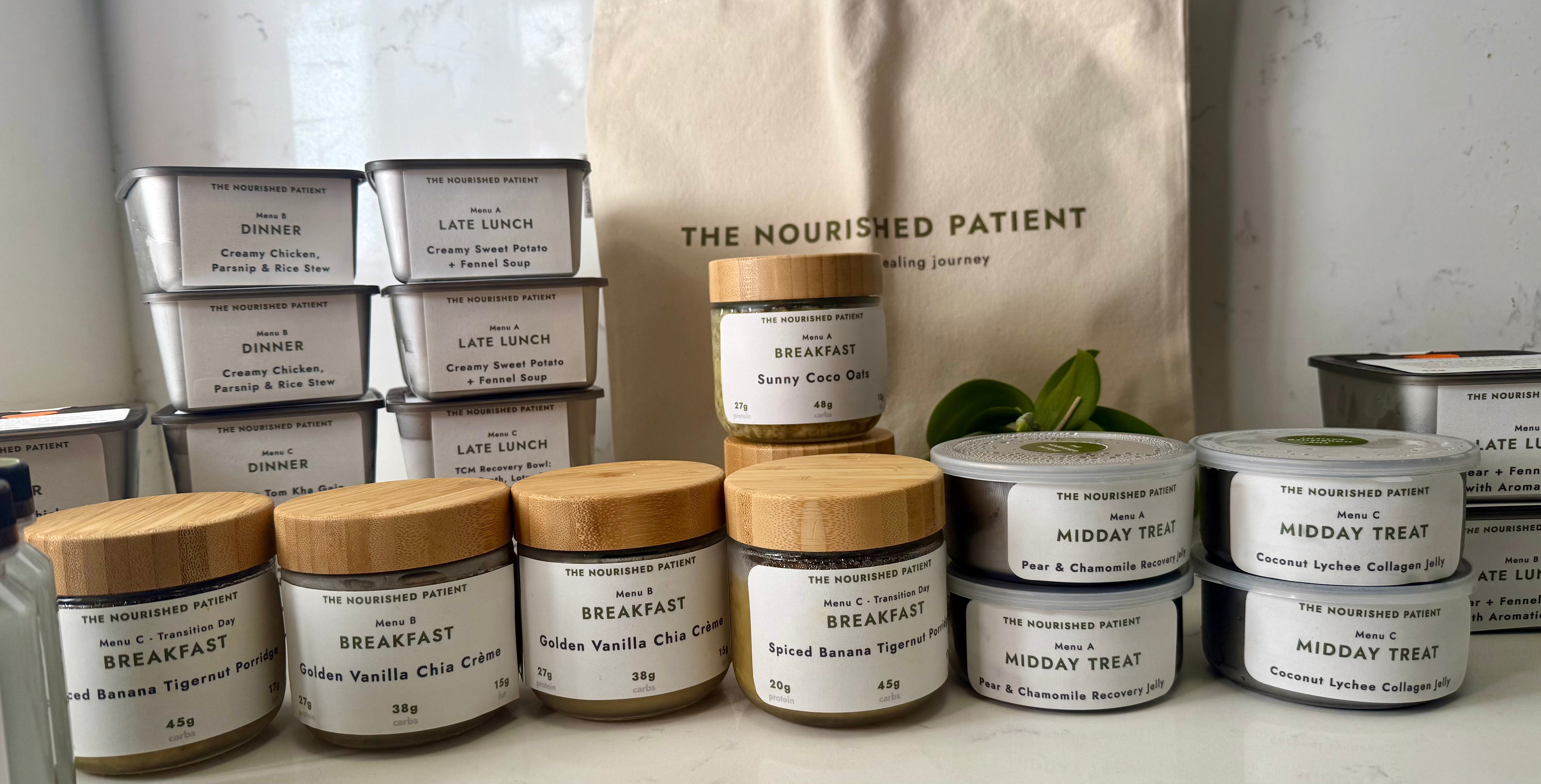
Everyone talks about sun protection and silicone gel. Almost nobody talks about the fact that your body is literally building new tissue out of whatever nutrients you're giving it, at multiple sites, at the same time.
That's not a metaphor. Wound healing is a resource-intensive biological process. Your body needs meaningful protein and specific micronutrients to do the actual rebuilding, at precisely the moment when appetite and normal eating are often disrupted by the procedure itself. Some research suggests better-nourished patients heading into surgery see smoother recoveries overall, which is a big part of why pre- and post-op nutrition has moved from an afterthought to an actual part of the conversation in plastic surgery.
Before + After Vitals for Scar Healing Support
Here's the part that doesn't get enough attention: what you're eating (and supplementing) during recovery plays a real role in how efficiently your body repairs tissue.
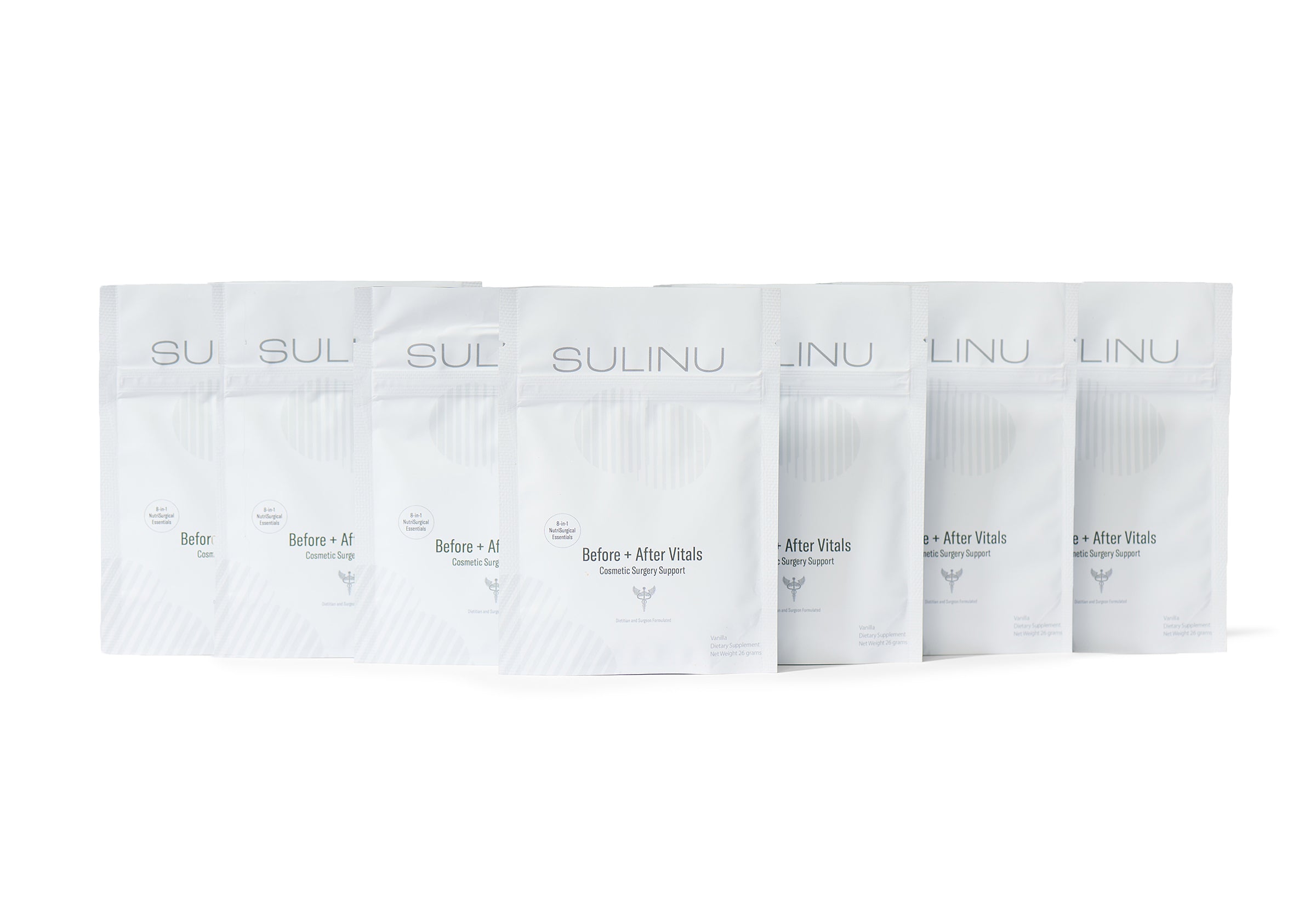
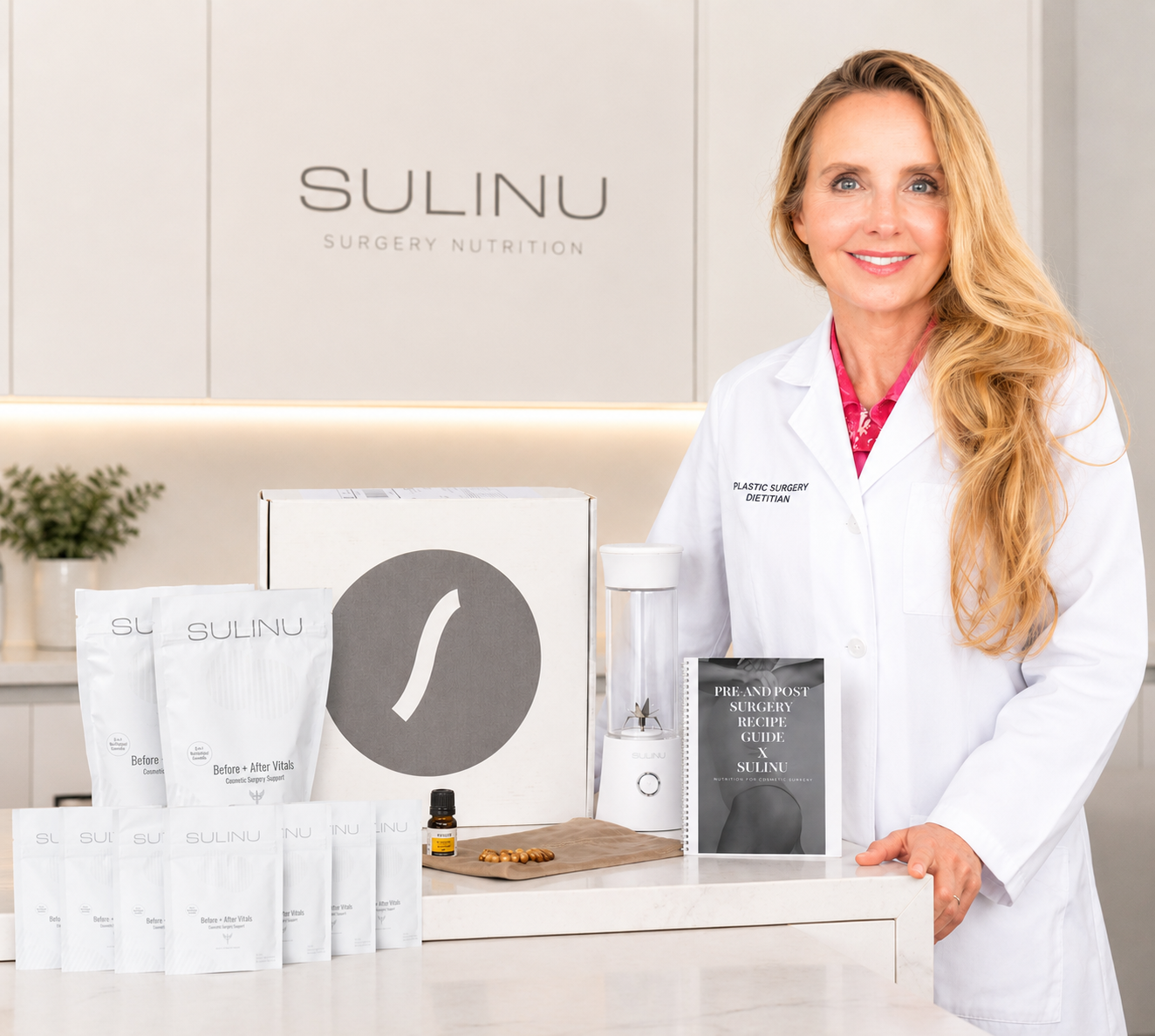
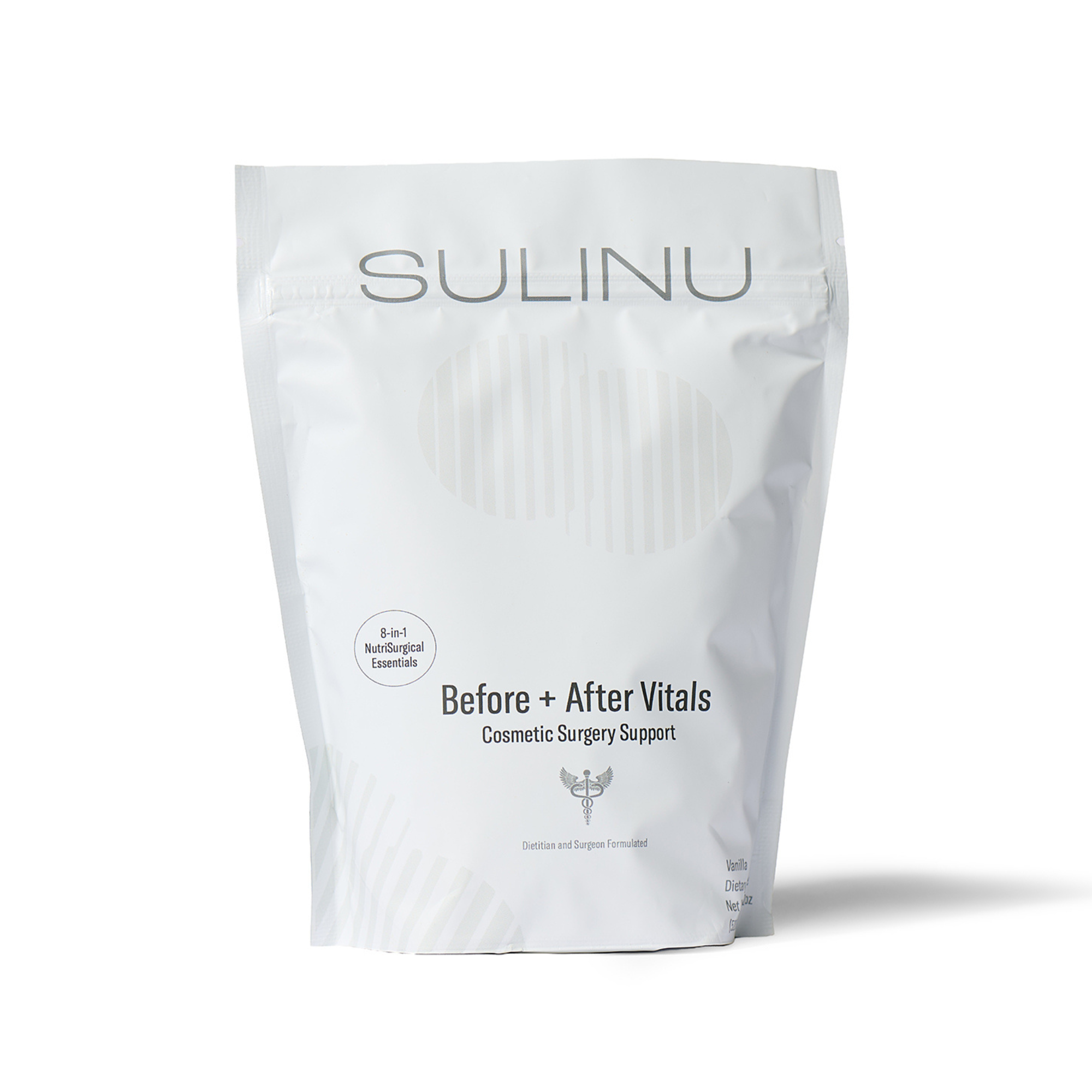
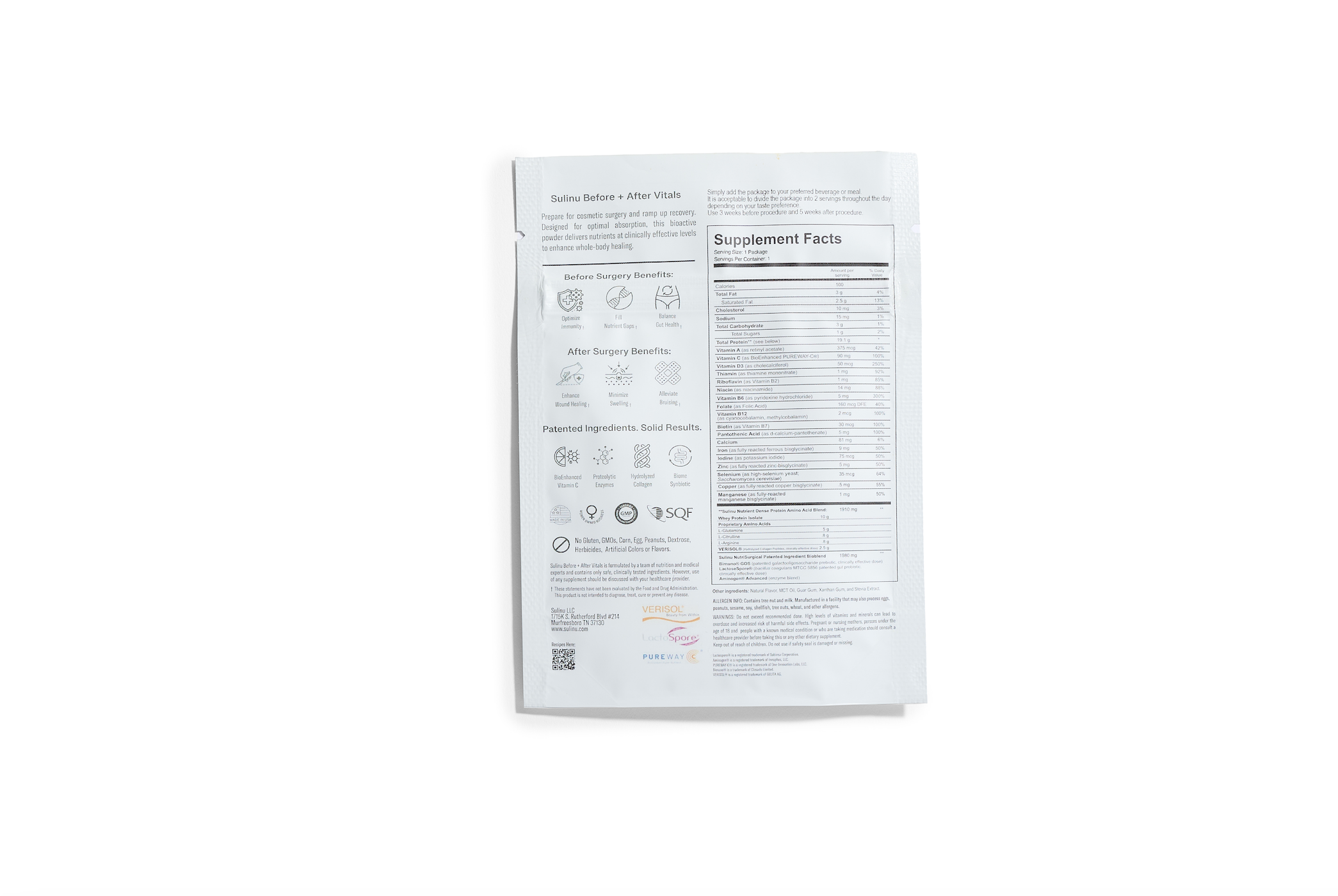
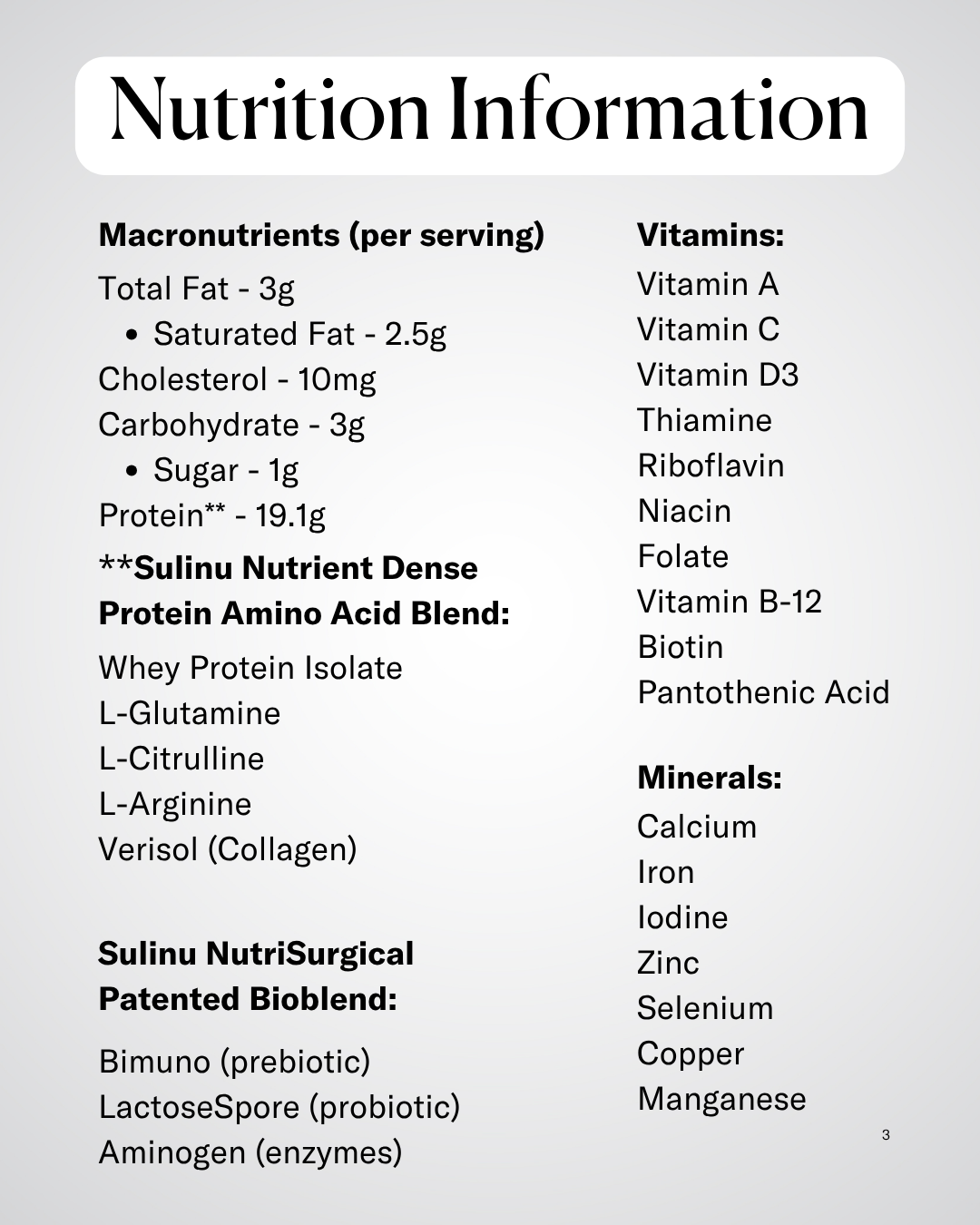
Sulinu's Before + After Vitals is the world's first comprehensive wound healing supplement built specifically for cosmetic surgery recovery. It's a NutriSurgical formula, meaning it's built around the actual surgical healing process rather than functioning as a general multivitamin, and it's formulated with a comprehensive blend of surgeon-approved, patented ingredients, including a few core components that speak directly to scar formation and quality.

BioEnhanced Vitamin C
A patented, rapid-absorbing form that some research suggests achieves significantly higher tissue retention than standard ascorbate formulations. Vitamin C is foundational to collagen synthesis and antioxidant protection during the inflammatory phase — both directly tied to how well scar tissue ultimately settles.
Hydrolyzed Collagen Peptides
A patented version that some studies link to measurable improvement in skin elasticity within weeks. Collagen peptides don't just supply raw collagen — they signal your own cells to produce more of it, which matters at every one of your entry points simultaneously.
Proteolytic Enzymes
Patented enzymes that, paired with protein, some research suggests can help double total amino acid absorption. Amino acids are the literal building blocks for repairing tissue at each site and building new scar architecture.
Biome Synbiotics
Surgery disrupts gut health, and disrupted gut health disrupts nutrient absorption, immune function, and inflammatory response right when you need all three working. This patented pre/probiotic blend is designed to survive stomach acid and arrive active in the gut, supporting the digestive foundation everything else depends on.
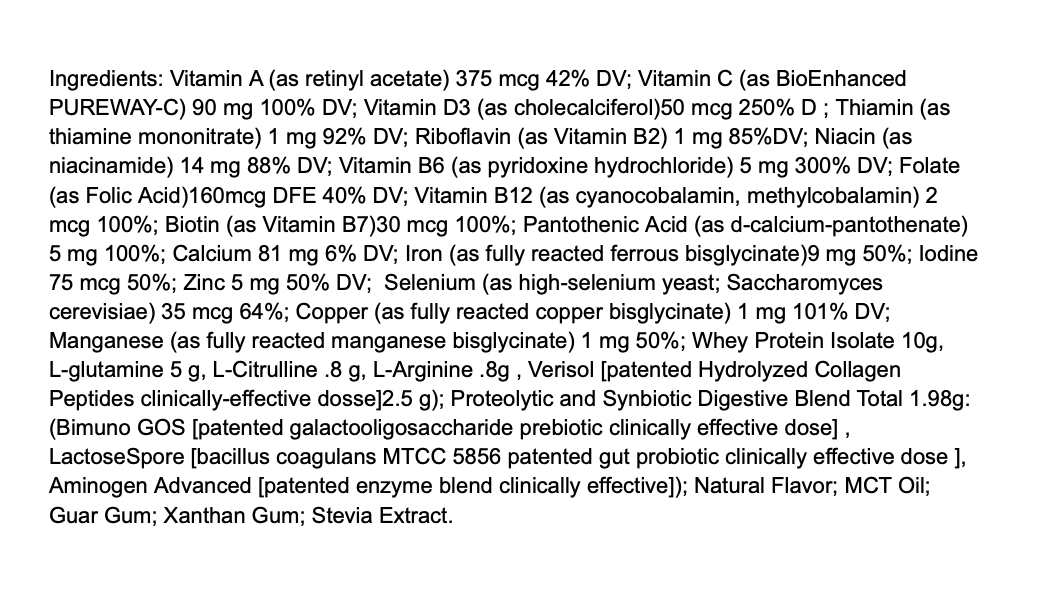
The formula also includes targeted amino acids (L-glutamine, L-citrulline, L-arginine), essential vitamins (A, B-complex, C, D3), and minerals (zinc, copper, manganese, iron) — all at clinically relevant dosages, not token amounts.
No GMOs. No gluten. No artificial colors. No ingredients that fight each other. Everything in Before + After Vitals earns its place because it has a specific job in your recovery.
Scoop. Mix. Heal.

How much do I need to support my liposuction recovery?
Our recommended protocol for liposuction healing is at least:
1 bag before surgery
1 bag after surgery
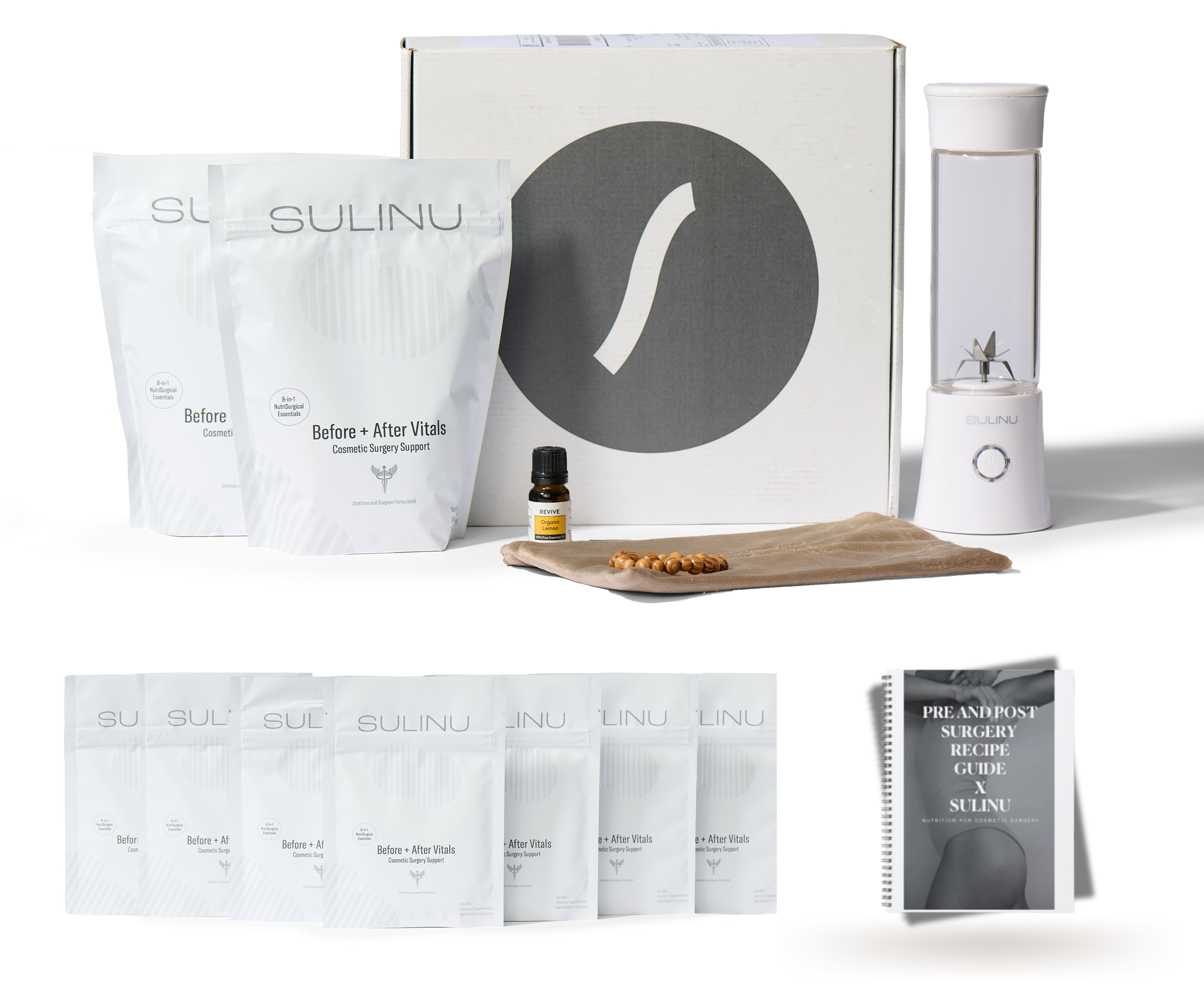
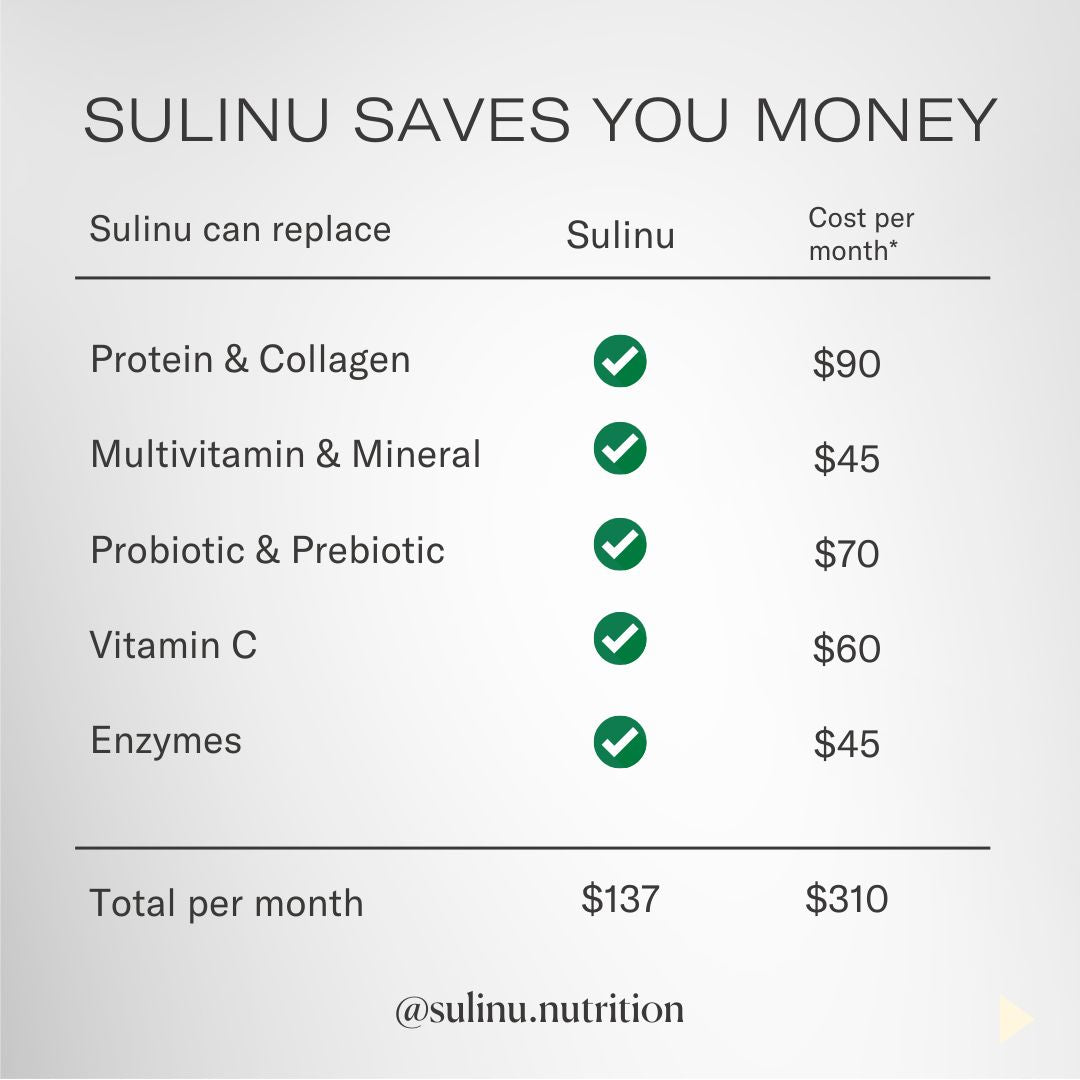
Support your lipo results with our VIP Bundle and get everything you need for before and after surgery. You can also get a discount with a subscription plan.

Already healing from liposuction?
You can still support your results. Scars take up to one year to heal. Starting now still counts.
Once You're Fully Healed: What's Actually Worth Trying
If your entry points are fully closed and your surgeon's given the green light, here's what's genuinely worth considering for scars that end up more visible than you'd like.
Silicone sheeting or gel.
Consistently one of the better-supported options for softening and flattening scar tissue, used daily over weeks to months.
Topical vitamin E.
A long-standing home remedy with mixed results depending on the person. Check with your surgeon before applying anything to skin that hasn't fully closed.
Laser skin resurfacing.
A professional option for improving texture and reducing residual redness, typically reserved for scars that have already fully matured.
Scar revision.
Reserved for the rare case where a scar remains noticeably textured well past the standard healing window. Usually a last resort, not a first step.
None of these are instant fixes, and none should start before your surgeon confirms you're actually ready. Jumping the gun on unhealed skin is one of the more common ways people accidentally slow themselves down.
FAQs: Liposuction Scars
Does liposuction actually leave scars, or is it truly scar-free?
It leaves scars — small ones, at each cannula entry point. The term "minimally invasive" refers to the size and depth of the incisions, not the absence of them.
Where exactly will my scars be?
It depends entirely on the treatment area: near the navel or waistline for the abdomen, groin crease or inner thigh fold for the legs, near the elbow or underarm for arms, and beneath the chin or behind the ears for facial areas.
How long until they fade?
Most people see real improvement within a few months, with fading typically continuing for six to twelve months total.
Will treating more areas mean more visible scarring?
It means more entry points, since each treated zone needs its own access site. It doesn't automatically mean more visible scarring — surgeons still place each one as discreetly as possible.
Is there anything I can do before surgery to help?
Yes. Avoiding smoking, staying out of the sun beforehand, and supporting your body nutritionally in the weeks leading up to it are all low-risk, worthwhile steps. Before + After Vitals is built specifically to fit into that pre-op window rather than something you scramble to figure out after the fact.
When can I start scar treatments like silicone gel?
Only once your surgeon confirms your incisions are fully closed. Starting early can do more harm than good.
Does nutrition actually make a measurable difference here?
It's one factor among several, including genetics, technique, and aftercare, that all play a role. Tissue repair is genuinely resource-intensive, and your body can only rebuild with what you actually give it, especially while healing multiple sites at once.
Medical Disclaimer
The information provided in this article is for general educational purposes only and is not intended to constitute medical advice, diagnosis, or treatment.
Every individual's healing process is unique, and outcomes vary based on a wide range of factors, including health status, surgical technique, and post-operative care. Always follow the specific guidance of your board-certified plastic surgeon and medical team.
If you experience any concerning symptoms during recovery — including signs of infection, wound separation, or unusual pain — contact your surgical team immediately.
These statements have not been evaluated by the Food and Drug Administration. Sulinu's Before + After Vitals is not intended to diagnose, treat, cure, or prevent any disease.


![A ⭐BEST VALUE⭐ The Prep + Recovery Bundle [free shipping] package is displayed on a white background with text highlighting its clinical benefits and international sourcing, emphasizing improved nerve regeneration, better protein absorption, and faster healing—making it an ideal addition to any surgical recovery kit.](http://www.sulinu.com/cdn/shop/files/2.jpg?v=1776452906&width=1080)
![A promotional image for The PREP STARTER Kit [free shipping], showcasing its key benefits such as protein, vitamins, minerals, amino acids, probiotics, and enzymes. Featured as an essential pre-op supplement in your surgery prep kit, the product bag is displayed alongside fresh green vegetables on a light background.](http://www.sulinu.com/cdn/shop/files/12.jpg?v=1776452906&width=1080)
![A hand holds a scoop of white powder above an open bag of The PREP STARTER Kit [free shipping]. Text highlights that this research-based formula aids surgery recovery, delivers 19g of protein and 29 carefully selected ingredients per daily scoop—making The PREP STARTER Kit an essential addition to any surgery prep kit.](http://www.sulinu.com/cdn/shop/files/3.jpg?v=1776452906&width=1080)
![A woman’s face in close-up appears on the left. On the right, text explains post-surgery risks: metabolism rises, appetite drops, food intake falls, and nutrient needs soar. The message: your body needs more while you eat less—making The PREP STARTER Kit [free shipping] essential for recovery.](http://www.sulinu.com/cdn/shop/files/9.jpg?v=1776452906&width=1080)
![Text graphic explaining consequences of not fueling the healing body: slower wound healing, higher infection risk, more bruising, increased fatigue, pain, and constipation. Highlights that nutrition is essential for recovery but often overlooked—using The PREP STARTER Kit [free shipping] can help support your body and make all the difference for surgical recovery.](http://www.sulinu.com/cdn/shop/files/10.jpg?v=1776452906&width=1080)
![A smiling woman holding a box labeled The PREP STARTER Kit [free shipping] stands beside text explaining the purpose behind creating The PREP STARTER Kit: to support post-surgery recovery by providing targeted nutrition backed by real clinical data, serving as an essential surgery protein guide for patients seeking optimal outcomes.](http://www.sulinu.com/cdn/shop/files/14.jpg?v=1776452906&width=1080)
![A person in a fitted outfit poses against a neutral background. Text reads ⭐BEST VALUE⭐ The Prep + Recovery Bundle [free shipping]. Discover the ultimate surgery prep bundle—nutrition for cosmetic surgery and essential support for your recovery kit.](http://www.sulinu.com/cdn/shop/files/UltimateSurgeryBundle-Sulinu.png?v=1775162796&width=537)