Why The Surgery Protein Question Matters More Than You'd Think
Ask ten people what helps a surgical incision heal, and you'll hear "keep it clean" and "don't pick at it" long before anyone mentions protein. But tissue repair is a biological construction project, and protein is the material your body is actually building with. Skimp on it, and your body doesn't stop healing. It just does the job slower, with a higher chance of complications along the way.
Short answer: most people recovering from surgery need somewhere between 1.2 and 2.0 grams of protein per kilogram of body weight per day, noticeably higher than typical daily recommendations. Here's how to figure out your number, why it's harder to hit than it sounds, and what to do about it.
How Much Protein Do You Actually Need After Surgery?
The standard formula surgeons and dietitians use:
- Convert your weight from pounds to kilograms (divide by 2.2)
- Multiply that number by somewhere between 1.2 and 2.0, depending on how extensive your procedure was and how your body typically responds to healing
Example: A 150-pound patient weighs about 68 kg. At a mid-range multiplier of 1.5, that's roughly 102 grams of protein per day, meaningfully more than most people eat on a normal day without trying.
Protein Needs by Procedure Type
Not every surgery asks the same amount of your body. As a general guide:
Protein needs by procedure scope
Smaller, single-area procedures
1.2–1.4 g/kg 82–95g / day
Moderate or combination procedures
1.4–1.7 g/kg 95–116g / day
Extensive or multi-area procedures
1.7–2.0 g/kg 116–136g / day
Example shown for a 150 lb / 68 kg patient
These are general ranges, not prescriptions. Your surgeon or a dietitian familiar with your specific procedure is the best source for a number tailored to you, especially if you have existing health conditions that change the math.
Why Protein Demand Spikes After Surgery, Right When Appetite Drops
This is the part that catches people off guard. Surgery increases your body's protein needs at the exact moment anesthesia, pain medication, and general discomfort tend to tank your appetite. You need more, while wanting to eat less. That gap is where a lot of recoveries lose momentum.
What's actually happening:
-
Tissue repair — every incision, every area of manipulated tissue, requires protein to rebuild
-
Immune support — your body needs protein to produce the antibodies and white blood cells fighting off infection risk
-
Muscle preservation — reduced activity after surgery puts you at risk of muscle loss; adequate protein is what keeps that from compounding recovery time with lost strength
-
Fluid balance — protein helps regulate the movement of fluid in and out of tissue, which plays a role in how much swelling you experience and how long it sticks around
Does Protein Timing Matter, or Just the Daily Total?
Total daily intake matters most, but timing isn't irrelevant. Spreading protein across three to five smaller meals or snacks tends to work better than trying to hit your full target in one or two sittings, especially in the first week or two when appetite is unpredictable and large meals can feel unmanageable. Aiming for roughly 20 to 30 grams per sitting, spaced through the day, is a reasonable pattern for most people rather than a strict rule.
Best Protein Sources for Recovery
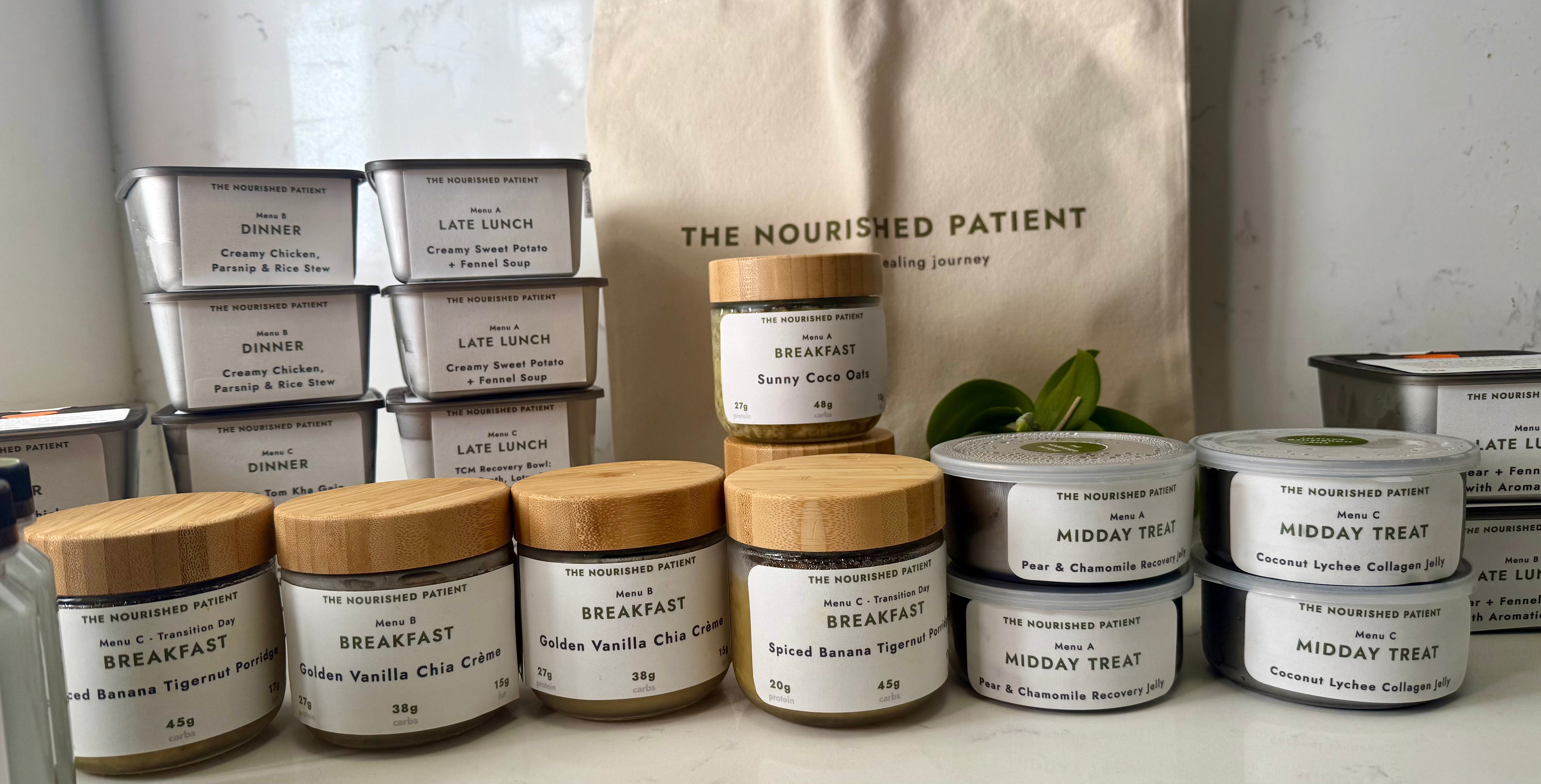
Food-first is always the goal, supplemented where gaps show up. Here's roughly what you're getting per typical serving:
Best protein sources for recovery
Protein powder
1 scoop (varies)
15–25g
Best food sources overall: lean meats and poultry, fatty fish like salmon (which brings anti-inflammatory benefits alongside the protein), eggs, Greek yogurt and cottage cheese for easy snacking, and legumes or tofu for plant-based options or days when red meat feels unappealing.

Want a Full Surgery Meal Plan, Not Just a Number?
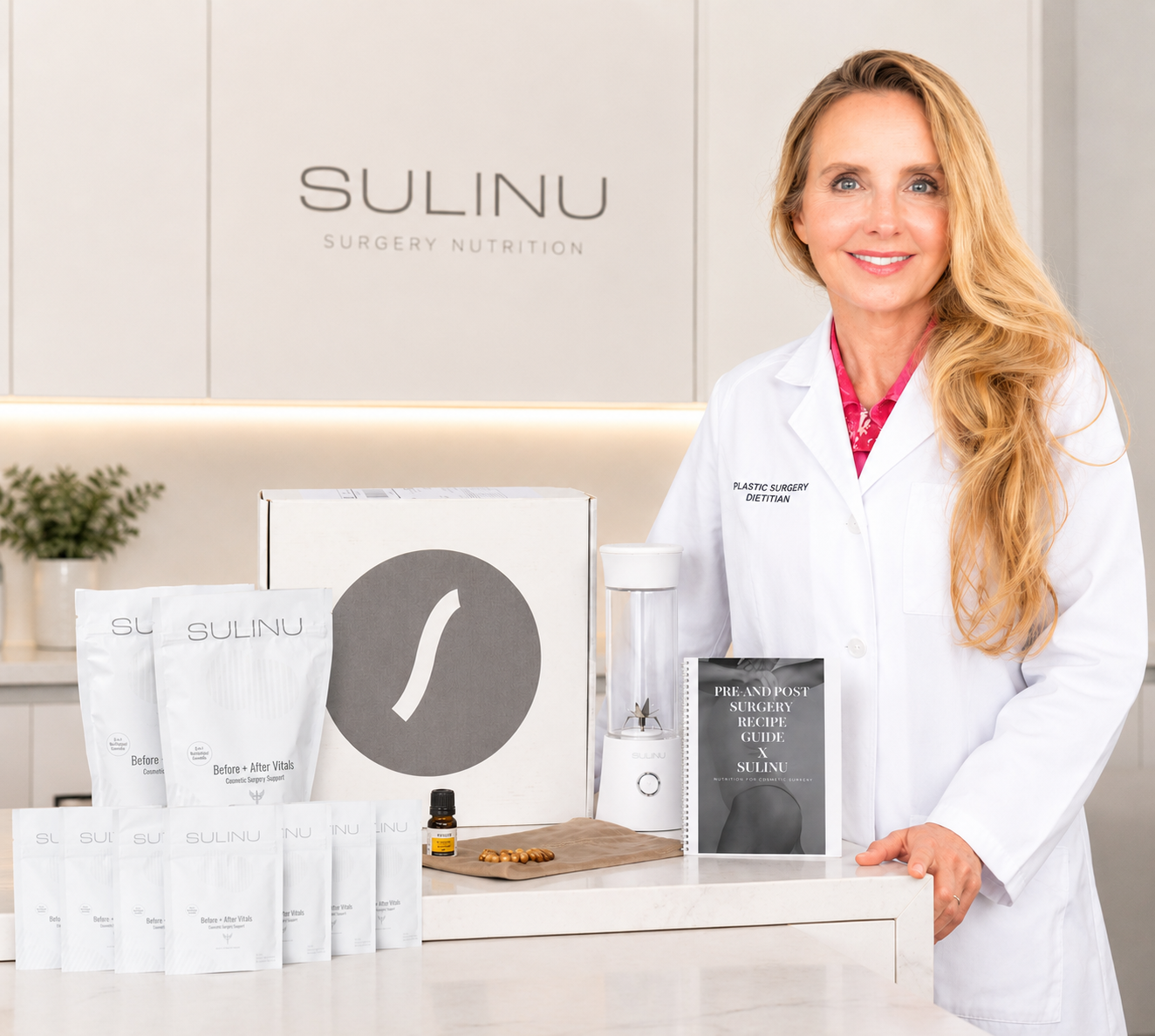
If turning "102 grams a day" into an actual grocery list and meal schedule sounds like the harder part, the Ultimate Surgery Bundle includes a dedicated Protein Guide built by a surgical dietitian, covering exactly this kind of day-to-day planning, alongside meal and hydration guides to round out the rest of your recovery nutrition. Eight guides, one download, built to work together rather than as one-off purchases.
Whey, Plant-Based, or Collagen: Which Protein Powder Is Best for Recovery?
This question comes up constantly, and the honest answer is that they serve slightly different purposes.
Whey protein is a complete protein, meaning it contains all essential amino acids in proportions your body uses efficiently. It's generally the most well-studied option for muscle and tissue repair and tends to be the default recommendation unless there's a specific reason to avoid dairy.
Plant-based proteins (pea, rice, hemp blends) can absolutely support recovery, but many individual plant sources are missing one or more essential amino acids on their own. Blended plant proteins that combine multiple sources typically solve this, so check the label rather than assuming any single-source plant protein covers the same ground as whey.
Collagen protein is useful and directly relevant to skin and connective tissue healing, but it's not a complete protein on its own and shouldn't be your only protein source. It works best as an addition alongside a complete protein, not a replacement for one.
For most people recovering from surgery, a complete protein (whey or a well-blended plant option) as the primary source, with collagen as a complementary addition, covers the most ground.
Special Considerations
GLP-1 medications (Ozempic, semaglutide, and similar): These significantly suppress appetite, making it genuinely difficult to hit protein targets through food alone. Reduced intake over time also raises the risk of muscle loss alongside fat loss. If you're on a GLP-1 medication heading into surgery, extra attention to protein, ideally through concentrated sources like protein powder, is worth prioritizing.
Vegetarian and vegan patients: Hitting 100+ grams of protein daily from plant sources alone takes more deliberate planning, since plant proteins are generally less calorie-dense per gram of protein than animal sources. Combining legumes, tofu, tempeh, and a complete plant-based protein powder makes the target realistic.
Older adults: Age-related muscle loss (sarcopenia) means older patients often benefit from protein intake at the higher end of the recommended range, since the body's ability to synthesize new muscle protein from a given amount of intake tends to decline with age.
Common Protein Myths After Surgery
"Too much protein damages your kidneys." For people without existing kidney disease, there's no strong evidence that higher protein intake in the ranges discussed here causes kidney damage. If you have a history of kidney issues, this is worth a direct conversation with your doctor.
"Protein shakes are just for bodybuilders." Protein needs after surgery have nothing to do with building muscle for aesthetics. They're about giving your body the material it needs to repair tissue, which is a need shared by every surgical patient, not just people in the gym.
"If I'm not hungry, my body doesn't need it." Appetite and nutrient needs are often disconnected after surgery specifically because anesthesia and medication suppress hunger signals independent of what your body is actually using to heal.
The Absorption Problem Nobody Mentions
Eating enough protein and actually absorbing it are two different things. Digestion typically slows down after surgery thanks to anesthesia, pain medication, and reduced activity, which means a meal that would normally be fully broken down and absorbed might not be doing its full job during recovery. Opioid pain medication in particular can slow the entire digestive process, which compounds the issue.
This is where a targeted formula earns its place over a generic protein shake.
➡️ See how Before + After Vitals is built to close the protein gap

Before + After Vitals: Protein Built for Surgery Recovery
Here's the part that doesn't get enough attention: what you're eating (and supplementing) during recovery plays a real role in how efficiently your body repairs tissue.
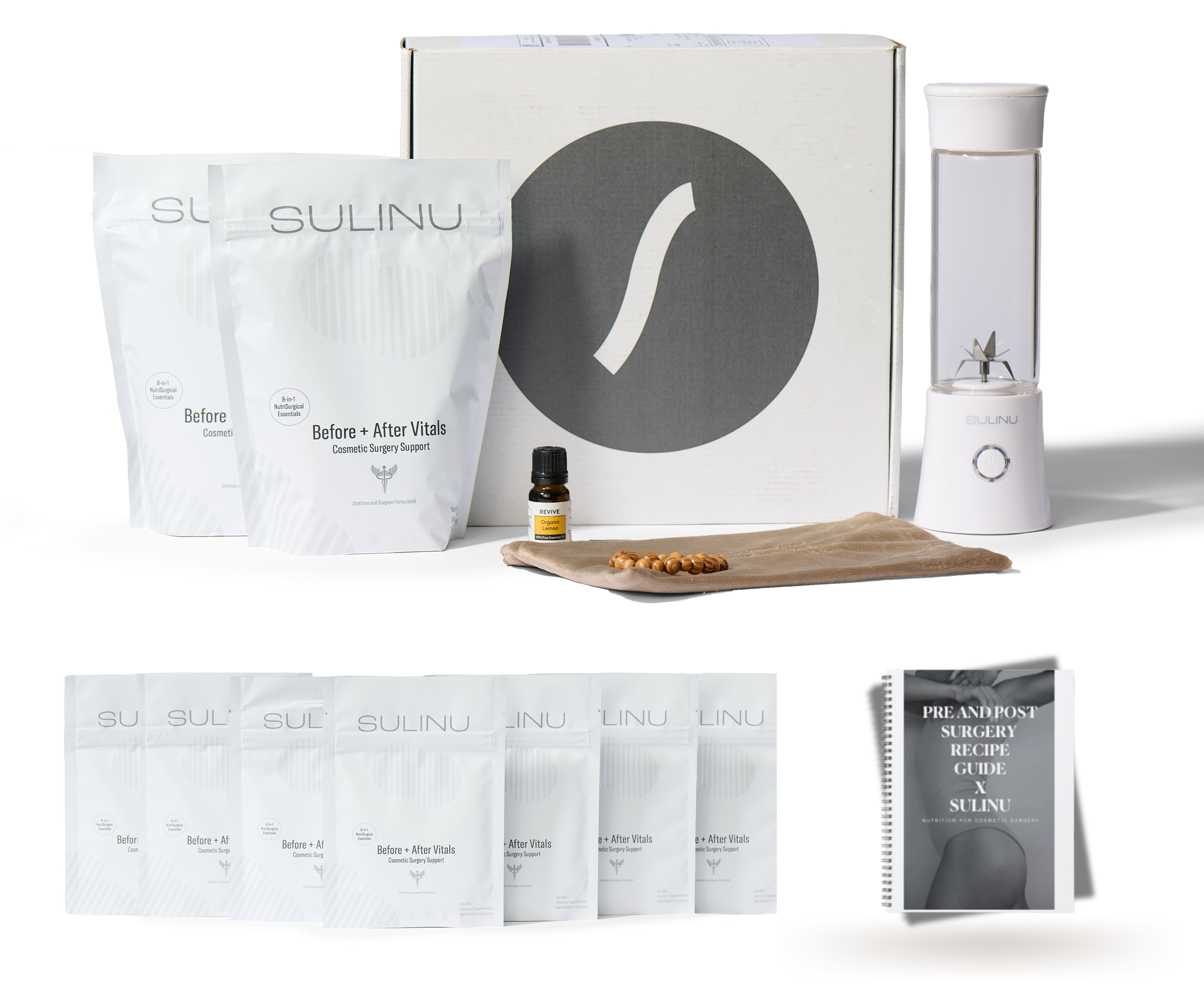
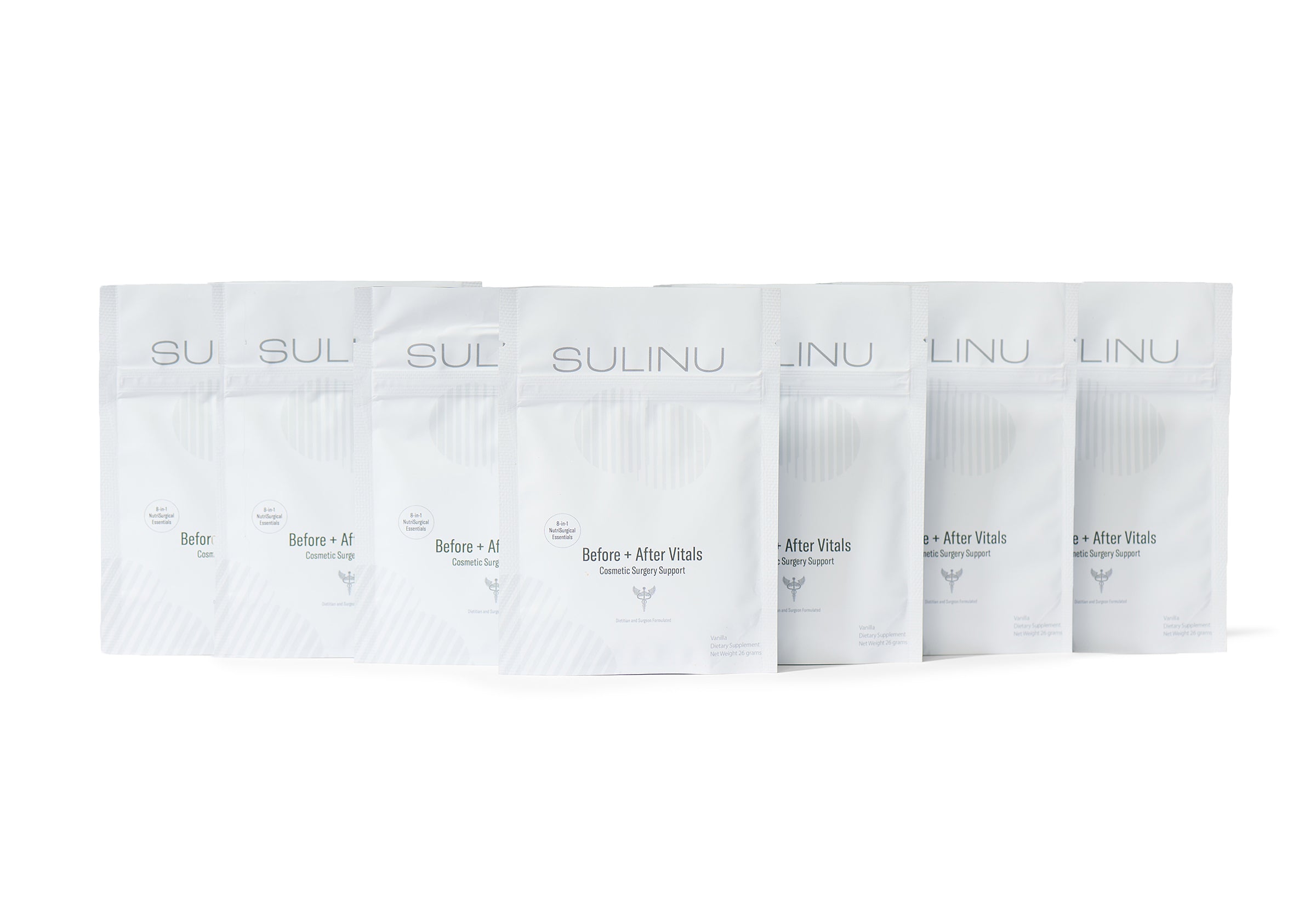
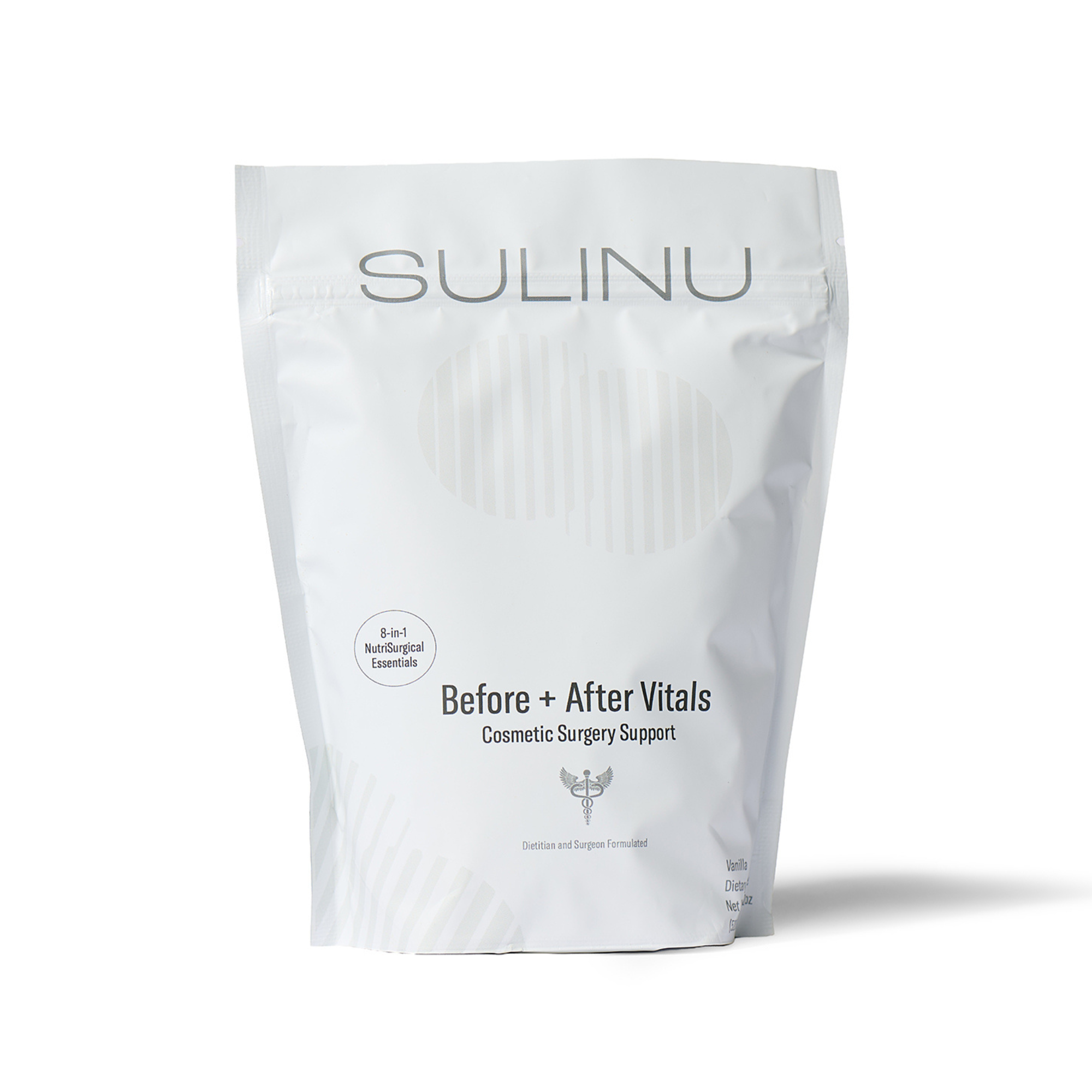
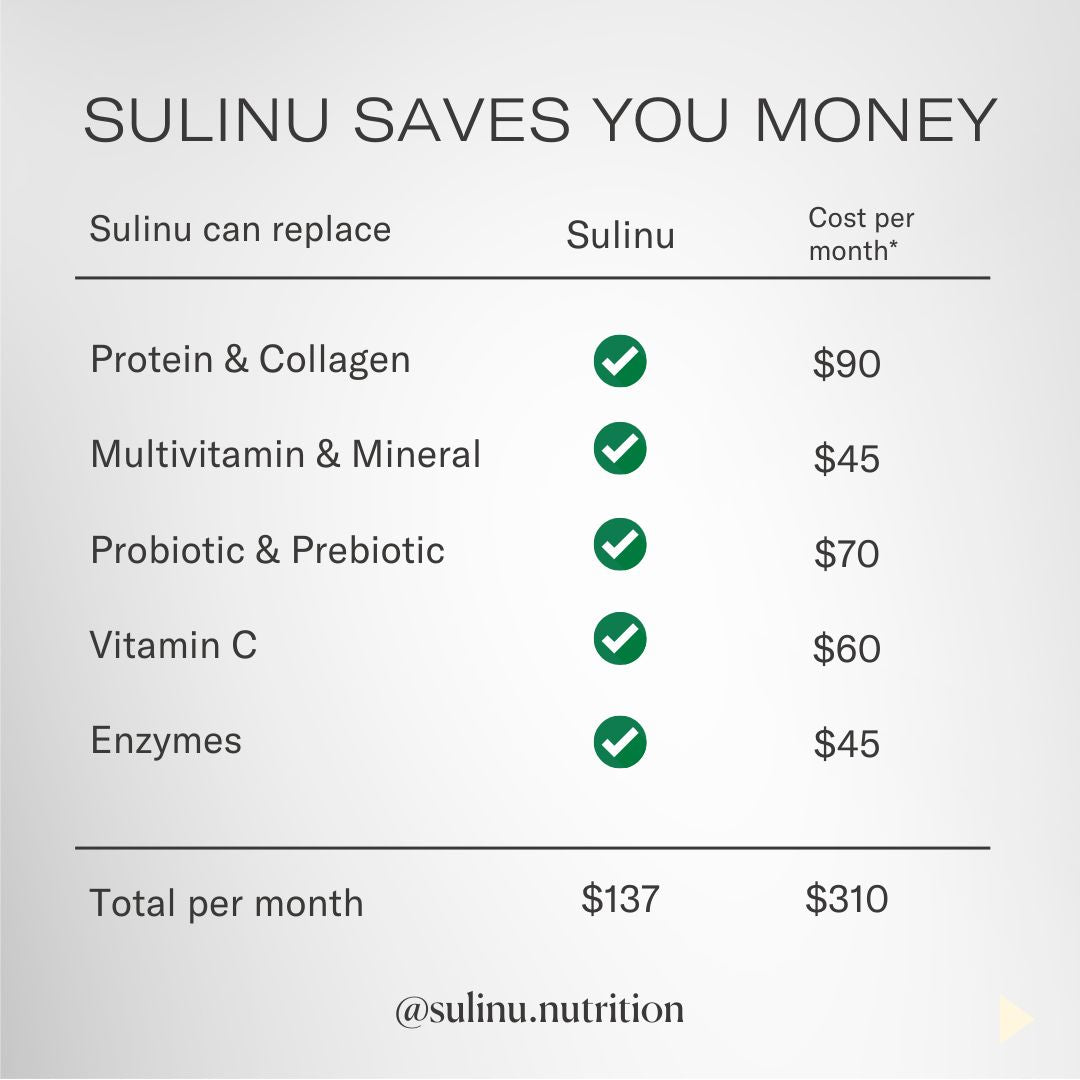
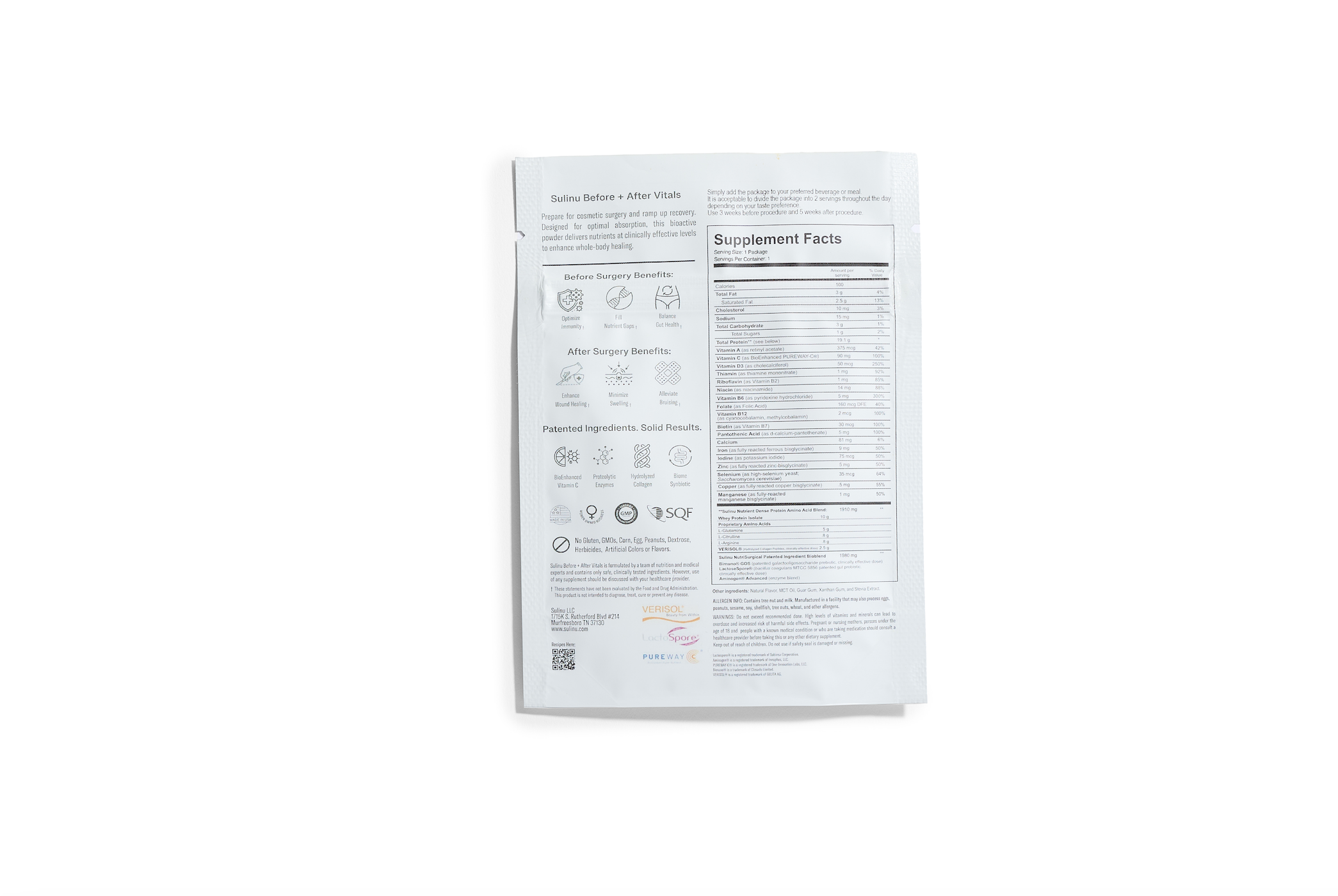
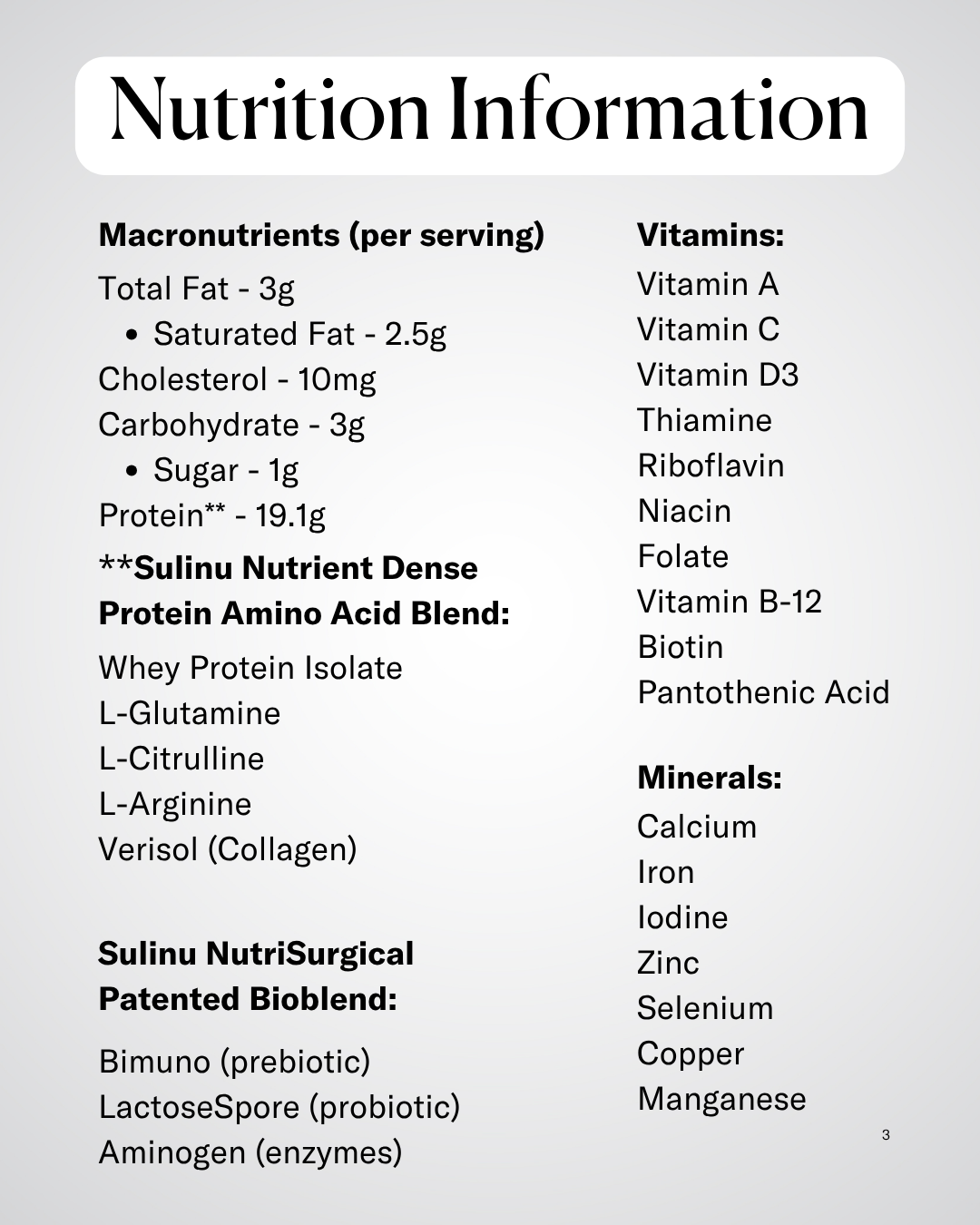
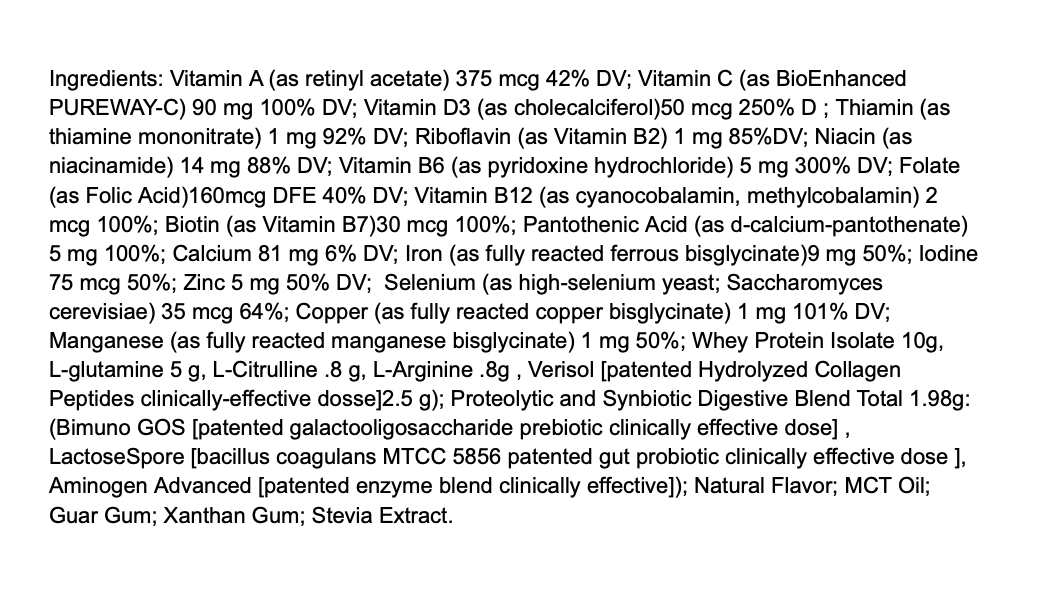
Before + After Vitals delivers a meaningful dose of protein per scoop alongside collagen, amino acids, and the enzyme and gut support most protein powders skip entirely. It's a NutriSurgical formula, meaning it's built around the mechanics of surgical recovery specifically, with a comprehensive blend of surgeon-approved, patented ingredients designed to work together rather than compete.
Aminogen® is the ingredient doing the heavy lifting on the absorption problem above. It's a patented enzyme blend shown to help the body break down and absorb protein more efficiently, which matters enormously when your digestive system is already working at reduced capacity post-op.
Bimuno® GOS and LactoSpore® support gut health more broadly, which matters here because a disrupted gut, common after surgery and anesthesia, can undercut nutrient absorption across the board, not just protein specifically.
The formula also includes targeted amino acids like L-glutamine, L-citrulline, and L-arginine, which support tissue repair beyond what protein alone provides.
Scoop. Mix. Heal.

How much do I need to support my surgery recovery?
Our recommended protocol for post-surgical healing is at least:
1 bag before surgery
1 bag after surgery
Support your surgery recovery with our VIP Bundle and get everything you need for before and after surgery. You can also get a discount with a subscription plan.

Already recovering from surgery?
Have you already had surgery and are wondering if this will still help? The short answer: yes, absolutely! Your tissue takes up to one year to heal. Starting now still counts.
FAQs: Protein Needs After Surgery
How much protein do I need after surgery?
Most people need between 1.2 and 2.0 grams of protein per kilogram of body weight daily, higher than standard recommendations, to support tissue repair and immune function during recovery.
Why do I need more protein after surgery specifically?
Your body is actively rebuilding tissue at every treated site while also fighting infection risk and working to preserve muscle mass during a period of reduced activity, all of which draw heavily on protein stores.
What happens if I don't get enough protein after surgery?
Low protein intake is linked to slower wound healing, greater muscle loss, and a higher risk of complications during recovery.
What are the best protein sources after surgery?
Lean meats, fish, eggs, Greek yogurt, legumes, and tofu are strong food-based options. Protein powder is a practical way to close the gap when appetite is low or solid food isn't appealing.
Is whey or plant-based protein better after surgery?
Whey is a complete protein and generally the most well-studied option for recovery. Plant-based proteins work well too, provided they're blended from multiple sources to cover all essential amino acids, since many single-source plant proteins fall short on their own.
Can I get enough protein from food alone after surgery?
It's possible, but appetite suppression from anesthesia and pain medication makes it genuinely difficult for a lot of people. A protein supplement is often the more realistic path to hitting your daily target consistently.
Does protein timing matter, or just the total amount each day?
The daily total matters most, but spreading protein across several smaller meals or snacks, roughly 20 to 30 grams at a time, tends to be easier to manage than trying to hit your target in one or two large meals.
Does taking too much protein cause kidney problems?
For people without existing kidney disease, there's no strong evidence that higher protein intake in the ranges recommended for surgical recovery causes kidney damage. Anyone with a history of kidney issues should discuss protein targets directly with their doctor.
Does it matter how well my body absorbs protein, not just how much I eat?
Yes. Digestion often slows after surgery, meaning some of the protein you eat may not be fully broken down and absorbed. Enzyme support, like the Aminogen® in Before + After Vitals, is specifically designed to address that gap.
Do I need more protein if I'm on Ozempic or another GLP-1 medication before surgery?
Likely yes. GLP-1 medications suppress appetite significantly, which makes hitting protein targets through food alone harder and raises the risk of muscle loss. Concentrated sources like protein powder become especially useful in this situation.
Medical Disclaimer
The information provided in this article is for general educational purposes only and is not intended to constitute medical advice, diagnosis, or treatment.
Every individual's healing process is unique, and outcomes vary based on a wide range of factors, including health status, surgical technique, and post-operative care. Always follow the specific guidance of your board-certified plastic surgeon and medical team.
If you experience any concerning symptoms during recovery — including signs of infection, wound separation, or unusual pain — contact your surgical team immediately.
These statements have not been evaluated by the Food and Drug Administration. Sulinu's Before + After Vitals is not intended to diagnose, treat, cure, or prevent any disease.

![A ⭐BEST VALUE⭐ The Prep + Recovery Bundle [free shipping] package is displayed on a white background with text highlighting its clinical benefits and international sourcing, emphasizing improved nerve regeneration, better protein absorption, and faster healing—making it an ideal addition to any surgical recovery kit.](http://www.sulinu.com/cdn/shop/files/2.jpg?v=1776452906&width=1080)
![A promotional image for The PREP STARTER Kit [free shipping], showcasing its key benefits such as protein, vitamins, minerals, amino acids, probiotics, and enzymes. Featured as an essential pre-op supplement in your surgery prep kit, the product bag is displayed alongside fresh green vegetables on a light background.](http://www.sulinu.com/cdn/shop/files/12.jpg?v=1776452906&width=1080)
![A hand holds a scoop of white powder above an open bag of The PREP STARTER Kit [free shipping]. Text highlights that this research-based formula aids surgery recovery, delivers 19g of protein and 29 carefully selected ingredients per daily scoop—making The PREP STARTER Kit an essential addition to any surgery prep kit.](http://www.sulinu.com/cdn/shop/files/3.jpg?v=1776452906&width=1080)
![A woman’s face in close-up appears on the left. On the right, text explains post-surgery risks: metabolism rises, appetite drops, food intake falls, and nutrient needs soar. The message: your body needs more while you eat less—making The PREP STARTER Kit [free shipping] essential for recovery.](http://www.sulinu.com/cdn/shop/files/9.jpg?v=1776452906&width=1080)
![Text graphic explaining consequences of not fueling the healing body: slower wound healing, higher infection risk, more bruising, increased fatigue, pain, and constipation. Highlights that nutrition is essential for recovery but often overlooked—using The PREP STARTER Kit [free shipping] can help support your body and make all the difference for surgical recovery.](http://www.sulinu.com/cdn/shop/files/10.jpg?v=1776452906&width=1080)
![A smiling woman holding a box labeled The PREP STARTER Kit [free shipping] stands beside text explaining the purpose behind creating The PREP STARTER Kit: to support post-surgery recovery by providing targeted nutrition backed by real clinical data, serving as an essential surgery protein guide for patients seeking optimal outcomes.](http://www.sulinu.com/cdn/shop/files/14.jpg?v=1776452906&width=1080)
![A person in a fitted outfit poses against a neutral background. Text reads ⭐BEST VALUE⭐ The Prep + Recovery Bundle [free shipping]. Discover the ultimate surgery prep bundle—nutrition for cosmetic surgery and essential support for your recovery kit.](http://www.sulinu.com/cdn/shop/files/UltimateSurgeryBundle-Sulinu.png?v=1775162796&width=537)