This article is for informational purposes only and is not a substitute for personalized medical or nutritional advice from your surgical team.
Quick answer: In the weeks before cosmetic surgery, prioritize lean protein, complex carbohydrates, healthy fats, and produce rich in vitamin C and zinc, while limiting alcohol, processed foods, and excess sodium. In the hours immediately before surgery, follow your surgical team's fasting guidelines exactly. These exist for anesthesia safety and are non-negotiable regardless of what you eat in the weeks leading up.
Most patients hear plenty about what to eat after cosmetic surgery — our guide on how much protein you need after surgery covers that ground in depth — but far less about the weeks beforehand, even though what you eat before surgery has a measurable relationship with how your body handles the procedure and the recovery that follows. This is the idea behind prehabilitation, or "prehab": using the weeks before surgery to build up nutritional reserves your body will draw on during healing.
This guide covers what to eat in the weeks before your procedure, what to limit or avoid, when to start adjusting your diet, the fasting rules you'll need to follow in the final hours before surgery, and where supplementation fits into pre-surgical preparation.
Why Nutrition Before Surgery Matters
Surgery is a planned event, which makes it different from most physical stressors your body encounters. Some research suggests that patients who enter surgery with adequate nutritional reserves, rather than starting from a depleted baseline, tend to experience a smoother early recovery.
Building reserves before the demand hits
Once surgery happens, protein and micronutrient needs increase substantially, but appetite and digestion are often at their lowest in the first several days afterward. Entering surgery with good nutritional status means your body isn't trying to build reserves and heal at the same time.
Immune readiness
Some studies indicate that nutritional status going into surgery is associated with infection risk in the days following the procedure. Adequate protein, vitamin C, and zinc intake in the weeks before surgery support the immune function your body will rely on most in the first week after.
Reducing complication risk
Some research suggests that patients who are nutritionally depleted before surgery — whether from restrictive dieting, poor appetite, or an already nutrient-poor diet — face a higher likelihood of complications and slower wound healing. This is one of the reasons many surgeons ask about diet and supplement use during pre-operative consultations.
Supporting the healing that determines your results
For cosmetic surgery specifically, nutritional status before surgery has relevance beyond general healing speed — it also relates to the quality of the final result. Collagen synthesis, which begins the moment an incision is made, depends on nutrients like protein, vitamin C, and zinc being available in the body. Some research indicates that patients with better nutritional status heading into surgery may see more favorable scar formation, though surgical technique and individual genetics remain the dominant factors.
Setting realistic expectations
Prehab nutrition is not a guarantee against complications, and it does not replace surgical technique or aftercare. It's one modifiable factor among many, but it's one patients have meaningful control over in the weeks leading up to their procedure.
Best Foods to Eat Before Surgery
A nutrient-dense diet in the weeks before surgery gives your body the raw materials it will need once healing begins.
Lean protein
Protein supports tissue integrity and immune function even before an incision is made. Good sources include skinless poultry, fish, eggs, Greek yogurt, tofu, and legumes. Building protein intake in the weeks before surgery, rather than starting from scratch afterward, gives your body a head start. Some research suggests that protein status at the time of surgery, not just protein consumed during recovery, plays a role in how efficiently the body begins the repair process.
Complex carbohydrates
Surgery and recovery both place real energy demands on the body. Whole grains, brown rice, oats, quinoa, and sweet potatoes provide steady energy without the blood sugar swings associated with refined carbohydrates. Stable blood sugar in the days before surgery is also relevant for patients with diabetes or insulin resistance, for whom surgeons often provide more specific pre-operative dietary instructions.
Healthy fats
Fats from avocados, nuts, seeds, olive oil, and fatty fish support the body's inflammatory response and general cellular function. These are useful additions to a pre-surgery diet rather than something to avoid, and fatty fish in particular provides omega-3 fatty acids that some research associates with a more balanced inflammatory response.
Vitamin C and zinc-rich foods
Vitamin C, found in citrus fruits, bell peppers, and berries, plays a role in collagen synthesis and is relevant well before surgery, since collagen production is central to how incisions close. Zinc, found in pumpkin seeds, legumes, and lean meats, is similarly tied to tissue repair and immune function. Both nutrients are more useful when built up over the weeks before surgery than added in the days immediately prior.
Hydration
Adequate hydration in the days leading up to surgery supports circulation and overall tissue condition. Water, herbal tea, and broth-based soups are reasonable ways to stay hydrated in the days before your procedure, separate from the specific fasting rules that apply in the final hours (covered below).
Foods and Habits to Avoid Before Surgery
Some dietary patterns work against the goal of entering surgery in good nutritional condition.
Processed and high-sodium foods
Processed foods are often high in sodium, added sugar, and unhealthy fats, none of which support the anti-inflammatory, nutrient-dense pattern that's most useful before surgery. Excess sodium in particular can contribute to fluid retention that compounds normal post-surgical swelling.
Alcohol
Alcohol affects immune function and can interfere with how your body responds to anesthesia and pain medication. Most surgeons recommend stopping alcohol at least 2–3 weeks before surgery, though your surgeon's specific timeline should take precedence over any general guideline.
Smoking and nicotine
While not a food, smoking and nicotine use deserve mention here because they significantly affect wound healing and are almost always addressed directly by surgeons during pre-operative planning. Most surgeons require a smoking cessation period well before surgery, since nicotine restricts blood flow to healing tissue.
Excessive sugar
Sugary foods and beverages can affect energy stability and immune function without offering nutritional benefit. This doesn't mean eliminating sugar entirely in the weeks before surgery, but it's a reasonable category to scale back.
Restrictive or crash dieting
Some patients feel pressure to lose weight quickly before surgery, but aggressive calorie restriction in the final weeks before a procedure can work against the goal of entering surgery well-nourished. If weight loss has been recommended by your surgeon, a gradual, sustainable approach over a longer timeframe is generally preferable to a rapid crash diet immediately beforehand.
When to Start: The Prehab Window
Two to four weeks before surgery is a commonly cited window for meaningfully adjusting your diet, though starting earlier is generally better than starting later. For patients undergoing more extensive procedures, such as a mommy makeover or combination surgery involving multiple sites, some surgeons recommend beginning nutritional preparation a full 4–6 weeks out, since there's simply more tissue and more total healing demand to prepare for.
If you're already at your target weight and generally eat well, the adjustment may be more about consistency and filling specific gaps (protein, vitamin C, zinc) than an overhaul. If your diet has more room for improvement, starting earlier gives your body more time to benefit.
Special Considerations by Procedure Type
While the core nutritional priorities stay consistent across procedures, a few considerations shift depending on what you're having done.
Body contouring procedures (tummy tuck, BBL, liposuction) involve larger areas of tissue disruption, which is part of why some surgeons recommend the longer end of the prehab window for these patients. Our mommy makeover recovery guide covers pre-surgery preparation timelines for combination procedures in more detail, and our supplement guide for surgical bruising is a useful companion for the bruising side of body contouring recovery specifically.
Facial procedures (facelift, rhinoplasty, blepharoplasty) typically involve less total tissue than body contouring, but bruising and swelling around the eyes and face are highly visible, which is part of why surgeons are often especially strict about pausing supplements known to increase bleeding risk — most commonly omega-3/fish oil, vitamin E, and certain herbal blends — well before facial surgery. Our guide on vitamins to avoid after surgery breaks it all down so you'll be well prepared.
Combination procedures, where multiple surgeries happen in a single operation, place a higher cumulative demand on nutritional reserves than any single procedure alone, which is why the higher end of general protein and micronutrient targets is often more appropriate for these patients.
As always, procedure-specific guidance from your own surgeon should take priority over general information like this.
A Sample Day of Pre-Surgery Eating
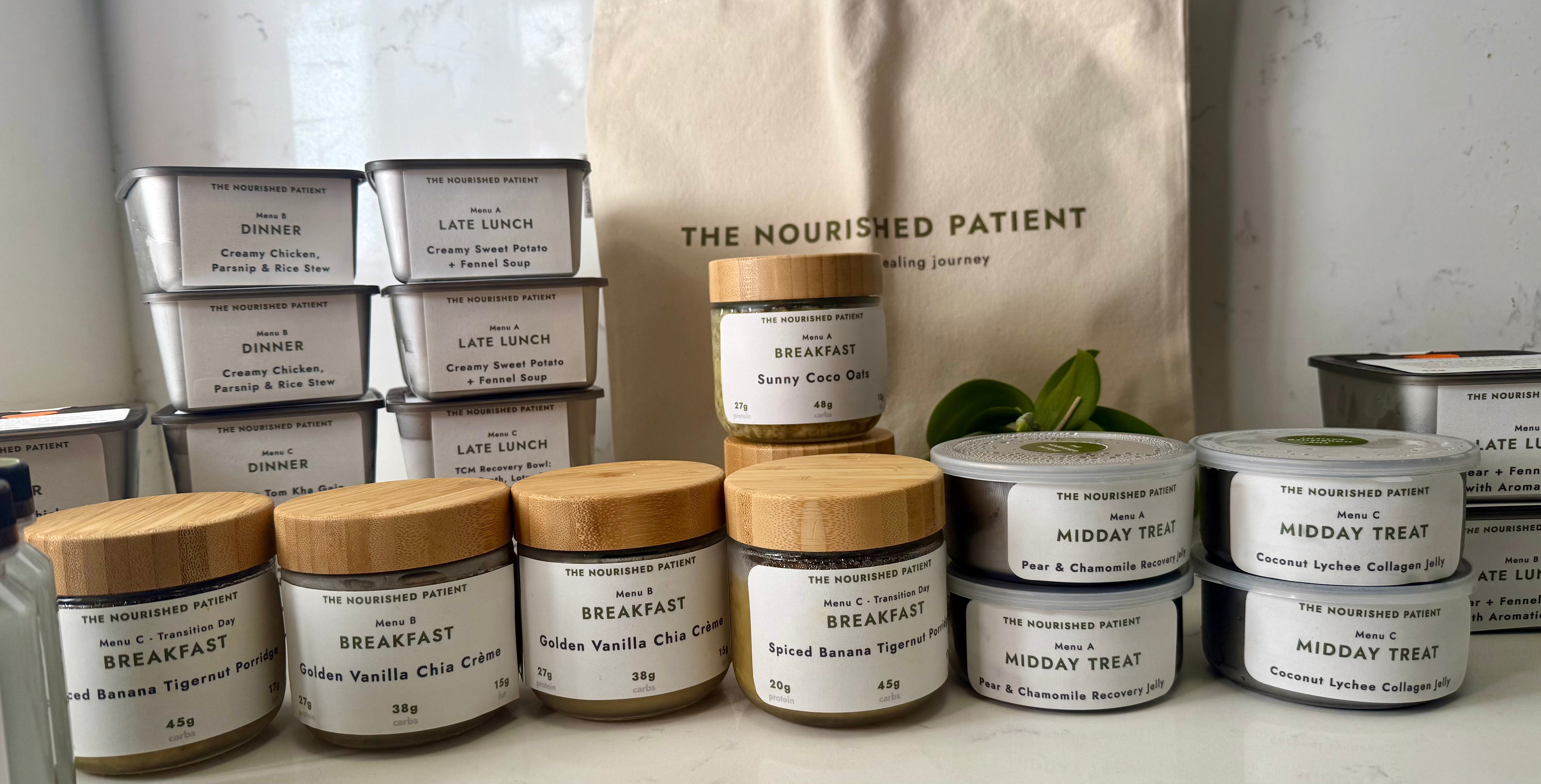
For patients in the weeks leading up to surgery, a day of eating focused on prehab goals might look like this:
Breakfast
Oatmeal topped with berries and a tablespoon of ground flaxseed, with a side of Greek yogurt
Lunch
Grilled chicken or tofu over a quinoa salad with spinach, bell peppers, and an olive oil-based dressing
Snack
Sliced apple with almond butter, or a handful of pumpkin seeds
Dinner
Baked salmon with steamed broccoli and a small sweet potato
Hydration
Water throughout the day, with herbal tea or broth-based soup as an evening option
This is illustrative, not a fixed meal plan. Actual choices should reflect your own dietary needs, restrictions, and any specific guidance from your surgeon or dietitian, particularly if you have diabetes or another condition that affects dietary recommendations before surgery.

For patients who are looking for guidance on how to maximize nutrition before surgery, the Ultimate Surgery Bundle covers prehab nutrition alongside the rest of the recovery window. It includes eight expert guides covering everything from what to eat, how to hydrate, managing swelling, navigating fast food, and keeping your digestion on track - all in one download!
Fasting Guidelines Before Surgery
Separate from the weeks-long prehab window, there are strict fasting rules in the hours immediately before surgery, and these exist for a different reason entirely: anesthesia safety, not nutritional optimization.
Why fasting matters
Anesthesia suppresses the reflexes that normally prevent stomach contents from entering the lungs. Eating or drinking too close to surgery increases the risk of aspiration, a serious complication where food or liquid enters the lungs during the procedure. Fasting guidelines exist specifically to reduce this risk, and they are not optional or a matter of personal preference.
General fasting timelines
Your surgical team will give you specific instructions based on your procedure and anesthesia type, and their instructions always take precedence over any general guideline. That said, common fasting timelines look approximately like this:
Solid foods
Typically stopped 8 hours before your scheduled arrival time
Milk and dairy
Typically stopped 6–8 hours before, since dairy digests more slowly than clear liquids
Clear liquids (water, black coffee or tea without milk, clear broth, apple juice)
Often permitted up to 2 hours before arrival
Alcohol
Stopped at least 24 hours before surgery, though many surgeons recommend stopping well earlier as part of the broader prehab window
If you accidentally eat or drink something past your cutoff time, tell your surgical team right away rather than assuming it's fine — in some cases, surgery may need to be rescheduled to keep you safe.
Your last meal before the fast
For the final meal before your fasting window begins, something light and easily digestible — a simple soup, a salad, or a small portion of lean protein with vegetables — is generally preferable to a large, rich, or fatty meal.
Where Supplementation Fits Into Pre-Surgery Preparation
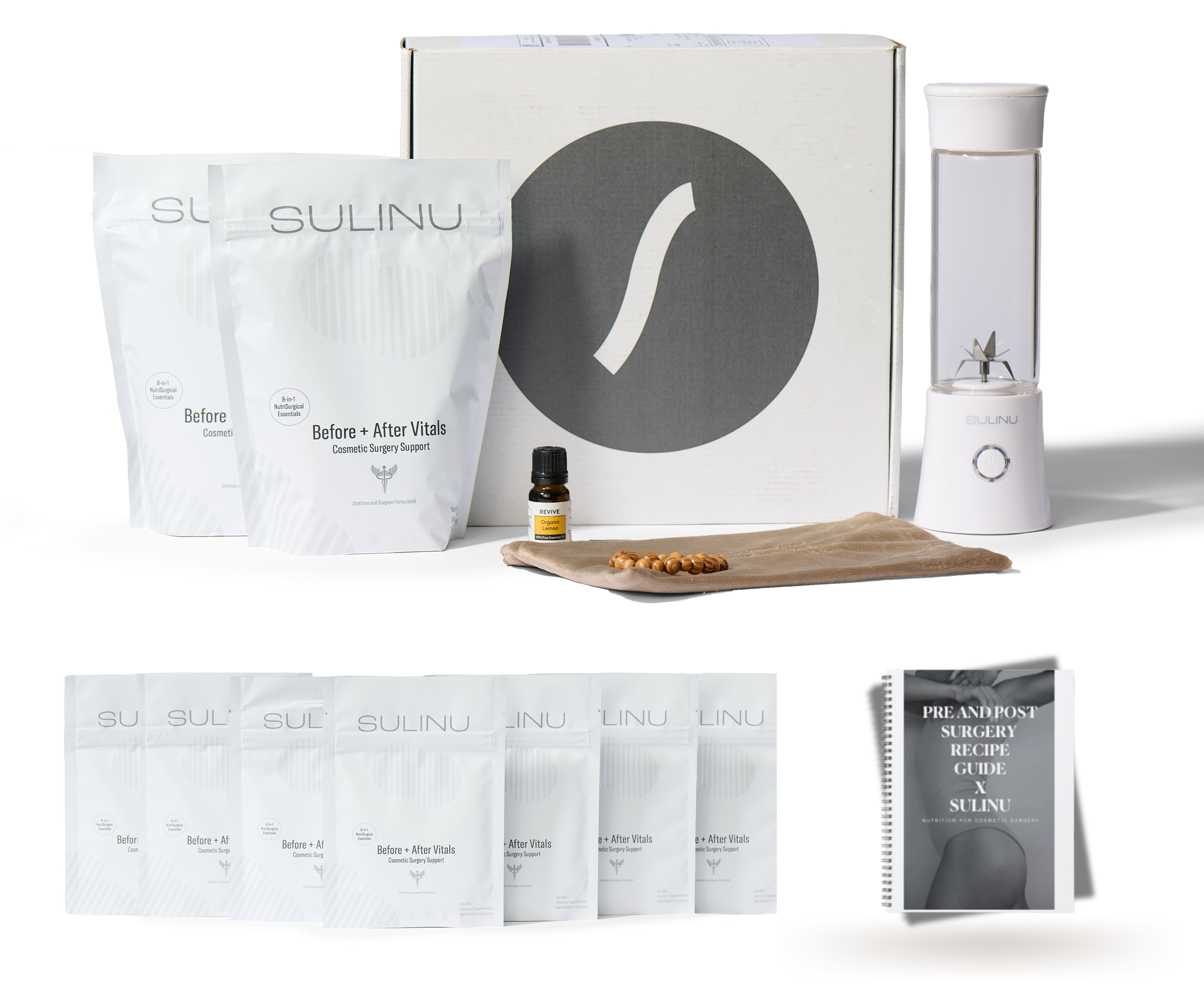
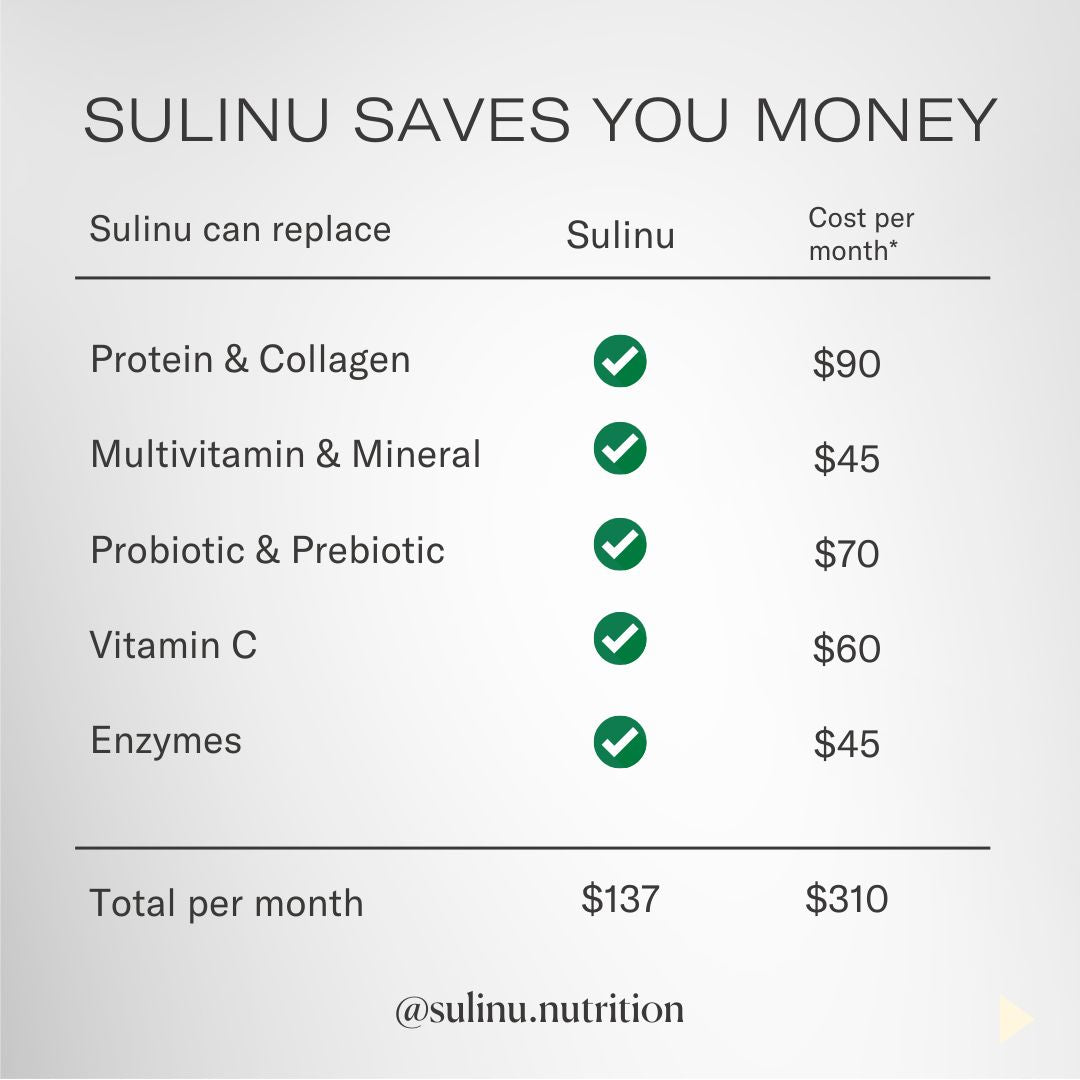
Reaching optimal nutritional status through food alone in a short prehab window can be difficult, particularly for patients managing appetite changes, dietary restrictions, or a compressed timeline before surgery. This is the specific gap NutriSurgical nutrition was designed to close before surgery, not just after.
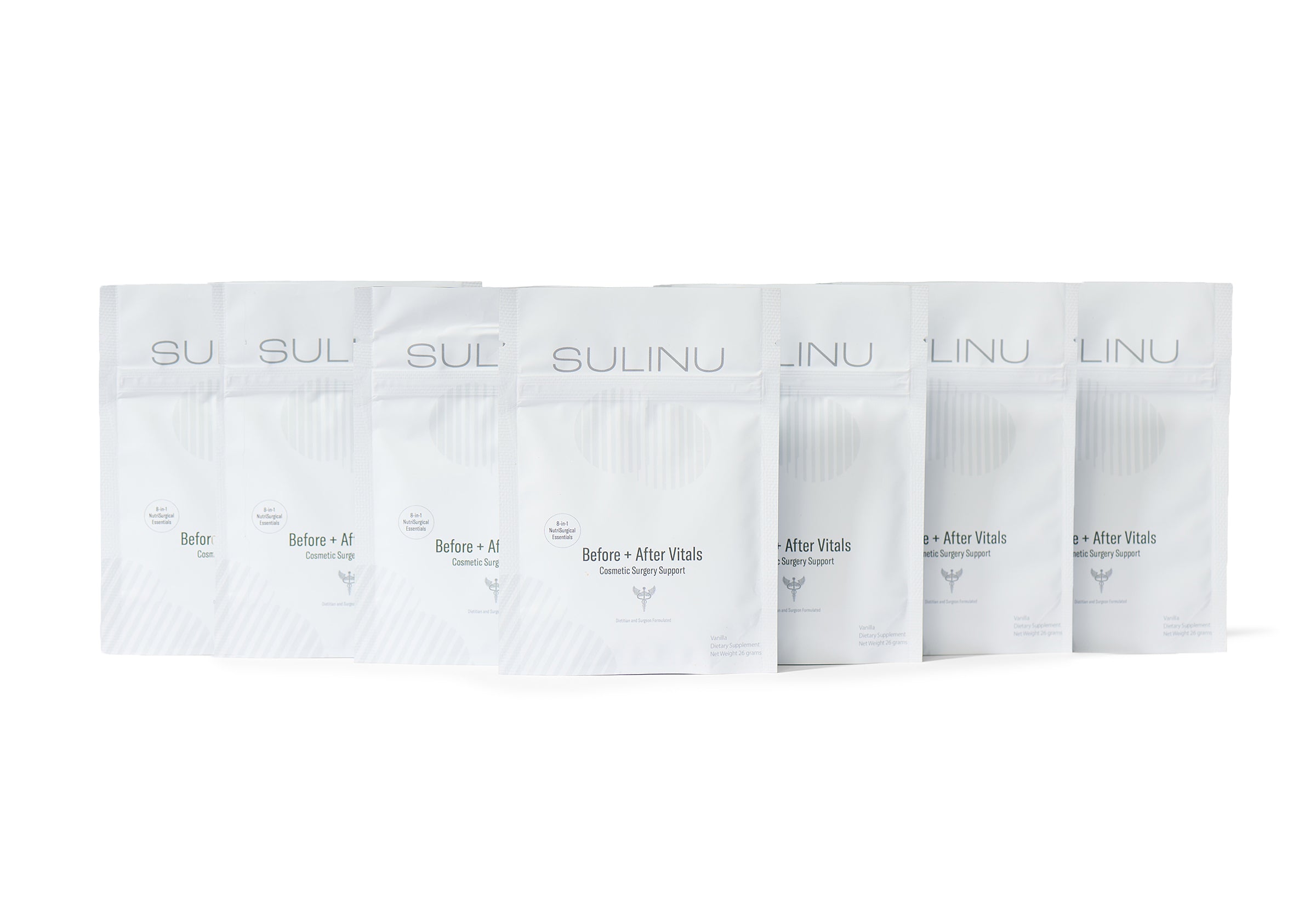
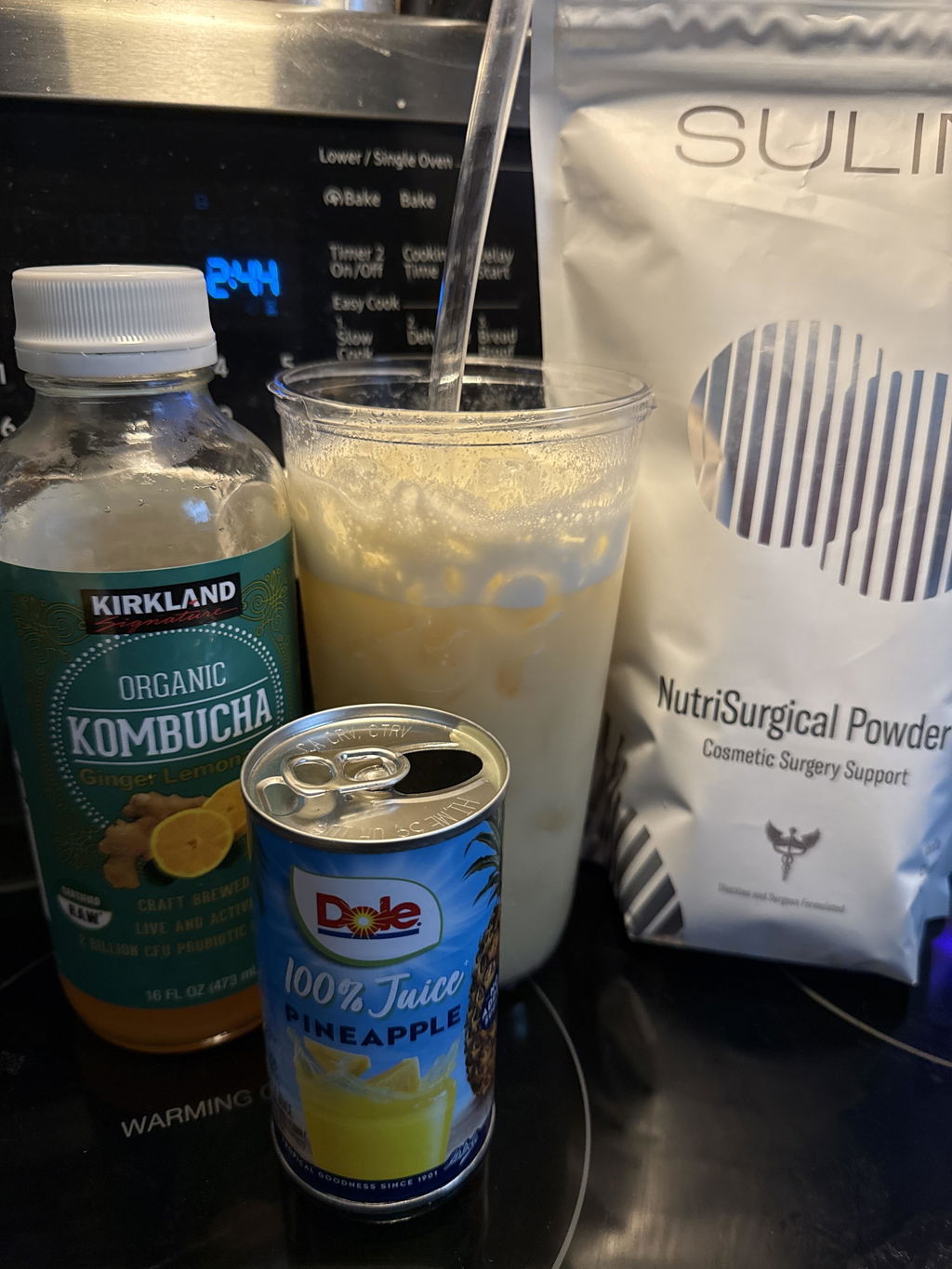
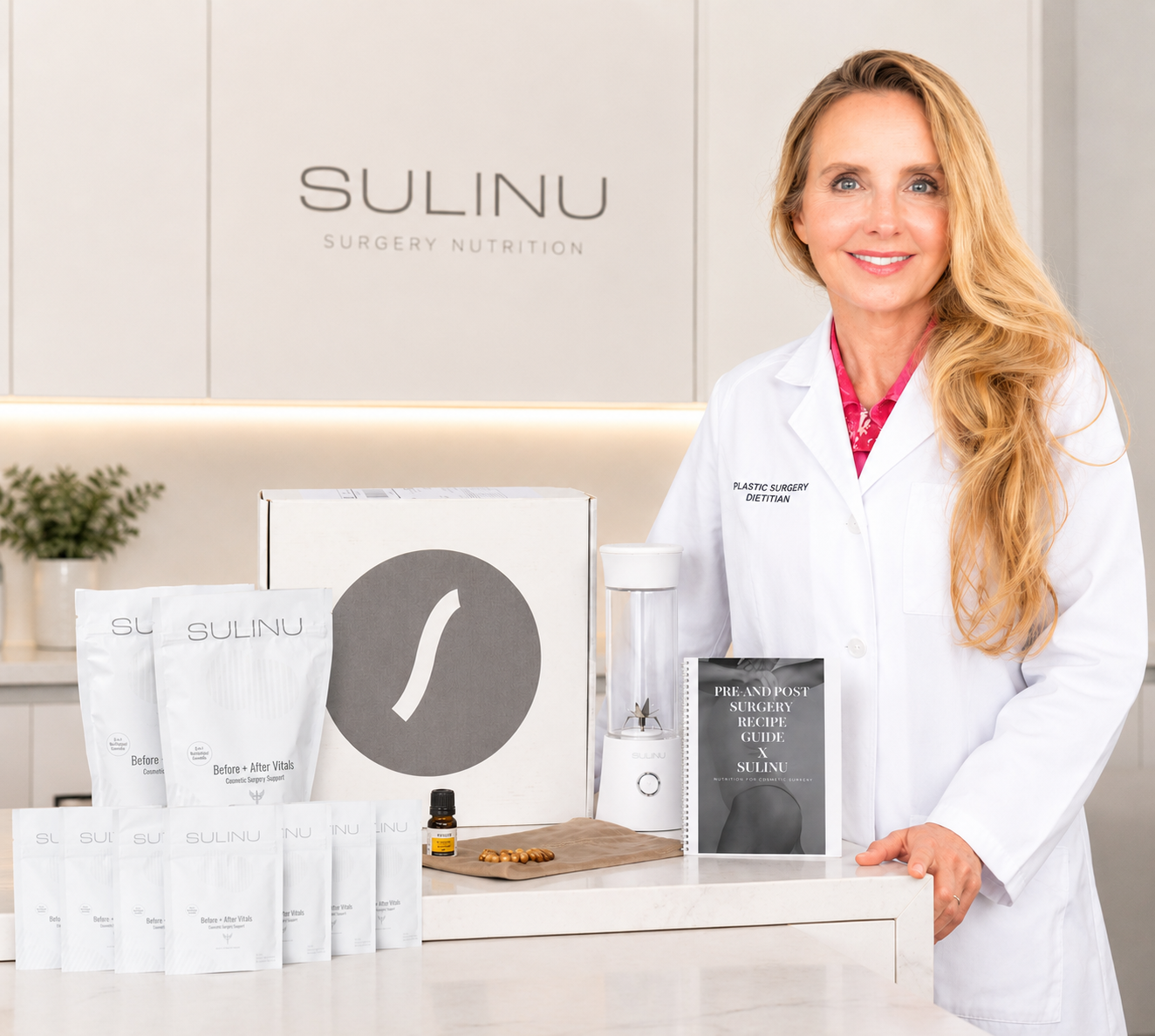
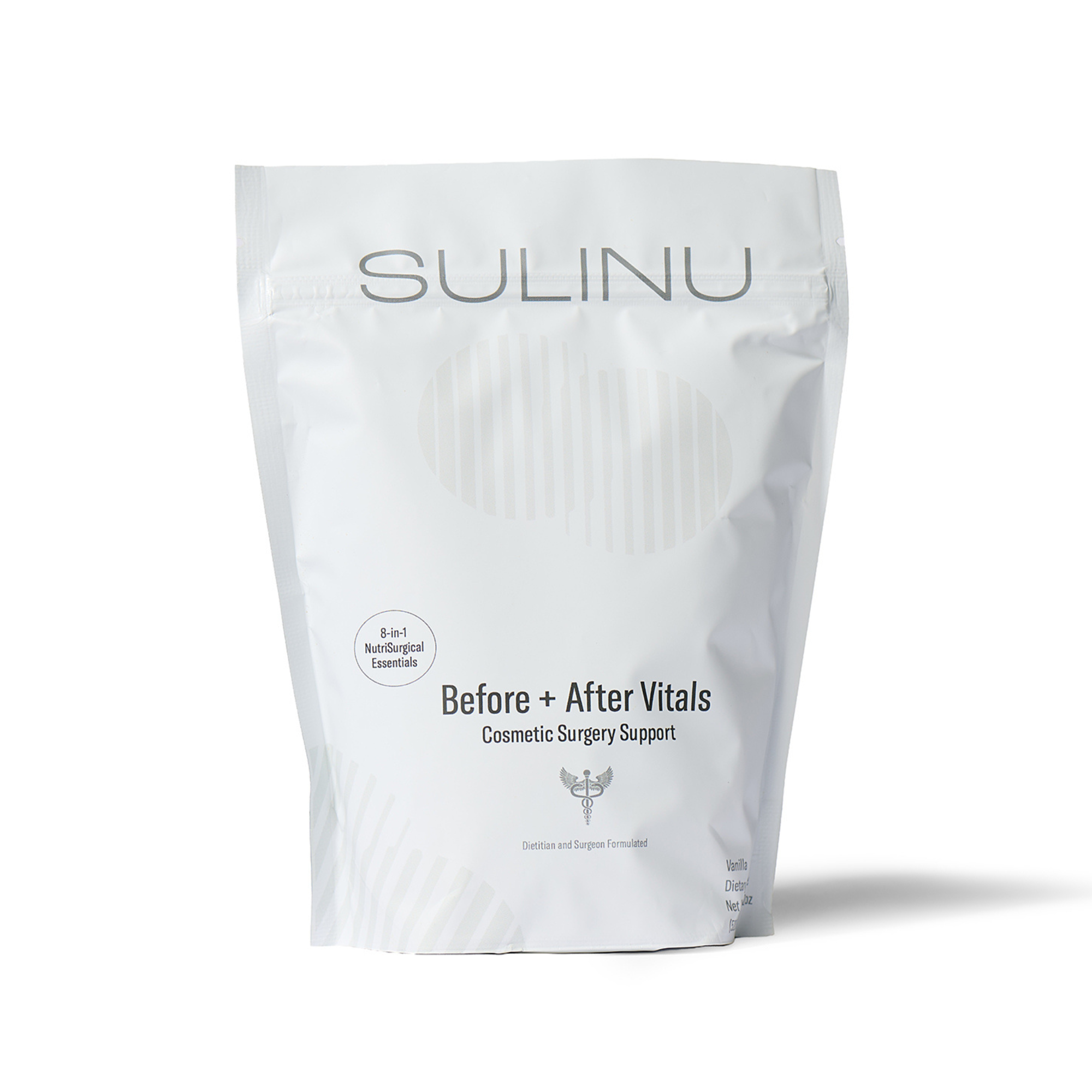
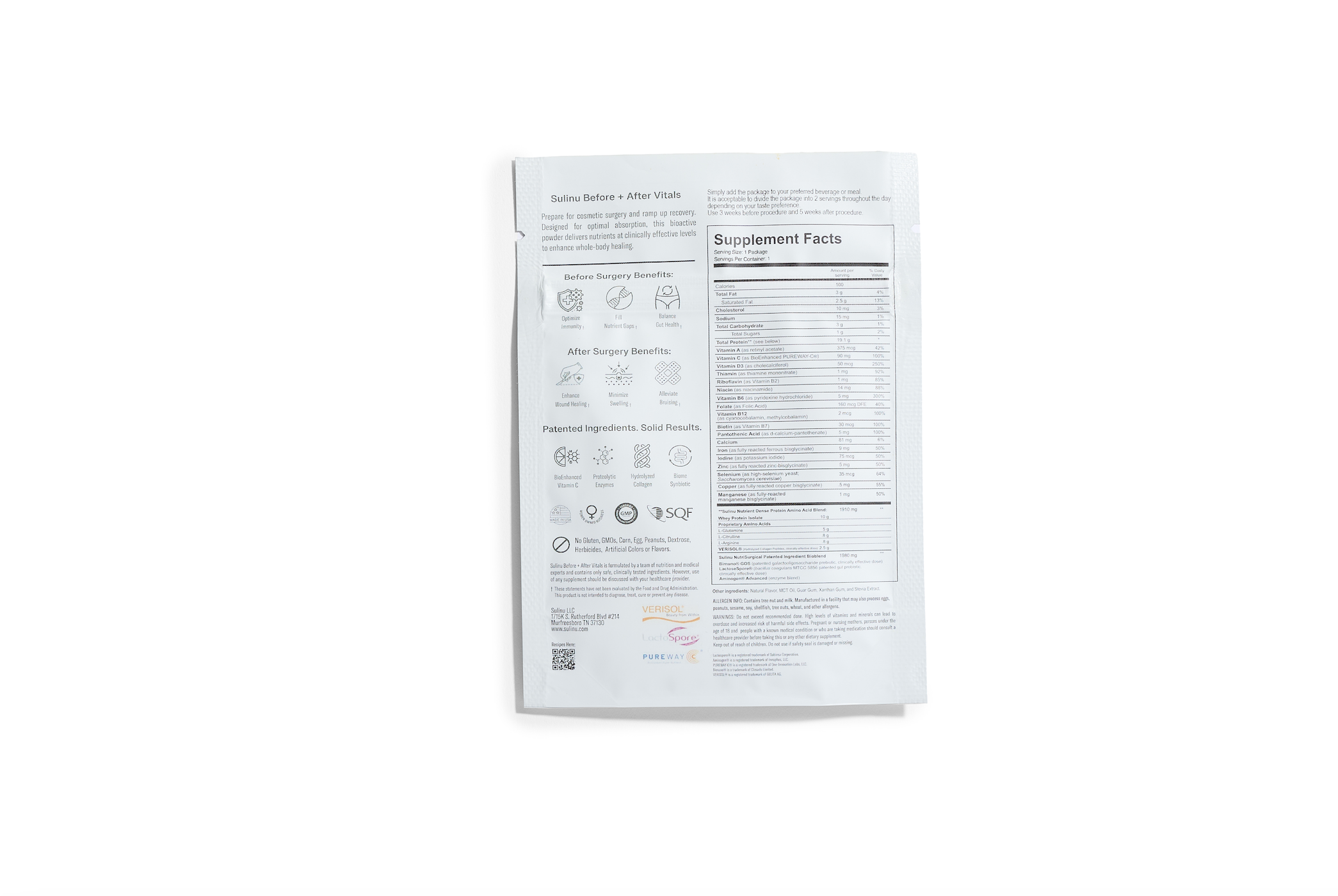
Sulinu's Before + After Vitals is the world's first and only comprehensive wound healing supplement designed specifically for cosmetic surgery recovery. While much of its formulation is built around post-surgical demands, the "Before" half of the name reflects a real function: many patients begin using it in the weeks leading up to surgery specifically to build baseline nutrient reserves ahead of the procedure, rather than starting from zero on day one of recovery.
This is a meaningfully different use case than most supplements on the market, which are formulated for either general wellness or post-injury recovery, not the specific window of planned surgical preparation.
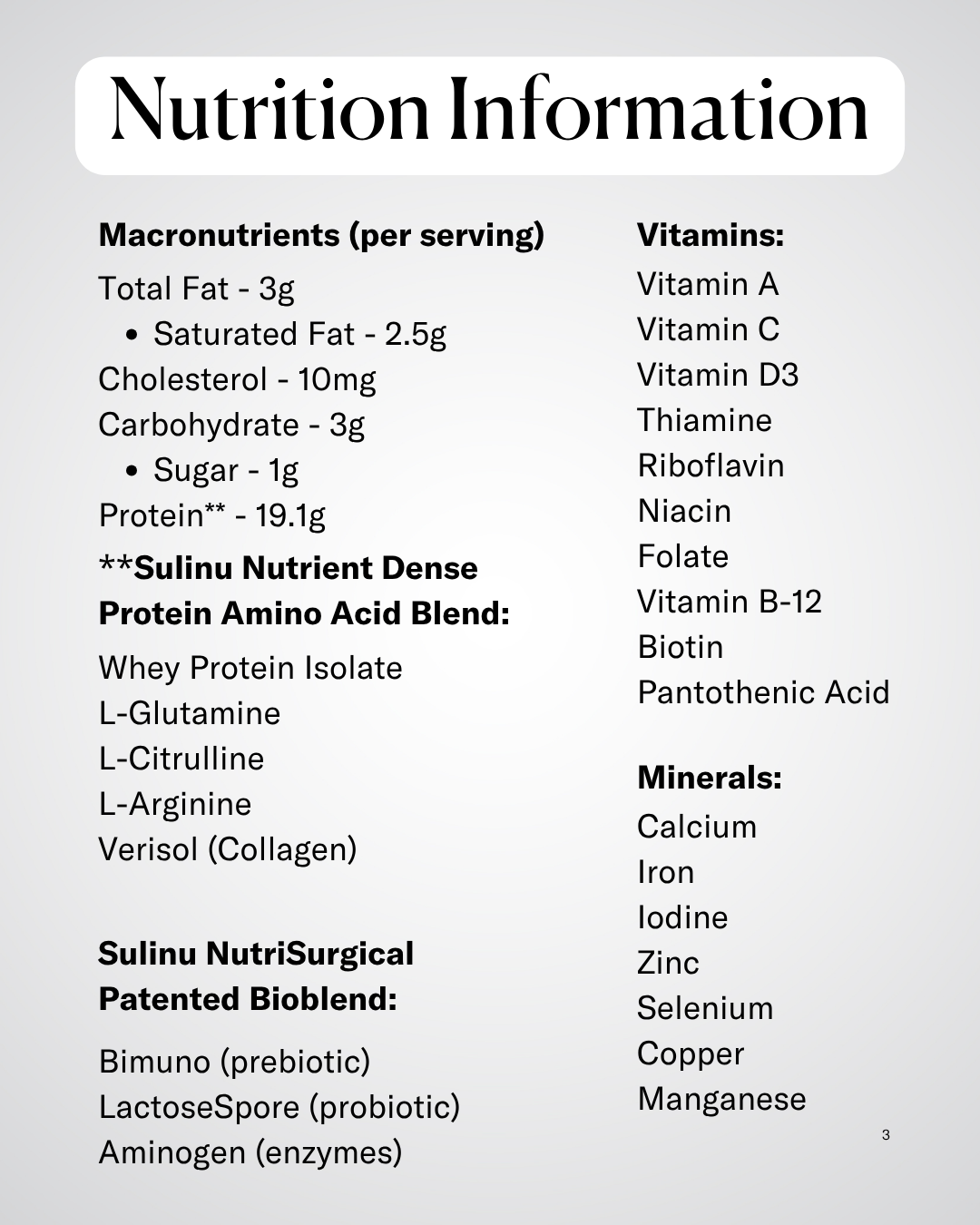
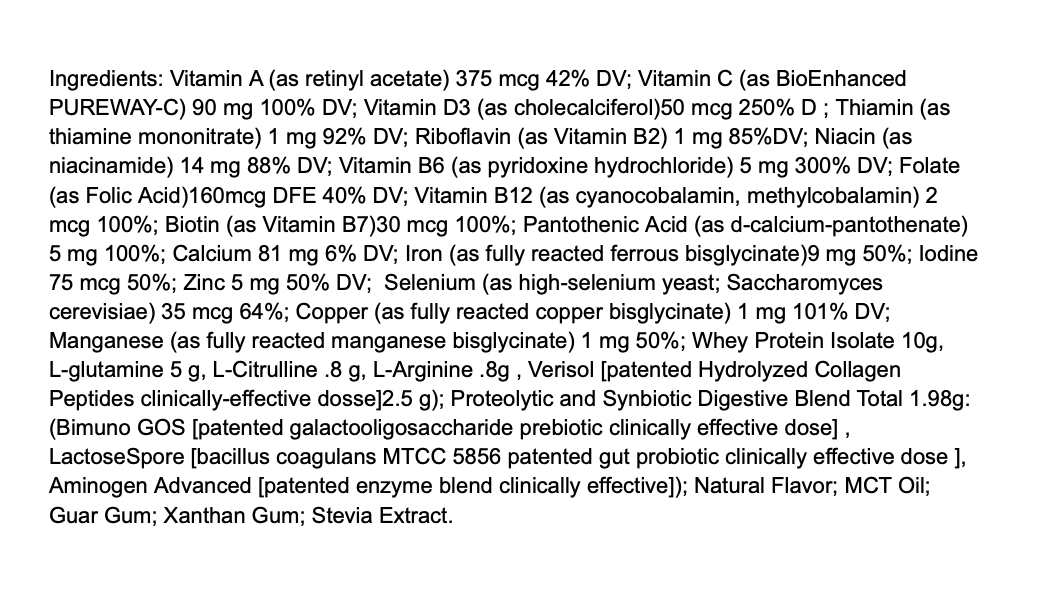
The formula combines 19+ grams of high-quality, easily digestible whey protein with patented NutriSurgical ingredients — PureWay-C® for enhanced vitamin C bioavailability, LactoSpore® for gut microbiome support, Bimuno® GOS as a prebiotic, and Aminogen® for amino acid absorption — plus a complete micronutrient profile calibrated for the demands of surgical recovery.
This full-formula approach is the core distinction between using Before + After Vitals during prehab and simply taking a standard multivitamin or protein shake beforehand. A general multivitamin isn't calibrated for the specific demands of surgical healing, and a standard protein powder addresses only one of the several nutritional variables — protein intake, absorption efficiency, vitamin C status, and gut readiness — that prehab nutrition is meant to cover together.
This matters most for patients working with a compressed timeline: someone with only two to three weeks between consultation and surgery date doesn't have the luxury of slowly rebuilding nutritional status through diet alone, which is exactly the scenario a calibrated formula is meant to address.

Before+ After Vitals: Surgeon-Approved Ingredients for Surgical Healing:
BioEnhanced Vitamin C
A patented, rapid-absorbing form that some research suggests achieves significantly higher tissue retention than standard ascorbate formulations. Vitamin C is foundational to collagen synthesis, immune defense, and antioxidant protection during the inflammatory phase, all of which directly influence how your body manages bruising, swelling, and the quality of scar tissue over time. It's also formulated to avoid the GI side effects that typically make high-dose vitamin C difficult to tolerate post-surgery.
Hydrolyzed Collagen Peptides
A patented version that some studies indicate may support meaningful improvement in skin elasticity in a matter of weeks. Collagen peptides don't just add collagen. They signal skin cells to produce more of their own. This matters at every stage: for swelling resolution as tissues remodel, for bruising clearance as vascular integrity is restored, and for scar quality as new tissue architecture forms.
Proteolytic Enzymes
Patented enzymes that, when combined with protein, some research suggests, can help double total amino acid absorption. Amino acids are the building blocks your body uses to repair incision tissue, clear inflammatory debris, and build new scar architecture. Getting more of them absorbed, not just consumed, is the goal.
Biome Synbiotics
Surgery disrupts gut health, and disrupted gut health disrupts everything else: nutrient absorption, immune function, inflammatory response. Prolonged bruising and swelling are often downstream of a gut that isn't processing and delivering nutrients efficiently. This patented prebiotic and probiotic blend is designed to survive stomach acid and arrive active in the gut, supporting the digestive foundation that makes all other healing nutrients work.
The formula also includes targeted amino acids (L-glutamine, L-citrulline, L-arginine), essential vitamins (A, B-complex, C, D3), and minerals (zinc, copper, manganese, iron) — all in clinically relevant dosages, not token inclusions.
No GMOs. No gluten. No artificial colors. No ingredients that interfere with each other. Everything in Before + After Vitals is there because it has a specific job in your recovery.
Scoop. Mix. Heal.

How much do I need to support my surgery recovery?
Our recommended protocol for post-surgical healing is at least:
1 bag before surgery
1 bag after surgery
Support your surgery recovery with our VIP Bundle and get everything you need for before and after surgery. You can also get a discount with a subscription plan.
Already recovering from surgery?
Have you already had surgery and are wondering if this will still help? The short answer: yes, absolutely! Your tissue takes up to one year to heal. Starting now still counts.
Important Takeaways
What you eat in the weeks before cosmetic surgery is one of the few genuinely modifiable factors in how your body enters the procedure. Prioritizing lean protein, complex carbohydrates, healthy fats, and vitamin C- and zinc-rich foods, while limiting alcohol and processed foods, gives your body a stronger nutritional starting point. In the final hours before surgery, fasting guidelines take over entirely and must be followed exactly regardless of your broader diet. Where prehab nutrition falls short of an ideal starting point, a supplement designed specifically for surgical recovery can help close the gap in the limited window before your procedure.
Frequently Asked Questions
How many weeks before surgery should I change my diet?
Two to four weeks is a commonly cited window, though starting earlier is generally better, especially for more extensive procedures. Even modest changes in the final week or two can still be worthwhile.
Can I take supplements before surgery?
Many supplements are appropriate before surgery, but always confirm with your surgeon first, since some — including certain herbal supplements, fish oil, and vitamin E — can increase bleeding risk and need to be stopped 2–3 weeks beforehand.
What should I eat the morning of surgery?
Typically nothing solid. Most surgical teams permit clear liquids only, up until roughly 2 hours before your scheduled arrival — but always follow your own surgeon's specific instructions, since timelines vary by procedure and anesthesia type.
Why can't I eat or drink before surgery?
Fasting reduces the risk of aspiration, a serious complication where stomach contents enter the lungs during anesthesia, since anesthesia suppresses the reflexes that would normally prevent this.
Does losing weight before surgery help?
For some procedures, reaching a stable, healthy weight before surgery can reduce certain risks, but rapid or extreme weight loss shortly before surgery is generally not recommended. Any weight-related guidance should come directly from your surgeon.
Should I stop any supplements before surgery, not just add them?
Yes — several common supplements need to be paused, not started, before surgery. Fish oil, vitamin E, and certain herbal blends can increase bleeding risk and are typically discontinued 2–3 weeks beforehand. Always review your full supplement list with your surgeon during pre-operative planning, not just the ones you're considering adding.
Medical Disclaimer
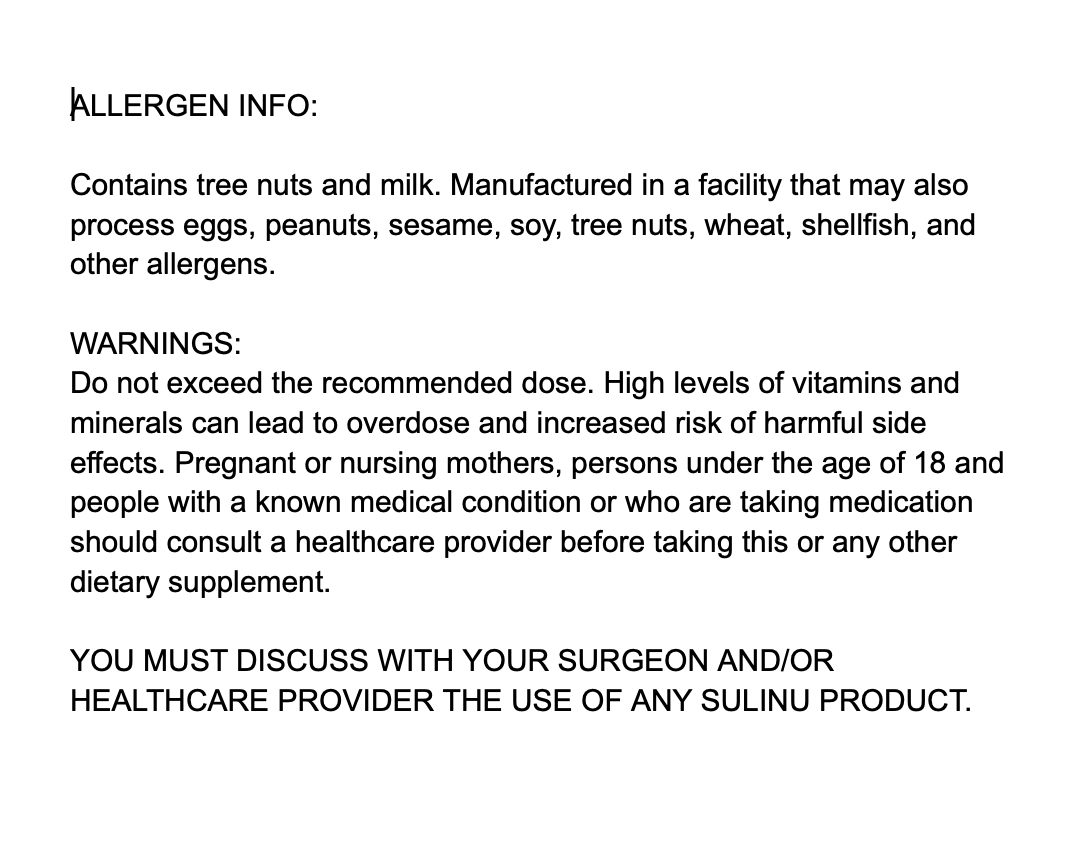
The information provided in this article is for general educational purposes only and is not intended to constitute medical advice, diagnosis, or treatment.
Every individual's healing process is unique, and outcomes vary based on a wide range of factors, including health status, surgical technique, and post-operative care. Always follow the specific guidance of your board-certified plastic surgeon and medical team.
If you experience any concerning symptoms during recovery — including signs of infection, wound separation, or unusual pain — contact your surgical team immediately.
These statements have not been evaluated by the Food and Drug Administration. Sulinu's Before + After Vitals is not intended to diagnose, treat, cure, or prevent any disease.


![A ⭐BEST VALUE⭐ The Prep + Recovery Bundle [free shipping] package is displayed on a white background with text highlighting its clinical benefits and international sourcing, emphasizing improved nerve regeneration, better protein absorption, and faster healing—making it an ideal addition to any surgical recovery kit.](http://www.sulinu.com/cdn/shop/files/2.jpg?v=1776452906&width=1080)
![A promotional image for The PREP STARTER Kit [free shipping], showcasing its key benefits such as protein, vitamins, minerals, amino acids, probiotics, and enzymes. Featured as an essential pre-op supplement in your surgery prep kit, the product bag is displayed alongside fresh green vegetables on a light background.](http://www.sulinu.com/cdn/shop/files/12.jpg?v=1776452906&width=1080)
![A hand holds a scoop of white powder above an open bag of The PREP STARTER Kit [free shipping]. Text highlights that this research-based formula aids surgery recovery, delivers 19g of protein and 29 carefully selected ingredients per daily scoop—making The PREP STARTER Kit an essential addition to any surgery prep kit.](http://www.sulinu.com/cdn/shop/files/3.jpg?v=1776452906&width=1080)
![A woman’s face in close-up appears on the left. On the right, text explains post-surgery risks: metabolism rises, appetite drops, food intake falls, and nutrient needs soar. The message: your body needs more while you eat less—making The PREP STARTER Kit [free shipping] essential for recovery.](http://www.sulinu.com/cdn/shop/files/9.jpg?v=1776452906&width=1080)
![Text graphic explaining consequences of not fueling the healing body: slower wound healing, higher infection risk, more bruising, increased fatigue, pain, and constipation. Highlights that nutrition is essential for recovery but often overlooked—using The PREP STARTER Kit [free shipping] can help support your body and make all the difference for surgical recovery.](http://www.sulinu.com/cdn/shop/files/10.jpg?v=1776452906&width=1080)
![A smiling woman holding a box labeled The PREP STARTER Kit [free shipping] stands beside text explaining the purpose behind creating The PREP STARTER Kit: to support post-surgery recovery by providing targeted nutrition backed by real clinical data, serving as an essential surgery protein guide for patients seeking optimal outcomes.](http://www.sulinu.com/cdn/shop/files/14.jpg?v=1776452906&width=1080)
![A person in a fitted outfit poses against a neutral background. Text reads ⭐BEST VALUE⭐ The Prep + Recovery Bundle [free shipping]. Discover the ultimate surgery prep bundle—nutrition for cosmetic surgery and essential support for your recovery kit.](http://www.sulinu.com/cdn/shop/files/UltimateSurgeryBundle-Sulinu.png?v=1775162796&width=537)