Does collagen after surgery actually help?
The answer is more nuanced than the supplement aisle would have you believe, and understanding it means understanding what collagen actually does in the body, what surgery disrupts, and what your healing tissue genuinely needs. Here's the unfiltered version.
What Collagen Actually Does in Your Body
Collagen is the most abundant protein in the human body. It's the structural backbone of skin, tendons, ligaments, cartilage, and blood vessel walls. It's the matrix that holds soft tissue together and gives skin its firmness, elasticity, and tensile strength.
Your body produces collagen continuously, but not all collagen is the same. There are multiple types, each with a distinct role. For the purposes of surgical recovery, two matter most:
Type I collagen is the primary structural collagen found in skin, bone, tendons, and scar tissue. It's what gives healed incisions their strength and what ultimately determines how a scar looks and feels long-term.
Type III collagen is the first responder. It appears early in wound healing to lay down a temporary matrix that later gets remodeled into Type I. How well this transition goes directly affects scarring outcomes, tissue resilience, and overall healing quality.
Collagen synthesis is an active, ongoing biological process and not a static state. Your body assembles collagen from amino acids, using vitamin C as an essential cofactor at nearly every step. Without adequate vitamin C, the collagen cross-linking process stalls. Without adequate protein, your body doesn't have the raw materials to build it in the first place.
This is why collagen isn't a simple "take more, get more" equation.
How Surgery Disrupts Your Collagen System
Cosmetic surgery is, at its core, controlled tissue injury. Incisions are made, tissues are disrupted, and your body immediately launches a healing cascade. That cascade is extraordinarily demanding, and it relies heavily on your body's ability to produce collagen on demand.
Here's the problem: surgery depletes the very resources collagen synthesis depends on.
Protein demand spikes sharply.
Tissue repair requires amino acids — particularly glycine, proline, and hydroxyproline, which are the primary building blocks of collagen. Some research suggests that post-surgical protein needs can increase substantially above baseline, yet pain medication, nausea, and restricted diets often make adequate intake difficult in the early recovery window.
Vitamin C gets consumed rapidly.
Vitamin C is not optional in collagen synthesis — it's a required enzyme cofactor that enables the hydroxylation of proline and lysine, two steps essential to forming stable collagen fibers. Surgical stress and systemic inflammation accelerate vitamin C utilization, creating a demand that typical dietary intake struggles to meet.
Vitamin A may be compromised by steroids.
Many cosmetic surgery patients receive corticosteroids perioperatively to manage swelling. Steroids are effective anti-inflammatories, but research — primarily from animal studies — indicates they can deplete vitamin A from tissues, even as blood levels may appear normal. Separately, corticosteroids are known to inhibit collagen synthesis and impair wound healing directly. Either way, vitamin A, a nutrient that plays a direct role in skin cell growth and collagen production, is worth actively supporting in the post-surgical period. This is a gap most patients and practitioners don't think to address.
Zinc and copper work in tandem and can be thrown off.
Zinc supports immune function and tissue repair, while copper plays a critical role in forming cross-links between collagen fibers to give them strength. These minerals need to be present in the right balance. Supplementing one without the other can create absorption interference that undermines both.
Gut function is compromised.
Anesthesia and pain medications, particularly opioids, affect digestive motility and gut microbiome balance. A compromised gut absorbs nutrients less efficiently, meaning even a good diet may not translate into adequate nutrient delivery to healing tissues.
The result: your body is working overtime on collagen production at the exact moment its supply chain is stressed. That gap matters.
Does Taking Collagen After Surgery Actually Help?
This is the question people really want answered, and the honest response is: it depends on what you're taking, when you take it, and what's supporting it.
Supplemental collagen can contribute to the healing process.
Some research suggests that hydrolyzed collagen peptides — collagen that has been broken down into smaller, more bioavailable fragments — may be absorbed and used by the body more efficiently than intact collagen. When these smaller peptides reach the skin and connective tissue, some studies indicate they may signal fibroblasts (the cells responsible for collagen production) to ramp up their own output. In other words, supplemental collagen may act as a trigger, not just a building block.
But collagen supplementation alone is not a healing strategy.
This is where the wellness conversation frequently goes sideways. Collagen powder in a smoothie, without adequate vitamin C, protein, zinc, and copper, is a partial intervention at best. The body's ability to actually synthesize new collagen is only as strong as the weakest link in that chain.
Some studies have explored collagen supplementation specifically in wound healing and skin elasticity contexts, and results have been encouraging, particularly for hydrolyzed forms.
However, the research landscape is still developing, and individual results vary based on age, nutritional status, procedure type, and overall health.
Timing matters.
The proliferative phase of wound healing, when the body is actively laying down new collagen, typically begins within the first two to three days post-surgery and continues for several weeks. Starting collagen and its cofactors before surgery, not just after, may allow the body to enter recovery with better nutritional reserves. Some research on pre-surgical nutrition indicates that loading key nutrients ahead of a procedure may support better outcomes in the recovery phase.
What form of collagen matters.
Not all collagen supplements are equivalent. Hydrolyzed collagen (also called collagen peptides) has a distinct advantage over gelatin or intact collagen in terms of solubility and absorption. The molecular weight of the peptides affects how much makes it into circulation. This is why the source, processing method, and form of collagen in a supplement genuinely affect whether it's useful.
What to Look For in a Post-Surgical Collagen Approach
If you're recovering from cosmetic surgery and considering collagen supplementation, here's what to actually evaluate:
Hydrolyzed form.
Look for hydrolyzed collagen or collagen peptides — not gelatin, not "collagen protein" from whole sources. Hydrolyzation breaks the protein into fragments that are more readily absorbed and more likely to reach the tissues that need them.
Cofactor support.
Collagen doesn't work in isolation. Any meaningful approach to post-surgical collagen support needs to include vitamin C in an absorbable form, adequate protein (particularly the amino acids glycine and proline), zinc, copper, and vitamin A. Missing these is like buying lumber for a house and forgetting nails, insulation, and a foundation.
Protein adequacy.
Collagen peptides are a protein source, but they're not a complete protein. They lack tryptophan. Post-surgical recovery requires complete protein sources alongside collagen to support full tissue repair. Whey protein or vegetarian equivalents in therapeutic amounts should be part of the equation.
Gut support.
If your digestive system isn't functioning optimally — which is common after surgery involving anesthesia and pain medication — none of the above matters as much as it should. Probiotic and prebiotic support can help restore gut integrity and improve nutrient uptake during recovery.
Absorption engineering.
This is where most standalone collagen supplements fall short. Getting nutrients past stomach acid and into the bloodstream in adequate concentrations requires intentional formulation — the right forms, the right pairings, the right delivery method.
General collagen powders aren't formulated for this.
They're designed for everyday wellness, not for the specific nutritional demands of a post-surgical body.
Built for This: Sulinu's Before + After Vitals
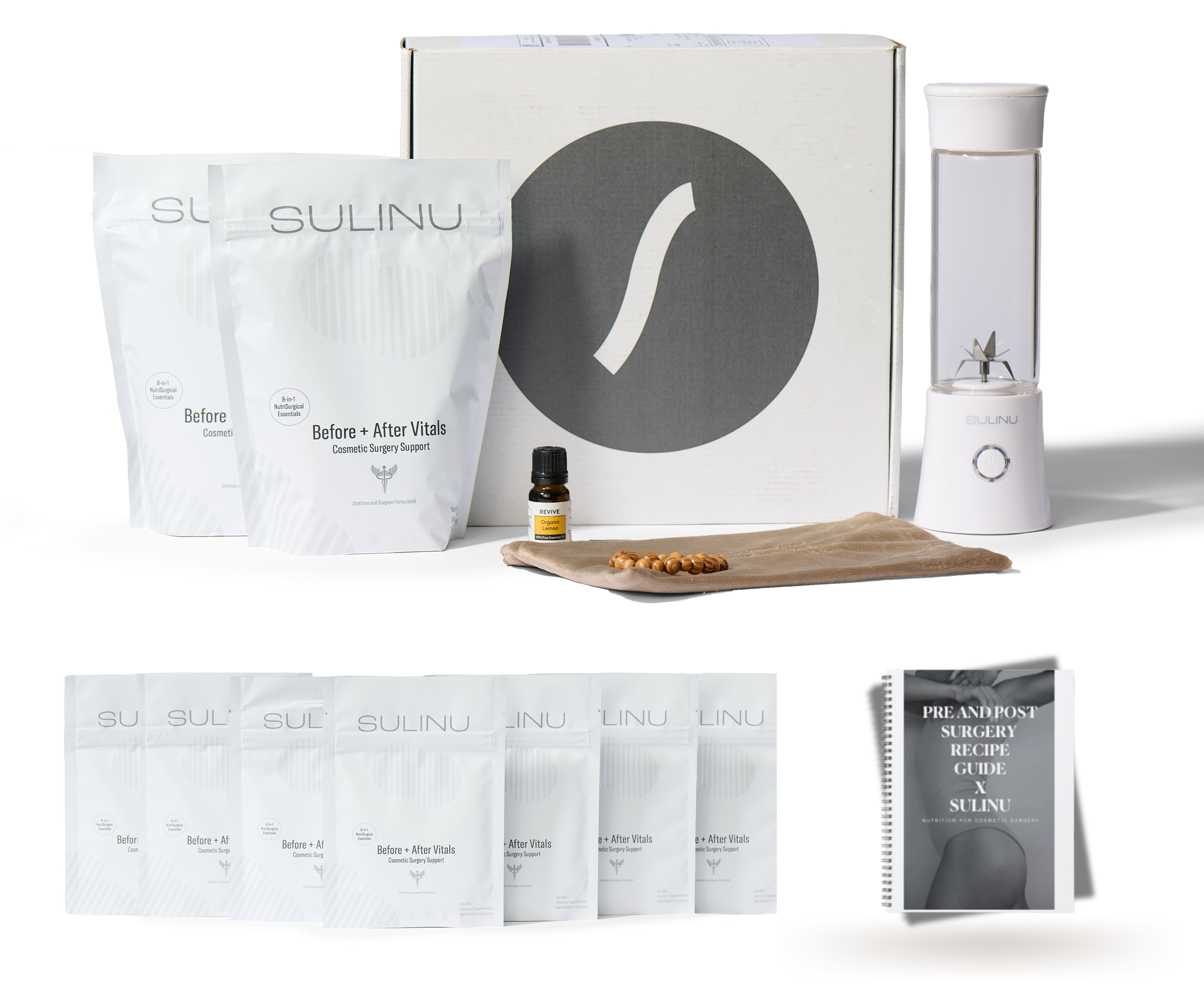
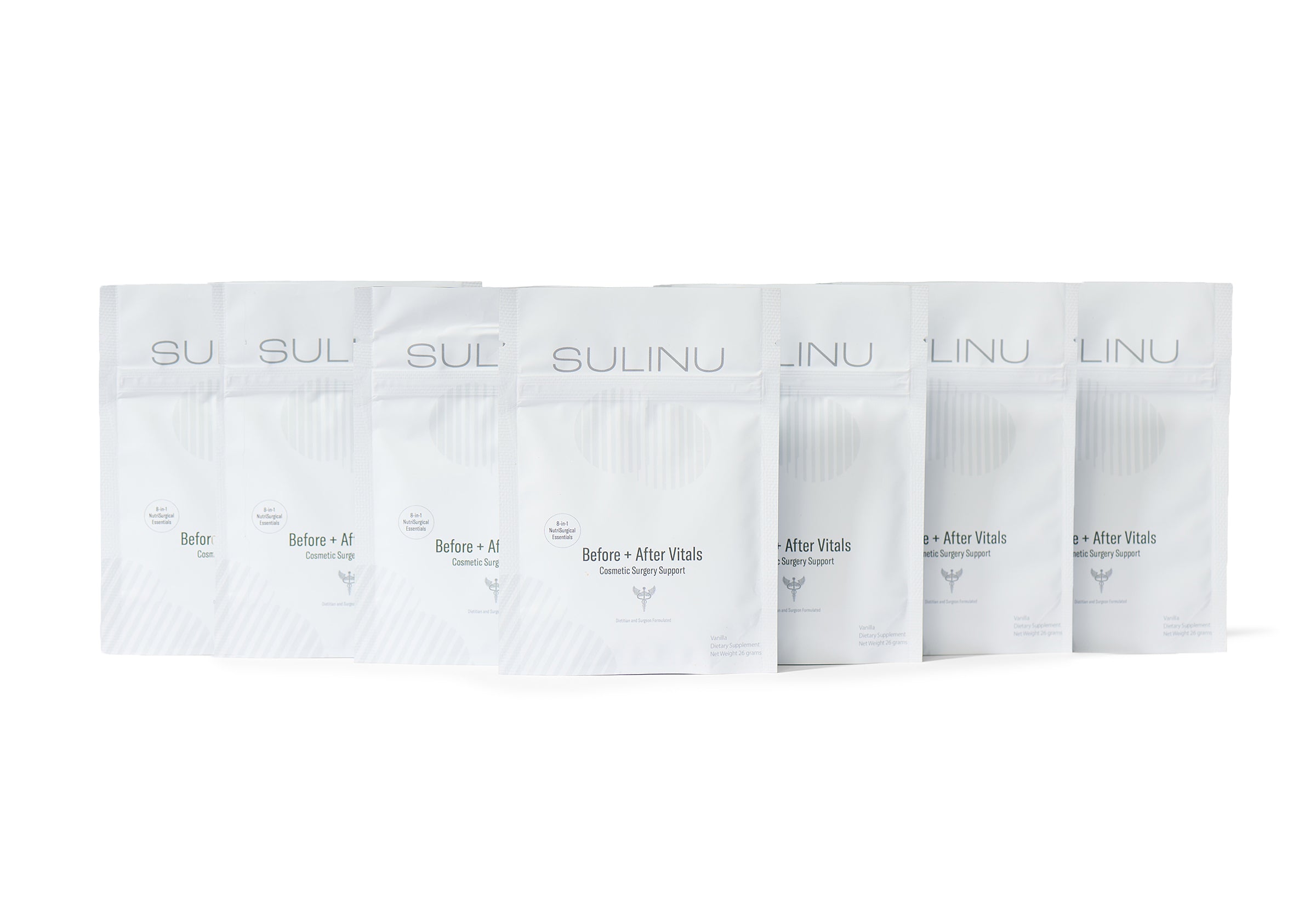
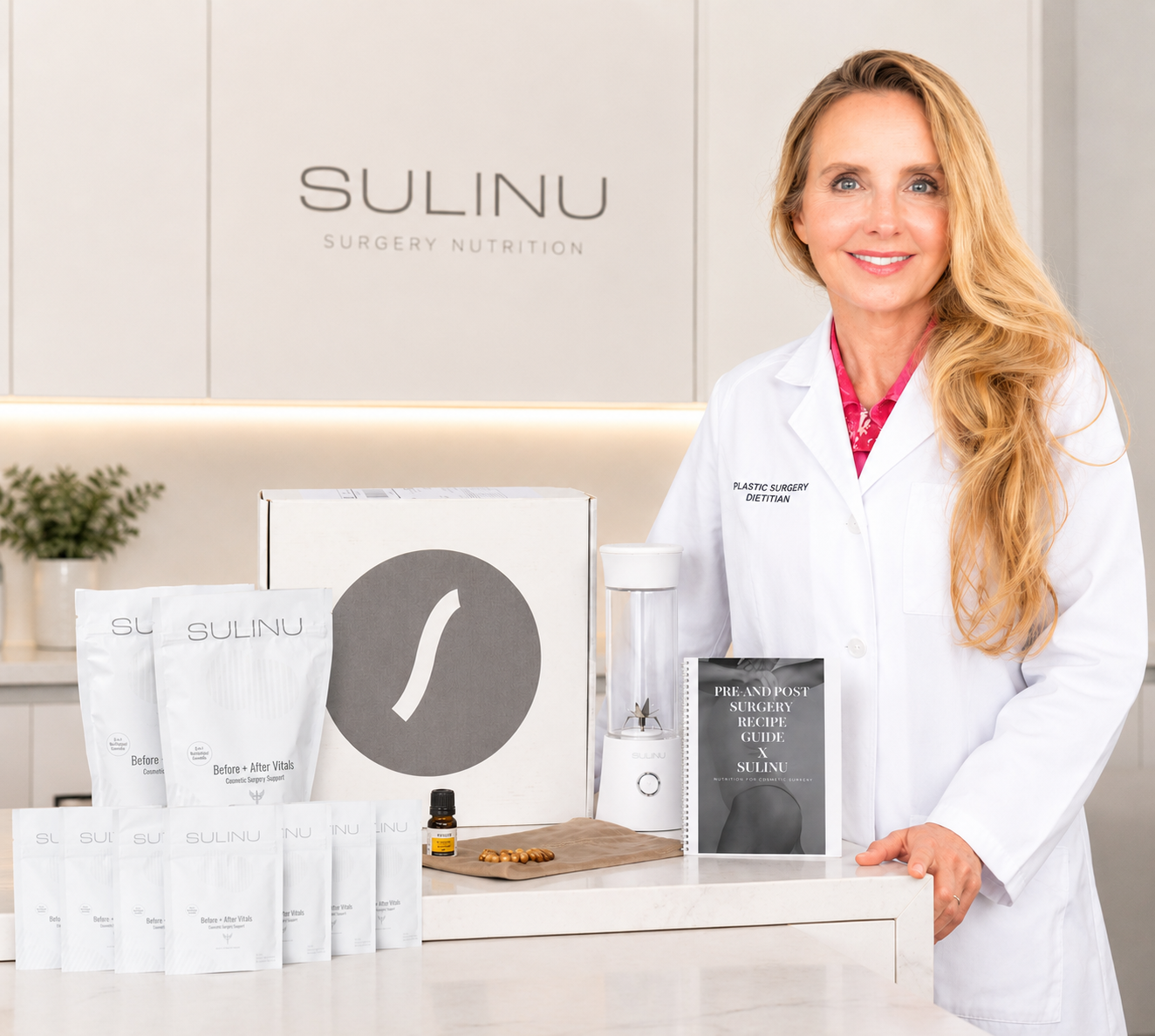
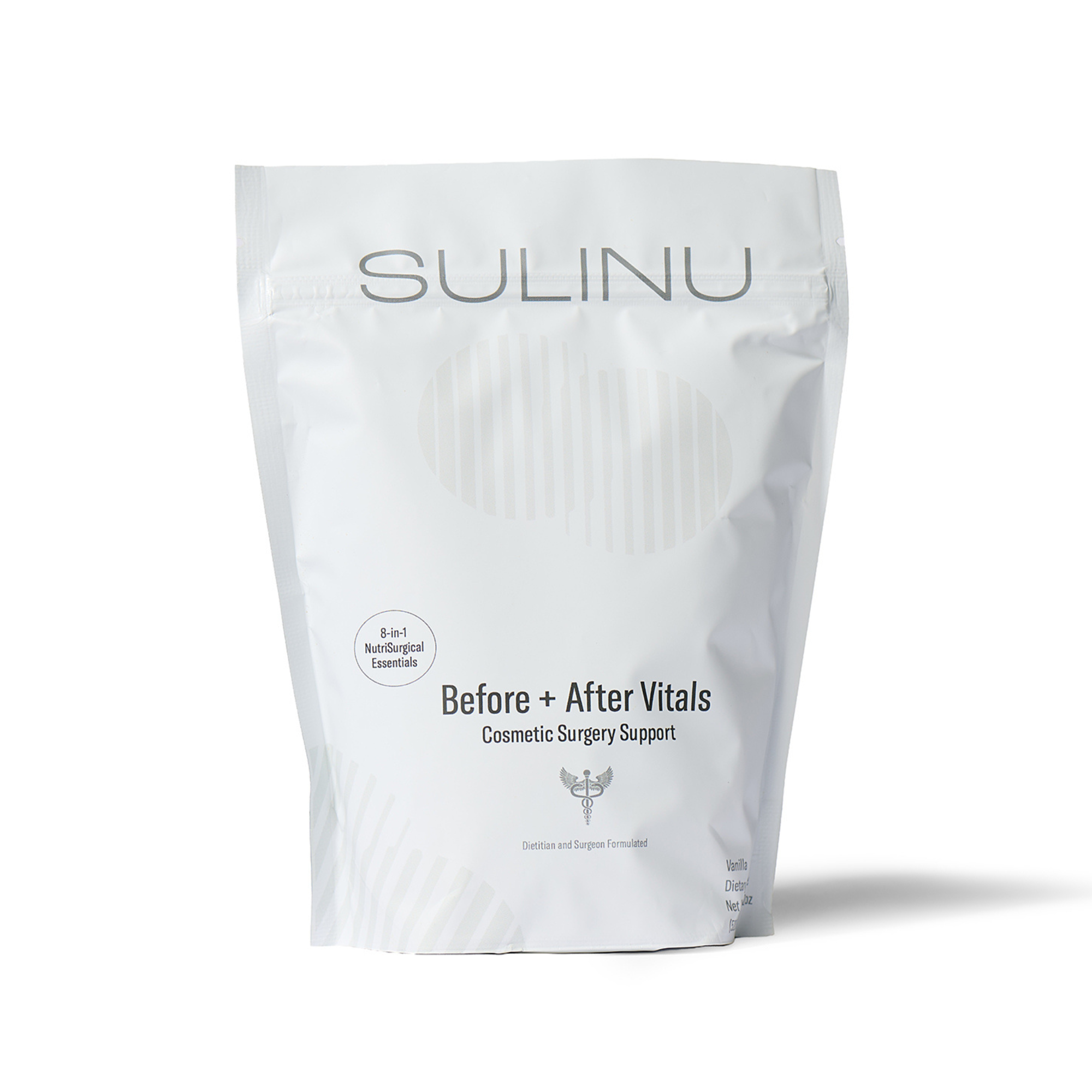
This is precisely the gap that Sulinu's Before + After Vitals was designed to fill.
Created by a plastic surgery clinical dietitian who couldn't find a safe, effective, and comprehensive solution for her own patients, Before + After Vitals is the world's first and only comprehensive wound healing supplement formulated specifically for cosmetic surgery recovery. It's not a general wellness powder with a surgical marketing angle.
It's a purpose-built NutriSurgical nutrition system, and collagen is one piece of a precisely engineered whole.
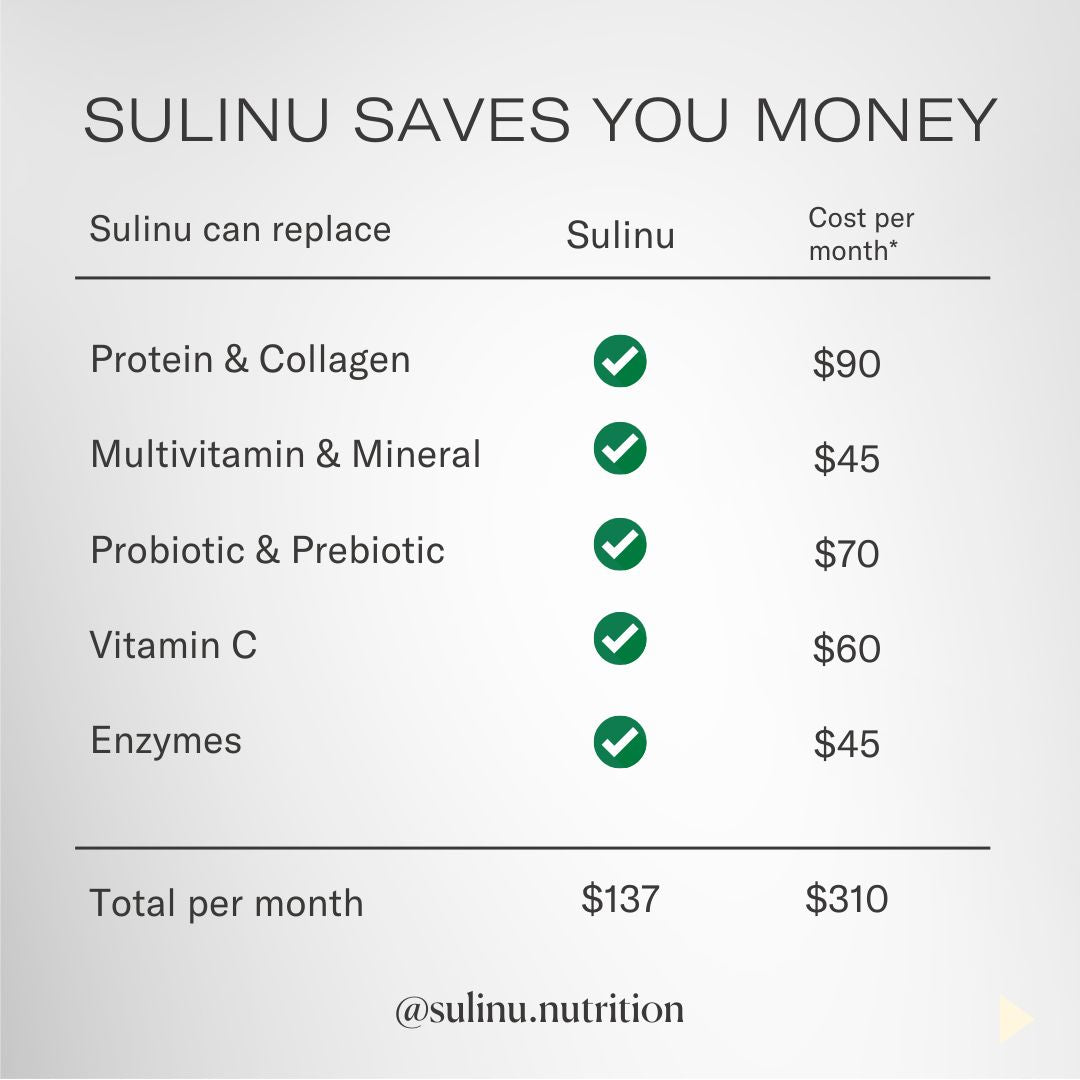
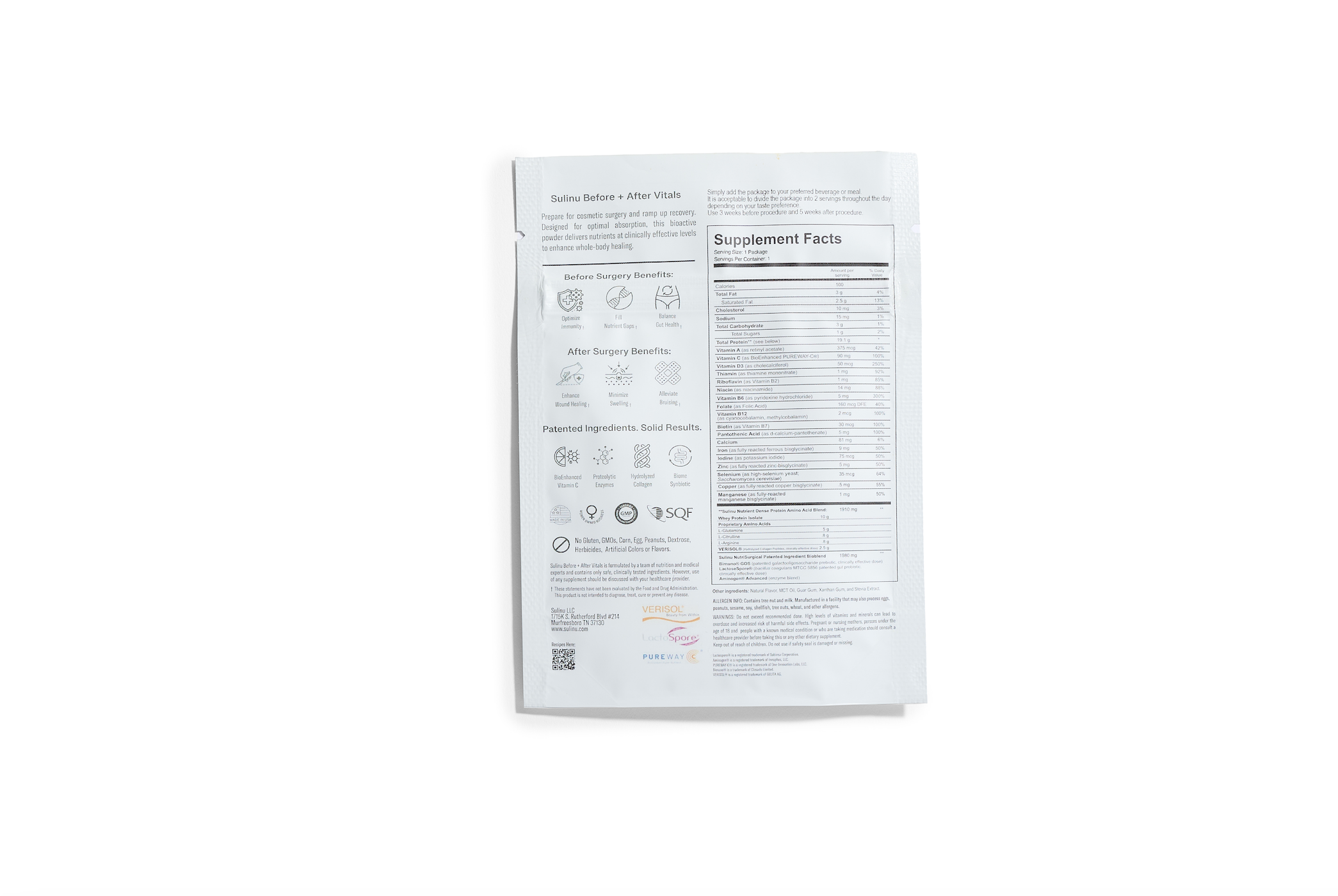
Before + After Vitals isn't a general wellness product or a multi-vitamin in a different box. It's a post-surgical supplement built specifically for cosmetic surgery recovery — formulated around the biological demands of healing after an elective procedure. The formula includes a bioavailable form of vitamin C designed to support collagen synthesis more efficiently than standard supplements, proteolytic enzymes that may support how effectively the body processes protein during tissue repair, and a suite of nutrients selected with surgical recovery, not broad health maintenance, in mind.
What often gets overlooked is the before side of the equation. Starting supplementation in the weeks before surgery helps build up the nutritional reserves your body will draw on during repair. Arriving at the procedure with adequate nutrient stores gives the healing process a stronger foundation.
Before + After Vitals is built for both sides of that timeline to help your body naturally optimize healing.
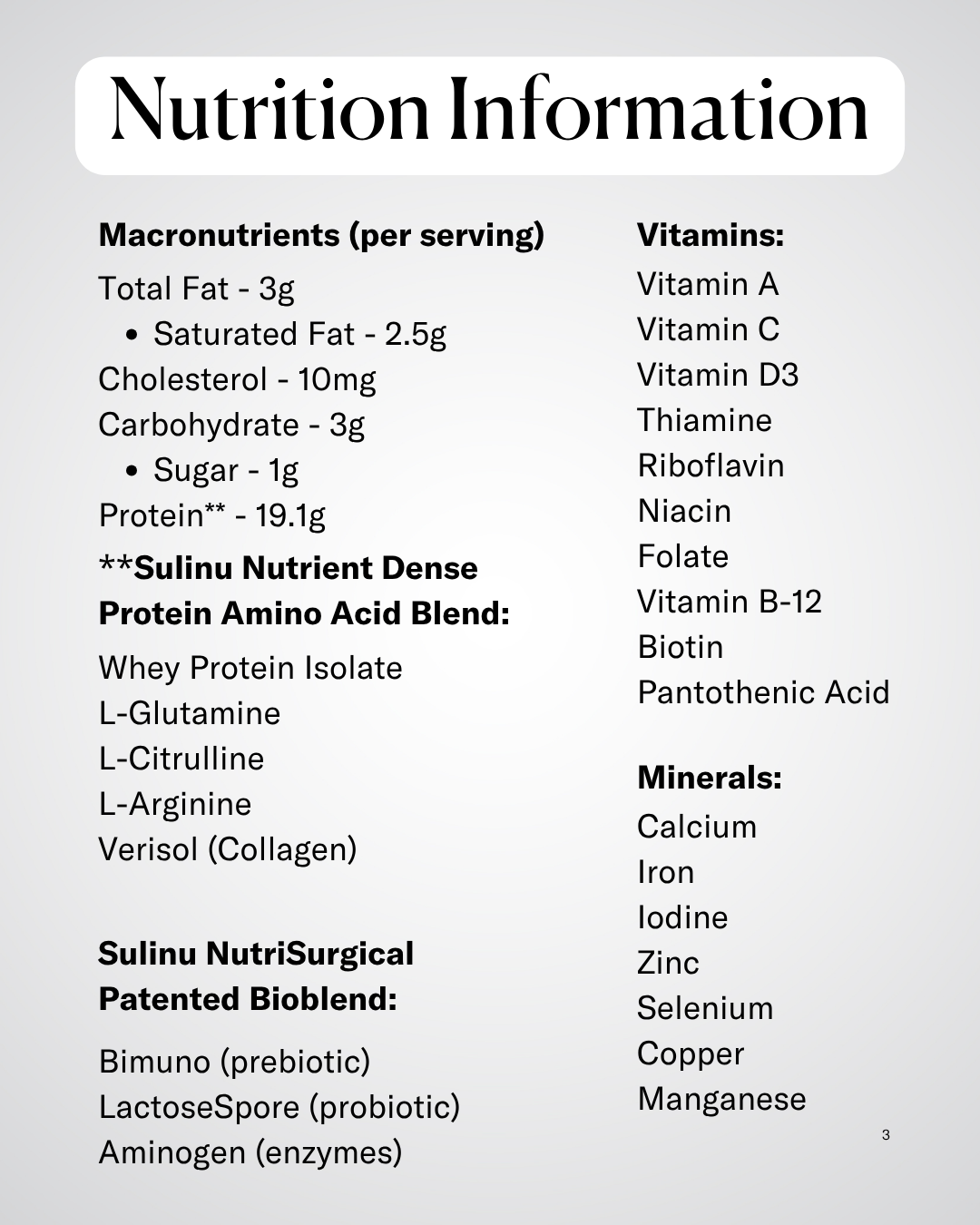
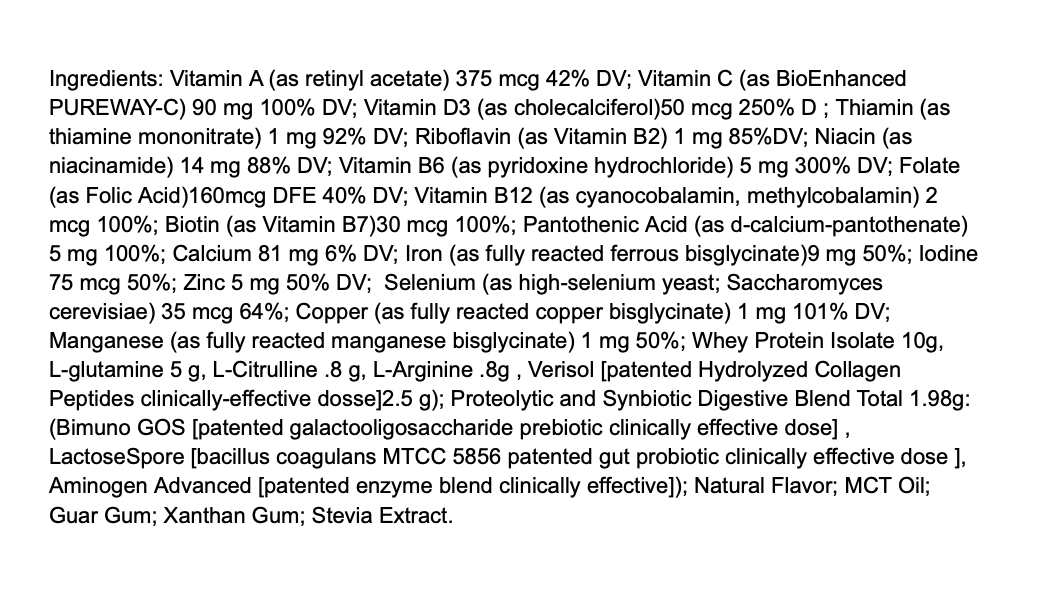
Hydrolyzed Collagen Peptides are included in their bioactive form, the kind that research suggests may signal skin cells to increase their own collagen output rather than just supplementing it externally. Some studies on this specific peptide type indicate meaningful improvement in skin elasticity within weeks of consistent use. Critically, this form dissolves completely in cold liquid, is tasteless and odorless, and doesn't compete with other ingredients for absorption — all features that matter when you're already managing a complicated recovery routine.
BioEnhanced Vitamin C, the essential collagen cofactor, is delivered in a patented form that achieves substantially higher tissue retention than standard ascorbate forms, without the gastrointestinal side effects that often accompany higher doses. Standard vitamin C supplements often create nausea at the therapeutic doses post-surgical patients actually need. This formulation solves that problem at the ingredient level.
Proteolytic Enzymes maximize the absorption of protein, including the amino acids your body needs to build new collagen. Clinical research on this proprietary enzyme blend suggests it may meaningfully increase total serum amino acid availability when combined with whey protein, giving your healing tissue direct access to the raw materials it needs. This is the difference between taking protein and actually absorbing it when your digestive system is under stress.
Vitamin A is included specifically because corticosteroid use can deplete it, a detail most recovery supplements miss entirely. For cosmetic surgery patients who receive steroids perioperatively to control swelling, this is not a minor oversight. Vitamin A is directly involved in skin cell growth and collagen production. Leaving it out of a surgical recovery formula isn't a gap. It's a failure.
Zinc and Copper are precisely balanced so they work together rather than competing for absorption. These two minerals have a well-documented antagonistic relationship. Supplementing one at high doses can inhibit the other. Before + After Vitals delivers both in chelated forms, at ratios calibrated to support each other rather than create interference. Zinc helps seal incisions and activate immune function. Copper supports the cross-linking of collagen fibers that gives healed tissue its strength and flexibility.
Biome Synbiotics, a patented combination of probiotics and prebiotics, survives stomach acid and supports gut integrity during the disruption caused by anesthesia and pain medication. A compromised gut means compromised nutrient absorption across the board. Supporting the microbiome is what makes everything else in the formula more effective.
19+ grams of vegetarian whey protein provide the complete amino acid foundation that collagen peptides alone can't deliver. Collagen is not a complete protein. It lacks tryptophan. Whole tissue repair requires the full amino acid profile, and Before + After Vitals delivers it in a form that's processed for enhanced digestibility.
The formula also excludes common allergens, GMOs, gluten, artificial colors, and ingredients like turmeric and high-dose vitamin E that can interfere with surgical outcomes. Every inclusion is deliberate. Every exclusion is too. This is what purpose-built means.
One scoop. Mixed into water, a smoothie, or even a mocktail. That's the protocol.
Scoop. Mix. Heal.
SHOP BEFORE + AFTER VITALS
Frequently Asked Questions
Can I take collagen before surgery, not just after?
Yes — and some nutrition research suggests there may be benefit to starting before your procedure. Building nutritional reserves ahead of surgery means your body enters recovery with more of what it needs already on board. Before + After Vitals is designed to be used both pre- and post-operatively.
Does the type of cosmetic surgery I'm having affect whether collagen supplementation is useful?
Any procedure that involves incisions or significant tissue disruption creates demand for collagen synthesis. Whether you're recovering from a facelift, tummy tuck, breast augmentation, rhinoplasty, or liposuction, your body is actively rebuilding tissue, and collagen production is central to that process.
What's the difference between hydrolyzed collagen and regular collagen supplements?
Hydrolyzed collagen has been broken down into smaller peptide fragments through a water-based process, which makes it more soluble and generally more bioavailable than intact collagen protein. This is the form most associated with clinical evidence around skin and tissue benefits.
Will taking collagen after surgery affect my scar?
Collagen is directly involved in scar tissue formation and remodeling. The quality of the collagen matrix laid down during healing — influenced by nutritional status, cofactor availability, and the type of collagen produced — can affect how a scar ultimately looks and feels. A well-supported healing process typically produces more organized, less hypertrophic scar tissue over time.
Is collagen enough on its own for post-surgical recovery?
No. Collagen supplementation is one component of post-surgical nutrition, not a standalone strategy. Its effectiveness depends on the presence of vitamin C, adequate protein, zinc, copper, and a gut that can actually absorb these nutrients. A comprehensive approach that addresses all of these together is more likely to support meaningful outcomes than collagen in isolation.
When should I start, and how long should I take it?
Starting one to two weeks before surgery allows your body to build nutritional reserves. Continuing for six to eight weeks post-operatively covers the active healing window, including the proliferative and early remodeling phases of wound repair. Always confirm timing with your surgical team.
Medical Disclaimer:
The information provided in this article is for general educational purposes only and is not intended to constitute medical advice, diagnosis, or treatment.
Every individual's healing process is unique, and outcomes vary based on a wide range of factors, including health status, surgical technique, and post-operative care. Always follow the specific guidance of your board-certified plastic surgeon and medical team.
If you experience any concerning symptoms during recovery — including signs of infection, wound separation, or unusual pain — contact your surgical team immediately.
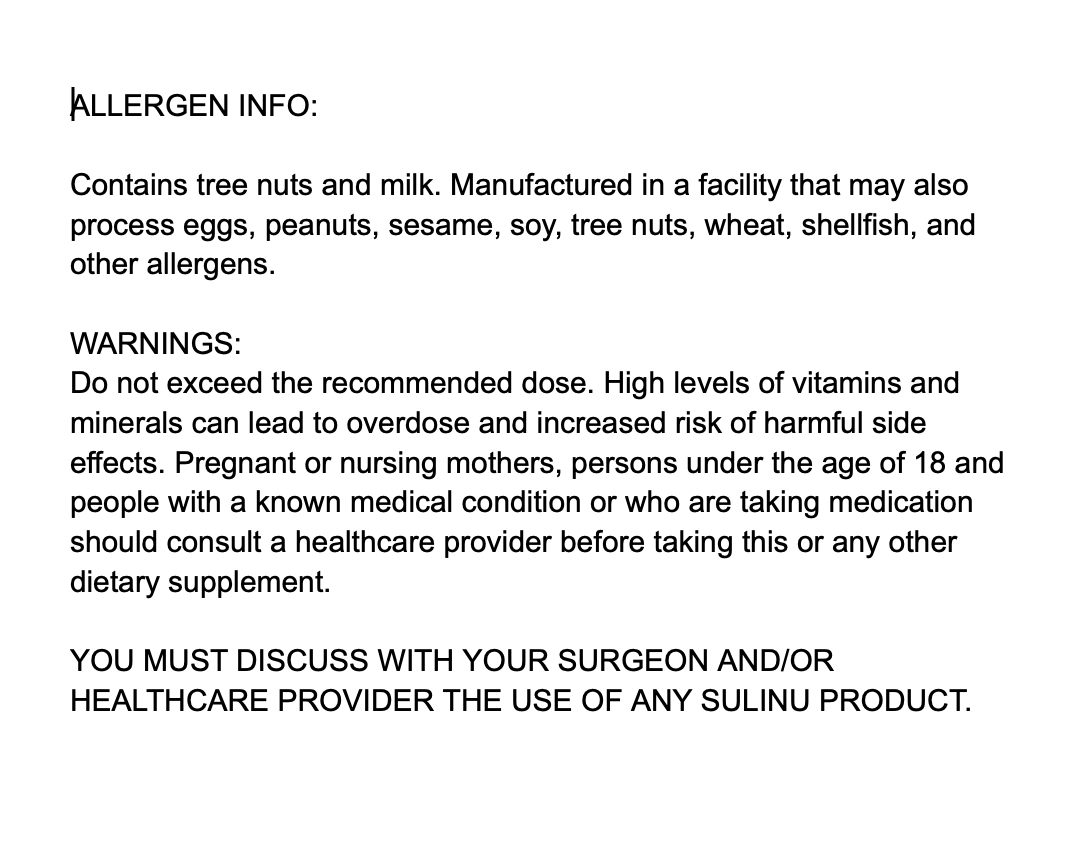
These statements have not been evaluated by the Food and Drug Administration. Sulinu's Before + After Vitals is not intended to diagnose, treat, cure, or prevent any disease.


![A promotional image for The PREP STARTER Kit [free shipping], showcasing its key benefits such as protein, vitamins, minerals, amino acids, probiotics, and enzymes. Featured as an essential pre-op supplement in your surgery prep kit, the product bag is displayed alongside fresh green vegetables on a light background.](http://www.sulinu.com/cdn/shop/files/12.jpg?v=1776452906&width=1080)
![A hand holds a scoop of white powder above an open bag of The PREP STARTER Kit [free shipping]. Text highlights that this research-based formula aids surgery recovery, delivers 19g of protein and 29 carefully selected ingredients per daily scoop—making The PREP STARTER Kit an essential addition to any surgery prep kit.](http://www.sulinu.com/cdn/shop/files/3.jpg?v=1776452906&width=1080)
![A ⭐BEST VALUE⭐ The Prep + Recovery Bundle [free shipping] package is displayed on a white background with text highlighting its clinical benefits and international sourcing, emphasizing improved nerve regeneration, better protein absorption, and faster healing—making it an ideal addition to any surgical recovery kit.](http://www.sulinu.com/cdn/shop/files/2.jpg?v=1776452906&width=1080)
![A woman’s face in close-up appears on the left. On the right, text explains post-surgery risks: metabolism rises, appetite drops, food intake falls, and nutrient needs soar. The message: your body needs more while you eat less—making The PREP STARTER Kit [free shipping] essential for recovery.](http://www.sulinu.com/cdn/shop/files/9.jpg?v=1776452906&width=1080)
![Text graphic explaining consequences of not fueling the healing body: slower wound healing, higher infection risk, more bruising, increased fatigue, pain, and constipation. Highlights that nutrition is essential for recovery but often overlooked—using The PREP STARTER Kit [free shipping] can help support your body and make all the difference for surgical recovery.](http://www.sulinu.com/cdn/shop/files/10.jpg?v=1776452906&width=1080)
![A smiling woman holding a box labeled The PREP STARTER Kit [free shipping] stands beside text explaining the purpose behind creating The PREP STARTER Kit: to support post-surgery recovery by providing targeted nutrition backed by real clinical data, serving as an essential surgery protein guide for patients seeking optimal outcomes.](http://www.sulinu.com/cdn/shop/files/14.jpg?v=1776452906&width=1080)
![A person in a fitted outfit poses against a neutral background. Text reads ⭐BEST VALUE⭐ The Prep + Recovery Bundle [free shipping]. Discover the ultimate surgery prep bundle—nutrition for cosmetic surgery and essential support for your recovery kit.](http://www.sulinu.com/cdn/shop/files/UltimateSurgeryBundle-Sulinu.png?v=1775162796&width=537)