This article is for informational purposes only and is not a substitute for medical advice from your surgeon or care team.
Protein shakes can support healing after cosmetic surgery when they are used to fill a real gap in your daily protein intake, not as a replacement for a full recovery nutrition plan. The short answer is yes, they help, but which shake helps, how much you need, and when you should drink it depends on the procedure, your appetite in the days after surgery, and what is actually in the product you choose.
This guide explains why protein needs change after surgery, what separates one protein shake from another, what to look for on a label, and where a comprehensive recovery supplement fits into a recovery plan.
Why Protein Needs Change After Cosmetic Surgery
Surgery creates a wound, and wounds require protein to close. Collagen synthesis, new tissue formation, and immune function all rely on a steady supply of amino acids. Some research suggests that surgical trauma can raise the body's protein requirements well above baseline levels during the first several weeks of recovery, at exactly the time when appetite, digestion, and food tolerance are often at their lowest.
This creates a gap. Most people do not eat enough whole-food protein in the first few days after a procedure because chewing is uncomfortable after facial surgery, nausea from anesthesia or pain medication reduces appetite, or general fatigue makes cooking and meal prep difficult. A liquid protein source can close that gap without requiring the same effort as a full meal.
Some research indicates that inadequate protein intake during wound healing is associated with slower tissue repair, a higher likelihood of wound complications, and reduced immune function. This does not mean any protein shake will resolve those risks. It means protein intake is one of several factors worth actively managing rather than leaving to chance.
The type of procedure also affects how much this matters. Procedures involving larger areas of tissue disruption, multiple surgical sites, or significant fat grafting generally place higher demands on the body's protein and micronutrient reserves than smaller, more localized procedures. Someone recovering from a combination procedure is working with a different nutritional starting point than someone recovering from a single, more contained surgery, even though both may be told to "increase protein" in general terms by their surgical team.
How Much Protein You Actually Need
Protein needs after cosmetic surgery vary based on procedure type, body weight, and how much tissue was affected during surgery. Some research suggests that surgical patients benefit from protein intake above the standard baseline recommendation for healthy, non-surgical adults, though the exact target should come from your surgeon or a registered dietitian familiar with your specific procedure and health history.
Rather than fixating on a single number, focus on consistency. Spreading protein intake across the day in smaller, more frequent servings is generally easier to tolerate after surgery than trying to consume large amounts in one sitting, particularly if nausea or a reduced appetite is present. A protein shake is one practical way to meet a smaller, more frequent protein target without needing a full meal each time.
Types of Protein Shakes: What the Differences Actually Mean
Not all protein shakes are built for the same situation. Understanding the basic categories makes it easier to choose one that fits your recovery window instead of picking based on marketing alone.
Whey Protein Isolate vs. Whey Protein Concentrate
Whey protein isolate goes through additional processing to remove most of the fat and lactose, resulting in a higher percentage of protein per scoop and a lighter texture. Whey protein concentrate retains more fat and lactose, which some people find creamier but harder to digest.
For the first one to two weeks after surgery, when digestion tends to be more sensitive due to anesthesia, pain medication, and reduced activity, an isolate is generally easier to tolerate than a concentrate. Patients with any degree of lactose sensitivity should pay particular attention to this distinction, since even a mild reaction can add unnecessary digestive discomfort during an already uncomfortable period.
Plant-Based Protein
Pea, rice, hemp-based, and vegetarian whey proteins are viable alternatives for patients who are lactose intolerant, vegan, or who simply find dairy-based shakes difficult to digest after surgery. Plant-based proteins vary more widely in amino acid completeness than whey, so a blend of multiple plant sources is generally preferable to a single-source formula if this is the route you choose.
Ready-to-Drink vs. Powder
Ready-to-drink shakes require no preparation, which eliminates the need to measure, blend, and clean equipment.
Powders are more cost-effective over time and allow more control over consistency, flavor, and customization for personal ingredient preferences, but they do require access to a blender or shaker and a source of liquid.
Clear/Juice-Style vs. Creamy
Clear, juice-style protein drinks are lighter and often easier to tolerate when nausea is present, since they do not carry the same heaviness as a creamy, milk-based shake. Creamy shakes tend to be more filling and are generally better suited to patients whose main challenge is getting enough calories and protein overall, rather than managing nausea.
What to Watch Out for on a Protein Shake Label
Not every protein shake marketed for "recovery" is built with surgical healing in mind. A few label details are worth checking before you commit to a product for your recovery window.
Added sugar.
Many flavored protein shakes rely heavily on added sugar to improve taste. Excess sugar intake has been linked in some research to increased inflammation, which runs counter to the goal of a recovery-focused diet. Checking the sugar content per serving, rather than assuming a "protein shake" label means it is automatically a healthy choice, is a worthwhile habit.
Artificial sweeteners and additives.
Some patients find that artificial sweeteners contribute to bloating or digestive discomfort, which is worth avoiding during a period when the digestive system is already under strain from anesthesia and pain medication.
Protein source and amount per serving.
Products vary significantly in how many grams of usable protein they actually deliver per serving. Reading past the front-of-package claims to the nutrition facts panel shows more clearly what you are actually getting.
Digestibility aids.
Some formulations include enzymes intended to support protein breakdown and absorption. This matters more during recovery than during normal daily use, since digestive efficiency is often temporarily reduced after surgery and after taking certain pain medications.
Allergen information.
Products processed in facilities that also handle common allergens should be reviewed carefully if you have any known sensitivities, since an additional digestive reaction is an avoidable complication during recovery.
What is missing, not just what is included.
A shake that delivers protein but nothing else still leaves gaps in vitamin C, zinc, and other nutrients involved in wound healing. This is where a standard protein shake and a surgery-specific nutrition product start to diverge.
Where a Comprehensive Recovery Supplement Fits In
A standard protein shake, even a well-formulated one, is built to deliver protein. It is not built to address the full range of nutritional needs that surgical recovery creates, including the vitamin C, zinc, collagen-building compounds, and digestive support that tissue repair depends on.

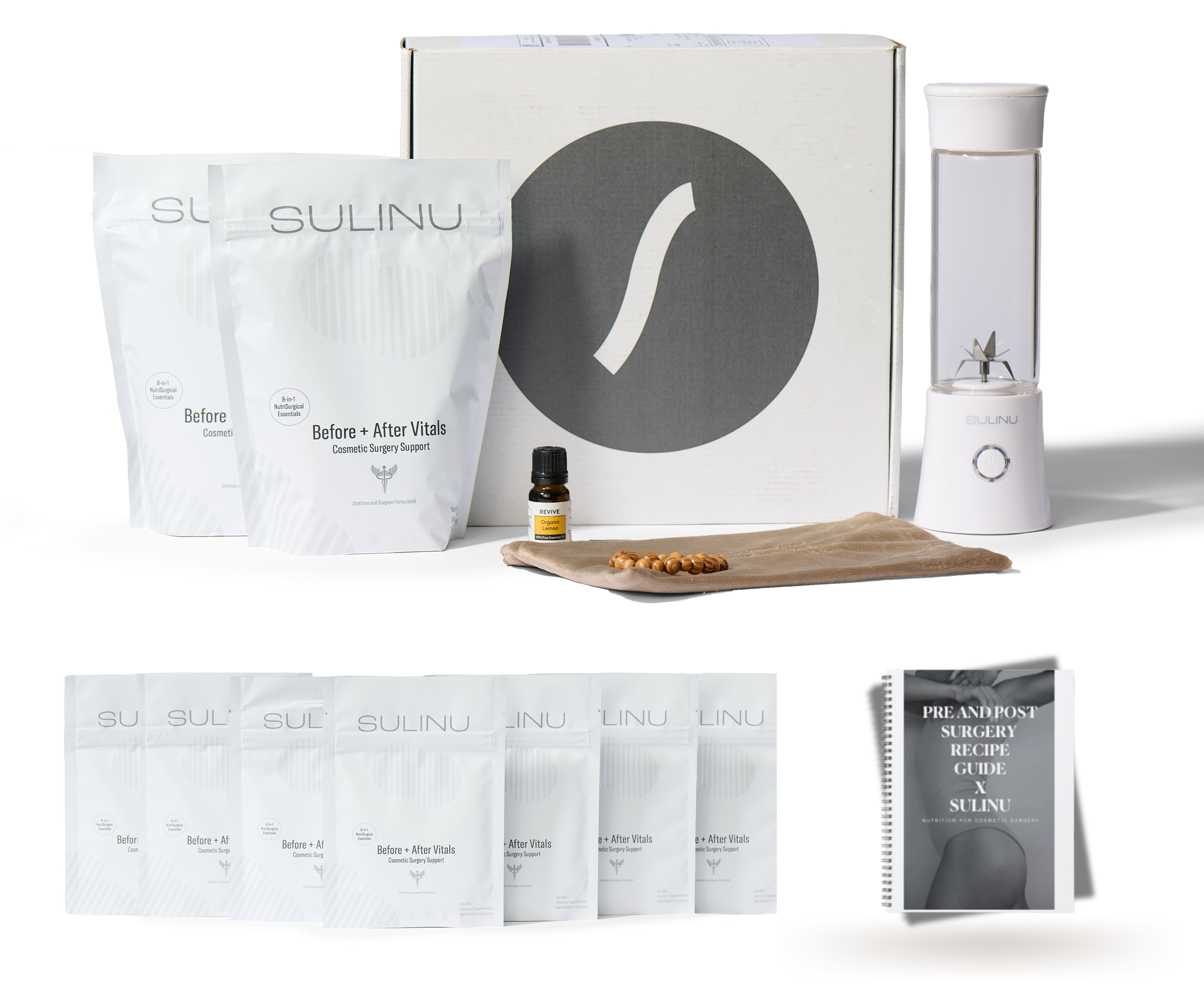
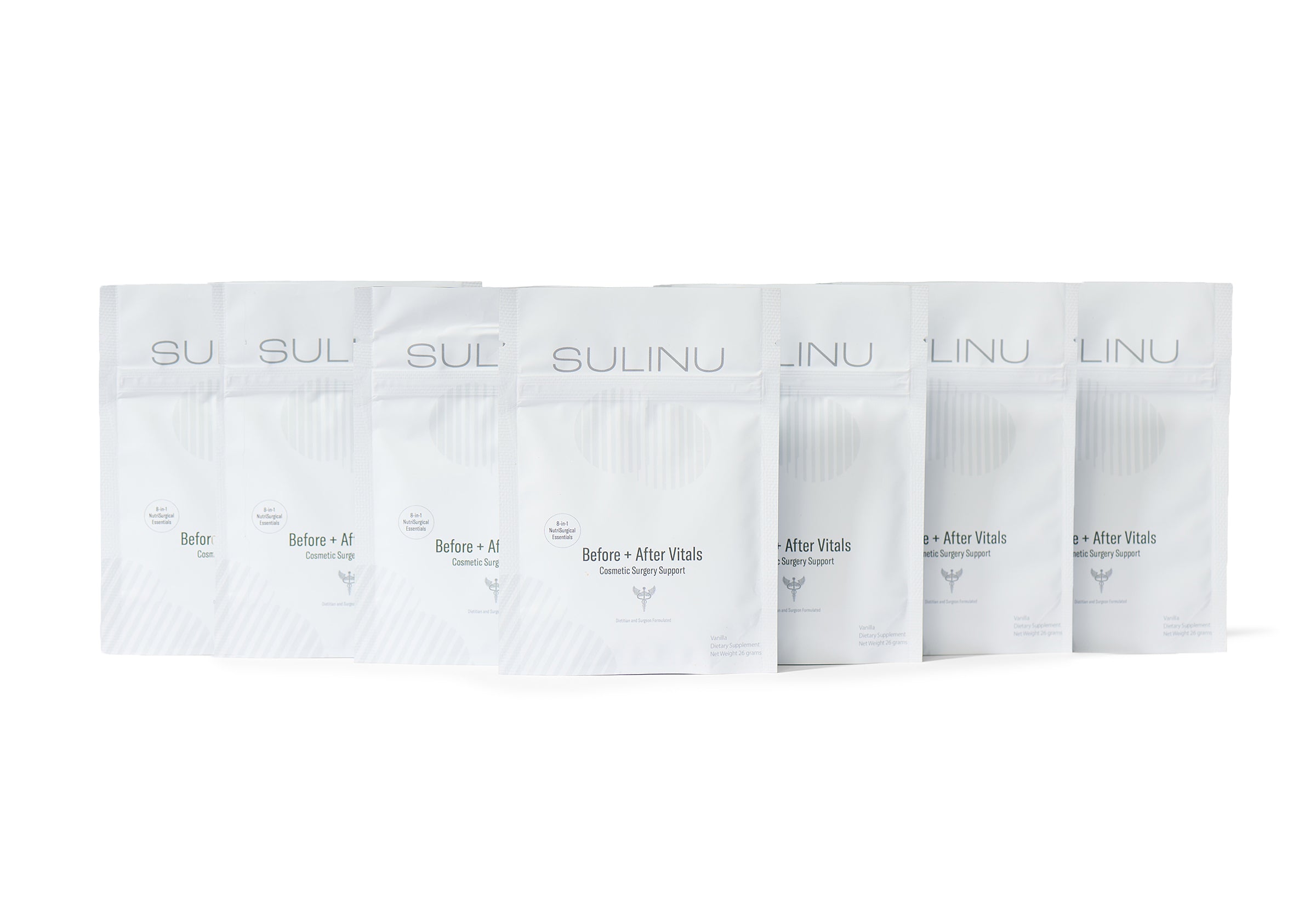
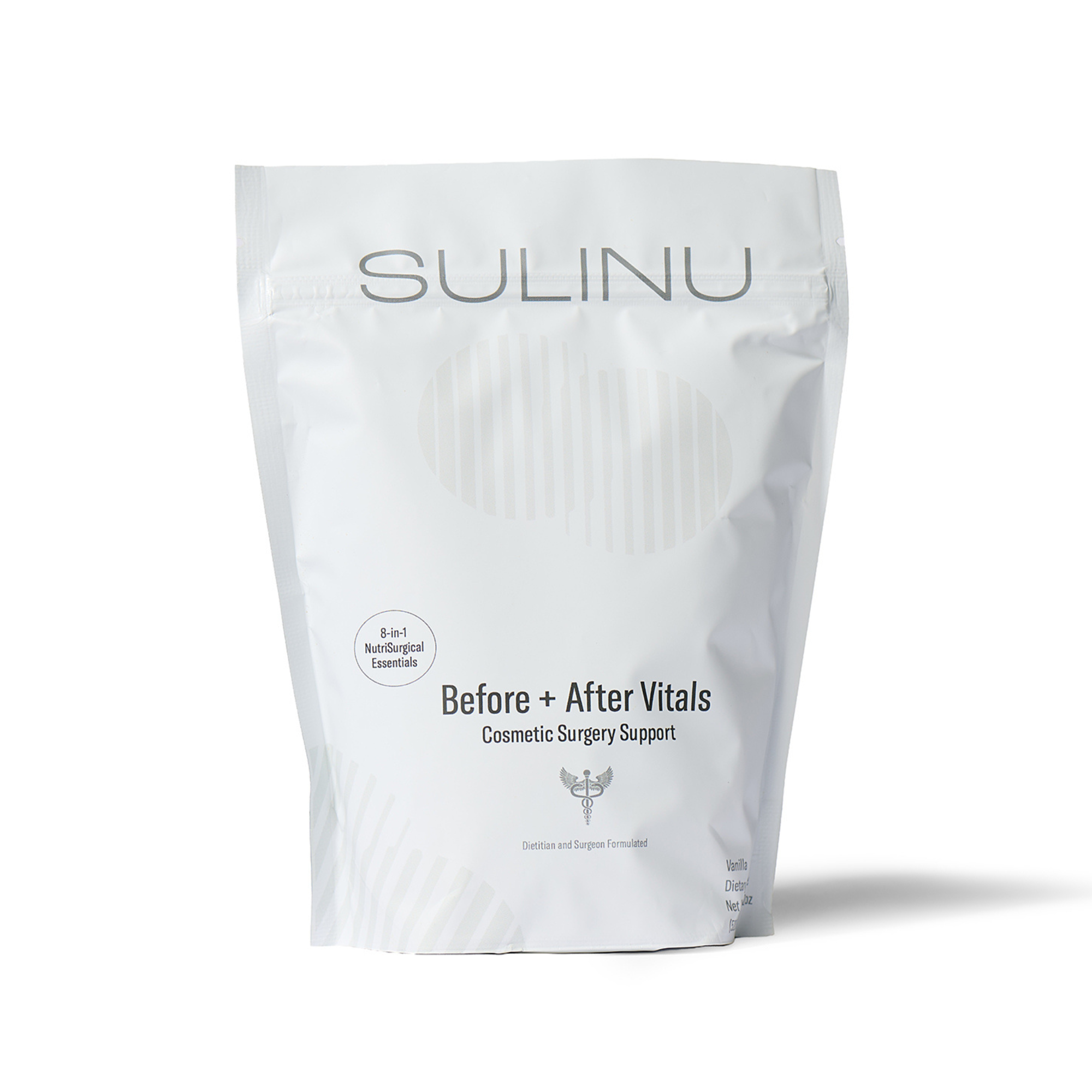
Before+ After Vitals: Surgeon-Approved Ingredients & Protein for Surgical Healing
BioEnhanced Vitamin C
A patented, rapid-absorbing form that some research suggests achieves significantly higher tissue retention than standard ascorbate formulations. Vitamin C is foundational to collagen synthesis, immune defense, and antioxidant protection during the inflammatory phase, all of which directly influence how your body manages bruising, swelling, and the quality of scar tissue over time. It's also formulated to avoid the GI side effects that typically make high-dose vitamin C difficult to tolerate post-surgery.
Hydrolyzed Collagen Peptides
A patented version that some studies indicate may support meaningful improvement in skin elasticity in a matter of weeks. Collagen peptides don't just add collagen. They signal skin cells to produce more of their own. This matters at every stage: for swelling resolution as tissues remodel, for bruising clearance as vascular integrity is restored, and for scar quality as new tissue architecture forms.
Protein + Proteolytic Enzymes
Patented enzymes that, when combined with protein - Before + After Vitals is packed with 19g of protein in each serving - some research suggests, can help double total amino acid absorption. Amino acids are the building blocks your body uses to repair incision tissue, clear inflammatory debris, and build new scar architecture. Getting more of them absorbed, not just consumed, is the goal.
Biome Synbiotics
Surgery disrupts gut health, and disrupted gut health disrupts everything else: nutrient absorption, immune function, inflammatory response. Prolonged bruising and swelling are often downstream of a gut that isn't processing and delivering nutrients efficiently. This patented prebiotic and probiotic blend is designed to survive stomach acid and arrive active in the gut, supporting the digestive foundation that makes all other healing nutrients work.
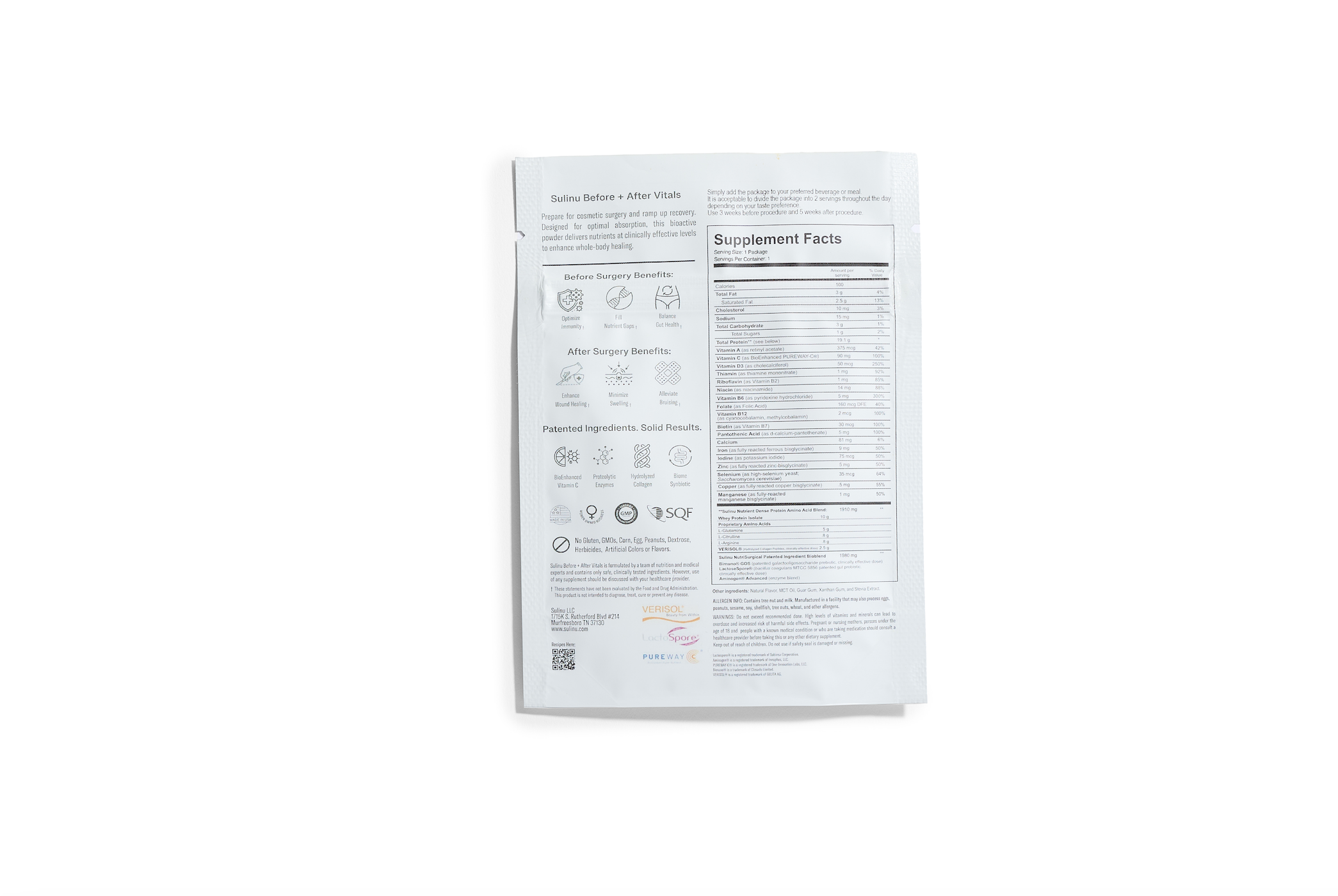
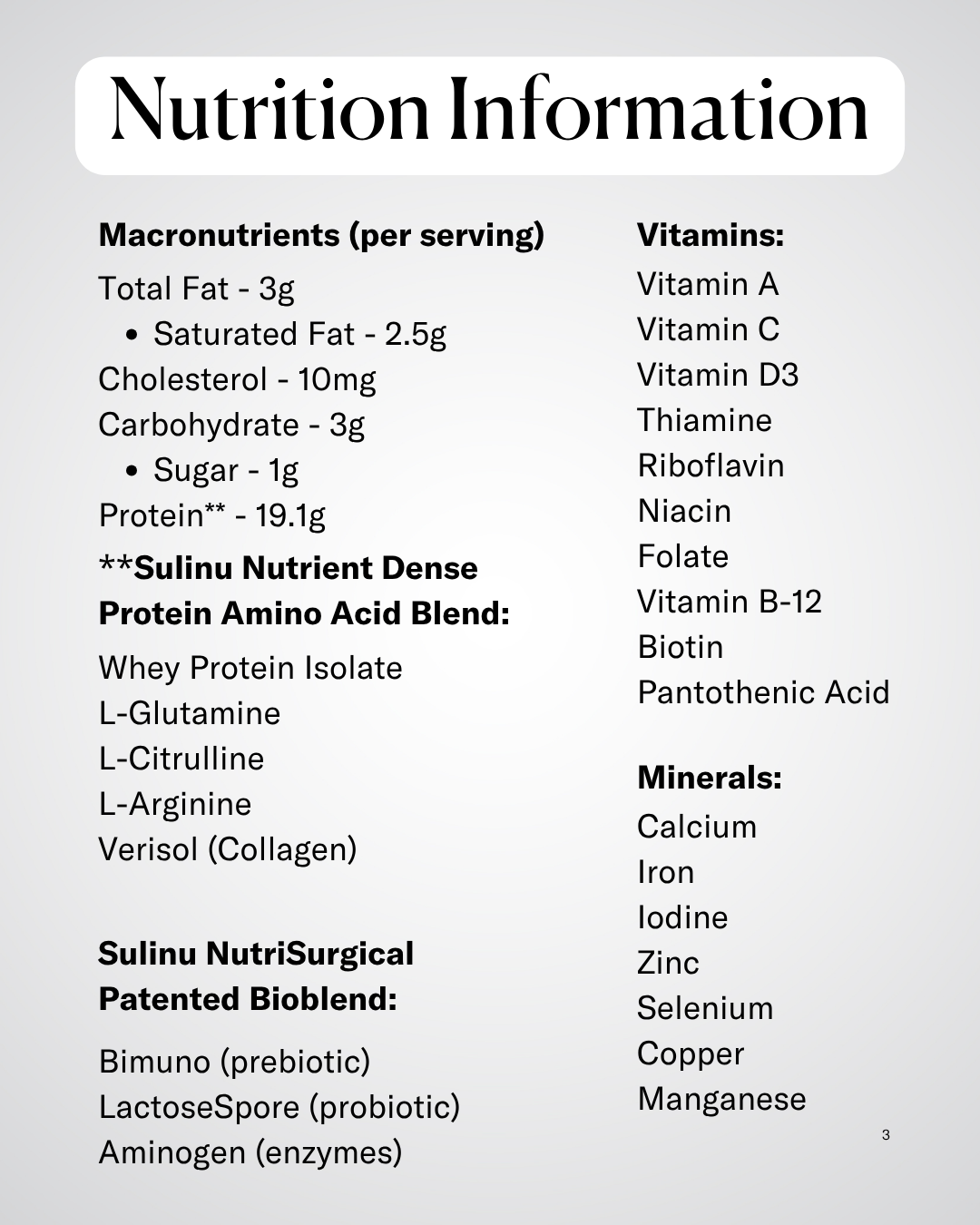
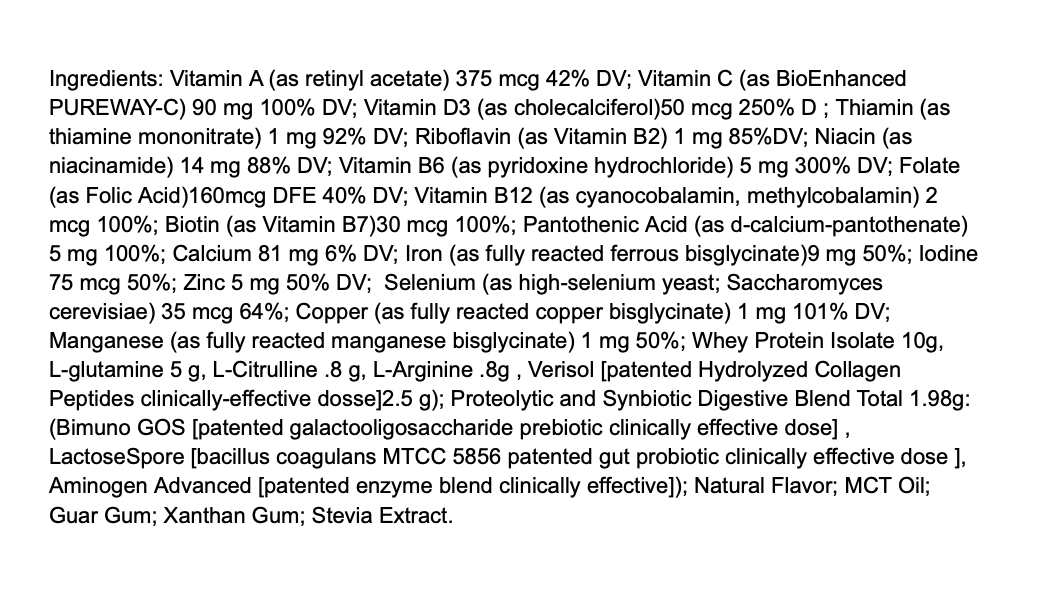
The formula also includes targeted amino acids (L-glutamine, L-citrulline, L-arginine), essential vitamins (A, B-complex, C, D3), and minerals (zinc, copper, manganese, iron) — all in clinically relevant dosages, not token inclusions.
No GMOs. No gluten. No artificial colors. No ingredients that interfere with each other. Everything in Before + After Vitals is there because it has a specific job in your recovery.
Scoop. Mix. Heal.
How much do I need to support my surgery recovery?
Our recommended protocol for post-surgical healing is at least:
1 bag before surgery
1 bag after surgery
Support your surgery recovery with our VIP Bundle and get everything you need for before and after surgery. You can also get a discount with a subscription plan.

Already recovering from surgery?
Have you already had surgery and are wondering if this will still help? The short answer: yes, absolutely! Your tissue takes up to one year to heal. Starting now still counts.
How Before + After Vitals Compares to a Standalone Protein Shake
The practical difference comes down to what each product is trying to solve. A standalone protein shake addresses one variable: a certain quantity of grams of protein per serving.
Before + After Vitals was built around a different question, which is what a body actually needs throughout the entire surgical healing process, not just in the first week.
A few distinctions worth understanding before choosing between the two:
Ingredient count.
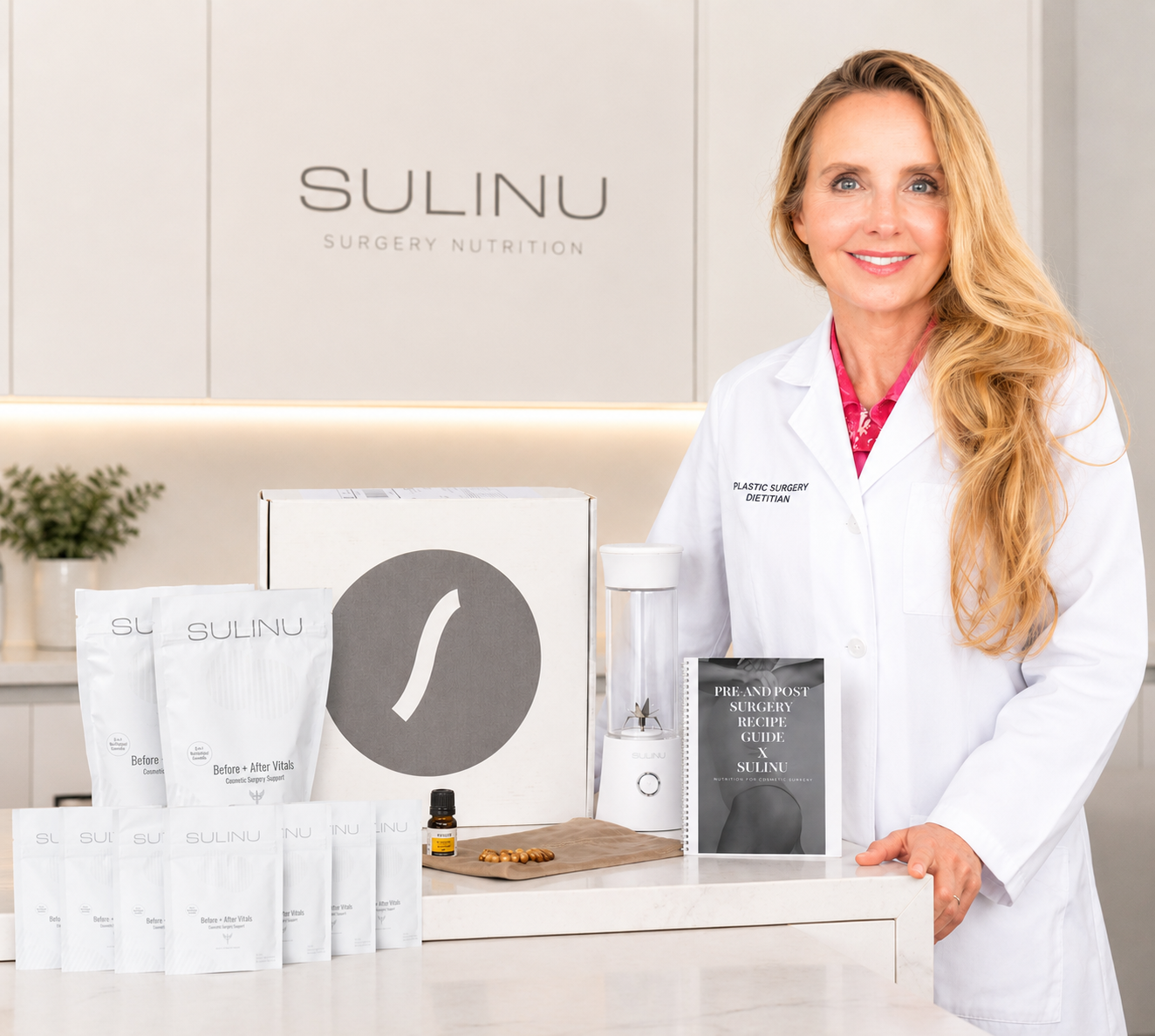
A typical protein shake lists a protein source, sometimes a few vitamins, and flavoring. Before + After Vitals delivers 26 surgical essentials in one scoop, combining a protein base with the vitamins, minerals, and specialized compounds involved in wound healing.
Formulation intent.
Standard protein shakes are formulated for general fitness or meal replacement. Before + After Vitals is formulated specifically around the nutritional demands of cosmetic surgery recovery, which is a meaningfully different physiological situation than daily maintenance nutrition.
What is excluded.
Certain vitamins and compounds that are appropriate for everyday use are not appropriate in the surgical window. A general-purpose protein shake is not built with that distinction in mind. A surgery-specific formula is.
Consolidation.
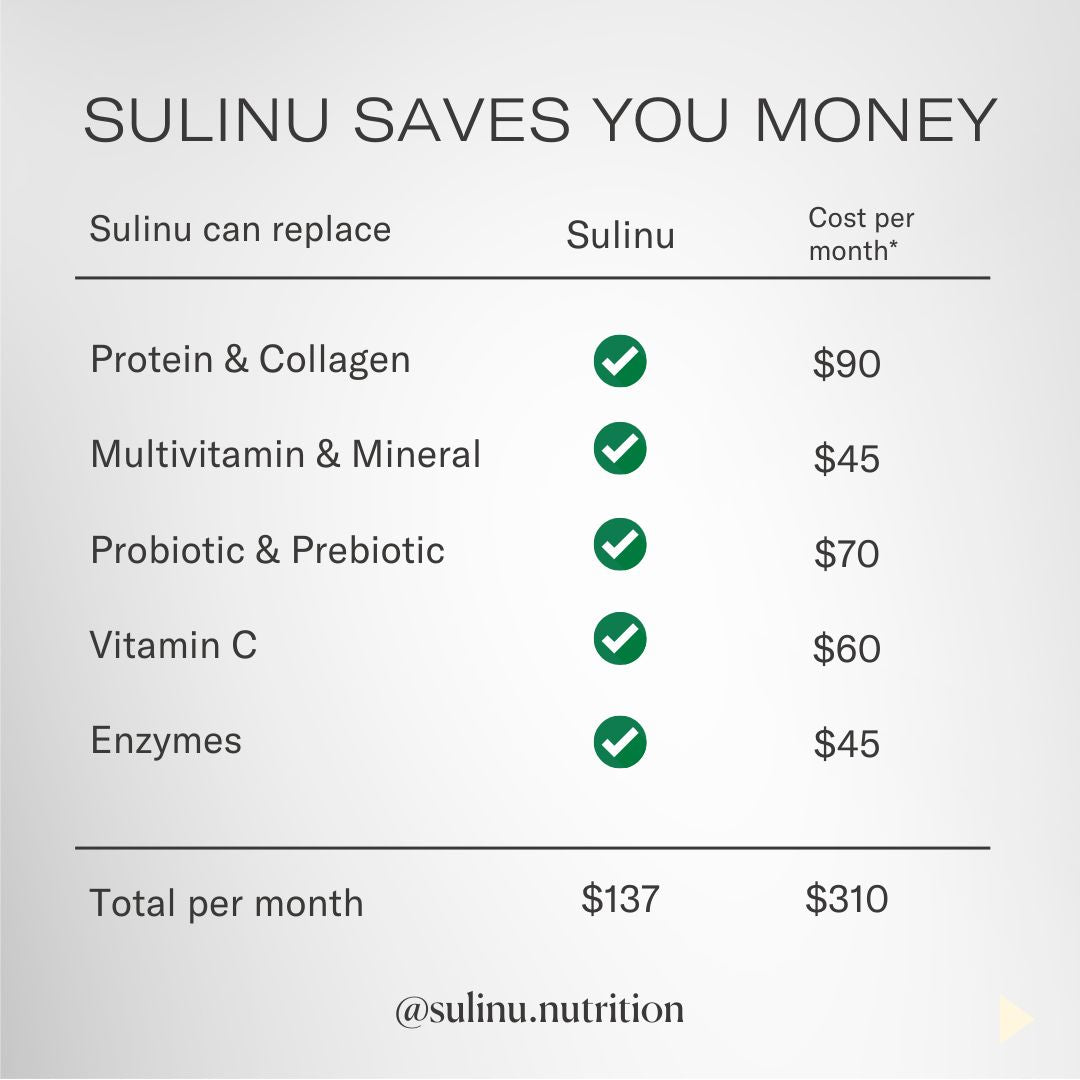
Rather than managing a separate protein shake alongside a stack of individual vitamin and mineral supplements, the goal behind Scoop. Mix. Heal. is to reduce that routine to a single scoop mixed into liquid, which matters most in the early days when managing multiple separate products is harder to sustain.
Timing: When to Drink Protein Shakes During Recovery
Timing matters as much as the product itself.
If you can start a protein-rich supplement before your procedure, that's the ideal. A few general guidelines apply across most cosmetic procedures, though your surgeon's specific instructions should always take priority.
Immediately after surgery.
In the first 24 to 48 hours, focus on small, frequent sips rather than a full serving at once. Nausea from anesthesia is common during this window, and a smaller volume is easier to tolerate.
Relative to pain medication.
Taking a protein shake alongside food or a partial meal, rather than on an empty stomach, can reduce the nausea that some pain medications cause. Checking with your care team about any specific interactions between your medication and dietary supplements is worthwhile before combining them.
As appetite returns.
As solid food becomes more appealing, many patients shift protein shakes from a primary food source to a supplement between meals, using them to close any remaining gap between what they eat and what their recovery requires. This is also the point where some patients reassess whether a standalone protein shake is still meeting their needs, or whether a more complete formula would better support the nutrient demands of the weeks ahead.
Mixing consistency.
How a product mixes affects whether patients actually finish a serving. A powder that clumps or leaves a chalky texture is more likely to go unfinished, particularly when nausea is already a factor. Before + After Vitals is formulated as a fine, quick-dissolving powder for this reason, since a product that sits unused in the pantry provides no nutritional benefit regardless of what is in it.
Common Mistakes to Avoid
Relying on shakes exclusively for too long.
Protein shakes are a short-term solution for periods when eating normally is difficult, not a permanent replacement for whole food. Transitioning back to solid food as tolerance allows supports a more complete nutrient intake overall.
Choosing based on taste alone.
A shake that tastes appealing but is high in added sugar or offers minimal actual protein per serving does not serve the same purpose as a well-formulated option, even if it is easier to drink.

Ignoring other nutritional needs.
Protein is one part of wound healing, not the only requirement. Vitamin C, zinc, and adequate hydration all play documented roles in tissue repair, and a protein-only approach can leave meaningful nutritional deficits.
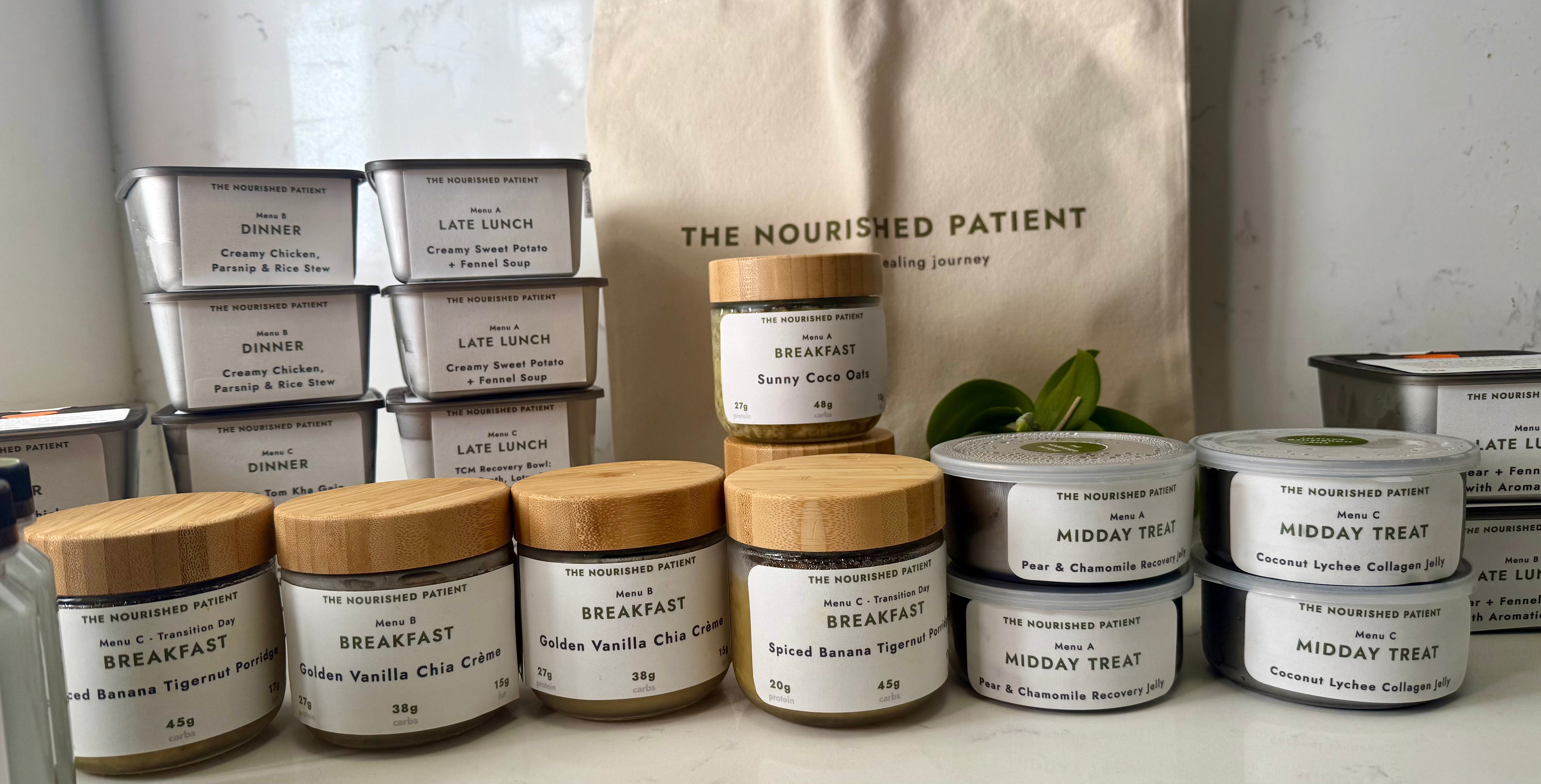
Not sure where to start beyond protein? Sulinu's Ultimate Surgery Bundle rounds out the picture with guides on hydration, meal planning, and more, with eight expert resources covering the parts of recovery nutrition a shake alone doesn't touch.
Not checking with your surgeon before starting a new supplement.
Some ingredients, including certain herbal additives sometimes found in wellness-marketed shakes, are not appropriate in the immediate pre- or post-surgical window. Reviewing any new product with your surgical team before your procedure avoids unnecessary risk.
FAQs: Protein Shakes After Surgery
Can I drink a protein shake the day of my surgery?
This depends entirely on your surgeon's pre-operative instructions, since most procedures require fasting for a set period before anesthesia. Follow your surgeon's specific fasting guidelines rather than general recovery advice for this question.
Will a protein shake alone provide everything I need to heal?
No single product replaces a full recovery nutrition plan. Protein is one component of wound healing alongside vitamin C, zinc, hydration, and other nutrients, which is why a comprehensive formula is generally more effective than protein alone.
How long should I continue using protein shakes after surgery?
Many patients use shakes most heavily in the first two to four weeks, when appetite and food tolerance are most affected, then reduce reliance on them as normal eating resumes. Your specific timeline should be guided by your surgeon or a dietitian familiar with your procedure.
Is a higher protein content per serving always better?
Not necessarily. A very high protein load in a single serving can be harder to tolerate for some patients, particularly in the first few days after surgery. Spreading a moderate amount across more frequent servings is often easier to manage than maximizing grams per serving.
Can I mix a recovery supplement like Before + After Vitals with other protein shakes?
Combining multiple protein sources in the same day can lead to excessive protein or duplicate ingredients. Reviewing your full supplement and shake routine with your surgeon or dietitian helps avoid unnecessary overlap.
Medical Disclaimer
The information provided in this article is for general educational purposes only and is not intended to constitute medical advice, diagnosis, or treatment.
Every individual's healing process is unique, and outcomes vary based on a wide range of factors, including health status, surgical technique, and post-operative care. Always follow the specific guidance of your board-certified plastic surgeon and medical team.
If you experience any concerning symptoms during recovery — including signs of infection, wound separation, or unusual pain — contact your surgical team immediately.
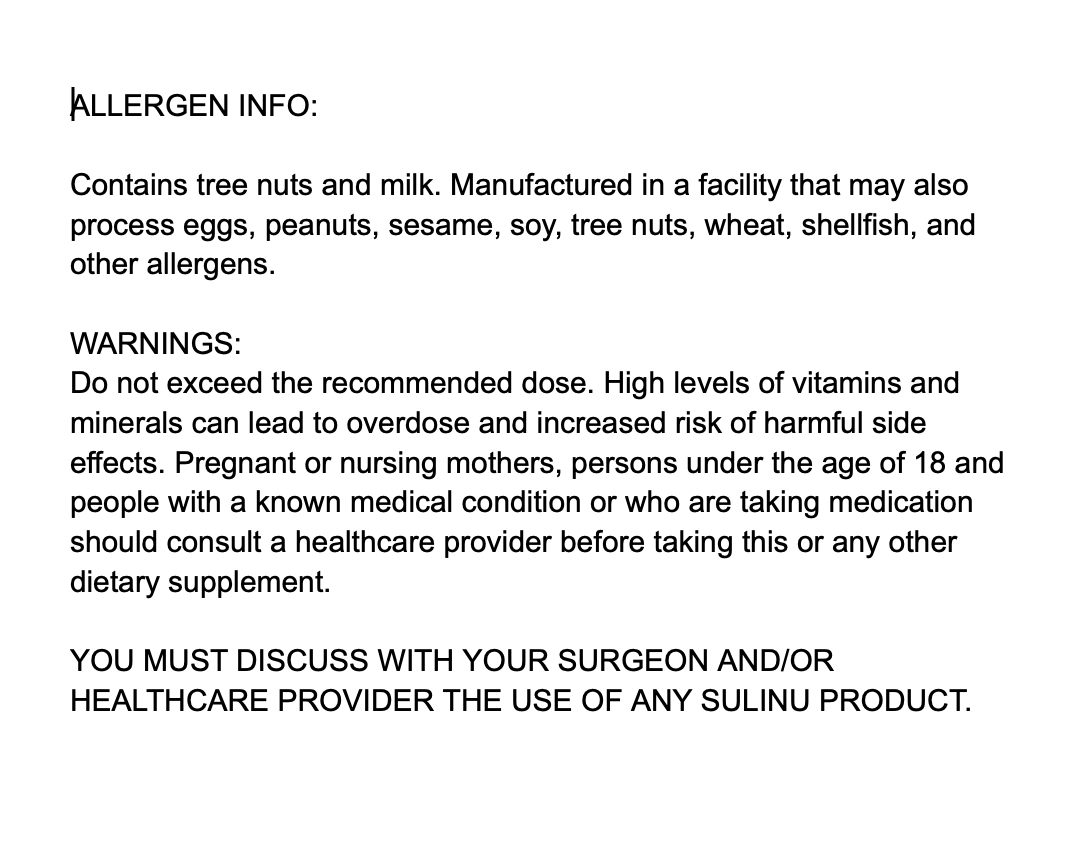
These statements have not been evaluated by the Food and Drug Administration. Sulinu's Before + After Vitals is not intended to diagnose, treat, cure, or prevent any disease.

![A ⭐BEST VALUE⭐ The Prep + Recovery Bundle [free shipping] package is displayed on a white background with text highlighting its clinical benefits and international sourcing, emphasizing improved nerve regeneration, better protein absorption, and faster healing—making it an ideal addition to any surgical recovery kit.](http://www.sulinu.com/cdn/shop/files/2.jpg?v=1776452906&width=1080)
![A promotional image for The PREP STARTER Kit [free shipping], showcasing its key benefits such as protein, vitamins, minerals, amino acids, probiotics, and enzymes. Featured as an essential pre-op supplement in your surgery prep kit, the product bag is displayed alongside fresh green vegetables on a light background.](http://www.sulinu.com/cdn/shop/files/12.jpg?v=1776452906&width=1080)
![A hand holds a scoop of white powder above an open bag of The PREP STARTER Kit [free shipping]. Text highlights that this research-based formula aids surgery recovery, delivers 19g of protein and 29 carefully selected ingredients per daily scoop—making The PREP STARTER Kit an essential addition to any surgery prep kit.](http://www.sulinu.com/cdn/shop/files/3.jpg?v=1776452906&width=1080)
![A woman’s face in close-up appears on the left. On the right, text explains post-surgery risks: metabolism rises, appetite drops, food intake falls, and nutrient needs soar. The message: your body needs more while you eat less—making The PREP STARTER Kit [free shipping] essential for recovery.](http://www.sulinu.com/cdn/shop/files/9.jpg?v=1776452906&width=1080)
![Text graphic explaining consequences of not fueling the healing body: slower wound healing, higher infection risk, more bruising, increased fatigue, pain, and constipation. Highlights that nutrition is essential for recovery but often overlooked—using The PREP STARTER Kit [free shipping] can help support your body and make all the difference for surgical recovery.](http://www.sulinu.com/cdn/shop/files/10.jpg?v=1776452906&width=1080)
![A smiling woman holding a box labeled The PREP STARTER Kit [free shipping] stands beside text explaining the purpose behind creating The PREP STARTER Kit: to support post-surgery recovery by providing targeted nutrition backed by real clinical data, serving as an essential surgery protein guide for patients seeking optimal outcomes.](http://www.sulinu.com/cdn/shop/files/14.jpg?v=1776452906&width=1080)
![A person in a fitted outfit poses against a neutral background. Text reads ⭐BEST VALUE⭐ The Prep + Recovery Bundle [free shipping]. Discover the ultimate surgery prep bundle—nutrition for cosmetic surgery and essential support for your recovery kit.](http://www.sulinu.com/cdn/shop/files/UltimateSurgeryBundle-Sulinu.png?v=1775162796&width=537)