This article is for informational purposes only and is not a substitute for professional medical advice. Always consult your board-certified plastic surgeon regarding your specific procedure and recovery plan.
A Mommy Makeover combines multiple procedures into a single surgical event, which means most patients are managing more than one incision site at once. Understanding where those incisions will be placed, how they typically heal, and what actually influences the outcome can help you set realistic expectations and prepare effectively.
This guide covers scarring across the procedures commonly included in a Mommy Makeover, with a focus on what changes when multiple incision sites are healing at once.
Why Mommy Makeover Scarring Is Different
A Mommy Makeover typically combines two or more procedures. These are most often a combination of breast augmentation, breast lift, breast reduction, tummy tuck, and liposuction, performed in one surgical session. That means most patients are healing several incision sites at once rather than one.
Combined procedures generally mean longer total time under anesthesia, which can affect overall inflammation and initial swelling. Your body is also directing healing resources toward multiple sites simultaneously rather than one. Some research suggests overall nutritional status plays a meaningful role in how well multiple incision sites heal in parallel, which is covered in more detail later in this guide.
None of this means combined-procedure scarring is inherently worse. It means the healing picture is more complex, and each incision site is worth understanding individually.
Incision Locations by Procedure
Where your incisions are placed depends on which procedures make up your specific Mommy Makeover.
Breast Augmentation
Breast augmentation incisions are typically placed in the crease under the breast, around the areola, or in the armpit. Crease incisions are the most common and tend to be well-concealed.
Breast Lift
Breast lift patterns range from a scar limited to around the areola to a "lollipop" or full "anchor" pattern, depending on the amount of correction needed. More correction generally means more incision length.
Breast Reduction
A breast reduction typically uses a similar anchor-style pattern to a more extensive breast lift, since tissue is being removed rather than repositioned.
Tummy Tuck
A full tummy tuck involves a horizontal incision low on the abdomen, usually below the bikini line, plus a second incision circling the navel. A mini tuck addresses only the area below the belly button with a shorter incision and no navel scar.
Liposuction
Lipo incisions are small, generally a quarter inch or less, and placed in inconspicuous spots near the treatment area. Multiple treated areas mean multiple small incision points, though each is typically less visible than a lift or reduction scar.
Arm or Thigh Lift (when included)
An arm lift incision typically runs along the inner arm toward the armpit. A thigh lift follows the inner thigh or groin crease.
Your surgeon will place incisions where they can be concealed by underwear, swimwear, or natural body folds whenever the procedure allows for it.
More procedures generally mean more incision sites to monitor, but not necessarily worse scarring at any individual site. Each incision still heals according to its own location, tension, and your individual healing factors. A tummy tuck and full breast lift combined will typically involve more total incision length than a breast augmentation with a mini tuck, simply because more tissue is being repositioned or removed.
The Scar Healing Timeline for Combined Procedures
Because a Mommy Makeover typically involves multiple incision sites, it's common for different scars to progress through the healing stages at slightly different rates, depending on tension, location, and blood supply.
Weeks 1–2
Incisions are closed and covered. Scars appear pink or red and may feel firm — this is the inflammatory phase, when the body is actively closing the wound.
Weeks 3–6
Scars typically remain pink to red and firm to the touch as the body lays down new collagen — the proliferative phase.
Months 2–4
Scars generally begin to flatten and soften, with color starting to lighten, though this varies by skin tone and individual healing.
Months 4–12
The remodeling phase, typically the longest, is when collagen fibers reorganize, and the scar continues to mature.
Months 12–24
Scars generally reach their final appearance, though some research suggests maturation can continue in a smaller way beyond two years for certain skin types.
Because each incision site heals on its own timeline, it's normal to see one scar looking more advanced than another at the same point in recovery.
What Affects Your Scar Outcome
Genetics
Some individuals are more prone to hypertrophic scars or keloids, a tendency that's largely inherited and not something surgical technique alone can fully override.
Skin type and tone
Some research suggests darker skin tones are more prone to hyperpigmentation and keloid formation, while fair, sun-sensitive skin tends toward visible redness that persists longer.
Incision tension
Areas under more tension after closure — tummy tuck incisions compared to liposuction points, for example — tend to widen or thicken more than low-tension areas.
Combined-procedure factors
Longer total surgical and anesthesia time, more common with multiple procedures, has been associated in some research with a somewhat longer initial inflammatory phase. This doesn't necessarily mean worse long-term scarring, but it can mean a longer visible recovery window.
Aftercare adherence
How closely you follow post-operative instructions is generally considered one of the more controllable factors in final scar quality
Nutritional status, hydration, and health conditions
Adequate nutrition and hydration support the collagen-building process, while certain medications or conditions like diabetes can affect healing speed. Disclosing your full medical history lets your surgeon factor this into your plan.

Minimizing Scarring: A Pre-Op and Post-Op Protocol
Before surgery
Avoid smoking and nicotine, which restrict blood flow to healing tissue. Stop blood-thinning supplements (fish oil, vitamin E, garlic, ginkgo) on your surgeon's timeline. Discuss any personal or family history of keloid scarring. Many patients begin a nutritional support protocol like Sulinu's Before + After Vitals roughly three weeks out, as approved by their surgeon, which is covered in detail in the next section.
After surgery
Keep incisions clean, dry, and protected exactly as instructed. Wear compression garments as directed. Avoid stretching or straining incision sites during early healing, particularly around the abdomen. Begin sun protection as soon as your surgeon approves it. Some research indicates UV exposure on immature scar tissue is among the more common causes of permanent discoloration. Follow your surgeon's guidance on introducing silicone sheeting or scar gel. Support your nutritional needs throughout recovery, not just the first two weeks, since collagen remodeling continues for months after incisions close.
Nutrition's Role in Scar Quality
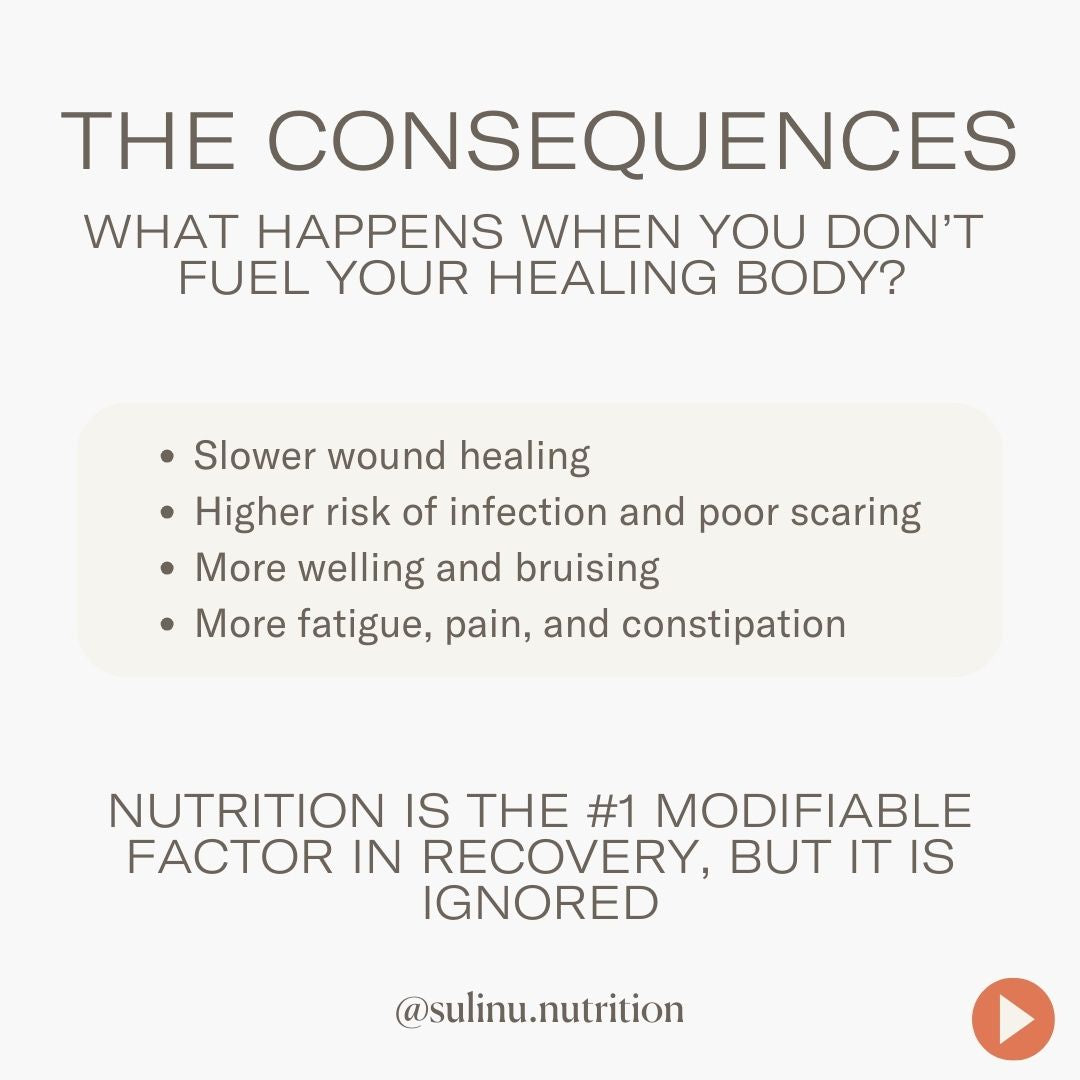
Wound healing is a nutrient-intensive process. Collagen synthesis, immune function, and tissue repair all depend on adequate protein, vitamin C, zinc, and other micronutrients, and some research indicates surgical patients often have higher nutritional needs during recovery than their regular diet provides. That demand is generally greater after a Mommy Makeover than after a single procedure, since more than one incision site draws on the same nutritional reserves at once.
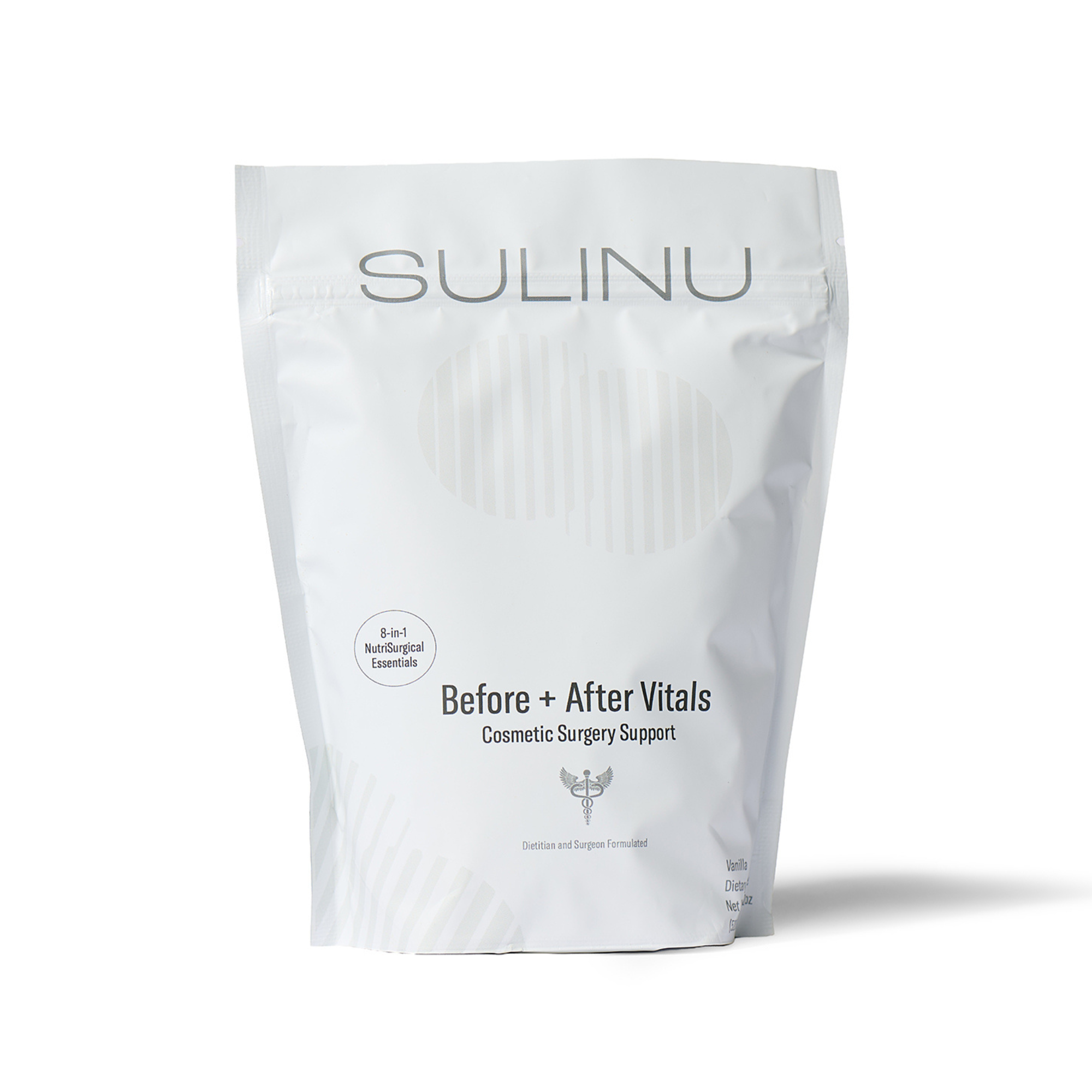
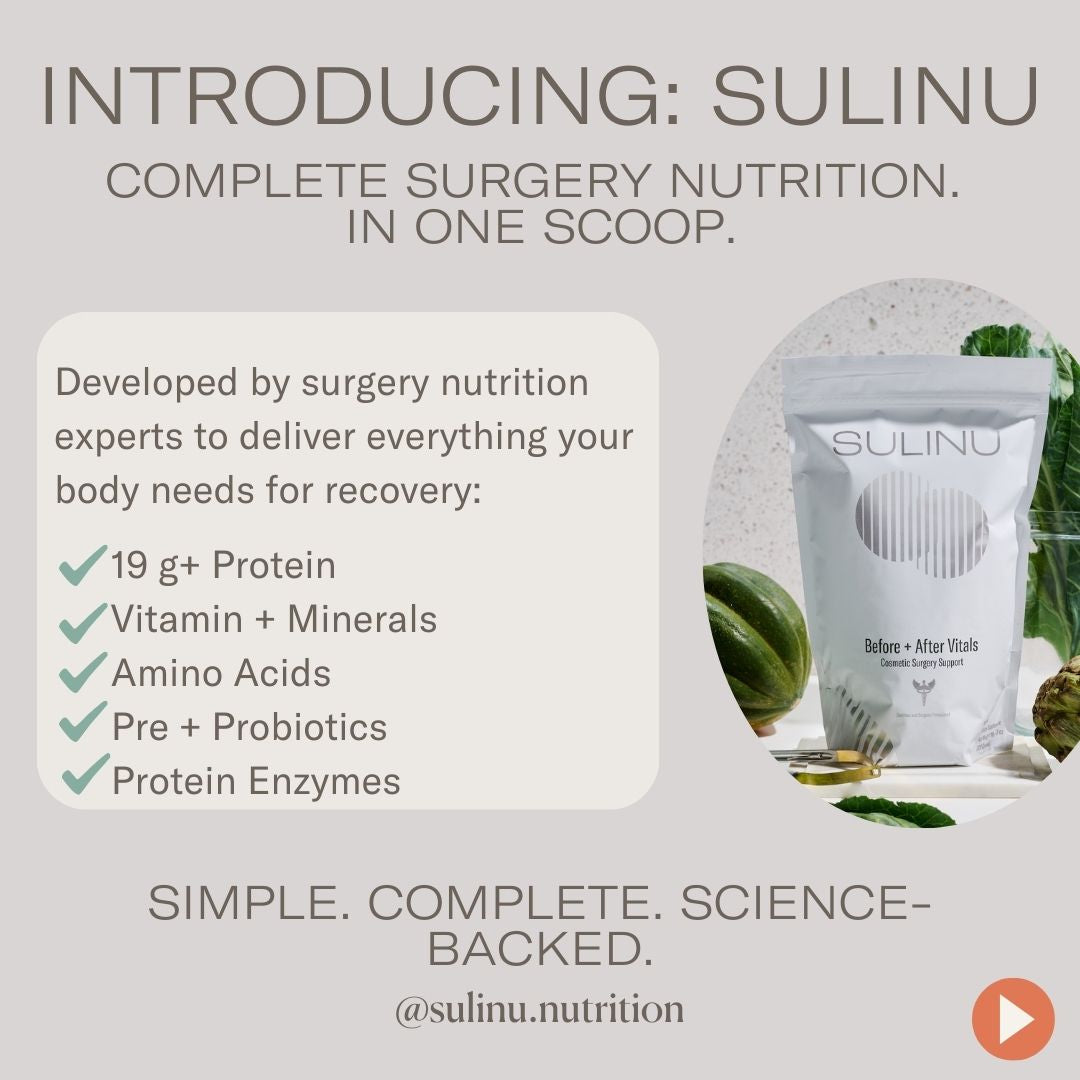
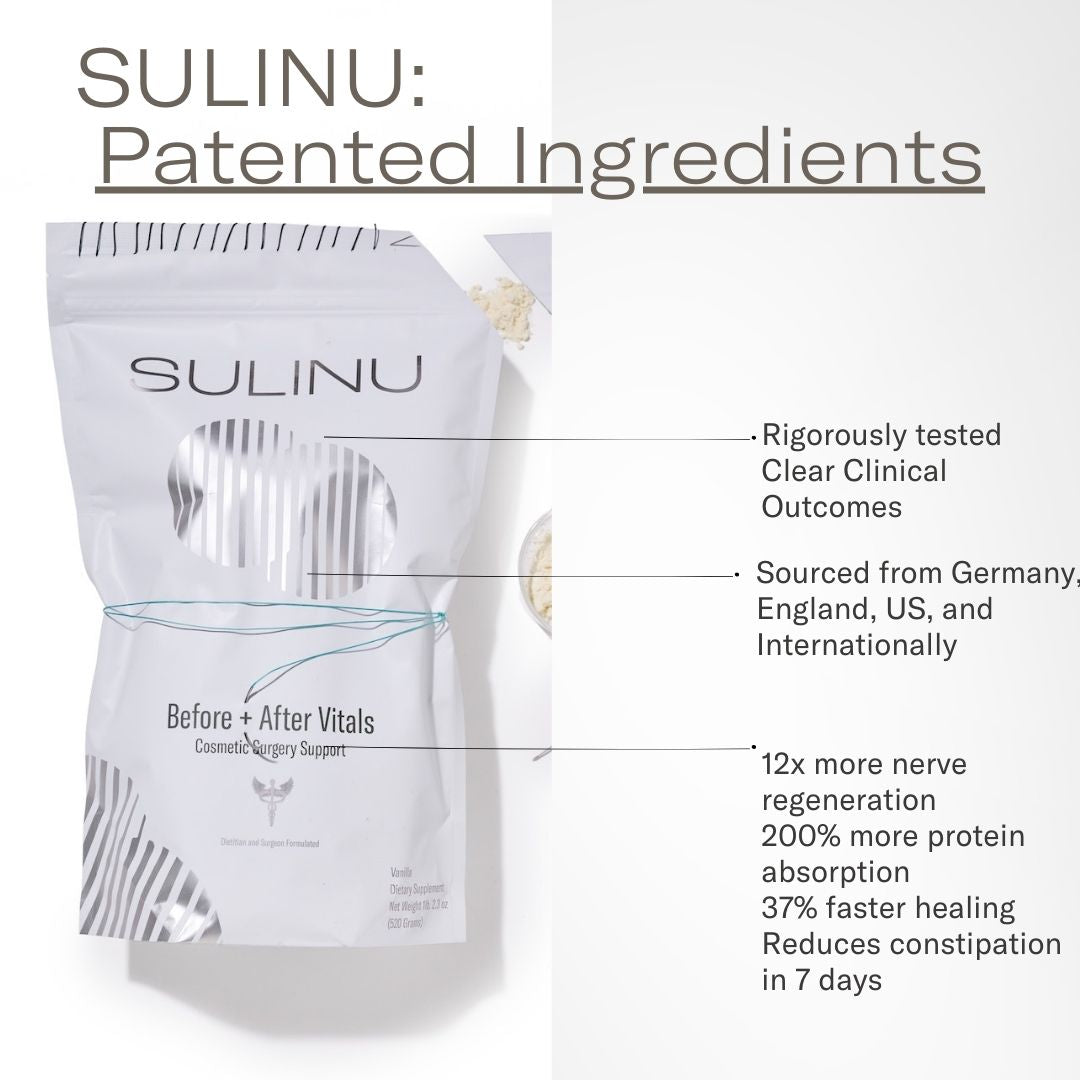
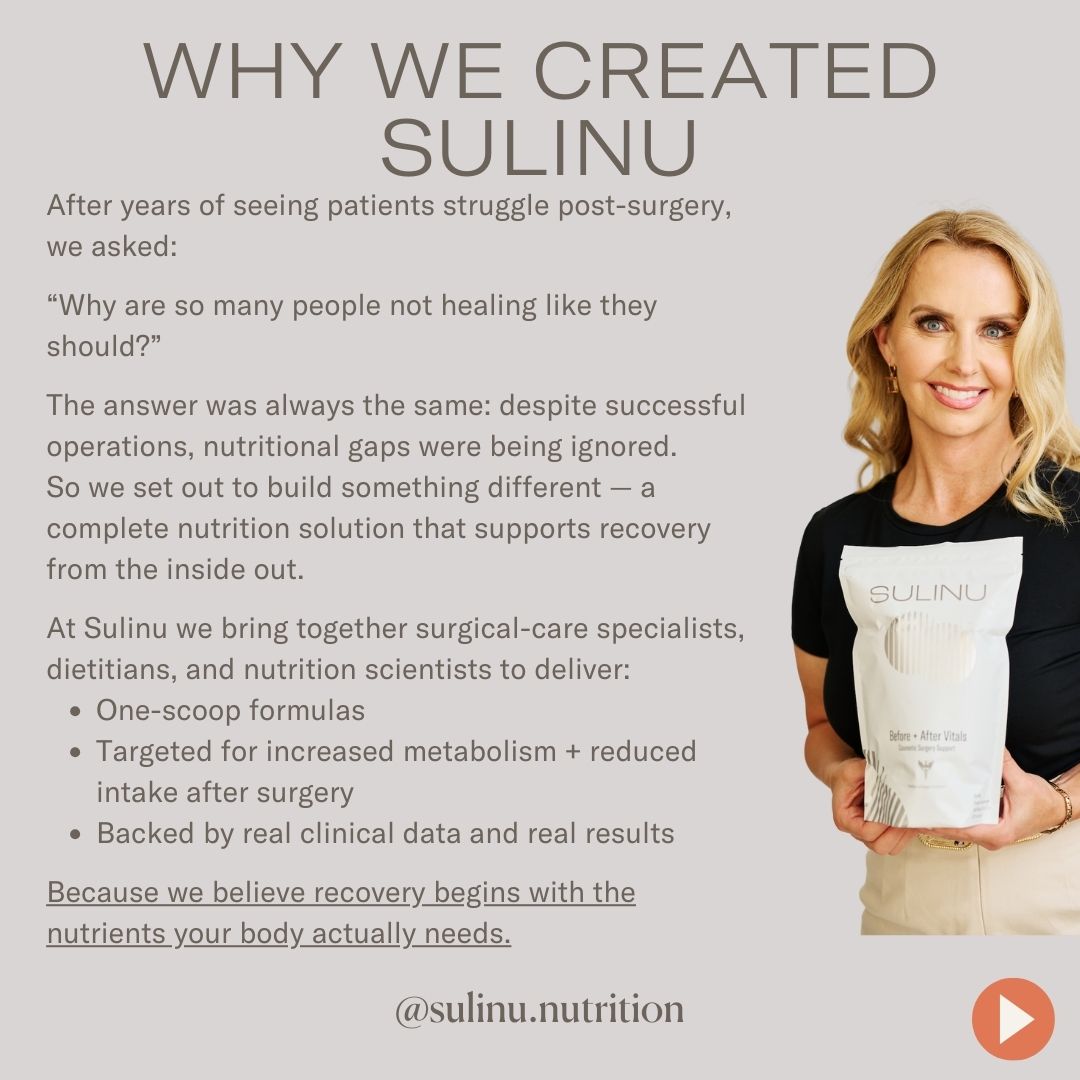
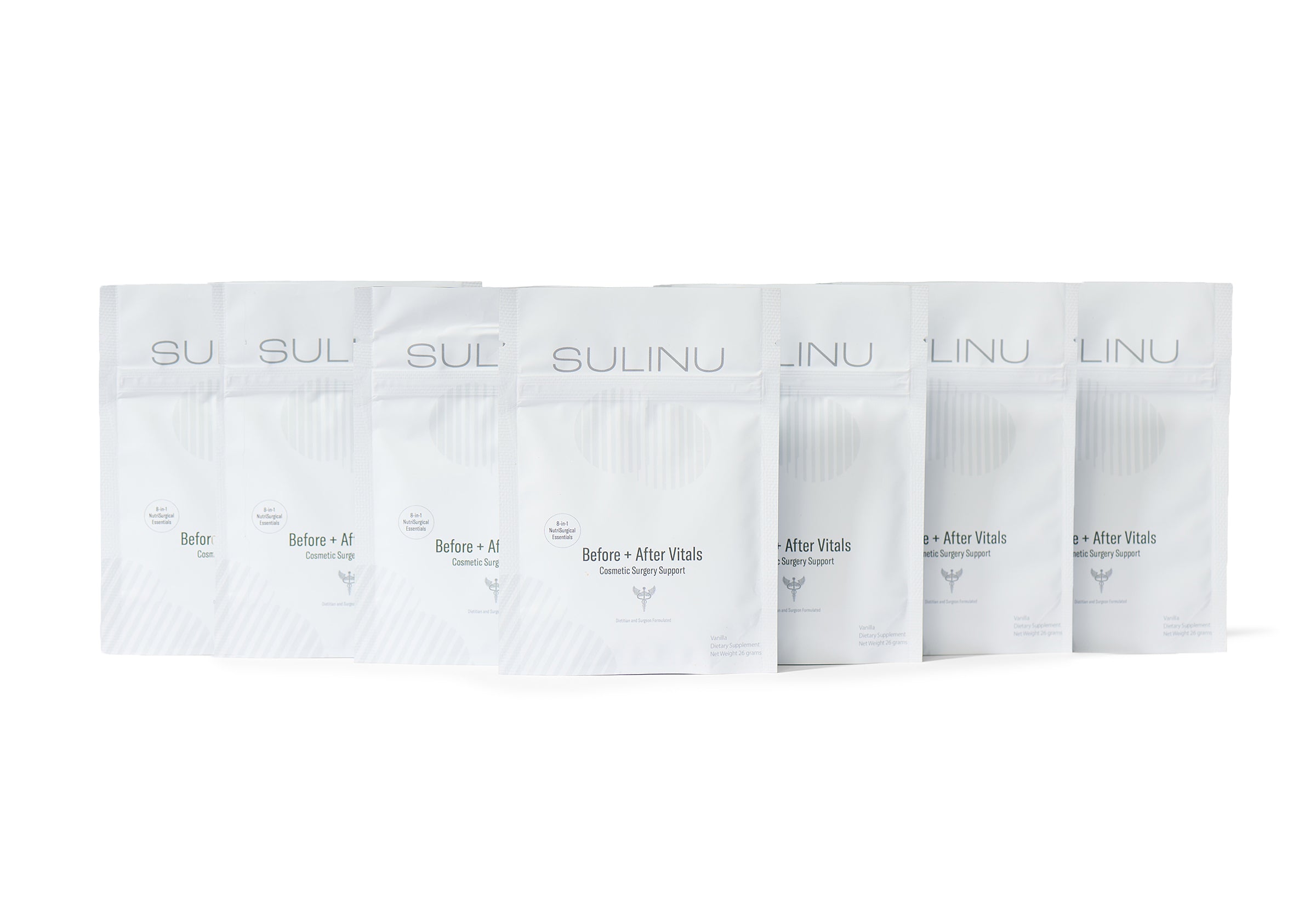
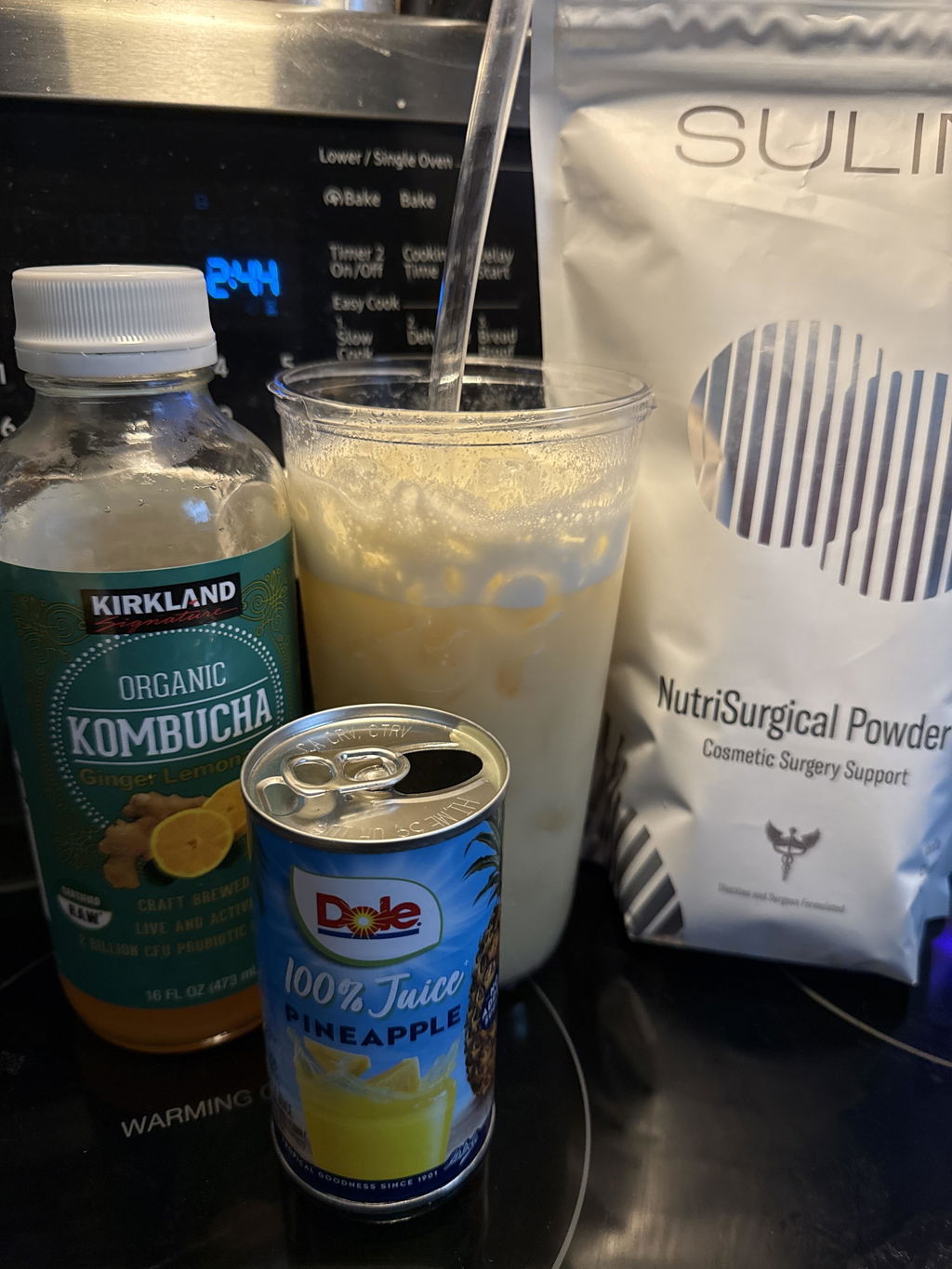
This is the nutritional shortfall that Before + After Vitals by Sulinu was built to address. It's the world's first and only NutriSurgical vitamin powder, formulated specifically for recovery following surgery. NutriSurgical is Sulinu's category framework for nutrition designed around the specific demands of surgical healing rather than general wellness.
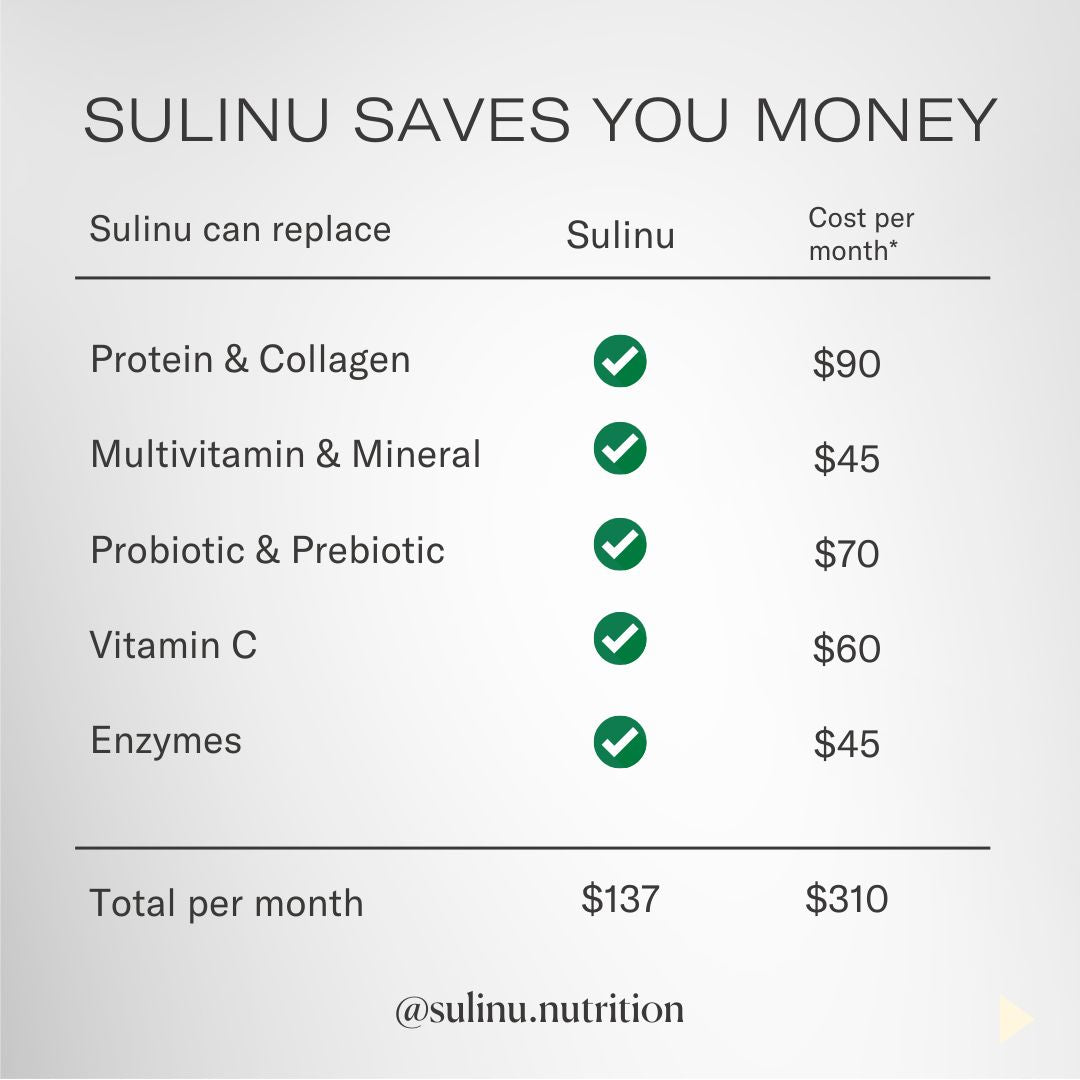
For patients managing multiple incision sites, the appeal is consolidation.
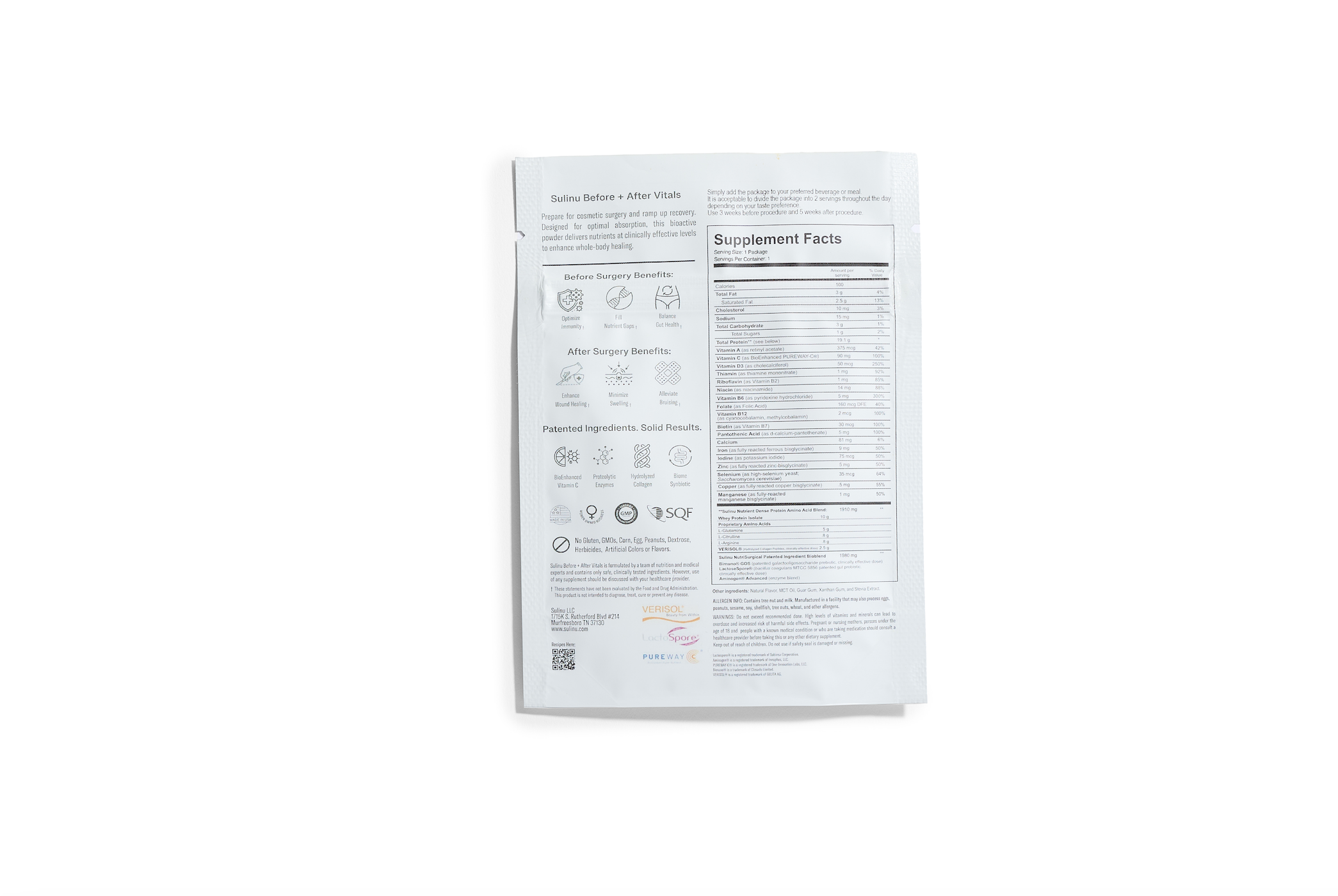
Before+ After Vitals: Surgeon-Approved Ingredients for Surgical Healing:
BioEnhanced Vitamin C
A patented, rapid-absorbing form that some research suggests achieves significantly higher tissue retention than standard ascorbate formulations. Vitamin C is foundational to collagen synthesis, immune defense, and antioxidant protection during the inflammatory phase, all of which directly influence how your body manages bruising, swelling, and the quality of scar tissue over time. It's also formulated to avoid the GI side effects that typically make high-dose vitamin C difficult to tolerate post-surgery.
Hydrolyzed Collagen Peptides
A patented version that some studies indicate may support meaningful improvement in skin elasticity in a matter of weeks. Collagen peptides don't just add collagen. They signal skin cells to produce more of their own. This matters at every stage: for swelling resolution as tissues remodel, for bruising clearance as vascular integrity is restored, and for scar quality as new tissue architecture forms.
Protein + Proteolytic Enzymes
Patented enzymes that, when combined with protein, some research suggests, can help double total amino acid absorption. Amino acids are the building blocks your body uses to repair incision tissue, clear inflammatory debris, and build new scar architecture. Getting more of them absorbed, not just consumed, is the goal.
Biome Synbiotics
Surgery disrupts gut health, and disrupted gut health disrupts everything else: nutrient absorption, immune function, inflammatory response. Prolonged bruising and swelling are often downstream of a gut that isn't processing and delivering nutrients efficiently. This patented prebiotic and probiotic blend is designed to survive stomach acid and arrive active in the gut, supporting the digestive foundation that makes all other healing nutrients work.
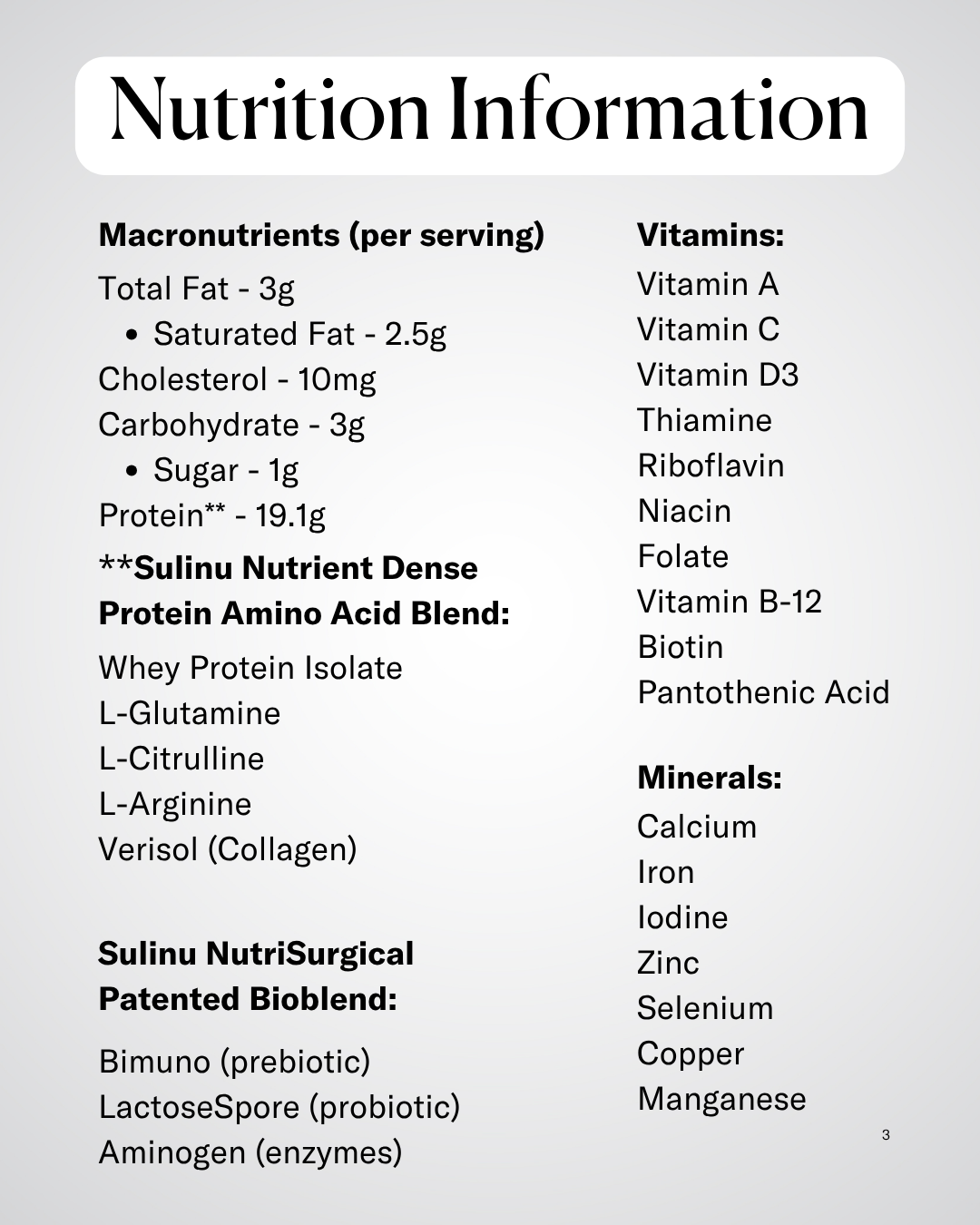
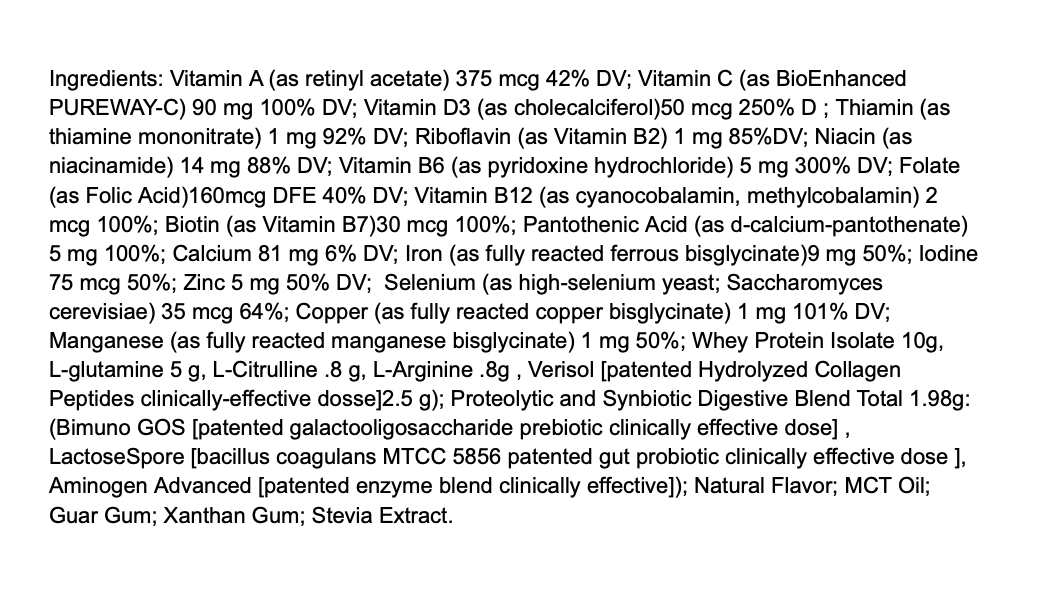
The formula also includes targeted amino acids (L-glutamine, L-citrulline, L-arginine), essential vitamins (A, B-complex, C, D3), and minerals (zinc, copper, manganese, iron) — all in clinically relevant dosages, not token inclusions.
No GMOs. No gluten. No artificial colors. No ingredients that interfere with each other. Everything in Before + After Vitals is there because it has a specific job in your recovery.
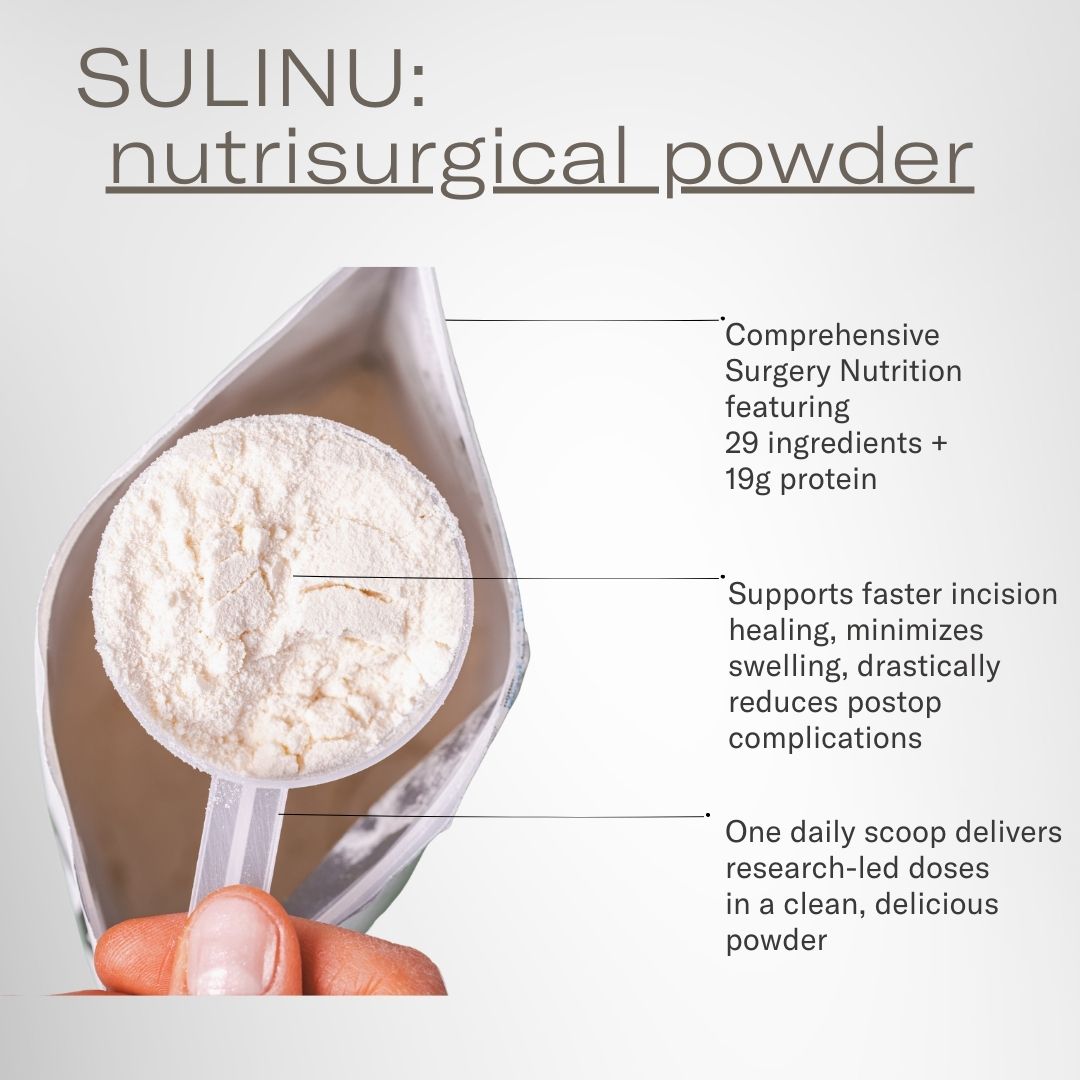
Scoop. Mix. Heal.

How much do I need to support my surgery recovery?
Our recommended protocol for liposuction healing is at least:
1 bag before surgery
1 bag after surgery
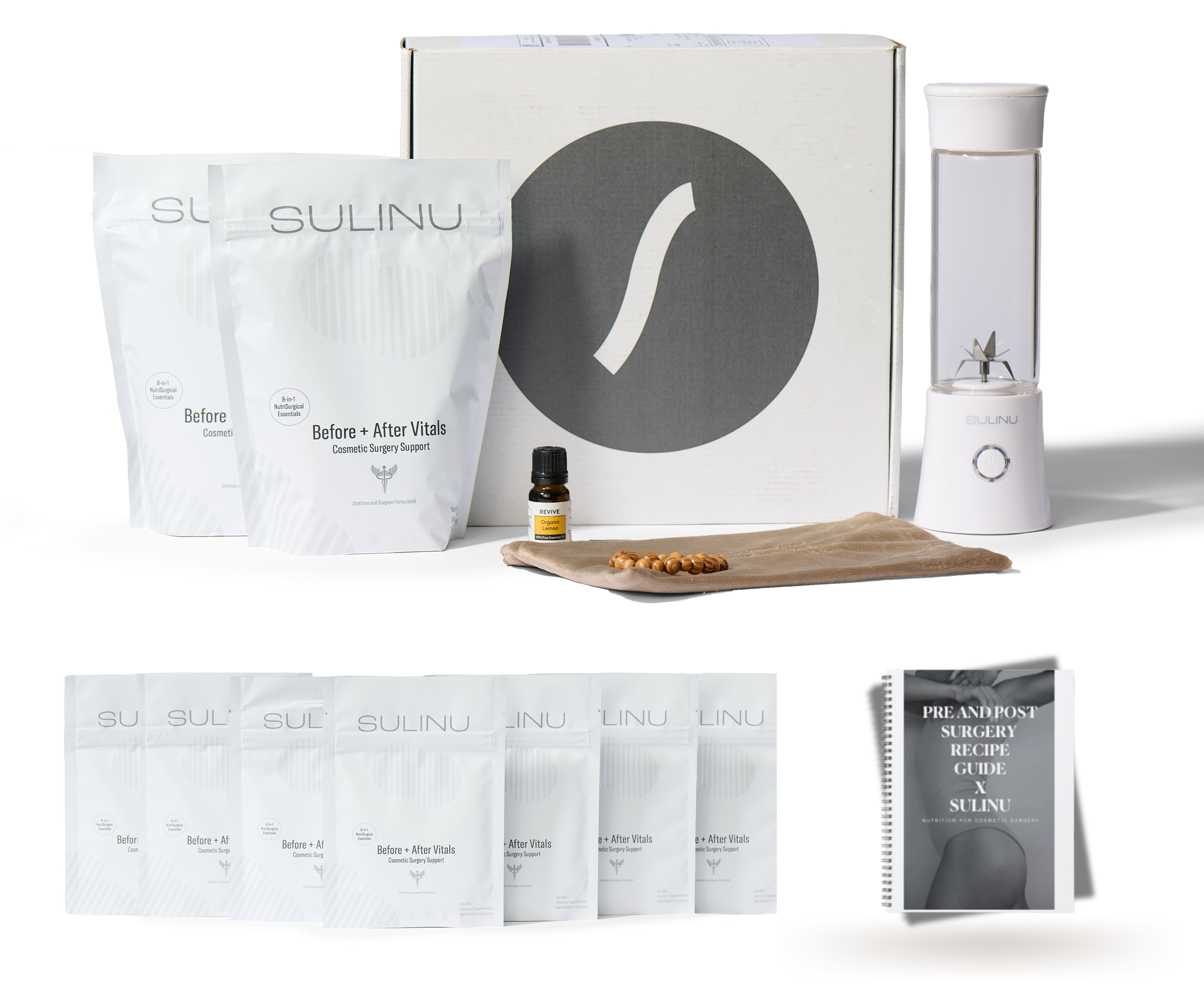
Support your surgery recovery with our VIP Bundle and get everything you need for before and after surgery. You can also get a discount with a subscription plan.

Prepping for a Mommy Makeover?
Get everything you need to start prepping your body before surgery - our highly rated supplement, travel-ready packs, and the guide that tells you exactly how to eat right leading up to your procedure.
Already recovering from surgery?
Have you already had surgery and are wondering if this will still help? The short answer: yes, absolutely! Your tissue takes up to one year to heal. Starting now still counts.
Scar Care Products and When to Consider Revision
Once incisions are fully closed and your surgeon has cleared it, a few options may support scar appearance:
Silicone Scar Sheets or Gel
Among the most studied topical options, with some research indicating they help flatten and fade scars with consistent use.
Daily SPF Protection
Applying sunscreen with a high SPF is one of the most consistently recommended steps to help reduce the risk of permanent darkening.
Gentle Massage
Sometimes recommended to soften tissue.
Laser Therapy or Microneedling
These additional treatments can be considered for scars that remain raised or discolored well into the remodeling phase.
For a small percentage of patients, a scar may not settle as expected, particularly with wider or higher-tension incisions like a tummy tuck. A surgeon may then discuss scar revision, typically not considered until a scar has had a full year or more to mature, since scars often continue improving on their own during that window.
Topical and in-office options address the scar from the outside, while nutritional support addresses the same collagen-building process from the inside. Surgeons may recommend approaching scar quality from both directions.
FAQs: Mommy Makeover Scars
Which Mommy Makeover incision typically takes longest to fade?
Tummy tuck incisions are generally under more tension than breast or liposuction incisions and tend to take longer to fully flatten and lighten, though individual healing varies.
What are warning signs that a scar isn't healing normally?
Contact your surgeon if you notice increasing redness spreading away from the incision, drainage, an opening along the incision line, a fever, or a scar becoming significantly more raised or painful rather than gradually improving.
Is it normal for a healing scar to feel itchy or tight?
Yes. Itching and tightness are commonly reported during the proliferative phase, when new collagen is being laid down. Persistent or worsening pain, rather than mild itching, is what warrants a call to your surgeon.
How long before I can start sun protection on my scars?
This depends on when your surgeon confirms the incision is fully closed, which varies by procedure and patient. Ask for a specific timeline at your follow-up appointment.
Does adding more procedures increase my risk of hypertrophic scarring or keloids?
Some research suggests genetics and skin type are the primary drivers, not the number of procedures performed. That said, incisions under higher tension — a full tummy tuck compared to a mini tuck, for example — do carry a somewhat higher general risk of raised scarring.
Should I take supplements for scar healing even if I'm not having a tummy tuck?
Nutritional support for wound healing is generally relevant to any surgical incision, not just larger ones. Smaller incisions go through the same collagen-building process over a shorter visible timeline, so a supplement designed specifically for cosmetic surgery recovery can support recovery and help protect your results.
How is Before + After Vitals different from taking a multivitamin and protein powder separately?
Before + After Vitals combines micronutrients, protein, and collagen-supporting amino acids in a single serving at the specific ratios and timing surgical recovery calls for, rather than the general daily-maintenance doses found in most standard multivitamins or protein powders. Sulinu also formulates it to be gentler on digestion during the post-surgical window, when nausea and constipation are common side effects of pain medication.
Medical Disclaimer
The information provided in this article is for general educational purposes only and is not intended to constitute medical advice, diagnosis, or treatment.
Every individual's healing process is unique, and outcomes vary based on a wide range of factors, including health status, surgical technique, and post-operative care. Always follow the specific guidance of your board-certified plastic surgeon and medical team.
If you experience any concerning symptoms during recovery — including signs of infection, wound separation, or unusual pain — contact your surgical team immediately.
These statements have not been evaluated by the Food and Drug Administration. Sulinu's Before + After Vitals is not intended to diagnose, treat, cure, or prevent any disease.