This article is for informational purposes only and is not a substitute for medical advice from your surgeon.
Breast implant removal, also called breast explant surgery, is a distinct procedure from breast augmentation, and the scarring process works differently too. Women considering explant surgery often have questions specific to this procedure: whether new scars will be created, how skin will settle once implants are gone, and what the healing timeline looks like without an implant reshaping the breast from the inside.
This guide walks through what breast implant removal scars typically look like, the factors that influence how they heal, and what supports the healing process during recovery.
What Is Breast Implant Removal Surgery?
Breast implant removal is a surgical procedure that removes previously placed breast implants. Women pursue this procedure for a range of reasons, including capsular contracture, implant rupture or leakage, changes in personal preference, health concerns, or a desire to return to a smaller breast size. The procedure involves an incision, removal of the implant, and in many cases, removal of some or all of the scar tissue capsule that formed around it, a step known as a capsulectomy, which may be partial or complete. When both the capsule and implant are removed together as a single unit, this is called an en bloc capsulectomy, often recommended after a rupture or when there is concern about surrounding tissue.
Some women choose to have their implants removed without replacement, while others opt for new implants at the same time, or combine explant surgery with a breast lift or fat transfer to address the change in breast shape and volume.
Do Explant Scars Look Different From Augmentation Scars?
In most cases, breast implant removal reuses the original incision site from the augmentation surgery, most commonly the inframammary fold (the crease beneath the breast), the periareolar area (around the areola), or, less frequently, the armpit. When the same incision line is used, no new external scar is created. This means the appearance of the skin after explant surgery often closely resembles the original augmentation scar, with additional healing time layered on top. Where explant surgery differs meaningfully from augmentation is not usually the incision itself, but what happens to the skin and breast tissue afterward.
Why Skin Behavior After Explant Surgery Is a Bigger Factor Than the Incision
When implants are placed, the skin and underlying tissue gradually stretch to accommodate the added volume. When implants are removed and not replaced, that stretched skin no longer has the same volume underneath it. Depending on how long the implants were in place, the size of the implants, and the elasticity of the individual's skin, this can result in loose skin, wrinkling, or breast tissue that appears deflated.
This skin response does not typically create new scarring on its own, but it does affect how the breast looks overall, and it is often the primary concern patients bring to their surgeon when discussing explant surgery. For this reason, many surgeons discuss breast lift or fat transfer options alongside explant surgery, since addressing the skin envelope can significantly change the final appearance, separate from how the incision scar itself heals.
If a lift is performed at the same time as explant surgery, additional incisions are typically required, which introduces new scar lines beyond the original implant scar. This is a conversation worth having directly with a surgeon, since it changes both the recovery process and the resulting scar pattern.
The Healing Timeline for Explant Scars
Scar healing after breast implant removal follows a similar biological process to other surgical scars, though the timeline can vary based on individual healing factors, whether a capsulectomy was performed, and whether additional procedures were combined with the removal.
The first few weeks:
Incisions typically appear red or pink and may feel raised, firm, or slightly tender. Swelling is common during this phase and can make it difficult to judge the final scar appearance early on.
One to three months:
The incision line generally continues to flatten, though some raised or firm texture can persist. Redness or pink discoloration is still common during this window.
Three to twelve months:
Scar color gradually shifts from red or pink toward a lighter pink, tan, or white tone, depending on skin type. Texture continues to soften, and the scar becomes progressively less noticeable for most patients.
Beyond one year:
Most surgical scars reach their final appearance somewhere between twelve and eighteen months post-surgery, though full scar maturation can occasionally take longer.
Because breast tissue and skin continue to settle for months after implant removal, it can take time to see how the breast will ultimately look, separate from the scar line itself.
When a Scar Needs Additional Attention
Most explant scars follow the general healing pattern described above without complication. In some cases, a scar may need additional intervention. Hypertrophic scars are raised and thickened but stay within the original incision boundary, and often respond to silicone therapy or steroid injections. Keloid scars extend beyond the incision itself and are more likely with a genetic predisposition, typically requiring more targeted treatment from a surgeon or dermatologist. Widened scars can result from tension on the incision during healing, which is part of why activity restrictions matter during early recovery.
If a scar looks or feels different than expected, particularly with increasing pain, spreading redness, warmth, or drainage, this should be evaluated by a surgeon rather than managed independently.
Factors That Influence Scar Outcome
Several variables affect how noticeable a breast implant removal scar becomes over time: the extent of capsulectomy performed (en bloc procedures involve more tissue manipulation, which some research suggests can affect swelling and healing time), incision location and length, individual skin quality and genetic predisposition to hypertrophic or keloid scarring, whether additional procedures like a lift were performed, and nutritional status during recovery.
The body relies on specific nutrients, including protein, vitamin C, and zinc, to carry out the wound healing process, and some research indicates that nutritional deficiencies can slow healing and affect scar quality. This is a factor patients have more control over than genetics or surgical technique.
Before+ After Vitals: Supporting Scar Healing Through Nutrition
Wound healing, including the formation of new scar tissue, is a nutrient-intensive process. The body needs protein to rebuild tissue, along with specific vitamins and minerals that support collagen formation and immune function during recovery. Some research suggests that many people enter surgery with lower nutrient stores than they realize, which can affect how efficiently the body carries out repair processes after an incision is made.
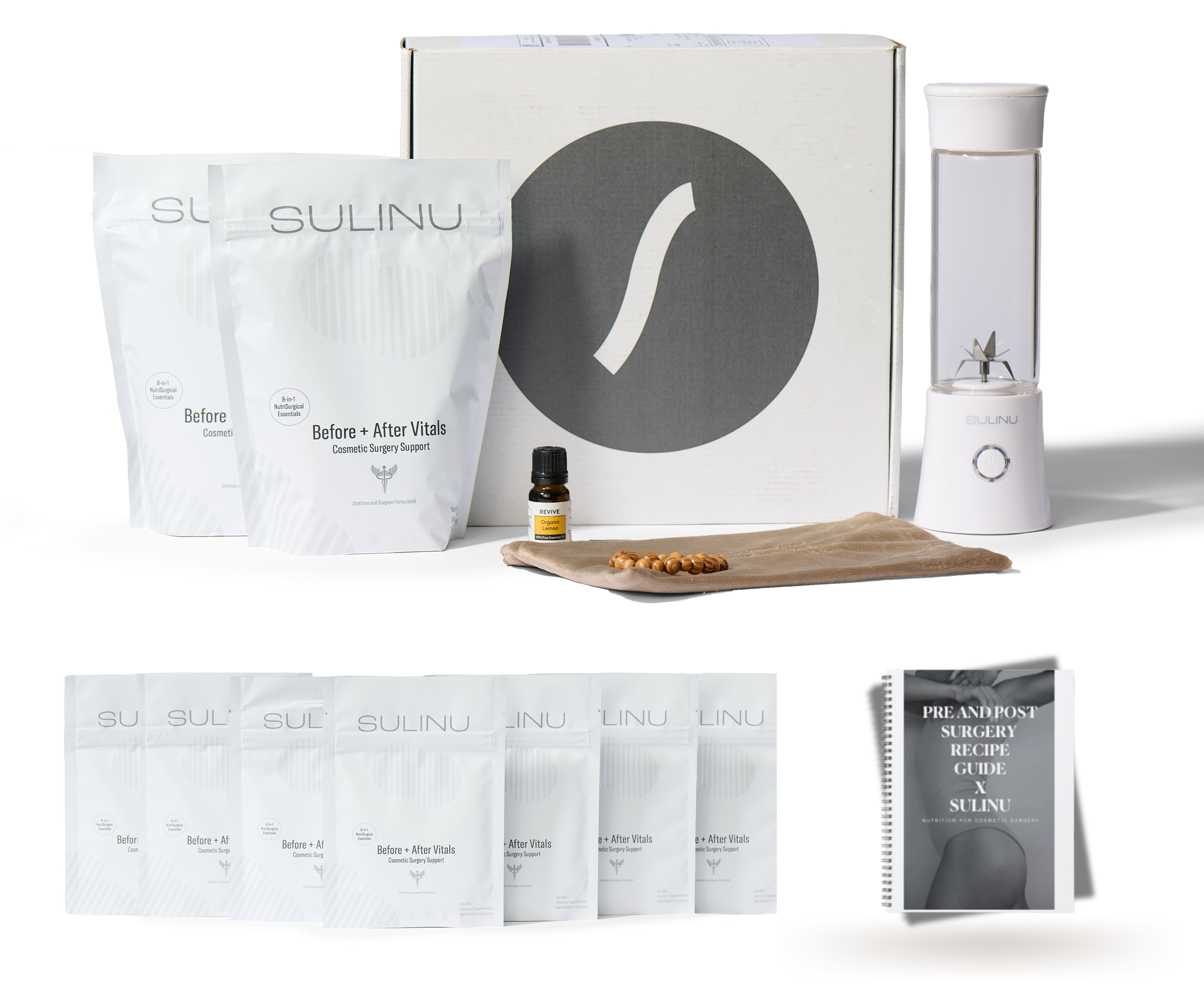
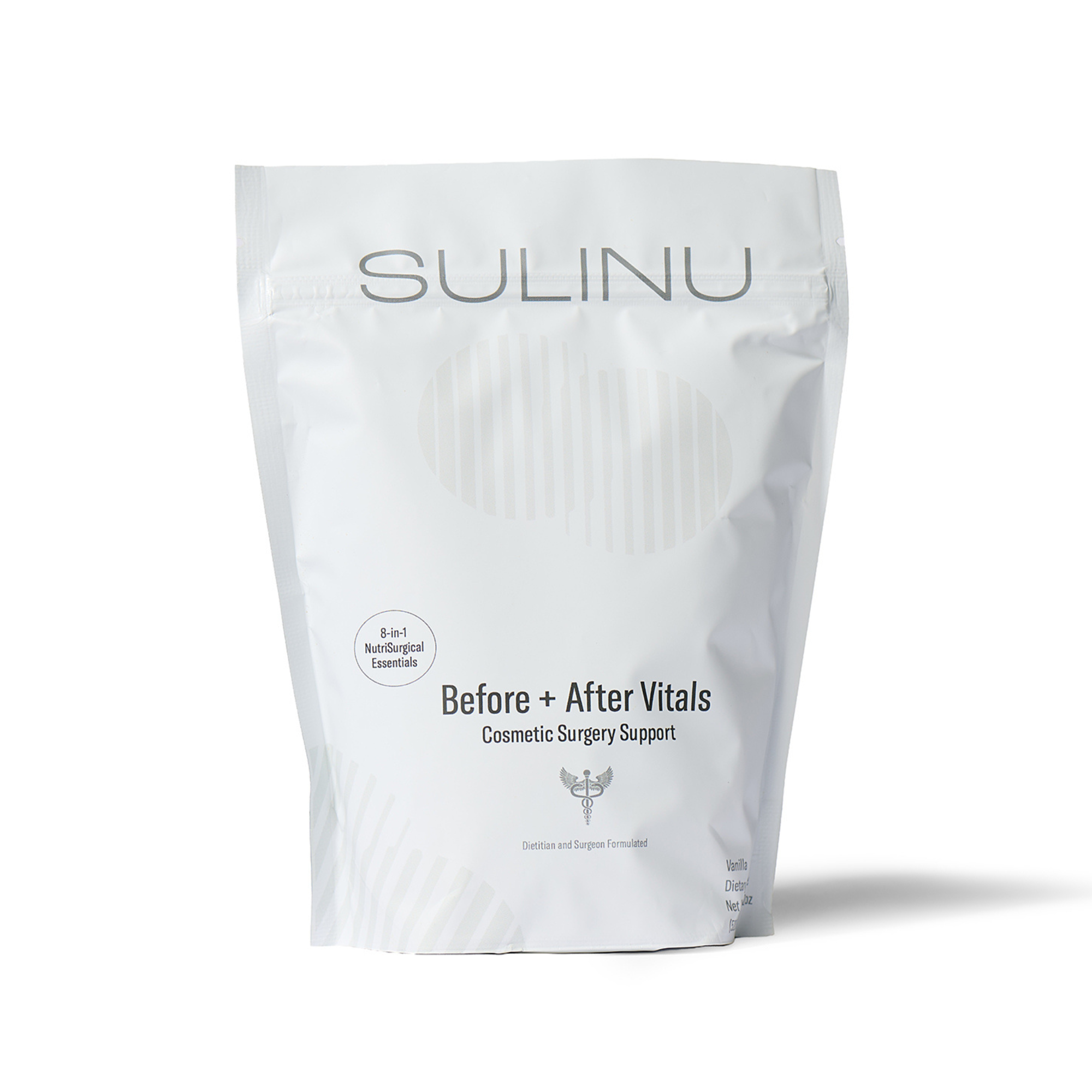
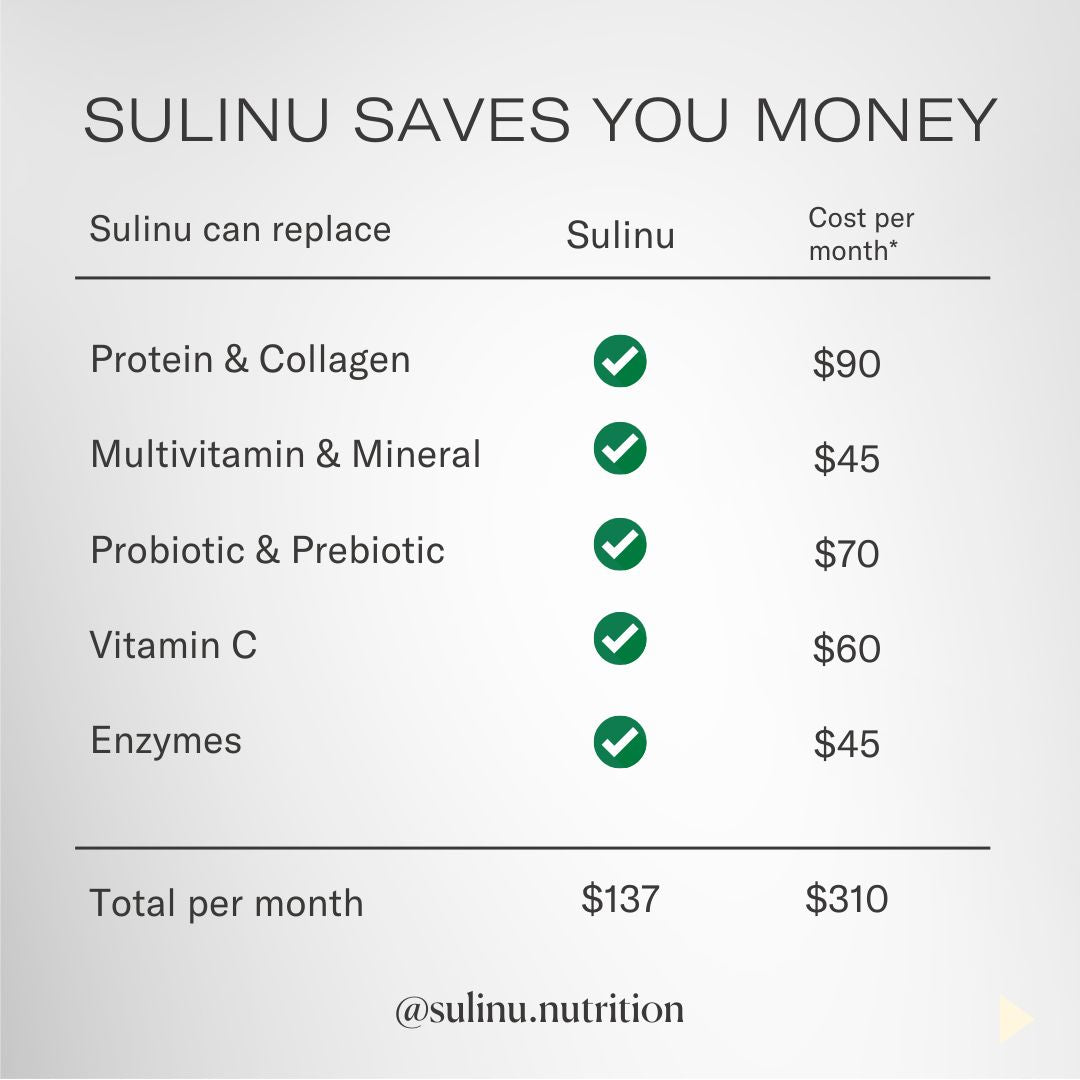
This is where Before + After Vitals was designed to fill a specific gap in surgical recovery. Before + After Vitals is the world's first and only pre and post-surgery supplement formulated specifically for recovery following surgery.
Rather than relying on a standard multivitamin or a generic protein powder, Before + After Vitals combines both micronutrients and macronutrients in a single formula.
BioEnhanced Vitamin C
A patented, rapid-absorbing form that some research suggests achieves significantly higher tissue retention than standard ascorbate formulations. Vitamin C is foundational to collagen synthesis, immune defense, and antioxidant protection during the inflammatory phase, all of which directly influence how your body manages bruising, swelling, and the quality of scar tissue over time. It's also formulated to avoid the GI side effects that typically make high-dose vitamin C difficult to tolerate post-surgery.
Hydrolyzed Collagen Peptides
A patented version that some studies indicate may support meaningful improvement in skin elasticity in a matter of weeks. Collagen peptides don't just add collagen. They signal skin cells to produce more of their own. This matters at every stage: for swelling resolution as tissues remodel, for bruising clearance as vascular integrity is restored, and for scar quality as new tissue architecture forms.
Protein + Proteolytic Enzymes
Patented enzymes that, when combined with protein, some research suggests, can help double total amino acid absorption. Amino acids are the building blocks your body uses to repair incision tissue, clear inflammatory debris, and build new scar architecture. Getting more of them absorbed, not just consumed, is the goal.
Biome Synbiotics
Surgery disrupts gut health, and disrupted gut health disrupts everything else: nutrient absorption, immune function, inflammatory response. Prolonged bruising and swelling are often downstream of a gut that isn't processing and delivering nutrients efficiently. This patented prebiotic and probiotic blend is designed to survive stomach acid and arrive active in the gut, supporting the digestive foundation that makes all other healing nutrients work.
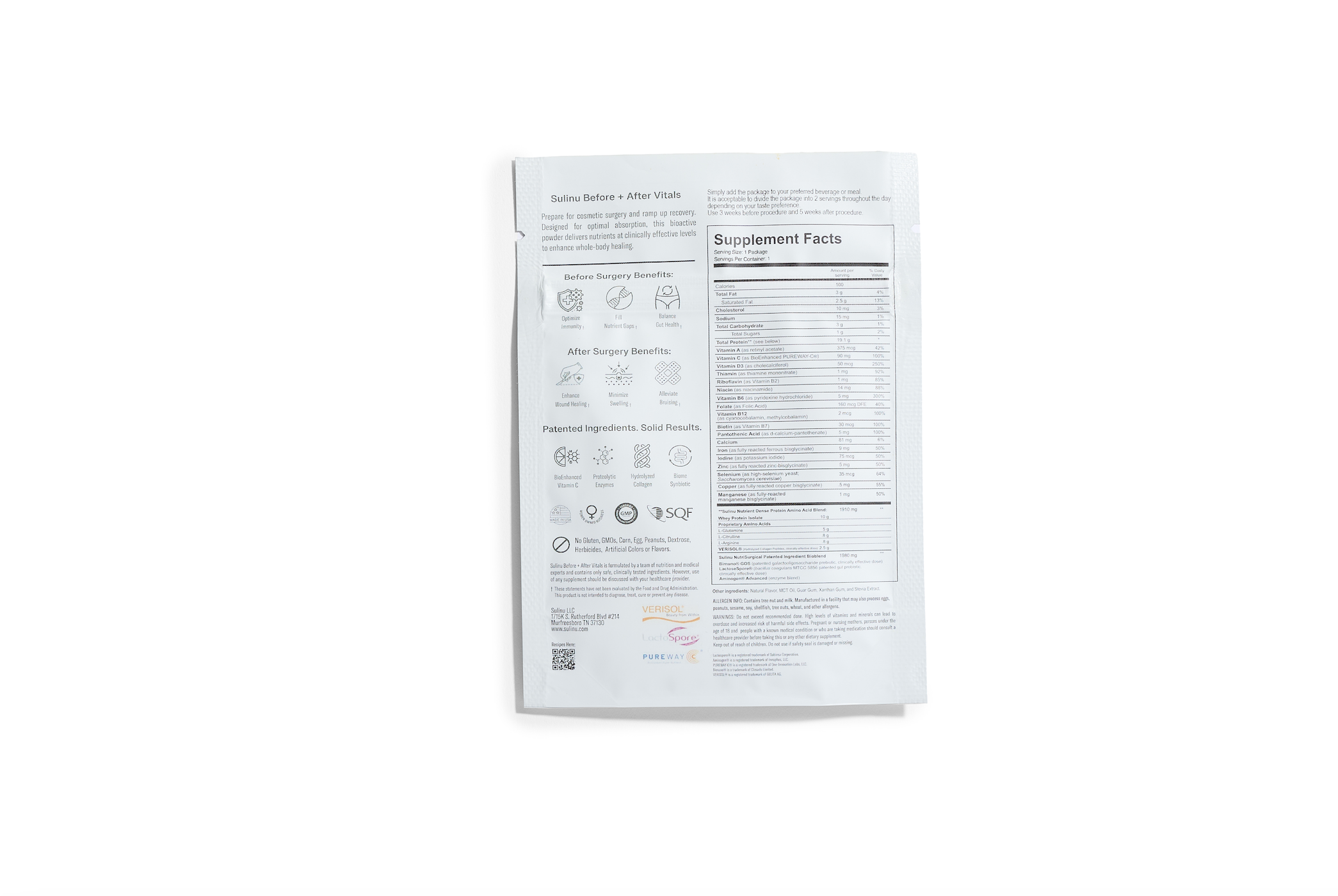
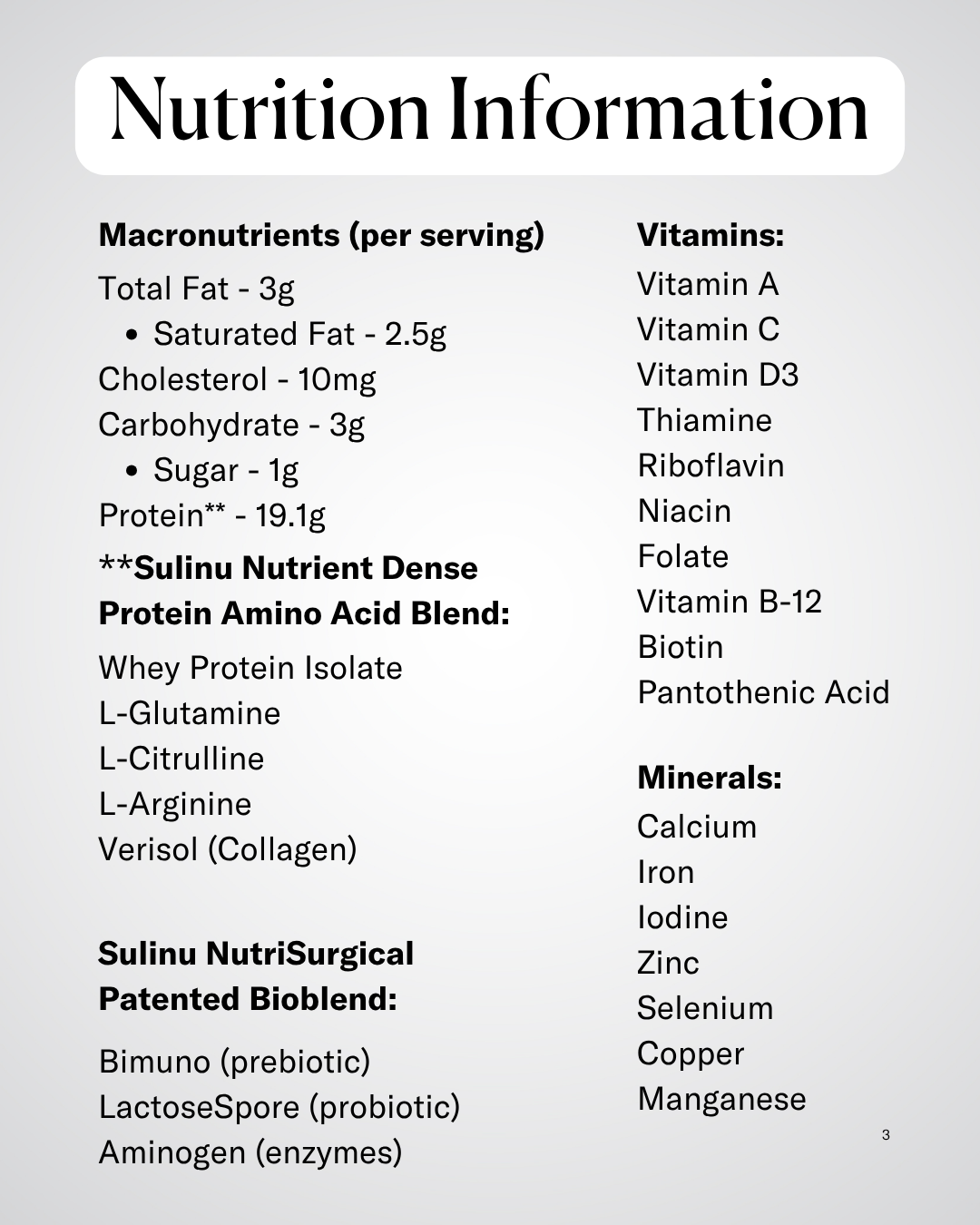
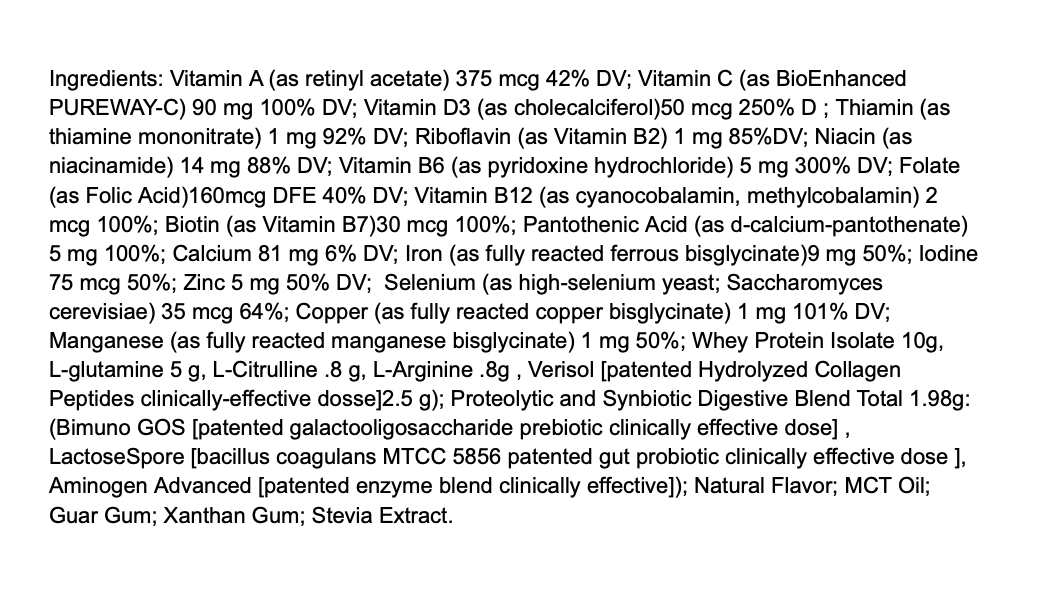
The formula also includes targeted amino acids (L-glutamine, L-citrulline, L-arginine), essential vitamins (A, B-complex, C, D3), and minerals (zinc, copper, manganese, iron) — all in clinically relevant dosages, not token inclusions.
No GMOs. No gluten. No artificial colors. No ingredients that interfere with each other. Everything in Before + After Vitals is there because it has a specific job in your recovery.
Scoop. Mix. Heal.

How much do I need to support my surgery recovery?
Our recommended protocol for post-surgical healing is at least:
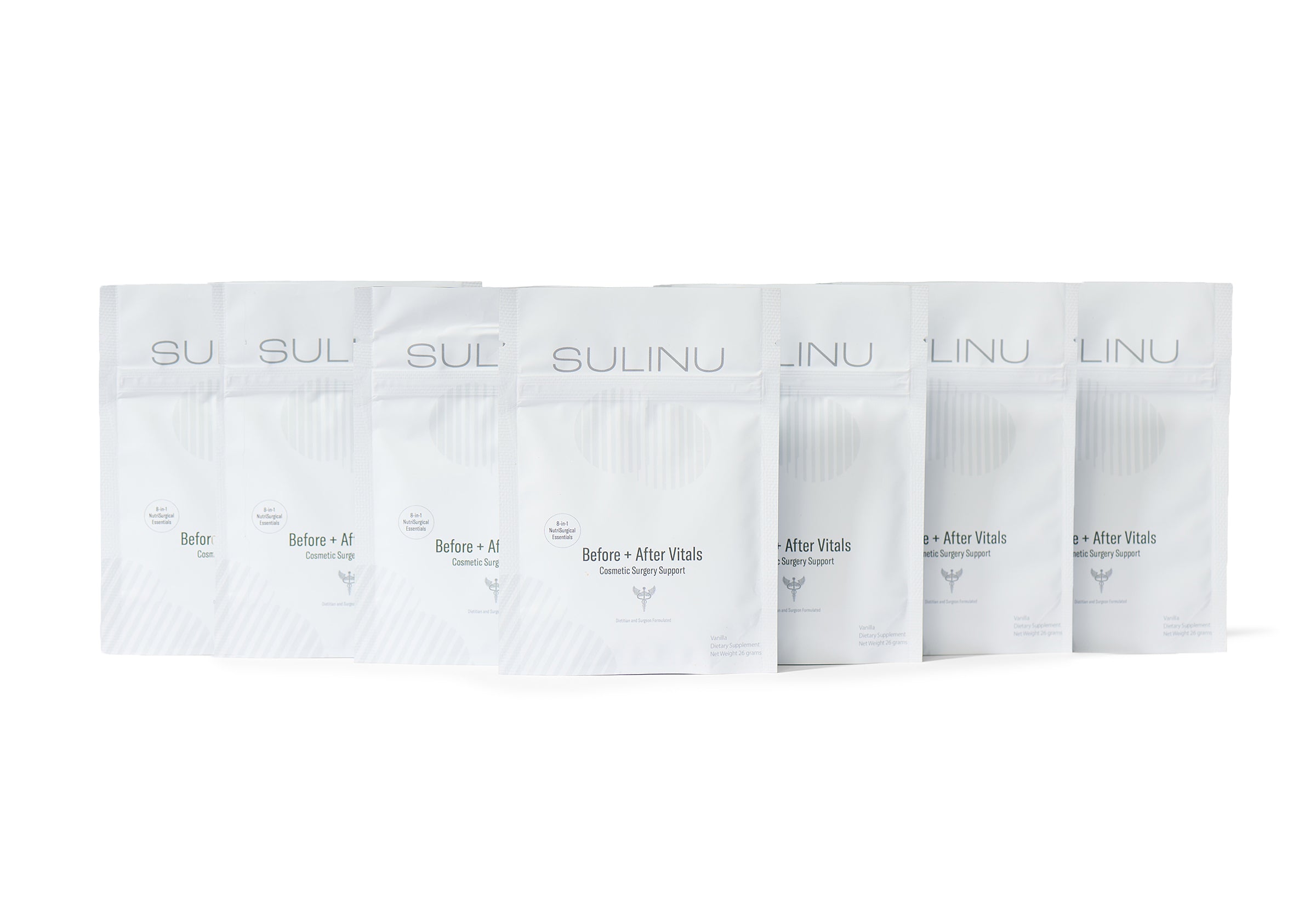
1 bag before surgery
1 bag after surgery
Support your surgery recovery with our VIP Bundle and get everything you need for before and after surgery. You can also get a discount with a subscription plan.

Prepping for a Breast Explant?
Get everything you need to start prepping your body before surgery - our highly rated supplement, travel-ready packs, and the guide that tells you exactly how to eat right leading up to your procedure.
Already recovering from surgery?
Have you already had surgery and are wondering if this will still help? The short answer: yes, absolutely! Your tissue takes up to one year to heal. Starting now still counts.
Scar Care Tips After Breast Implant Removal
Alongside nutrition, several general scar care practices are commonly recommended by surgeons following breast implant removal:
Protect incisions from UV exposure.
Sun exposure on a healing or recently matured scar can cause it to darken and become more visible. Keeping incisions covered or protected with SPF, once the surgeon confirms the incision has closed, is a widely recommended practice.
Avoid straining the chest and upper body.
Excessive stretching or strain on the incision site during early recovery can affect how the scar forms. Following surgeon guidance on activity restrictions during the first several weeks is important.
Consider surgeon-approved scar treatments.
Silicone sheets or gels are commonly used after breast surgery, including explant procedures, once the incision has fully closed. These products are believed to help hydrate the scar and support a flatter, less noticeable final appearance, though timing should always be confirmed with a surgeon before starting any topical product.
Follow post-operative massage guidance, if provided.
Some surgeons recommend scar or tissue massage during recovery to help address skin adhesions or tightness, particularly when skin needs to redrape after implant removal. This should only be done based on a surgeon's specific instructions and timeline.
Attend follow-up appointments.
Regular check-ins allow a surgeon to monitor healing and address any early signs of a problem scar, such as excessive thickening, before it becomes more difficult to manage.
FAQs: Breast Implant Removal Scars
Will breast implant removal leave new scars if I use the same surgeon who did my augmentation?
In most cases, surgeons reuse the original incision site, so no new external scar is typically created from the removal itself.
How long does it take for explant scars to fade?
Most surgical scars continue to lighten and flatten for up to twelve to eighteen months. Early redness and firmness are normal and are not indicative of the final appearance.
Will my skin look different after implants are removed?
Skin that stretched to accommodate an implant does not always spring back to its original shape once the implant is removed, which some surgeons address with a lift or fat transfer performed alongside explant surgery.
Can nutrition really make a difference in how my scar heals?
The body's ability to form new tissue and manage the inflammatory phases of wound healing depends on adequate protein, vitamins, and minerals. Some research indicates that supporting these nutritional needs during recovery may contribute to a smoother healing process, though individual results vary.
Final Thoughts
Breast implant removal scarring is, in most cases, a continuation of the original augmentation scar rather than an entirely new scarring event. The more significant variable for most patients is how the skin and breast tissue respond to the loss of implant volume, which is a separate consideration from the incision line itself.
Working closely with a surgeon on incision planning and supporting the body's healing capacity through proper nutrition are the factors within a patient's control during this process. A structured NutriSurgical protocol like Before + After Vitals is designed specifically to support that window, starting before surgery and continuing through scar maturation, rather than functioning as a general-purpose multivitamin.
Medical Disclaimer
The information provided in this article is for general educational purposes only and is not intended to constitute medical advice, diagnosis, or treatment.
Every individual's healing process is unique, and outcomes vary based on a wide range of factors, including health status, surgical technique, and post-operative care. Always follow the specific guidance of your board-certified plastic surgeon and medical team.
If you experience any concerning symptoms during recovery — including signs of infection, wound separation, or unusual pain — contact your surgical team immediately.
These statements have not been evaluated by the Food and Drug Administration. Sulinu's Before + After Vitals is not intended to diagnose, treat, cure, or prevent any disease.


![A promotional image for The PREP STARTER Kit [free shipping], showcasing its key benefits such as protein, vitamins, minerals, amino acids, probiotics, and enzymes. Featured as an essential pre-op supplement in your surgery prep kit, the product bag is displayed alongside fresh green vegetables on a light background.](http://www.sulinu.com/cdn/shop/files/12.jpg?v=1776452906&width=1080)
![A hand holds a scoop of white powder above an open bag of The PREP STARTER Kit [free shipping]. Text highlights that this research-based formula aids surgery recovery, delivers 19g of protein and 29 carefully selected ingredients per daily scoop—making The PREP STARTER Kit an essential addition to any surgery prep kit.](http://www.sulinu.com/cdn/shop/files/3.jpg?v=1776452906&width=1080)
![A ⭐BEST VALUE⭐ The Prep + Recovery Bundle [free shipping] package is displayed on a white background with text highlighting its clinical benefits and international sourcing, emphasizing improved nerve regeneration, better protein absorption, and faster healing—making it an ideal addition to any surgical recovery kit.](http://www.sulinu.com/cdn/shop/files/2.jpg?v=1776452906&width=1080)
![A woman’s face in close-up appears on the left. On the right, text explains post-surgery risks: metabolism rises, appetite drops, food intake falls, and nutrient needs soar. The message: your body needs more while you eat less—making The PREP STARTER Kit [free shipping] essential for recovery.](http://www.sulinu.com/cdn/shop/files/9.jpg?v=1776452906&width=1080)
![Text graphic explaining consequences of not fueling the healing body: slower wound healing, higher infection risk, more bruising, increased fatigue, pain, and constipation. Highlights that nutrition is essential for recovery but often overlooked—using The PREP STARTER Kit [free shipping] can help support your body and make all the difference for surgical recovery.](http://www.sulinu.com/cdn/shop/files/10.jpg?v=1776452906&width=1080)
![A smiling woman holding a box labeled The PREP STARTER Kit [free shipping] stands beside text explaining the purpose behind creating The PREP STARTER Kit: to support post-surgery recovery by providing targeted nutrition backed by real clinical data, serving as an essential surgery protein guide for patients seeking optimal outcomes.](http://www.sulinu.com/cdn/shop/files/14.jpg?v=1776452906&width=1080)
![A person in a fitted outfit poses against a neutral background. Text reads ⭐BEST VALUE⭐ The Prep + Recovery Bundle [free shipping]. Discover the ultimate surgery prep bundle—nutrition for cosmetic surgery and essential support for your recovery kit.](http://www.sulinu.com/cdn/shop/files/UltimateSurgeryBundle-Sulinu.png?v=1775162796&width=537)