A thigh lift is one of the most transformative body contouring procedures available, and one of the most misunderstood when it comes to scarring.
The good news is that most patients are pleasantly surprised: depending on which type of thigh lift you need, the resulting scar can be one of the most easily concealed of any body contouring procedure. The better news: how well that scar heals has a lot to do with decisions you make before and after the operating table.
Here's what you need to know.
What Is a Thigh Lift, and Why Does It Leave a Scar?
A thigh lift removes excess skin and fat from the thigh, the kind left behind by significant weight loss, aging, or skin laxity that diet and exercise can't reverse. Like most body contouring procedures, it's becoming more common as GLP-1-assisted weight loss leaves more patients with loose, non-elastic skin to address surgically.
The scar is non-negotiable. To remove excess skin, a surgeon has to make an incision. But unlike some other body contouring procedures, thigh lift incision placement varies quite a bit depending on where your excess skin actually is. That means the type of thigh lift you need has a real impact on how visible your scar will be, and for how long.
There are a few incision patterns you'll commonly see:
Liposuction alone: For patients with excess fat but minimal loose skin, liposuction alone may be enough. The resulting marks are small (around ¼ inch) and placed in inconspicuous spots. Long-term, they're rarely noticeable at all.
Crescent (medial) thigh lift: For patients whose excess skin and fat are concentrated in the upper inner thigh, a crescent thigh lift removes a crescent-shaped section of tissue through a single incision placed in the natural crease where the inner thigh meets the groin. This is the mildest surgical option and, for good reason, the one patients ask about most. It produces the least conspicuous scar of any thigh lift type, since it sits directly in a crease your body already has, and it's easily hidden by underwear or a swimsuit bottom. If a crescent thigh lift is on the table for you, it's worth knowing that most patients find this scar fades to a thin, pale line that's genuinely hard to spot even up close.
Vertical (extended) thigh lift: For patients with loose skin extending further down the leg, the same crescent incision is extended, running from the groin down the inner thigh toward the knee, sometimes referred to as a "T-shaped" incision. This is the more involved version of the inner thigh lift, and the trade-off for the additional skin removal is a longer scar along the inner thigh line. It's worth knowing that this scar is placed along a natural muscle groove, so it tends to be genuinely difficult to see when you're standing normally. It becomes visible mainly when your knee bends and your hip rotates outward.
Lateral (spiral) thigh lift: For patients needing correction of the outer thigh, hip, and buttock area, the incision runs from the groin around toward the hip and buttock crease. This type is frequently performed alongside a tummy tuck or BBL, since the incisions can be extended to work together — which is also why patients considering a lateral thigh lift often benefit from reading our Tummy Tuck Scars or BBL Scars guides as well.
Which type you need comes down to where your skin laxity actually is, and that's something only your surgeon can determine in a consult. But knowing the categories ahead of time makes that conversation a lot less intimidating.
What Thigh Lift Scars Actually Look Like: A Timeline
Knowing what to expect at each stage prevents panic and keeps you from making decisions, like aggressive massage or sun exposure, too early.
Immediately post-op (Days 1–14): Expect a raised, red, tender incision line, with sutures or surgical tape likely still in place. Swelling and bruising in the groin and inner thigh are normal. Because the inner thighs naturally touch and rub against each other, friction in this window can be more of a factor than with other body contouring scars. More on managing that below.
Weeks 2–6: Swelling starts to subside. The scar may look darker, thicker, or more raised during this stretch. That's collagen being laid down, somewhat disorganized, as your body works. This is not your final result, so try not to judge it here.
Months 3–6: The remodeling phase begins. Collagen fibers reorganize, and the scar starts to flatten and soften. Color often shifts from deep red or purple toward pink. Itching is common and usually signals active healing. Silicone sheeting, if your surgeon approves, can typically start around now.
Months 6–18: This is where patience pays off. Thigh lift scars continue maturing and fading for up to 18 months. Most patients see significant lightening well before that mark, and the final scar is usually flat, thin, and pale, often silvery or close to your natural skin tone.
What you see at six weeks is not your final result. What you see at three months is not your final result.
What Actually Determines Your Scar Outcome
Two patients can have the same surgeon, the same procedure, and walk away with noticeably different scars. Here's why.
Genetics and skin type
This is the variable you have the least control over. Some people are genetically predisposed to hypertrophic scars (raised, red, firm scars that stay within the incision line) or keloids (scars that grow beyond it). Deeper skin tones tend to carry higher risk for both. If you've had problematic scarring elsewhere on your body, tell your surgeon before your procedure.
Surgeon technique and incision placement
Tension on the closure matters, and the thigh presents a unique challenge here: it's a high-movement area under constant mechanical stress from walking, sitting, and simply existing. Incisions closed under too much tension are more likely to widen or thicken over time, and this is especially relevant for the lateral thigh lift, where the tissue being repositioned is heavier and requires careful anchoring to hold. This is one of the most important reasons to choose a board-certified surgeon with real thigh lift experience specifically, not just general body contouring experience.
Your body's nutritional status
This one doesn't get nearly enough attention. Wound healing is a high-demand biological process. Your body is synthesizing collagen, regulating inflammation, fighting off opportunistic bacteria, and rebuilding tissue architecture, all at once. Some research suggests that nutritional status before and after surgery can meaningfully influence how well and how quickly that process unfolds. Nutrient gaps, more common than most people realize, can slow healing and affect the quality of the scar tissue your body produces.
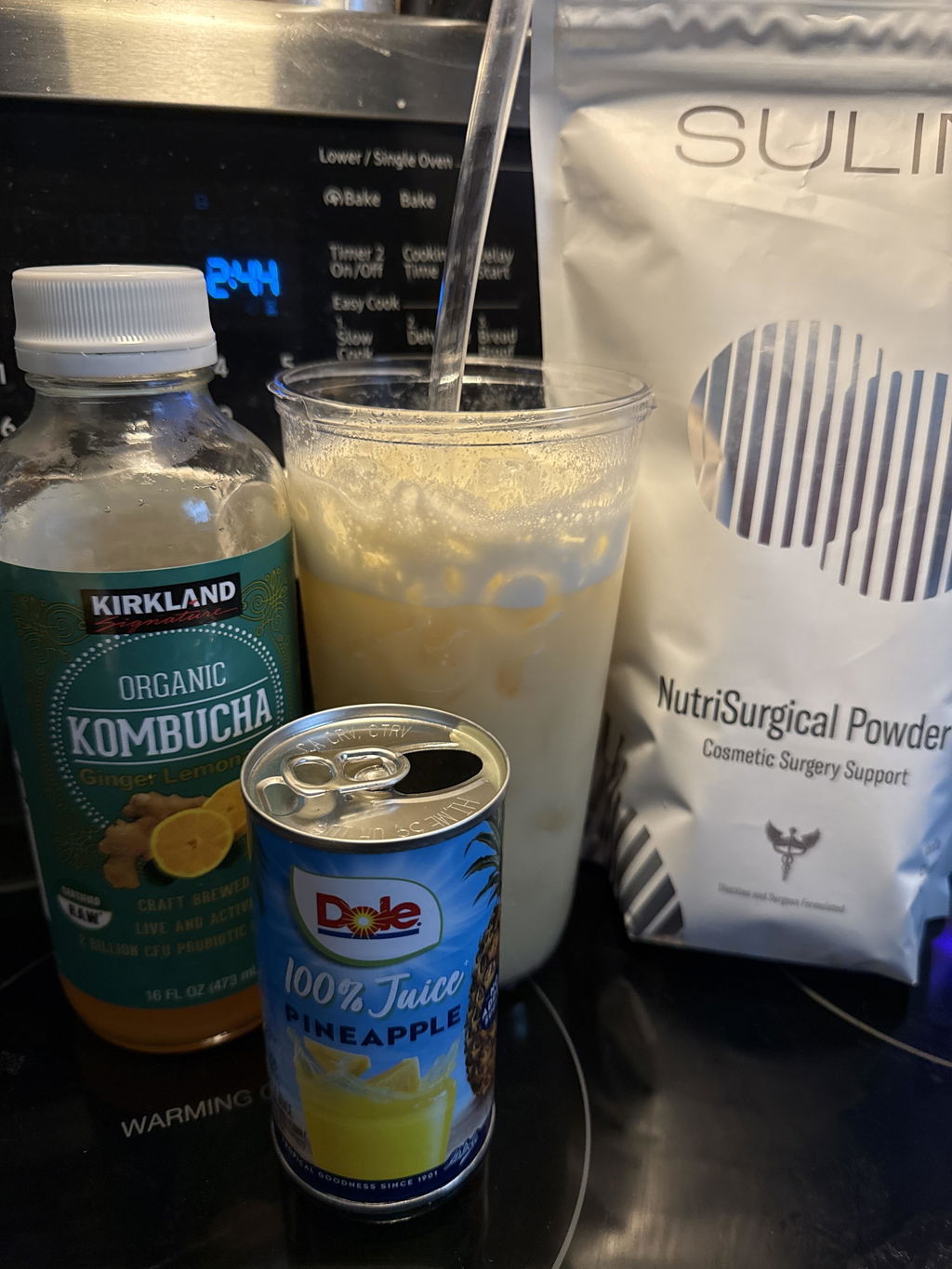
This is part of why a purpose-built surgical supplement like Before + After Vitals exists. Your daily multivitamin was designed for regular life. Surgical recovery is not regular life — it's a period of accelerated biological demand that requires a different nutritional strategy entirely.
Post-operative care
What you do in the weeks and months after surgery directly shapes your scar. Sun exposure, skipping compression, aggressive activity too early, and friction from skin-to-skin contact all have consequences, and thigh lift recovery has a few of its own quirks worth planning for.

How to Support Better Thigh Lift Scar Healing
There's no magic that erases a thigh lift scar, but there's a meaningful difference between patients who follow through on post-op care and those who don't.
Sun avoidance and SPF
UV exposure is one of the most reliable ways to permanently darken a healing scar. During the maturation phase, which can be up to 18 months, your scar tissue is highly susceptible to hyperpigmentation. If your thighs will see sun (hello, swimsuit season), use SPF 50+ directly on the scar. This matters even more for patients with deeper skin tones.
Compression
Compression garments are especially important after a thigh lift, since the inner and outer thigh are under near-constant mechanical stress just from daily movement. Wear your garment as directed. It helps manage swelling, reduces tension on the incision, and supports better scar flattening over time.
Scar massage
Once your surgeon clears you, typically 6–8 weeks, gentle scar massage can help break up early fibrous tissue and improve pliability. Use a neutral, fragrance-free moisturizer and apply firm circular pressure. Consistency matters more than intensity.
Friction and chafing care
This one is specific to thigh lift recovery: because the inner thighs naturally touch, friction during the early healing weeks can irritate a fresh incision in a way that simply doesn't apply to an arm, tummy, or facial scar. Loose, breathable clothing and a barrier balm (surgeon-approved) over the healed area can meaningfully reduce irritation, especially in the first 6–8 weeks.
➡ Nutritional support
Collagen production, immune function, tissue repair — all of it depends on an adequate supply of the right nutrients at the right time. Surgery significantly increases your body's demand for specific vitamins, minerals, and amino acids, while simultaneously impairing absorption through medication side effects and gut disruption.
Before + After Vitals: A Complete Supplement for Thigh Lift Surgery Recovery
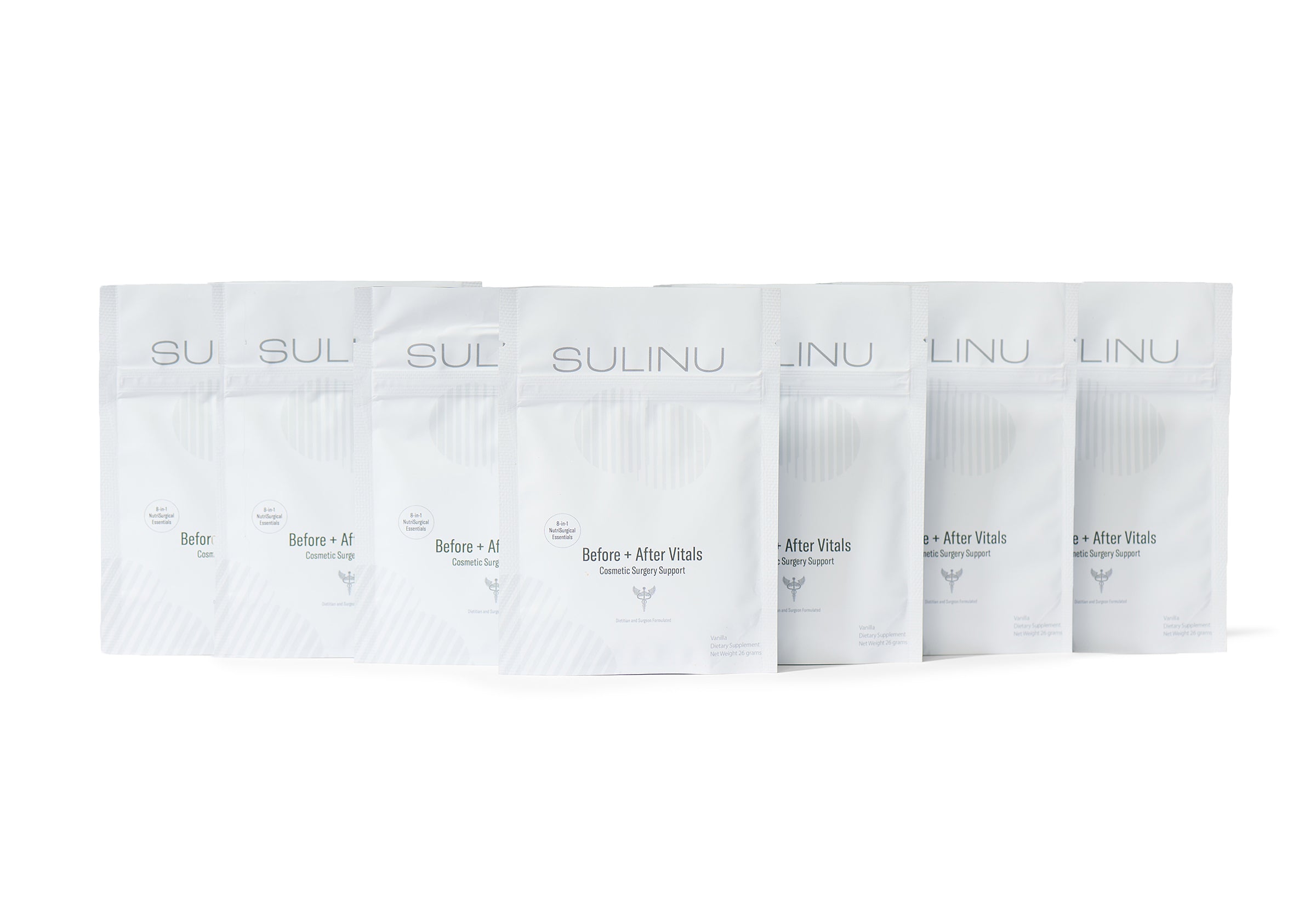
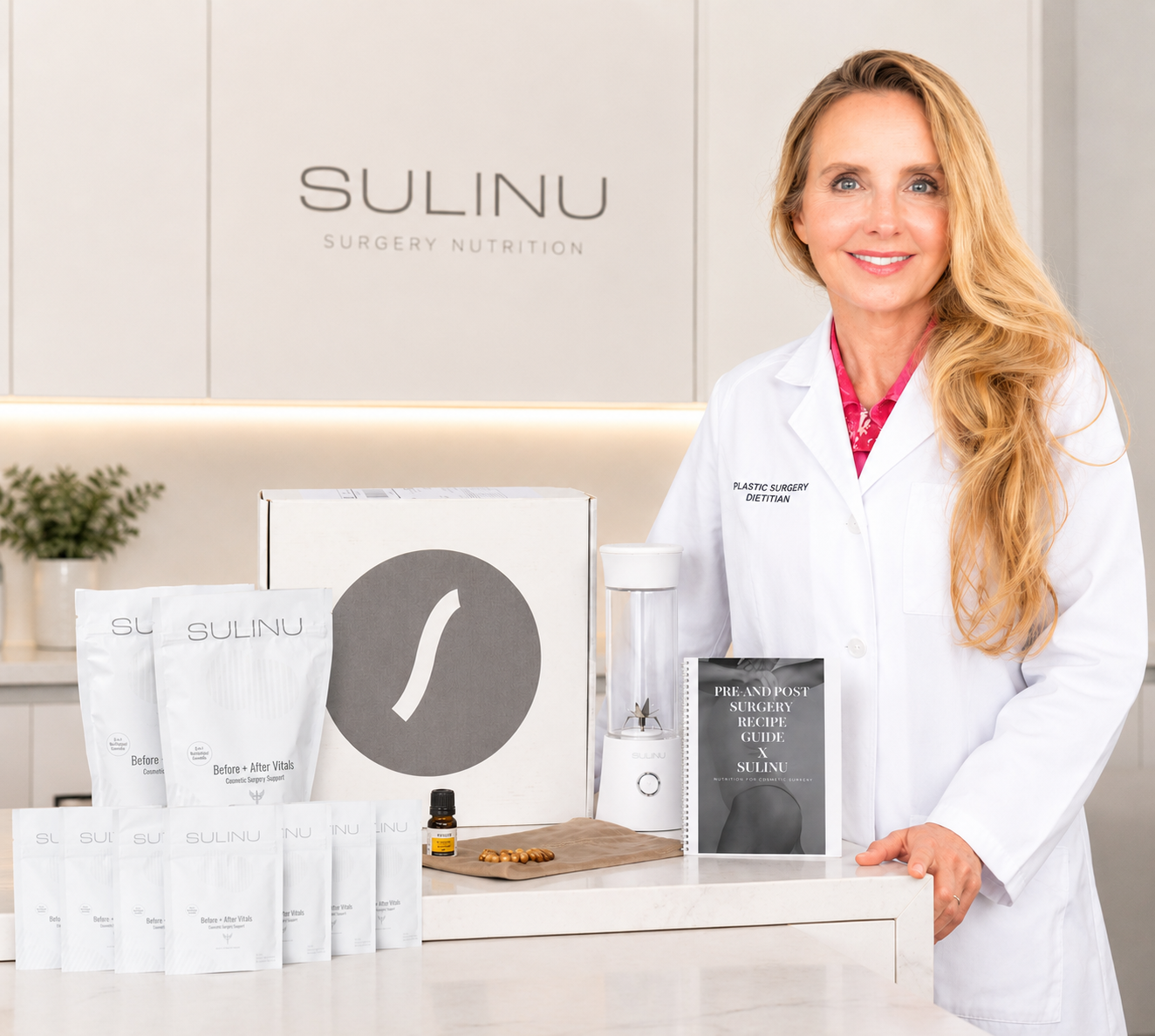
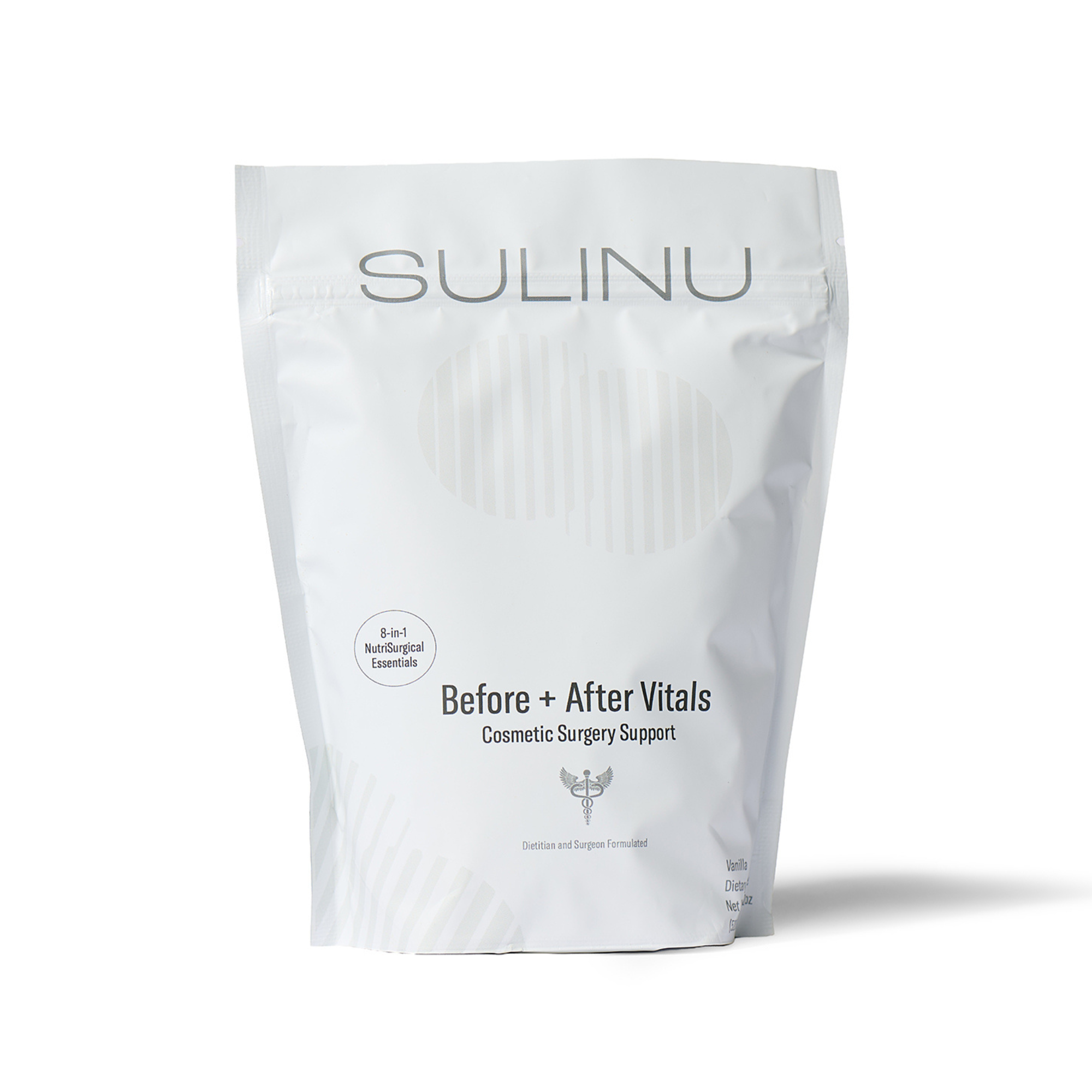
Sulinu's Before + After Vitals is the world's first and only comprehensive wound healing supplement formulated specifically for cosmetic surgery recovery. It operates under the NutriSurgical nutrition framework, a category built around the premise that cosmetic surgery recovery has distinct nutritional demands that general wellness products simply aren't designed to meet.
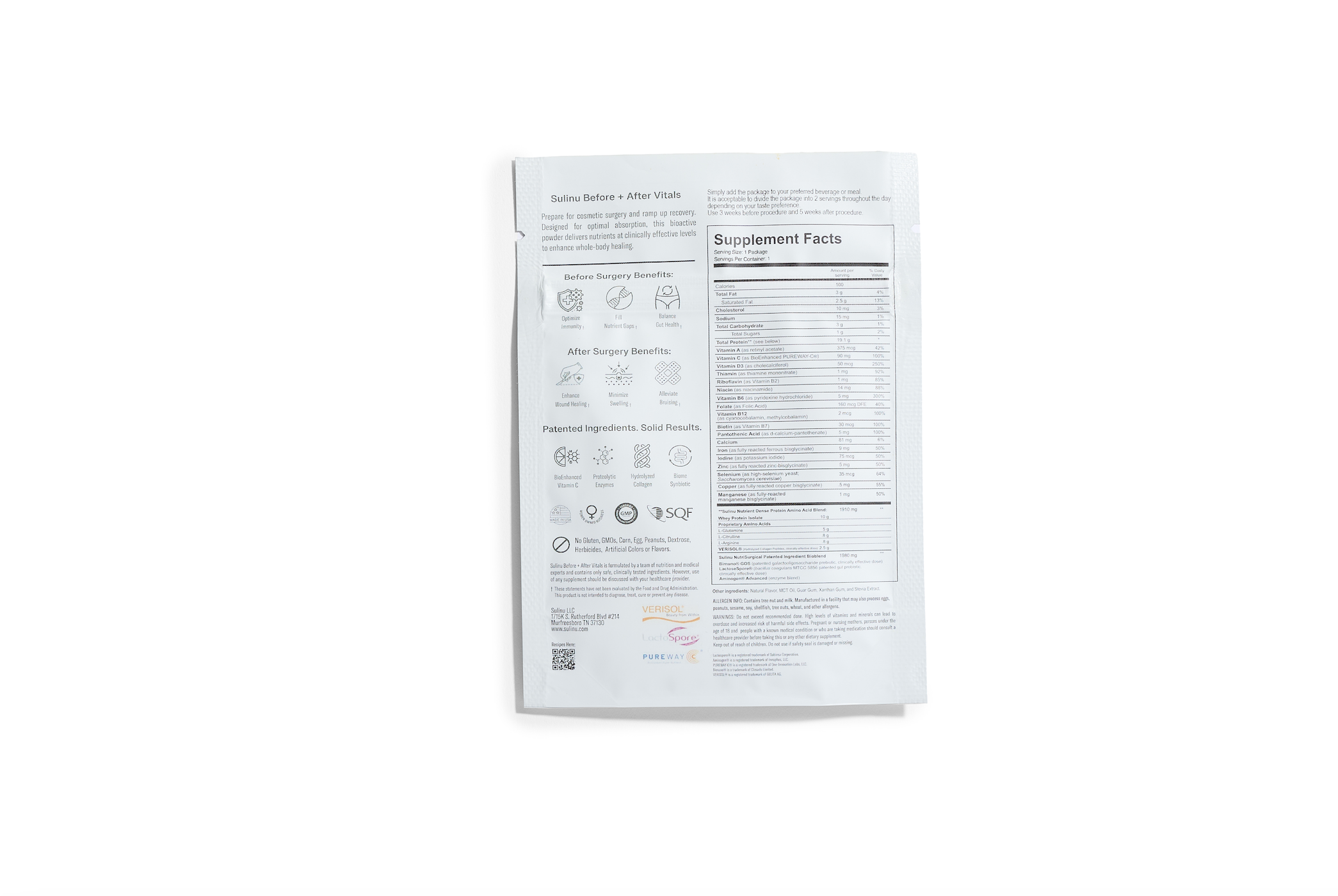
Before + After Vitals contains clinically studied ingredients in enhanced absorption forms, excludes compounds that can interfere with healing or thin the blood, and is designed to support your body across multiple recovery phases — not just the acute swelling period.
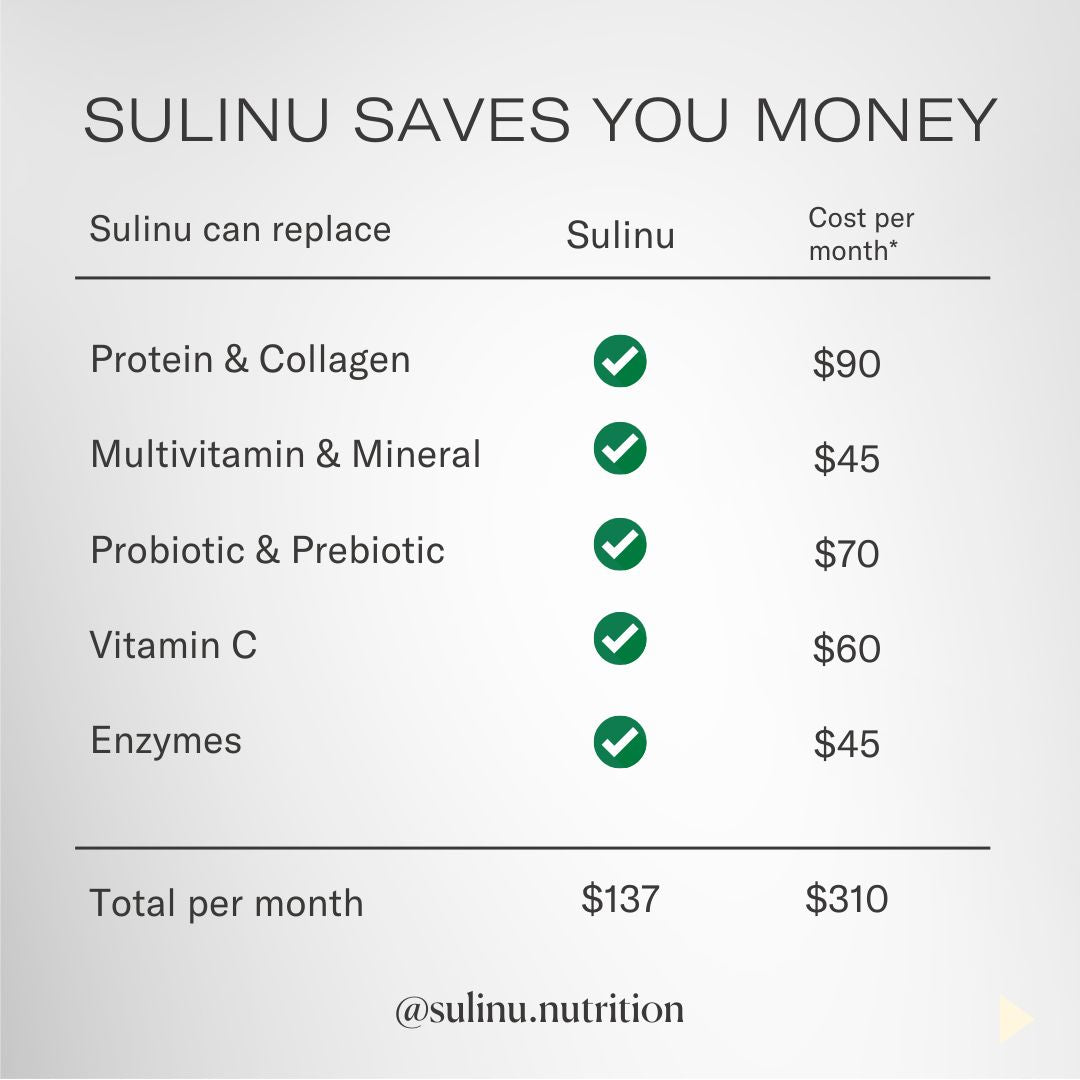
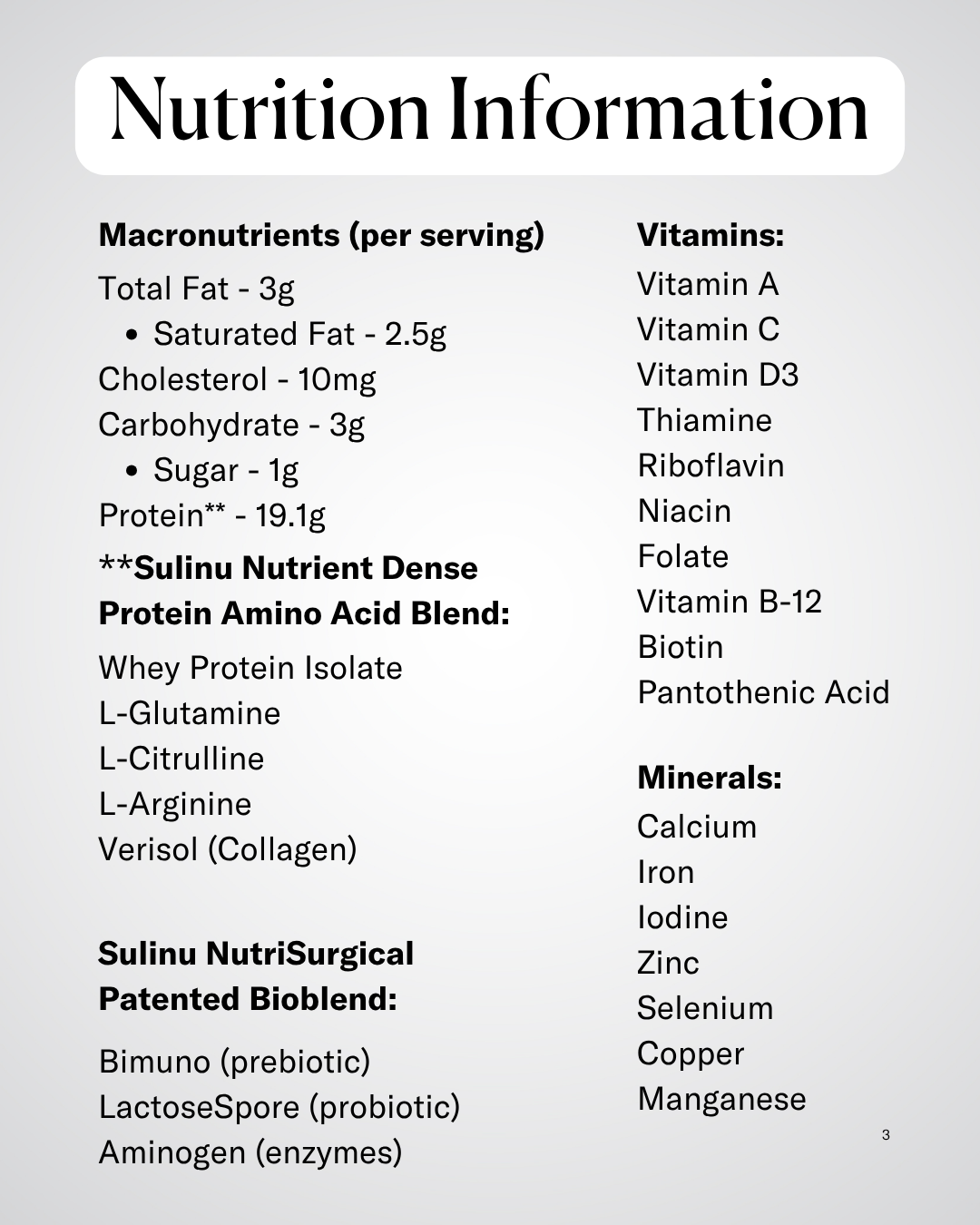
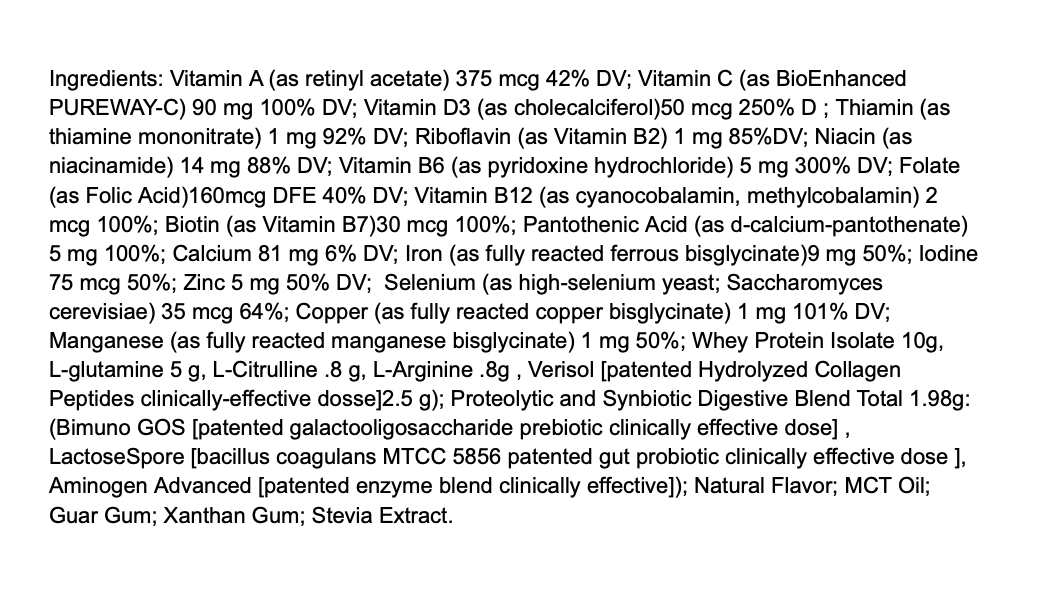
The formula includes 26 surgical essentials:
BioEnhanced Vitamin C
A patented, rapid-absorbing form that some research suggests achieves significantly higher tissue retention than standard ascorbate formulations. Vitamin C is foundational to collagen synthesis, immune defense, and antioxidant protection during the inflammatory phase, all of which directly influence how your body manages bruising, swelling, and the quality of scar tissue over time. It's also formulated to avoid the GI side effects that typically make high-dose vitamin C difficult to tolerate post-surgery.
Hydrolyzed Collagen Peptides
A patented version that some studies indicate may support meaningful improvement in skin elasticity in a matter of weeks. Collagen peptides don't just add collagen. They signal skin cells to produce more of their own. This matters at every stage: for swelling resolution as tissues remodel, for bruising clearance as vascular integrity is restored, and for scar quality as new tissue architecture forms.
Proteolytic Enzymes
Patented enzymes that, when combined with protein, some research suggests can help double total amino acid absorption. Amino acids are the building blocks your body uses to repair incision tissue, clear inflammatory debris, and build new scar architecture. Getting more of them absorbed, not just consumed, is the goal.
Biome Synbiotics
Surgery disrupts gut health, and disrupted gut health disrupts everything else: nutrient absorption, immune function, inflammatory response. Prolonged bruising and swelling are often downstream of a gut that isn't processing and delivering nutrients efficiently. This patented prebiotic and probiotic blend is designed to survive stomach acid and arrive active in the gut, supporting the digestive foundation that makes all other healing nutrients work.
The formula also includes targeted amino acids (L-glutamine, L-citrulline, L-arginine), essential vitamins (A, B-complex, C, D3), and minerals (zinc, copper, manganese, iron) — all in clinically relevant dosages, not token inclusions.
No GMOs. No gluten. No artificial colors. No ingredients that interfere with each other. Everything in Before + After Vitals is there because it has a specific job in your recovery.
Scoop. Mix. Heal.


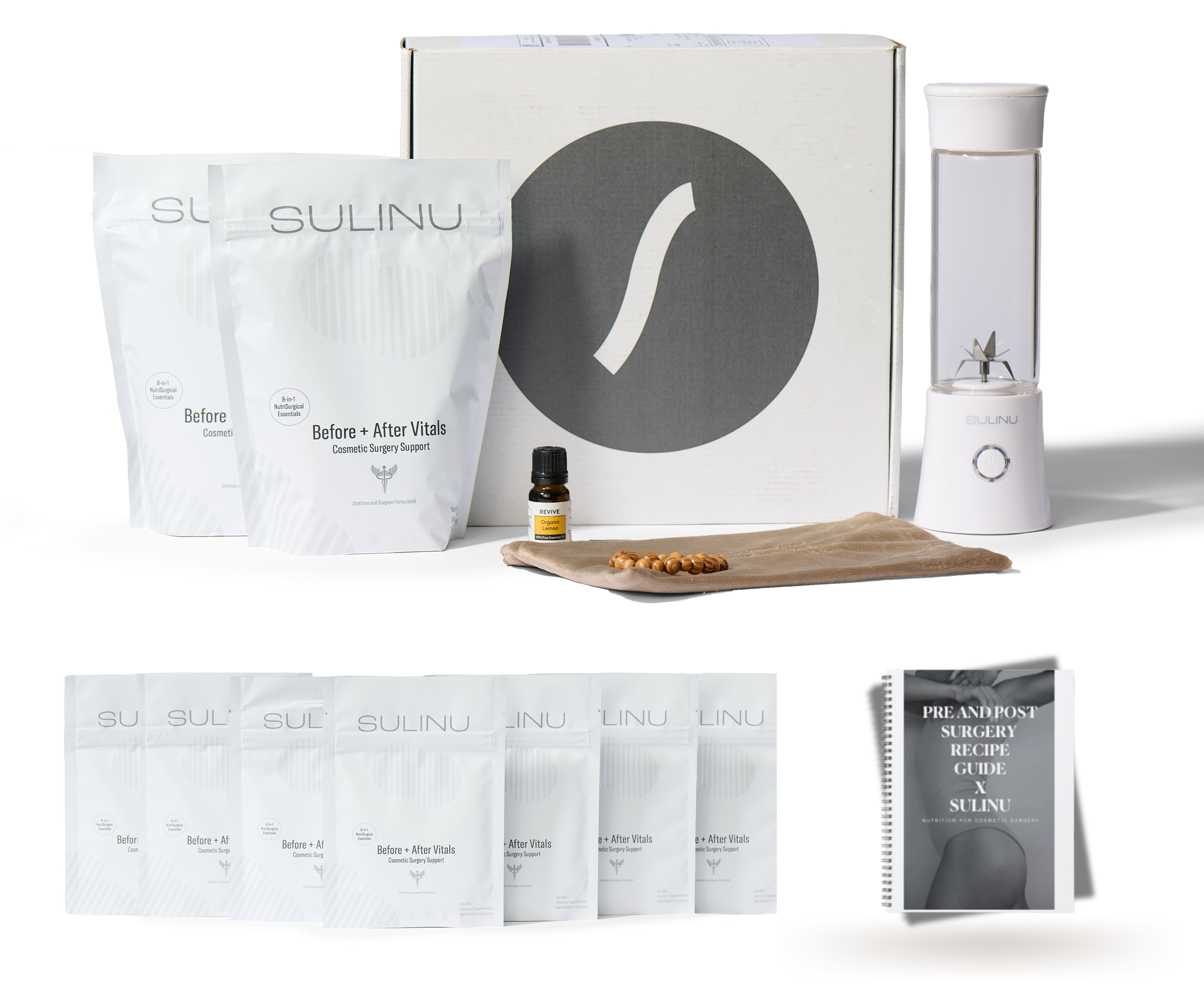
Support your surgery results with our VIP Bundle and get everything you need before and after surgery.
When to Be Concerned: Hypertrophic Scars and Keloids
Most thigh lift scars follow a predictable path. Some don't.
Hypertrophic scars remain raised and red beyond the expected timeline, often past six months. They stay within the original incision boundaries but refuse to flatten. They're more common in areas of high tension, which, for thigh lift patients, makes the lateral/spiral tier and the vertical extension worth watching more closely than the crescent incision alone. Some patients see resolution with silicone therapy, compression, or steroid injections administered by their surgeon.
Keloids extend beyond the original incision margins. They can be itchy, tender, and continue growing over time. Keloids are significantly more common in patients with darker skin tones and those with a personal or family history of keloid formation. Treatment options include steroid injections, laser therapy, and surgical revision — often in combination.
Wound separation or dehiscence is worth watching closely after a thigh lift, particularly along the lateral/spiral incision, where heavier tissue and constant movement put more strain on the closure. Contact your surgeon immediately if you notice separation, unusual drainage, increasing redness, or warmth along any part of the incision.
If your scar isn't following a normal trajectory by the 3–6 month mark, bring it to your surgeon's attention. Early intervention on problematic scars produces better outcomes than waiting.
FAQs: Thigh Lift Scars
Will my thigh lift scar be visible in shorts or a swimsuit?
It depends on which type you have. A crescent (medial) thigh lift scar sits in the natural groin crease and is typically well hidden by underwear or a swimsuit bottom. A vertical/extended thigh lift scar runs further down the inner thigh and is largely concealed when standing normally, becoming more visible when the knee bends and the hip rotates outward. A lateral thigh lift scar sits higher, near the hip and buttock crease, and is generally coverable by standard swimwear and underwear as well.
What's a crescent thigh lift, and does it scar less than other types?
A crescent thigh lift is the mildest surgical option, used when excess skin and fat are limited to the upper inner thigh. It involves a single incision placed in the natural crease where the thigh meets the groin, and it produces the most inconspicuous scar of any thigh lift type. It's genuinely one of the more reassuring options for patients specifically worried about visible scarring.
How long does it take for a thigh lift scar to fully fade?
Full scar maturation typically takes 12–18 months. Most patients see significant improvement in color and texture by the 6-month mark, but the final result isn't visible until the scar has fully matured. Patients who are consistent with silicone therapy, sun protection, and scar massage tend to see better outcomes.
Can I still walk or exercise while my thigh lift scar heals?
Light walking is typically encouraged early in recovery to support circulation, but your surgeon will give you specific restrictions around more strenuous activity, especially anything that creates repeated friction or tension across the incision. Because the inner thighs naturally rub together, managing friction during the early weeks is particularly important for this procedure — follow your surgeon's activity timeline closely.
Do supplements actually help with scar healing?
Some research suggests that specific nutrients play a meaningful role in the quality of wound healing and scar formation, particularly vitamin C, zinc, amino acids, and collagen peptides. The challenge is that most people aren't getting therapeutic levels of these nutrients through diet alone during recovery, especially given how surgery disrupts digestion and absorption. A supplement formulated specifically for surgical recovery — like Sulinu's Before + After Vitals — is designed to address exactly this gap. It's not a substitute for good post-op care, but it's a meaningful addition to it.
What if my scar doesn't improve on its own?
If your scar is raised, red, firm, or symptomatic beyond the expected timeline, contact your surgeon. Options like steroid injections, laser therapy, silicone therapy, and surgical revision exist and are effective when applied appropriately. The key is not waiting too long. Early intervention on problematic scars consistently produces better results than a prolonged watch-and-wait approach.
Medical Disclaimer
The information provided in this article is for general educational purposes only and is not intended to constitute medical advice, diagnosis, or treatment.
Every individual's healing process is unique, and outcomes vary based on a wide range of factors, including health status, surgical technique, and post-operative care. Always follow the specific guidance of your board-certified plastic surgeon and medical team.
If you experience any concerning symptoms during recovery, including signs of infection, wound separation, or unusual pain, contact your surgical team immediately.
These statements have not been evaluated by the Food and Drug Administration. Sulinu's Before + After Vitals is not intended to diagnose, treat, cure, or prevent any disease.


![A ⭐BEST VALUE⭐ The Prep + Recovery Bundle [free shipping] package is displayed on a white background with text highlighting its clinical benefits and international sourcing, emphasizing improved nerve regeneration, better protein absorption, and faster healing—making it an ideal addition to any surgical recovery kit.](http://www.sulinu.com/cdn/shop/files/2.jpg?v=1776452906&width=1080)
![A promotional image for The PREP STARTER Kit [free shipping], showcasing its key benefits such as protein, vitamins, minerals, amino acids, probiotics, and enzymes. Featured as an essential pre-op supplement in your surgery prep kit, the product bag is displayed alongside fresh green vegetables on a light background.](http://www.sulinu.com/cdn/shop/files/12.jpg?v=1776452906&width=1080)
![A hand holds a scoop of white powder above an open bag of The PREP STARTER Kit [free shipping]. Text highlights that this research-based formula aids surgery recovery, delivers 19g of protein and 29 carefully selected ingredients per daily scoop—making The PREP STARTER Kit an essential addition to any surgery prep kit.](http://www.sulinu.com/cdn/shop/files/3.jpg?v=1776452906&width=1080)
![A woman’s face in close-up appears on the left. On the right, text explains post-surgery risks: metabolism rises, appetite drops, food intake falls, and nutrient needs soar. The message: your body needs more while you eat less—making The PREP STARTER Kit [free shipping] essential for recovery.](http://www.sulinu.com/cdn/shop/files/9.jpg?v=1776452906&width=1080)
![Text graphic explaining consequences of not fueling the healing body: slower wound healing, higher infection risk, more bruising, increased fatigue, pain, and constipation. Highlights that nutrition is essential for recovery but often overlooked—using The PREP STARTER Kit [free shipping] can help support your body and make all the difference for surgical recovery.](http://www.sulinu.com/cdn/shop/files/10.jpg?v=1776452906&width=1080)
![A smiling woman holding a box labeled The PREP STARTER Kit [free shipping] stands beside text explaining the purpose behind creating The PREP STARTER Kit: to support post-surgery recovery by providing targeted nutrition backed by real clinical data, serving as an essential surgery protein guide for patients seeking optimal outcomes.](http://www.sulinu.com/cdn/shop/files/14.jpg?v=1776452906&width=1080)
![A person in a fitted outfit poses against a neutral background. Text reads ⭐BEST VALUE⭐ The Prep + Recovery Bundle [free shipping]. Discover the ultimate surgery prep bundle—nutrition for cosmetic surgery and essential support for your recovery kit.](http://www.sulinu.com/cdn/shop/files/UltimateSurgeryBundle-Sulinu.png?v=1775162796&width=537)