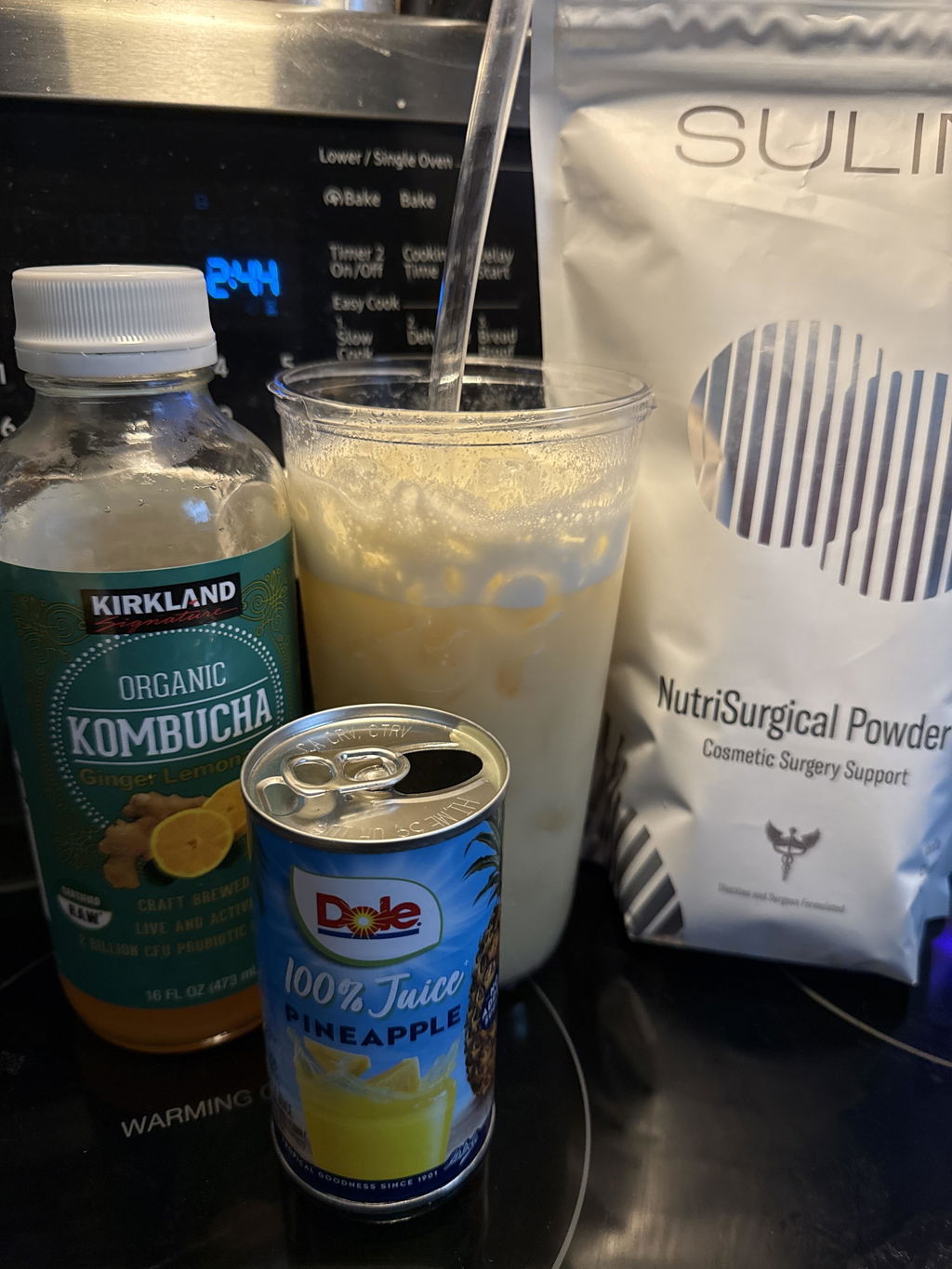
Protein is the most talked-about nutrient in bariatric recovery, and for good reason. After weight loss surgery, your body is simultaneously healing from a major procedure, adapting to a dramatically reduced stomach capacity, and working to preserve lean muscle mass while you lose weight. All of that requires protein, in amounts that are genuinely difficult to hit from food alone.
But here's what most guides on bariatric protein powders don't address: after surgery, it's not just how much protein you consume that matters. It's how much your body can actually absorb and use.
That distinction changes what you should be looking for in a protein powder.
How Much Protein Do You Need After Bariatric Surgery?
Most clinical guidelines recommend 60–80 grams of protein per day in the early post-operative period, with many bariatric teams increasing that target to 90–120 grams as recovery progresses. Individual needs vary based on the type of surgery, your current weight, and your surgeon's specific protocols. Always defer to your bariatric team's guidance over any general recommendation.
What makes hitting these targets difficult is that bariatric surgery significantly reduces how much food you can eat in a sitting. During the early liquid and soft food phases, which can last several weeks, whole food sources of protein are either off the table entirely or extremely limited in volume. A protein powder that mixes easily into liquids and delivers a meaningful amount of protein per serving isn't optional during this period. It's the backbone of meeting your daily target.
What to Look for in a Bariatric Protein Powder
Not all protein powders are equally suited for bariatric recovery. Here's what matters:
Protein content per serving. Look for at least 19–25 grams of protein per serving. After bariatric surgery, every serving counts, and you don't have room for a powder that delivers 10–12 grams and calls it a day.
Whey protein as the base. Whey is the gold standard for bariatric patients because it's a complete protein (containing all nine essential amino acids), digests quickly, and has a high bioavailability, making it well-suited for the compromised digestive environment that follows weight loss surgery.
Low in sugar and artificial fillers. Bariatric patients often become more sensitive to high-sugar foods after surgery, and dumping syndrome — a common post-operative complication — can be triggered by high sugar intake. A quality bariatric protein powder keeps sugar minimal.
Easy mixability. During recovery, the last thing you want is a gritty, clumpy powder that's unpleasant to drink. A super-fine, quick-dissolving formula matters more than it might seem when drinking protein shakes is a daily necessity for weeks.
Why Absorption Matters More After Bariatric Surgery
Here's the part most protein powder guides skip.
Bariatric surgery — whether gastric bypass, sleeve gastrectomy, or another procedure — alters the digestive tract in ways that affect how efficiently nutrients are absorbed. The stomach produces fewer digestive enzymes. Food moves through the gastrointestinal tract differently. In bypass procedures, specifically, food bypasses portions of the small intestine where significant nutrient absorption normally occurs.
The result: even if you're hitting your protein target in grams, your body may not be extracting the full amino acid benefit from what you're consuming.
This is why digestive enzyme support isn't a nice-to-have addition to a bariatric protein powder. It's a meaningful functional difference. Aminogen® — a patented enzyme complex clinically shown to double amino acid absorption from protein — directly addresses the absorption challenge that bariatric anatomy creates. When the digestive environment is already compromised, ensuring that the protein you consume is converted into usable amino acids at full efficiency matters significantly more than it would in a non-surgical context.
Protein Is Essential, but It's Not the Whole Picture
Bariatric surgery creates nutritional demands beyond protein. Micronutrient deficiencies, particularly in vitamin C, zinc, and B vitamins, are extremely common after weight loss surgery, driven by both reduced food intake and altered absorption. These deficiencies affect wound healing, immune function, and long-term health outcomes.
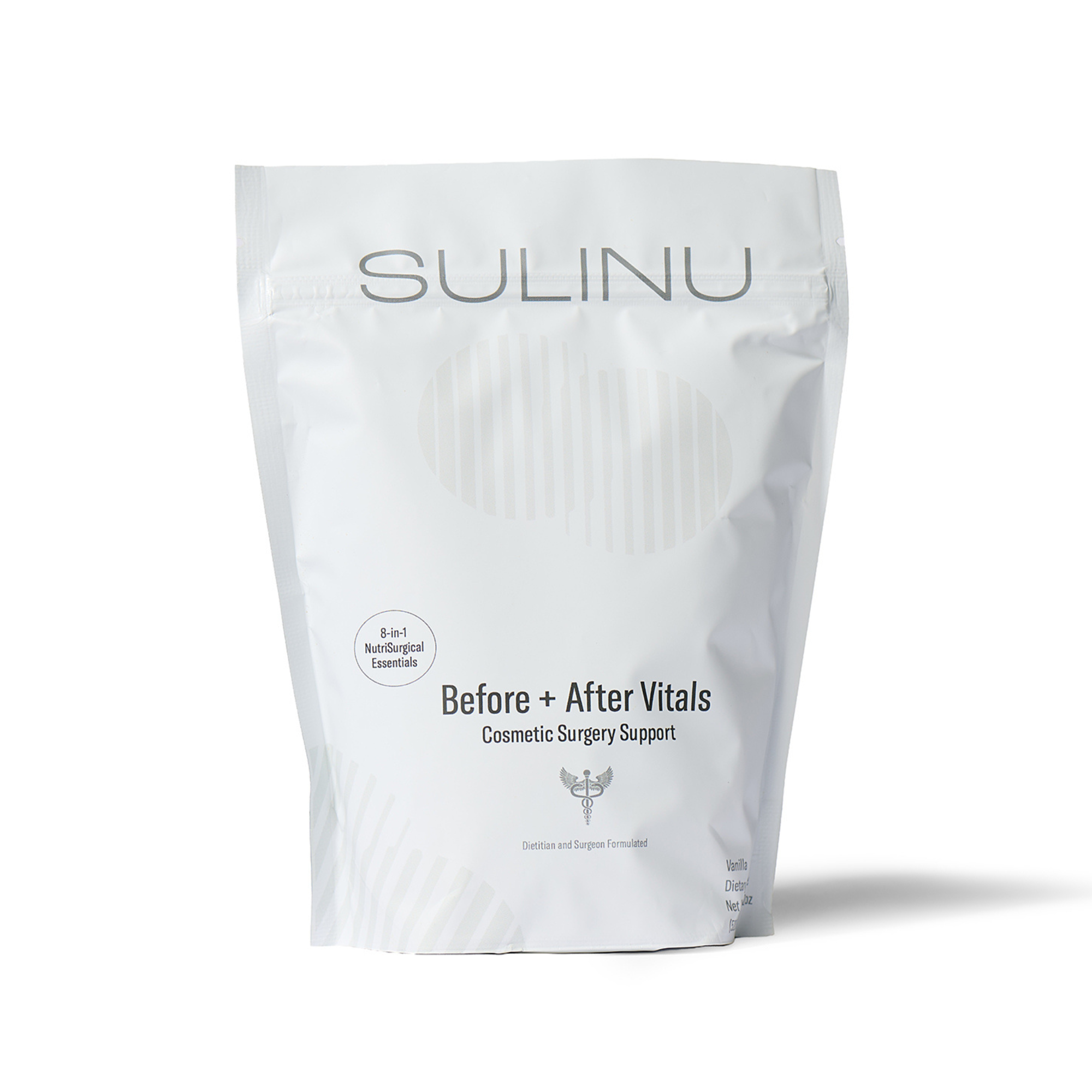
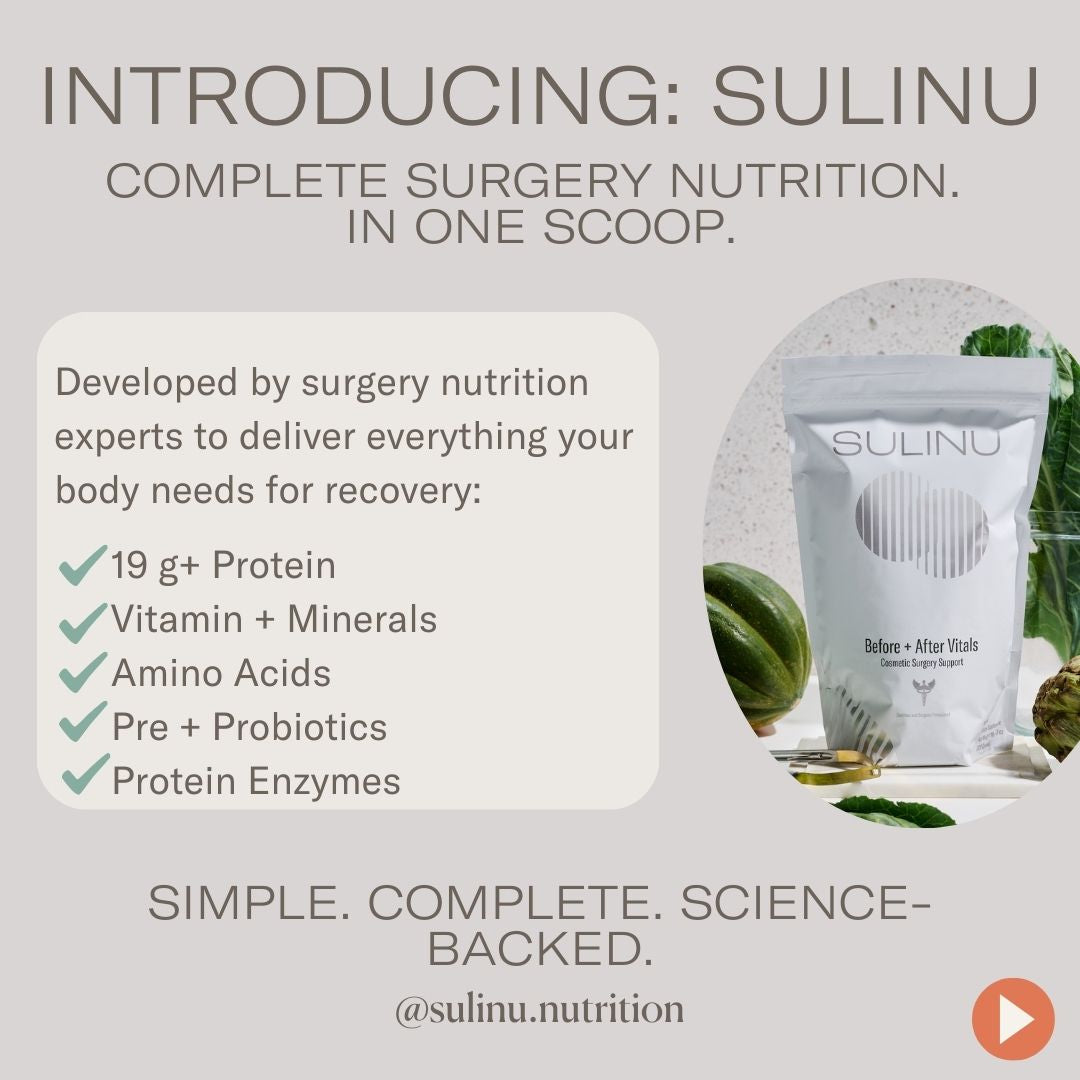
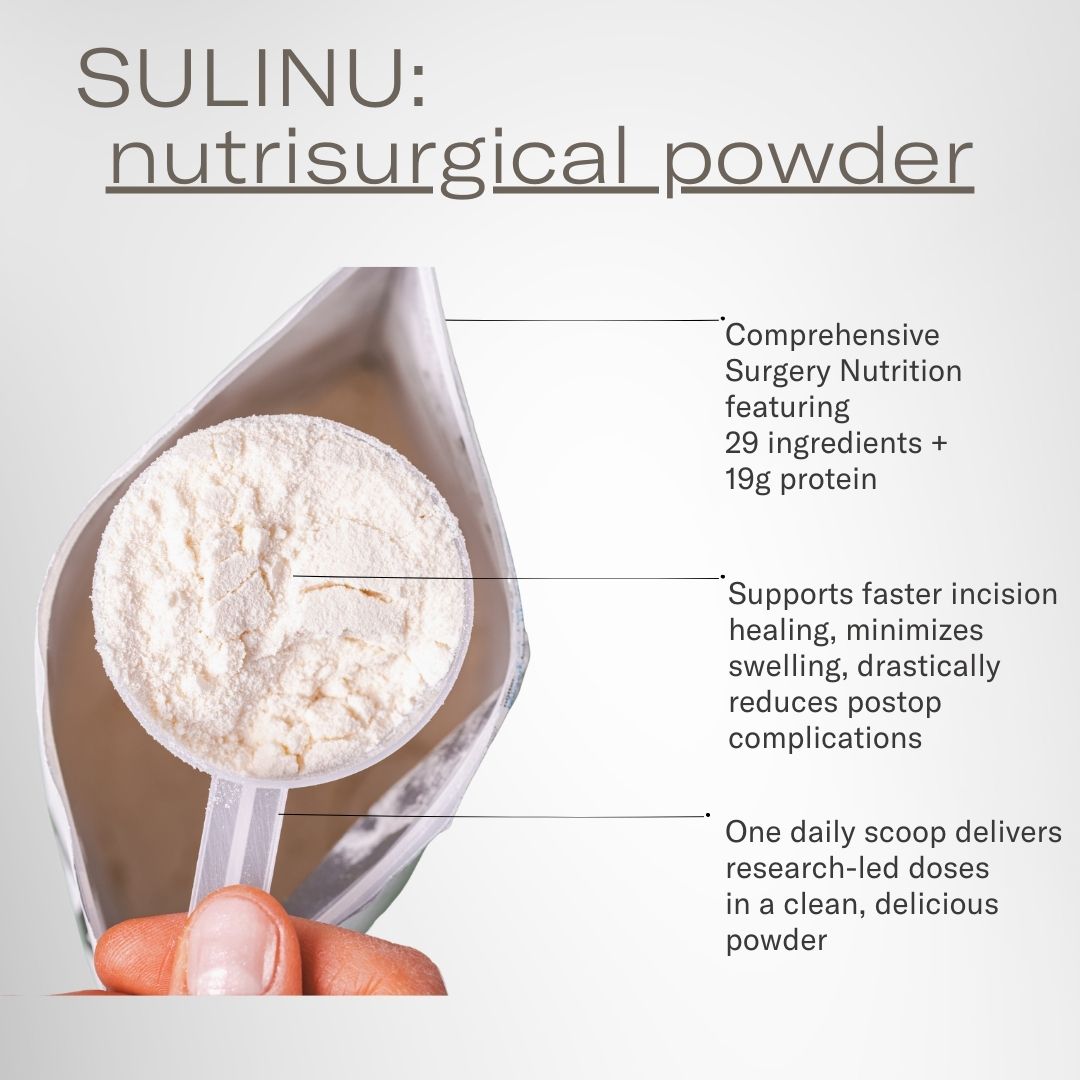
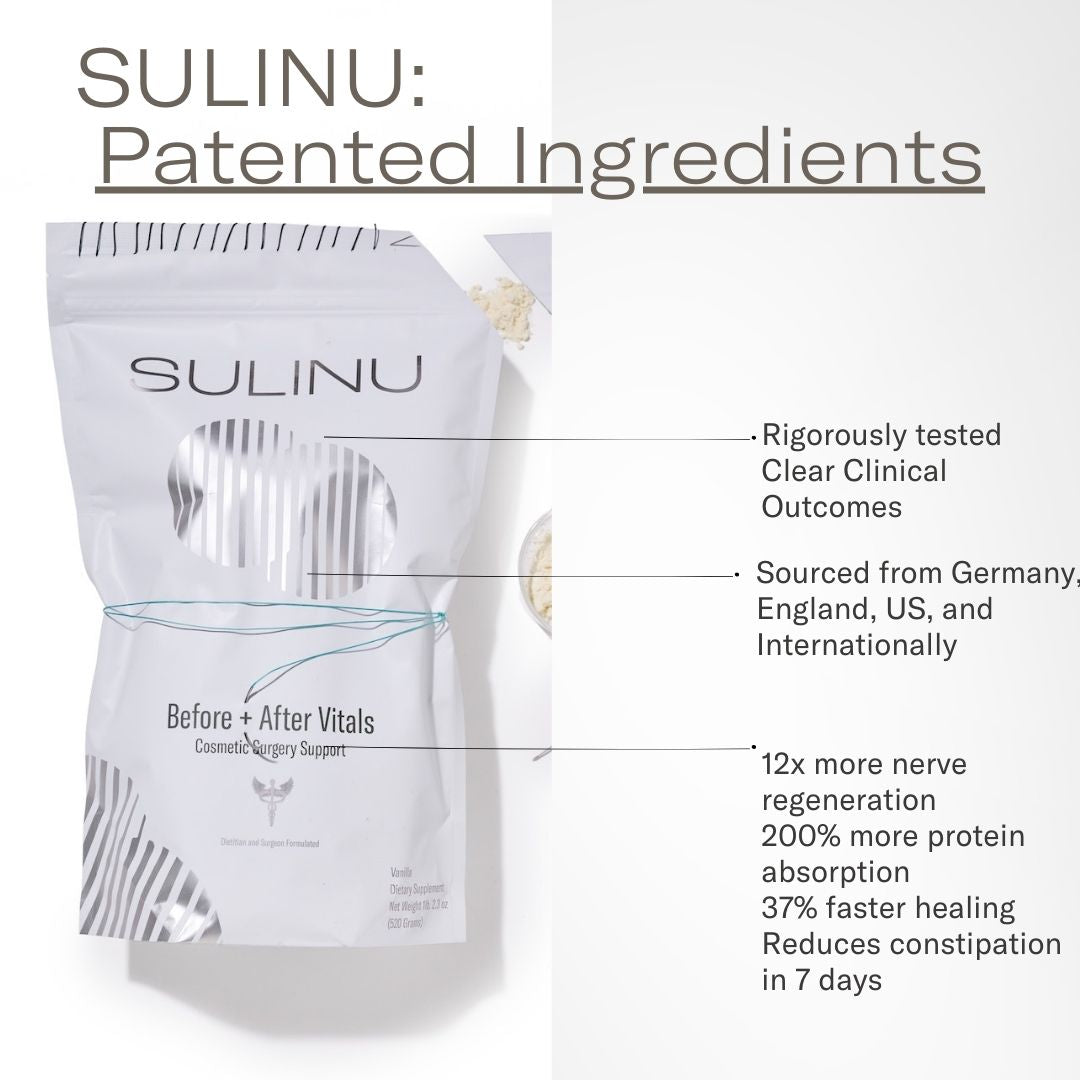
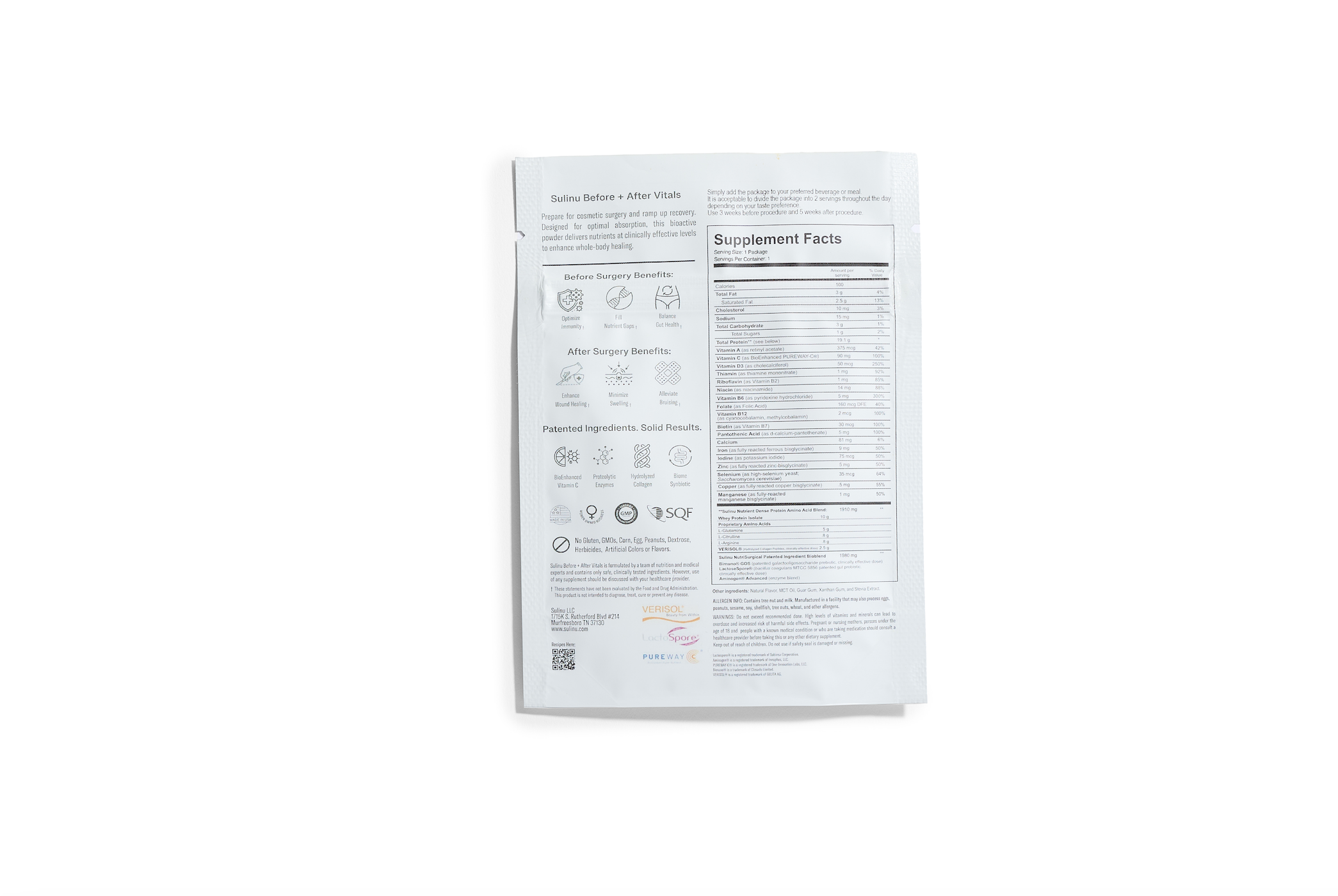
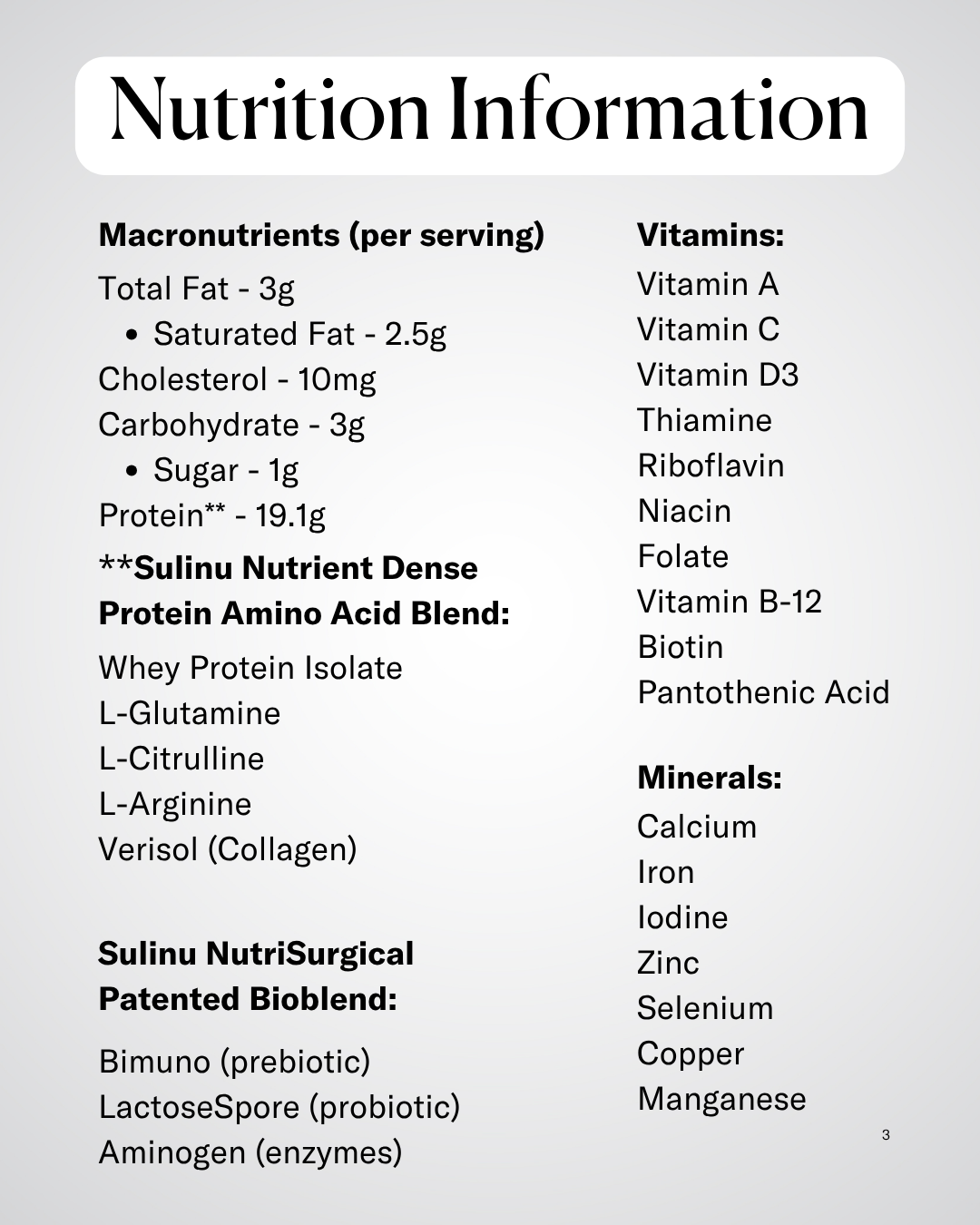
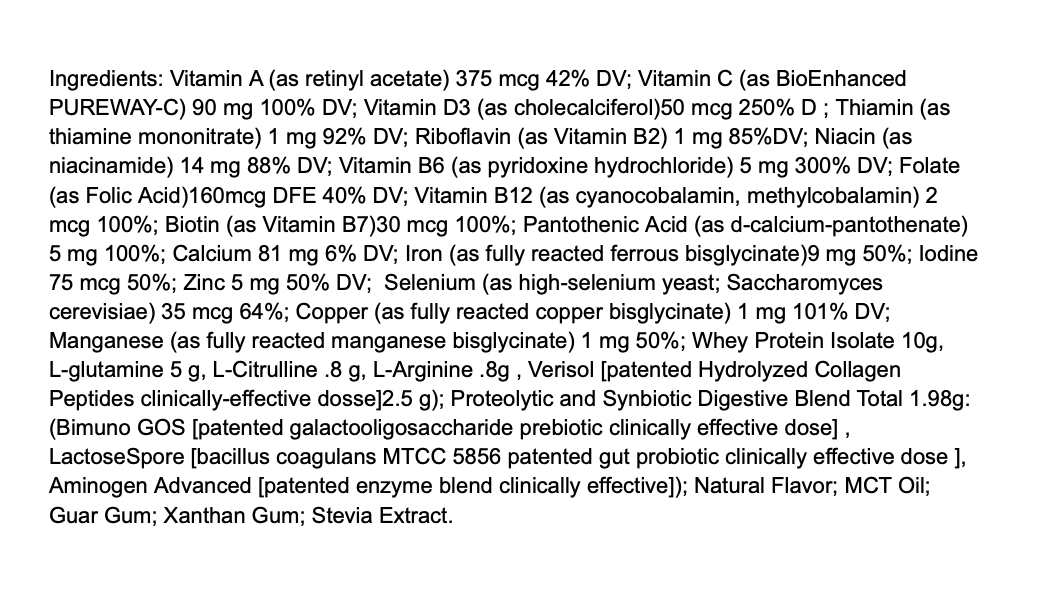
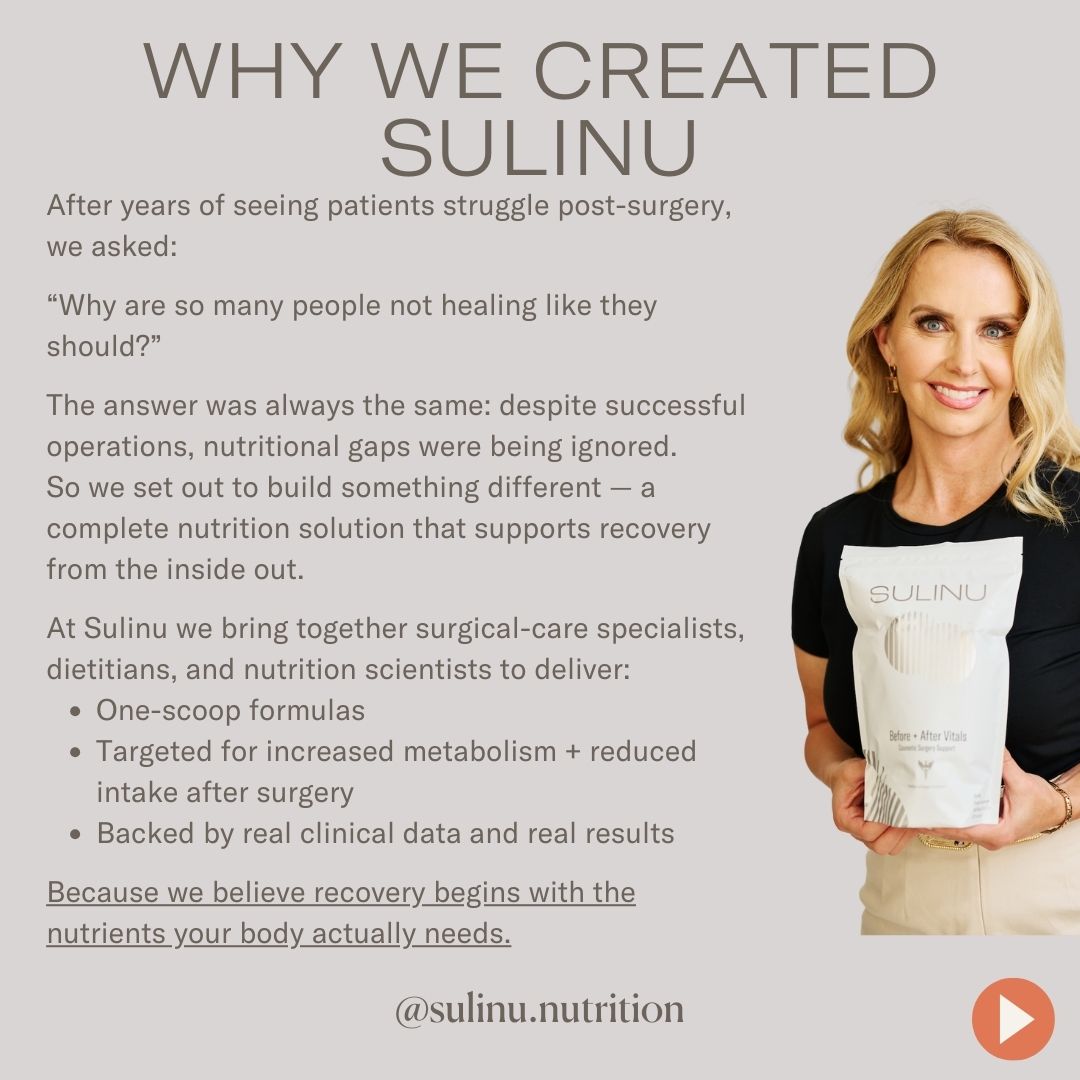
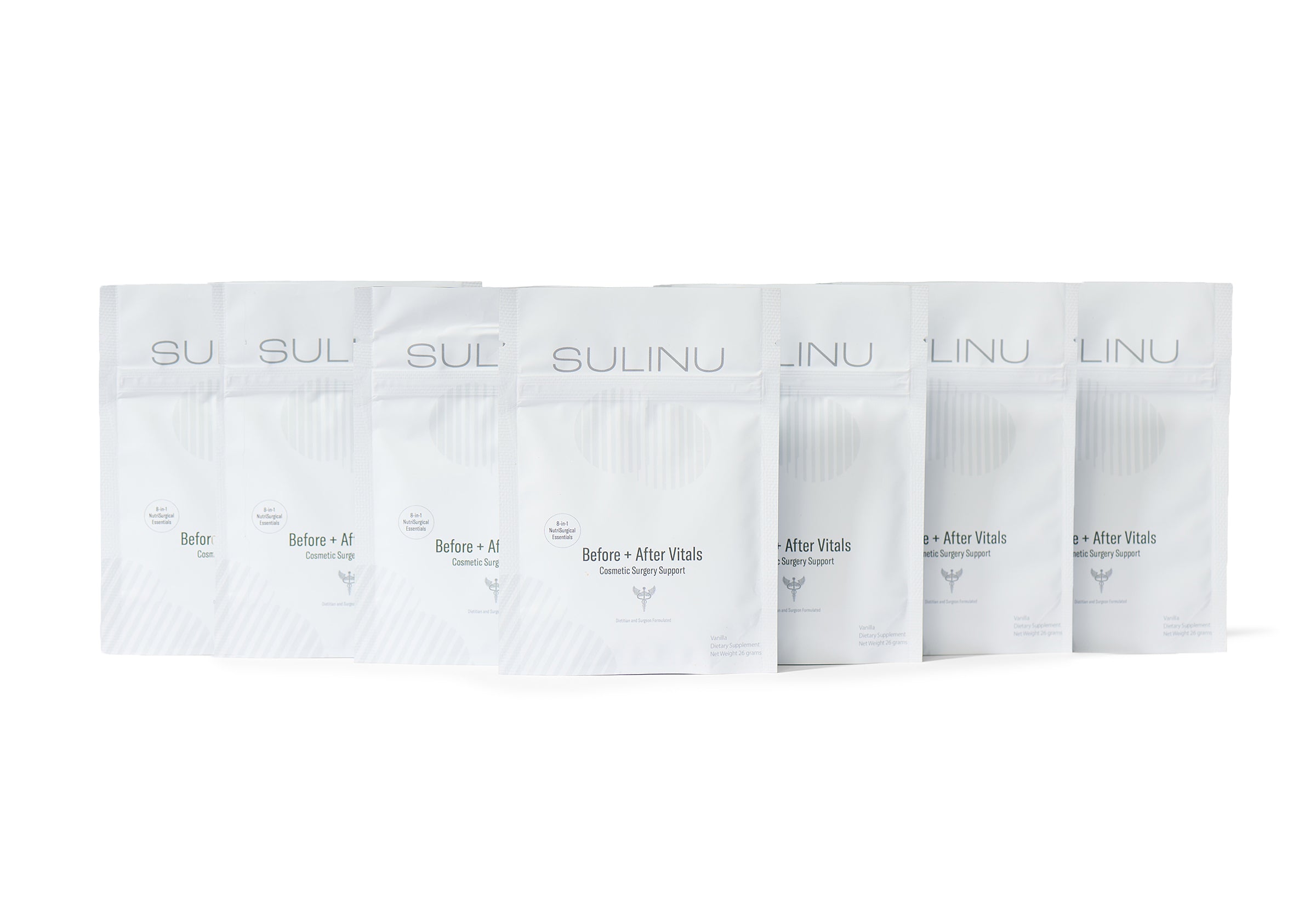
Most bariatric protein powders address protein and nothing else. Sulinu's Before + After Vitals was built on a different premise: that surgical recovery requires protein and the full nutritional environment that healing depends on. The formula includes 19g+ of whey protein alongside four patented NutriSurgical ingredients — PureWay-C® for vitamin C bioavailability, LactoSpore® for gut microbiome support, Bimuno® GOS as a prebiotic, and Aminogen® for amino acid absorption — plus a complete micronutrient profile calibrated for the demands of surgical recovery.
It's not a general wellness shake. It's built for what your body is actually doing after surgery.
Protein & Complete Nutritional Support for Bariatric Surgery Recovery
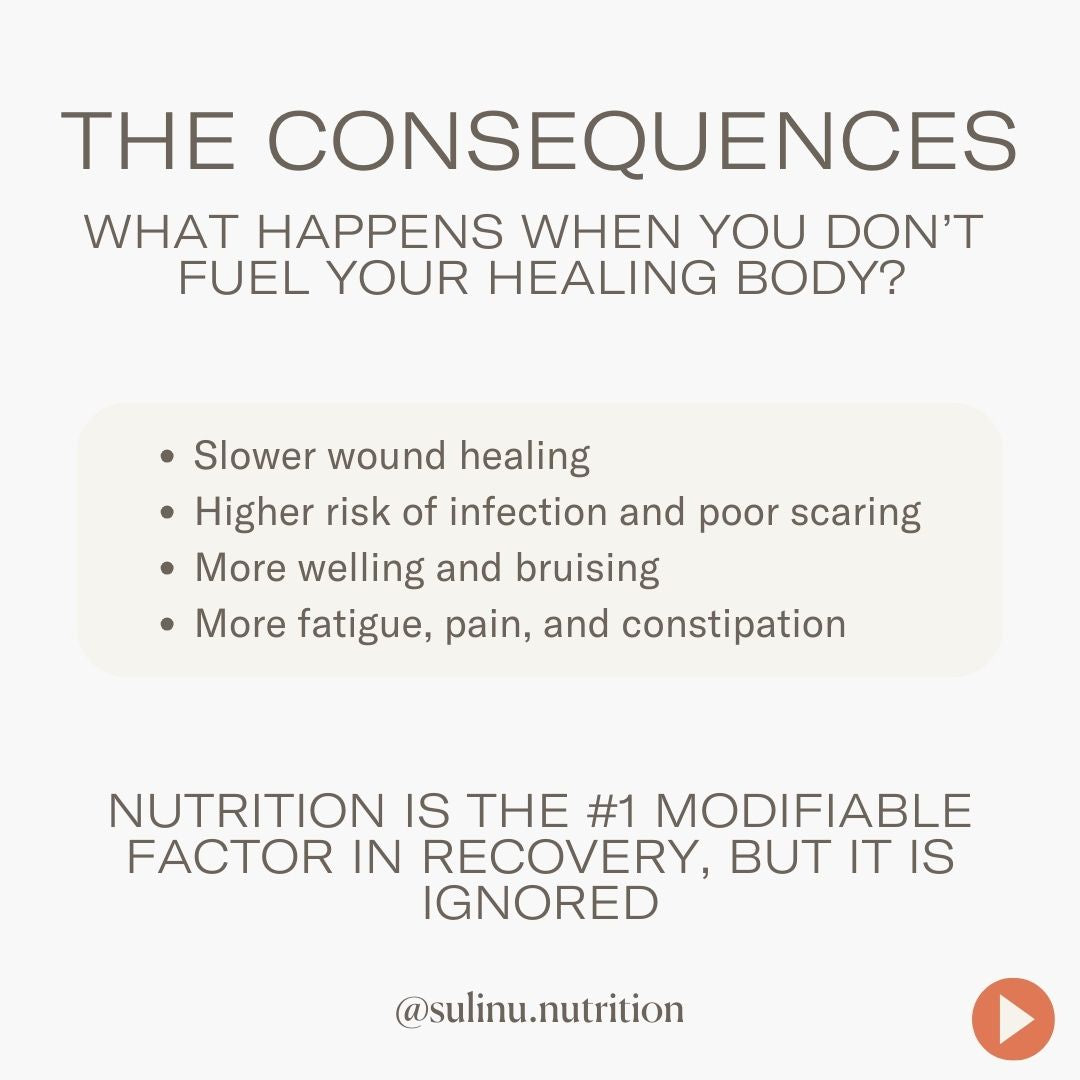
Recovery isn't only about what you do externally. What you put into your body during the healing process has a direct impact on how efficiently your body resolves inflammation, rebuilds tissue, and moves through the phases of wound healing.
Surgical recovery dramatically increases your body's nutritional demands.
Protein requirements rise substantially to support tissue repair. Vitamin C becomes critical for collagen synthesis and immune function. Specific enzymes are needed to break down inflammatory proteins efficiently. Meanwhile, surgical stress and post-operative medications can compromise your digestive system's ability to absorb nutrients from food at the exact moment your body needs them most.
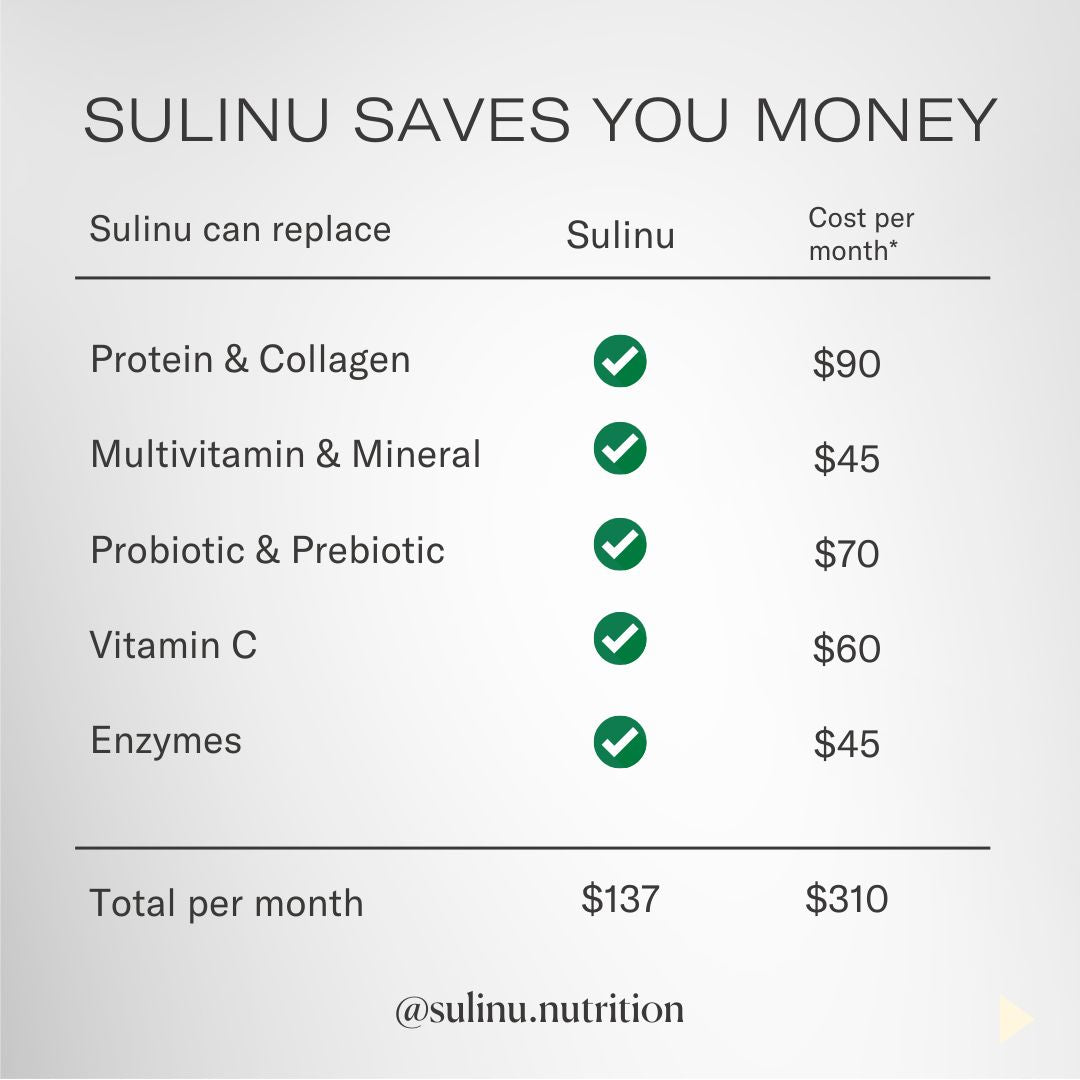
Standard multivitamins are designed for general wellness maintenance.
They are not formulated to meet the elevated, targeted demands of surgical recovery. Getting adequate amounts of the right nutrients — in forms your body can actually absorb during recovery — requires a more specific approach.

Before + After Vitals
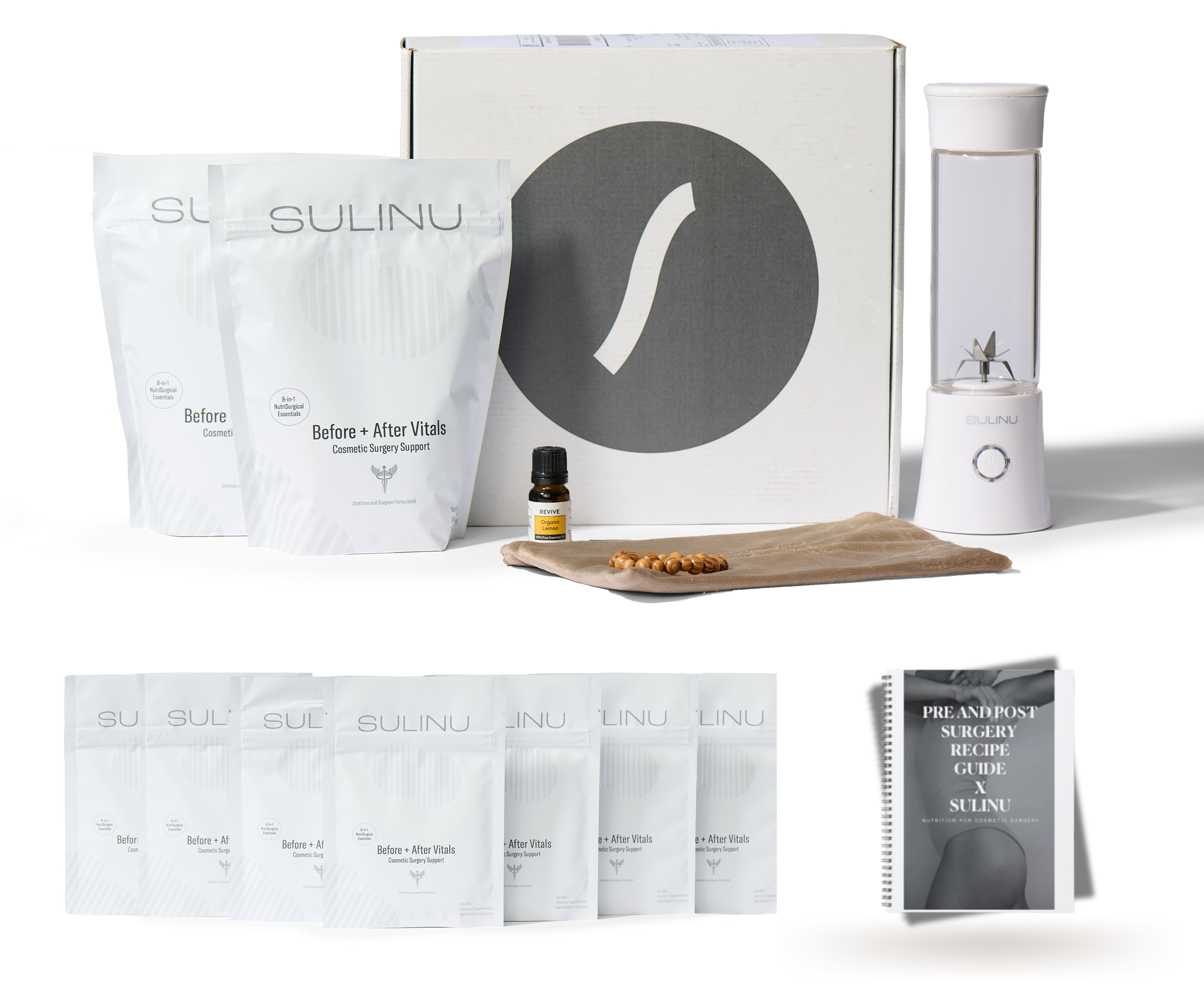
Sulinu's Before + After Vitals is the world's first and only comprehensive wound healing supplement formulated specifically for surgery recovery. It operates under the NutriSurgical nutrition framework — a category built around the premise that surgery recovery has distinct nutritional demands that general wellness products simply aren't designed to meet.
Before + After Vitals contains clinically studied ingredients in enhanced absorption forms, excludes compounds that can interfere with healing or thin the blood, and is designed to support your body across multiple recovery phases — not just the acute healing phase.
The formula includes 26 surgical essentials:
BioEnhanced Vitamin C
A patented, rapid-absorbing form that some research suggests achieves significantly higher tissue retention than standard ascorbate formulations. Vitamin C is foundational to collagen synthesis, immune defense, and antioxidant protection during the inflammatory phase, all of which directly influence how your body manages bruising, swelling, and the quality of scar tissue over time. It's also formulated to avoid the GI side effects that typically make high-dose vitamin C difficult to tolerate post-surgery.
Hydrolyzed Collagen Peptides
A patented version that some studies indicate may support meaningful improvement in skin elasticity in a matter of weeks. Collagen peptides don't just add collagen. They signal skin cells to produce more of their own. This matters at every stage: for swelling resolution as tissues remodel, for bruising clearance as vascular integrity is restored, and for scar quality as new tissue architecture forms.
Proteolytic Enzymes
Patented enzymes that, when combined with protein, some research suggests can help double total amino acid absorption. Amino acids are the building blocks your body uses to repair incision tissue, clear inflammatory debris, and build new scar architecture. Getting more of them absorbed, not just consumed, is the goal.
Biome Synbiotics
Surgery disrupts gut health, and disrupted gut health disrupts everything else: nutrient absorption, immune function, inflammatory response. Prolonged bruising and swelling are often downstream of a gut that isn't processing and delivering nutrients efficiently. This patented prebiotic and probiotic blend is designed to survive stomach acid and arrive active in the gut, supporting the digestive foundation that makes all other healing nutrients work.
The formula also includes targeted amino acids (L-glutamine, L-citrulline, L-arginine), essential vitamins (A, B-complex, C, D3), and minerals (zinc, copper, manganese, iron) — all in clinically relevant dosages, not token inclusions.
No GMOs. No gluten. No artificial colors. No ingredients that interfere with each other. Everything in Before + After Vitals is there because it has a specific job in your recovery.
Scoop. Mix. Heal.
FAQs: Protein Powder After Bariatric Surgery
When can I start protein shakes after bariatric surgery?
Most bariatric programs introduce clear protein drinks during the clear liquid phase, which typically begins in the first few days post-op. Full protein shakes generally become part of the routine during the full liquid phase. Your surgeon's specific timeline takes precedence — protocols vary by procedure type and individual recovery.
Is whey protein safe after bariatric surgery?
Yes, for most patients. Whey protein is widely recommended after bariatric surgery due to its complete amino acid profile and fast absorption. Patients with significant lactose intolerance may want to confirm tolerability with their bariatric team.
How many protein shakes per day after bariatric surgery?
This depends on your daily protein target and how much protein you're getting from food. Most patients in the early recovery phases rely on one to two protein shakes per day to bridge the gap between what food provides and their target intake. As solid food capacity increases, shake reliance typically decreases.
Why do bariatric patients struggle to get enough protein from food alone?
The dramatically reduced stomach capacity after surgery limits how much food can be consumed at any one sitting. High-protein foods like meat can also be difficult to tolerate in the early weeks. The combination of restricted volume, dietary texture restrictions, and reduced appetite makes hitting protein targets through food alone genuinely difficult — particularly in the first several months post-op.