Knee lift surgery delivers real, visible results — tighter skin, improved contour, a leg profile that finally matches the effort you've put in. What it also delivers, at least in the short term, is swelling, and a lot of it.
If you're in the early days of recovery and your knee is significantly more swollen than you anticipated, that's your body doing exactly what it's supposed to do. Swelling after knee lift surgery is not a complication. It's not a sign that something went wrong. It is a predictable, unavoidable part of the healing process, and understanding it is the single most useful thing you can do to get through recovery without losing your mind.
This guide breaks down why knee lift swelling happens, how long it lasts, and what you can actually do to move through recovery more effectively.
Why Swelling After Knee Lift Surgery Is Significant
Knee lift surgery, also called a knee lift or lower thigh lift, depending on the extent of the procedure, involves removing excess skin and tissue from the area just above and around the knee. In some cases, liposuction is performed simultaneously to contour the surrounding area.
The swelling that follows isn't random. It's a direct physiological response to surgical trauma.
When your surgeon makes incisions and removes tissue, your immune system immediately activates an inflammatory response. Fluid rushes to the surgical site. Blood vessels dilate. White blood cells flood the area to begin clearing damaged tissue and defending against infection. This is the inflammatory phase of wound healing, and it is non-negotiable. Your body can't skip through it.
Several factors make knee lift swelling particularly pronounced:
Tissue disruption is extensive.
Skin removal surgery requires working across a wide surface area. The more tissue involved, the larger the inflammatory response.
The knee is a high-mobility joint.
Even at rest, gravity pulls fluid toward the lower extremities. The knee sits at a natural drainage bottleneck, where lymphatic fluid accumulates before making its way upward and out of the leg.
Gravity works against you continuously.
Unlike facial procedures, where elevation is easier to maintain, keeping a knee consistently elevated above heart level requires deliberate effort and positioning. Any time your leg drops below heart level, fluid pools.
Lymphatic drainage in the lower extremity is slower by design.
The lymphatic system moves fluid upward against gravity using muscle contractions and pressure changes. After surgery, this system becomes temporarily overwhelmed and cannot clear fluid as efficiently as normal.
The result: more swelling, lasting longer, than patients typically anticipate going in.
Swelling Timeline: What to Expect Week by Week
Recovery timelines vary based on the extent of your surgery, your individual healing response, and how well you follow post-operative instructions. That said, there is a general pattern most patients follow.
Days 1–3: Peak Swelling
Swelling reaches its maximum intensity in the first 48–72 hours. The area around your knee may look significantly larger than expected, and bruising typically appears alongside the swelling. This is normal. Your surgical dressings or compression garment is doing important work during this phase. Do not remove or loosen them without your surgeon's direction.
Pain and discomfort are usually most significant during this window as well. Rest, elevation, and cold therapy are your primary tools right now.
Days 4–10: Plateau and Early Stabilization
Swelling stops increasing but doesn't resolve quickly. You may notice day-to-day fluctuations. Your knee might look somewhat better in the morning and more swollen by evening. This is normal and directly related to gravity and fluid redistribution throughout the day. Bruising begins to shift color during this period, progressing through yellow and green tones as it resolves.
Weeks 2–4: Gradual, Visible Improvement
Most patients begin to see meaningful improvement in overall swelling during this phase. The most dramatic puffiness subsides, and the general shape of the knee becomes more recognizable. You'll likely transition from prescription pain management to over-the-counter options, and limited mobility begins to return. Compression remains essential.
Months 2–3: Residual Swelling
A measurable degree of swelling typically persists well into months two and three. This phase is frustrating for many patients because progress becomes harder to see day-to-day. Monthly progress photos are more useful than daily mirror checks during this period. Intermittent swelling flare-ups — particularly after activity or prolonged standing — are common and expected.
Months 4–6: Final Resolution
Most residual swelling clears by the four-to-six-month mark, though individual timelines vary. Patients with more extensive procedures may take longer. Final contour results are not fully visible until swelling has completely resolved.
How to Reduce Swelling After Knee Lift Surgery
You cannot eliminate swelling. But you can meaningfully influence how severe it becomes and how quickly it resolves. These strategies work, but only if applied consistently.
Elevation Is Your Most Important Tool
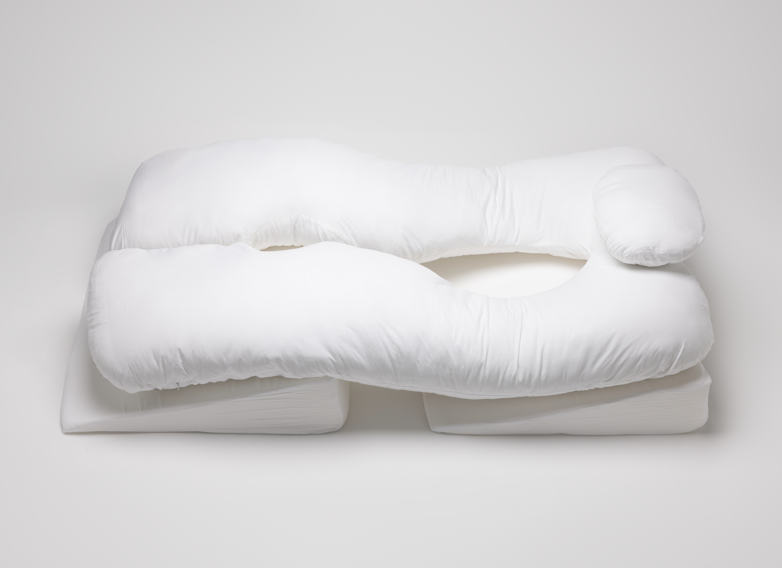
Keep your leg elevated above heart level as much as possible, especially during the first two weeks. This means lying down with your leg propped on pillows — not sitting in a recliner with your foot raised slightly, which is not sufficient. The goal is to position the knee higher than your heart so gravity assists fluid drainage rather than working against it.
When you sleep, maintain elevation through the night. This is uncomfortable at first, but it matters.
Wear Your Compression Garment as Directed
Compression garments do two things: they limit the space available for fluid accumulation, and they support the lymphatic system's ability to move fluid out of the surgical area. Your surgeon will specify how many hours per day to wear your garment and when you can begin reducing compression.
Do not discontinue compression early because swelling looks better. Early swelling reduction is often the result of compression working correctly.
Move Carefully and Appropriately
Complete rest is not your goal. Some gentle movement is essential for promoting circulation and lymphatic drainage. Short, slow walks, beginning as soon as your surgeon approves, help pump fluid out of the lower extremity through the muscle contractions involved in walking.
What you should not do: stand in place for extended periods, engage in activities that significantly increase your heart rate, or push through pain. Follow your surgeon's specific activity timeline.
Apply Cold Therapy in the First 72 Hours
Cold therapy reduces inflammation and provides pain relief during the initial phase of recovery. Use cold packs or wrapped ice for 15–20 minutes at a time with adequate breaks between sessions. Always use a barrier between ice and skin.
After the first few days, cold therapy becomes less effective for swelling management. Your surgeon may recommend transitioning to gentle warmth to support circulation — only with explicit clearance to do so.
Manage Sodium Intake Carefully
Sodium drives fluid retention throughout the body. During the acute phase of recovery, excess dietary sodium can meaningfully worsen swelling. Limit processed foods, canned goods, restaurant meals, and added salt. Focus on whole foods with naturally lower sodium content.
Prioritize Sleep Quality
Your body performs its most intensive repair processes during deep sleep. Poor sleep quality, even if you're technically getting enough hours, can slow the inflammatory resolution process. Prioritize sleep hygiene during your recovery period.
Stay Hydrated, but Don't Overcorrect
Adequate hydration supports circulation and lymphatic drainage. However, excessive fluid intake can contribute to systemic fluid retention. Aim for steady, moderate hydration throughout the day rather than consuming large amounts at once.
Limit Alcohol Completely During Recovery
Alcohol is a vasodilator. It causes blood vessels to expand, increasing fluid leakage into surrounding tissues. Some research also suggests alcohol interferes with nutrient absorption and inflammatory regulation. There is no safe amount of alcohol during the active healing period.
Prioritize Nutrition
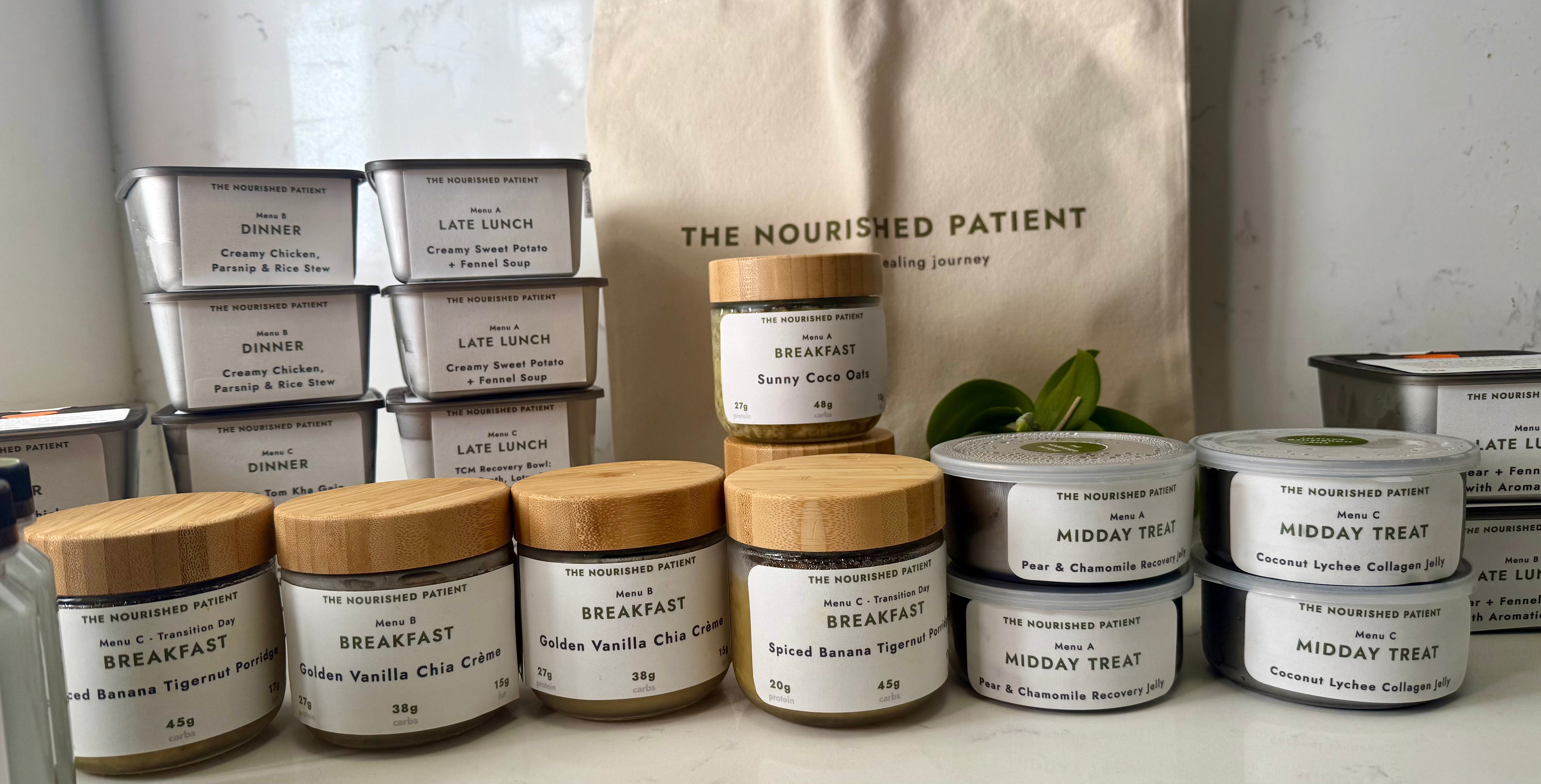
This is sometimes easier said than done. Your appetite drops, nausea lingers, and cooking feels impossible, right when your body's nutritional demands are at their peak. What you eat during recovery isn't a bonus consideration. It's a core part of how your body resolves swelling and repairs tissue. More on that below.
What Makes Knee Lift Swelling Different From Other Procedures
Patients who have had other cosmetic procedures, including facial surgery, breast procedures, and even abdominal work, are often surprised by how significant and prolonged knee lift swelling is compared to their previous experiences. There are specific anatomical reasons for this.
Lower extremity lymphatic drainage is inherently slower.
The lymphatic system in the legs must work against gravity continuously. This is the same reason ankles swell during long flights or after extended periods of standing. After surgery, this system is under additional stress and moves fluid more slowly than lymphatic drainage in the upper body or face.
Mobility restrictions are more disruptive.
Most post-surgical elevation and mobility guidance for knee procedures directly conflict with normal daily function. Walking, sitting, and standing — activities people do constantly — all place the knee below heart level and promote fluid accumulation. Managing this requires active, consistent effort throughout the day.
The skin around the knee is under tension.
After a knee lift, the remaining skin is stretched and sutured under some degree of tension. The area around incisions is particularly prone to swelling and takes longer to fully resolve.
Swelling directly impacts mobility.
Unlike swelling after a facelift or rhinoplasty — which primarily affects appearance — knee swelling can significantly restrict movement. This can make patients feel more limited during recovery than they anticipated, which adds psychological difficulty to the physical experience.
Nutritional Support for Knee Lift Recovery
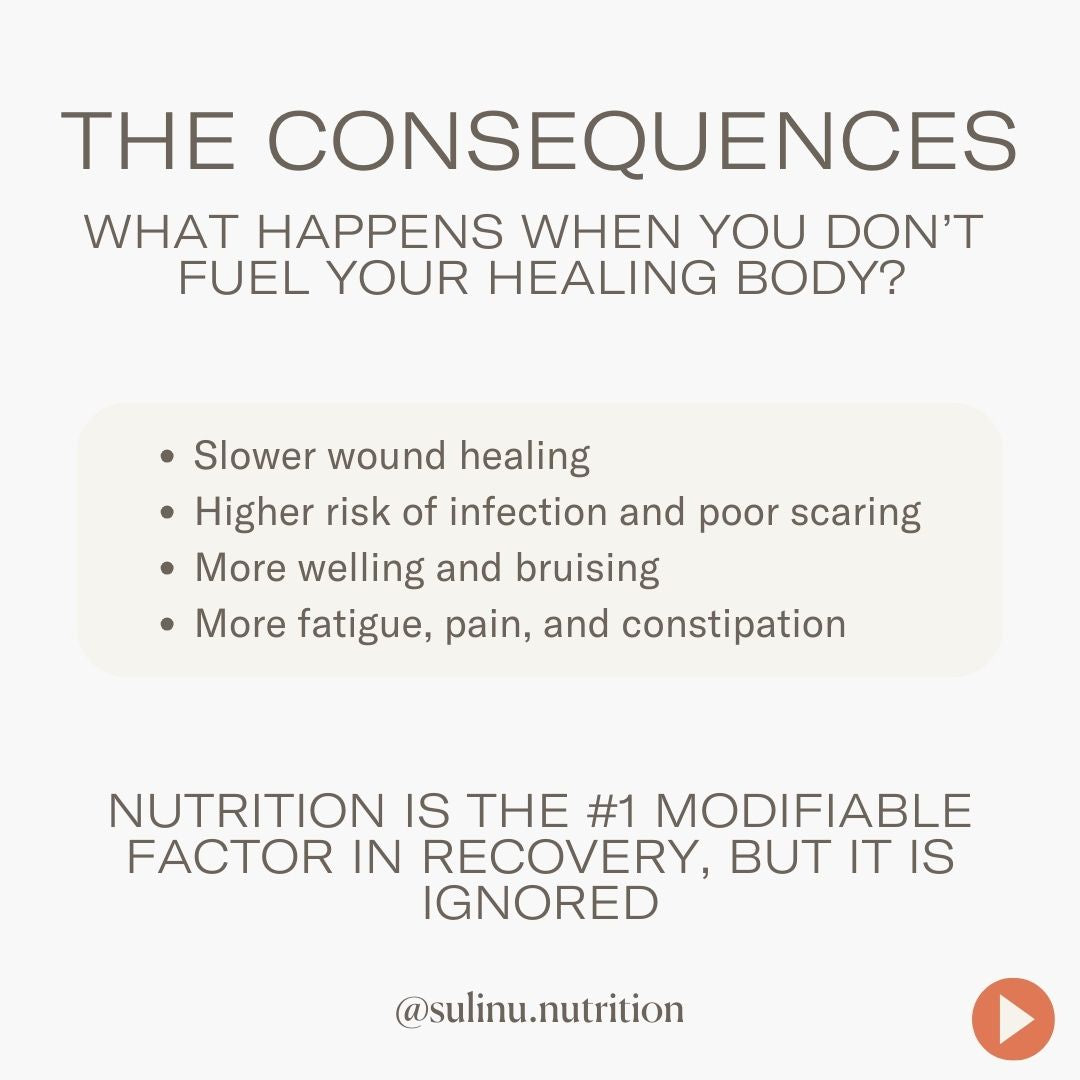
Recovery isn't only about what you do externally. What you put into your body during the healing process has a direct impact on how efficiently your body resolves inflammation, rebuilds tissue, and moves through the phases of wound healing.
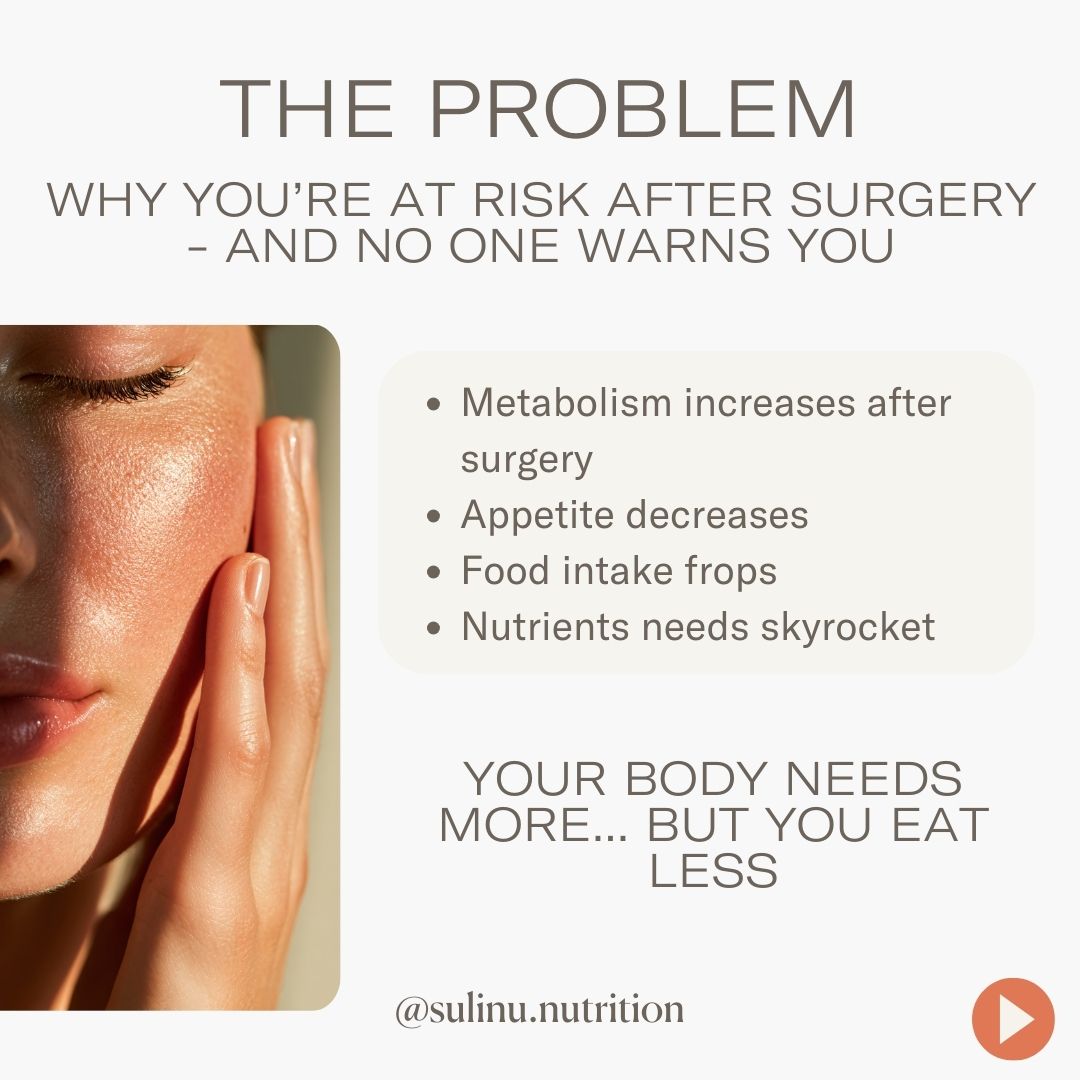
Surgical recovery dramatically increases your body's nutritional demands.
Protein requirements rise substantially to support tissue repair. Vitamin C becomes critical for collagen synthesis and immune function. Specific enzymes are needed to break down inflammatory proteins efficiently. Meanwhile, surgical stress and post-operative medications can compromise your digestive system's ability to absorb nutrients from food at the exact moment your body needs them most.
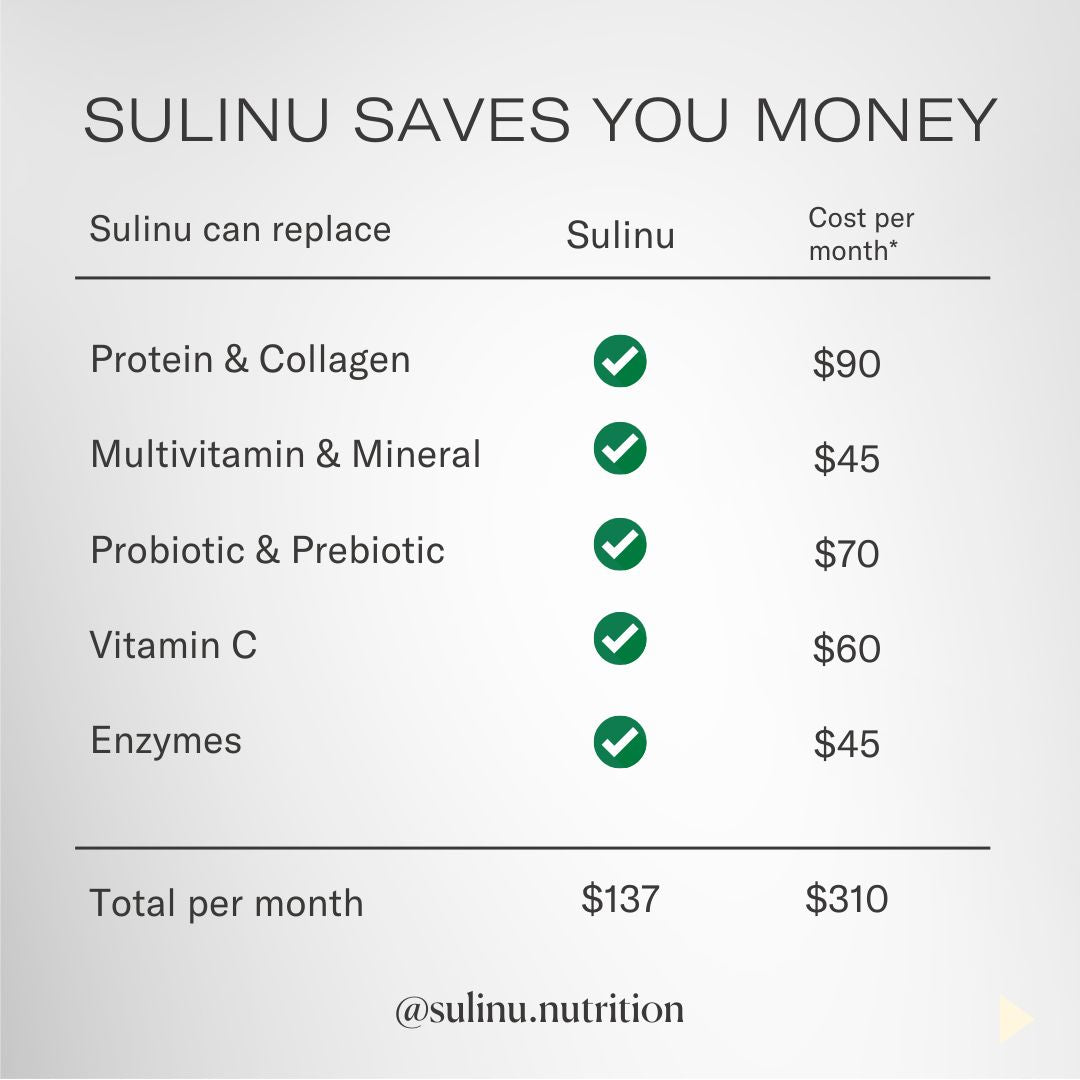
Standard multivitamins are designed for general wellness maintenance.
They are not formulated to meet the elevated, targeted demands of surgical recovery. Getting adequate amounts of the right nutrients — in forms your body can actually absorb during recovery — requires a more specific approach.

Before + After Vitals: Supporting Your Knee Lift Surgery Recovery
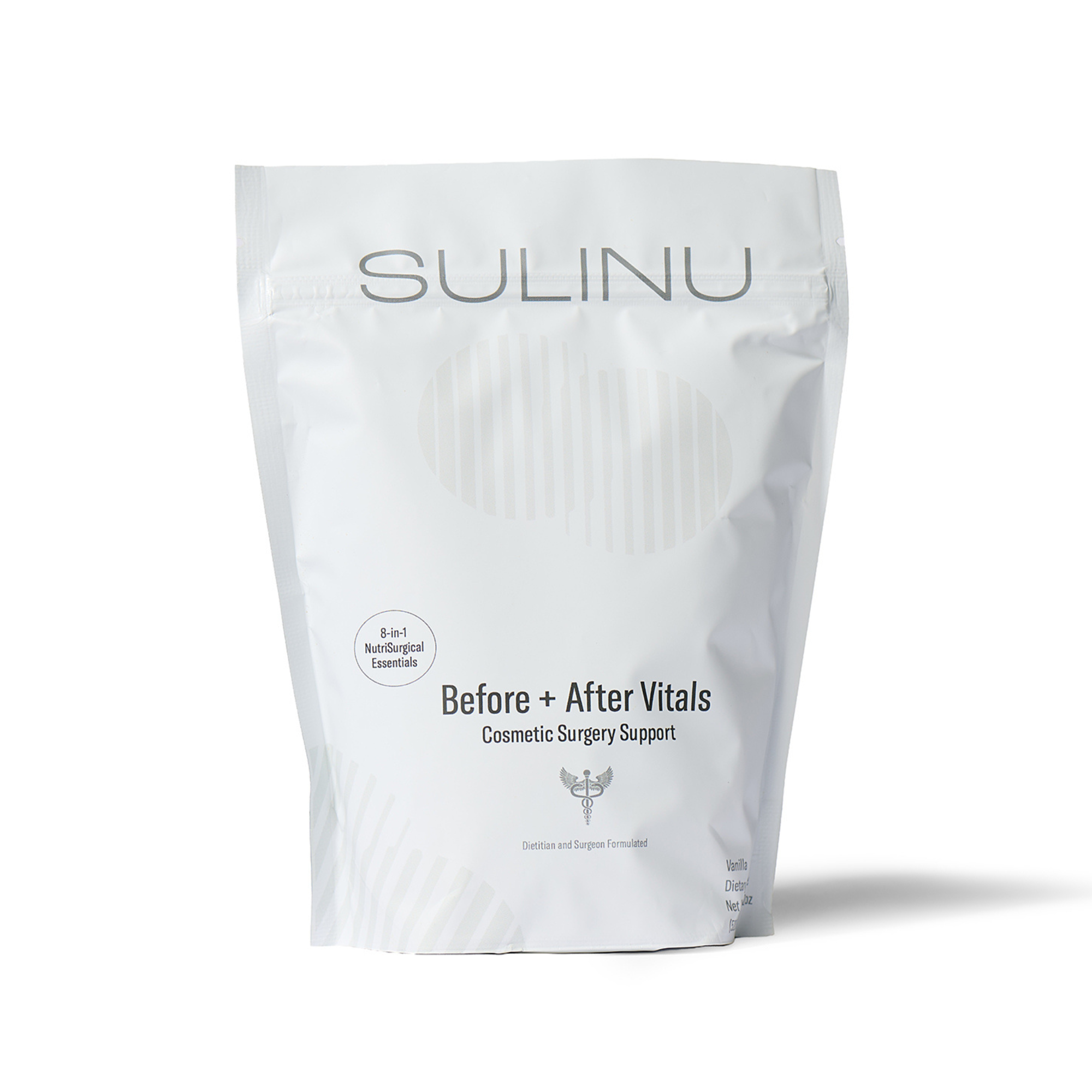
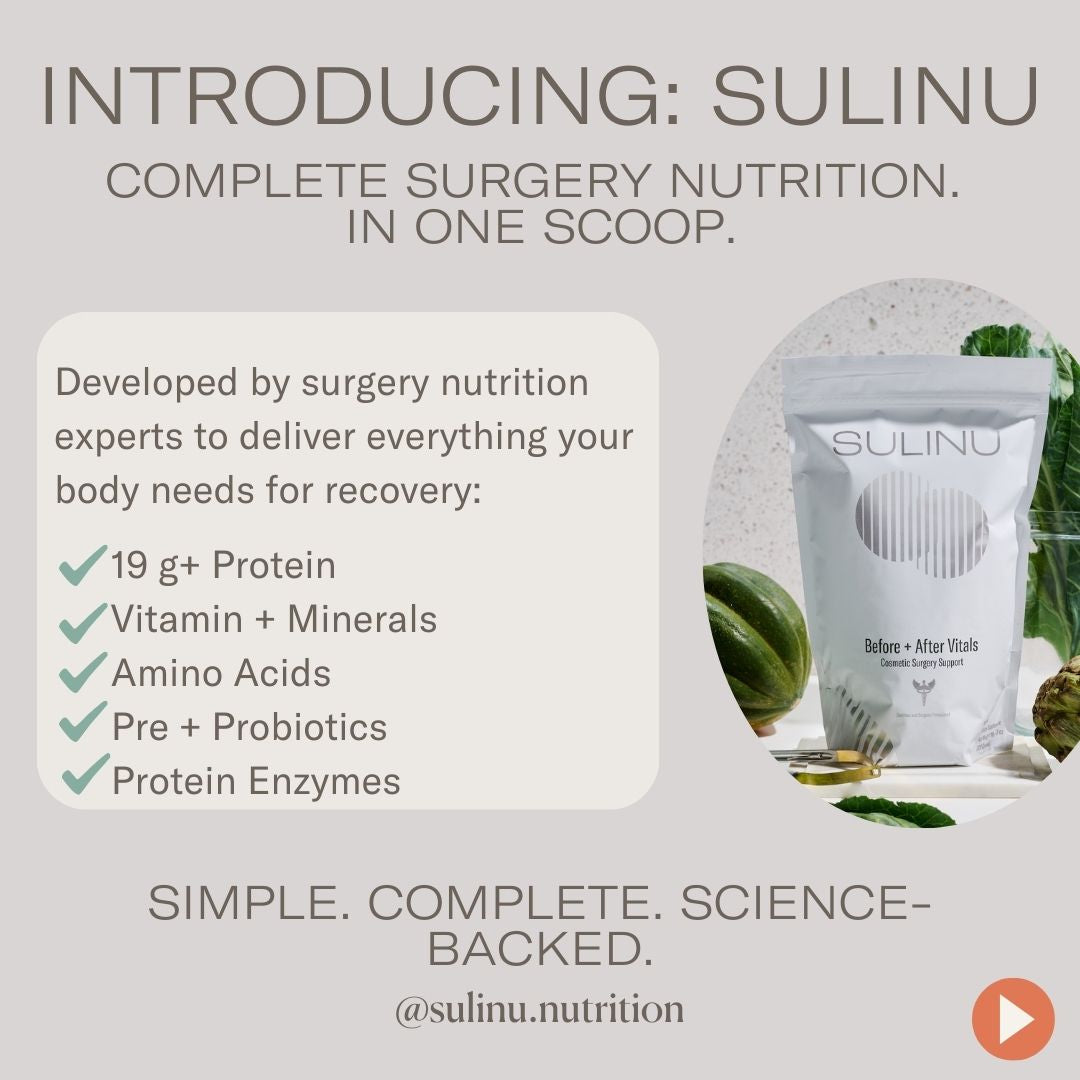
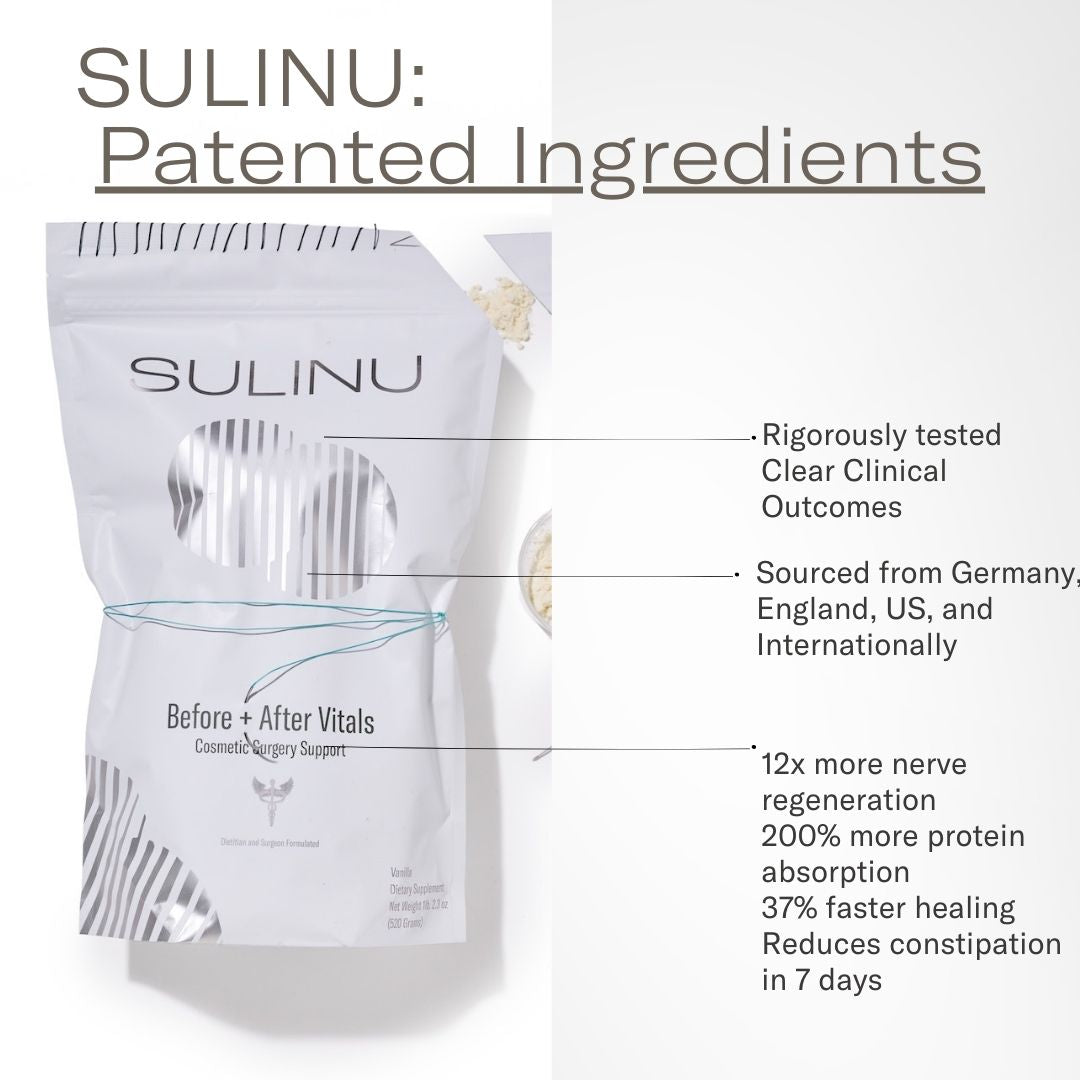
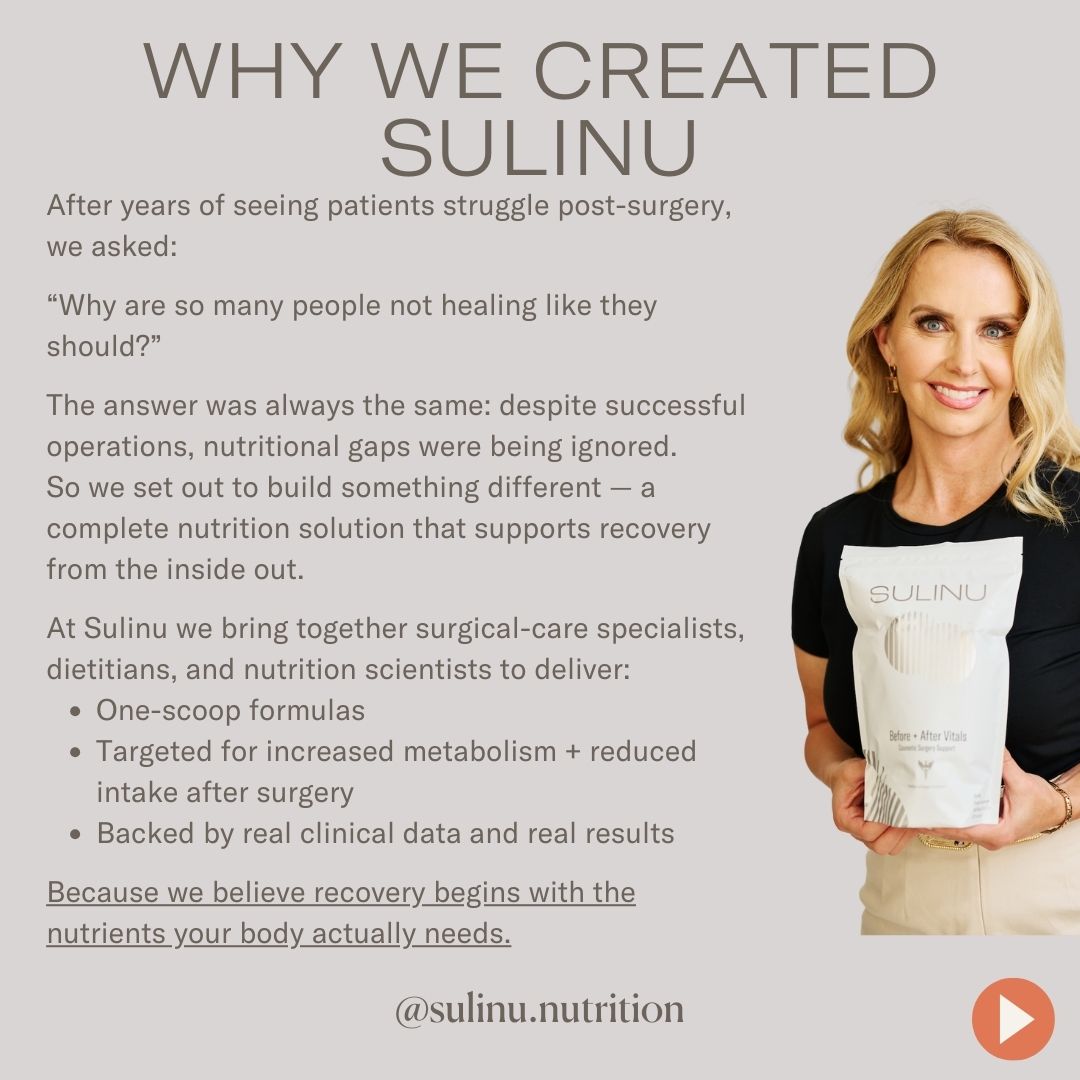
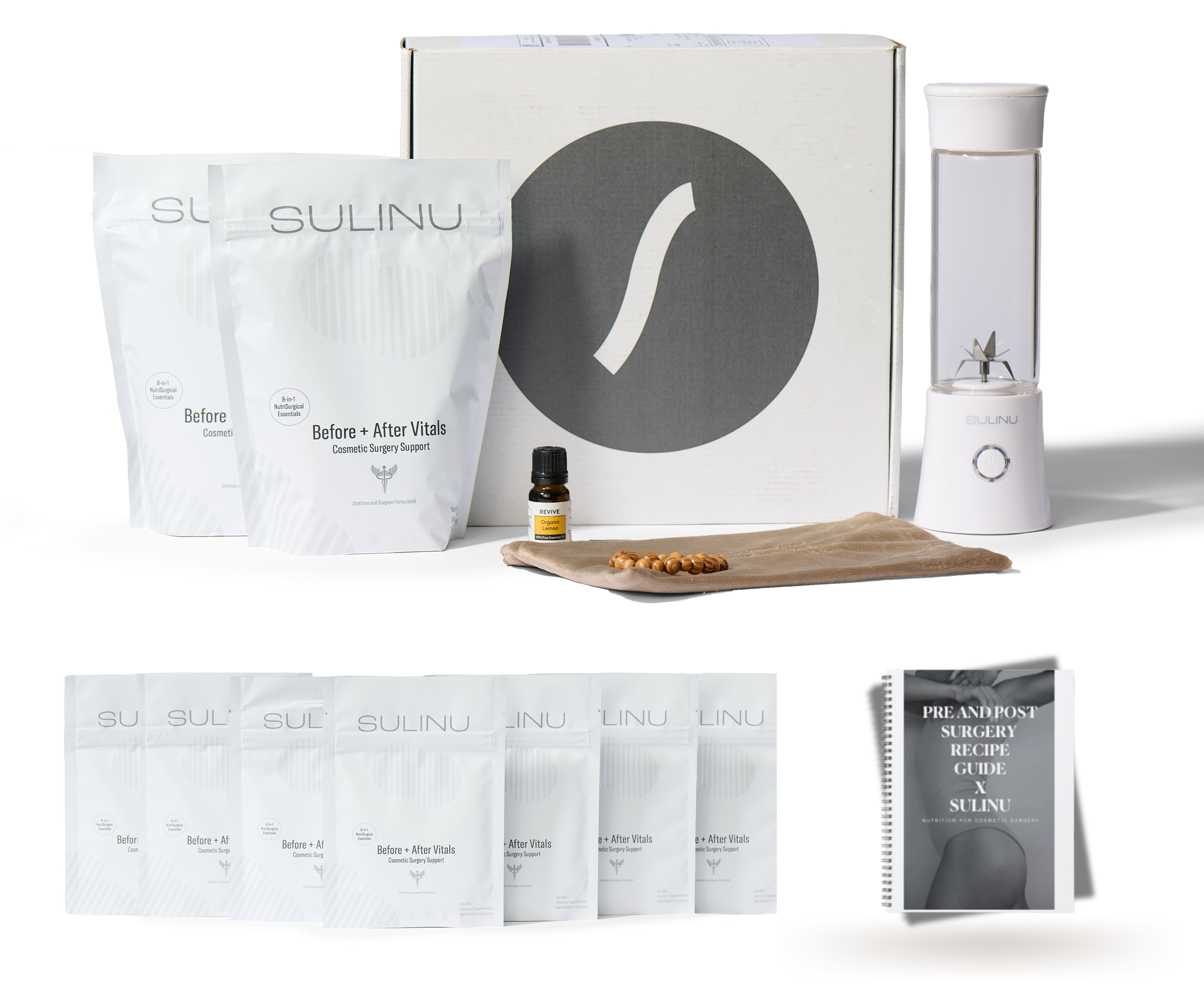
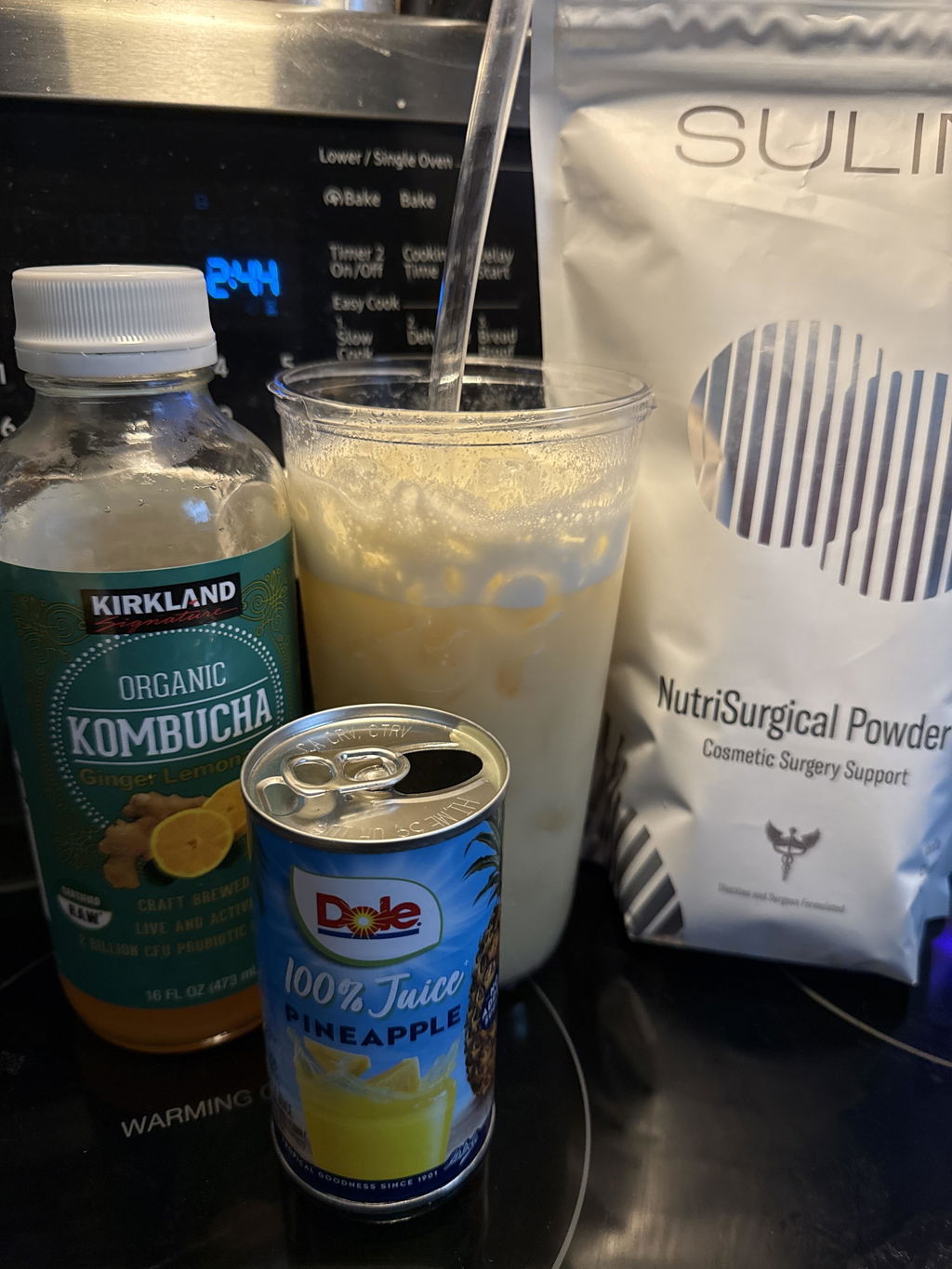
Sulinu's Before + After Vitals is the world's first and only comprehensive wound healing supplement formulated specifically for cosmetic surgery recovery. It operates under the NutriSurgical nutrition framework — a category built around the premise that cosmetic surgery recovery has distinct nutritional demands that general wellness products simply aren't designed to meet.
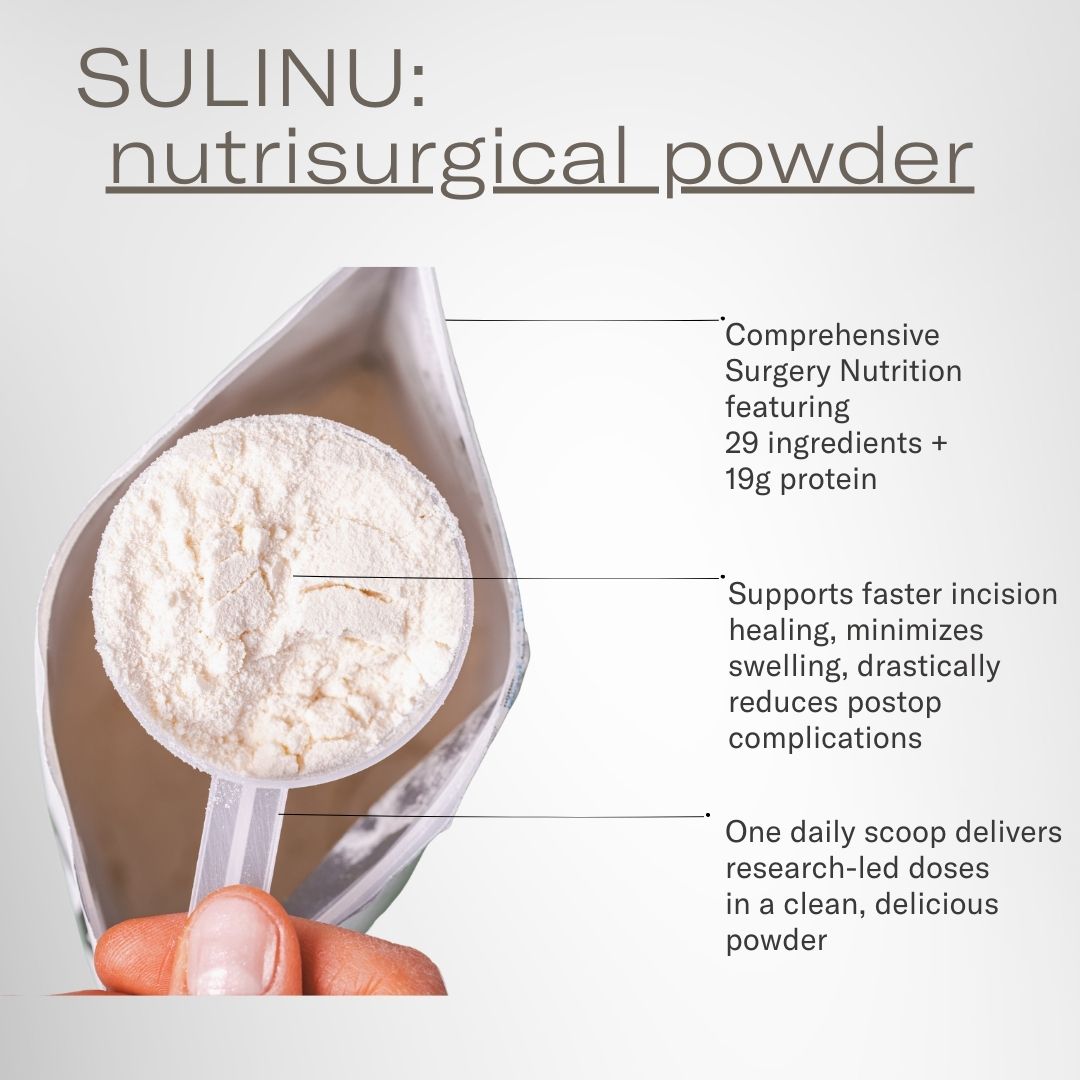
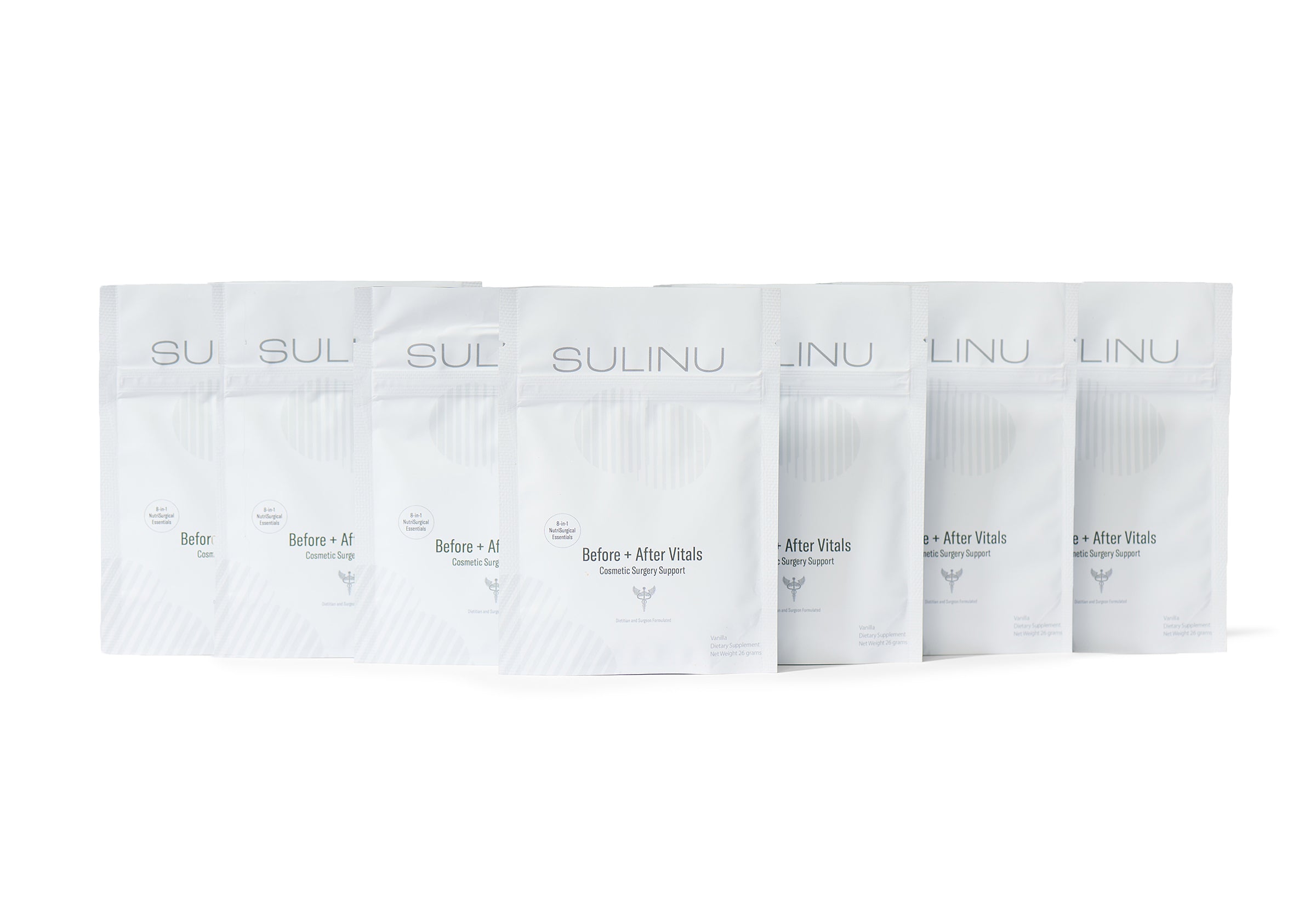
Before + After Vitals contains clinically studied ingredients in enhanced absorption forms, excludes compounds that can interfere with healing or thin the blood, and is designed to support your body across multiple recovery phases — not just the acute swelling period.
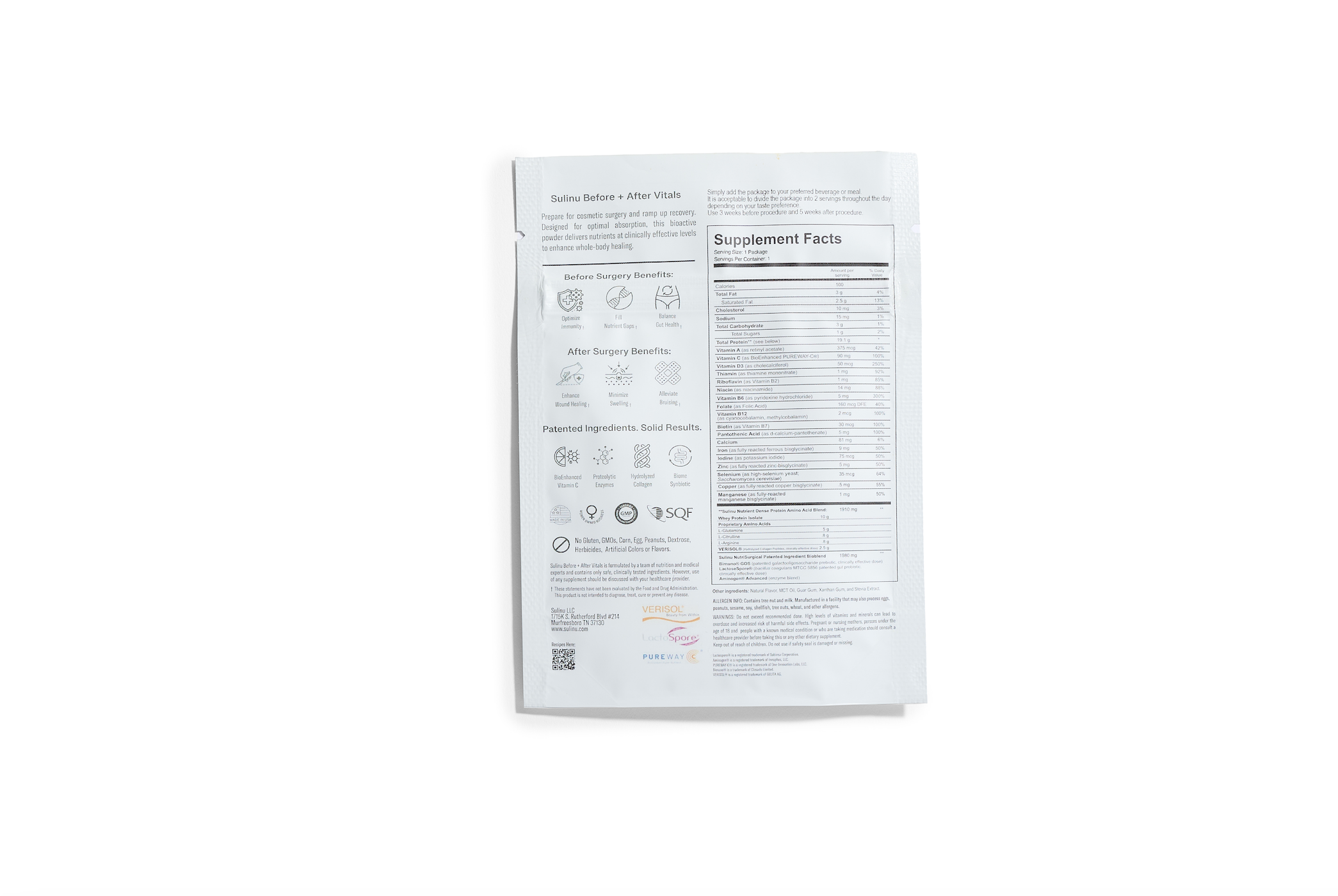
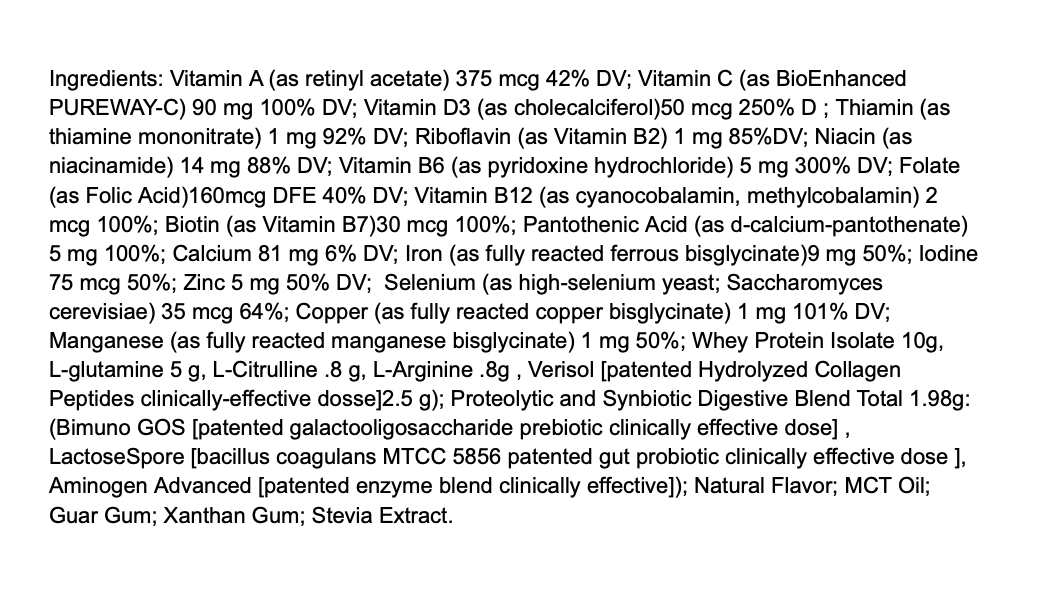
The formula includes 26 surgical essentials:
BioEnhanced Vitamin C
A patented, rapid-absorbing form that some research suggests achieves significantly higher tissue retention than standard ascorbate formulations. Vitamin C is foundational to collagen synthesis, immune defense, and antioxidant protection during the inflammatory phase, all of which directly influence how your body manages bruising, swelling, and the quality of scar tissue over time. It's also formulated to avoid the GI side effects that typically make high-dose vitamin C difficult to tolerate post-surgery.
Hydrolyzed Collagen Peptides
A patented version that some studies indicate may support meaningful improvement in skin elasticity in a matter of weeks. Collagen peptides don't just add collagen. They signal skin cells to produce more of their own. This matters at every stage: for swelling resolution as tissues remodel, for bruising clearance as vascular integrity is restored, and for scar quality as new tissue architecture forms.
Proteolytic Enzymes
Patented enzymes that, when combined with protein, some research suggests can help double total amino acid absorption. Amino acids are the building blocks your body uses to repair incision tissue, clear inflammatory debris, and build new scar architecture. Getting more of them absorbed, not just consumed, is the goal.
Biome Synbiotics
Surgery disrupts gut health, and disrupted gut health disrupts everything else: nutrient absorption, immune function, inflammatory response. Prolonged bruising and swelling are often downstream of a gut that isn't processing and delivering nutrients efficiently. This patented prebiotic and probiotic blend is designed to survive stomach acid and arrive active in the gut, supporting the digestive foundation that makes all other healing nutrients work.
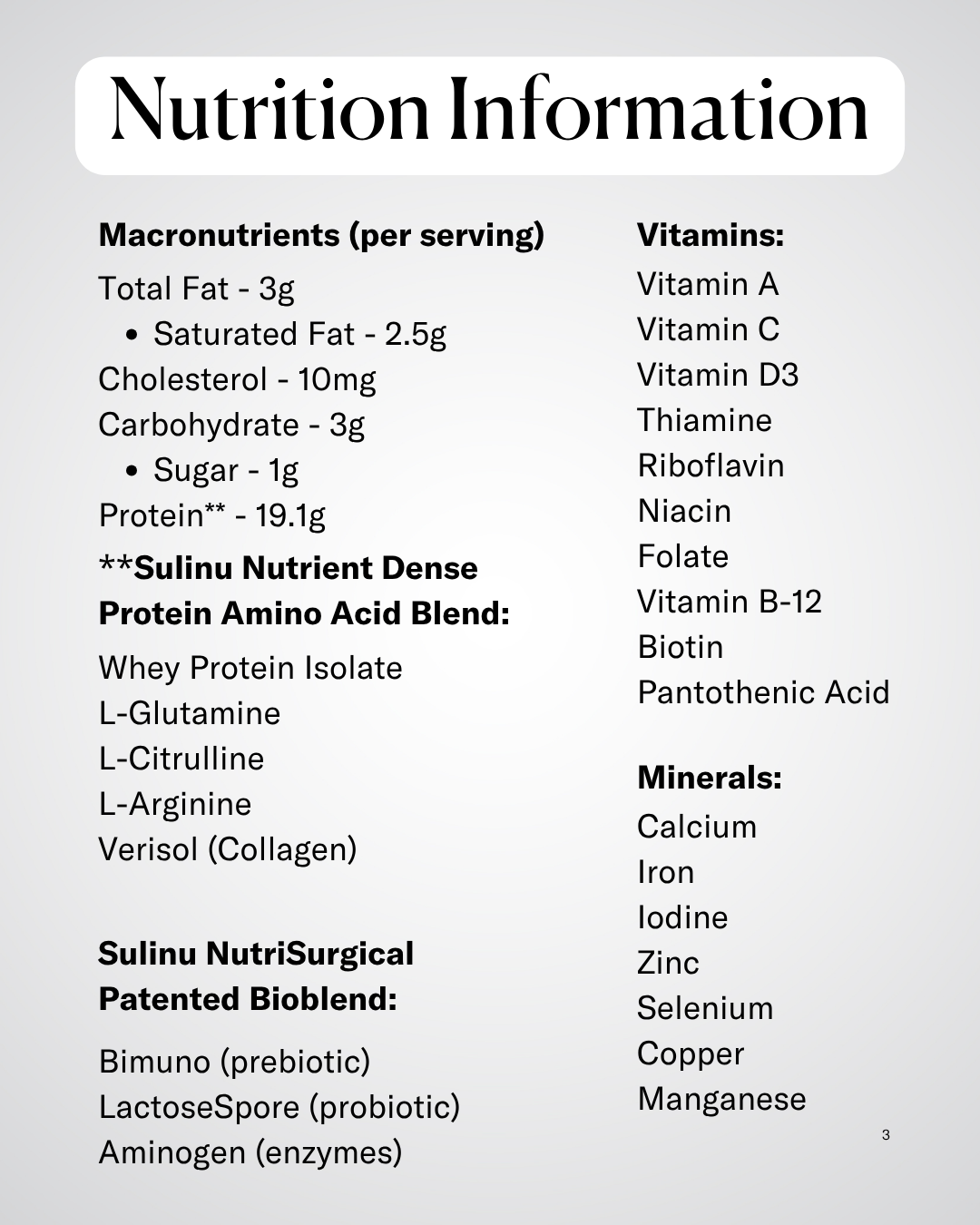
The formula also includes targeted amino acids (L-glutamine, L-citrulline, L-arginine), essential vitamins (A, B-complex, C, D3), and minerals (zinc, copper, manganese, iron) — all in clinically relevant dosages, not token inclusions.
No GMOs. No gluten. No artificial colors. No ingredients that interfere with each other. Everything in Before + After Vitals is there because it has a specific job in your recovery.
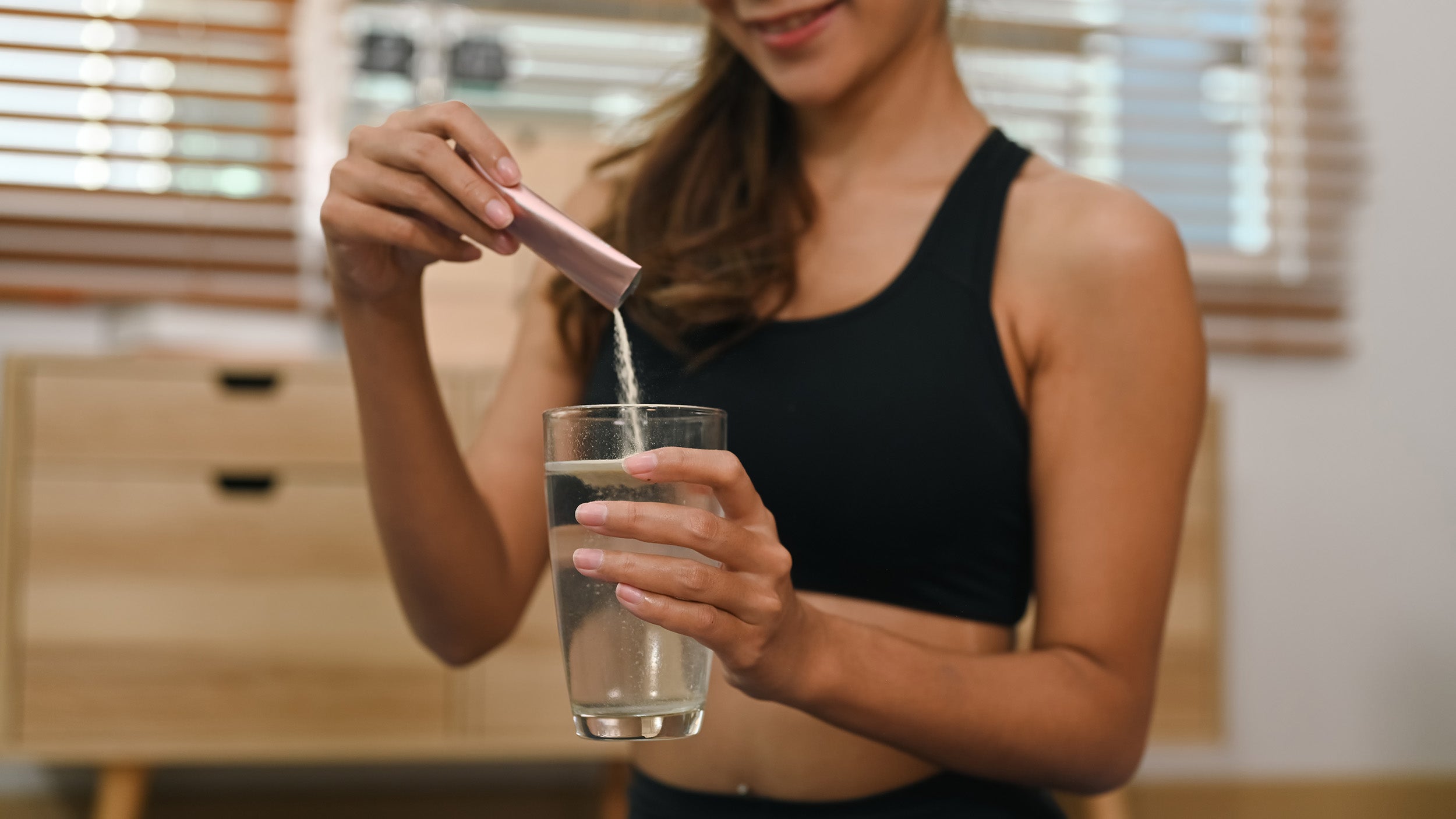
Scoop. Mix. Heal.
Why standard supplements fall short during surgical recovery:
Most general supplements are formulated for daily maintenance and not for the acute, elevated demands of surgical healing. They typically use basic nutrient forms with lower bioavailability, don't account for the digestive disruption caused by anesthesia and post-operative medications, and don't provide therapeutic dosages relevant to wound healing.
The case for starting before surgery:
Some research suggests it takes one to two weeks of consistent supplementation for key nutrients to reach the tissue saturation levels needed to meaningfully influence post-surgical inflammation. That means starting the day of your procedure puts you behind from the start. Beginning nutritional support two to three weeks before surgery builds the foundation your body needs before inflammatory demand peaks.
SHOP THE BEST SUPPLEMENT FOR KNEE LIFT RECOVERY
Red Flags: When to Contact Your Surgeon
Most swelling after knee lift surgery is normal and manageable. However, certain signs warrant immediate contact with your surgical team:
-
Swelling that suddenly worsens after an initial period of improvement
-
Significant asymmetry between the two legs that increases over time rather than improving
-
Swelling accompanied by increasing warmth, redness, or red streaking extending from the incision
-
Fever above 101°F
-
Increasing pain after the first few days (pain should gradually decrease, not worsen)
-
Swelling with tightness or discoloration in the foot or ankle suggesting circulation compromise
-
Any unusual discharge from the incision site
Do not delay contacting your surgeon if something feels wrong. These symptoms can indicate infection, hematoma, seroma, or — rarely — circulatory complications that require prompt evaluation.
Frequently Asked Questions
How long does swelling last after knee lift surgery?
Most acute swelling resolves within three to four weeks, but residual swelling typically persists for three to six months. Final results are not visible until swelling has fully resolved, which may take up to six months depending on the extent of your procedure.
Is it normal for one knee to swell more than the other?
Mild asymmetry is common, particularly if the procedure was more extensive on one side or if you tend to sleep on one side more than the other. Asymmetry that becomes more pronounced rather than gradually equalizing should be evaluated by your surgeon.
Why does my knee look worse in the evening than in the morning?
This is a normal feature of lower extremity swelling. Throughout the day, gravity pulls fluid downward, and it accumulates around the knee. While you sleep with your leg elevated, fluid redistributes and drains, so morning swelling is typically minimal and worsens progressively through the day. This pattern generally improves as overall swelling resolves.
When can I return to exercise after knee lift surgery?
Your surgeon will provide specific guidance based on your procedure and healing progress. Light walking is typically encouraged early to support circulation. More demanding activity — including anything involving significant knee flexion, impact, or elevated heart rate — is usually restricted for four to six weeks minimum. Do not advance your activity level without clearance.
Can supplements actually help with swelling after knee lift surgery?
Some research suggests that specific nutrients, including certain forms of vitamin C, proteolytic enzymes, and collagen peptides, may support more efficient resolution of post-surgical inflammation. Supplements formulated specifically for cosmetic surgery recovery, like Sulinu's Before + After Vitals, are designed to address this nutritional gap with therapeutic-level dosages in enhanced absorption forms.
Is wearing compression after knee lift surgery really necessary?
Yes. Compression garments are not optional during knee lift recovery. They actively limit fluid accumulation, support the lymphatic system, and help the skin adapt to its new position. Discontinuing compression early, even if swelling appears manageable, can slow resolution and affect your final result.
What should I eat to reduce swelling after knee lift surgery?
Focus on whole, minimally processed foods with naturally low sodium content. Prioritize adequate protein intake to support tissue repair. Anti-inflammatory foods, including those high in vitamin C, omega-3 fatty acids, and antioxidants, may support more efficient healing. Avoid alcohol entirely during recovery. Excess sodium, alcohol, and processed foods all worsen fluid retention.
When will I see my final results?
Most patients begin to see meaningful contour results by month three, once the most significant swelling has resolved. Final results — with all residual swelling cleared — are typically visible at the four-to-six-month mark. Patients with more extensive procedures may take longer.
Medical Disclaimer
The information provided in this article is for general educational purposes only and is not intended to constitute medical advice, diagnosis, or treatment.
Every individual's healing process is unique, and outcomes vary based on a wide range of factors, including health status, surgical technique, and post-operative care. Always follow the specific guidance of your board-certified plastic surgeon and medical team.
If you experience any concerning symptoms during recovery — including signs of infection, wound separation, or unusual pain — contact your surgical team immediately.
These statements have not been evaluated by the Food and Drug Administration. Sulinu's Before + After Vitals is not intended to diagnose, treat, cure, or prevent any disease.