Rhinoplasty scars are one of the most commonly researched — and most commonly misunderstood — aspects of nose surgery recovery. For most patients, the scar left by an open rhinoplasty is small, well-positioned, and fades significantly over time. But how well it heals depends on more than luck. Surgical technique, individual biology, and the steps taken during recovery all play a role in the final outcome.
This guide covers where rhinoplasty scars form, what the healing process looks like at each stage, and what patients can do to support the best possible result.
Open vs. Closed Rhinoplasty: Understanding Where Scars Form
Not every rhinoplasty leaves a visible scar. The approach your surgeon uses determines whether any external incision is made at all.
Closed rhinoplasty places all incisions inside the nostrils. There are no external cuts and no visible scarring after recovery. Patients who undergo a closed technique do not need to manage any surface scar.
Open rhinoplasty is used for more complex procedures and involves one additional incision across the columella — the narrow strip of tissue between the nostrils at the base of the nose. This produces a thin, horizontal or slightly V-shaped scar that sits in a naturally recessed area of the face. Because of its location directly beneath the nose, the columellar scar is not visible in most everyday interactions and becomes increasingly difficult to detect as it matures.
The visibility of the columellar scar over time depends on several factors: the precision of the surgical closure, individual skin characteristics, skin tone, and the quality of post-operative care, including nutrition. Patients who understand what influences healing outcomes are better positioned to take an active role in their recovery.
The Rhinoplasty Scar Healing Timeline
Rhinoplasty scars evolve significantly over the course of 12 to 18 months. What the incision looks like in the first weeks bears little resemblance to what it will look like at six months or beyond.
Weeks 1–2: Initial Healing
The incision site will appear red, slightly raised, and clearly defined. The body is in its active inflammatory phase, building new collagen and closing the wound. This stage looks more pronounced than later stages and is not representative of the long-term result.
Weeks 3–6: Early Maturation
Redness begins to diminish and the line starts to soften. The scar may feel slightly firm or raised, which reflects normal collagen remodeling activity beneath the surface. Mild itching during this phase is common and generally indicates active tissue repair.
Months 2–4: Visible Improvement
Most patients notice meaningful changes during this period. The scar flattens, lightens in color, and begins to blend more naturally with surrounding skin. Patients with lighter skin tones often see this transition clearly. For those with medium to deeper skin tones, post-inflammatory hyperpigmentation — a temporary darkening of the scar area — may persist longer and require more consistent sun protection.
Months 6–18: Final Remodeling
Some research suggests that scar tissue continues to remodel for up to 18 months following surgery, with ongoing changes in color, texture, and pliability. Assessing the outcome before the one-year mark is generally premature.
Why Some Rhinoplasty Scars Heal Better Than Others
Scar outcomes vary between patients even when the surgeon, technique, and post-operative instructions are identical. Understanding the contributing factors helps set realistic expectations and identify where patients have meaningful influence.
Factors outside your control:
Genetics are among the strongest predictors of scar quality. Patients with a personal or family history of hypertrophic or keloid scarring are at higher risk for abnormal scar formation and should discuss this with their surgeon before surgery. Skin thickness, natural pigmentation, and oil production also influence how the columella heals and cannot be changed through post-operative care.
Factors within your control:
Sun exposure, wound care practices, tension on the incision site, and nutritional status during recovery are all modifiable and all meaningfully affect outcomes.
Nutrition is frequently overlooked in this context. The body's capacity to build well-organized scar tissue depends on collagen synthesis, which requires a consistent supply of specific nutrients: vitamin C, zinc, amino acids, and adequate protein are among the most important. Some research suggests that surgical stress substantially increases the body's demand for these nutrients, and that deficiencies during the post-operative period can slow or compromise the healing process, resulting in scar tissue that forms less evenly or maintains more visible texture over time.
This is where targeted surgical nutrition can make all the difference.
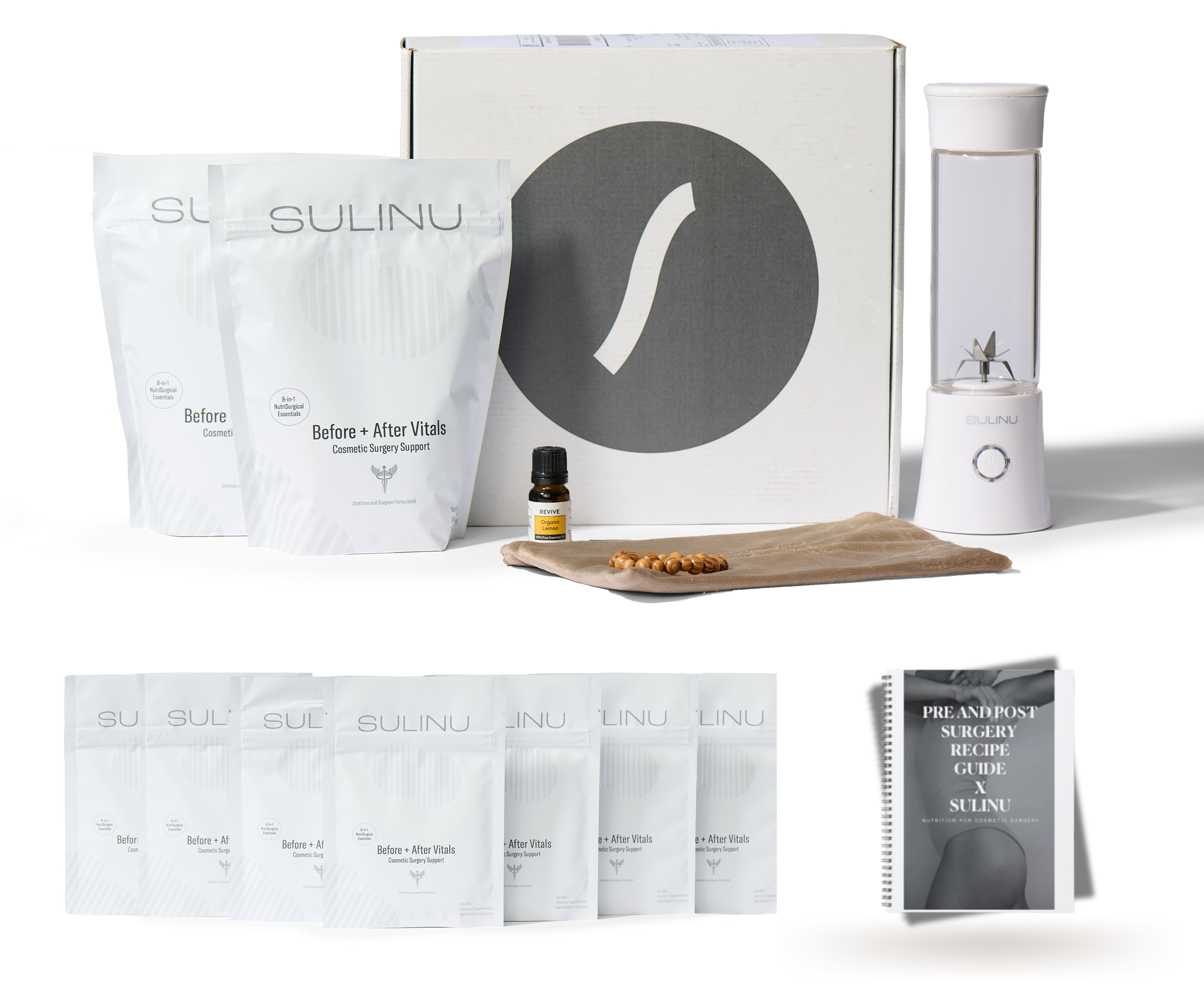
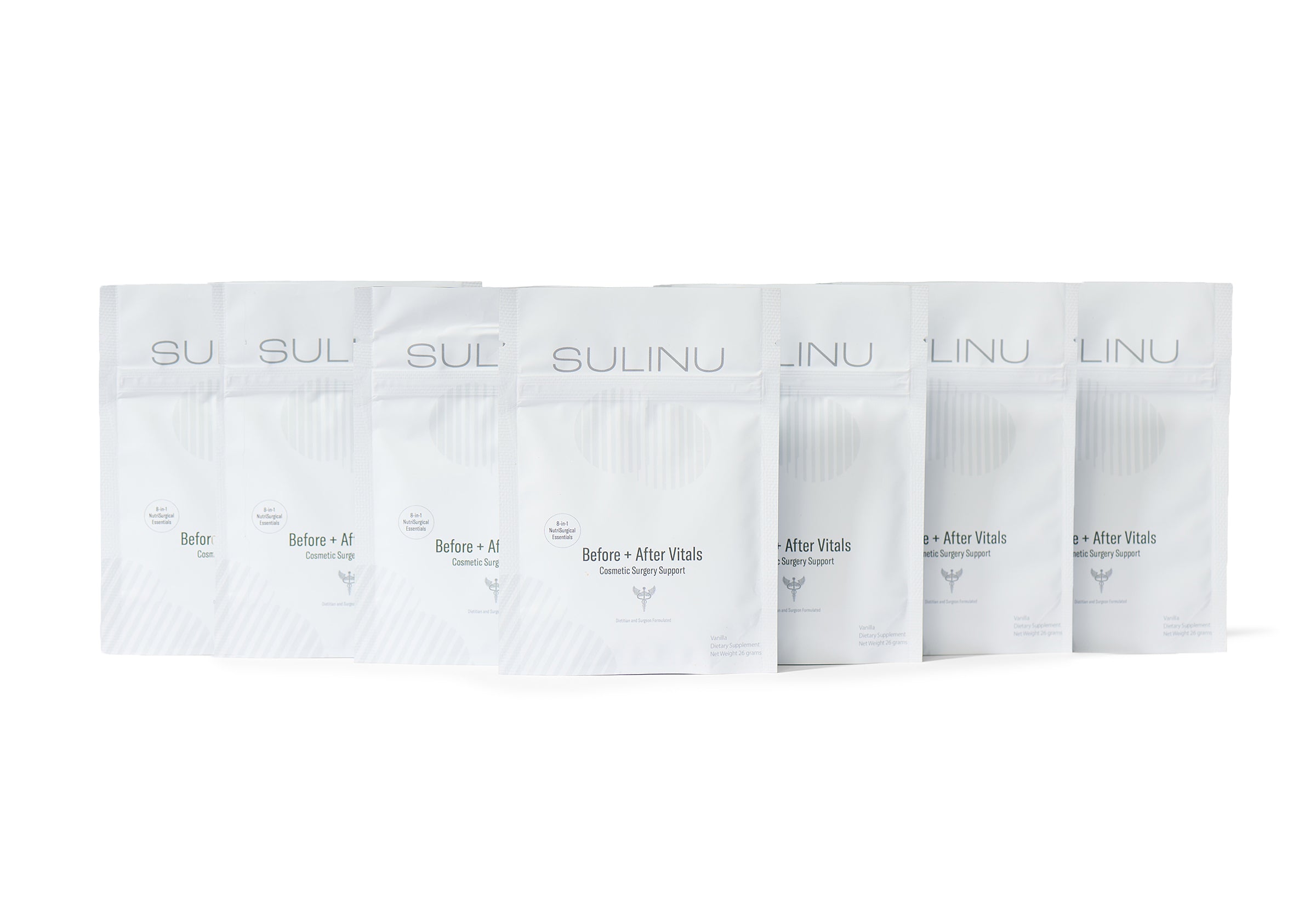
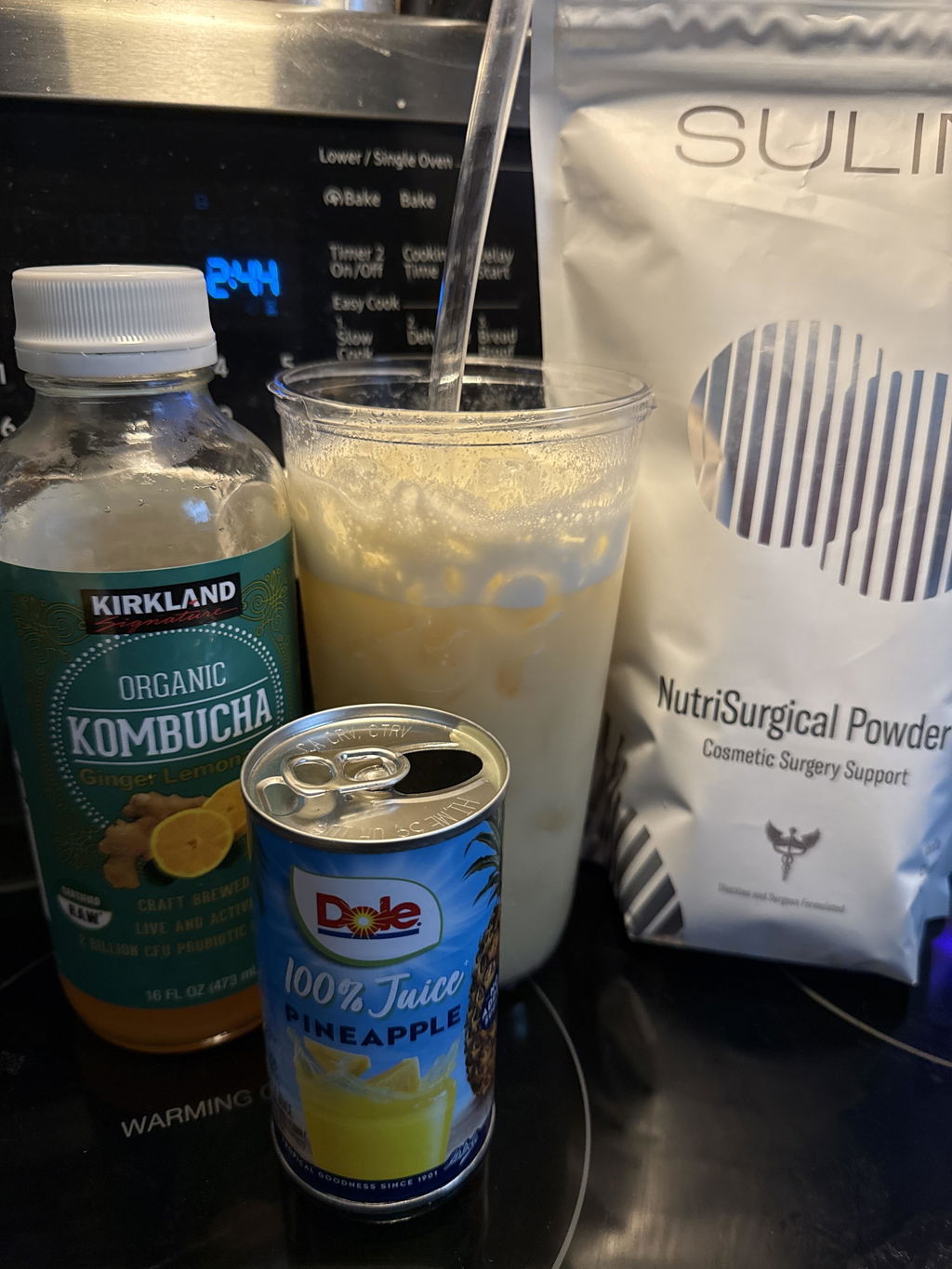
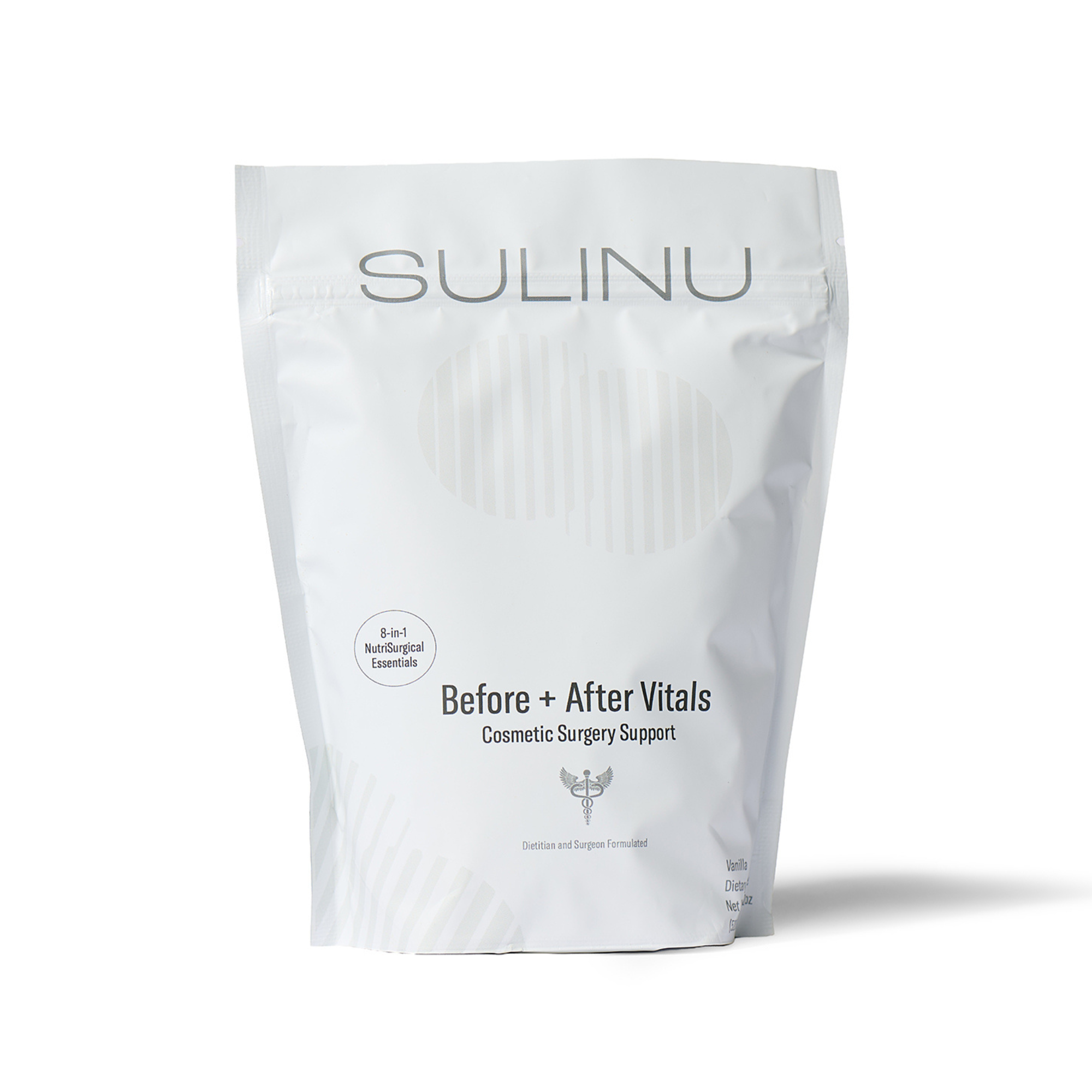
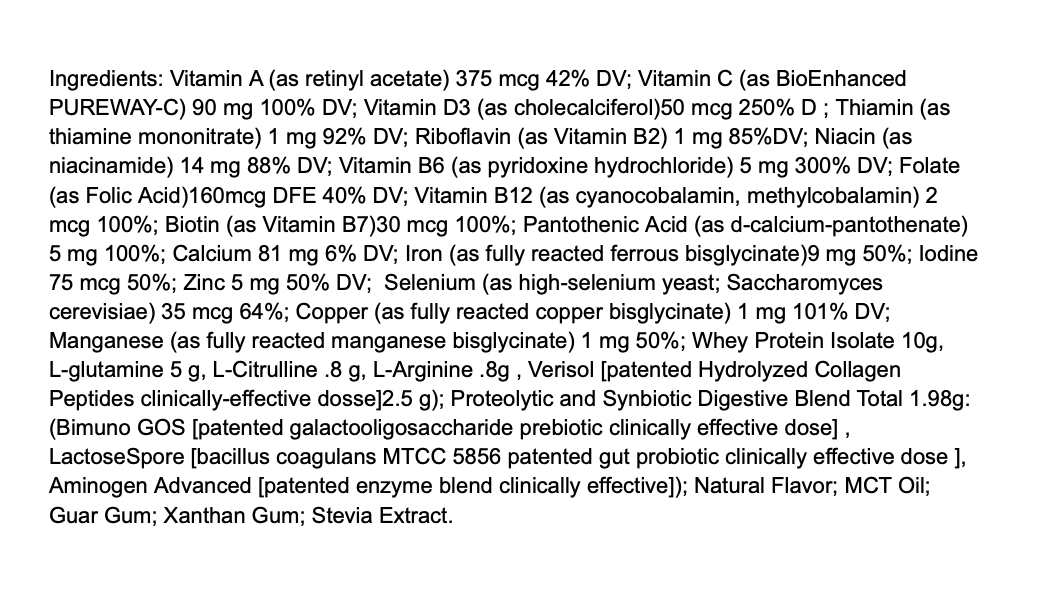
Sulinu's Before + After Vitals is the world's first and only comprehensive pre and post surgery supplement formulated specifically for cosmetic surgery recovery — not as a general wellness product, but as a NutriSurgical powder built around the distinct nutritional demands of post-operative healing.
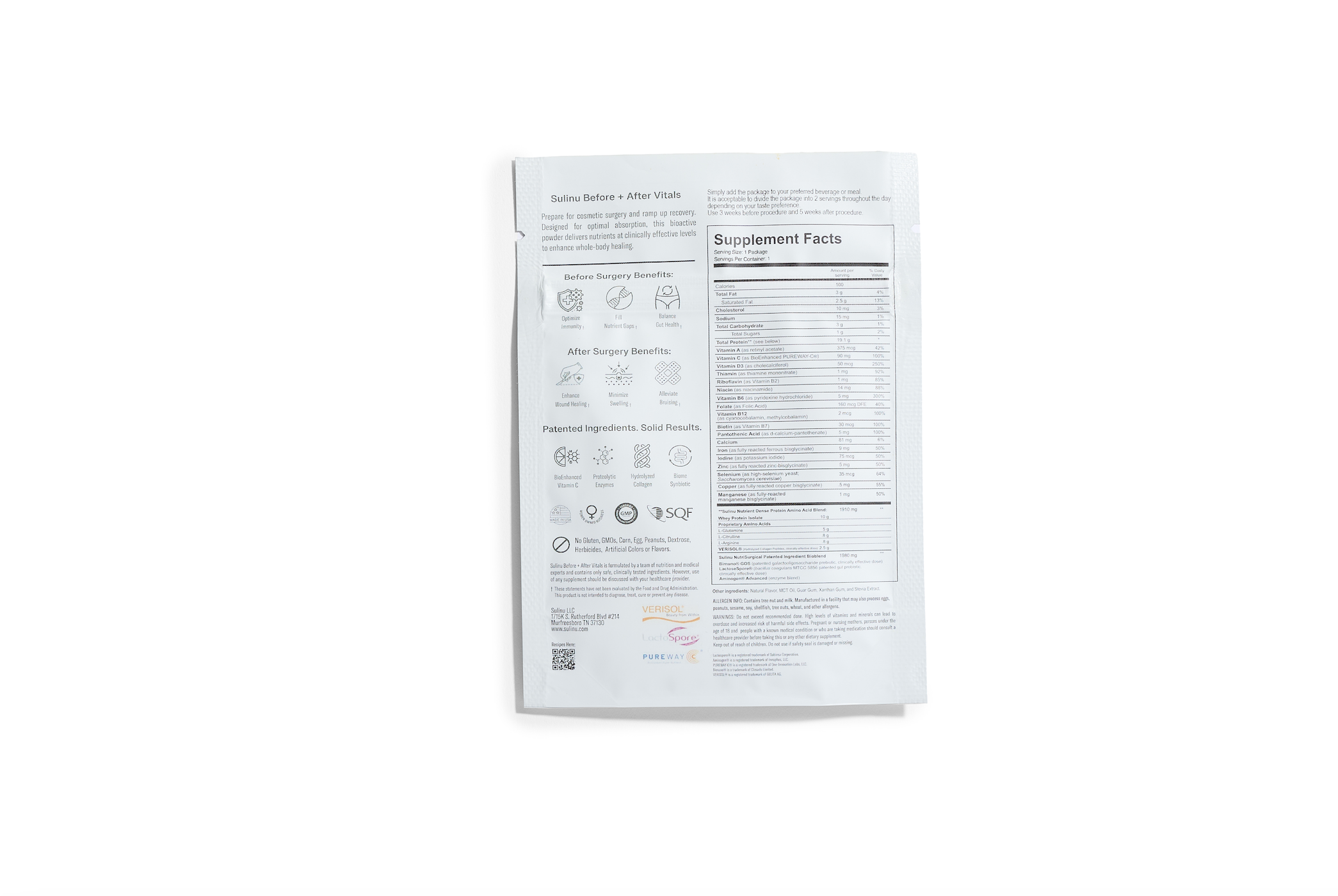
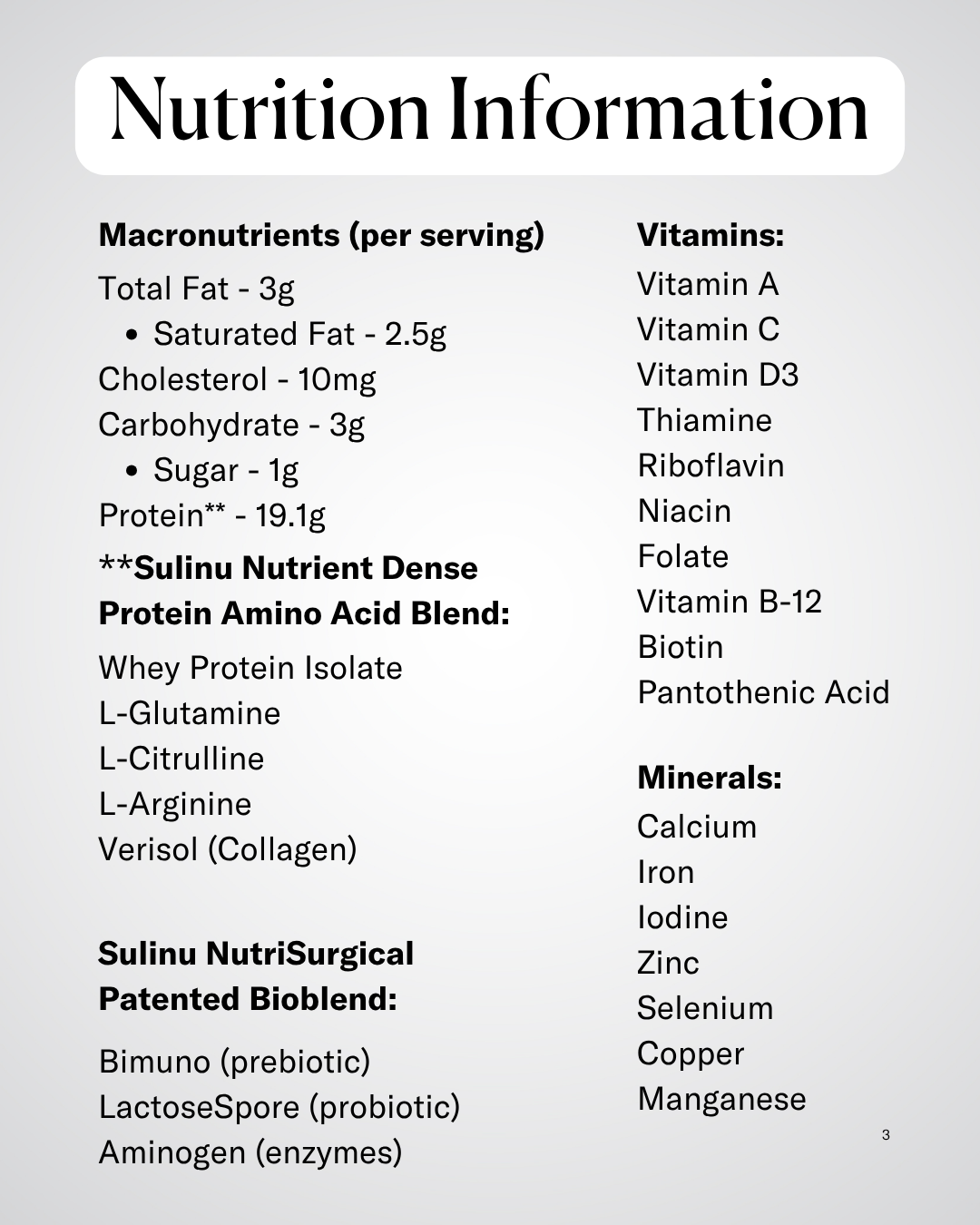
Everything you need in a single daily scoop:
✓ protein
✓ hydrolyzed collagen
✓ BioEnhanced Vitamin C
✓ wound-repair amino acids
✓ synbiotics
✓ proteolytic enzymes
The BioEnhanced Vitamin C is a patented form that some research suggests achieves significantly higher tissue retention than standard ascorbate, providing antioxidant and collagen-supporting benefits without the digestive discomfort that can accompany high-dose vitamin C post-surgery.
Hydrolyzed collagen supports the skin's own collagen production — directly relevant during the phase when columellar scar tissue is actively forming and organizing.
Proteolytic enzymes support amino acid absorption and protein utilization when the body is repairing tissue under surgical stress.
Synbiotics support gut health, which is often disrupted by surgery and anesthesia, and has a downstream effect on overall recovery efficiency.
The protocol is designed to begin before surgery to build nutritional reserves and continue through the post-operative recovery period.
Scoop. Mix. Heal.

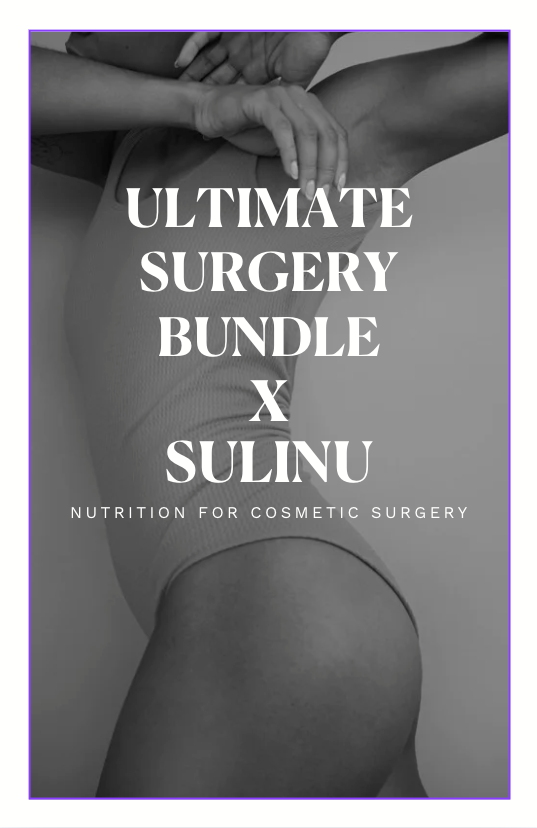
Support your surgery results with our VIP Bundle and get everything you need before and after surgery.
Scar Care Strategies That Support Better Outcomes
Internal nutrition provides the foundation. Topical and behavioral strategies work alongside it to support the best possible surface result.
Silicone Sheeting and Gels
Silicone is the most widely used and well-supported topical intervention for surgical scars. Some research suggests that consistent silicone use can help flatten raised scar tissue and improve overall texture over time. Silicone sheets tend to provide more consistent contact for small facial scars, though gels are more practical for daily use. Most surgeons recommend beginning silicone application once the incision is fully closed — typically around two to three weeks post-op — and continuing for several months.
Sun Protection
UV exposure stimulates melanin production in healing scar tissue and can cause lasting hyperpigmentation. Unlike temporary post-surgical redness, UV-induced darkening tends to be permanent. Daily application of SPF 50 or higher to the columella area is recommended from the time the skin surface is intact through at least the first year of recovery.
Gentle Scar Massage
With surgeon clearance — typically around six to eight weeks post-op — gentle massage of the scar site can help soften and flatten the tissue by breaking up deeper adhesions. Clean fingertips and a small amount of neutral oil or silicone gel, applied with light circular pressure for two to three minutes daily, is a commonly recommended approach. Some research indicates that consistent massage over time can improve scar pliability and surface texture.

Nutritional Support
The collagen-building phase of scar maturation places elevated demands on specific nutrients. Deliberate nutritional support during the post-operative window provides the body with better conditions to meet those demands.
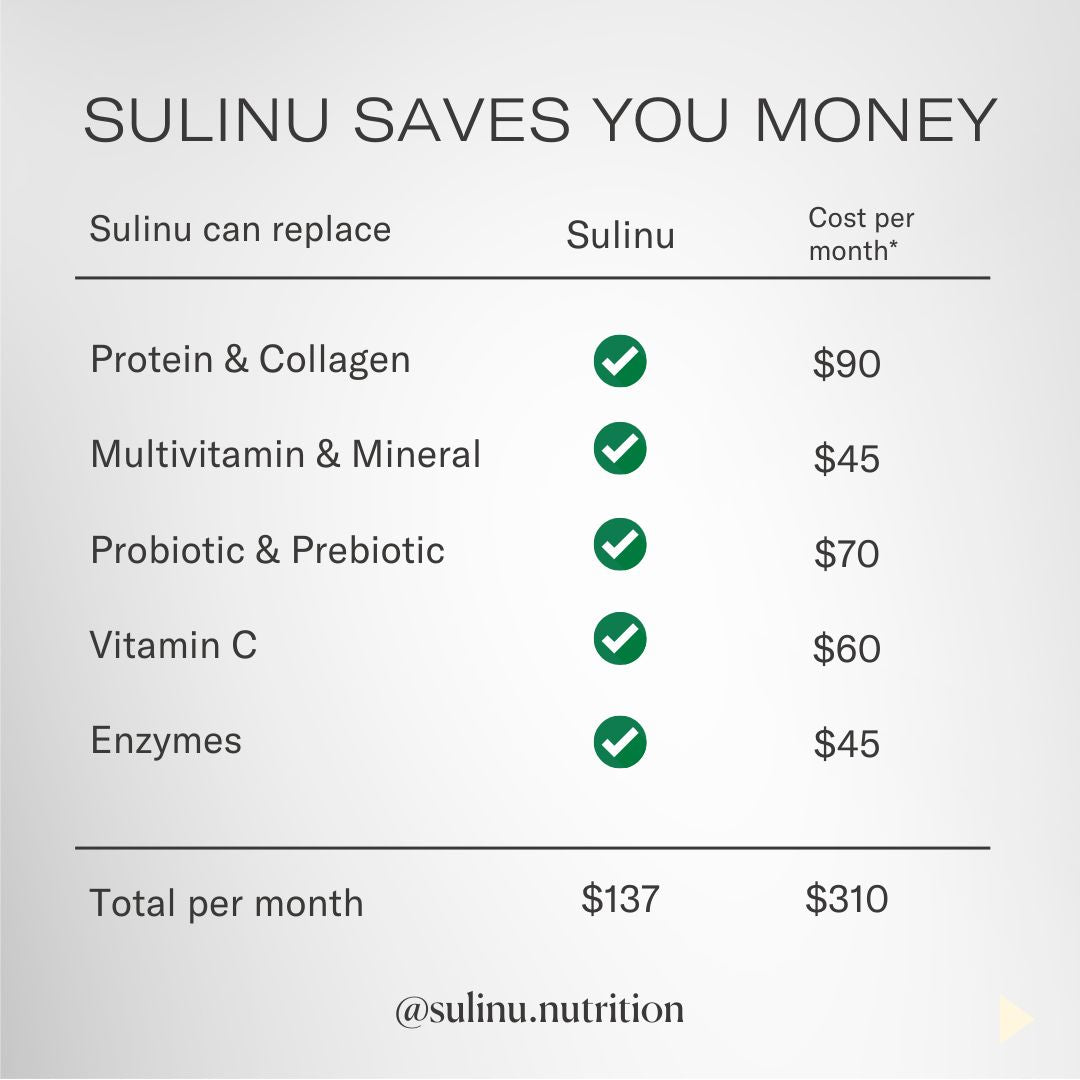
Before + After Vitals by Sulinu is formulated specifically for this period, providing the collagen precursors, amino acids, and micronutrients that support organized scar tissue formation after cosmetic surgery.
Unlike general multivitamins or standard protein supplements, it is designed as an all-in-one NutriSurgical powder that addresses the specific nutritional profile of surgical recovery — covering both the micronutrients and macronutrients the healing body requires. Starting the protocol before surgery and continuing through the recovery window helps ensure nutritional reserves are in place when post-operative demand is highest.
GET THE BEST SUPPLEMENT TO SUPPORT YOUR RHINOPLASTY RECOVERY

Avoiding Tension on the Incision
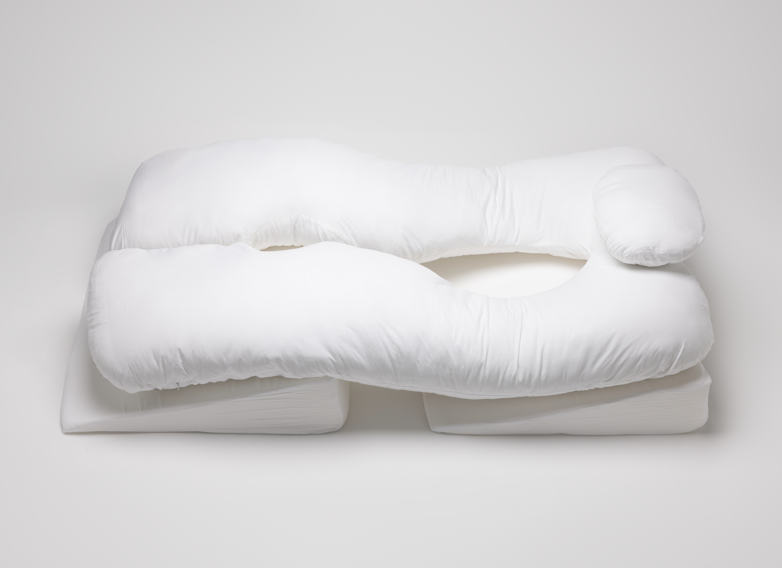
Scar tissue forms more effectively when the healing site is not under mechanical stress. Patients should avoid positions or activities that stretch the nasal area during early recovery, including sleeping facedown, wearing glasses that rest on the nasal bridge, and high-impact physical activity. Using a post-surgical pillow that supports elevated back sleeping can help protect incisions while supporting both sleep and healing.
Wound Care
Discipline Disturbing the incision site during healing — including premature removal of dried tissue, application of unapproved skincare products, or picking at the scar — can cause damage that subsequent scar care cannot fully correct. Following your surgeon's wound care instructions precisely during the first weeks is essential.
When a Rhinoplasty Scar Requires Medical Attention
The majority of rhinoplasty scars progress through normal healing and resolve without intervention. A subset of patients will develop complications that require their surgeon's involvement.
Hypertrophic scarring presents as a raised, thickened scar that remains within the boundaries of the original incision. It persists beyond the expected healing timeline and does not follow the typical trajectory of flattening and fading, though it does not spread beyond the incision margins.
Keloid formation is less common and involves scar tissue that extends beyond the original wound margins and may continue to grow over time. Individuals with a personal or family history of keloids should discuss this risk with their surgeon before proceeding with surgery.
Widened or stretched scars can develop when the incision site experiences tension during healing, whether from swelling, premature physical activity, or individual tissue response.
Any scar that is not following a consistent improvement trajectory by three to four months post-surgery, or that appears to be worsening, warrants a follow-up with the surgical team. Treatment options — including steroid injections, laser therapy, and scar revision — are most effective when initiated early.
Frequently Asked Questions
Will my rhinoplasty scar be visible to other people?
For the majority of open rhinoplasty patients, the columellar scar becomes difficult to detect over time. Its location beneath the nose in a naturally recessed area limits its visibility in everyday interactions. Most people will not notice it unless they are specifically looking for it.
When can I begin scar care after rhinoplasty?
Your surgeon's specific instructions take priority. As a general guideline, topical scar treatments such as silicone sheets or gel are typically introduced once the incision is fully closed — often around two to three weeks post-op. Sun protection should begin as soon as the skin surface is intact and continue for at least one year.
Does skin tone affect rhinoplasty scar healing?
Yes. Patients with medium to deep skin tones may experience post-inflammatory hyperpigmentation — a darkening of the scar area that can persist after initial redness resolves. This is a normal healing variation, not a complication, but it often takes longer to fade and requires consistent sun protection throughout recovery.
Can I wear makeup over a healing rhinoplasty scar?
Most surgeons clear patients for makeup around two to three weeks post-op once the incision is closed. Light, non-comedogenic coverage is generally appropriate over a healed incision. Heavy or occlusive products applied directly to an active wound should be avoided until the incision is fully closed.
How long until a rhinoplasty scar fully matures?
While significant improvement is typically visible by three to six months, some research suggests that scar remodeling continues for up to 18 months. A complete assessment of the final scar appearance is generally not appropriate before the one-year mark.
Can nutritional supplements support scar healing after rhinoplasty?
Nutrition plays a meaningful supporting role in how scar tissue forms. Collagen synthesis — the process through which organized scar tissue is built — depends on adequate levels of vitamin C, zinc, protein, and specific amino acids. Supporting those levels during the post-operative period, when surgical stress elevates nutritional demand, provides the body with better conditions for effective healing. A supplement formulated specifically for surgical recovery, such as Before + After Vitals, is designed to address this window comprehensively rather than relying on a standard diet or general wellness supplement.
Medical Disclaime
This article is intended for informational and educational purposes only and does not constitute medical advice. Rhinoplasty recovery, scar formation, and healing timelines vary significantly between individuals based on surgical technique, skin type, genetics, and overall health. Always follow the specific post-operative instructions provided by your surgeon, as their guidance takes precedence over any general information found online. If you have concerns about your scar or recovery, consult your surgical team directly. Individual results vary and cannot be guaranteed.


![A promotional image for The PREP STARTER Kit [free shipping], showcasing its key benefits such as protein, vitamins, minerals, amino acids, probiotics, and enzymes. Featured as an essential pre-op supplement in your surgery prep kit, the product bag is displayed alongside fresh green vegetables on a light background.](http://www.sulinu.com/cdn/shop/files/12.jpg?v=1776452906&width=1080)
![A hand holds a scoop of white powder above an open bag of The PREP STARTER Kit [free shipping]. Text highlights that this research-based formula aids surgery recovery, delivers 19g of protein and 29 carefully selected ingredients per daily scoop—making The PREP STARTER Kit an essential addition to any surgery prep kit.](http://www.sulinu.com/cdn/shop/files/3.jpg?v=1776452906&width=1080)
![A ⭐BEST VALUE⭐ The Prep + Recovery Bundle [free shipping] package is displayed on a white background with text highlighting its clinical benefits and international sourcing, emphasizing improved nerve regeneration, better protein absorption, and faster healing—making it an ideal addition to any surgical recovery kit.](http://www.sulinu.com/cdn/shop/files/2.jpg?v=1776452906&width=1080)
![A woman’s face in close-up appears on the left. On the right, text explains post-surgery risks: metabolism rises, appetite drops, food intake falls, and nutrient needs soar. The message: your body needs more while you eat less—making The PREP STARTER Kit [free shipping] essential for recovery.](http://www.sulinu.com/cdn/shop/files/9.jpg?v=1776452906&width=1080)
![Text graphic explaining consequences of not fueling the healing body: slower wound healing, higher infection risk, more bruising, increased fatigue, pain, and constipation. Highlights that nutrition is essential for recovery but often overlooked—using The PREP STARTER Kit [free shipping] can help support your body and make all the difference for surgical recovery.](http://www.sulinu.com/cdn/shop/files/10.jpg?v=1776452906&width=1080)
![A smiling woman holding a box labeled The PREP STARTER Kit [free shipping] stands beside text explaining the purpose behind creating The PREP STARTER Kit: to support post-surgery recovery by providing targeted nutrition backed by real clinical data, serving as an essential surgery protein guide for patients seeking optimal outcomes.](http://www.sulinu.com/cdn/shop/files/14.jpg?v=1776452906&width=1080)
![A person in a fitted outfit poses against a neutral background. Text reads ⭐BEST VALUE⭐ The Prep + Recovery Bundle [free shipping]. Discover the ultimate surgery prep bundle—nutrition for cosmetic surgery and essential support for your recovery kit.](http://www.sulinu.com/cdn/shop/files/UltimateSurgeryBundle-Sulinu.png?v=1775162796&width=537)