You've done the hard work. The weight loss, the lifestyle overhaul, the years of commitment — and now you're considering skin removal surgery as the final step in a major body transformation. But before you book that consultation, there's one question you're probably turning over in your head: Does skin removal surgery leave scars?
The honest answer? Yes.
But "yes" is not the whole story. Where scars land, how prominent they are, how quickly they fade, and what you can do to influence the outcome — that's the conversation worth having.
Why Skin Removal Surgery Will Always Leave Scars
There is no version of surgery that doesn't involve breaking the skin. And when skin breaks, the body's wound-healing response activates immediately — platelets rush to the site, inflammation begins, and over the following weeks, the body lays down new collagen to close and reinforce the area. That collagen repair is what becomes a scar.
For skin removal procedures specifically, the incisions aren't small. These surgeries involve removing meaningful amounts of tissue, which requires longer, more deliberate cuts. The good news is that a skilled plastic surgeon approaches every incision with your scar placement in mind, not just the result on the table, but what you'll be living with years from now.
The goal is never zero scars. Any surgeon promising otherwise is worth questioning. The goal is a well-placed, well-healed scar that fades into the background of your everyday life.

The Procedures — and Where the Scars Actually Land
Skin removal surgery usually isn't one operation. It's a family of procedures, each targeting a different area. Scar placement varies by procedure, and knowing what to expect for your specific surgery matters.
Tummy Tuck (Abdominoplasty)
The primary incision runs horizontally across the lower abdomen, positioned just above the pubic area — low enough that standard underwear or a swimsuit bottom covers it completely. A full tummy tuck also includes a small circular incision around the belly button. Extended versions may produce a longer hip-to-hip scar with a vertical component for more significant skin removal.
Arm Lift (Brachioplasty)
The incision runs along the inner arm from the armpit toward the elbow, depending on the degree of laxity. Because the arms are highly visible, patients tend to be most self-conscious about this scar. With the arm relaxed at the side, however, the scar sits largely out of view.
Thigh Lift
The incision is typically placed along the groin crease, naturally concealed by underwear or swimwear. More extensive lifts may extend the incision further down the inner thigh, but the placement strategy stays the same.
Lower Body Lift
The most comprehensive option, a lower body lift addresses the abdomen, hips, buttocks, and outer thighs in a single surgery. The incision encircles the lower torso, positioned at the waistline so it falls beneath most clothing. Significant scar by surface area, but the transformation is equally significant.
Breast Lift and Breast Reduction
The incision pattern for a breast lift depends on how much work is needed: a crescent lift leaves a small arc above the nipple, a lollipop lift adds a vertical line from nipple to fold, and an anchor lift includes a horizontal incision along the breast fold. The resulting scars are largely concealed by bras and swimwear.
What to Realistically Expect: The Scar Healing Timeline
Scar healing is a long game — longer than most people expect going in.
Weeks 1–6: The Acute Phase
Incisions are closed, tender, and surrounded by swelling. The scar looks red, raised, and raw. This is completely normal and bears no resemblance to what the final result will be. Swelling peaks in the first two weeks and slowly retreats. Your surgeon's post-operative instructions are the most important document in your life right now.
Weeks 6–12: The Transition Phase
Swelling continues to reduce, the incision begins to flatten, and the color may shift from bright red to pink. Some areas feel firm or itchy as collagen remodeling gets underway. This is an active healing phase — what you do here matters.
Months 3–6: The Maturation Phase
Collagen production stabilizes, the scar softens, and the color begins its gradual fade. Many patients notice the most visible improvement during this window, especially with consistent scar care.
12+ Months: The Final Picture
Most scars reach their final appearance somewhere between 12 and 18 months. By this point, the majority are flatter, considerably lighter, and far less noticeable than they appeared in those early weeks of recovery.
What Actually Affects How Your Scars Heal
Not all of this is within your control. But more is than most people realize.
Surgeon Skill and Technique
Where and how incisions are made — depth, tension on closure, suture technique — are widely understood to influence the final scar. This is one of the strongest arguments for choosing a board-certified plastic surgeon rather than optimizing for price.
Genetics
Some people are simply more prone to prominent scarring. Hypertrophic scars are raised and thick but stay within the incision boundary. Keloid scars grow beyond the original wound and can be harder to manage. If you have a history of either, tell your surgeon before the procedure.
Aftercare Compliance
Following post-operative instructions is essential. Keeping incisions clean, avoiding activities that stress healing wounds, and using recommended scar products on schedule all contribute to a better outcome. Inconsistent aftercare often becomes apparent in results at the six-month mark and beyond.
Sun Exposure
Healing skin and UV light are a poor combination. Some research suggests that sun exposure on immature scars can cause permanent darkening that becomes difficult to reverse. SPF 50+ on any scar that sees sunlight is non-negotiable until fully matured.
Smoking
Smoking impairs the blood flow required for tissue repair. Most surgeons require abstinence well before surgery and through the full recovery period. Available research generally points toward smoking being associated with slower healing and less favorable scarring outcomes.
Nutrition
Your body builds new tissue out of raw materials. If those materials are insufficient, healing takes longer, and results can reflect it. Nutritional support during recovery is covered in detail in the next section.
Giving Your Skin a Fighting Chance — The Role of Nutrition in Scar Healing
Surgery is a major physiological event. The moment you come out of the OR, your body is running an intensive repair operation — rebuilding tissue, managing inflammation, producing new collagen, and defending against potential infection.
That process runs entirely on nutrients. Specifically: protein, vitamin C, zinc, and a collection of micronutrients that tend to be depleted or in short supply in the weeks surrounding surgery.
Some research suggests that a notable portion of surgical patients go into their procedures already nutrient-deficient — not because of poor habits, but because surgery is genuinely that demanding on the body's reserves.
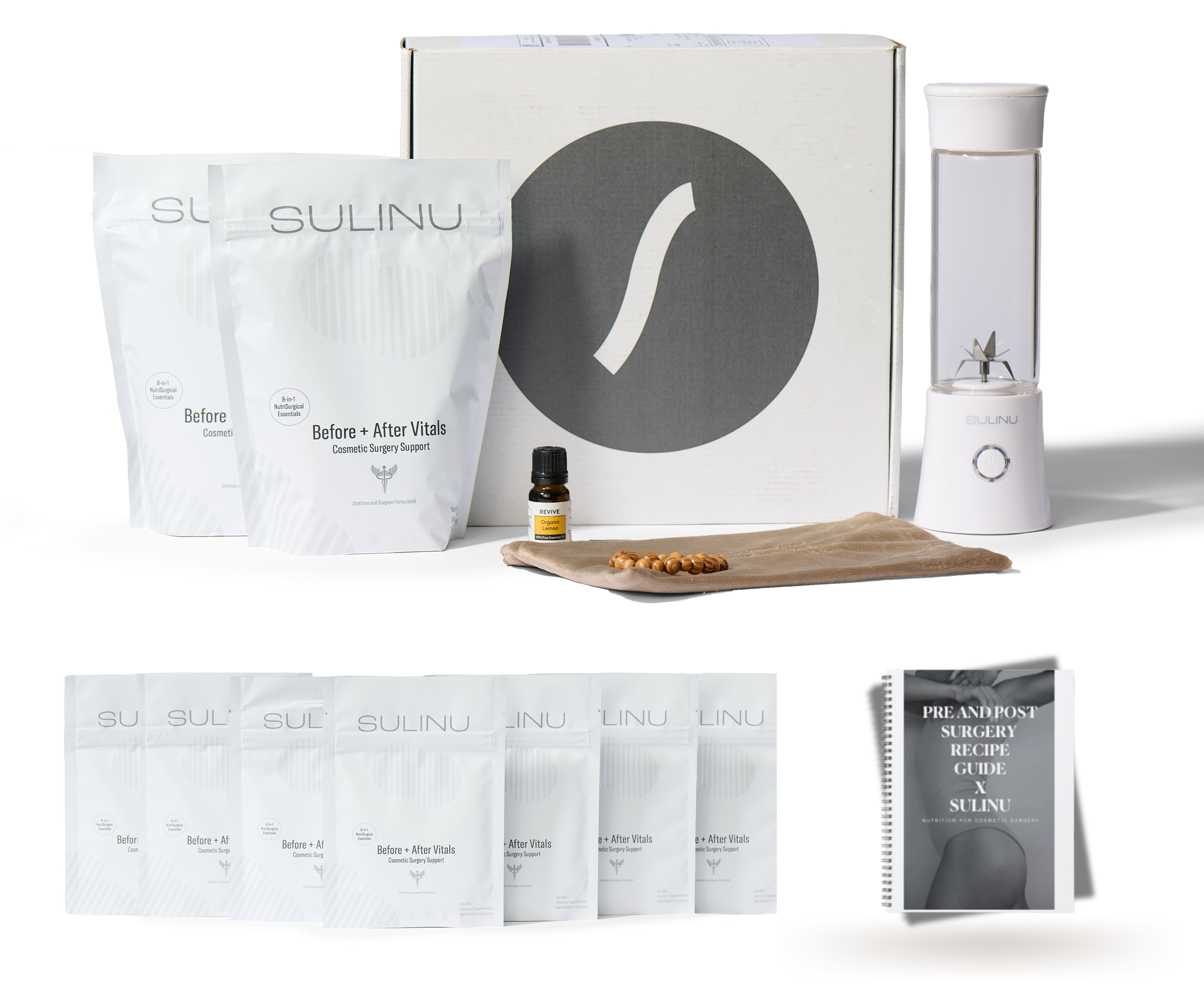
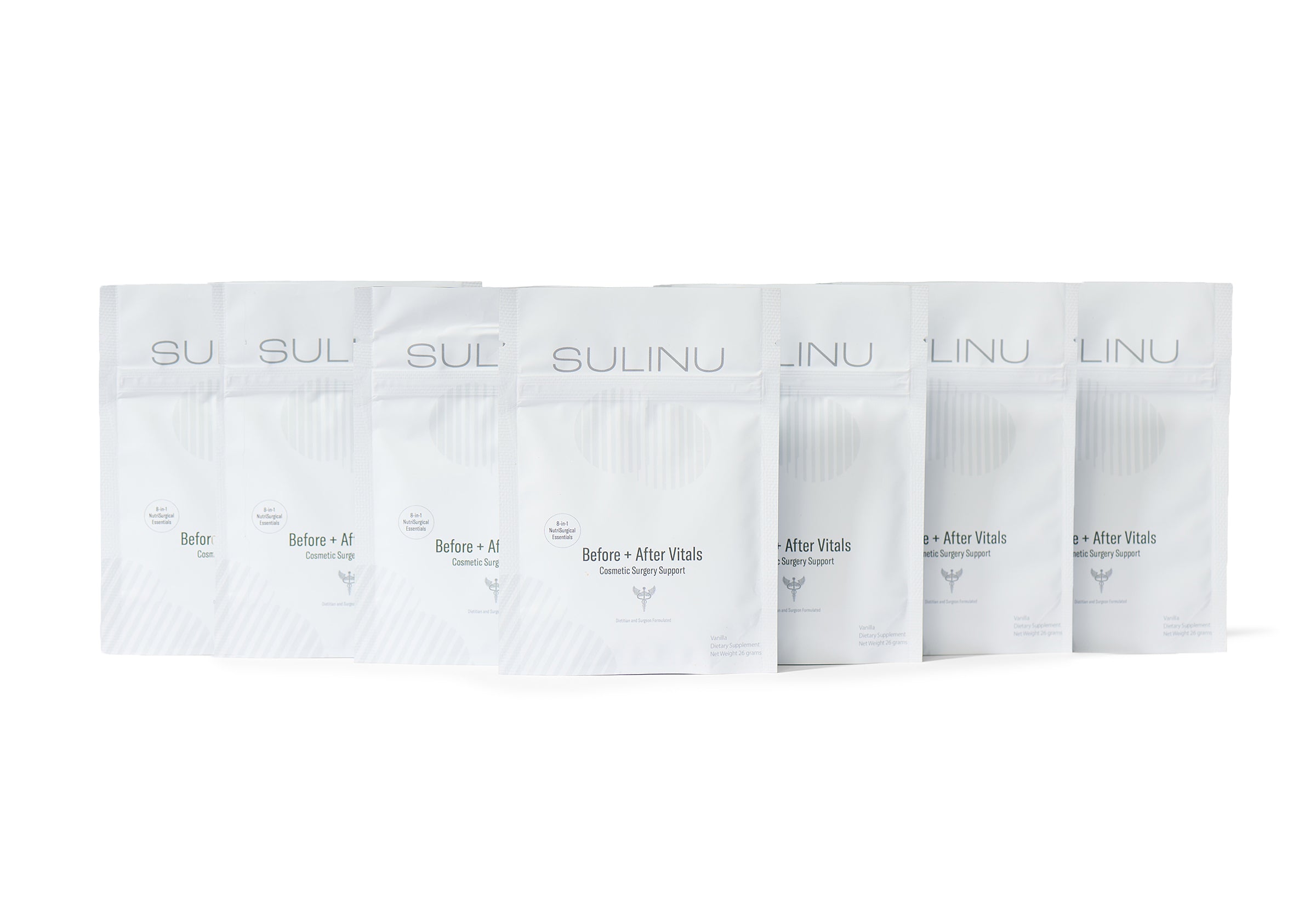
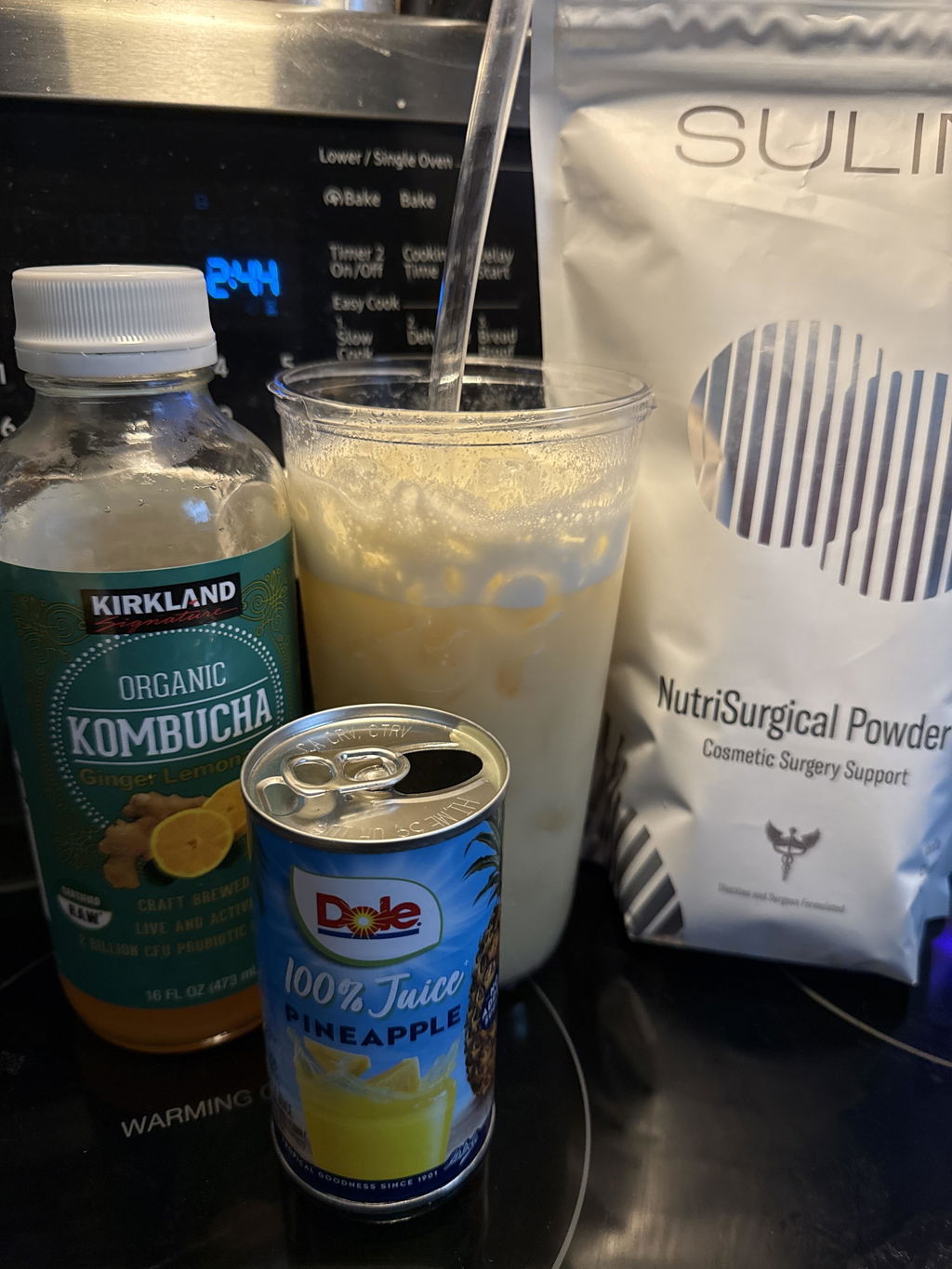
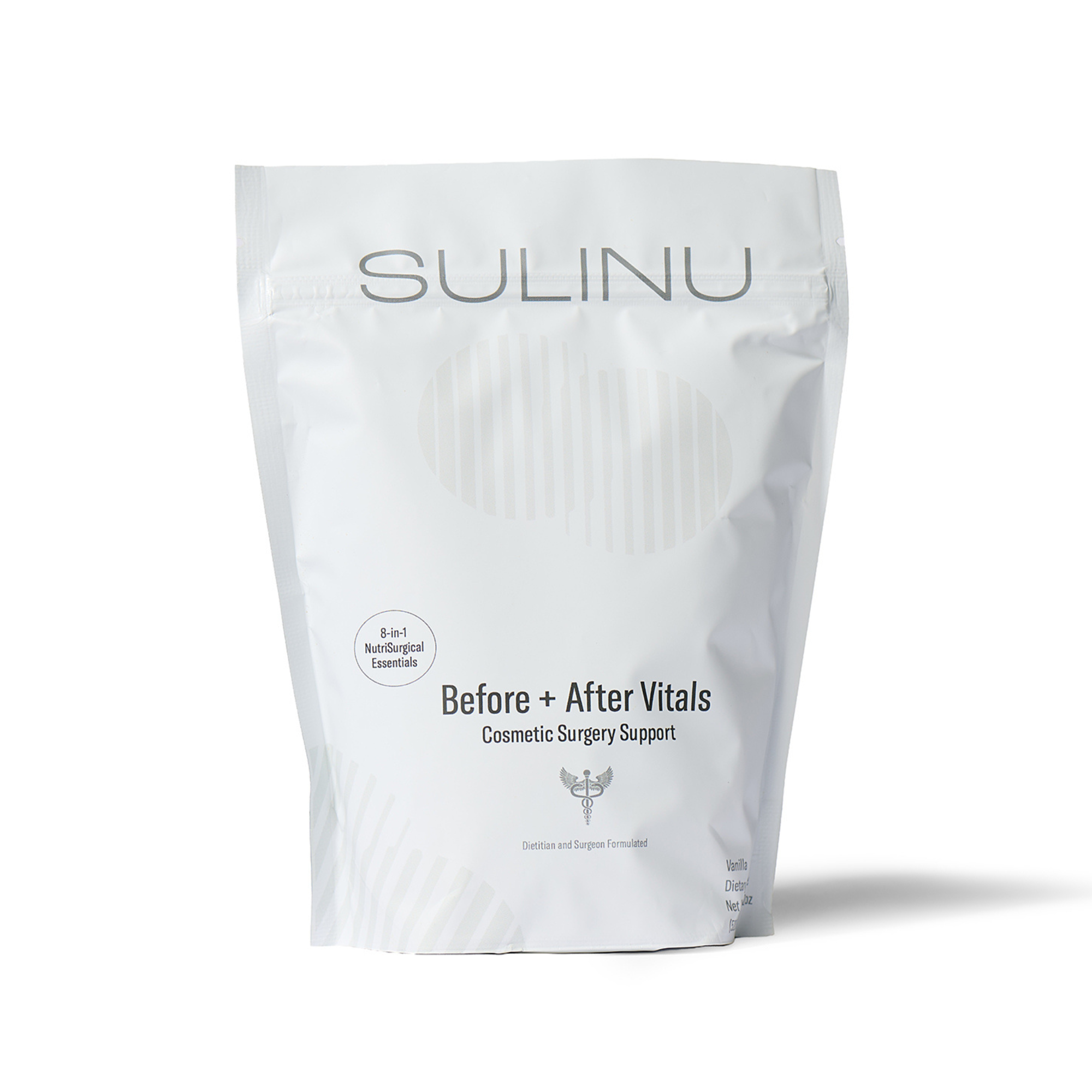
This is where targeted supplementation becomes relevant. And it's where Sulinu's Before + After Vitals was designed to make a difference.

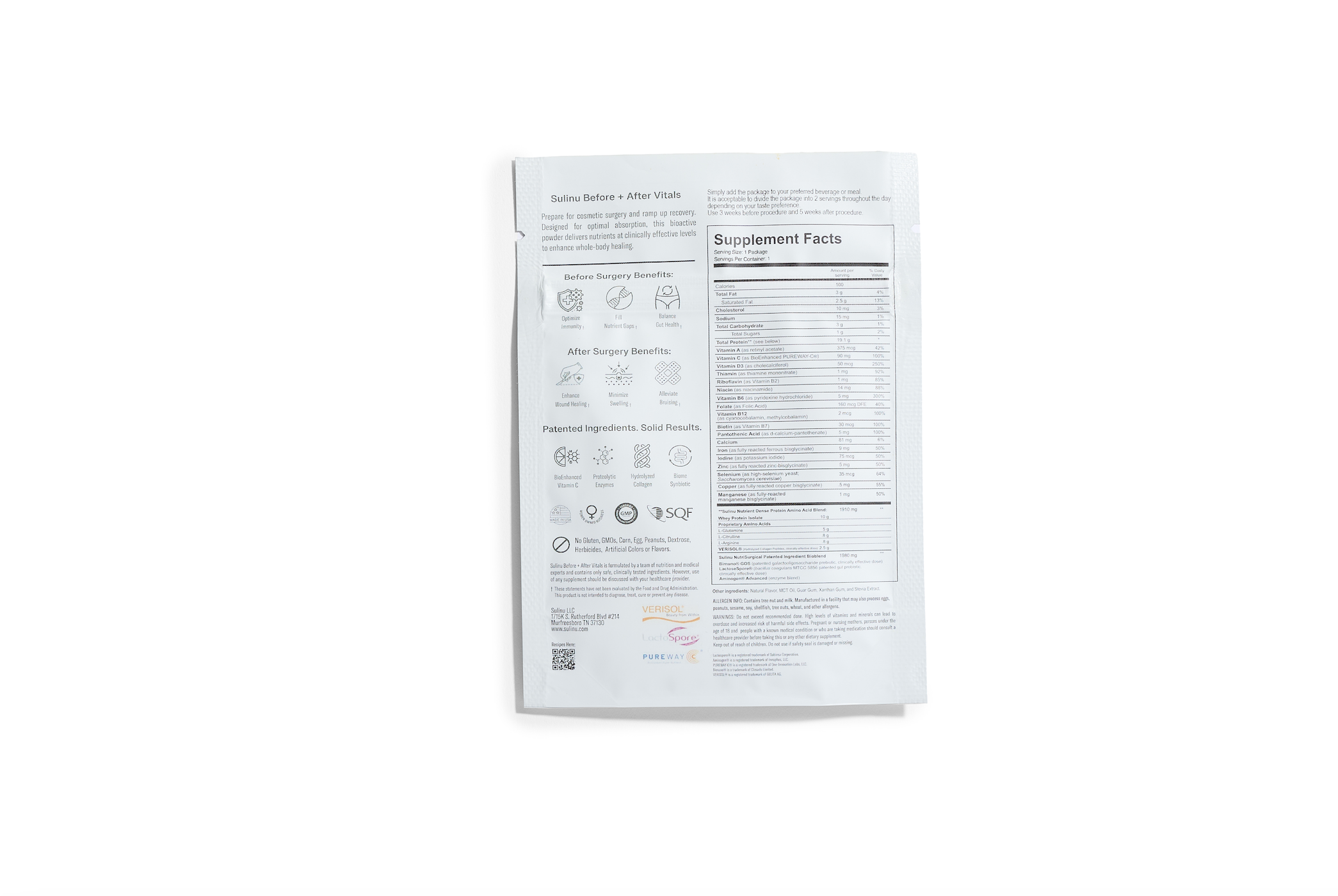
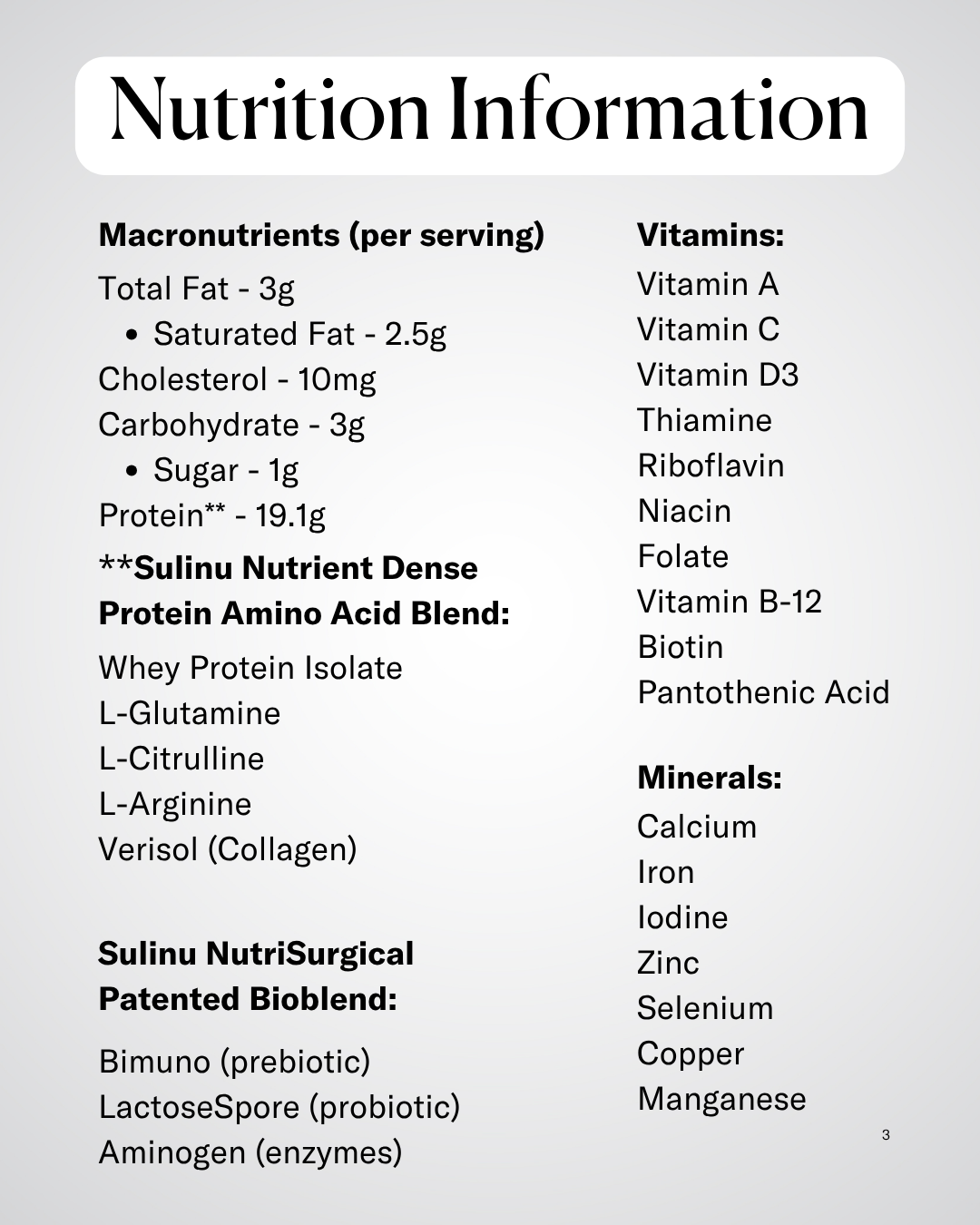
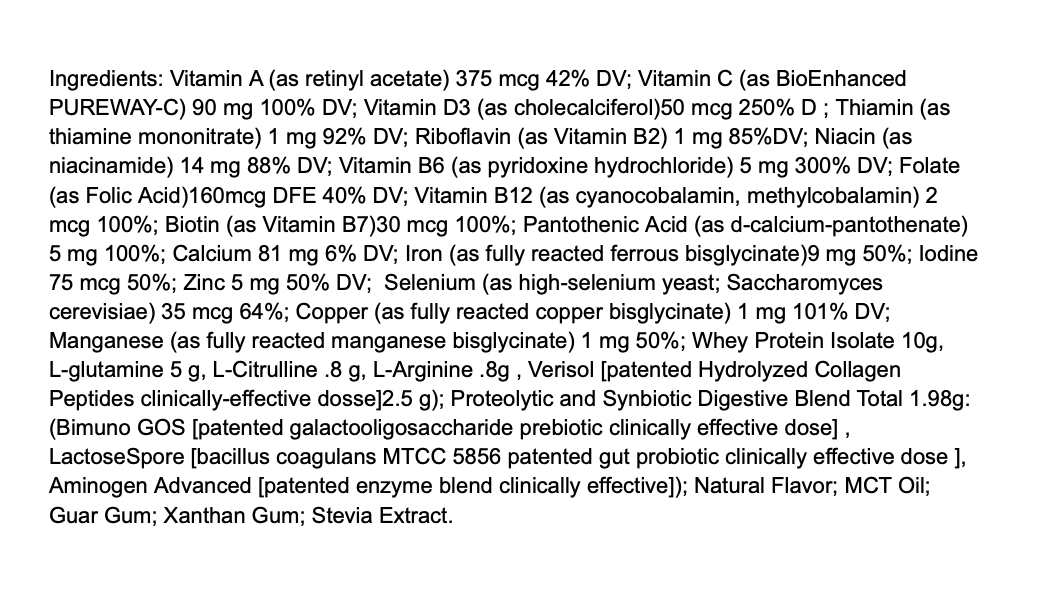
Before + After Vitals isn't a general wellness product or a multi-vitamin in a different box. It's a post-surgical supplement built specifically for cosmetic surgery recovery — formulated around the biological demands of healing after an elective procedure. The formula includes a bioavailable form of vitamin C designed to support collagen synthesis more efficiently than standard supplements, proteolytic enzymes that may support how effectively the body processes protein during tissue repair, and a suite of nutrients selected with surgical recovery, not broad health maintenance, in mind.
What often gets overlooked is the before side of the equation. Starting supplementation in the weeks before surgery helps build up the nutritional reserves your body will draw on during repair. Arriving at the procedure with adequate nutrient stores gives the healing process a stronger foundation.
Before + After Vitals is built for both sides of that timeline to help your body naturally optimize healing.

Scoop. Mix. Heal.
It's a straightforward daily habit that fits into recovery without adding complexity. And in a process where margins matter — where the difference between a scar that fades cleanly and one that lingers can come down to what your body had to work with — giving it the right raw materials is simply a good strategy.
Before + After Vitals won't override genetics or replace skilled surgical technique. But for patients who want to do everything reasonable to support their outcome, nutrition is one of the most overlooked and most controllable variables in the equation.
BE PREPARED FOR SURGERY WITH THE VIP BUNDLE
Practical Scar Care After Skin Removal Surgery
Once you're past the acute phase, consistent scar care makes a real difference. A few things worth building into your routine:
Silicone sheets or silicone gel
Some research points to silicone as one of the more effective topical options for improving scar texture and flatness over time.
SPF 50+ daily
On any scar that sees sunlight. Every day. Until it's fully matured.
Gentle scar massage
Once your surgeon gives the green light, regular massage can help soften dense scar tissue. Firm but gentle circular movements for a few minutes daily.
Stay hydrated
Adequate hydration supports skin function throughout the healing process.
No picking, scratching, or peeling
Disrupting healing skin can reopen the wound-repair process and worsen the scar.
Compression garments
Wear them as directed. They support tissue remodeling and help reduce the swelling that can affect how scars settle.

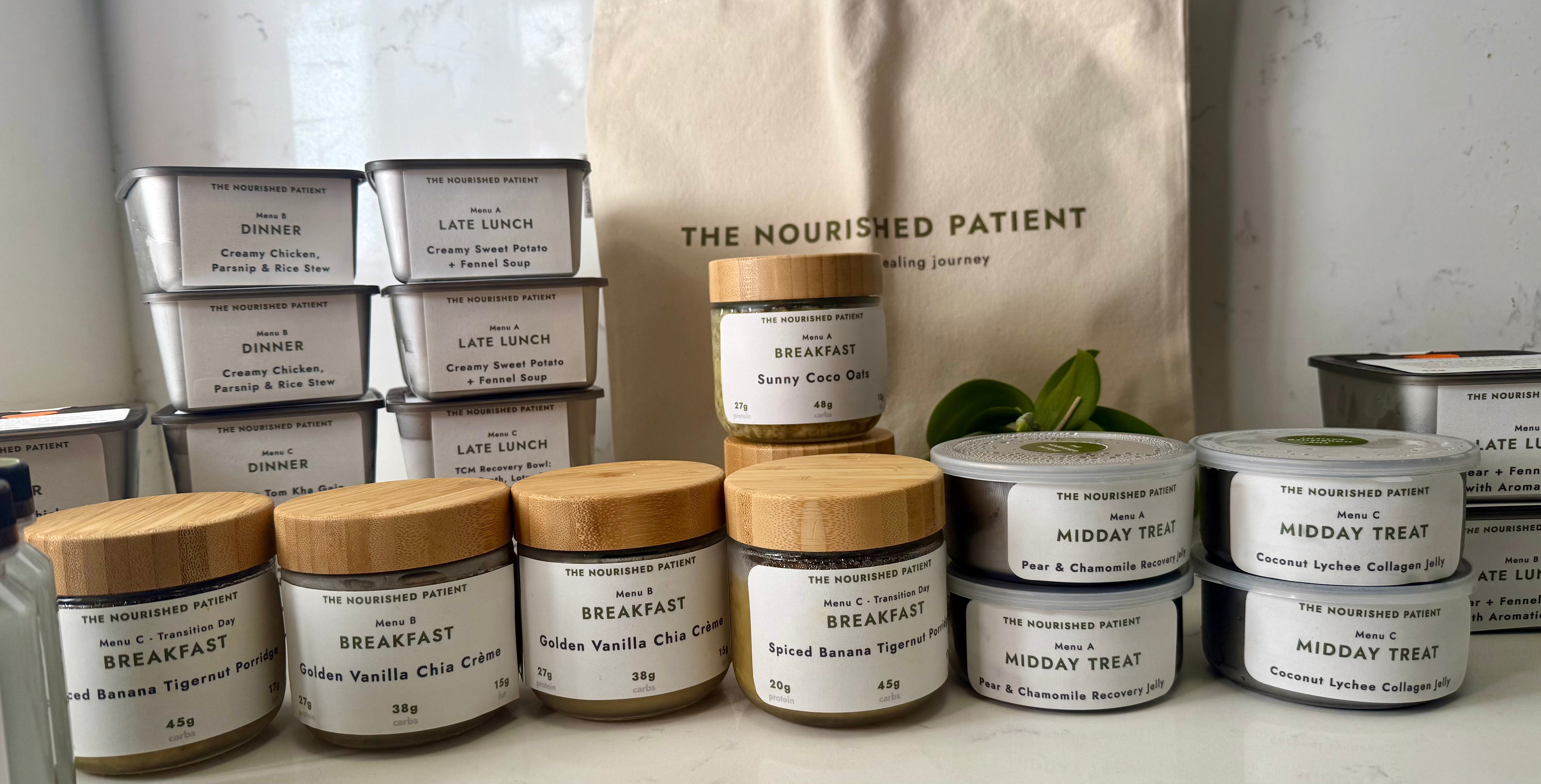
Prioritize nutrition
Not sure where to begin with your pre and post-surgery nutrition? Download the Ultimate Surgery Bundle featuring eight expert guides covering everything from what to eat and how to hydrate, how to manage swelling, what fast food is best, mocktails, protein, smoothies, and keeping your digestion on track.
$130 Value, Only $57 - Get it Today
If a scar remains raised, wide, or hyperpigmented beyond the 12-month mark, additional options exist — laser resurfacing, microneedling, steroid injections, and scar revision are all tools in the post-surgical toolkit. Talk to your surgeon before chasing any treatment on your own.
Frequently Asked Questions
Will skin removal surgery scars be permanent?
In some form, yes. Scars are permanent. What changes dramatically over time is their appearance — color, texture, and visibility all continue to improve for 12 to 18 months or longer. Most patients find that fully matured scars are far less noticeable in daily life than they anticipated in those early weeks.
When do skin removal surgery scars stop being red?
The active redness typically begins to fade somewhere between 3 and 6 months, though this varies by individual and scar location. Full color normalization — where the scar blends closer to your natural skin tone — usually takes a full year or more.
Does skin tone affect how scars look?
Yes. Individuals with deeper skin tones may be more prone to hyperpigmentation or keloid formation, which can make scars more visible. This doesn't mean outcomes are worse — it means aftercare protocols, particularly sun protection, become even more important. Discuss your skin type and scar history with your surgeon in advance.
What makes a scar hypertrophic or keloid?
Hypertrophic scars form when the body produces excess collagen during healing, causing a raised, firm scar that stays within the incision boundary. Keloids go further — they grow beyond the original wound and can continue expanding. Both are more likely in individuals with a genetic predisposition. If you have a history of either, it's worth discussing before surgery.
Can I do anything to speed up scar healing?
Not dramatically, and attempts to rush it often backfire. What you can do is create optimal conditions — consistent aftercare, sun protection, proper nutrition, and patience. Some research suggests that supporting the body's healing mechanisms through targeted supplementation before and after surgery may positively influence recovery, which is part of what makes a formula like Sulinu's Before + After Vitals worth considering.
Should I use supplements after skin removal surgery?
Nutritional support is worth discussing with your surgeon as part of your recovery plan. Products formulated specifically for post-surgical recovery — like Before + After Vitals — are designed to support the biological processes involved in healing, rather than making broad wellness claims. It's one of the more practical steps you can take to support your body's work during the months when healing is most active.
What happens if I'm unhappy with how my scars look?
First: give it time. Scars look their worst in the first few months and typically improve dramatically through the 12 to 18 month mark. If you're past that point and still concerned, consult your surgeon about options — laser therapy, microneedling, steroid injections, and scar revision procedures can all address specific scar concerns. You have more options than you might think
Medical Disclaimer:
The information provided in this article is for general educational purposes only and is not intended as medical advice. Always consult with a qualified, board-certified plastic surgeon before making any decisions regarding surgical procedures, recovery protocols, or supplementation. Individual results vary.


![A promotional image for The PREP STARTER Kit [free shipping], showcasing its key benefits such as protein, vitamins, minerals, amino acids, probiotics, and enzymes. Featured as an essential pre-op supplement in your surgery prep kit, the product bag is displayed alongside fresh green vegetables on a light background.](http://www.sulinu.com/cdn/shop/files/12.jpg?v=1776452906&width=1080)
![A hand holds a scoop of white powder above an open bag of The PREP STARTER Kit [free shipping]. Text highlights that this research-based formula aids surgery recovery, delivers 19g of protein and 29 carefully selected ingredients per daily scoop—making The PREP STARTER Kit an essential addition to any surgery prep kit.](http://www.sulinu.com/cdn/shop/files/3.jpg?v=1776452906&width=1080)
![A ⭐BEST VALUE⭐ The Prep + Recovery Bundle [free shipping] package is displayed on a white background with text highlighting its clinical benefits and international sourcing, emphasizing improved nerve regeneration, better protein absorption, and faster healing—making it an ideal addition to any surgical recovery kit.](http://www.sulinu.com/cdn/shop/files/2.jpg?v=1776452906&width=1080)
![A woman’s face in close-up appears on the left. On the right, text explains post-surgery risks: metabolism rises, appetite drops, food intake falls, and nutrient needs soar. The message: your body needs more while you eat less—making The PREP STARTER Kit [free shipping] essential for recovery.](http://www.sulinu.com/cdn/shop/files/9.jpg?v=1776452906&width=1080)
![Text graphic explaining consequences of not fueling the healing body: slower wound healing, higher infection risk, more bruising, increased fatigue, pain, and constipation. Highlights that nutrition is essential for recovery but often overlooked—using The PREP STARTER Kit [free shipping] can help support your body and make all the difference for surgical recovery.](http://www.sulinu.com/cdn/shop/files/10.jpg?v=1776452906&width=1080)
![A smiling woman holding a box labeled The PREP STARTER Kit [free shipping] stands beside text explaining the purpose behind creating The PREP STARTER Kit: to support post-surgery recovery by providing targeted nutrition backed by real clinical data, serving as an essential surgery protein guide for patients seeking optimal outcomes.](http://www.sulinu.com/cdn/shop/files/14.jpg?v=1776452906&width=1080)
![A person in a fitted outfit poses against a neutral background. Text reads ⭐BEST VALUE⭐ The Prep + Recovery Bundle [free shipping]. Discover the ultimate surgery prep bundle—nutrition for cosmetic surgery and essential support for your recovery kit.](http://www.sulinu.com/cdn/shop/files/UltimateSurgeryBundle-Sulinu.png?v=1775162796&width=537)