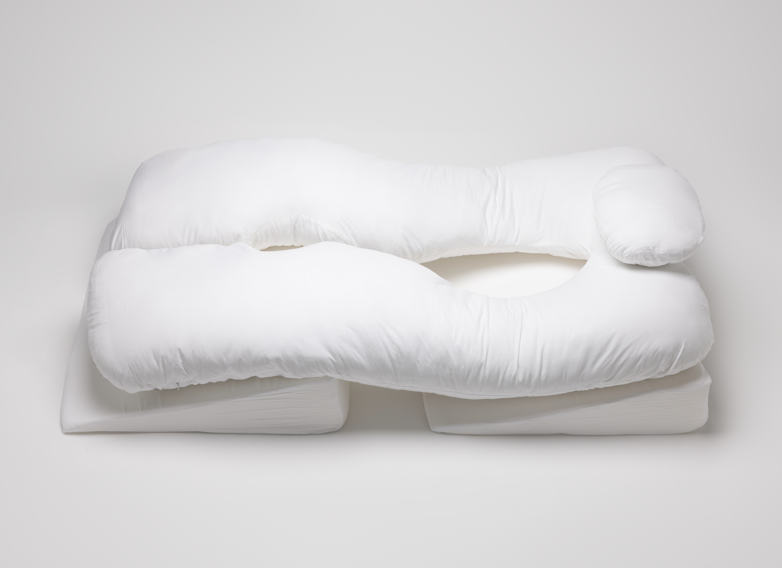
Most people preparing for a Brazilian Butt Lift focus on logistics — sitting restrictions, compression garments, and time off work. What receives far less attention is the nutritional demand the procedure places on the body, and why that demand is categorically different from any other cosmetic surgery.
The biology of what makes a BBL successful — fat cells surviving, integrating, and establishing a permanent blood supply in an entirely new location — depletes nutritional reserves at the precise moment the body needs them most.
This article covers the supplements most relevant to BBL recovery and the ones that can compromise results.
Why BBL Recovery Is a Nutritional Category of Its Own
Most cosmetic procedures involve healing one surgical site. A BBL requires the body to manage several distinct and simultaneous healing demands while also sustaining them across a longer recovery arc than most procedures.
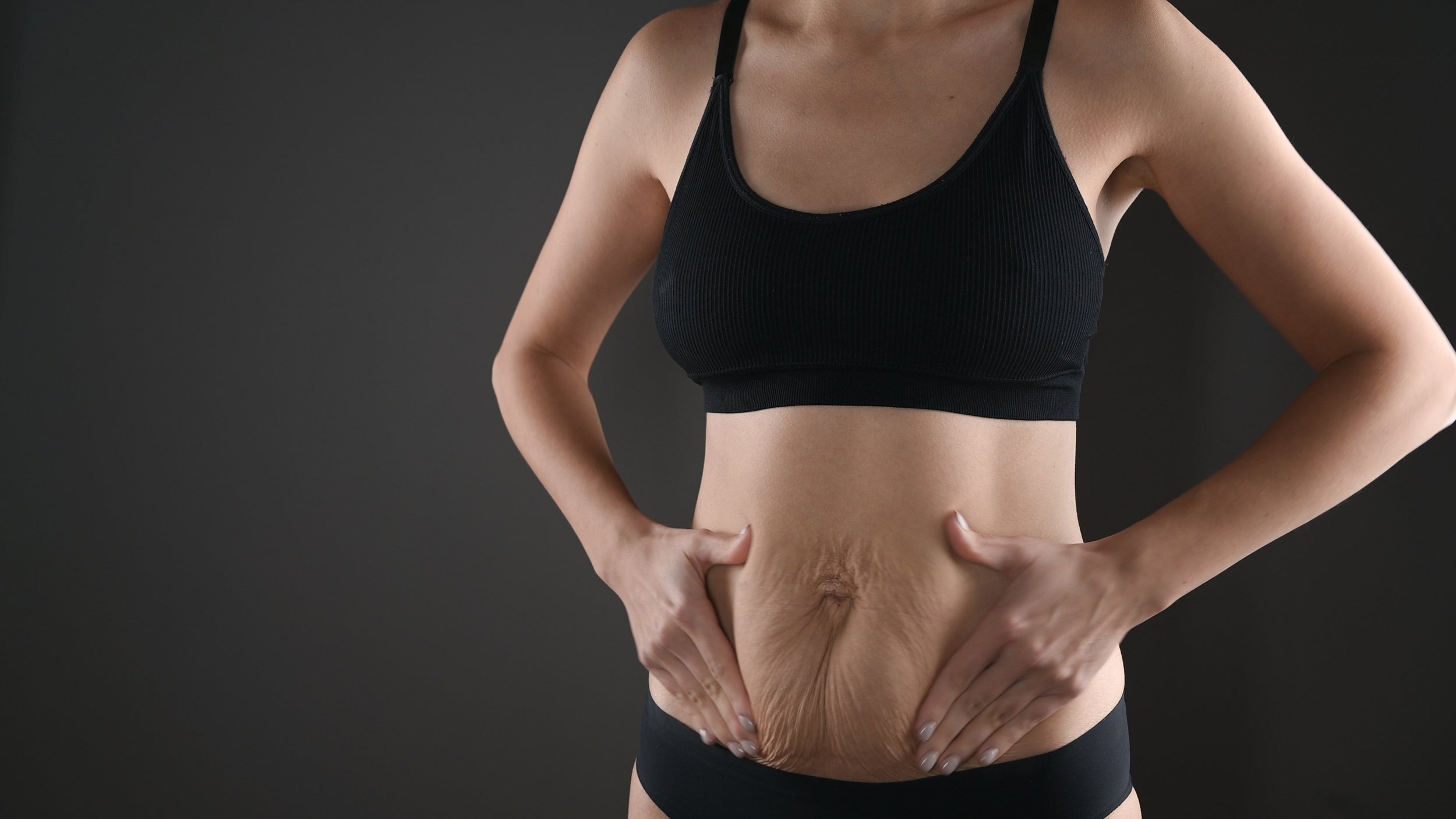
The liposuction donor sites — abdomen, flanks, back — are managing acute tissue trauma, fluid accumulation, and the extended process of skin retraction across a large surface area. At the same time, the buttocks are undergoing a separate and more complex process: fat grafting, where harvested fat cells must establish new blood supply connections in foreign tissue or they will not survive.
That process — angiogenesis, or new blood vessel formation — is the defining biological challenge of BBL recovery. Some research suggests the first several weeks post-BBL represent a critical period for fat graft survival.
The body is not solely healing wounds. It is building new vascular infrastructure, requiring protein, vitamins, minerals, and enzymes in quantities that standard daily nutrition is not equipped to deliver at a surgical scale.
The inflammatory response across multiple body zones simultaneously creates a lymphatic burden among the most significant of any elective cosmetic procedure. A standard multivitamin is not formulated for these demands.
Demand #1: Supporting the Fat Graft Integration Period
The central variable in whether a fat transfer succeeds is vascularization — the process by which the body develops new blood vessels into the transferred fat tissue.
Specific nutritional building blocks are required to support it.
Vitamin C plays a central role in collagen synthesis and blood vessel integrity. Some research in surgical nutrition points to bioavailable forms of Vitamin C as particularly relevant during the fat graft integration period — standard ascorbic acid is poorly retained at doses relevant to surgical recovery and can cause digestive disruption. Blood vessel formation, wound closure, and immune regulation all draw on Vitamin C simultaneously.
Vitamin D3 is less frequently discussed but some research suggests it plays a meaningful role in new blood vessel formation and infection resistance, both directly relevant during fat graft integration.
Amino acids — specifically certain conditionally essential ones the body cannot produce in sufficient quantities under surgical stress — are the foundational building blocks of new tissue. L-glutamine supports gut integrity and immune function. L-citrulline is involved in the pathways that allow the body to utilize arginine for tissue repair. Adequate amino acid availability supports the biological environment the grafted fat cells need to establish and stabilize.
Demand #2: Sustaining Repair Across Multiple Surgical Sites
Every liposuction extraction point represents a wound. The flanks, abdomen, and lower back are simultaneously managing bruising, swelling, fluid accumulation, and skin retraction — all while the body distributes nutritional resources across an unusually large recovery zone.
Protein is the foundational nutrient for tissue repair. Some research in perioperative nutrition suggests that surgical patients' protein requirements increase substantially during active healing, and the multi-site nature of a BBL may push those demands higher still. Insufficient intake forces the body to make prioritization decisions in repair.
Zinc is involved in wound healing, cell proliferation, and protein synthesis. Some research notes zinc is frequently depleted by surgical stress, meaning patients who enter recovery already marginal on zinc may experience a slower healing course.
Vitamin A supports skin cell growth and collagen production. The steroids commonly used post-operatively can deplete Vitamin A stores — a deficit that was not present before surgery.
B vitamins — the full complex — provide the metabolic energy that supports the later phases of tissue repair and scar remodeling. BBL's extended recovery timeline means the B vitamin-dependent processes carry sustained relevance beyond the early post-operative weeks.
Demand #3: Managing an Elevated Lymphatic Load
BBL patients frequently experience swelling and fluid accumulation that is more persistent and widespread than anticipated. The lymphatic system must clear surgical debris and excess fluid from several zones at once, among the heaviest burden of any cosmetic procedure. When overwhelmed, the inflammatory environment that should function as a time-limited healing signal can become a prolonged obstacle to fat graft integration.
Proteolytic enzymes are among the most underutilized tools in surgical recovery nutrition. Some research suggests specific enzyme complexes can assist in breaking down inflammatory proteins — the fibrous debris that the lymphatic system struggles to clear independently. Taken away from food so they function systemically, these enzymes may support more efficient clearance of the inflammatory burden that BBL generates.
Synbiotics — formulations combining probiotics with prebiotics — address the relationship between gut health and systemic inflammation. Surgery disrupts the gut microbiome, and pain medications compound that disruption. Some research suggests a compromised gut can sustain low-grade systemic inflammation that prolongs the healing environment's recovery from surgical stress. Strains studied for gut barrier integrity and immune modulation may influence how efficiently the inflammatory phase resolves.
Supplements That Interfere with BBL Recovery
Vitamin E and fish oil have anticoagulant properties that represent a bleeding risk before surgery. In the specific context of a BBL, impaired clotting in the immediate post-operative window affects the vascular microenvironment that transferred fat cells depend on to establish blood supply, making these particularly relevant to avoid.
Turmeric and high-dose garlic carry similar anticoagulant properties. Controlled post-operative inflammation initiates the healing cascade; broadly suppressing it prematurely can interfere with recovery.
High-dose iron, absent a documented deficiency, can increase oxidative stress in surgical contexts. Any supplement that thins blood, non-selectively suppresses inflammation, or contains unstudied herbal compounds should be paused well before surgery, with reintroduction timing confirmed by the surgical team.
Why Surgical Nutrition Exists as Its Own Category — And Why It Matters for BBL
Sourcing supplements individually presents two challenges specific to BBL recovery.
The first is compliance — sitting restrictions, limited mobility, and post-operative fatigue make a multi-bottle regimen with varied timing requirements difficult to maintain.
The second is formulation — many nutrients compete for absorption when combined without accounting for their interactions, a problem compounded when post-operative gut function is already compromised. This is the foundation of surgical nutrition as a distinct category.

Before + After Vitals: Formulated for BBL Recovery
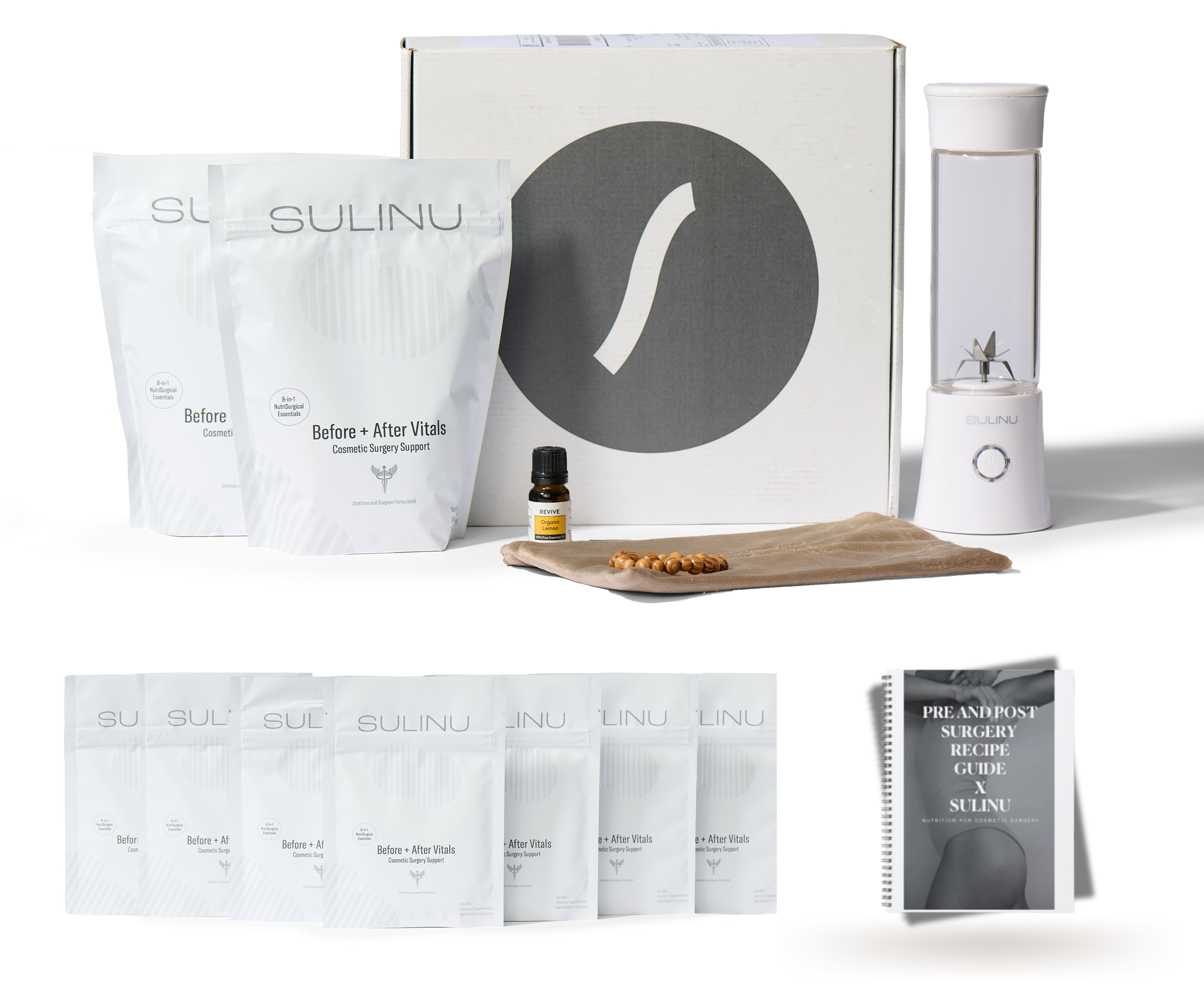
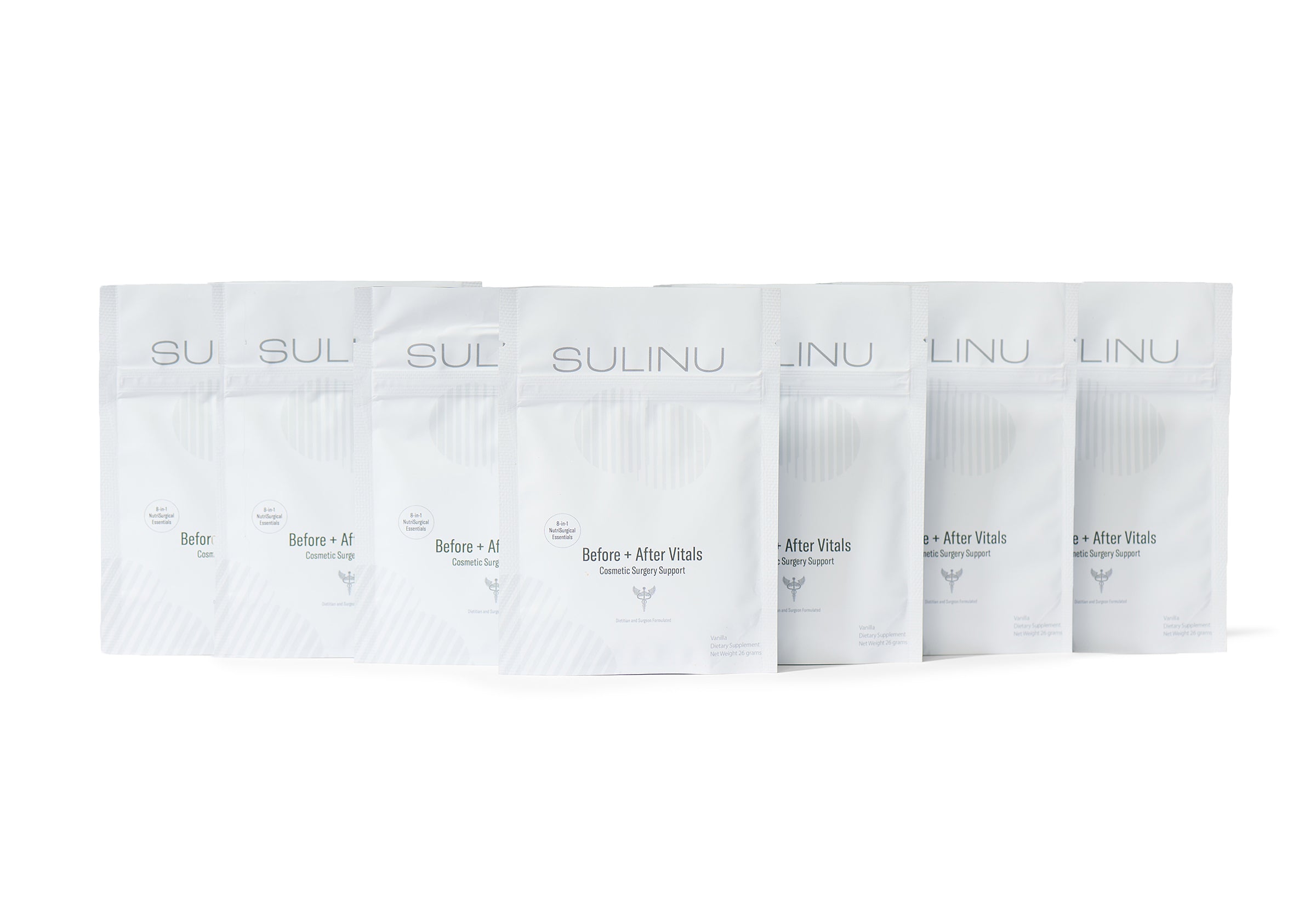
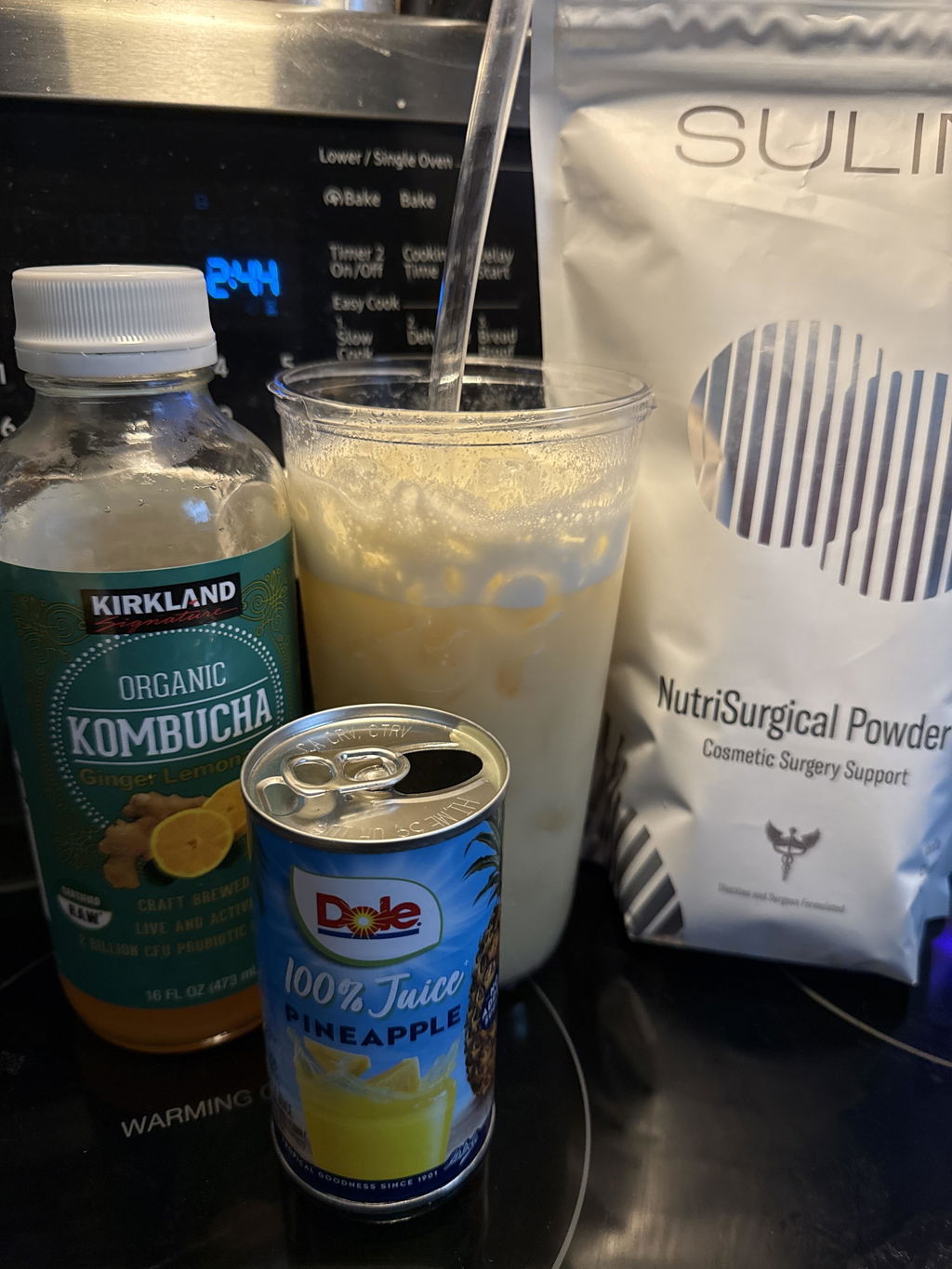
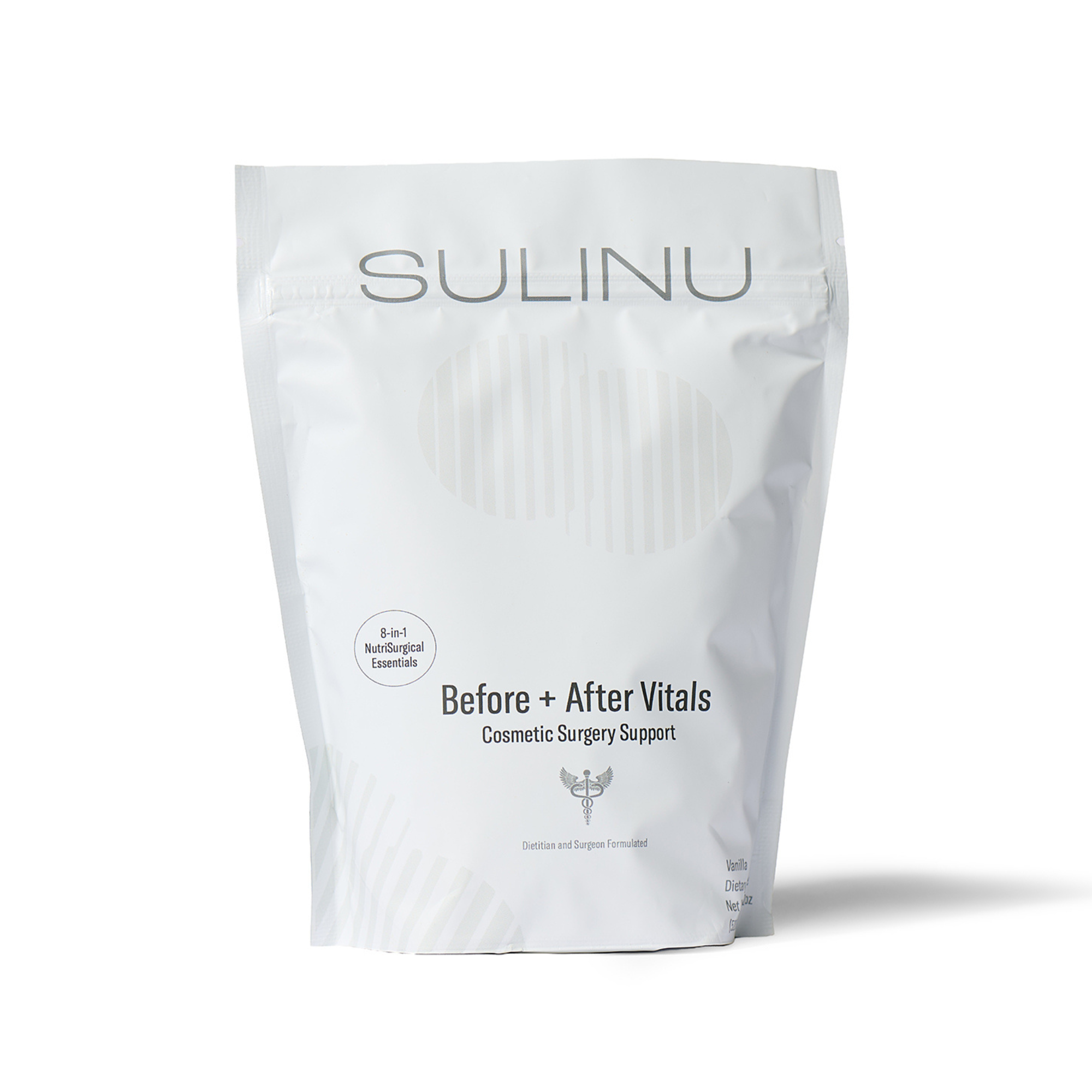
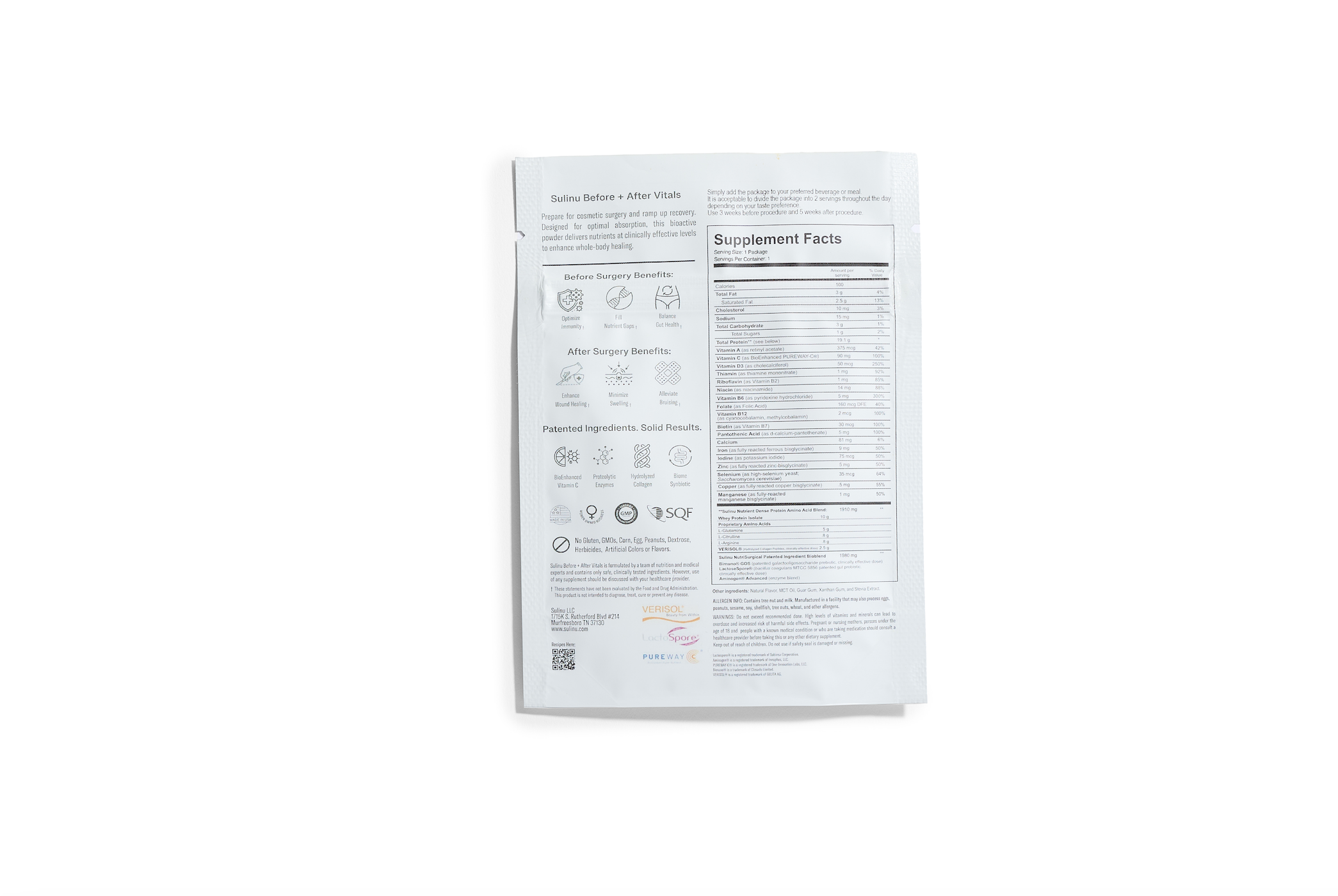
Before + After Vitals by Sulinu was developed specifically for cosmetic surgery recovery — not general wellness, not everyday nutrition. It is the world's first NutriSurgical supplement powder created by a plastic surgery clinical dietitian to address the specific nutritional gap that surgical recovery creates and that standard supplements are not built to fill.
At the heart of the formula is the NutriSurgical Bioblend: four patented ingredients selected because the science behind each one is directly relevant to what a BBL demands of the body.
PureWay-C® is a patented form of Vitamin C absorbed 233% better than standard ascorbic acid — clinically shown to lower CRP inflammatory markers and reduce serum fibrosis activity. For BBL patients navigating the fat graft vascularization window, that is not a minor distinction. Standard Vitamin C is poorly retained at doses relevant to surgical recovery. PureWay-C® is built for it.
LactoSpore® is a spore-forming probiotic backed by a 2025 surgical RCT showing faster gut recovery, less bloating, and fewer GI complications after surgery. Unlike standard probiotic strains, it survives both antibiotics and stomach acid — arriving where the body needs it. For a procedure that generates one of the heaviest inflammatory loads of any cosmetic surgery, gut integrity is not incidental to recovery.
Bimuno® GOS is the world's most researched prebiotic, supported by 130+ scientific publications and 25+ clinical trials, and proven effective in as little as seven days. It works in tandem with LactoSpore® to rebuild the gut barrier, restore beneficial bacteria depleted by antibiotics, and strengthen immune defenses during the recovery window.
Aminogen® is a patented enzyme complex clinically shown to double amino acid absorption from protein. Given that protein demand increases substantially under surgical stress — and that gut function is already compromised post-operatively — how much the body actually absorbs matters as much as how much is consumed. Aminogen® ensures the protein in every scoop is working at full capacity to rebuild tissue and support healing.

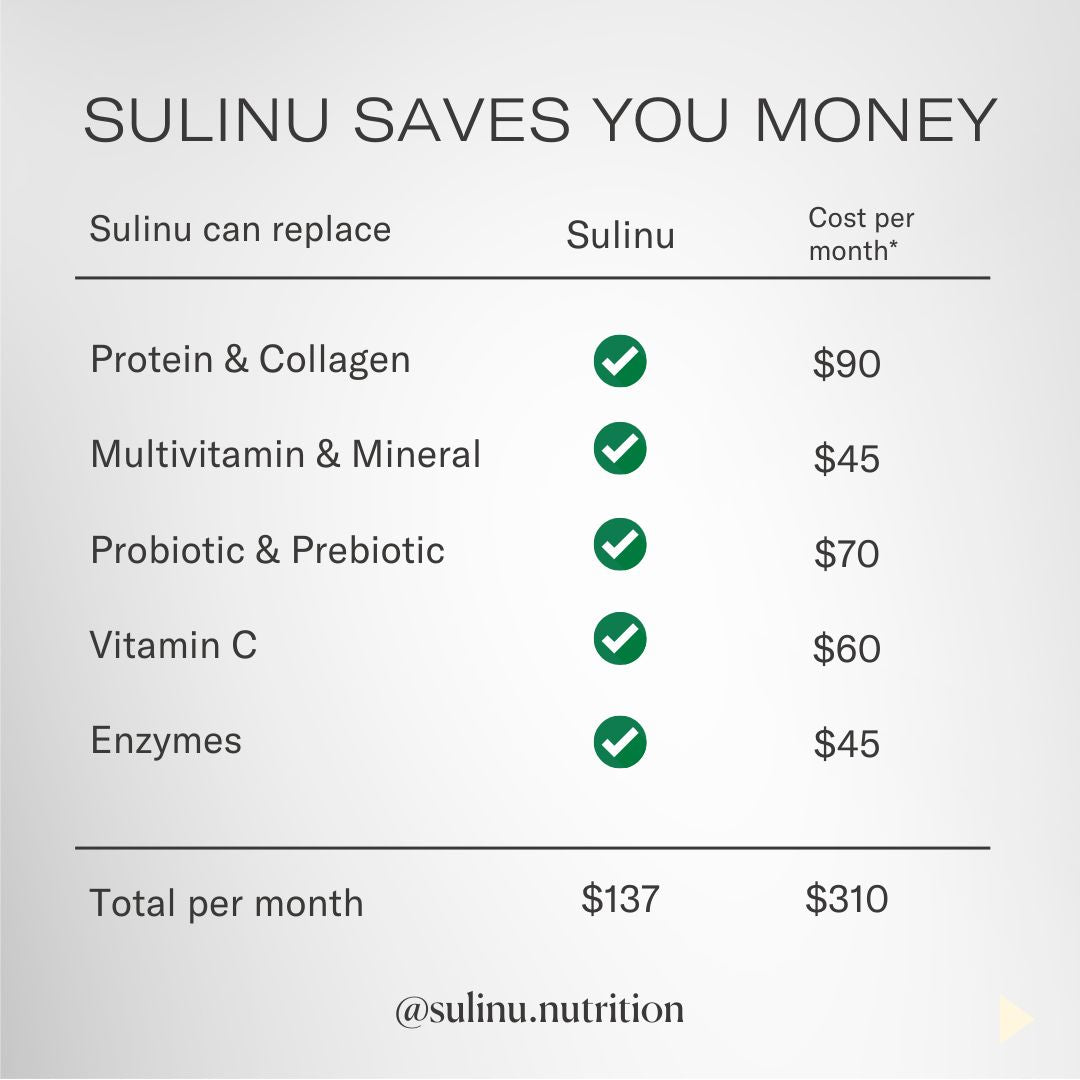
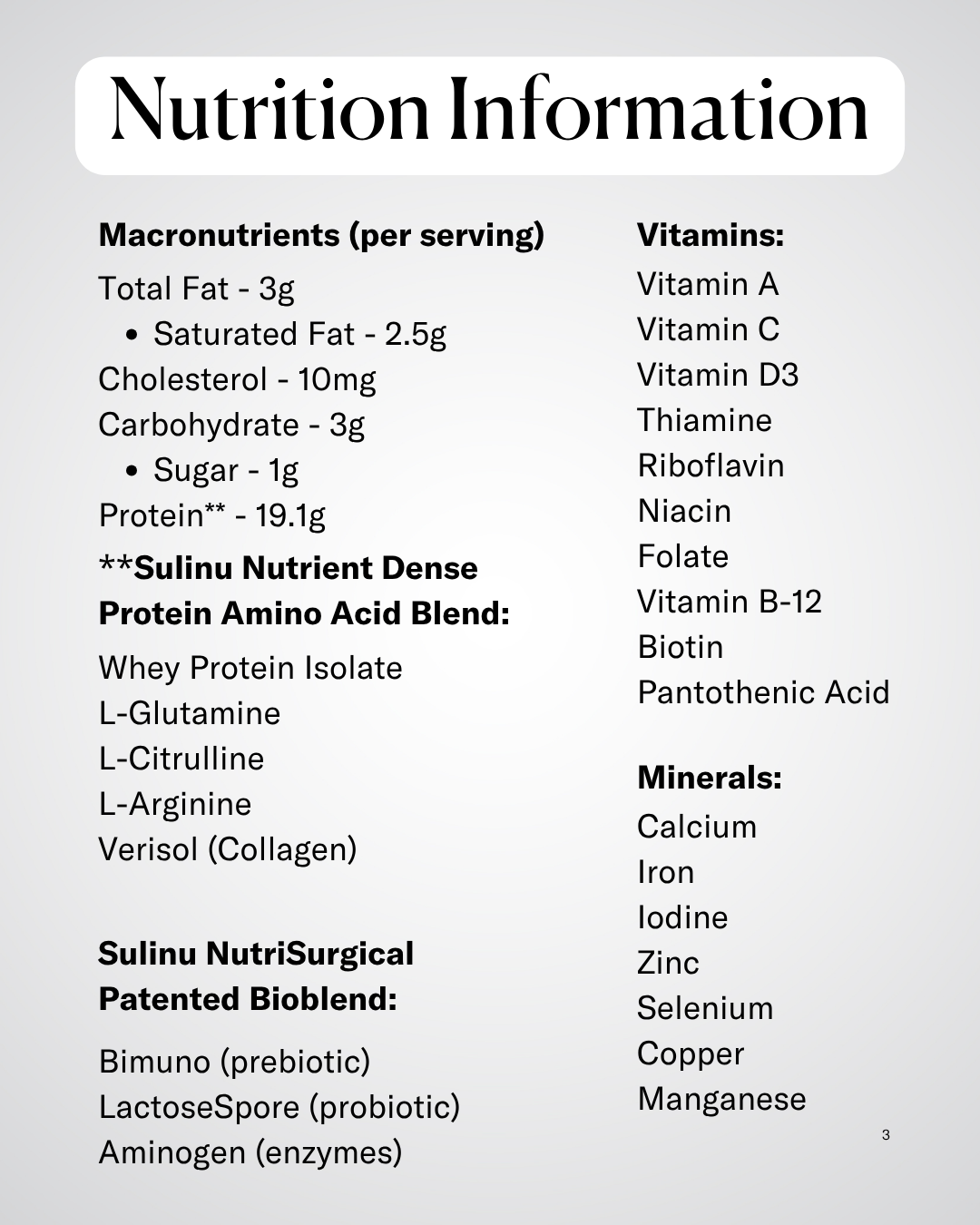
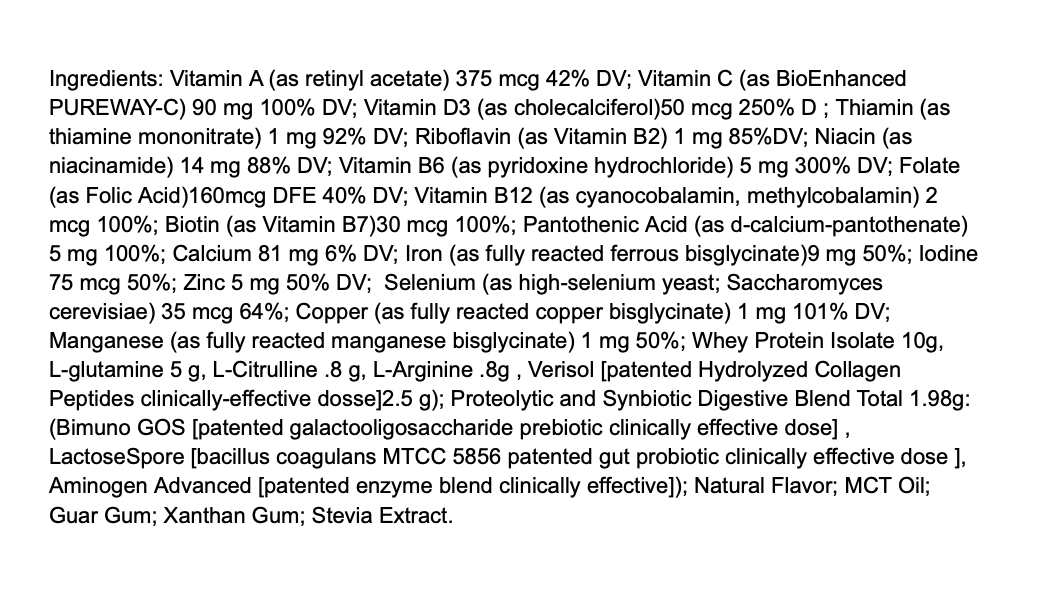
In a single scoop, Before + After Vitals also delivers hydrolyzed collagen, a full proteolytic enzyme complex, and 19 vitamins and minerals — each selected for bioavailability and formulated to work in concert rather than compete for absorption.
For BBL patients specifically, the convenience of a single daily scoop addresses a real compliance challenge. Recovery already demands consistent attention to positioning, compression, lymphatic massage, and follow-up care. A formula that consolidates all surgical nutrition requirements into one scoop removes the barrier of a multi-bottle protocol during the phase when nutritional consistency matters most.
Scoop. Mix. Heal.

Before + After Vitals is designed to begin 2–4 weeks before surgery, building nutritional reserves ahead of the fat graft integration period, and continue through the post-operative recovery window as directed by the surgical team. Beginning before surgery is not optional — it is where the protocol's effectiveness starts. Learn more here.
GET THE BEST SUPPLEMENT FOR BBL RECOVERY
Timing the Supplement Protocol
Pre-surgery (2–4 weeks before the procedure): Build tissue nutrient reserves and discontinue blood-thinning supplements. This is when the foundation for fat graft survival is established.
Weeks 1–2 post-operative: Fat graft vascularization is actively progressing. Demand for Vitamin C, amino acids, zinc, and synbiotics is at its highest. Consistent supplementation throughout this period is important even when appetite is reduced.
Weeks 3–8: The body transitions from acute repair to tissue remodeling. Swelling at liposuction sites is progressively resolving. Protein and collagen support remain relevant.
Months 2–3 and beyond: Scar healing and final tissue remodeling continue for up to a year following surgery. Ongoing nutritional support during this extended period contributes to the quality of long-term outcomes.

BBL Supplements: FAQs
Do BBL patients need surgery-specific supplements, or is a standard multivitamin sufficient?
A standard multivitamin is formulated for daily maintenance, not the acute demands of surgical recovery. Some research suggests the gap between standard multivitamin support and post-operative requirements is meaningful enough to affect outcomes. For a procedure in which nutritional adequacy plays a direct role in fat graft survival, that gap warrants serious consideration.
Which supplements should be stopped before a BBL?
Vitamin E, fish oil, turmeric, garlic supplements, and other compounds with anticoagulant properties should be paused well before surgery. The specific cessation timeline should be confirmed with the surgical team, as individual protocols vary.
Why does gut health affect BBL recovery outcomes?
Surgery and pain medication disrupt the gut microbiome. Some research connects that disruption to increased systemic inflammation, which can compromise the healing environment that fat graft survival depends on. Supporting gut integrity through synbiotics during recovery addresses this systemic effect.
How long should supplement support continue after a BBL?
A minimum of 6–12 weeks covers the acute healing and initial stabilization phases. Given that tissue remodeling continues for months post-operatively, maintaining nutritional support through the 1-year mark is often advised.
Is it beneficial to start supplements if recovery is already underway?
Yes. The body continues active tissue repair and remodeling for up to a year following surgery. Beginning targeted nutritional support at any point during that window contributes to the ongoing healing process.
PROTECT YOUR RESULTS WITH THE BEST SUPPLEMENTS FOR BBL
Medical Disclaimer
This article is intended for informational and educational purposes only. It does not constitute medical advice and should not be used as a substitute for guidance from a qualified healthcare provider. Every individual's surgical recovery is unique and depends on a range of factors, including procedure type, overall health, surgeon technique, and adherence to post-operative instructions.
Always consult your plastic surgeon and medical team before starting, stopping, or changing any supplement protocol, especially in the context of surgical recovery. Do not delay seeking professional medical guidance based on information found in this or any online article. If you experience unexpected symptoms during BBL recovery, contact your surgical team promptly.
These statements have not been evaluated by the Food and Drug Administration. This product is not intended to diagnose, treat, cure, or prevent any disease.


![A promotional image for The PREP STARTER Kit [free shipping], showcasing its key benefits such as protein, vitamins, minerals, amino acids, probiotics, and enzymes. Featured as an essential pre-op supplement in your surgery prep kit, the product bag is displayed alongside fresh green vegetables on a light background.](http://www.sulinu.com/cdn/shop/files/12.jpg?v=1776452906&width=1080)
![A hand holds a scoop of white powder above an open bag of The PREP STARTER Kit [free shipping]. Text highlights that this research-based formula aids surgery recovery, delivers 19g of protein and 29 carefully selected ingredients per daily scoop—making The PREP STARTER Kit an essential addition to any surgery prep kit.](http://www.sulinu.com/cdn/shop/files/3.jpg?v=1776452906&width=1080)
![A ⭐BEST VALUE⭐ The Prep + Recovery Bundle [free shipping] package is displayed on a white background with text highlighting its clinical benefits and international sourcing, emphasizing improved nerve regeneration, better protein absorption, and faster healing—making it an ideal addition to any surgical recovery kit.](http://www.sulinu.com/cdn/shop/files/2.jpg?v=1776452906&width=1080)
![A woman’s face in close-up appears on the left. On the right, text explains post-surgery risks: metabolism rises, appetite drops, food intake falls, and nutrient needs soar. The message: your body needs more while you eat less—making The PREP STARTER Kit [free shipping] essential for recovery.](http://www.sulinu.com/cdn/shop/files/9.jpg?v=1776452906&width=1080)
![Text graphic explaining consequences of not fueling the healing body: slower wound healing, higher infection risk, more bruising, increased fatigue, pain, and constipation. Highlights that nutrition is essential for recovery but often overlooked—using The PREP STARTER Kit [free shipping] can help support your body and make all the difference for surgical recovery.](http://www.sulinu.com/cdn/shop/files/10.jpg?v=1776452906&width=1080)
![A smiling woman holding a box labeled The PREP STARTER Kit [free shipping] stands beside text explaining the purpose behind creating The PREP STARTER Kit: to support post-surgery recovery by providing targeted nutrition backed by real clinical data, serving as an essential surgery protein guide for patients seeking optimal outcomes.](http://www.sulinu.com/cdn/shop/files/14.jpg?v=1776452906&width=1080)
![A person in a fitted outfit poses against a neutral background. Text reads ⭐BEST VALUE⭐ The Prep + Recovery Bundle [free shipping]. Discover the ultimate surgery prep bundle—nutrition for cosmetic surgery and essential support for your recovery kit.](http://www.sulinu.com/cdn/shop/files/UltimateSurgeryBundle-Sulinu.png?v=1775162796&width=537)