Swelling after ACL surgery is expected, and the measures that most often help are keeping the leg raised above heart level, using wrapped ice, wearing any compression your team prescribes, and doing only the exercises you were given.
Hospital patient leaflets describe some swelling for the first days to a week, and heavier swelling that can last several weeks.¹ Your surgeon's instructions come first. This article explains the common approaches and helps you recognize what to report.
Quick Answers
Is it normal for my knee to swell a lot after ACL surgery? Yes. Hospital leaflets describe swelling as expected after surgery, with some people having heavy swelling that lasts for several weeks.¹
What helps the swelling most? Elevating the leg above the level of your heart, using ice wrapped in a cloth and following your team's guidance on compression and exercises. Your surgeon decides which of these apply and how often.
How long should I keep my leg elevated? One hospital leaflet advises keeping the leg raised at all times in the first week except for exercises and bathroom trips, and elevating above heart level whenever seated.² Follow your own surgeon's schedule.
Is bruising on my thigh or calf a problem? Usually not. Bruising on the back of the thigh, inner thigh, calf, or shin is described as common.² Report it if it is spreading quickly or accompanied by new pain.
When should I call the surgeon about swelling? Call if swelling, warmth, redness or pain are rising, or if you have fever. Go to emergency care for a painful, red, hot, swollen calf, which can be a sign of a blood clot.
Comparison: common ways swelling is managed after ACL surgery
The measures below are the ones hospital leaflets most often describe. The cards are a summary to bring to your appointments, not a schedule. Your surgeon and physical therapist set the details.
Elevation
How it helps
Helps fluid drain away
Typical guidance
Raised most of the first week
Check first
Your surgeon's own schedule
Cold therapy
How it helps
Eases pain and swelling
Typical guidance
20 to 30 min, wrapped in cloth
Check first
Numb or blotchy skin: stop
Compression
How it helps
May help limit swelling
Typical guidance
Stocking or wrap as prescribed
Check first
Ask before using your own wrap
Gentle movement
How it helps
Keeps the leg moving safely
Typical guidance
Prescribed exercises only
Check first
Stop if knee is hot or puffy
Why does the knee swell after ACL surgery?
Because surgery irritates the tissues in and around the joint, and the body responds with fluid. Swelling is part of the normal response to an operation and shows up as a larger, tighter and warmer-feeling knee. It is often most noticeable around the kneecap and can spread down the shin or into the ankle and foot as fluid settles with gravity.
The size of the swelling does not always match how well recovery is going. Two people with similar operations can look quite different. Your surgeon and physical therapist look at how your knee moves, how your pain is trending, and whether the swelling is easing over time, rather than judging by appearance alone.
The scars from the operation have their own healing path. Our guide to ACL surgery scars covers incision healing, and this article focuses on swelling.
How long does swelling last after ACL surgery?
Most patient leaflets describe obvious swelling in the first days to weeks, with a gradual decline. One hospital leaflet says some swelling and pain is expected for the first few days to a week.³ Another describes heavy swelling that may last several weeks.¹
Beyond that, many people notice the knee swell a little after a long day or after exercise, then settle with rest. That pattern is why therapists often ask patients to watch how the knee responds to activity. If the knee becomes warmer, more swollen, or more painful during exercises, patient guidance advises stopping, using ice and elevation, and mentioning it to the physiotherapist.³
Timelines vary with the procedure, your health, how active you are, and how your surgeon runs rehabilitation. Ask your own team what to expect rather than comparing yourself with a friend's recovery.
What helps swelling after ACL surgery?
Elevation, wrapped cold therapy, prescribed compression, and a measured amount of activity are the main tools, and your surgical team tells you how to combine them.
Elevation
Keep the leg higher than your heart so fluid can drain. One hospital leaflet advises elevating above heart level whenever seated and, in the first week, keeping the leg raised at all times except for exercises and bathroom trips.² Lying on a bed or couch with pillows under the calf and foot works better than propping the foot on a stool while sitting upright, because the knee and foot need to rise above the chest, not only above the hips.
Cold therapy
Wrapped ice can ease pain and puffiness. One hospital leaflet suggests ice packs for 20 to 30 minutes every two hours while the leg is raised, wrapped in a damp towel or protective sleeve, and used only on skin with normal sensation.² It advises checking the skin every five minutes and stopping if it turns white, blue or blotchy, or becomes very painful, numb or tingly. Some surgeons prefer a cold therapy machine or a different schedule, so use theirs if it differs.
Compression
A compression stocking or wrap may help limit swelling and, in the early period, support blood flow. One hospital leaflet notes that a stocking is fitted after surgery and often worn for about six weeks unless told otherwise.² Another lists compression as a way to reduce swelling.¹ Do not add your own tight wraps without asking, since a wrap that is too tight can cause problems below it.
Movement
Gentle, prescribed movement is part of managing swelling, and too much activity can work against you. Hospital guidance suggests measuring around the knee with a tape measure regularly and says that if swelling increases, you should reduce your activity.¹ Do the exercises you were taught, no more and no less, and pace the day with rest and elevation between them.
Comfort and positioning
- Keep pillows under the calf, not directly under the knee, if your surgeon has asked you to keep the knee straight.
- Change position every so often so you are not stiff or sitting in one spot for hours.
- Wear loose clothing that does not squeeze the thigh or calf.
- Keep wounds dry as instructed.
Nutrition
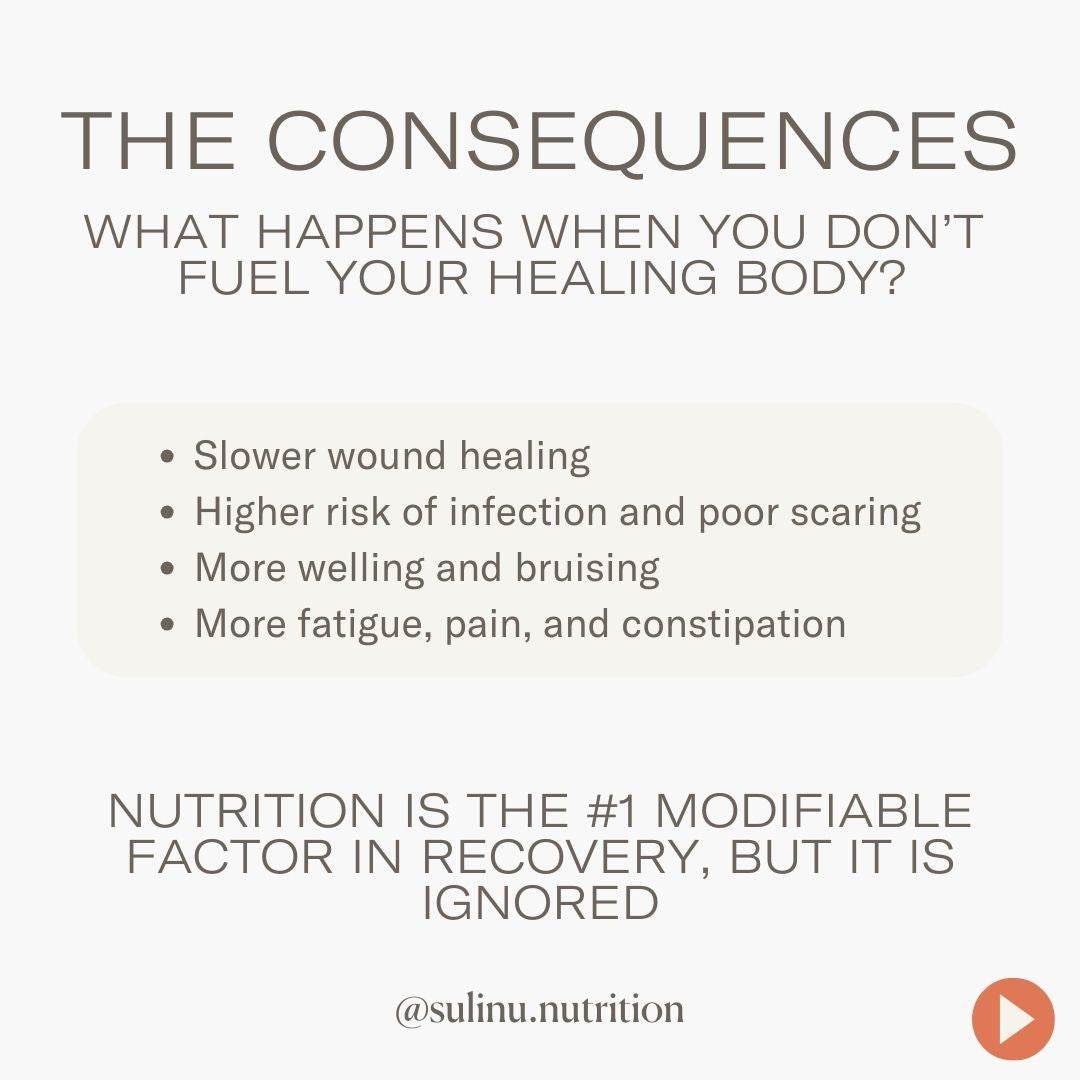
What you eat will not take swelling away, but it gives your body the materials it needs to repair tissue. After ACL surgery the body is healing the incisions and the graft inside the knee at the same time, often during weeks when you are moving less and your appetite is lower than usual. A protein food at each meal, plenty of fruit and vegetables, and steady fluids through the day give that repair work a better foundation. If pain medication or a smaller appetite makes full meals hard, smaller and more frequent snacks can help you keep up.
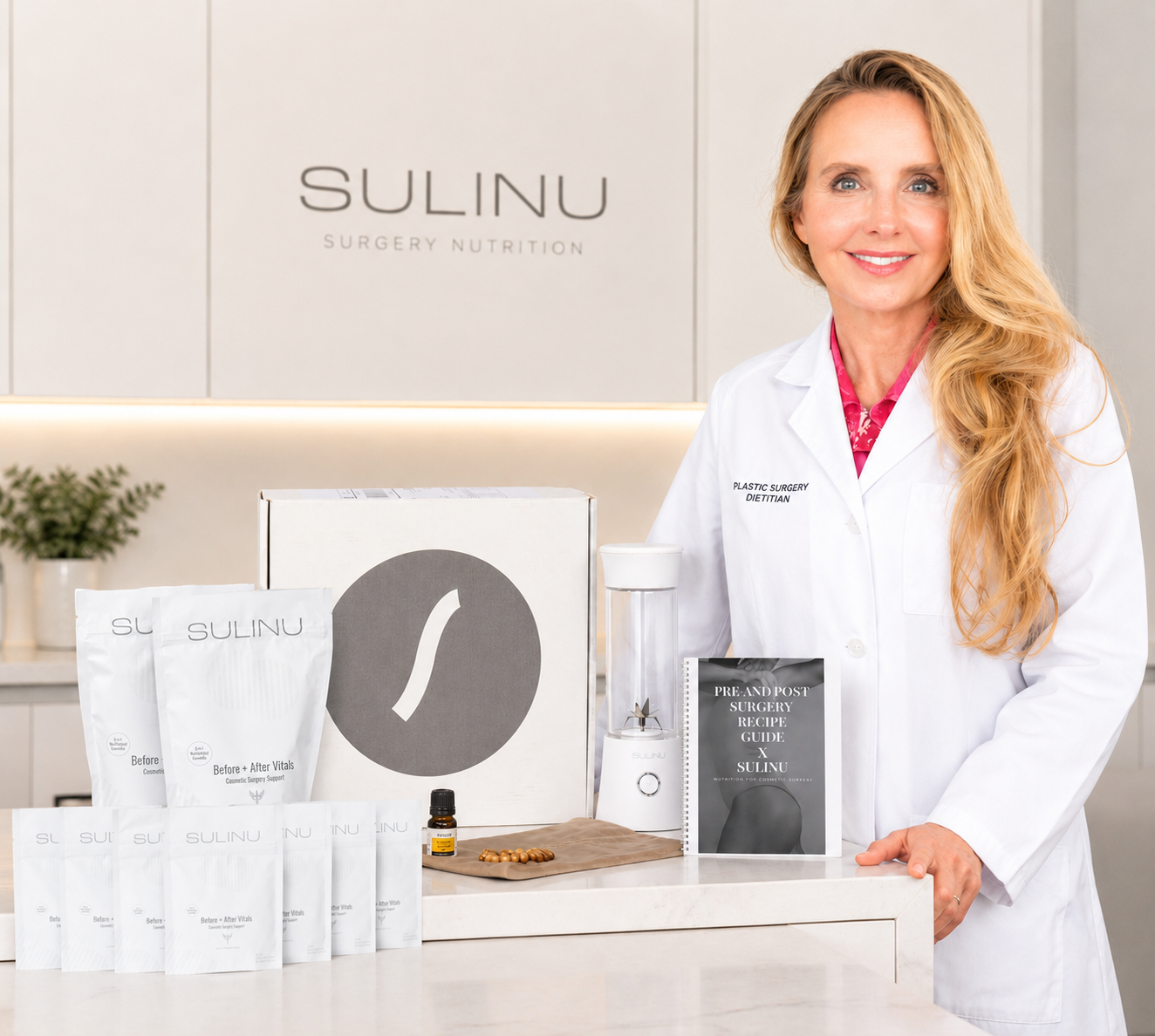
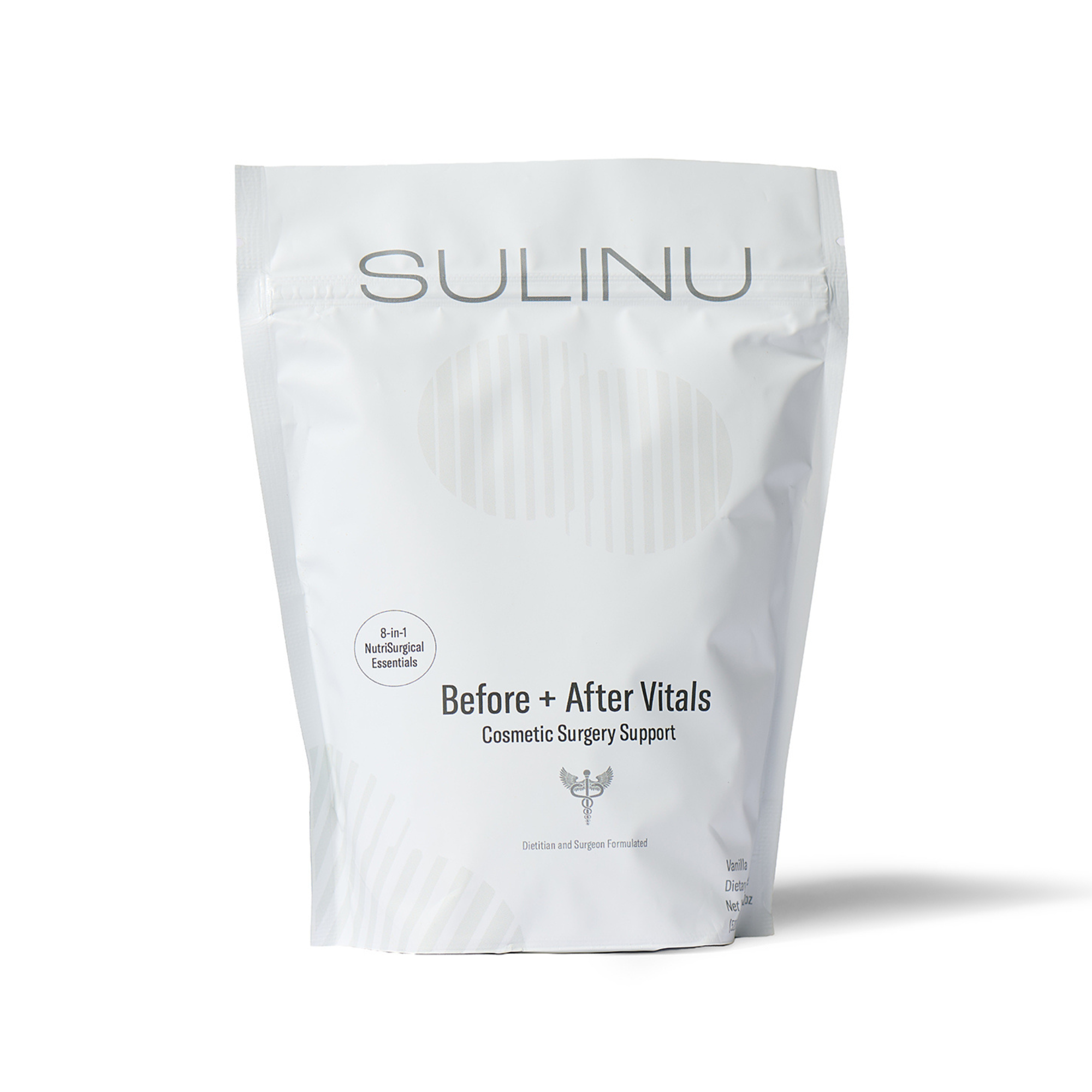
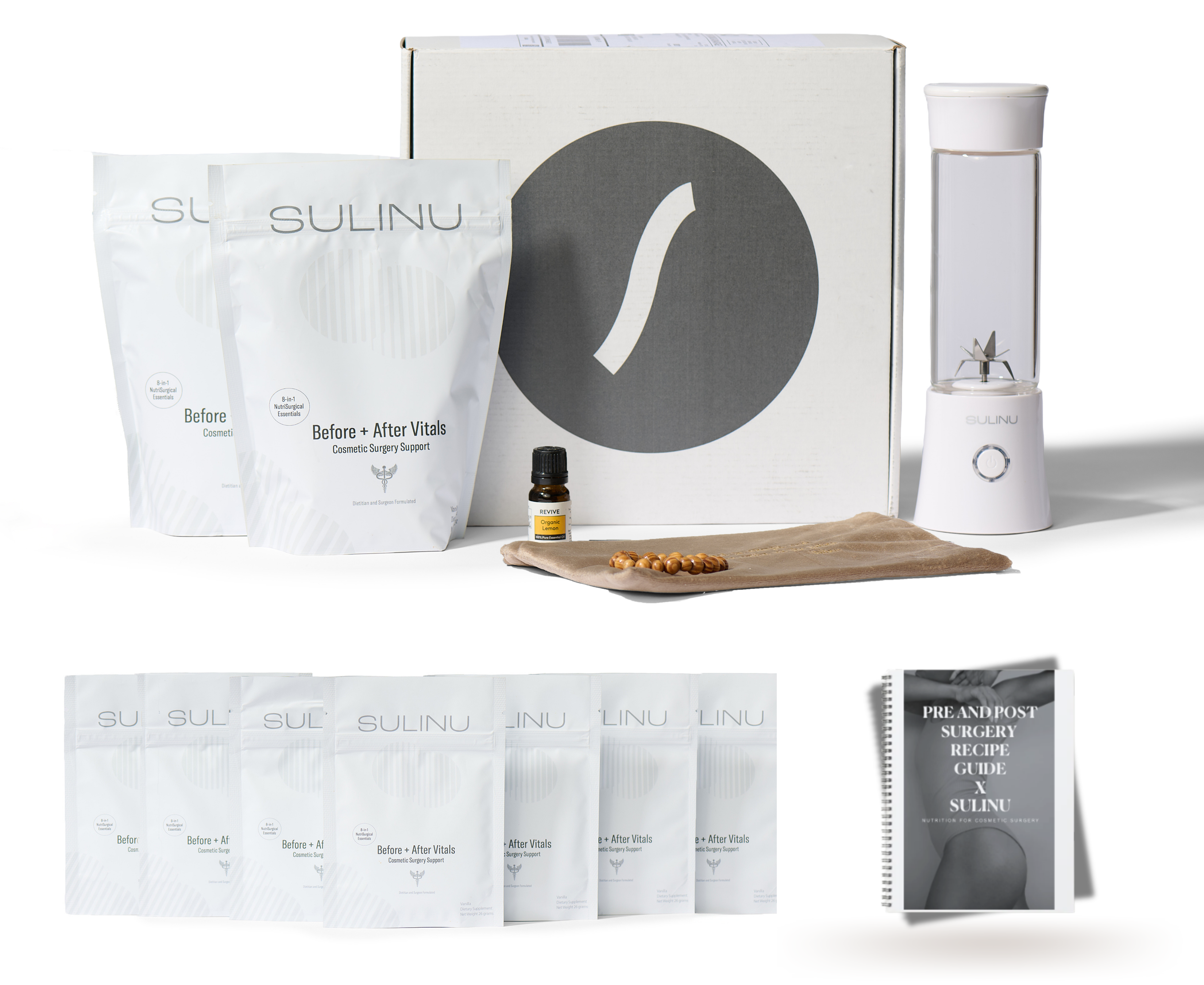
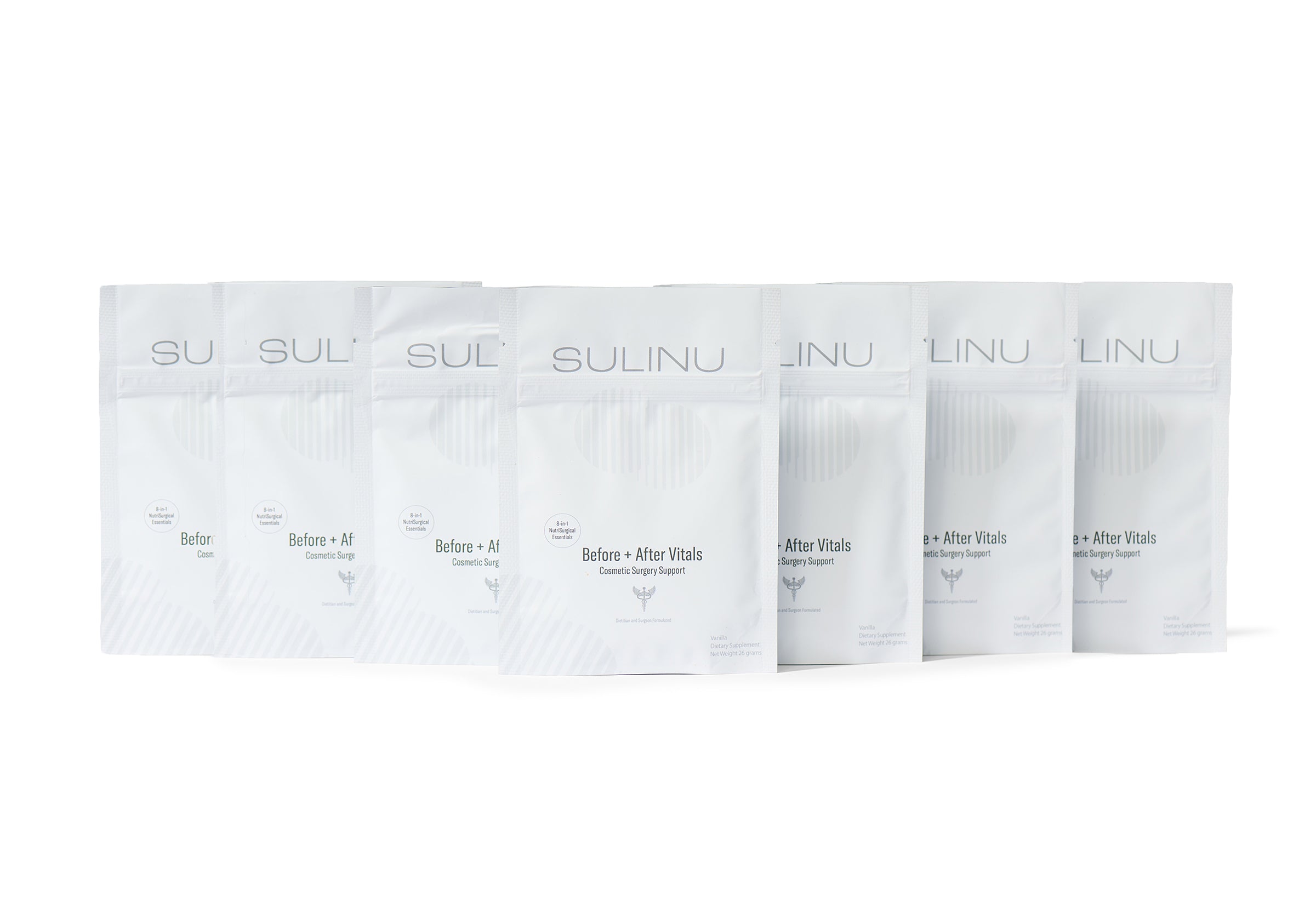
When eating well feels like a lot to keep up with, Before + After Vitals can help fill the gaps. It’s a daily nutrition formula made for surgical recovery, with protein-supporting nutrients, vitamin C and zinc that your body draws on to rebuild tissue. Check with your surgeon before starting any supplement, especially alongside prescribed medications

What can you track to know if swelling is improving?
Track how the knee feels from day to day and compare at the same time of day. A few simple habits make it easier to tell the difference between normal ups and downs and a trend that needs attention.
- Measure around the kneecap at a marked spot once a day, using a flexible tape. Swelling should reduce over time.¹
- Notice whether swelling is worse in the evening or after exercise.
- Record pain level and whether it is rising or falling.
- Take a photo of both legs in the same light, to show your physiotherapist.
- Note any new warmth, redness, or drainage at the incisions.
If numbers or photos show swelling climbing for several days despite rest and elevation, tell your team. If it is steady or easing, that is usually reassuring, and your clinicians can confirm.
Is bruising part of the picture?
Yes. Bruising often appears away from the knee, because blood and fluid move down the leg with gravity. Leaflets describe bruising on the back of the thigh, inner thigh, calf or shin as common, especially when tissue was taken from the hamstring for the operation, and say the knee itself does not need different treatment because of it.² Bruises usually change color as they fade.
Call your surgeon if bruising appears suddenly in a new, large area, if it comes with severe pain or if the leg feels tight and hard.
Does what you eat affect swelling?
Balanced eating supports general recovery, and some people notice they feel more puffy after very salty meals. There is no food that removes post-operative swelling. What helps most is steady, ordinary nutrition: a protein food at each meal, fruit and vegetables, and enough fluids. Our guide to protein after surgery explains why protein matters for healing in general, and our article on what to drink after surgery covers hydration.
If you have a medical condition that affects fluid balance, such as heart or kidney disease, ask your own clinicians about salt and fluid before changing how you eat or drink. If you take medication that affects fluids or blood pressure, do not change it without your prescriber.
Not sure where to start? Check out The Ultimate Surgery Bundle
Everything you need to keep your pre- and post-surgery nutrition on the right track.

Recovery resource
The Ultimate Surgery Bundle
Eight downloadable guides for the weeks before and after surgery, including a full guide to managing swelling. Keep them on your phone for easy reference while you rest and recover.
✓Swelling Guide
✓Fast Food Guide
✓Surgery Meal Guide
✓Protein Guide
✓Hydration Guide
✓Constipation Guide
✓Smoothie Recipes
✓Mocktails & Nightcaps Guide
What does a swelling timeline look like?
Swelling generally peaks early and eases gradually, with day-to-day swings. The outline below reflects patient leaflets and general recovery patterns. Your rehabilitation plan is the final word.
-
First days to the first week: Swelling and pain are expected. Elevation and ice are used often, and a stocking or other compression may be in place.
-
Weeks 1 to 6: Swelling can still be heavy, particularly after activity. Measuring, pacing and elevation continue. Stockings are often worn for around six weeks.²
-
After the early weeks: Many people see swelling ease, although the knee may still puff up after long days or exercises. Report changes that do not settle with rest.
-
Longer term: Your physiotherapist and surgeon monitor how the knee responds to more demanding rehabilitation. They decide any changes to your activity.
Supporting Your Body's Recovery After ACL Surgery
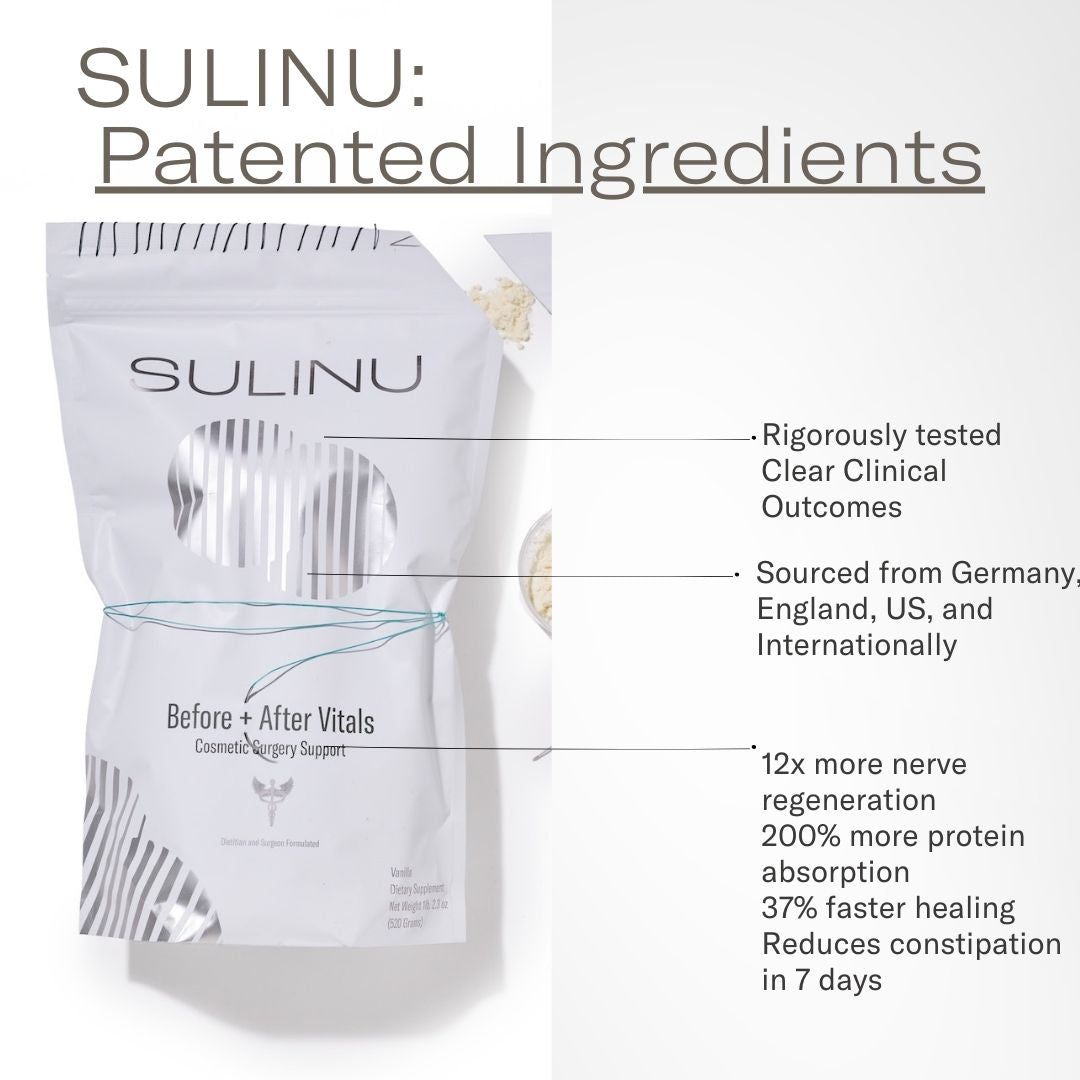
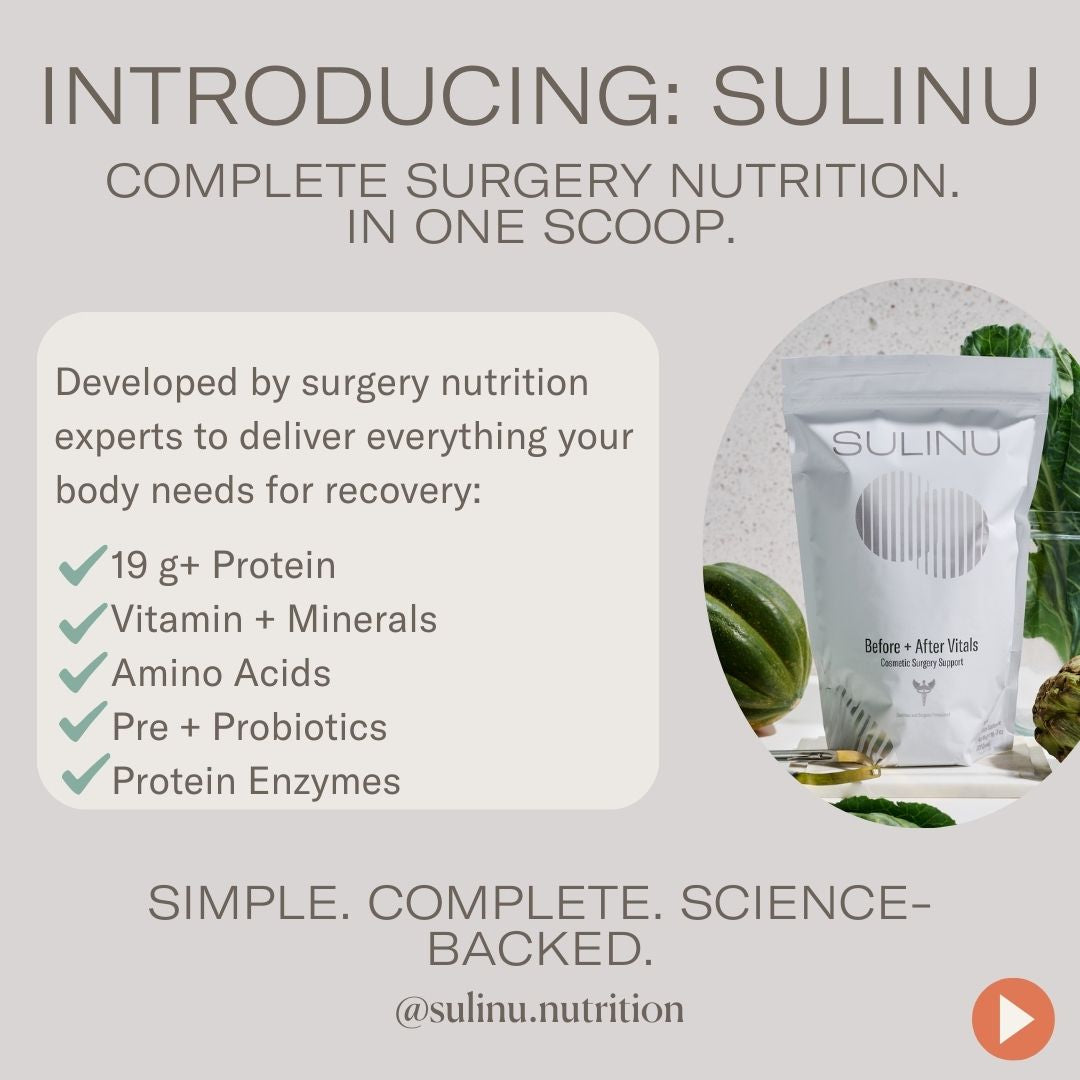
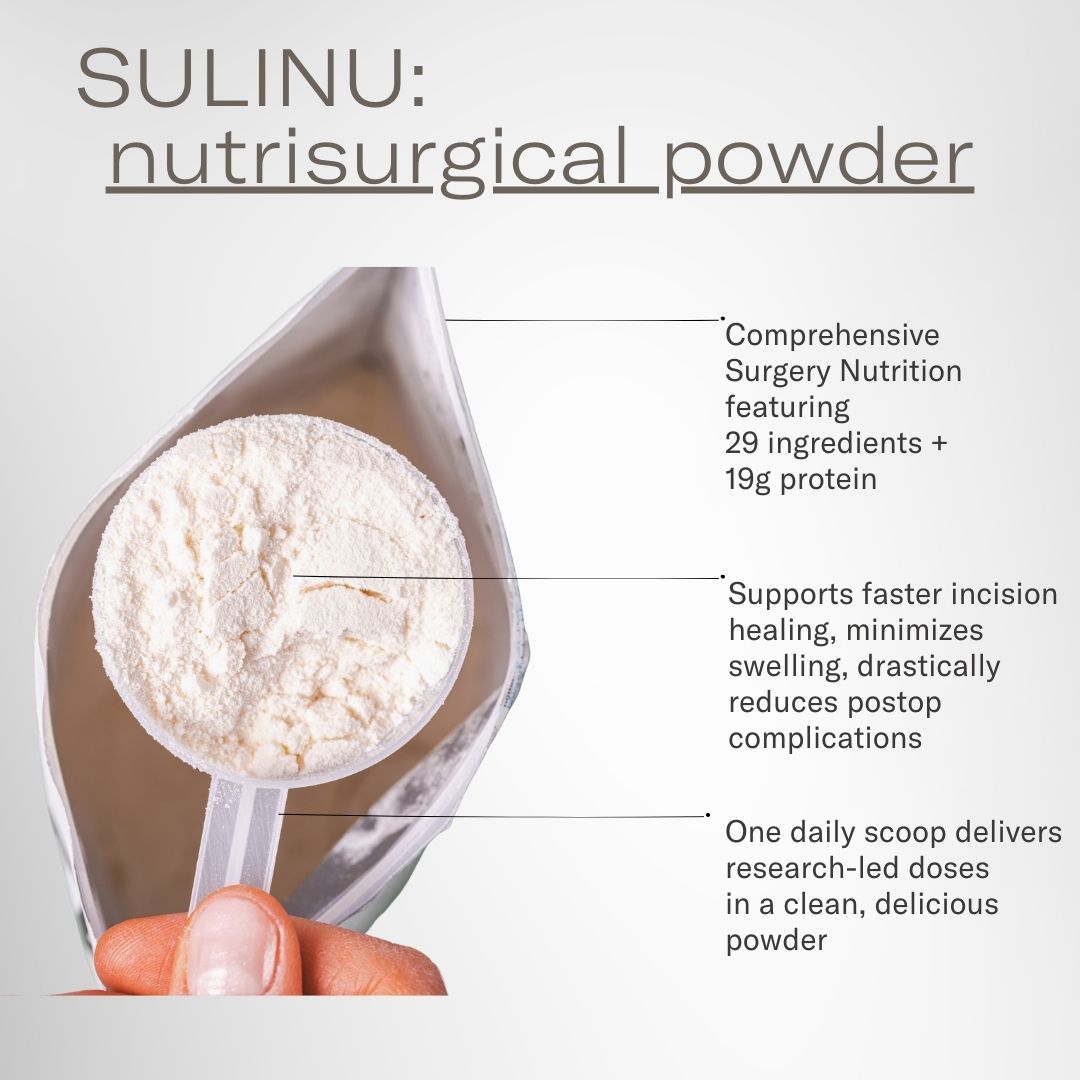
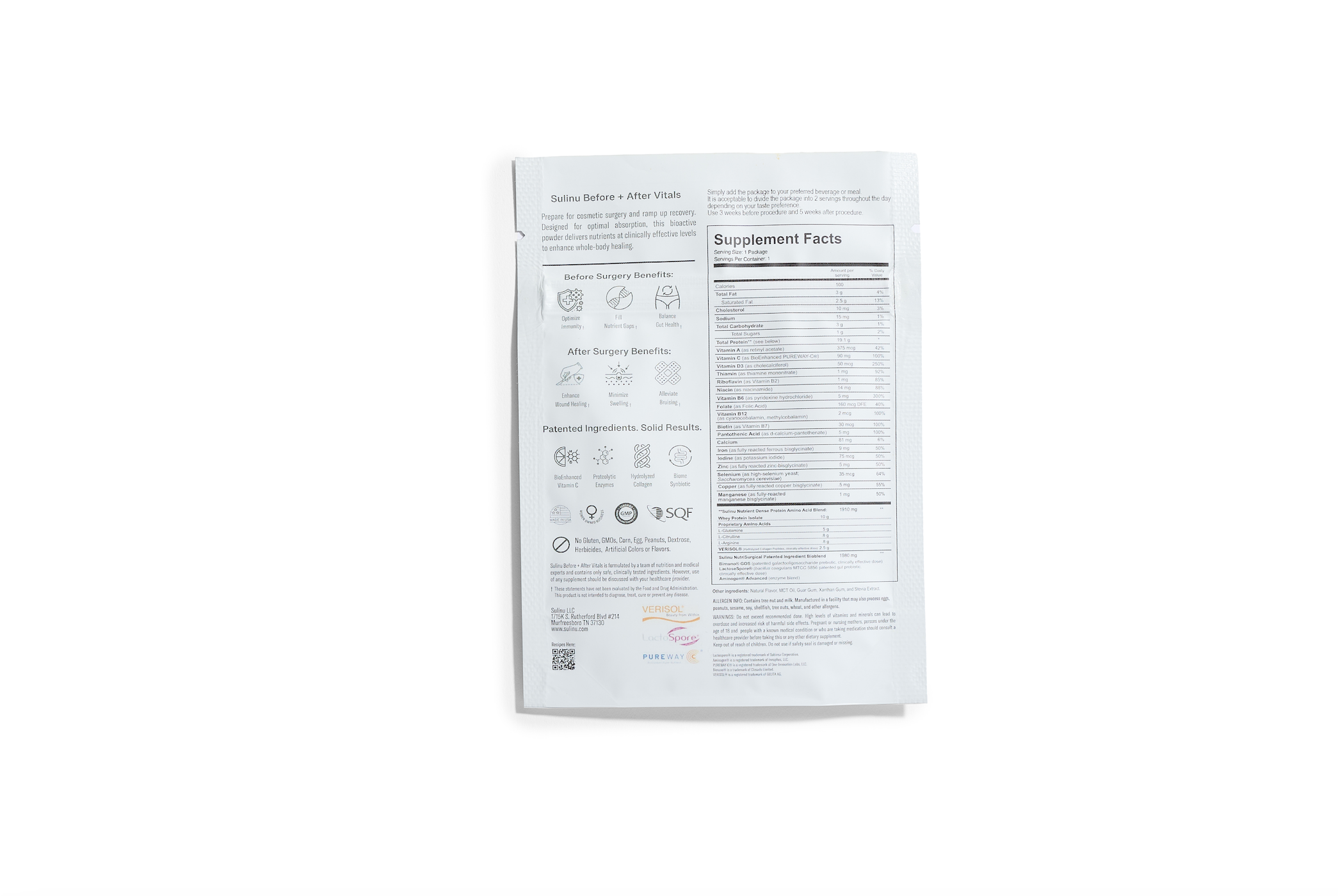
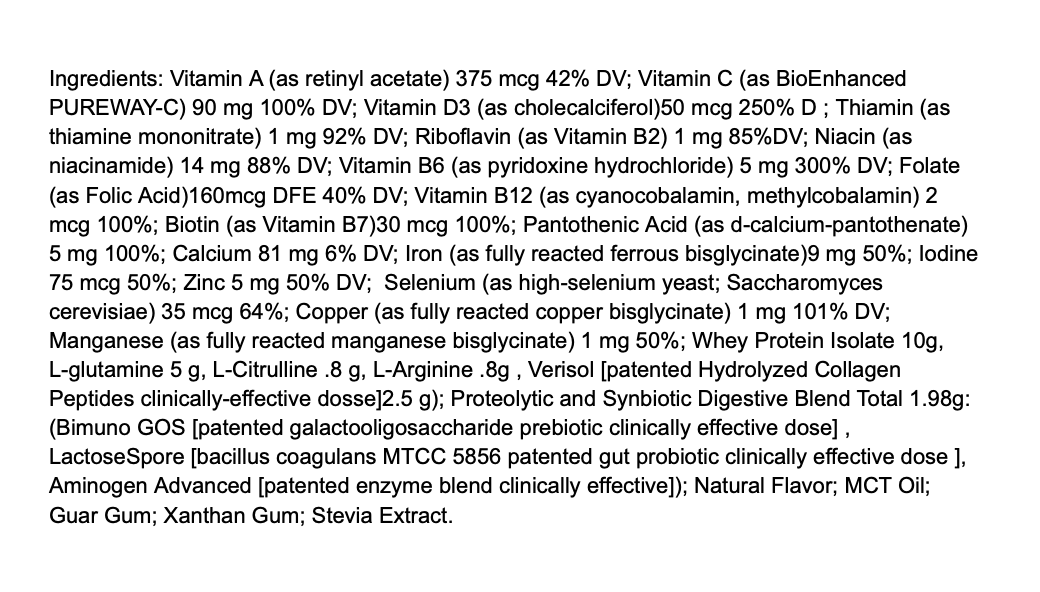
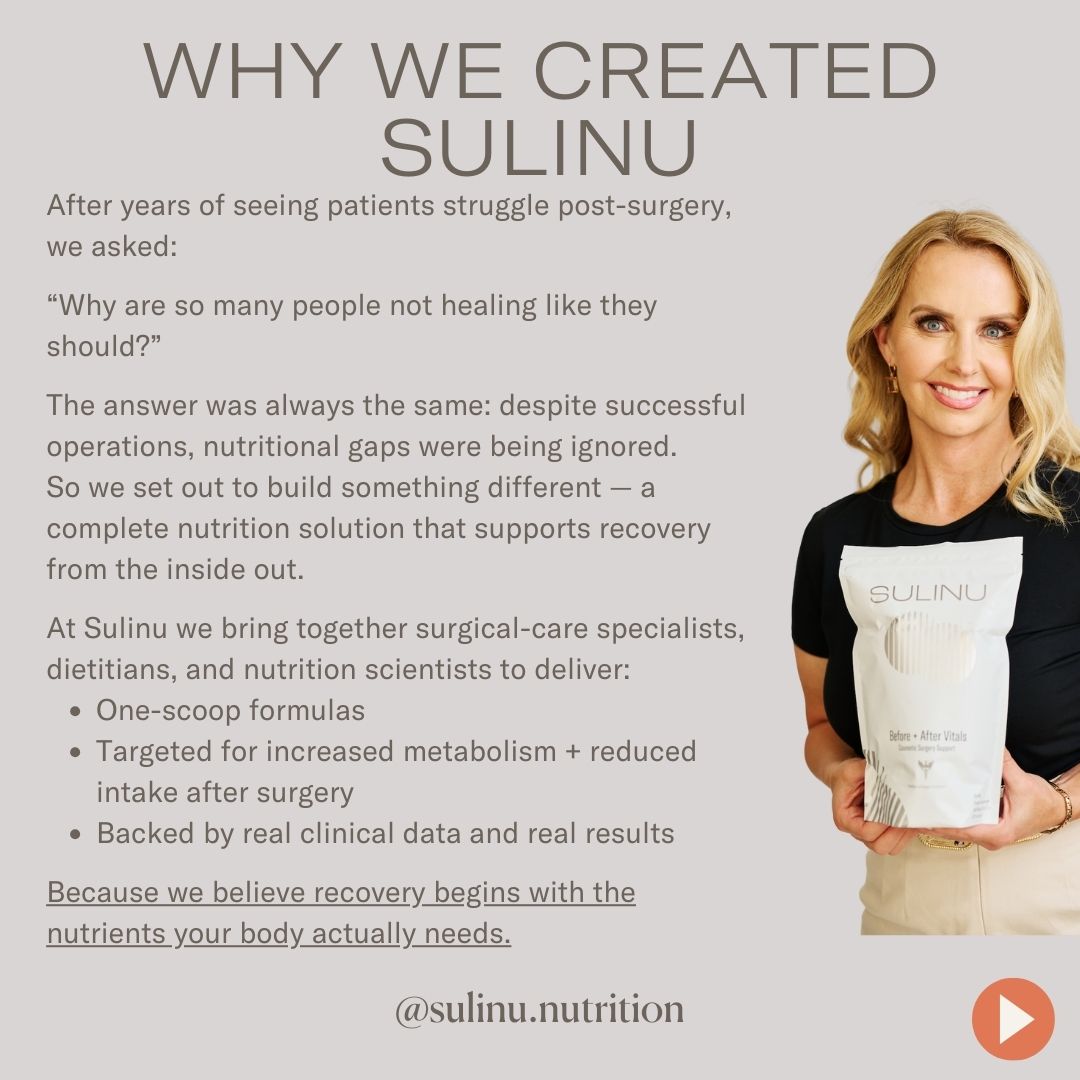
Sulinu's Before + After Vitals is the world's first comprehensive wound healing supplement built specifically for surgery recovery — a NutriSurgical formula, meaning it addresses the surgical healing process directly rather than functioning as a general multivitamin. The formula includes 29 surgeon-approved ingredients, including patented ingredients and a few core components that impact your recovery.
The formula includes 29 surgical essentials:
BioEnhanced Vitamin C
A patented, rapid-absorbing form that some research suggests achieves significantly higher tissue retention than standard ascorbate formulations. Vitamin C is foundational to collagen synthesis, immune defense, and antioxidant protection during the inflammatory phase, all of which directly influence how your body manages bruising, swelling, and the quality of scar tissue over time. It's also formulated to avoid the GI side effects that typically make high-dose vitamin C difficult to tolerate post-surgery.
Hydrolyzed Collagen Peptides
A patented version that some studies indicate may support meaningful improvement in skin elasticity in a matter of weeks. Collagen peptides don't just add collagen. They signal skin cells to produce more of their own. This matters at every stage: for swelling resolution as tissues remodel, for bruising clearance as vascular integrity is restored, and for scar quality as new tissue architecture forms.
Proteolytic Enzymes
Patented enzymes that, when combined with protein, some research suggests, can help double total amino acid absorption. Amino acids are the building blocks your body uses to repair incision tissue, clear inflammatory debris, and build new scar architecture. Getting more of them absorbed, not just consumed, is the goal.
Biome Synbiotics
Surgery disrupts gut health, and disrupted gut health disrupts everything else: nutrient absorption, immune function, inflammatory response. Prolonged bruising and swelling are often downstream of a gut that isn't processing and delivering nutrients efficiently. This patented prebiotic and probiotic blend is designed to survive stomach acid and arrive active in the gut, supporting the digestive foundation that makes all other healing nutrients work.
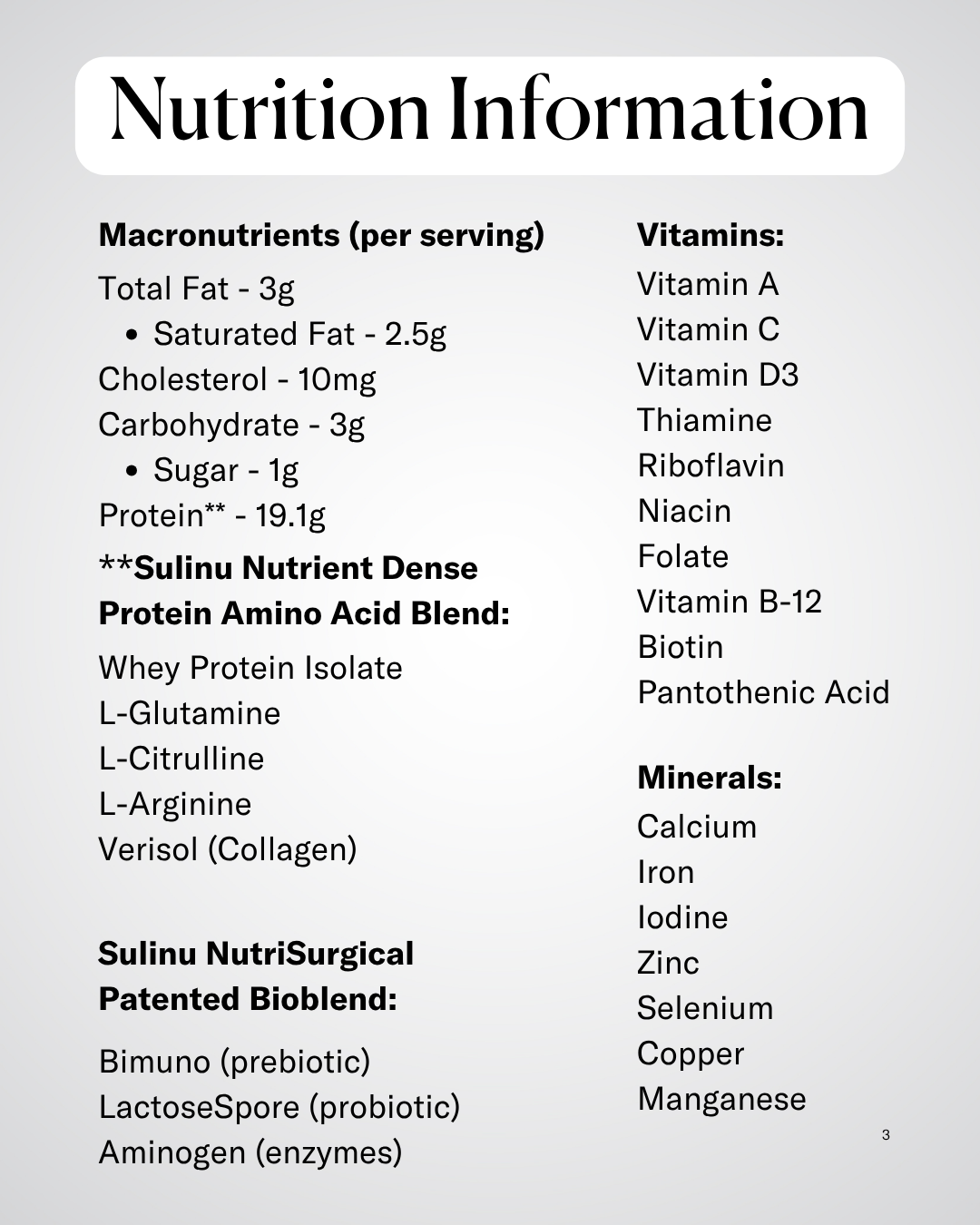
The formula also includes targeted amino acids (L-glutamine, L-citrulline, L-arginine), essential vitamins (A, B-complex, C, D3), and minerals (zinc, copper, manganese, iron) — all in clinically relevant dosages, not token inclusions.
No GMOs. No gluten. No artificial colors. No ingredients that interfere with each other. Everything in Before + After Vitals is there because it has a specific job in your recovery.
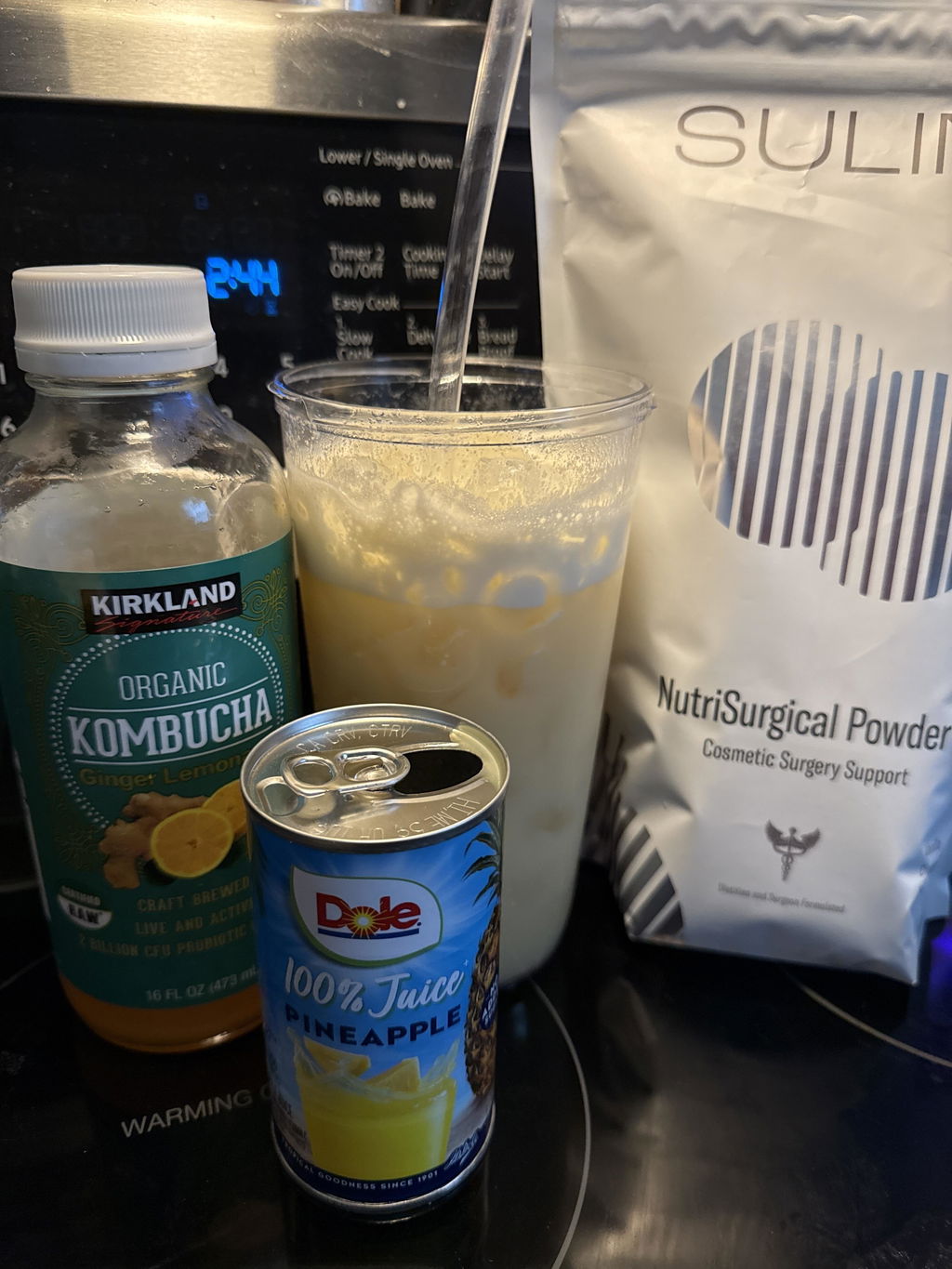
Scoop. Mix. Heal.
How much do I need to support my ACL recovery?
Our recommended protocol is two bags total for most surgeries.
1 bag for before surgery
1 bags for after surgery
Practical tips for living with a swollen knee
Small adjustments to your setup make elevation and rest easier to keep up.
- Set up a recovery station with pillows, a water bottle, phone charger, snacks and ice packs within reach.
- Use two ice packs and rotate them so one is always cold.
- Keep a damp cloth or thin pillowcase for the ice layer.
- Use an alarm to remind you to elevate, since it is easy to forget.
- Plan exercises at times of day when you are rested.
- Tell your family or caregiver what warning signs to watch for, including calf changes.
- Keep your appointment schedule, even if the knee looks better, so your team can check progress.
- Pay attention to sleep position. A pillow system that supports the whole leg can make nights more comfortable. Our list of plastic surgery supplies and essentials covers items many surgical patients find useful.
- Avoid heat packs, hot baths, and saunas unless your surgeon has approved them, since heat can encourage swelling.
Questions to Ask Your Surgeon
- How much swelling is normal for my procedure, and what would worry you?
- How long should I elevate each day, and for how many weeks?
- What ice schedule do you recommend, and do you want me to use a cold therapy machine?
- Should I wear a stocking or compression wrap, and for how long?
- Should I measure my knee? If so, where, how often, and what number should I call about?
- Which exercises should I do, and how often?
- Which pain medications and anti-inflammatories are safe for me? (Follow your surgeon's and prescriber's directions only.)
- What should I do if the knee swells after exercises?
- When can I start scar care? Silicone and massage should wait until the incisions are fully closed and your surgeon approves.
- Who do I call after hours?
When to Contact Your Surgical Team
Contact your surgeon or physiotherapy team promptly if you notice:
- Swelling, warmth, redness, or pain that is increasing
- Fever or flu-like symptoms, which can be a sign of infection
- Drainage, bleeding, or leaking from an incision beyond what you were told to expect
- An incision that opens
- Swelling that keeps climbing despite rest and elevation
- Numbness, tingling, or color changes in the foot or toes
Go to the emergency department immediately for calf pain with redness, heat, swelling or shininess, since this could indicate a blood clot.¹ Seek emergency care for chest pain or shortness of breath.
FAQs: Swelling After ACL Surgery
How long does swelling last after ACL surgery? Hospital leaflets describe some swelling for the first days to a week and heavier swelling that can last several weeks.¹ ³ Your timeline depends on your procedure and rehabilitation.
Should I ice my knee after ACL surgery? Many surgeons recommend it. One hospital leaflet suggests 20 to 30 minutes at a time, wrapped, with skin checks.² Follow your own surgeon's schedule.
How high should I elevate my leg? Above heart level. Lying back with pillows under the calf and foot works better than sitting upright with a footstool.
Is it normal for swelling to be worse at the end of the day? It is common for swelling to rise after activity or long periods upright. If it does not settle with rest and elevation, tell your team.
Does compression help? Compression is listed in leaflets as a way to reduce swelling, and stockings are commonly worn for the first weeks. Ask your surgeon which type to use.
Is bruising on my calf normal? Bruising on the back of the thigh, inner thigh, calf, or shin is described as common.² Report it if it spreads quickly or comes with severe pain.
What if my knee feels warm? A knee that is warm, increasingly red, or more painful, especially with fever, should be reported promptly. It can be a sign of infection.
When is calf swelling an emergency? Calf pain with redness, heat, and swelling needs immediate medical attention because it may indicate a blood clot.
Can food or supplements reduce swelling? Regular balanced meals with enough protein support recovery generally, but no food removes swelling. Ask your surgeon before taking any supplement.
Does swelling affect how ACL scars heal? Scar healing is a separate process, covered in our guide to ACL surgery scars. Keeping incisions clean and dry and following your surgeon's wound care is the foundation.
Medical Disclaimer
The information provided in this article is for general educational purposes only and is not intended to constitute medical advice, diagnosis, or treatment.
Every individual's healing process is unique, and outcomes vary based on a wide range of factors, including health status, surgical technique, and post-operative care. Always follow the specific guidance of your board-certified plastic surgeon and medical team.
If you experience any concerning symptoms during recovery — including signs of infection, wound separation, or unusual pain — contact your surgical team immediately.
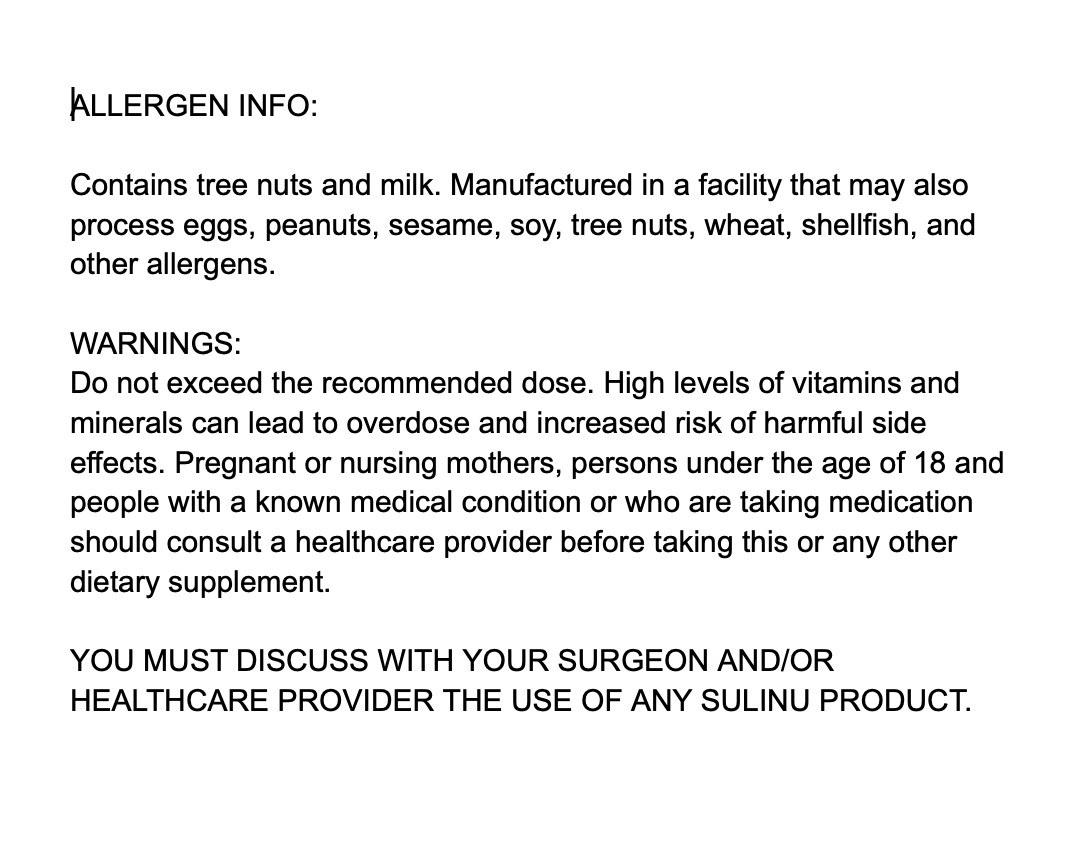
These statements have not been evaluated by the Food and Drug Administration. Sulinu's Before + After Vitals is not intended to diagnose, treat, cure, or prevent any disease.
References
- Royal United Hospitals Bath NHS Foundation Trust. Post-Operative Advice after ACL Reconstruction. https://www.ruh.nhs.uk/patients/services/physiotherapy/documents/PHY059_Post_Operative_Advice_after_ACL_Reconstruction.pdf
- Hull University Teaching Hospitals NHS Trust. Care of Your Knee Following Anterior Cruciate Ligament (ACL) Reconstruction. https://www.hey.nhs.uk/patient-leaflet/care-of-your-knee-following-anterior-cruciate-ligament-acl-reconstruction/
- Cambridge University Hospitals NHS Foundation Trust. Anterior Cruciate Ligament (ACL) Reconstruction Rehabilitation. https://www.cuh.nhs.uk/patient-information/anterior-cruciate-ligament-acl-reconstruction-rehabilitation/