BBL swelling is usually most noticeable in the first one to two weeks, eases substantially over the first six weeks, and keeps settling for about three months or longer.
Some residual puffiness, firmness, or unevenness can remain for several more months, and your surgeon's own timeline is the one that applies to you.
Swelling after a Brazilian butt lift (BBL) is expected because the procedure involves two kinds of work: liposuction at one or more donor areas and fat transfer to the buttocks. Each site swells on its own schedule. That is why the first weeks can feel unpredictable: the buttocks may look larger or different than the shape you are hoping for, the abdomen or flanks may feel tight, and the legs may seem heavier at the end of the day.
If discoloration is also on your mind, the companion guide on BBL bruising covers that side of recovery.
Quick Answers
How long does BBL swelling last? Most patients see the worst of it ease within about three weeks, with swelling mostly down by around six weeks. Final settling takes at least three months.¹
When is BBL swelling at its worst? Usually in the first week or so. The treated areas are inflamed, and the buttocks can look larger than the eventual result.
Why does swelling come and go? Fluid shifts with gravity, activity, salt intake, and time of day. Mild evening puffiness, even weeks in, is common.
Does compression help? Surgeons commonly prescribe compression garments to help manage swelling, but the timing and schedule are individual. Follow your surgeon's instructions exactly.
Can I massage the swelling away? Not on your own. Do not massage the buttocks. Gentle lymphatic massage is something to do only if your surgeon approves it and tells you which areas are safe.
Comparison: Common Ways BBL Swelling Is Managed
The measures below are the ones surgeons most often build into BBL recovery plans. The cards are a summary to bring to your appointments, not a schedule. Your surgeon sets the details.
Compression
How it helps
Helps manage swelling and contour
Typical guidance
Garment most of the day early on
Check first
Fit and schedule from your surgeon
Walking
How it helps
Keeps circulation moving
Typical guidance
Short, frequent walks from day 1
Check first
How far and how often to walk
Positioning
How it helps
Keeps pressure off the new fat
Typical guidance
No sitting on the buttocks early
Check first
When and how long you can sit
Hydration and salt
How it helps
Less water held in the body
Typical guidance
Water through the day, less salt
Check first
Whether electrolytes are okay
What Causes Swelling After a BBL?
Swelling is the body's normal inflammatory response to tissue trauma and fluid shifting in the treated areas. Liposuction disrupts small blood and lymph vessels in the donor areas, and the fat transfer adds volume to tissue that is already responding to surgery. Fluid collects in the spaces between cells, and the lymphatic system gradually clears it.
Three things make BBL swelling feel different from swelling after many other procedures:
-
Volume that is not yet final. Early swelling sits on top of the transferred fat, so the buttocks look larger and firmer in the first weeks than they will later. Judging the shape early is unreliable. The BBL fluffing guide explains the later stage when the shape refines.
-
Multiple sites. Donor areas such as the abdomen or thighs swell too, and they can feel just as tight as the buttocks.
-
Position limits. Many surgeons restrict sitting and put limits on lying on the back for a period. Staying off the buttocks changes how fluid settles in the body, and swelling can show up lower in the legs.
Why Does BBL Swelling Show Up in More Than One Place?
Gravity pulls fluid downward, so swelling can appear below where the surgery happened. It is common for the lower back or the ankles to look puffier than the treated areas themselves.
Because you are often lying face down or on your side in the first days, fluid can pool differently than it would if you were upright all day. When you begin walking more, the legs may swell by evening. This is usually part of normal recovery, and it is also worth knowing the difference between general fluid swelling and signs that need attention. A calf that is swollen, painful, and warm on one side is a reason to call right away, not something to wait out. You will find the full list in the section on when to contact your surgical team below.
BBL Swelling Timeline: What to Expect Week by Week
Swelling follows a recognizable arc: a peak early on, a steady decline through about six weeks, then a slow settling that can run past three months. The ranges below are general, drawn from published recovery timelines,¹ ² and they are not a guarantee. Different surgeons, techniques, and body types shift them.
Days 1 to 7: the peak. Swelling and inflammation are expected in the buttocks and in the donor areas. The area may feel firm and tight, and the shape can look uneven. Discomfort is typically managed with the medication your surgeon prescribes. This is the stage where following the compression and positioning plan matters most.
Weeks 2 and 3: the first real decline. Bruising and swelling begin to decrease, and tenderness usually lessens. By around the third week, the worst of the swelling and bruising is often behind you, though some discomfort and tightness can linger. Evening puffiness is still common.
Weeks 4 to 6: mostly down. Swelling has typically gone down considerably by about six weeks.¹ Your surgeon may begin to loosen sitting restrictions or change the compression schedule at this point, but only your surgeon can make that call. The tissue still feels different from normal, and the shape can still change.
Months 2 and 3: the slow settle. Remaining swelling is usually subtle. You may notice it more at the end of a long day, after a salty meal or after more activity than usual. Firm or uneven areas often soften over this period.
Months 3 to 6 and beyond: refinement. Full results take at least three months to settle.¹ Many surgeons describe the shape continuing to refine through six months or longer, which is the stage often called fluffing. Our BBL healing process guide covers the longer arc beyond swelling.
If your swelling is clearly not following this pattern, such as getting worse after it improved, concentrated in one spot, or accompanied by increasing pain, call your surgeon instead of waiting.
Is My BBL Swelling Normal?
Swelling that is gradually improving, roughly symmetrical, and not painful out of proportion to your procedure is generally normal. Firmness, a lumpy feel, tightness in the donor areas, and mild puffiness in the legs fall into this category.
A few patterns fall outside that range and deserve a call to your surgical team:
- Swelling that suddenly increases after it was getting better.
- One side noticeably larger, hotter, or more painful than the other.
- A hard, painful lump that does not soften with time.
- Redness that spreads, drainage from an incision, or a fever.
- Pain that worsens or does not improve each day. Pain should improve a little daily, and pain that worsens or stalls is a reason to contact your surgeon's office right away.¹
Do not rely on photos or online comparisons to judge whether yours is normal. Every body swells differently, and a quick message or call to your surgeon's office is always appropriate.
Do Compression Garments Help BBL Swelling?
Compression garments are widely used after BBL to help manage swelling and support the body's contours during healing, but timing and fit are decided by your surgeon. Some surgeons start compression right away. Others ask patients to wait or to adjust the garment so that pressure does not fall on the buttocks. Following your own surgeon's plan is the only safe approach.
One plastic surgeon describes wearing compression nearly all the time in the first month except for showering, and then for at least 12 hours a day in the second month, often overnight.² Another practice notes that many patients wear their garment for several months.¹ Treat these as examples of how varied the instructions are, not as targets.
Practical points that come up often:
-
Fit matters more than tightness. A garment that digs in, rolls, or leaves deep marks can cause more problems than it solves. Tell your surgeon if it does.
-
Seams and zippers can leave impressions. If you notice them, ask whether a foam layer or a different style is appropriate.
-
Plan for laundry. Many people need a second garment so one can be washed.
-
Check the skin. Look for blistering, numbness, or color changes when you change garments, and report anything unusual.
Can I Massage BBL Swelling or Use Lymphatic Drainage?
Only with your surgeon's approval, and never on the buttocks. The transferred fat is sensitive to pressure early on, so deep or forceful massage over the grafted area is generally avoided. Massaging the buttocks could dislodge the transferred fat.¹
Gentle lymphatic massage is a different matter. Some surgeons recommend it for the donor areas or the legs, performed by a trained therapist, once they judge it appropriate. Ask these questions before booking anything:
- Is lymphatic massage appropriate for me, and when can I start?
- Which areas are safe to treat, and which areas should stay untouched?
- Should the therapist have specific experience with post-BBL patients?
- Are there any signs that mean I should stop a session?
Skip at-home gadgets and foam rollers until your surgeon clears them. If a therapist or device is recommended by someone other than your surgical team, check with your surgeon before the first appointment.
What Helps BBL Swelling at Home?
The things that help most are the unglamorous ones: follow the compression plan, walk as cleared, protect the treated area from pressure, keep fluids and nutrition steady, and moderate salt. None of these will shortcut healing, and swelling still takes weeks to months to settle, but together they support the body's own process.
Walk, as your surgeon advises. Short, frequent walks encourage circulation and help reduce the risk of blood clots. Most surgeons encourage walking from the first day or so, in short bouts that gradually lengthen.
Respect positioning rules. Sitting and lying on the buttocks are commonly restricted for several weeks. Some recovery guidance suggests a triangle-shaped cushion that shifts weight to the thighs, and sleeping on the stomach until the surgeon says otherwise.² Your own instructions may differ. For sleep and rest, the Sleep Again Pillow System and the BBL Add On Set are designed to work as a pair: the pillow system supports your body while you rest, and the two foam wedges in the add-on set are made for BBL recovery, so you can stay comfortable while following your surgeon’s positioning rules.
Stay hydrated. Water supports normal circulation. Some surgeons suggest electrolyte drinks in the early days, and some ask patients to avoid them, so ask first.
Go easy on salt. Highly salted foods encourage the body to hold water, which can make evening swelling more noticeable. A food-first approach to protein and produce helps you eat well without leaning on packaged and processed foods.
Elevate when you can. If your surgeon allows it, resting with the legs raised may ease ankle and lower leg puffiness at the end of the day.
Keep a simple log. A weekly photo in the same lighting, plus a short note on pain and swelling, helps you and your surgeon see the trend instead of reacting to any single day.
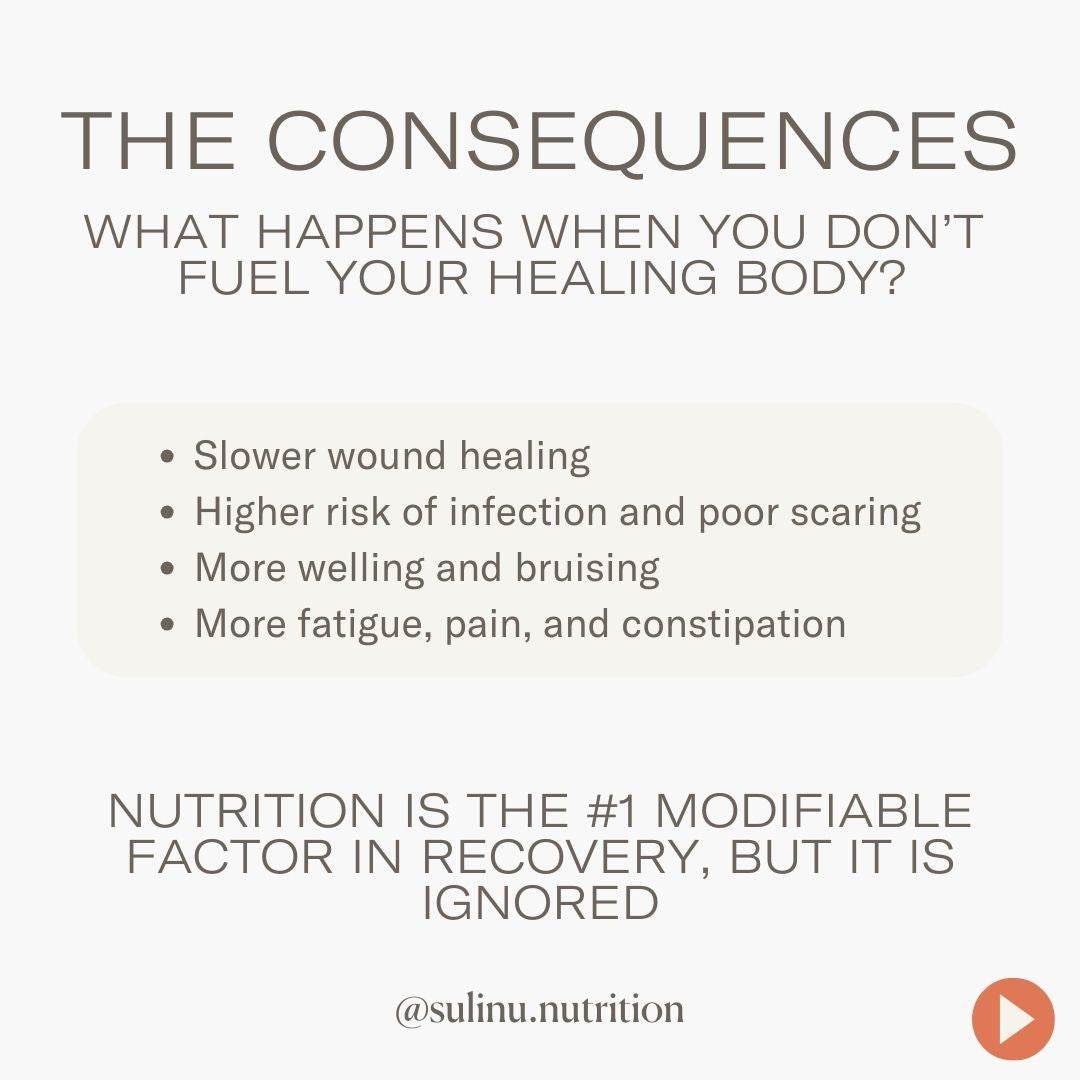
Eat for repair, even when appetite is low. What you eat will not take swelling away, but it gives your body the materials it needs to heal. After a BBL, the body is recovering at the liposuction sites and the buttocks at the same time, often during the weeks when sitting is restricted, and regular meals feel like a chore. A protein source at each meal, plenty of fruit and vegetables, and steady fluids throughout the day give that repair work a better foundation. If full meals are hard, smaller and more frequent snacks can help you keep up.
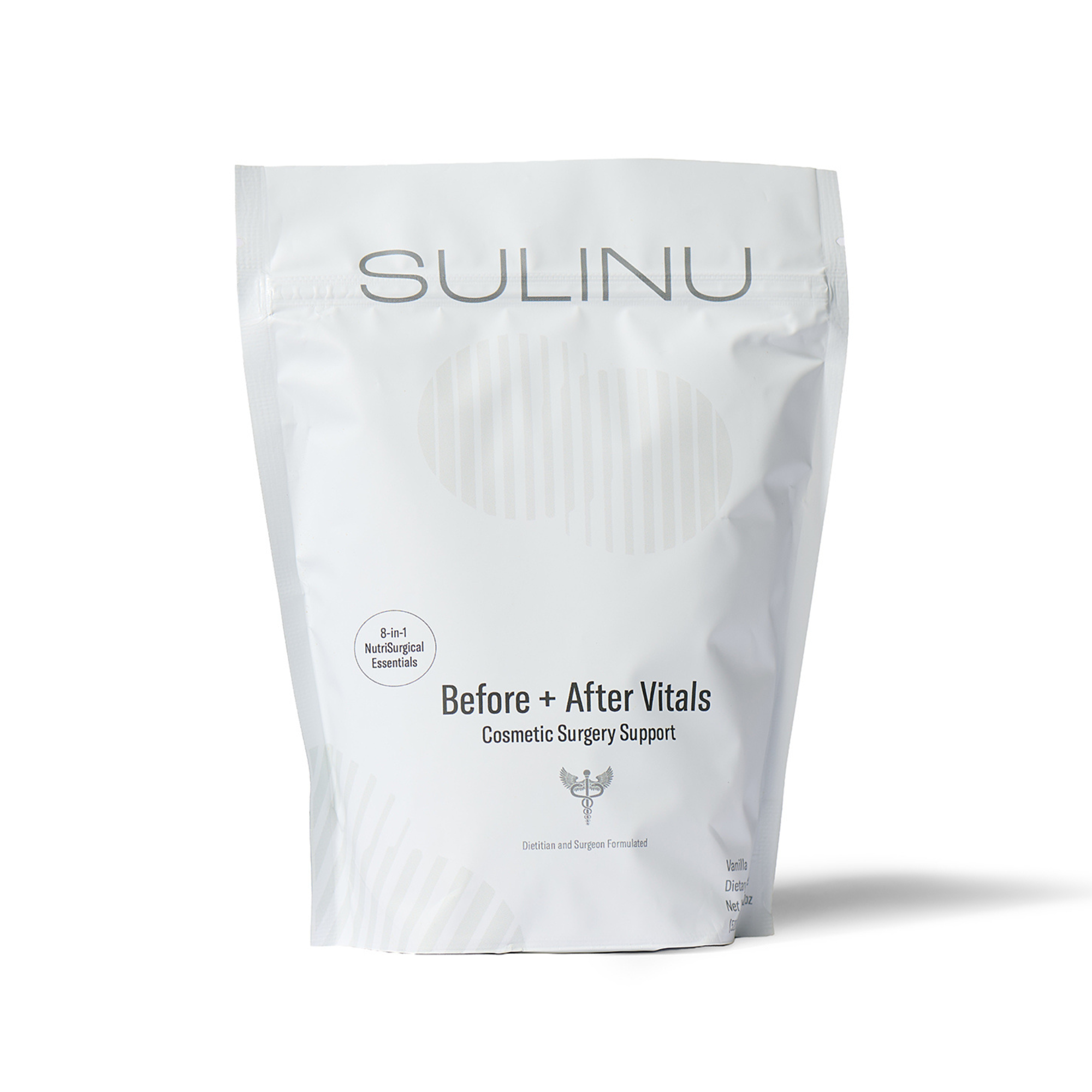
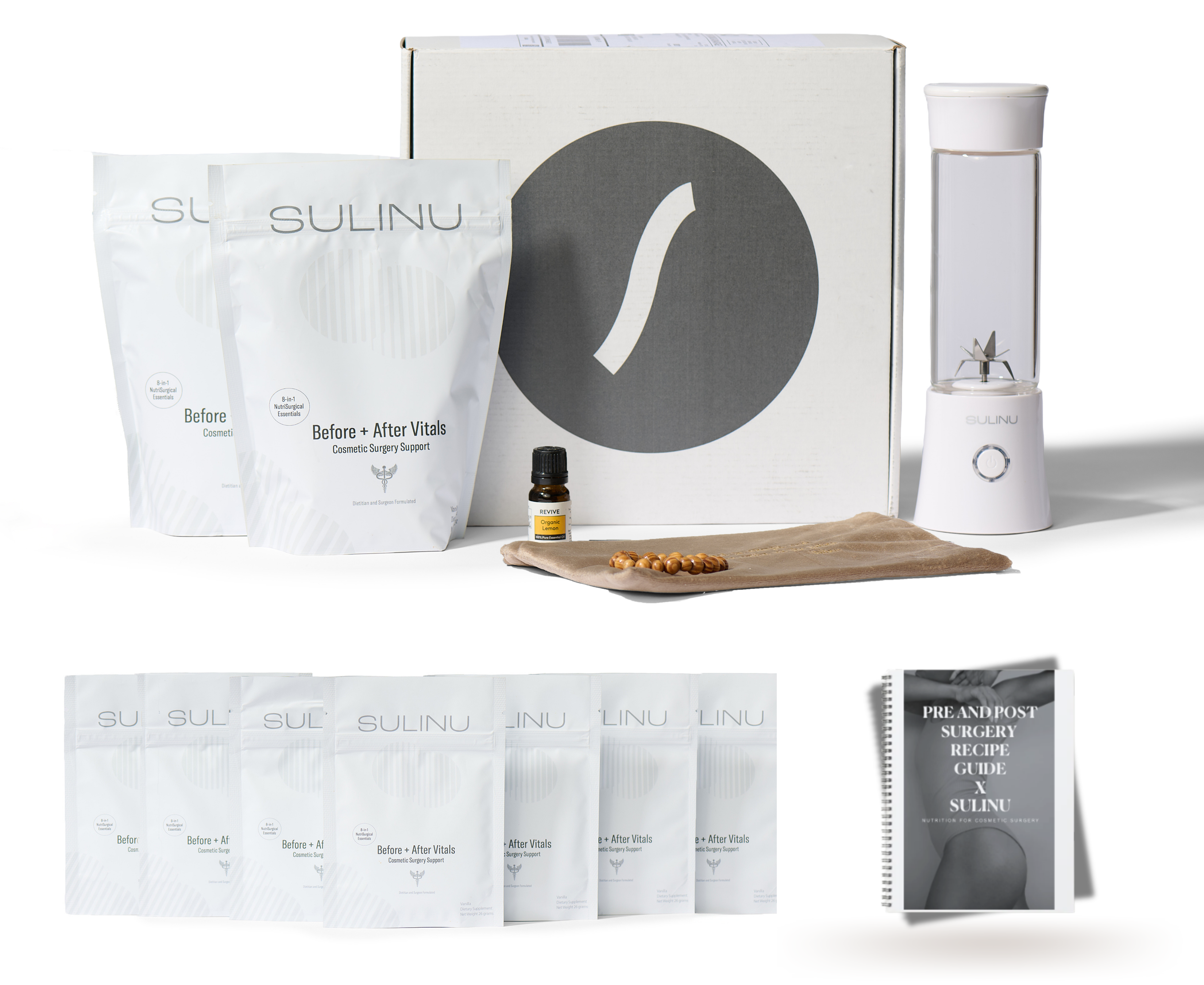
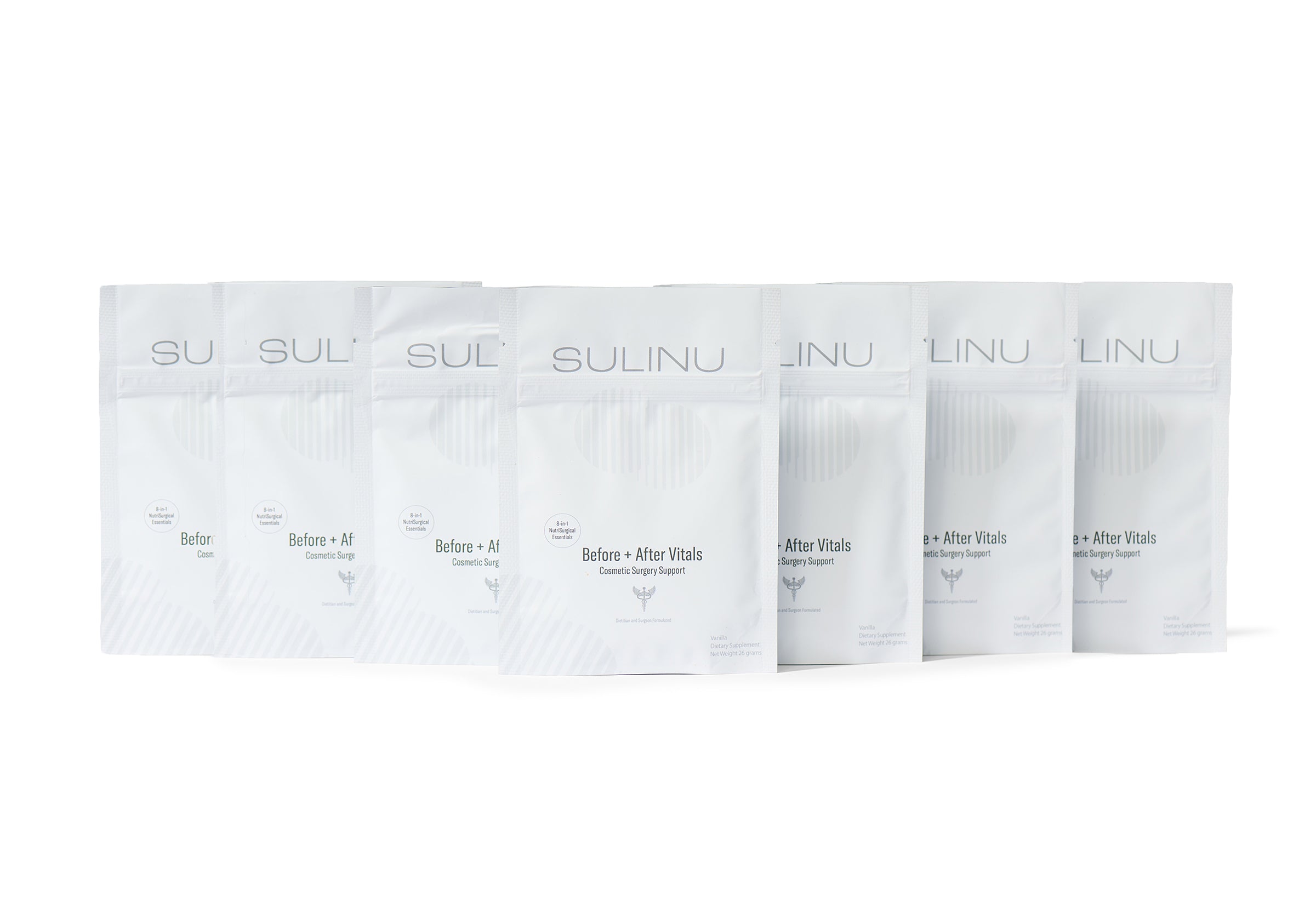
When eating well feels like one more thing to manage, Before + After Vitals can help fill the gaps. It’s a daily nutrition formula made for surgical recovery, with vitamin C, zinc and protein-supporting nutrients your body draws on to rebuild tissue. Check with your surgeon before starting any supplement, especially alongside prescribed medications.

Supporting Your Body's Swelling and Healing
Nutrition does not replace compression, positioning or your surgeon's instructions, but it does supply the raw materials the body uses for normal tissue repair. Protein and vitamin C play a role in how the body rebuilds after surgery, and appetite can be low in the first week.
The nutrition and supplement side of BBL recovery is a topic of its own, and we cover it in depth in Supplements for BBL Recovery, including which supplements surgeons commonly ask patients to stop before surgery. That list matters here too, because some products affect bleeding and bruising. Always clear any supplement with your surgeon first.
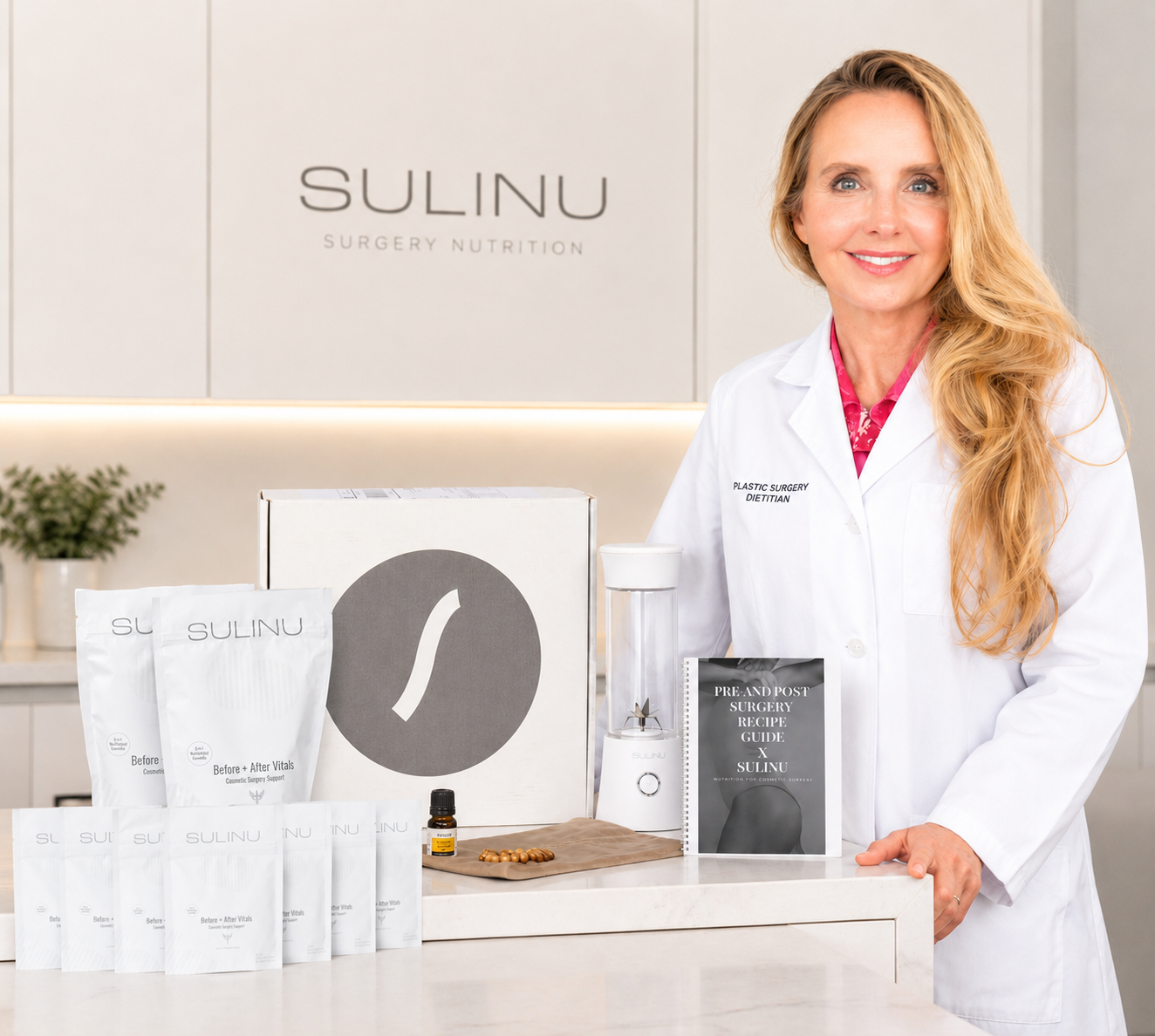
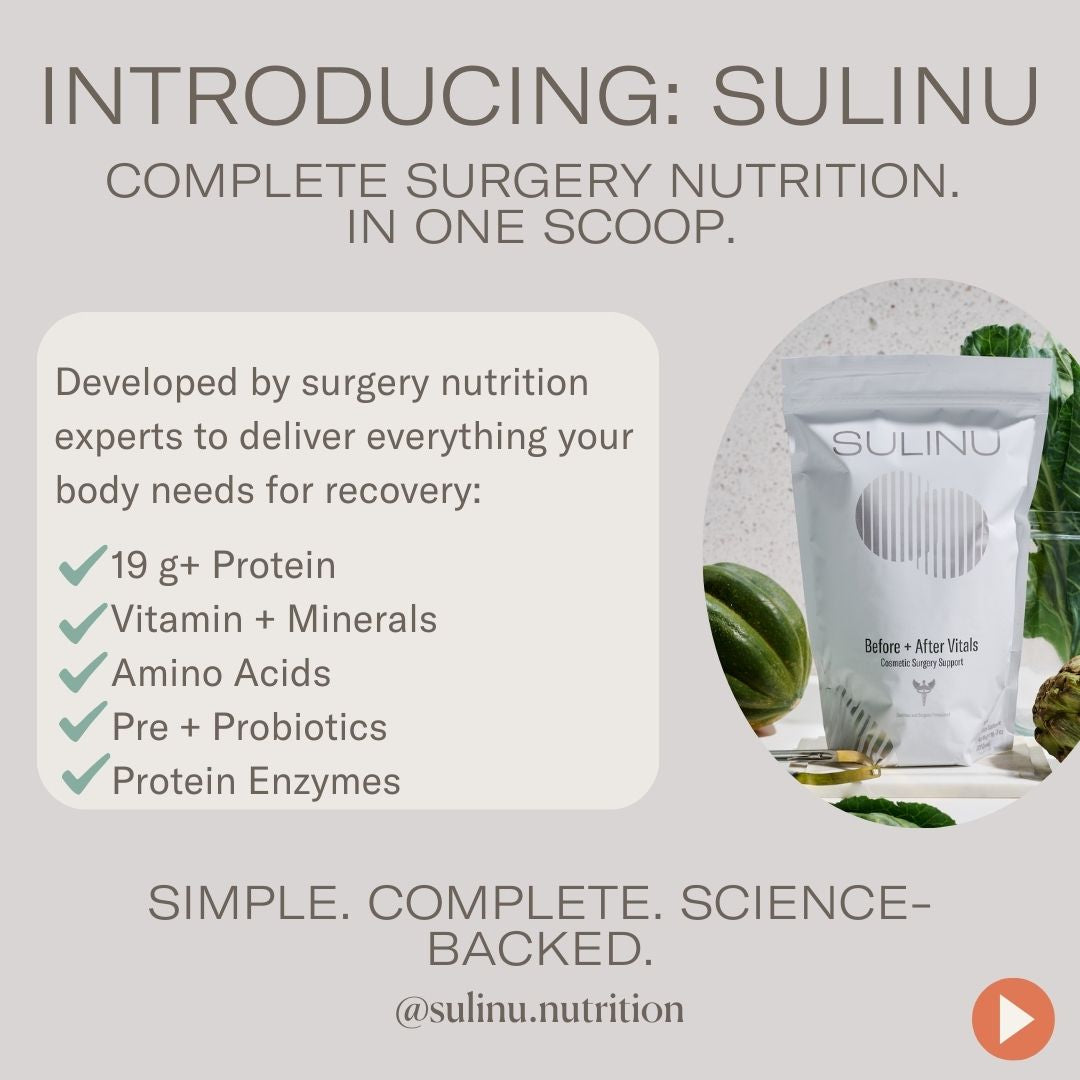
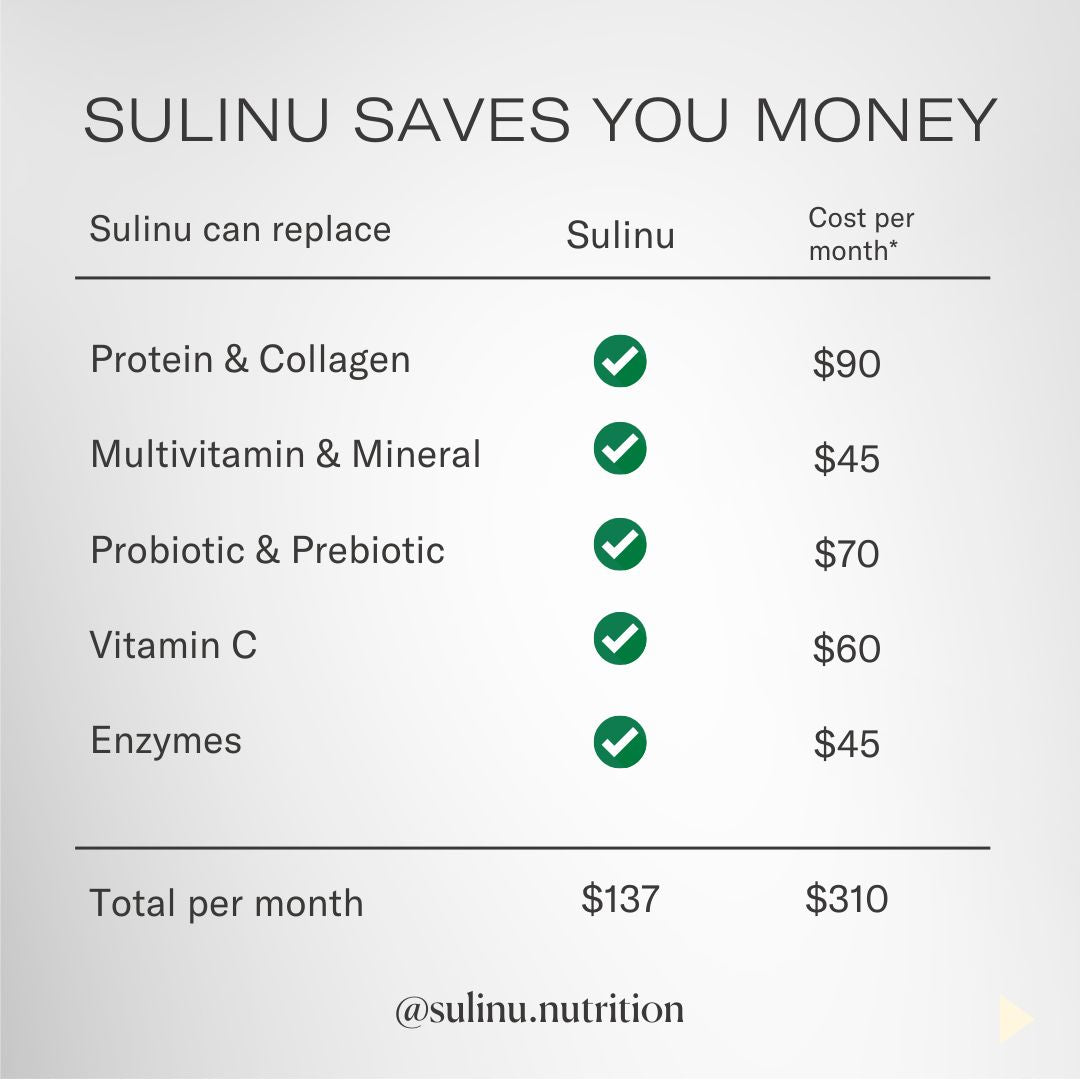
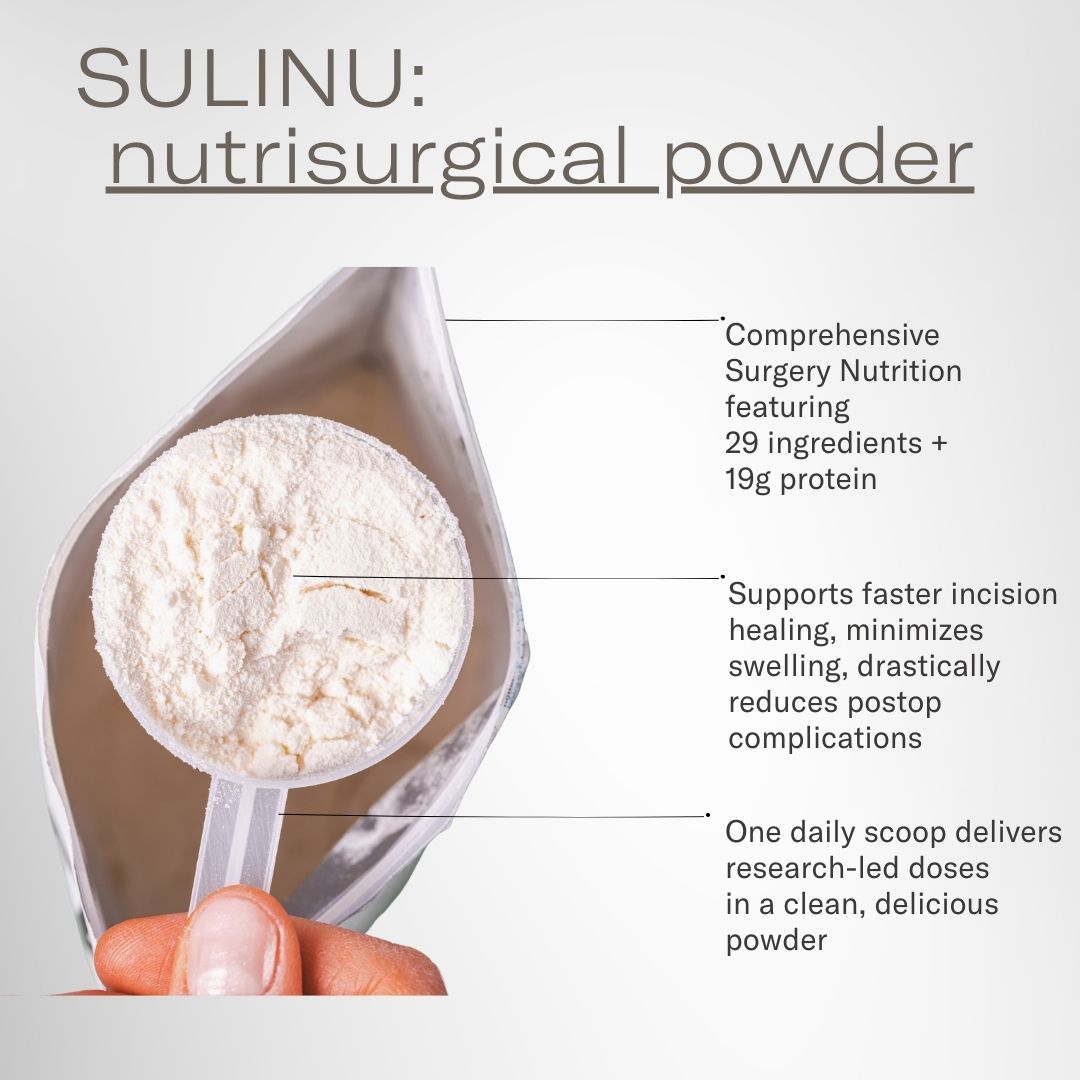
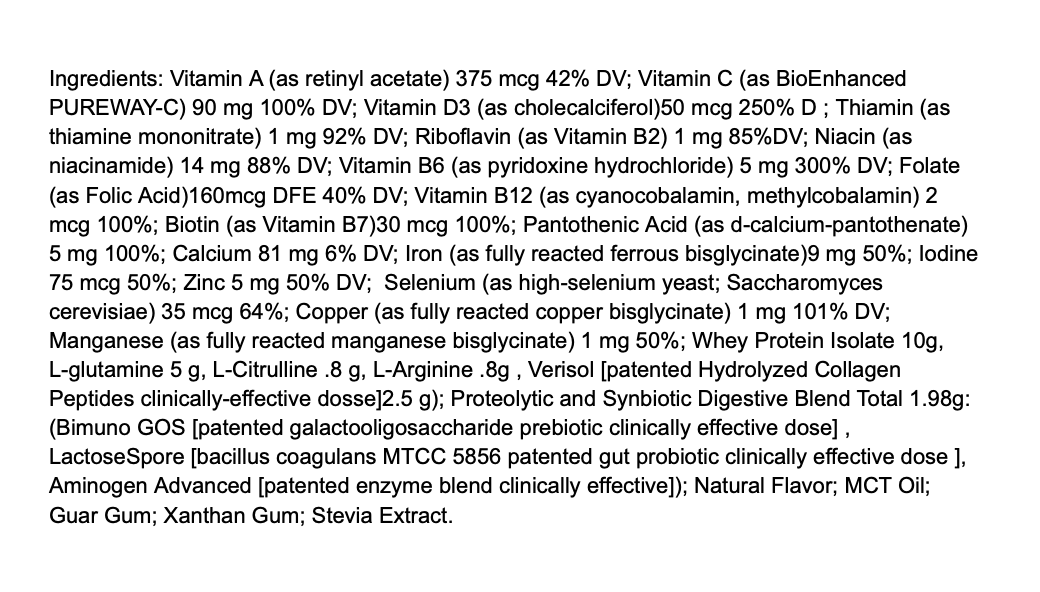
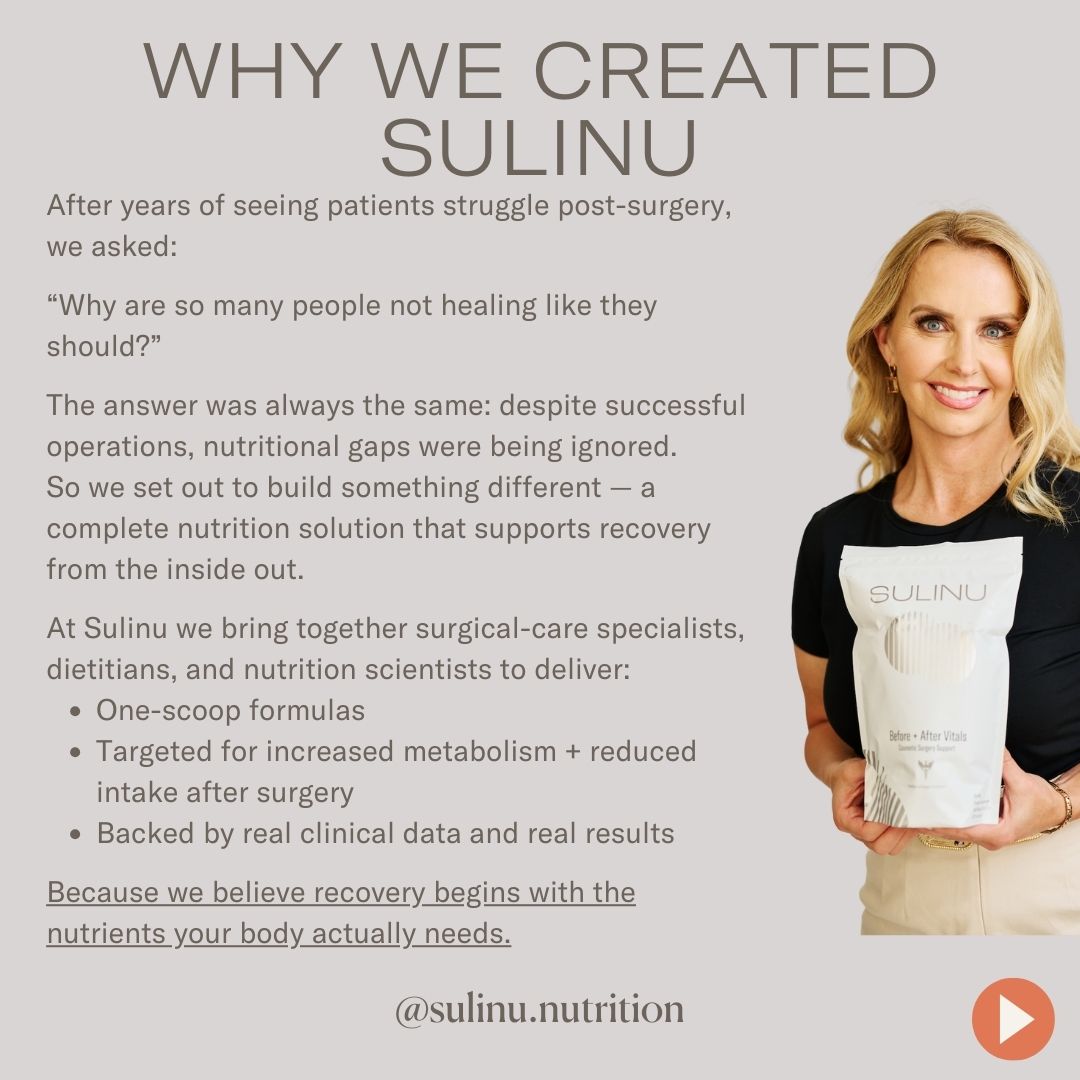
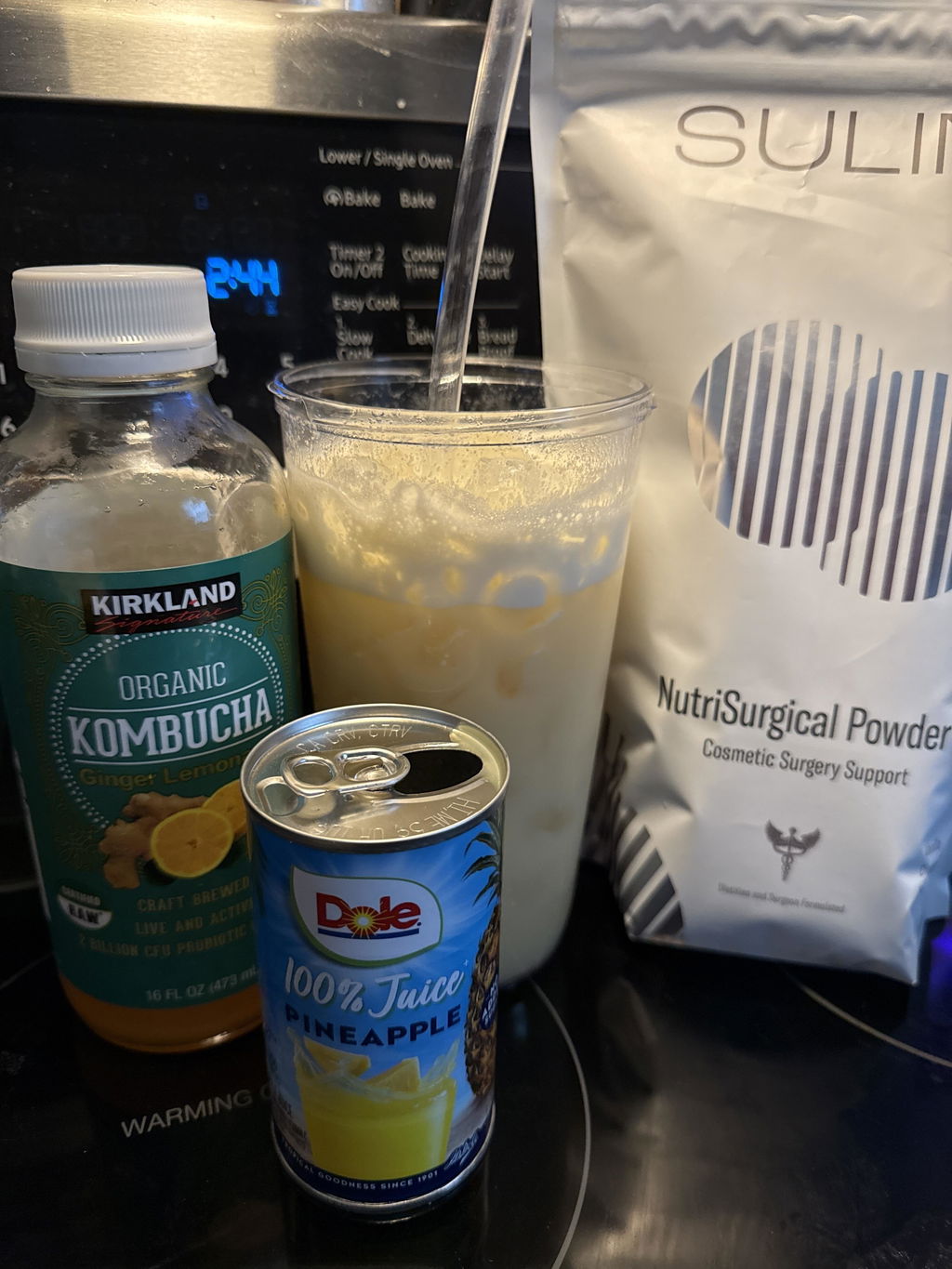
Sulinu's Before + After Vitals is the world's first comprehensive wound healing supplement built specifically for surgery recovery — a NutriSurgical formula, meaning it addresses the surgical healing process directly rather than functioning as a general multivitamin.
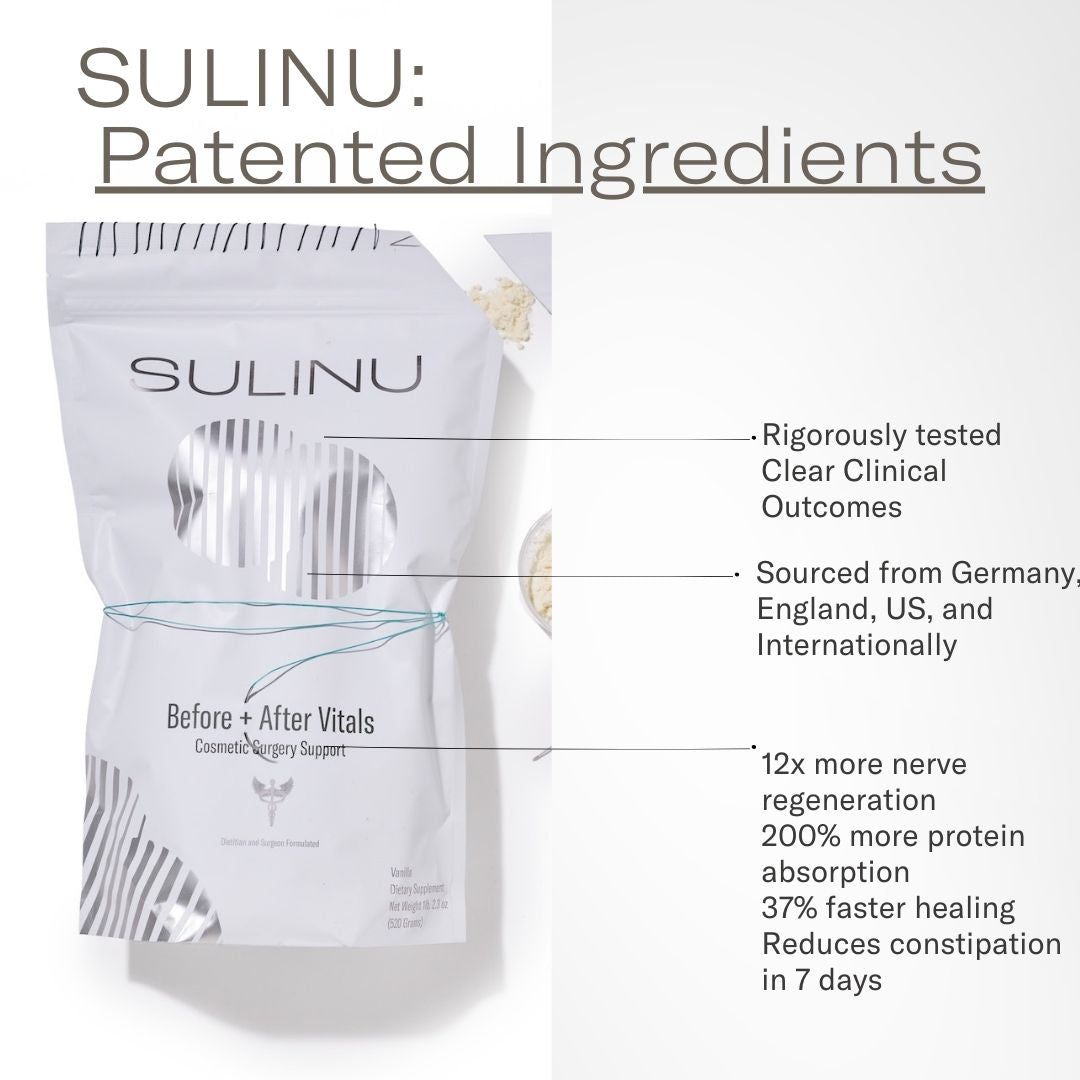
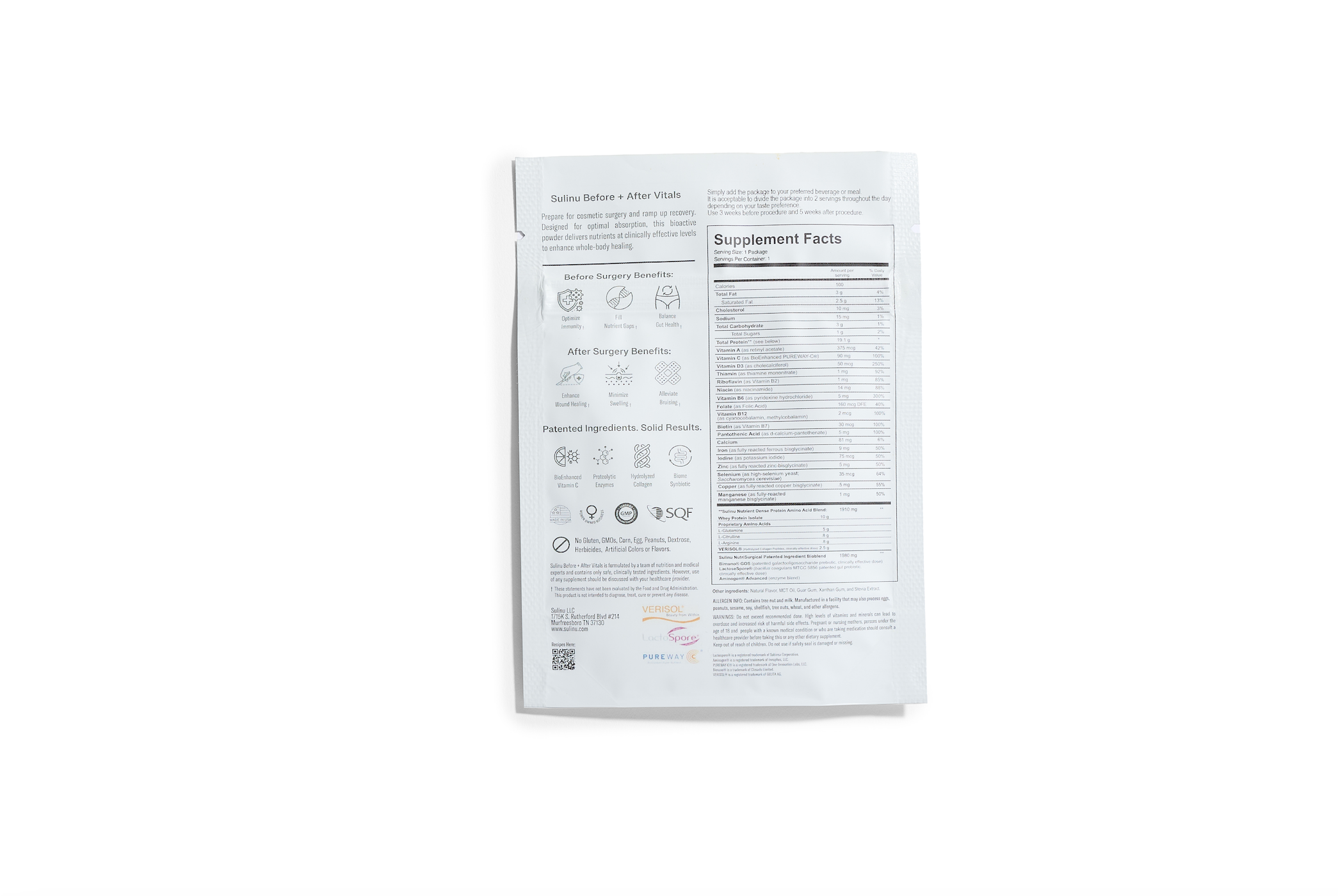
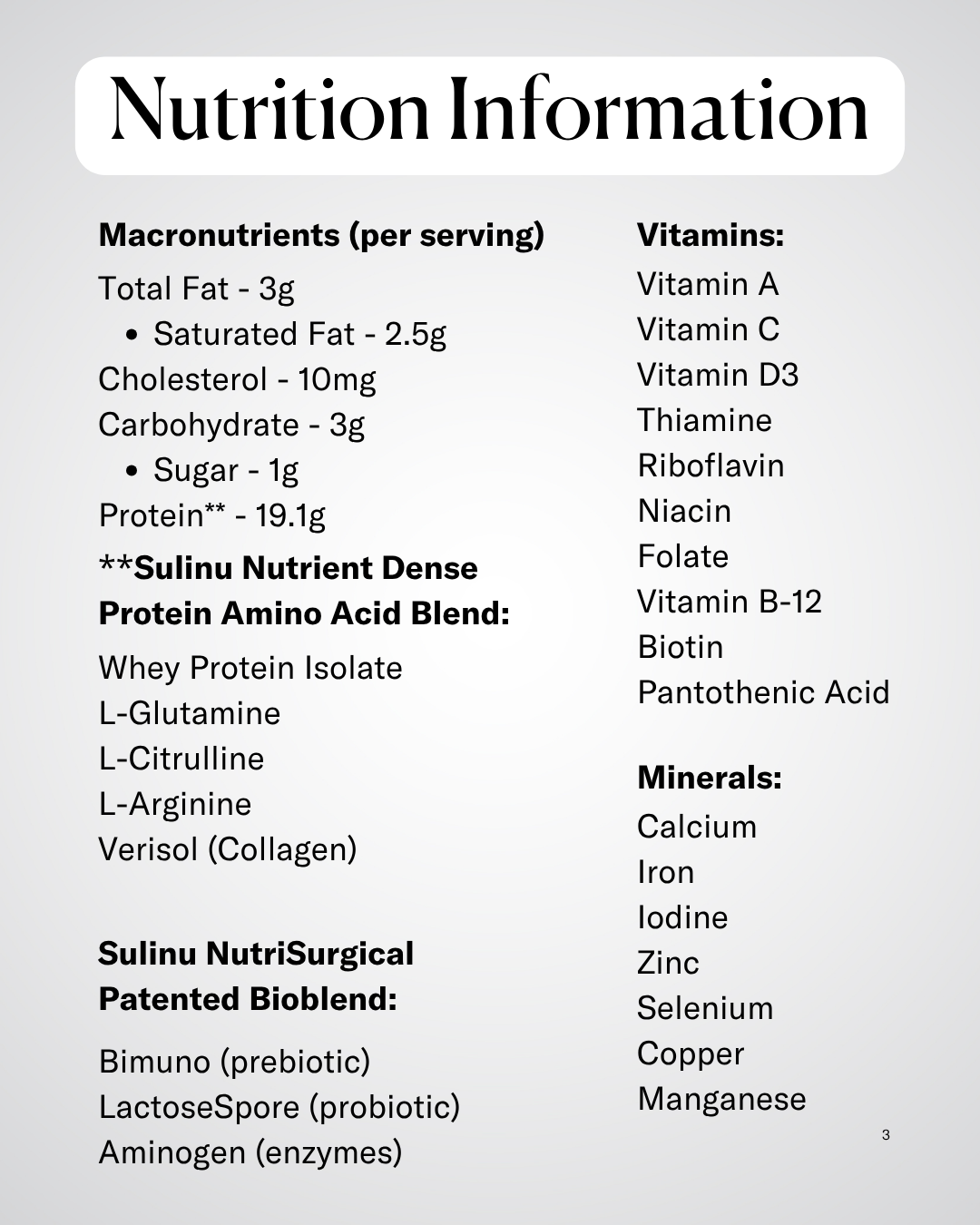
The formula includes 29 surgeon-approved ingredients, including patented ingredients and a few core components that impact your recovery.
The formula includes 29 surgical essentials:
BioEnhanced Vitamin C
A patented, rapid-absorbing form that some research suggests achieves significantly higher tissue retention than standard ascorbate formulations. Vitamin C is foundational to collagen synthesis, immune defense, and antioxidant protection during the inflammatory phase, all of which directly influence how your body manages bruising, swelling, and the quality of scar tissue over time. It's also formulated to avoid the GI side effects that typically make high-dose vitamin C difficult to tolerate post-surgery.
Hydrolyzed Collagen Peptides
A patented version that some studies indicate may support meaningful improvement in skin elasticity in a matter of weeks. Collagen peptides don't just add collagen. They signal skin cells to produce more of their own. This matters at every stage: for swelling resolution as tissues remodel, for bruising clearance as vascular integrity is restored, and for scar quality as new tissue architecture forms.
Proteolytic Enzymes
Patented enzymes that, when combined with protein, some research suggests, can help double total amino acid absorption. Amino acids are the building blocks your body uses to repair incision tissue, clear inflammatory debris, and build new scar architecture. Getting more of them absorbed, not just consumed, is the goal.
Biome Synbiotics
Surgery disrupts gut health, and disrupted gut health disrupts everything else: nutrient absorption, immune function, inflammatory response. Prolonged bruising and swelling are often downstream of a gut that isn't processing and delivering nutrients efficiently. This patented prebiotic and probiotic blend is designed to survive stomach acid and arrive active in the gut, supporting the digestive foundation that makes all other healing nutrients work.
The formula also includes targeted amino acids (L-glutamine, L-citrulline, L-arginine), essential vitamins (A, B-complex, C, D3), and minerals (zinc, copper, manganese, iron) — all in clinically relevant dosages, not token inclusions.
No GMOs. No gluten. No artificial colors. No ingredients that interfere with each other. Everything in Before + After Vitals is there because it has a specific job in your recovery.
Scoop. Mix. Heal.
How much do I need to support my BBL recovery?
Our recommended protocol is two bags total for most surgeries.
1 bag for before surgery
1 bags for after surgery

Prepping for a BBL?
Get everything you need to start prepping your body before surgery - our highly rated supplement, travel-ready packs, and the guide that tells you exactly how to eat right leading up to your procedure.

Already healing from surgery? You can still support your results!
Bruising, scarring, and swelling don't stop mattering after surgery. You've got up to a year to still influence how your tissue heals. Starting now still counts.

Why Does BBL Swelling Seem to Come Back After It Improves?
Day-to-day fluctuation is normal, and swelling often looks worse at night or after a busy day. The reasons are usually ordinary: more time upright, a salty meal, a long car ride, a hot environment, a hormonal shift or a harder workout than your surgeon cleared.
The pattern to watch is direction over weeks, not hours. A rough week followed by a slow improvement is typical. A sharp change, especially a new one-sided swelling or a firm tender spot, is different and warrants a call.
Practical Tips for Living With BBL Swelling
Small habits, repeated daily, make the weeks of swelling easier to manage.
-
Set up before surgery. Have your cushions and garments ready, along with loose clothing and easy meals. The BBL recovery must-haves guide walks through the full list.
-
Choose clothes in a size up. Swelling changes your measurements from morning to evening, and tight waistbands add pressure.
-
Break up sitting and standing. Both long stretches can increase fluid in the legs. Move around when your surgeon allows it.
-
Check your garment each day. Look for rolling, creasing or pinching.
-
Keep follow-up appointments. Your surgeon can tell whether a firm area is ordinary swelling or something that needs attention.
-
Hold off on judging the shape. The shape in week two is not the shape in month six.
-
Be kind to yourself. Feeling uncomfortable in your own body while it swells is a normal part of recovery, and the swelling does settle.
Not sure where to start? Check out The Ultimate Surgery Bundle
Everything you need to keep your pre- and post-surgery nutrition on the right track.
Recovery resource
The Ultimate Surgery Bundle
Eight downloadable guides for the weeks before and after surgery, including a full guide to managing swelling. Keep them on your phone for easy reference while you rest and recover.
✓Swelling Guide
✓Fast Food Guide
✓Surgery Meal Guide
✓Protein Guide
✓Hydration Guide
✓Constipation Guide
✓Smoothie Recipes
✓Mocktails & Nightcaps Guide
What If BBL Swelling Doesn't Seem to Settle?
Swelling that persists well beyond the usual window is worth discussing with your surgeon rather than waiting it out. Most persistent swelling turns out to be part of normal settling, but an exam is the only way to know.
Depending on what your surgeon finds, they might adjust your compression schedule, suggest supervised lymphatic massage, check for a pocket of fluid, or simply reassure you and set a recheck date. If a firm area has not softened, they can tell you whether to keep watching it. Do not try treatments on your own, and avoid anyone who offers to "break up" firm areas without your surgeon's knowledge.
Questions to Ask Your Surgeon
- When should I start wearing compression, and for how many hours a day?
- When can I begin sitting, and for how long at a time?
- Do you recommend lymphatic massage for me, and when can it start?
- Which areas of my body are most likely to swell, based on where fat was taken?
- What does normal swelling look like for me, and what does not?
- Which supplements and medications should I stop before surgery, and when can I restart them?
- Is it okay to use electrolyte drinks, and are there any I should avoid?
- How often should I come in for follow-up visits?
- When can I resume exercise, and what should I avoid?
- Who should I call after hours if I am worried?
When to Contact Your Surgical Team
Call your surgeon's office promptly if anything seems off, and use emergency services for chest pain or trouble breathing.
- Swelling that suddenly worsens or is clearly larger on one side.
- A hard, painful lump that does not soften.
- Redness that spreads, warmth, or drainage that has a bad smell.
- Fever or chills. Check your temperature daily and report readings above 99.5°F (37.5°C).¹
- Pain that increases or does not improve a little each day.
- One leg that is swollen, painful, warm or red, particularly in the calf.
- Skin changes under the garment, such as blisters, dark patches or numbness.
- Shortness of breath, chest pain or a racing heart. Call emergency services.
BBL Swelling FAQs
How long does swelling last after a BBL? Most of the swelling eases over the first six weeks, but full settling can take three months or longer.¹ Individual timelines vary with technique, the amount of liposuction and your body.
Is it normal for my butt to look huge after BBL? Yes. Swelling adds to the volume in the early weeks, so the shape often looks larger and firmer than the eventual result. Your surgeon can help you understand what to expect.
Why is my lower back or hip so swollen? Donor areas swell from liposuction, and fluid can also travel with gravity. If swelling is one-sided, painful or growing, call your surgeon.
Why are my legs and ankles puffy? Fluid often settles lower when your positioning is restricted and your activity level is changing. Mild puffiness at the end of the day is common. A single swollen, painful, warm leg is not, and needs a call.
Does BBL swelling get worse at night? It often looks worse by evening after hours upright, more salt or more activity than usual. A gradual improvement across weeks is the pattern to look for.
Can I wear my compression garment too long? Your surgeon sets the schedule, and some patients wear a garment for months. If it digs in, rolls, leaves deep marks or causes numbness, let your surgeon know.
Can I get a lymphatic massage after BBL? Possibly, but only with your surgeon's approval and a trained therapist, and never on the buttocks unless your surgeon specifically says so.
When will I know my final results? Swelling takes at least three months to settle in many timelines, and shape can keep refining for six to eight months. See the BBL fluffing guide for the longer view.
Do supplements help with swelling? Nutrition supports normal tissue repair, and some supplements can interfere with bleeding or bruising, so check everything with your surgeon. See Supplements for BBL Recovery for more.
Is swelling after BBL a sign that something went wrong? Usually not. Swelling is expected. The signs that matter are the ones that change the pattern: sudden increases, one-sided swelling, spreading redness, fever, or worsening pain.
Medical Disclaimer
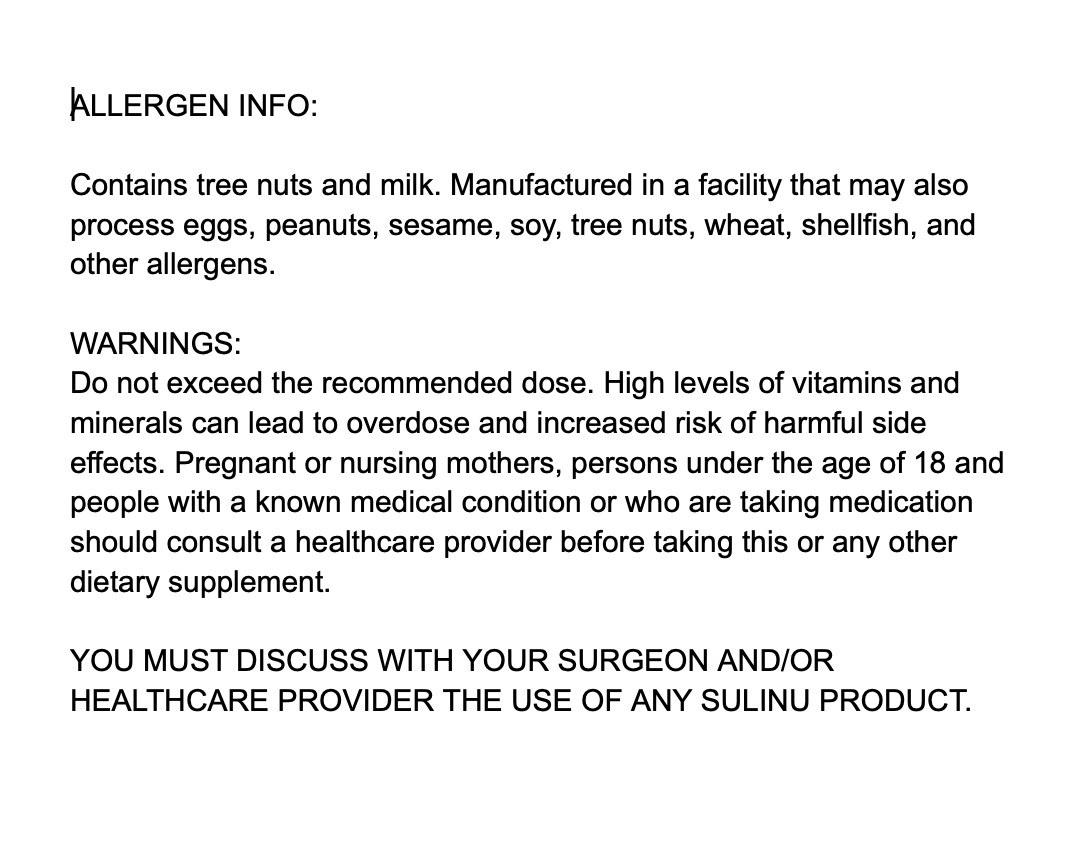
The information provided in this article is for general educational purposes only and is not intended to constitute medical advice, diagnosis, or treatment.
Every individual's healing process is unique, and outcomes vary based on a wide range of factors, including health status, surgical technique, and post-operative care. Always follow the specific guidance of your board-certified plastic surgeon and medical team.
If you experience any concerning symptoms during recovery — including signs of infection, wound separation, or unusual pain — contact your surgical team immediately.
These statements have not been evaluated by the Food and Drug Administration. Sulinu's Before + After Vitals is not intended to diagnose, treat, cure, or prevent any disease.
References
- Toronto Surgery. BBL Recovery: A Week-by-Week Timeline & What to Expect. https://torontosurgery.com/blog/bbl-recovery-a-week-by-week-timeline-what-to-expect
- American Society of Plastic Surgeons. Six Things You Need to Know About Recovering From a Brazilian Butt Lift. https://www.plasticsurgery.org/news/articles/six-things-you-need-to-know-about-recovering-from-a-brazilian-butt-lift