ACL surgery scars are usually small, but how visible yours will be depends mostly on where the replacement ligament came from.
The reconstruction inside the knee is done through a few small keyhole incisions. If the graft is taken from your own hamstring, patellar tendon, or quadriceps tendon, that harvest site adds a separate scar, and it is usually the larger one. Because the knee bends constantly during rehab, these scars also face more stretching than most. Knowing which scars to expect, how they change over the first year, and what supports better healing makes the process easier to plan for.
Quick Answers
How big are ACL surgery scars? The keyhole incisions are typically under an inch each. A hamstring graft adds a scar of roughly 1.5 to 2 inches below the knee, and a patellar tendon graft adds a longer vertical scar over the front of the knee.
Which graft leaves the smallest scar? Donor tissue leaves no harvest scar. Among grafts from your own body, the hamstring tendon usually leaves the smallest one.
How long do ACL scars take to fade? Most are flat and noticeably paler by six to twelve months, though a larger harvest scar can stay visible longer.
Is numbness near the scar normal? Yes. Small skin nerves are often cut during graft harvest, and numbness beside the incision is common. It often shrinks over time, but a patch can remain.
When can I start silicone or scar massage? Once the incision is fully closed and your surgeon approves it.
What Do ACL Surgery Scars Look Like?
Your scars depend on the graft, and every ACL surgery adds the same small keyhole marks. The cards below show where each scar sits and what to know about it.
Keyhole (arthroscopic) incisions
Where the scar sits
Around the front of the knee
Typical size
Under an inch each
What to know
Fade to thin, pale lines
Hamstring tendon graft
Where the scar sits
Inner upper shin, below knee
Typical size
About 1.5 to 2 inches
What to know
Numbness beside it is common
Patellar tendon graft
Where the scar sits
Vertical, over the kneecap
Typical size
Several inches long
What to know
Kneeling can feel tender.
Quadriceps tendon graft
Where the scar sits
Above the kneecap
Typical size
Usually shorter than patellar
What to know
Sits higher on the leg.
Donor tissue (allograft)
Where the scar sits
No harvest incision
What to know
Only the keyhole scars remain
Revision ACL surgery
Where the scar sits
Depends on the new graft
Typical size
Varies by surgeon
What to know
Ask which old scars are reused
Which ACL Graft Leaves the Smallest Scar?
A donor tissue graft (allograft) leaves no harvest scar at all, and among grafts taken from your own body, the hamstring tendon usually leaves the smallest scar. The hamstring is taken through a short incision on the inner side of the upper shin, just below the knee. A patellar tendon graft is taken from the front of the knee, so its scar is longer and sits where it is most exposed. A quadriceps tendon graft is taken through an incision above the kneecap.
Scar size is only one part of choosing a graft. Surgeons weigh age, activity level, and the demands of your sport, along with how each graft behaves over time. Kneeling is one practical difference. In one study that followed patients for two years, about 21% of those with a patellar tendon graft reported severe difficulty kneeling, compared with about 9% of those with a hamstring graft, while overall knee pain was similar between the groups. If you kneel often for work, gardening, or sport, that is worth raising when you discuss graft options.
Why Do ACL Scars Stretch and Feel Different?
Scars over a joint are under more mechanical stress than scars on flat, still skin. Each time the knee bends, the skin over the front of the joint stretches, and that repeated tension during early rehab can pull a healing scar wider than it would otherwise become. The skin on the front of the knee is also thin, with little fat beneath it, so scars here can feel tight or tender, particularly under pressure.
Individual factors still shape the result. Skin tone affects the risk of lasting darkening or lightening, and a history of raised or thickened scars (hypertrophic scars or keloids) changes how tissue responds. Smoking and poorly controlled blood sugar slow healing and raise the chance of wound problems.
Will I Have Numbness Around My ACL Scar?
Numbness beside the incision is one of the most common effects of graft harvest, and it is usually a nerve effect, not a scar effect. Small branches of the nerve that supplies the skin around the knee often run right through the area where the incision is made, and they can be stretched or cut during surgery.
In studies of hamstring graft harvest, roughly half to two-thirds of patients noticed numbness or altered feeling near the incision early on. In one study, about one in five still had it a year later, and in another, about one in three had a persistent patch at two years or more. The area usually shrinks over time, and most people find it more of a nuisance than a functional problem. Tell your surgeon if it is spreading or bothersome.
How Long Do ACL Scars Take to Heal?
ACL scars follow the same stages as other surgical scars, but they run alongside a long rehab schedule, and the two affect each other. The exact milestones vary by surgeon and protocol, but the pattern below is typical.
First two weeks. Incisions close and the knee is swollen. Early motion exercises begin, and keeping incisions clean and dry is the main job.
Weeks 2 to 6. Scars are at their most visible: pink or red, slightly raised, and firm. This is the expected peak of new collagen formation. Bending exercises are stretching the skin over a scar that is still fragile, so avoid forcing deeper bends than your physical therapist directs.
Weeks 6 to 12. Scars begin to soften. Strength work increases, and knees often come out of long pants as the weather allows, which makes sun protection important.
Months 3 to 6. Redness fades and scars flatten. Running progressions often begin during this window, and a patellar tendon scar can still be sensitive to pressure.
Months 6 to 12. Color keeps lightening and texture keeps improving as you return to sport. Most ACL scars end up as thin, pale lines, and this is when surgeons usually judge whether any scar treatment is worth pursuing.
How Does Nutrition Affect ACL Scar Healing?
Scar healing and graft healing draw on the same nutritional resources, and ACL recovery asks a lot of both.
The body builds new collagen at the incisions while it also remodels the graft inside the knee, all during weeks of reduced activity and sometimes reduced appetite.
Protein supplies the amino acids that collagen is made from, and vitamin C and zinc support how that collagen forms. Falling short during the weeks of active remodeling can leave scars less strong and less smooth than they might have been, which is why the nutritional window matters well beyond the first few days after surgery.
Nutritional Support for ACL Surgery Recovery
Here's the part that doesn't get enough attention: what you're eating (and supplementing) both before and after surgery plays a real role in how efficiently your body repairs tissue.
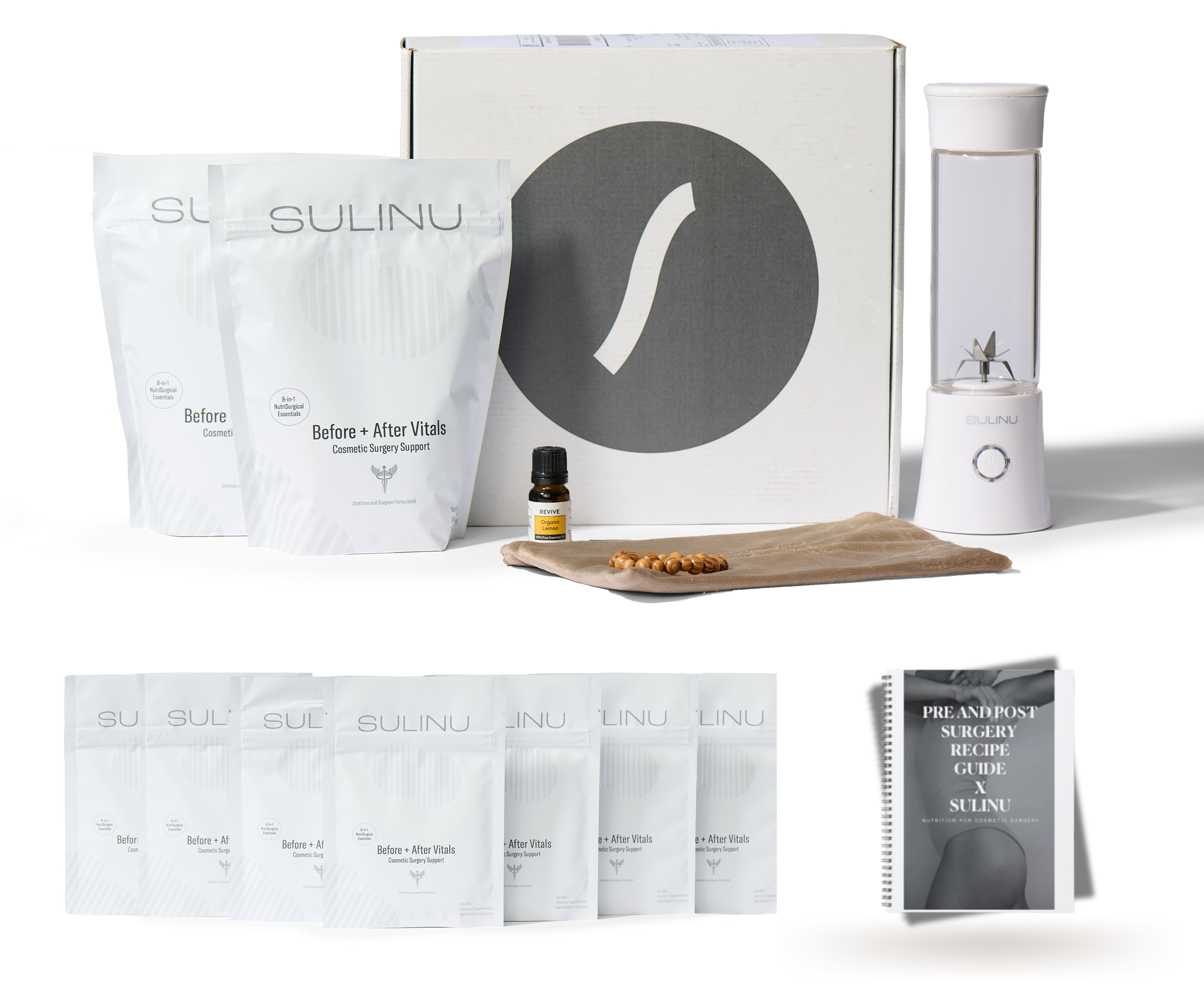
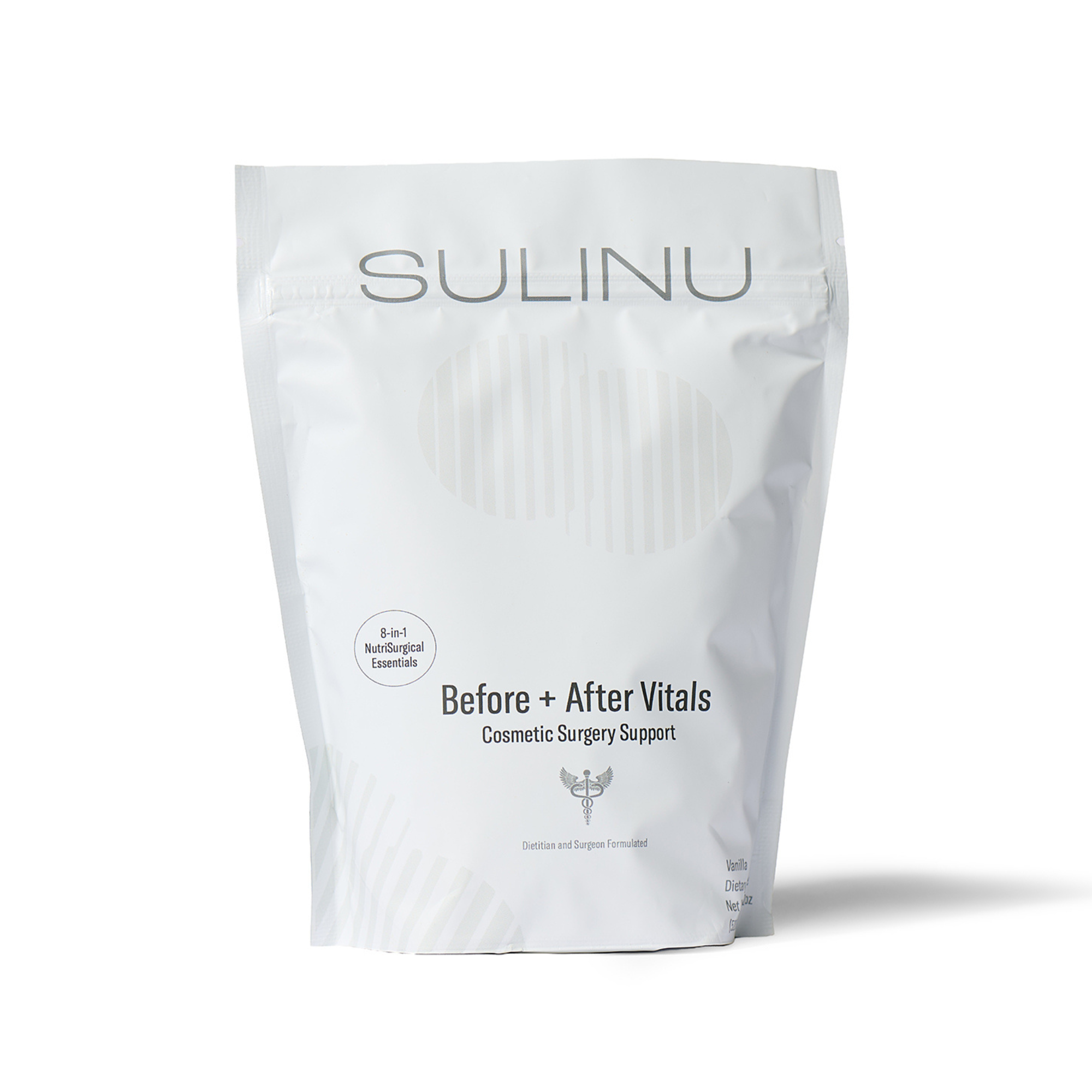
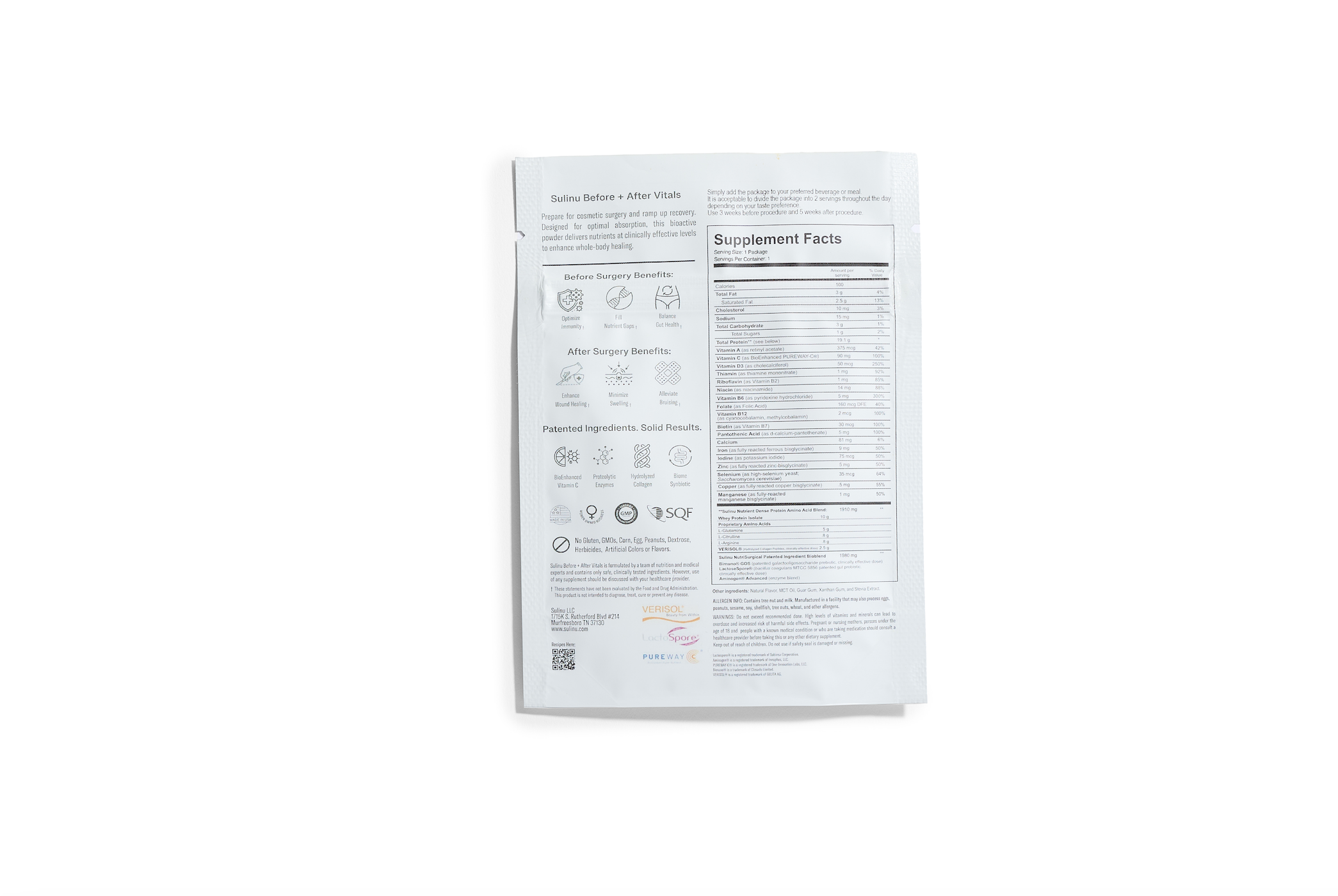
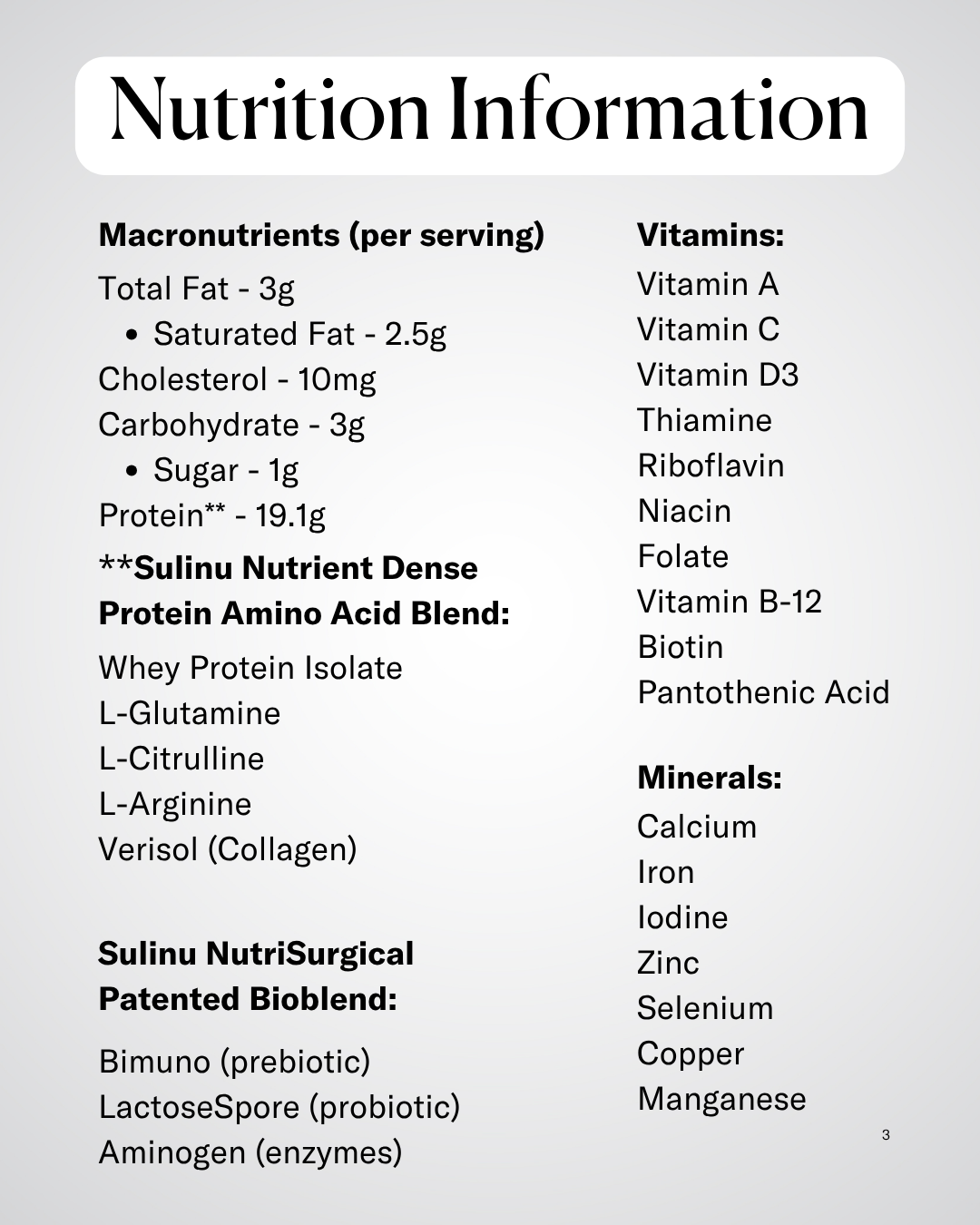
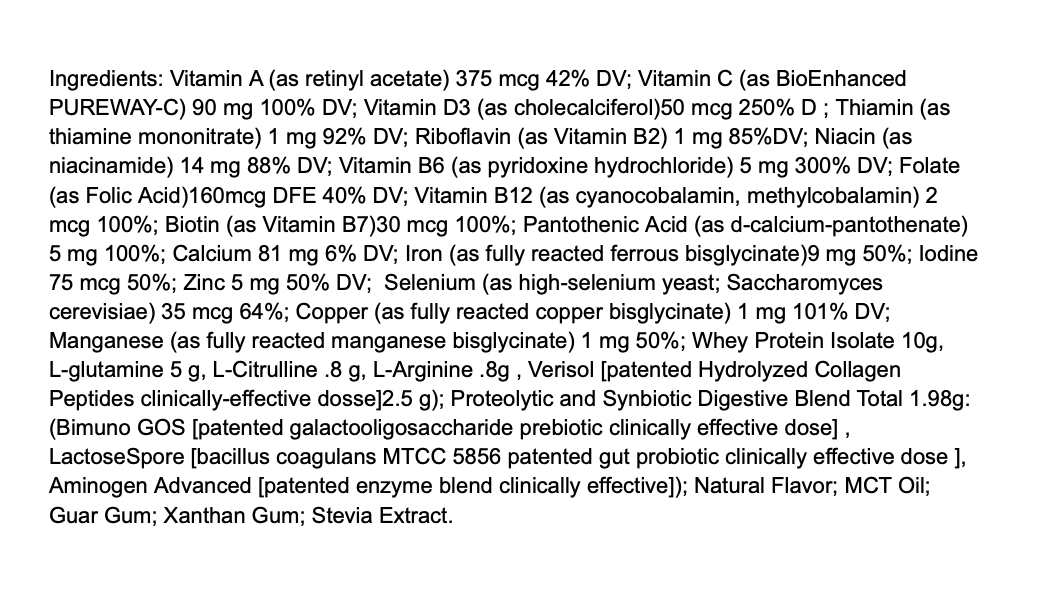
Sulinu's Before + After Vitals is the world's first comprehensive wound healing supplement built specifically for surgery recovery — a NutriSurgical formula, meaning it addresses the surgical healing process directly rather than functioning as a general multivitamin. The formula includes 27 surgeon-approved ingredients, including patented ingredients and a few core components that impact your recovery.
The formula includes 27 surgical essentials:
BioEnhanced Vitamin C
A patented, rapid-absorbing form that some research suggests achieves significantly higher tissue retention than standard ascorbate formulations. Vitamin C is foundational to collagen synthesis, immune defense, and antioxidant protection during the inflammatory phase, all of which directly influence how your body manages bruising, swelling, and the quality of scar tissue over time. It's also formulated to avoid the GI side effects that typically make high-dose vitamin C difficult to tolerate post-surgery.
Hydrolyzed Collagen Peptides
A patented version that some studies indicate may support meaningful improvement in skin elasticity in a matter of weeks. Collagen peptides don't just add collagen. They signal skin cells to produce more of their own. This matters at every stage: for swelling resolution as tissues remodel, for bruising clearance as vascular integrity is restored, and for scar quality as new tissue architecture forms.
Proteolytic Enzymes
Patented enzymes that, when combined with protein, some research suggests, can help double total amino acid absorption. Amino acids are the building blocks your body uses to repair incision tissue, clear inflammatory debris, and build new scar architecture. Getting more of them absorbed, not just consumed, is the goal.
Biome Synbiotics
Surgery disrupts gut health, and disrupted gut health disrupts everything else: nutrient absorption, immune function, inflammatory response. Prolonged bruising and swelling are often downstream of a gut that isn't processing and delivering nutrients efficiently. This patented prebiotic and probiotic blend is designed to survive stomach acid and arrive active in the gut, supporting the digestive foundation that makes all other healing nutrients work.
The formula also includes targeted amino acids (L-glutamine, L-citrulline, L-arginine), essential vitamins (A, B-complex, C, D3), and minerals (zinc, copper, manganese, iron) — all in clinically relevant dosages, not token inclusions.
No GMOs. No gluten. No artificial colors. No ingredients that interfere with each other. Everything in Before + After Vitals is there because it has a specific job in your recovery.
Scoop. Mix. Heal.

How much do I need to support my ACL surgery recovery?
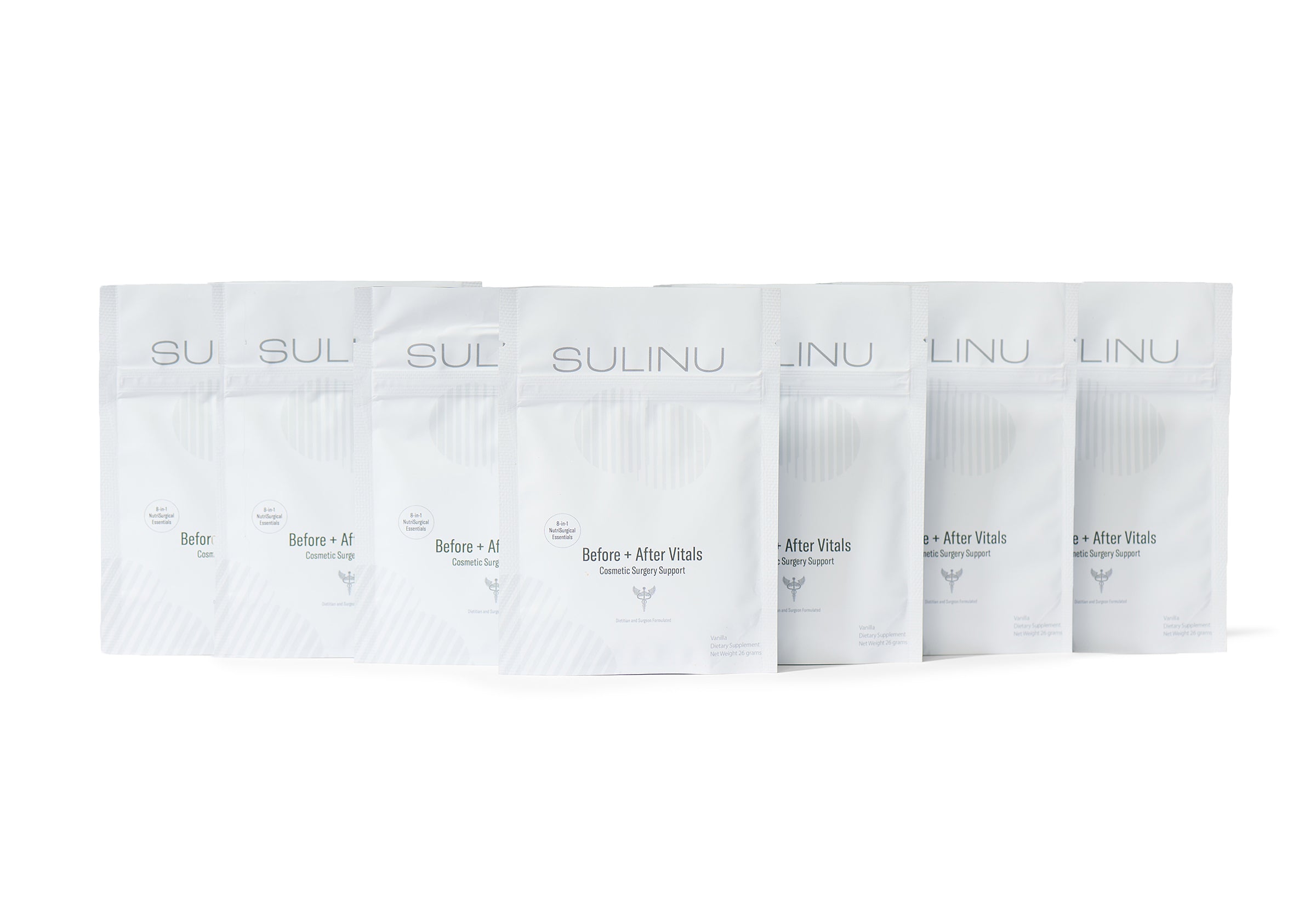
Our recommended protocol is two bags total for most surgeries.
1 bag for before surgery
1 bags for after surgery
![The PREP STARTER Kit [free shipping] features cosmetic surgery support supplements in a large pouch with three small packets, accompanied by the Best Proteins Guide booklet showcasing a black and white photo of a woman’s midsection—the perfect addition to your surgery prep kit and trusted pre-op supplement routine.](https://cdn.shopify.com/s/files/1/0629/0590/9502/files/B3FA903F-D7B8-4185-A129-BB3E7405FDB9.png?v=1788283272)
Prepping for ACL Surgery?
Get everything you need to start prepping your body before surgery - our highly rated supplement, travel-ready packs, and the guide that tells you exactly how to eat right leading up to your procedure.
Already healing from ACL surgery? You can still support your results!
Bruising, scarring, and swelling don't stop mattering after surgery. You've got up to a year to still influence how your tissue heals. Starting now still counts.
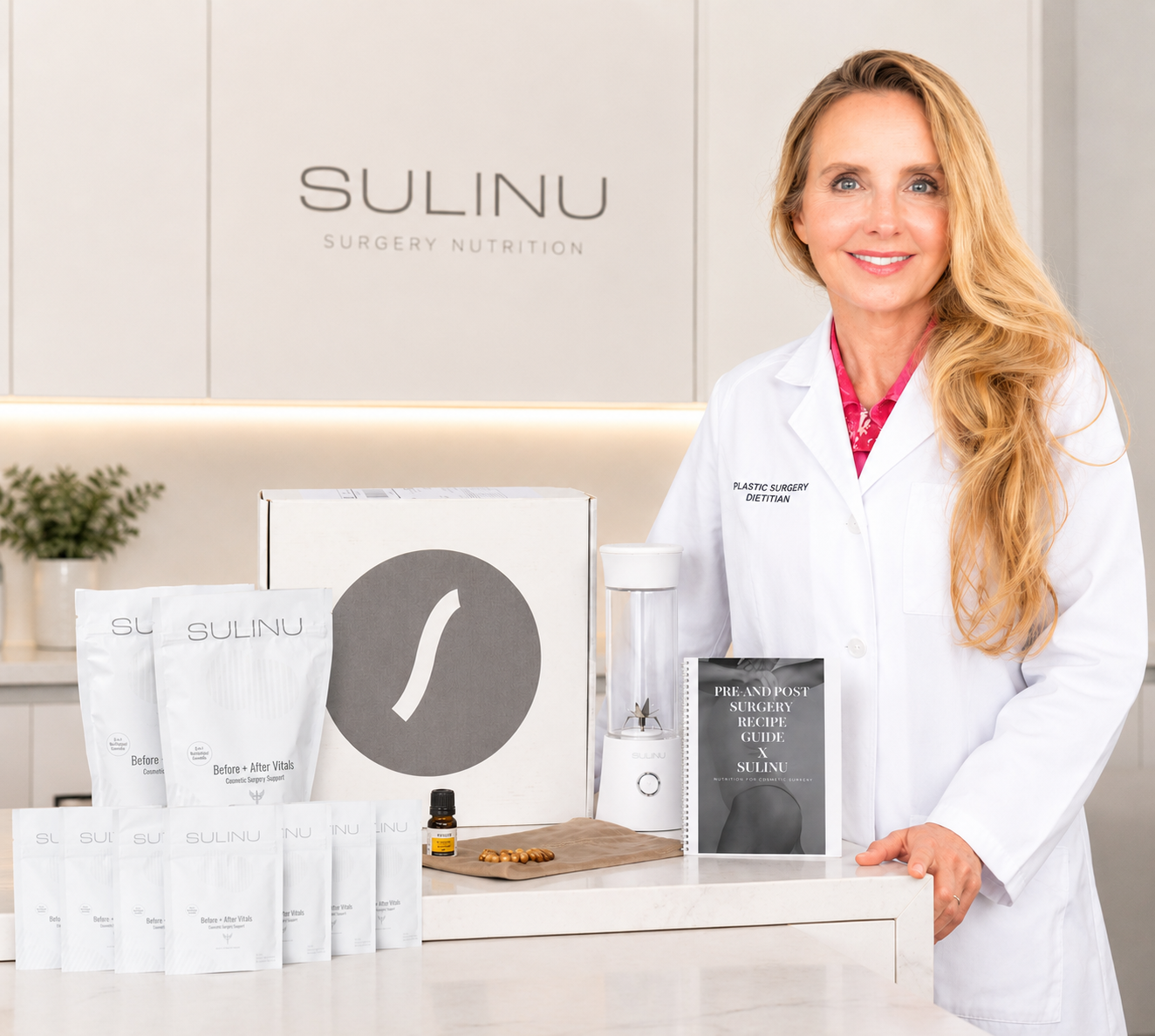
The Ultimate Surgery Bundle
A few practical habits make a real difference during this phase of recovery:

ACL Surgery Recovery Nutrition
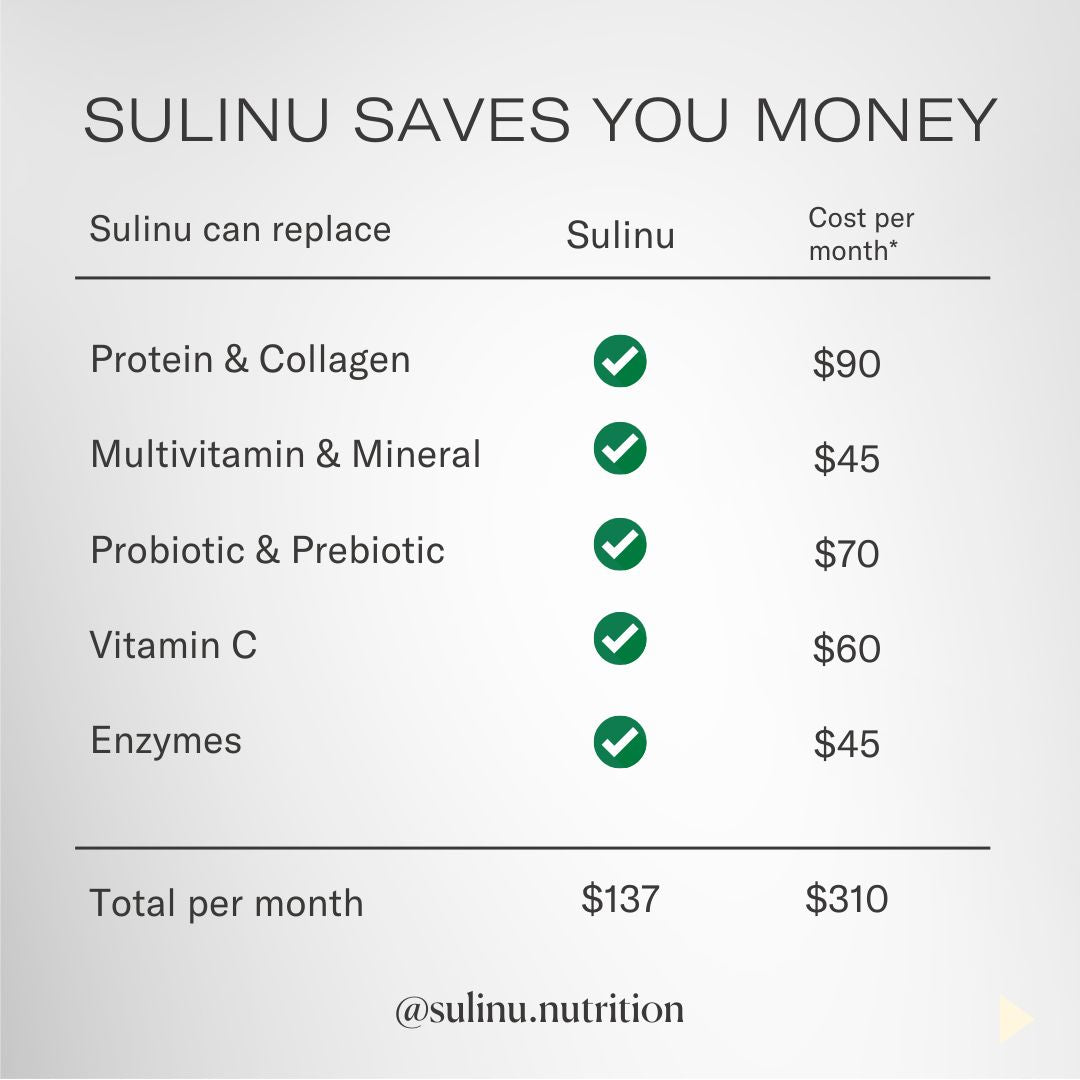
Surgery recovery means your body needs more than a standard multivitamin can offer. Before + After Vitals delivers patented ingredients formulated to support tissue repair and circulation during recovery — no piecing together separate pills required.
Though Before + After Vitals was originally formulated for cosmetic surgery patients, the tissue repair process it supports is the same one your body relies on after any surgical incision, ACL surgery included.
Don't stop at supplements. The Ultimate Surgery Bundle hands you eight expert guides so nothing about recovery catches you off guard.
What Helps ACL Scars Heal Better?
Keep Incisions Clean and Dry Until Cleared. Follow your surgeon's wound care instructions, and avoid soaking in baths, pools, or hot tubs until the incisions are fully closed.
Do Your Rehab, Gently. Early range-of-motion work is important for the knee, and it does not damage a scar that is closing normally. Avoid forcing bends beyond what your physical therapist directs, since sudden stretching of a fresh incision can pull the wound edges apart.
Start Silicone and Massage at the Right Time. Once the incision is fully closed, silicone sheets or gel can help keep the scar flat and hydrated, and gentle massage can help soften it. Confirm the start date with your surgeon.
Protect the Scar From the Sun. Knee scars are exposed in shorts and swimwear. UV can darken a new scar permanently, so cover it or use a broad-spectrum sunscreen of SPF 30 or higher for the first year.
Leave the Scar Alone. Scratching, picking, and scrubbing a healing scar can make it more noticeable, so keep cleaning gentle and resist the itch.
Pad Before You Kneel. A patellar tendon scar can be sensitive to direct pressure. A cushioned knee pad lets you work or garden without irritating the scar while it matures.
Skip Nicotine. It restricts blood flow to healing tissue and raises the risk of wound problems and wider scars.
Be Patient. A scar that is pink and firm at two months is on schedule. Compare it to how it looks at a year, not to someone else's scar at the same stage.
Can ACL Scars Be Improved Later?
If a scar stays raised, wide, dark, or tight after it has matured, several options exist, and most are considered at around a year after surgery.
Silicone sheets or gel. A first-line option, usually used daily for several months once the incision has closed.
Steroid injections. Used for raised scars such as hypertrophic scars and keloids, often in a short series of treatments.
Laser therapy. Can help with persistent redness, darkness, or thickness, and is typically timed after the scar has fully healed.
Surgical scar revision. A scar can be cut out and closed again, which sometimes produces a finer line, though it always leaves a new scar.
Over-the-counter creams and oils are widely marketed, but the evidence for products such as vitamin E on surgical scars is thin, and some can irritate healing skin. Ask your surgeon before adding anything.
Questions to Ask Your Surgeon About ACL Scars
- Which graft are you recommending, and where will each incision go?
- How long will the harvest scar be, and which way will it run?
- How likely is numbness near the incision, and does the technique affect that?
- How will the graft choice affect kneeling and pressure on the scar?
- When can I start silicone, massage, and sun protection?
- Which rehab movements put the most stress on the scar, and what should I avoid?
- What signs of a problem should I call about right away?
- When would you consider scar treatment or revision?
When Should You Call Your Surgeon About an ACL Scar?
Normal scar healing improves steadily, even if slowly. A few signs are worth a prompt call:
- Increasing redness, warmth, swelling, or drainage from an incision, especially with fever
- A wound edge that opens or does not close
- Pain, swelling, or tenderness in the calf, which can signal a blood clot
- A scar that grows beyond the incision line or becomes increasingly thick, itchy, or painful
- Scar tissue that seems to limit how far the knee bends or straightens
None of these are cause for alarm on their own, but each is a situation where early attention helps.
FAQs: ACL Surgery Scars
How big are ACL surgery scars? The keyhole incisions are typically under an inch each. Graft harvest scars vary: a hamstring graft leaves a scar of roughly 1.5 to 2 inches below the knee, while a patellar tendon graft leaves a longer vertical scar over the kneecap.
How long do ACL scars take to fade? Most are flat and much paler by six to twelve months, though a larger graft harvest scar can stay visible longer than the small keyhole scars.
Which ACL graft leaves the smallest scar? A donor tissue graft leaves no harvest scar. Among grafts from your own body, the hamstring tendon usually leaves the smallest scar, though the best graft depends on your age, activity level, and surgeon's recommendation rather than scarring alone.
Will my ACL scar widen as I bend my knee? It can. The skin over the knee stretches with every bend, and that tension during rehab can widen a scar. Following your therapist's guidance on range of motion and starting silicone and massage on time help limit it.
Why is the skin next to my scar numb? Small skin nerves near the incision are often stretched or cut during graft harvest. Numbness commonly shrinks over months, but a small patch can remain permanently.
Is kneeling harder after a patellar tendon graft? It is more often, based on research. In one two-year study, about 21% of patellar tendon graft patients reported severe kneeling difficulty compared with about 9% of hamstring graft patients.
Is scar massage safe after ACL surgery? Once the incisions are fully closed and your surgeon has approved it, gentle massage is generally safe and can help soften the scar. Starting too early can irritate a wound that has not finished closing.
Do I need to protect my knee scar from the sun? Yes. UV exposure can darken a new scar permanently, so cover it or use SPF 30 or higher, particularly during the first year.
Can I get my ACL scar revised? Yes. Silicone, steroid injections, laser, and surgical revision are all options, and surgeons usually wait until the scar has matured, often around a year, before deciding.
Can nutrition change how an ACL scar heals? Yes. Collagen formation depends on protein, vitamin C, zinc, and other nutrients, and that process continues for months after the incision closes.
Medical Disclaimer
The information provided in this article is for general educational purposes only and is not intended to constitute medical advice, diagnosis, or treatment.
Every individual's healing process is unique, and outcomes vary based on a wide range of factors, including health status, surgical technique, and post-operative care. Always follow the specific guidance of your board-certified plastic surgeon and medical team.
If you experience any concerning symptoms during recovery — including signs of infection, wound separation, or unusual pain — contact your surgical team immediately.
These statements have not been evaluated by the Food and Drug Administration. Sulinu's Before + After Vitals is not intended to diagnose, treat, cure, or prevent any disease.


![A ⭐BEST VALUE⭐ The Prep + Recovery Bundle [free shipping] package is displayed on a white background with text highlighting its clinical benefits and international sourcing, emphasizing improved nerve regeneration, better protein absorption, and faster healing—making it an ideal addition to any surgical recovery kit.](http://www.sulinu.com/cdn/shop/files/2.jpg?v=1776452906&width=1080)
![A promotional image for The PREP STARTER Kit [free shipping], showcasing its key benefits such as protein, vitamins, minerals, amino acids, probiotics, and enzymes. Featured as an essential pre-op supplement in your surgery prep kit, the product bag is displayed alongside fresh green vegetables on a light background.](http://www.sulinu.com/cdn/shop/files/12.jpg?v=1776452906&width=1080)
![A hand holds a scoop of white powder above an open bag of The PREP STARTER Kit [free shipping]. Text highlights that this research-based formula aids surgery recovery, delivers 19g of protein and 29 carefully selected ingredients per daily scoop—making The PREP STARTER Kit an essential addition to any surgery prep kit.](http://www.sulinu.com/cdn/shop/files/3.jpg?v=1776452906&width=1080)
![A woman’s face in close-up appears on the left. On the right, text explains post-surgery risks: metabolism rises, appetite drops, food intake falls, and nutrient needs soar. The message: your body needs more while you eat less—making The PREP STARTER Kit [free shipping] essential for recovery.](http://www.sulinu.com/cdn/shop/files/9.jpg?v=1776452906&width=1080)
![Text graphic explaining consequences of not fueling the healing body: slower wound healing, higher infection risk, more bruising, increased fatigue, pain, and constipation. Highlights that nutrition is essential for recovery but often overlooked—using The PREP STARTER Kit [free shipping] can help support your body and make all the difference for surgical recovery.](http://www.sulinu.com/cdn/shop/files/10.jpg?v=1776452906&width=1080)
![A smiling woman holding a box labeled The PREP STARTER Kit [free shipping] stands beside text explaining the purpose behind creating The PREP STARTER Kit: to support post-surgery recovery by providing targeted nutrition backed by real clinical data, serving as an essential surgery protein guide for patients seeking optimal outcomes.](http://www.sulinu.com/cdn/shop/files/14.jpg?v=1776452906&width=1080)
![A person in a fitted outfit poses against a neutral background. Text reads ⭐BEST VALUE⭐ The Prep + Recovery Bundle [free shipping]. Discover the ultimate surgery prep bundle—nutrition for cosmetic surgery and essential support for your recovery kit.](http://www.sulinu.com/cdn/shop/files/UltimateSurgeryBundle-Sulinu.png?v=1775162796&width=537)