No supplement has been shown to make a bruise disappear, but a few nutrients support the way your body repairs small blood vessels and tissue, and several common supplements should be paused before surgery because they can affect bleeding.
Bruising after breast augmentation is expected, and most of it fades over the first several weeks as your body clears the pooled blood. What you can control is the groundwork: enough protein, vitamin C, fluids and gentle digestion, plus a clear list from your surgeon of what to stop and when.
Quick Answers
How long does bruising last after breast augmentation? The American Society of Plastic Surgeons notes that swelling and bruising should have decreased by about three to four weeks, although some bruising can linger depending on the procedure (ASPS). Your own timeline depends on your anatomy and technique.
Which supplements are most often discussed for bruising? Vitamin C, protein and collagen, proteolytic enzymes such as bromelain, arnica and probiotics come up most. Each plays a different role and each has a different level of evidence.
Which supplements should I stop before breast augmentation? Vitamin E, fish oil, garlic, ginkgo and similar products can affect bleeding, so many surgeons ask patients to pause them in the weeks before surgery. You can check out this guide on what to avoid before surgery to get a better idea and approach your surgeon with specific questions.
Is arnica safe to take for bruising? Ask your surgeon first. Research on arnica is mixed and small, and not every surgeon wants it started before or right after the procedure.
Can food help bruising heal? Food supplies the raw material for repair. Protein, vitamin C-rich produce and enough fluids all feed normal healing, even though none of them removes a bruise on its own.
When is bruising a reason to call? Call your surgical team if one breast becomes much larger, tighter or more painful than the other, or if a bruise is spreading quickly.
Compare your options
Vitamin C
Role in healing
Collagen and vessel support
Evidence
Well established nutrient role
Surgeon check
Ask about dose and form
Protein and collagen
Role in healing
Building blocks for tissue repair
Evidence
Protein strong, collagen limited
Surgeon check
Ask about a daily target
Bromelain and enzymes
Role in healing
Enzymes from pineapple and others
Evidence
Mixed; more trials needed
Surgeon check
Ask first; may affect clotting
Arnica
Role in healing
Plant remedy used for bruises
Evidence
Small, inconsistent evidence
Surgeon check
Ask before any use, even gels
Probiotics
Role in healing
Supports digestive comfort
Evidence
Varies by strain
Surgeon check
Ask if you are on antibiotics
Vitamin E and fish oil
Role in healing
Often paused before surgery
Evidence
Can affect bleeding
Surgeon check
Follow your own stop dates
Why does bruising happen after breast augmentation?
Bruising happens because surgery nicks small blood vessels, and the blood that leaks into surrounding tissue shows through the skin until your body breaks it down and carries it away. Breast augmentation involves creating a pocket for the implant, either behind the breast tissue or beneath the chest muscle, so there is a fair amount of tissue that can bleed a little.
The color change you see is the pigment in that pooled blood being processed. A bruise typically moves from red or purple toward green and then yellow before it fades. Gravity also plays a part. Bruising that begins around the breast can drift toward the ribs and upper abdomen over several days, which looks alarming but is common.
How much you bruise depends on several things. Implant placement, how the pocket is made, how easily you bruise in general, the medications you take and your hydration and nutrition going in can all matter. Some people have very little visible bruising and others have a lot, and neither pattern predicts how the final result will look.
If you want a closer look at the incision side of healing, our guide to breast augmentation scars covers where scars sit and how they mature.
What does the bruising timeline look like?
Most bruising is most visible in the first week, changes color through weeks two and three and is mostly gone by about week four to six, although this varies. A rough guide follows. Treat it as a map, not a promise.
-
Days 1 to 3: Swelling and tenderness are at their peak. Bruising may only start to show on day two or three because blood from deeper tissue takes time to surface.
-
Days 4 to 7: Bruising looks its darkest and may spread toward the sides or lower chest. Many people feel worried here, even though it is typical.
-
Weeks 2 and 3: Colors shift to green and yellow. Skin may feel itchy or tight as tissue settles.
-
Weeks 3 and 4: The ASPS range for swelling and bruising to have decreased. Light yellow shadows may remain.
-
Weeks 4 to 6: Most people are back to regular activity once their surgeon clears them, and bruising has mostly cleared. Some firmness and mild swelling can last longer.
Compare your progress with your own earlier photos rather than with other people's recoveries. Taking a quick photo in the same light each day or every few days makes it easier to see that things are improving, and it gives your surgeon something concrete to look at if you do have a question.
Which supplements help bruising after breast augmentation?
Vitamin C, protein and collagen, proteolytic enzymes, arnica and probiotics are the most common options, and they differ in how much evidence supports them and in how they fit with surgery. None replaces your surgeon's instructions, and some should be checked with your surgical team before you start.
Vitamin C
Vitamin C is a nutrient your body uses to make collagen, the protein that gives skin and blood vessel walls their strength. That makes it a sensible part of a recovery diet. Citrus, peppers, kiwi and strawberries are all good food sources. Supplemental vitamin C is sold in many forms, and absorption varies between them. Ask your surgeon whether a supplement is appropriate for you and at what dose.
Protein and collagen
Protein provides the amino acids your body uses to rebuild tissue, so falling short can slow how well you repair. Collagen peptides are one protein source some people add, though they are not a complete protein on their own. Most patients do better treating collagen as a boost on top of regular protein from food. Our post on collagen after surgery goes into what collagen can and cannot do.
Proteolytic enzymes such as bromelain
Bromelain, the enzyme found in pineapple, is the most widely used proteolytic enzyme in post-surgery supplements, and the research on it is mixed. A review of perioperative arnica and bromelain exists in the plastic surgery literature, and its authors call for more rigorous trials (Knackstedt and Gatherwright, 2020). Because bromelain may affect clotting in some people, many surgeons want it started only after they approve. Never assume an enzyme product is fine to take before surgery.
Arnica
Arnica is a plant-based remedy commonly used for bruises, and the evidence for it is small and inconsistent. A 2021 meta-analysis of trials of homeopathic arnica for post-operative recovery found a small effect over placebo that narrowly missed statistical significance, and the authors noted the trials were small and varied in quality (Gaertner et al., Frontiers in Surgery). Because arnica products differ widely in form and strength, ask your surgeon before using any, including the topical gel.
Probiotics and digestive support
A healthy gut helps you absorb the protein and micronutrients you are eating, and antibiotics, pain medication and a changed diet can all unsettle digestion after surgery. Probiotics and prebiotics are sometimes added for that reason. They support digestive comfort rather than acting directly on bruising, so think of them as helping everything else work. Our guide to supplements that reduce bruising compares how these categories are used together.
Which supplements should you stop before breast augmentation?
Stop only what your surgeon tells you to stop, because they know your medical history and the timing they prefer. As a general rule, several supplements can affect bleeding and are commonly paused ahead of surgery.
-
Vitamin E: can raise bleeding risk, and Mayo Clinic advises stopping it two weeks before surgery (Mayo Clinic).
-
Fish oil and omega-3 products: these can have a mild blood-thinning effect.
-
Garlic and ginkgo in supplement form: both are linked with changes in clotting.
-
High-dose herbal blends: unvetted blends often contain several active plants, which makes them hard to assess.
-
Aspirin and anti-inflammatory pain relievers: your surgeon may ask you to switch to acetaminophen. Do not stop prescribed medication without asking.
Write down everything you take, including gummies, teas and powders, and bring the list to your pre-op appointment. People often forget products they consider harmless.
What should you eat to support healing and bruising?
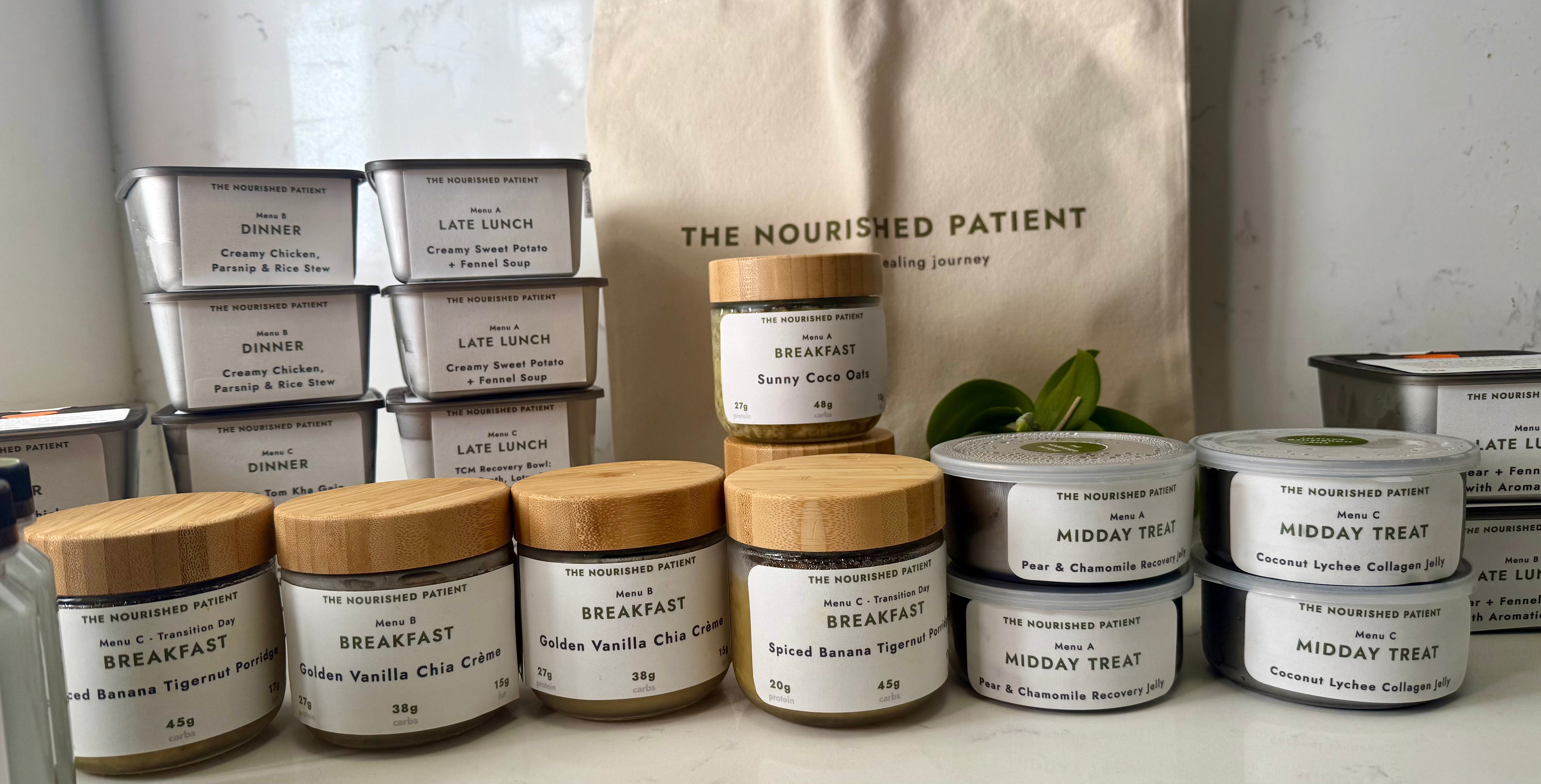
Aim for steady protein at each meal, fruit and vegetables rich in vitamin C, and enough fluid to keep your urine pale. After surgery your appetite may be small, so it helps to keep easy options on hand.
- Greek yogurt, eggs, tender chicken or fish, and tofu cover protein without much cooking.
- Berries, kiwi, oranges and sweet peppers supply vitamin C.
- Oats and cooked vegetables provide fiber, which matters because pain medication can slow digestion.
- Water and broth help with fluid, and an electrolyte drink can add variety.
Our guides to what to eat before surgery and protein after surgery give more detail on amounts and meal ideas.

Supporting Your Body's Healing After Breast Augmentation
Bruising, swelling, and incision healing all draw on the same pool of nutrients, which is why a plan that covers protein, vitamin C, digestion, and hydration tends to be more useful than any single product. Nutritional support will not change how much you bruise, but it helps you go into recovery well prepared and keep eating well while your appetite is low.
Here's the part that doesn't get enough attention: what you're eating (and supplementing) both before and after surgery plays a real role in how efficiently your body repairs tissue.
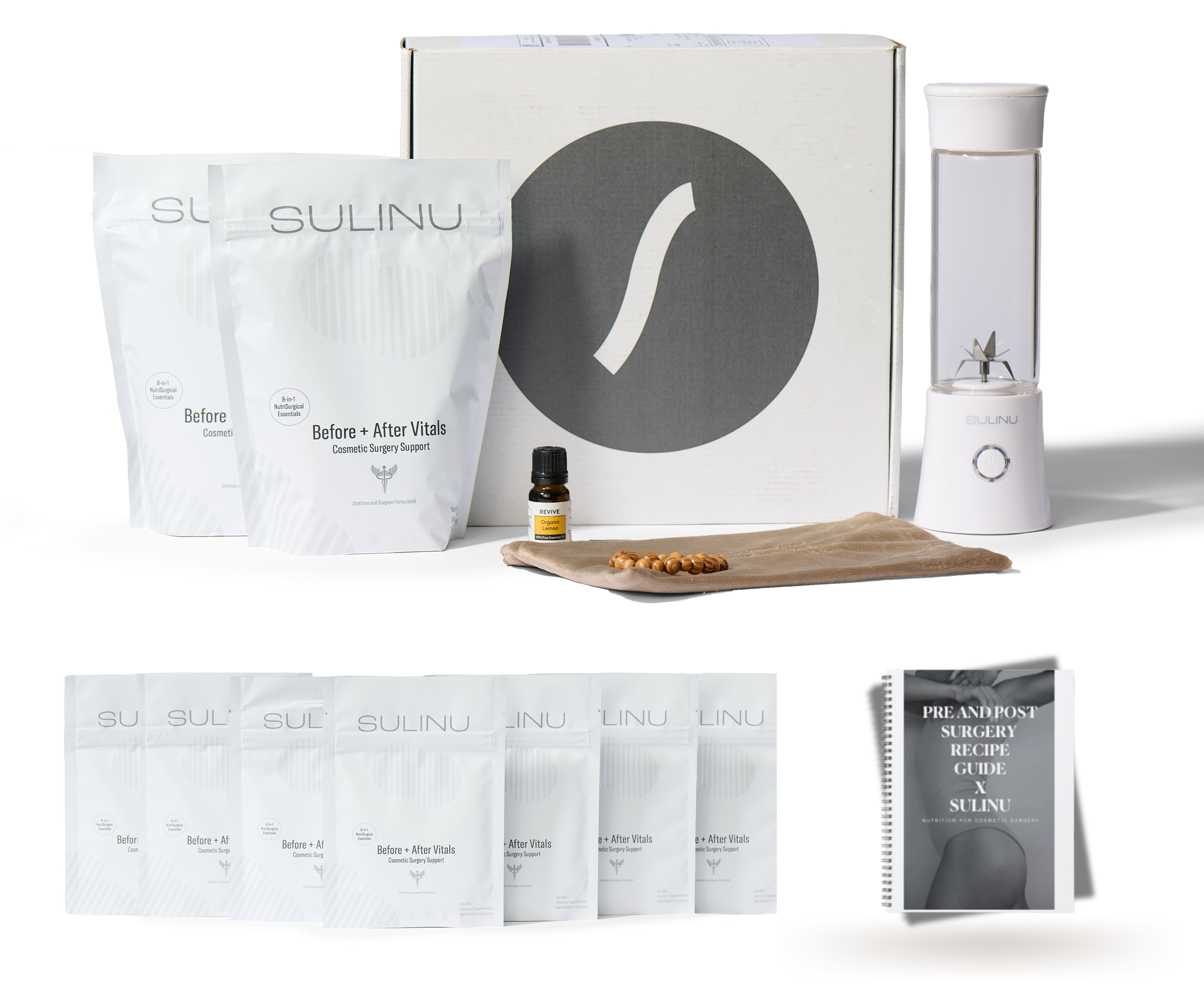
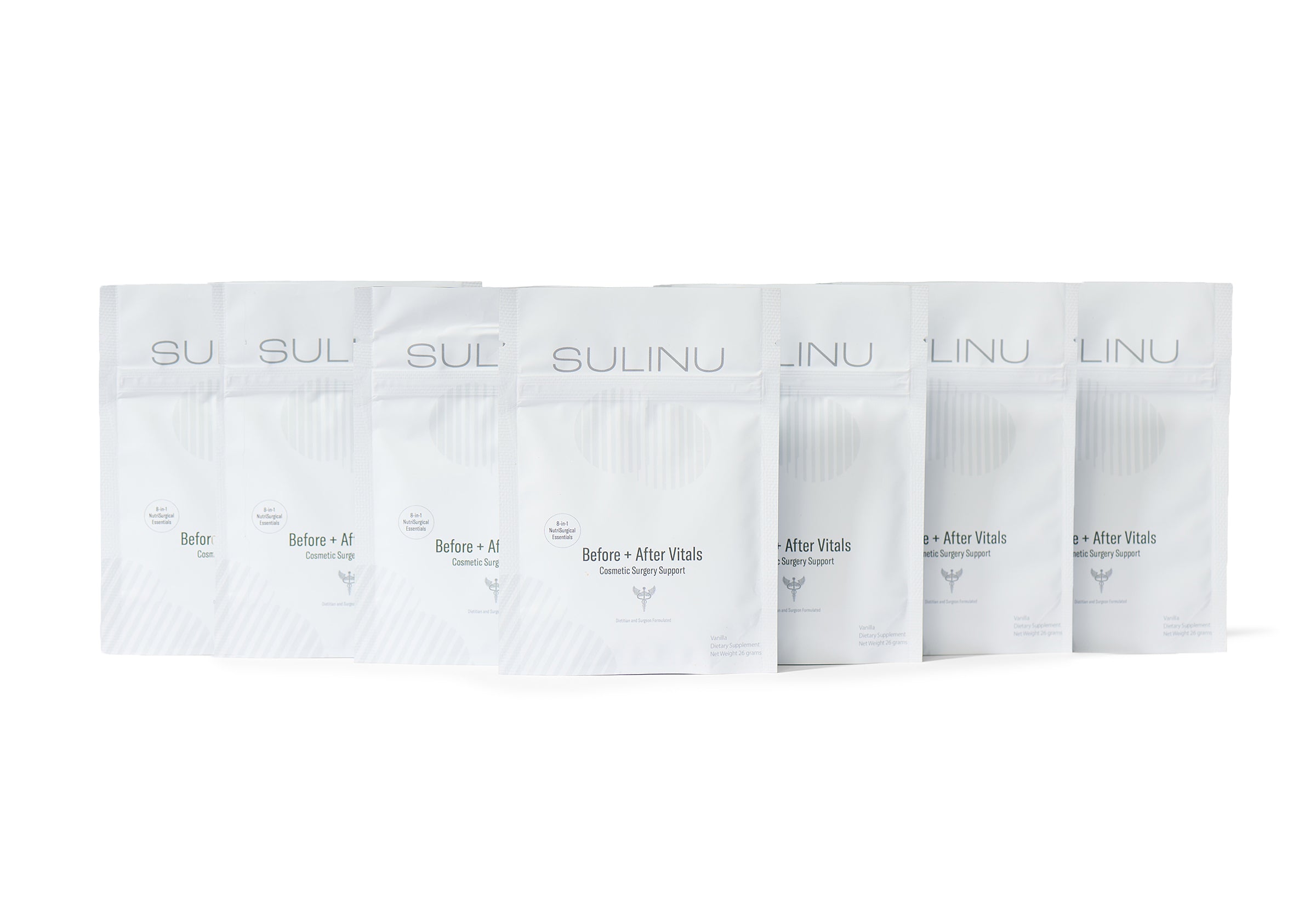
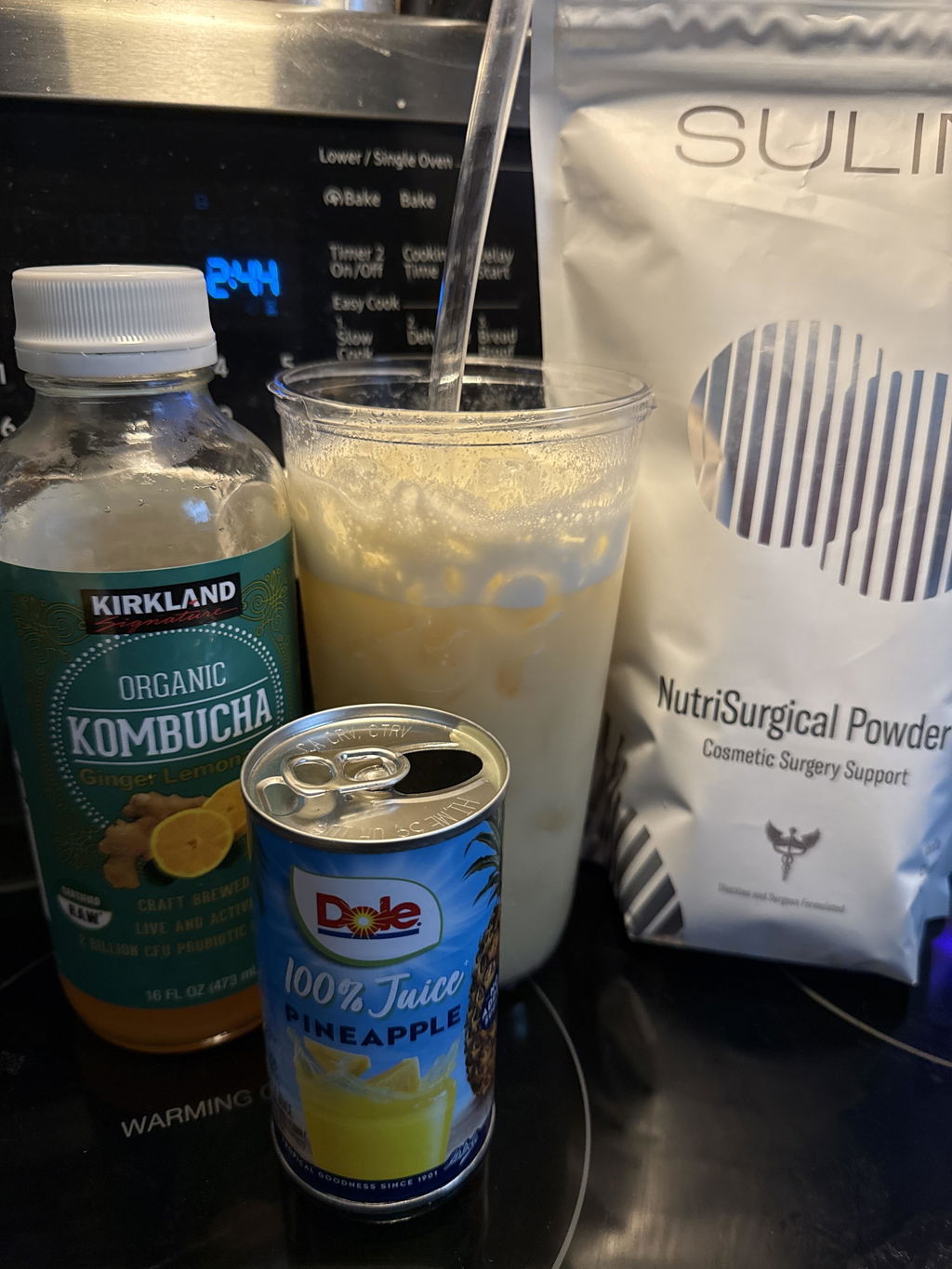
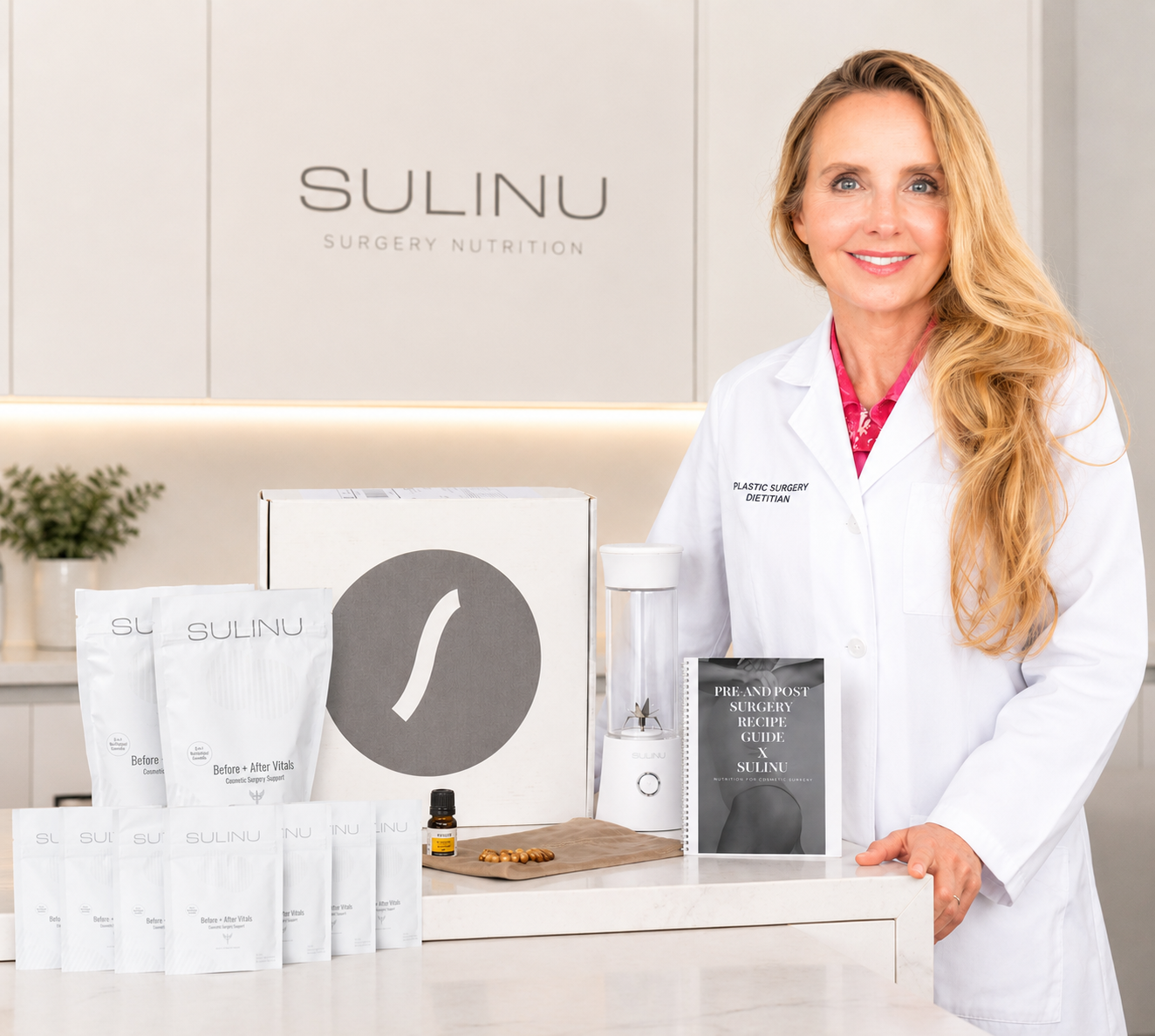
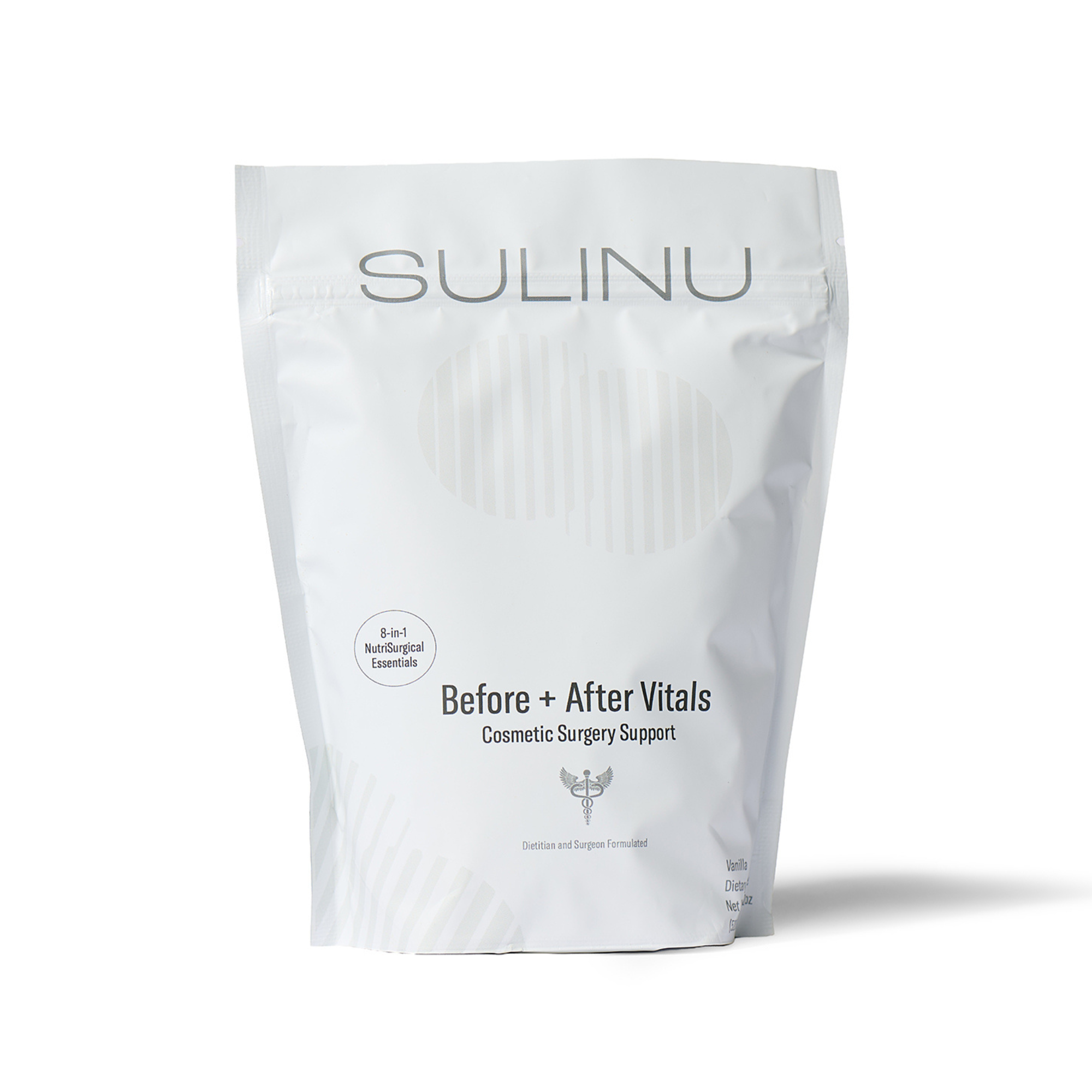
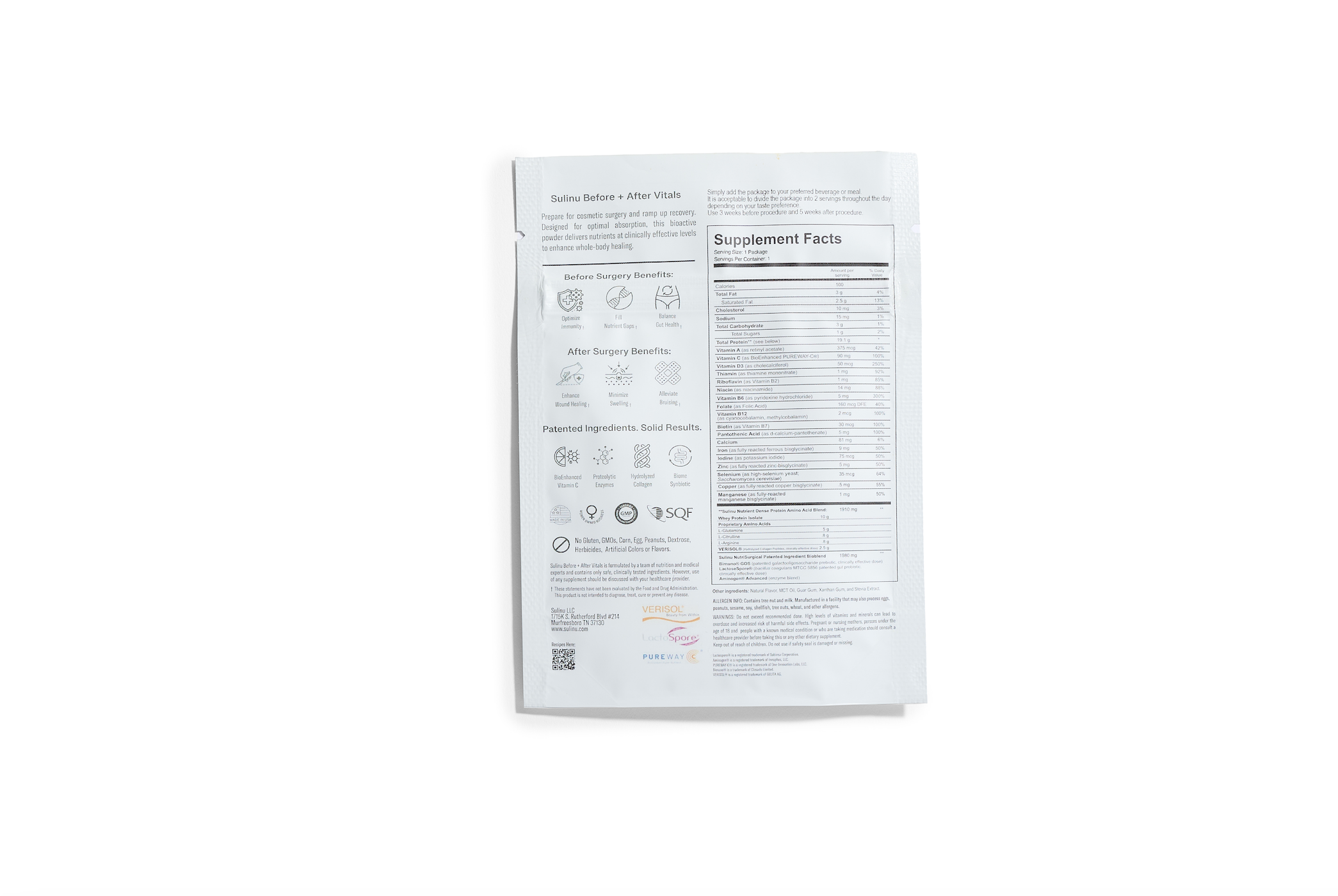
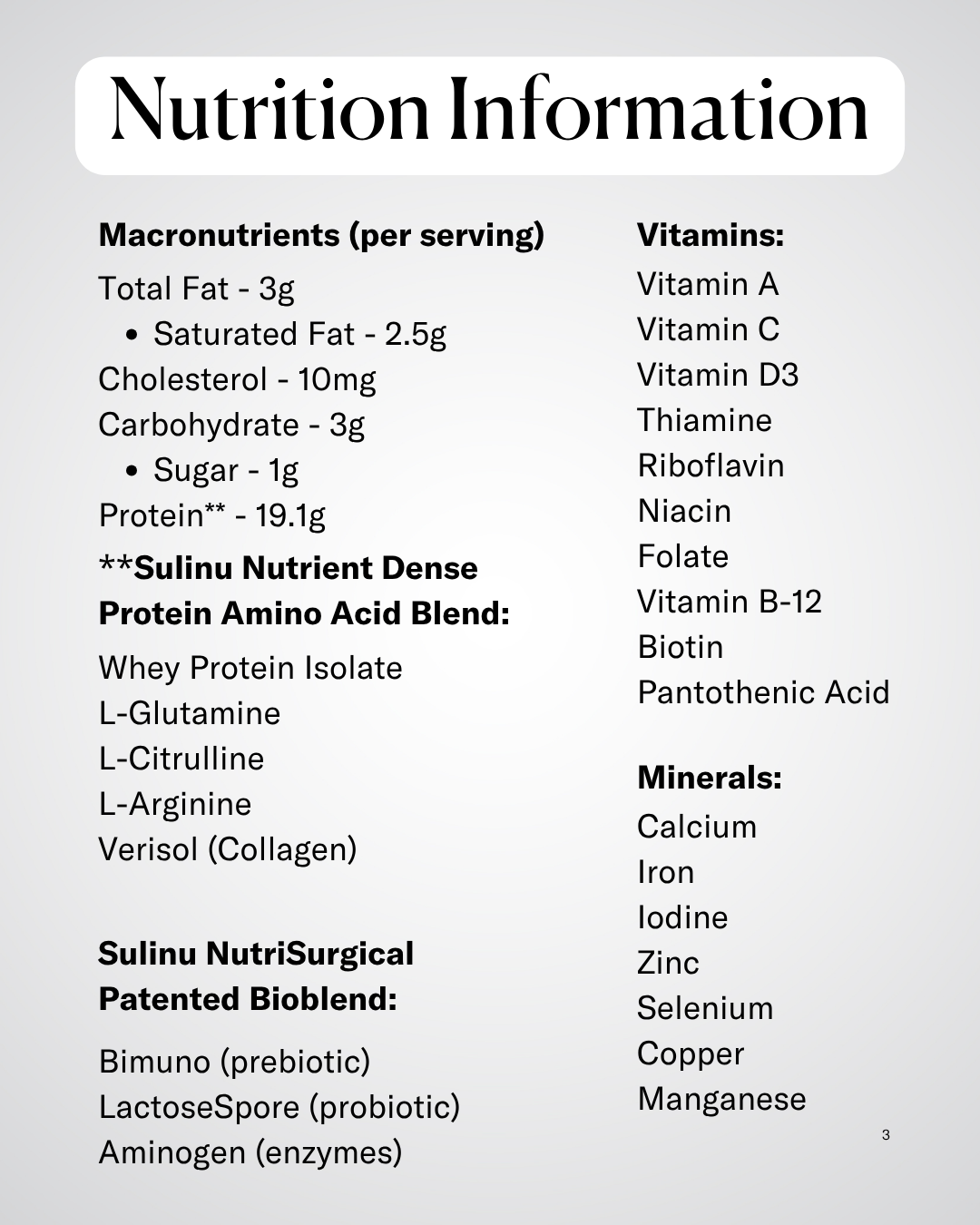
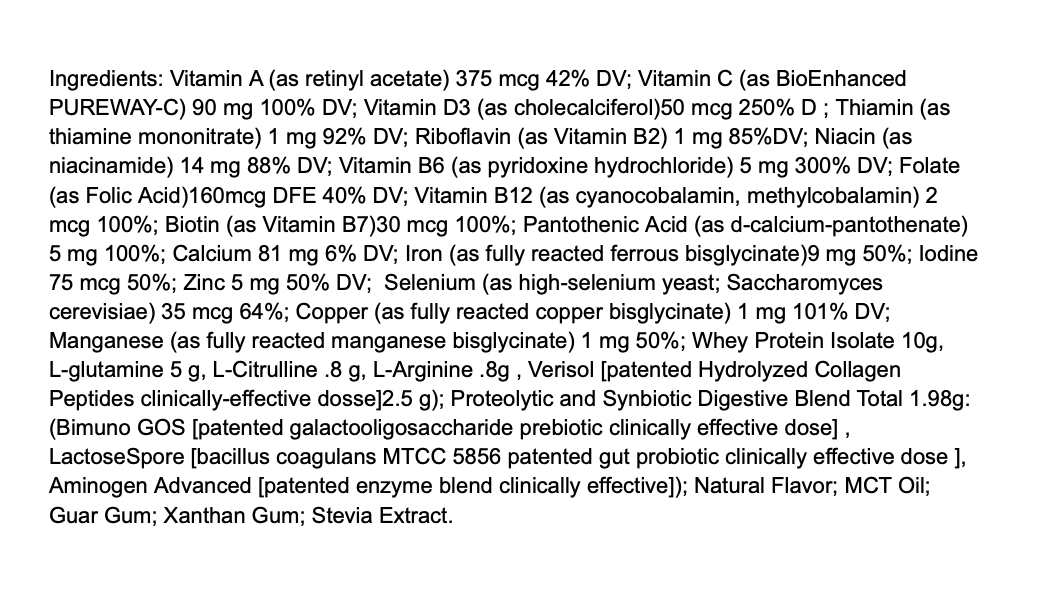
Sulinu's Before + After Vitals is the world's first comprehensive wound healing supplement built specifically for surgery recovery — a NutriSurgical formula, meaning it addresses the surgical healing process directly rather than functioning as a general multivitamin. The formula includes 29 surgeon-approved ingredients, including patented ingredients and a few core components that impact your recovery.
The formula includes 29 surgical essentials:
BioEnhanced Vitamin C
A patented, rapid-absorbing form that some research suggests achieves significantly higher tissue retention than standard ascorbate formulations. Vitamin C is foundational to collagen synthesis, immune defense, and antioxidant protection during the inflammatory phase, all of which directly influence how your body manages bruising, swelling, and the quality of scar tissue over time. It's also formulated to avoid the GI side effects that typically make high-dose vitamin C difficult to tolerate post-surgery.
Hydrolyzed Collagen Peptides
A patented version that some studies indicate may support meaningful improvement in skin elasticity in a matter of weeks. Collagen peptides don't just add collagen. They signal skin cells to produce more of their own. This matters at every stage: for swelling resolution as tissues remodel, for bruising clearance as vascular integrity is restored, and for scar quality as new tissue architecture forms.
Proteolytic Enzymes
Patented enzymes that, when combined with protein, some research suggests, can help double total amino acid absorption. Amino acids are the building blocks your body uses to repair incision tissue, clear inflammatory debris, and build new scar architecture. Getting more of them absorbed, not just consumed, is the goal.
Biome Synbiotics
Surgery disrupts gut health, and disrupted gut health disrupts everything else: nutrient absorption, immune function, inflammatory response. Prolonged bruising and swelling are often downstream of a gut that isn't processing and delivering nutrients efficiently. This patented prebiotic and probiotic blend is designed to survive stomach acid and arrive active in the gut, supporting the digestive foundation that makes all other healing nutrients work.
The formula also includes targeted amino acids (L-glutamine, L-citrulline, L-arginine), essential vitamins (A, B-complex, C, D3), and minerals (zinc, copper, manganese, iron) — all in clinically relevant dosages, not token inclusions.
No GMOs. No gluten. No artificial colors. No ingredients that interfere with each other. Everything in Before + After Vitals is there because it has a specific job in your recovery.
Scoop. Mix. Heal.

How much do I need to support my breast augmentation surgery recovery?
Our recommended protocol is two bags total for most surgeries.
1 bag for before surgery
1 bags for after surgery
![The PREP STARTER Kit [free shipping] features cosmetic surgery support supplements in a large pouch with three small packets, accompanied by the Best Proteins Guide booklet showcasing a black and white photo of a woman’s midsection—the perfect addition to your surgery prep kit and trusted pre-op supplement routine.](https://cdn.shopify.com/s/files/1/0629/0590/9502/files/B3FA903F-D7B8-4185-A129-BB3E7405FDB9.png?v=1788283272)
Prepping for Breast Augmentation Surgery?
Get everything you need to start prepping your body before surgery - our highly rated supplement, travel-ready packs, and the guide that tells you exactly how to eat right leading up to your procedure.
Already healing from surgery? You can still support your results!
Bruising, scarring, and swelling don't stop mattering after surgery. You've got up to a year to still influence how your tissue heals. Starting now still counts.
The Ultimate Surgery Bundle
A few practical habits make a real difference during this phase of recovery:

Breast Surgery Recovery Nutrition
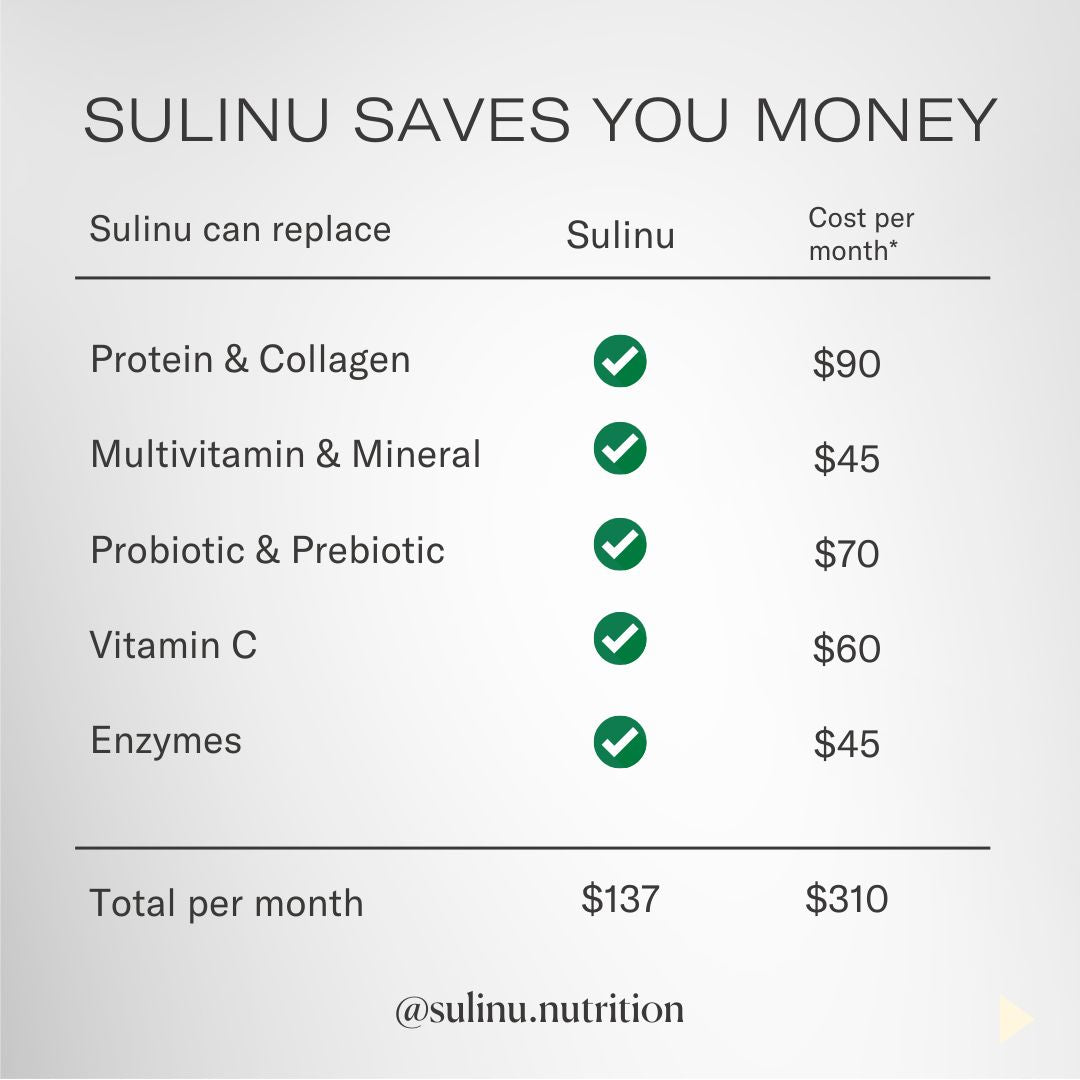
Surgery recovery means your body needs more than a standard multivitamin can offer. Before + After Vitals delivers patented ingredients formulated to support tissue repair and circulation during recovery — no piecing together separate pills required.
Don't stop at supplements. The Ultimate Surgery Bundle hands you eight expert guides so nothing about recovery catches you off guard.
What practical tips help with bruising at home?
Follow your surgeon's instructions first, then use small comforts that keep you moving and calm. The habits below are common, but your surgeon's guidance always comes first.
-
Wear a post-surgical support bra as directed. Gentle, consistent support limits movement and adds compression where its needed most. The Larissa Bra is designed specifically for breast surgery recovery.
-
Rest your arms. Avoid reaching overhead or lifting until you are cleared.
-
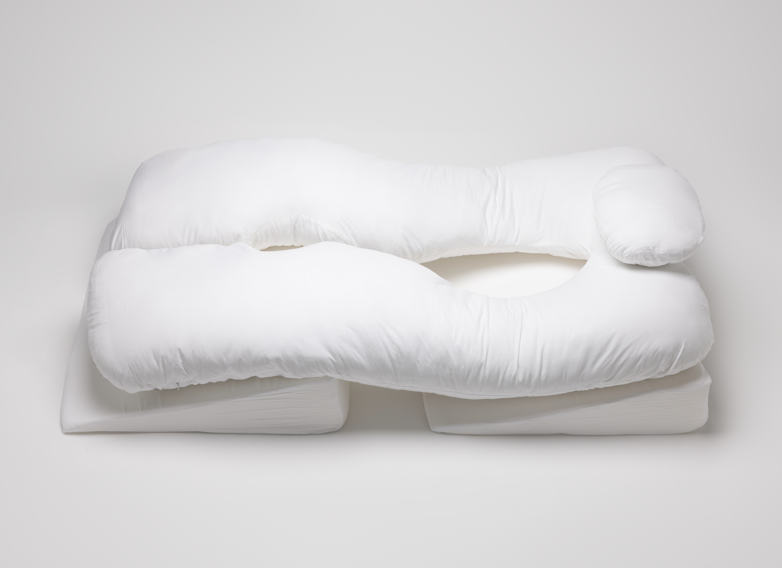
Sleep propped up. Many surgeons recommend sleeping on your back with your upper body elevated. A post-surgical pillow made specifically for breast surgery recovery can help follow doctors orders in maintaining the elevated sleep position which helps prevent rolling onto healing incisions.
-
Walk short distances. Light movement supports circulation and lowers the chance of clots.
-
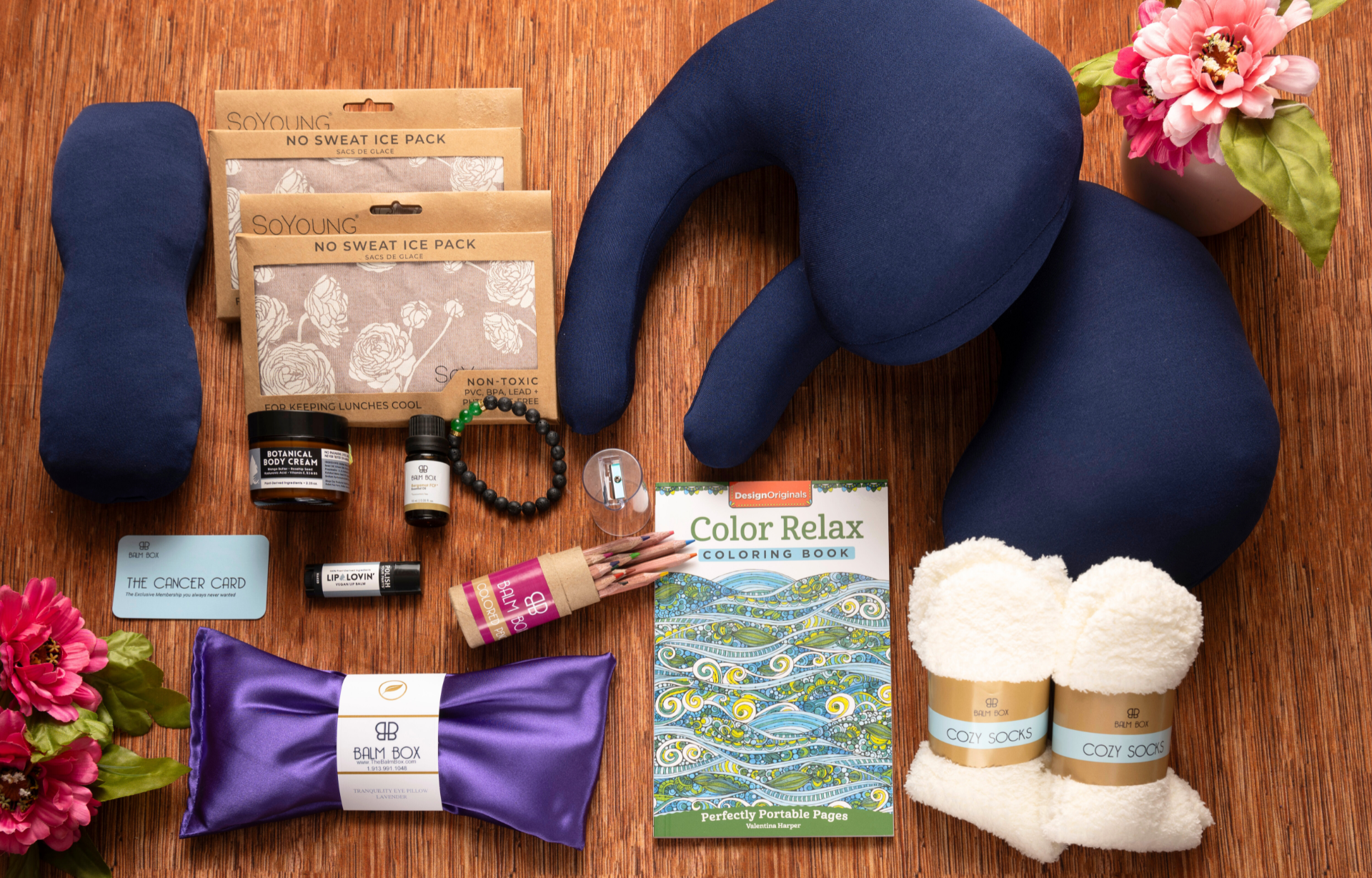
Use cold only if allowed. Some surgeons approve a cold pack wrapped in cloth for short periods. Others do not want cold applied near implants early on. Ask.
-
Keep fluids up. Dehydration makes everything feel worse.
-
Avoid alcohol while you are on pain medication. Alcohol can also affect how you bruise and heal.
-
Take photos. They help you see progress and give your surgeon something to review.
What about creams, massage and scar care?
Hold off on anything that touches the incisions until they are fully closed and your surgeon approves. That includes silicone sheets or gel and any massage. Bruise creams and arnica gels should also be cleared first, since they should not go on or near healing incisions.
Once your surgeon approves, silicone products and gentle massage are common parts of scar care. The breast augmentation scars guide walks through timing and what to expect as scars mature. For swelling, our post on how to reduce swelling after plastic surgery gives complementary advice.
Questions to Ask Your Surgeon
- Which supplements and medications should I stop before surgery, and on what dates?
- When can I restart them, and are any of them off limits until I am fully healed?
- Is arnica, bromelain or any other bruise product acceptable in my case?
- Is it fine to take a vitamin C or multivitamin supplement before and after surgery?
- How should I manage pain relief without aspirin or anti-inflammatory drugs?
- Can I use a cold pack, and where?
- What does normal bruising look like for my implant placement?
- Which signs should make me call right away, and what number do I use after hours?
- When can I begin silicone or massage for my scars?
When to Contact Your Surgical Team
Call your surgeon promptly, or seek emergency care when instructed, if you notice any of the following.
- One breast quickly becomes much larger, tighter or more painful than the other
- Bruising that spreads fast or seems to be expanding
- A firm, hot or very tender area that is getting worse
- Redness that spreads, fever or chills
- Drainage with an odor or incisions that open
- Calf pain or swelling, chest pain or shortness of breath (seek emergency care)
- Pain that is not controlled by the medication you were given
FAQs: Supplements and Bruising After Breast Augmentation
1. Do supplements really help bruising after breast augmentation? Some nutrients support normal tissue repair, but none has been shown to erase a bruise. The strongest support is for eating enough protein and vitamin C and following your surgeon's plan.
2. Should I start supplements before surgery? Only the ones your surgeon approves. Some supplements, such as vitamin E and fish oil, are commonly paused beforehand, while others may be encouraged to build up nutrition.
3. Is bromelain safe after breast augmentation? Ask first. Bromelain may affect clotting in some people, so many surgeons want it started only after they approve.
4. Does arnica work for bruising? Evidence is limited. A 2021 meta-analysis found a small effect over placebo that did not reach statistical significance, and trials varied in quality (source). Check with your surgeon before using it.
5. How long should I take supplements after surgery? Healing does not start on the day of surgery, and it does not stop when the swelling eases, so the most useful plan covers both sides of the procedure. The Before + After Vitals protocol is one bag before surgery and one bag after. Shop our breast augmentation supplements, and check with your surgeon before you start.
6. Can I take vitamin C and a multivitamin together? Often yes, but total intake matters, and high doses of some vitamins and minerals are not helpful. Review everything with your care team.
7. Why is my bruising moving down my chest or stomach? Gravity pulls pooled blood toward lower areas. This is common, but call your team if swelling is lopsided or painful.
8. Will drinking more water reduce bruising? Hydration supports circulation and digestion, and dehydration makes recovery harder. It will not remove a bruise, but it helps your body work as it should.
9. What foods are best during breast augmentation recovery? Protein at each meal, produce rich in vitamin C, fiber for digestion and fluids. Keep the foods simple when appetite is low.
10. Can I use bruise creams on my breasts? Only if your surgeon says it is fine, and never on incisions that are not fully closed.
11. When will I look normal again? Most bruising has faded by about four to six weeks, though some swelling and firmness can remain longer. Shape continues to settle for months.
Medical Disclaimer
The information provided in this article is for general educational purposes only and is not intended to constitute medical advice, diagnosis, or treatment.
Every individual's healing process is unique, and outcomes vary based on a wide range of factors, including health status, surgical technique, and post-operative care. Always follow the specific guidance of your board-certified plastic surgeon and medical team.
If you experience any concerning symptoms during recovery — including signs of infection, wound separation, or unusual pain — contact your surgical team immediately.
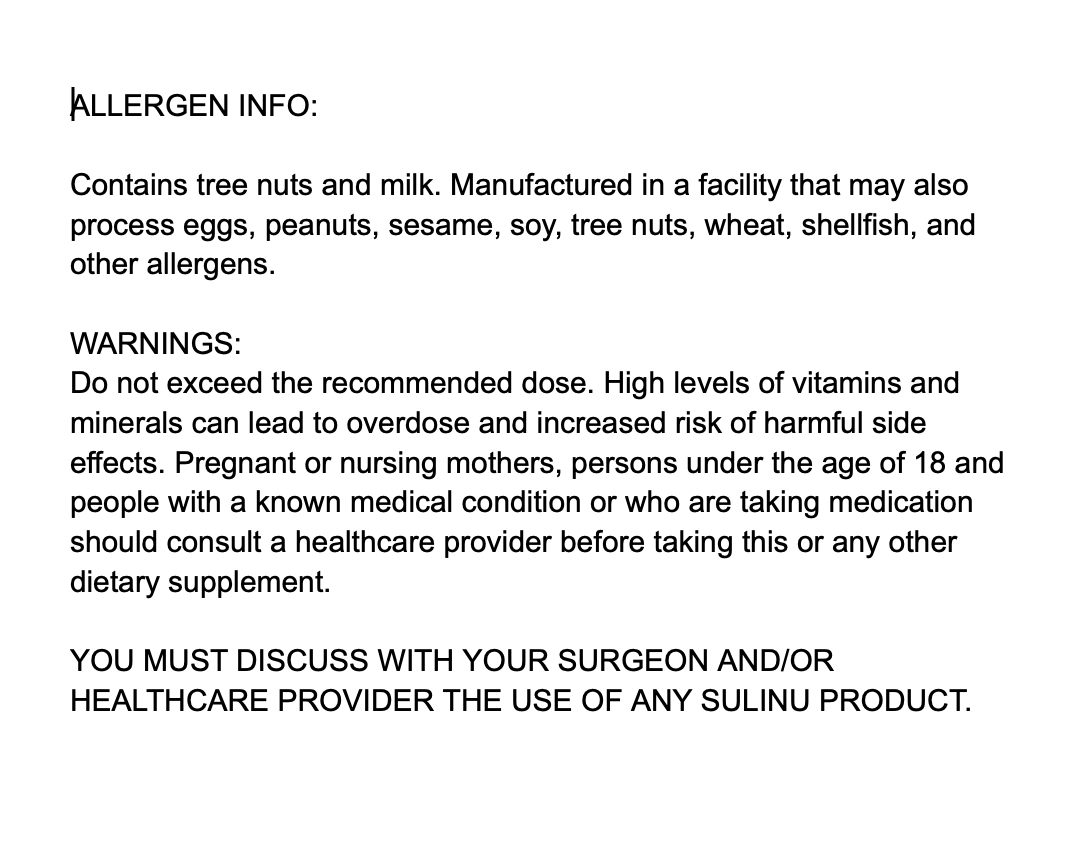
These statements have not been evaluated by the Food and Drug Administration. Sulinu's Before + After Vitals is not intended to diagnose, treat, cure, or prevent any disease.

![A ⭐BEST VALUE⭐ The Prep + Recovery Bundle [free shipping] package is displayed on a white background with text highlighting its clinical benefits and international sourcing, emphasizing improved nerve regeneration, better protein absorption, and faster healing—making it an ideal addition to any surgical recovery kit.](http://www.sulinu.com/cdn/shop/files/2.jpg?v=1776452906&width=1080)
![A promotional image for The PREP STARTER Kit [free shipping], showcasing its key benefits such as protein, vitamins, minerals, amino acids, probiotics, and enzymes. Featured as an essential pre-op supplement in your surgery prep kit, the product bag is displayed alongside fresh green vegetables on a light background.](http://www.sulinu.com/cdn/shop/files/12.jpg?v=1776452906&width=1080)
![A hand holds a scoop of white powder above an open bag of The PREP STARTER Kit [free shipping]. Text highlights that this research-based formula aids surgery recovery, delivers 19g of protein and 29 carefully selected ingredients per daily scoop—making The PREP STARTER Kit an essential addition to any surgery prep kit.](http://www.sulinu.com/cdn/shop/files/3.jpg?v=1776452906&width=1080)
![A woman’s face in close-up appears on the left. On the right, text explains post-surgery risks: metabolism rises, appetite drops, food intake falls, and nutrient needs soar. The message: your body needs more while you eat less—making The PREP STARTER Kit [free shipping] essential for recovery.](http://www.sulinu.com/cdn/shop/files/9.jpg?v=1776452906&width=1080)
![Text graphic explaining consequences of not fueling the healing body: slower wound healing, higher infection risk, more bruising, increased fatigue, pain, and constipation. Highlights that nutrition is essential for recovery but often overlooked—using The PREP STARTER Kit [free shipping] can help support your body and make all the difference for surgical recovery.](http://www.sulinu.com/cdn/shop/files/10.jpg?v=1776452906&width=1080)
![A smiling woman holding a box labeled The PREP STARTER Kit [free shipping] stands beside text explaining the purpose behind creating The PREP STARTER Kit: to support post-surgery recovery by providing targeted nutrition backed by real clinical data, serving as an essential surgery protein guide for patients seeking optimal outcomes.](http://www.sulinu.com/cdn/shop/files/14.jpg?v=1776452906&width=1080)
![A person in a fitted outfit poses against a neutral background. Text reads ⭐BEST VALUE⭐ The Prep + Recovery Bundle [free shipping]. Discover the ultimate surgery prep bundle—nutrition for cosmetic surgery and essential support for your recovery kit.](http://www.sulinu.com/cdn/shop/files/UltimateSurgeryBundle-Sulinu.png?v=1775162796&width=537)