Protein, iron, vitamin C, and zinc are the nutrients that matter most before and after a mastectomy, and getting enough of them starts well before surgery day, not after.
Surgery places real demands on the body, including rebuilding tissue, managing inflammation, and supporting immune function. These demands are higher than what most people eat on an average day, mastectomy or not. Knowing what to prioritize beforehand, what actually helps in the weeks after, and what's worth limiting along the way makes it easier to walk into surgery prepared and come out of it healing as well as possible.
Why Nutrition Matters More Than Usual Around Mastectomy Surgery
Any surgery raises the body's nutritional needs, but a mastectomy carries a few considerations that make eating well beforehand and afterward especially worthwhile. Wound healing is a resource-intensive process: the body needs protein to rebuild tissue, vitamin C and zinc to support collagen formation, and iron to help replace blood lost during surgery, all while managing a heightened inflammatory response.
For many patients, mastectomy surgery follows a period of cancer treatment. Chemotherapy, in particular, can already affect appetite, taste, and nutritional status well before surgery is ever scheduled. That means some patients are walking into their procedure with less nutritional reserve than they would otherwise have, which makes deliberate attention to food in the weeks leading up to surgery more important, not less.
Recovery itself often comes with practical eating challenges too: reduced appetite from anesthesia and pain medication, fatigue that makes meal prep harder than usual, and sometimes temporary changes to digestion. None of that makes eating well impossible, but it does mean the plan matters more than it would for a lower-impact procedure.
What to Eat Before Mastectomy Surgery
The two to four weeks before surgery are when nutritional prep actually pays off, since the body needs time to build reserves rather than catch up after the fact.
Protein, at every meal. Protein is the building block for the tissue repair that's about to happen, and most people eating a typical diet fall short of what surgical healing actually requires. Lean meats, fish, eggs, Greek yogurt, legumes, and protein-forward smoothies are all practical ways to increase intake without a complete diet overhaul.
Iron-rich foods. Surgery involves some blood loss, and the body needs iron to rebuild red blood cells afterward. Red meat, spinach, lentils, and fortified cereals are solid sources, and pairing iron-rich foods with vitamin C (like spinach with citrus) improves how well the iron is actually absorbed.
Vitamin C. Beyond supporting iron absorption, vitamin C is directly involved in collagen synthesis, which is central to how incisions close and scars form. Citrus fruit, bell peppers, strawberries, and broccoli are all strong sources.
Zinc. Zinc plays a direct role in wound healing and immune function. Pumpkin seeds, shellfish, chickpeas, and lean beef are good dietary sources.
Hydration, consistently. Adequate hydration supports circulation and the body's overall ability to deliver nutrients where they're needed, and it's easy to let slip in the stress of preparing for surgery.
What to Eat After Mastectomy Surgery
The first several days after surgery are often the hardest for eating well, simply because appetite tends to be low exactly when nutritional needs are highest.
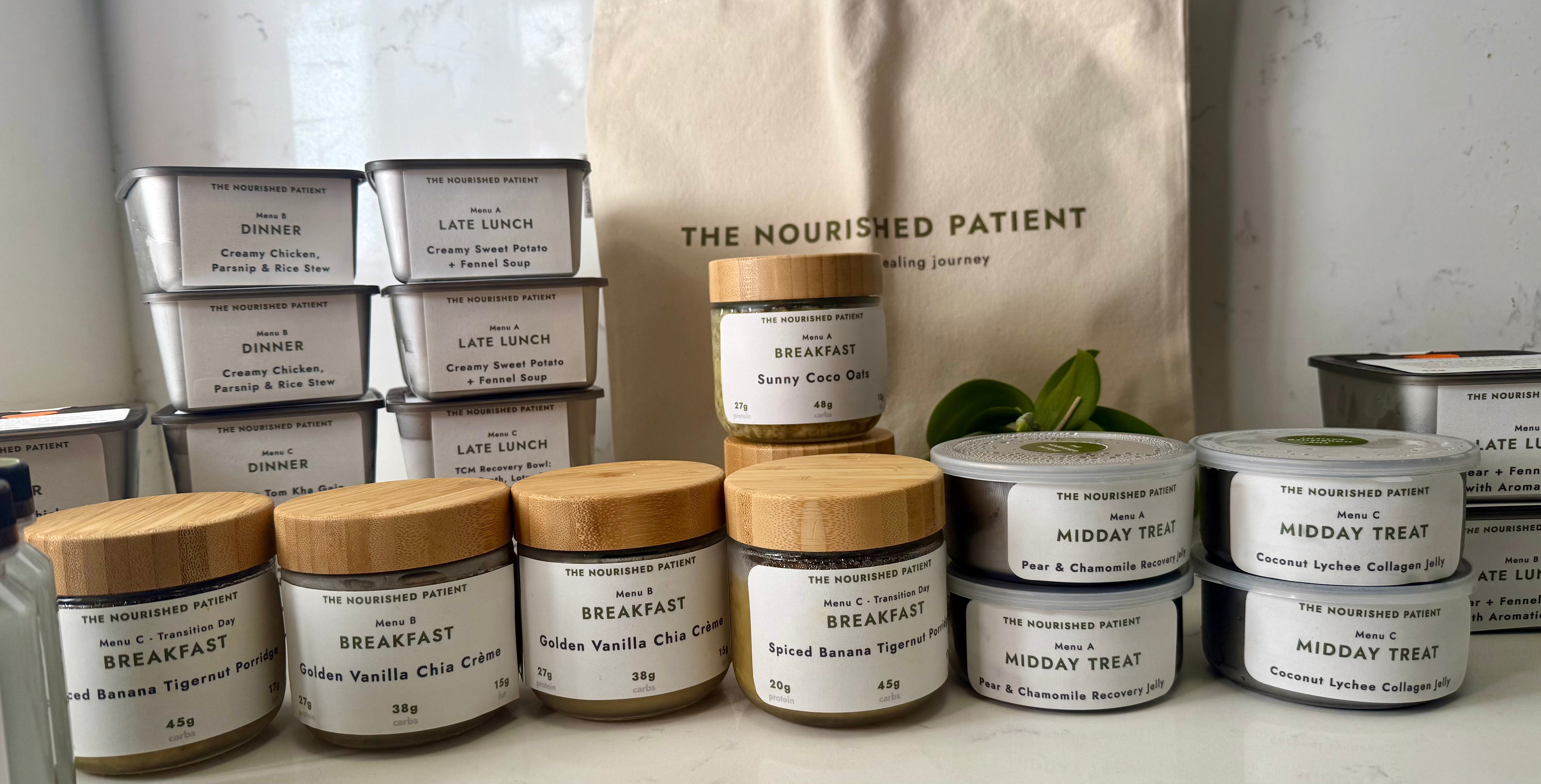
In the first few days, focus on what's actually tolerable rather than forcing a perfect plate. Smoothies, broths, scrambled eggs, and soft, protein-containing foods are often easier to manage than large meals, especially with reduced appetite or mild nausea from anesthesia or pain medication. Getting some protein in, even in smaller amounts spread throughout the day, matters more than hitting a perfect macro target.
Fiber deserves attention too, since pain medication commonly causes constipation during this window. Fruits, vegetables, whole grains, and adequate fluid intake all help keep digestion moving, which matters more for comfort during recovery than people often expect going in.
As appetite returns over the following weeks, the same priorities from before surgery, including protein, vitamin C, zinc, iron, continue to matter, since the tissue repair and collagen remodeling process continues for months after the incision itself has closed, not just in the first few weeks.
Smaller, more frequent meals are often easier to manage than three large ones during the early weeks, particularly if appetite is still recovering or mobility is limited.
Foods and Habits to Limit
A few things are worth scaling back or eliminated entirely, both before and after surgery.
Alcohol. Alcohol can interfere with wound healing and interact with pain medication, and most surgeons recommend avoiding it for a designated period both before and after surgery. Ask your surgical team for specific timing on when to do this, so you'll be prepared well in advance.
Excess sodium. High sodium intake can contribute to fluid retention and swelling, which is worth being mindful of during the early recovery weeks in particular.
Certain supplements before surgery. Blood-thinning supplements, including fish oil, high-dose vitamin E, turmeric or curcumin supplements, and concentrated garlic supplements, are typically discontinued about two weeks before surgery. Always review your complete supplement and medication list with your surgical team.
Highly processed, low-nutrient foods. Not because any individual food is off-limits, but because the recovery window is a period where food is doing real metabolic work, and meals built around whole, nutrient-dense ingredients simply do more for healing than heavily processed alternatives.
Nutrition Support During Recovery
This is the part that doesn't get enough attention: what you're eating, and supplementing, during recovery plays a real role in how efficiently your body repairs tissue. Getting it right through food alone is genuinely difficult during a period when appetite is low and energy is limited.

Before + After Vitals for Mastectomy Recovery
Here's the part that doesn't get enough attention: what you're eating (and supplementing) during mastectomy recovery plays a real role in how efficiently your body repairs tissue.
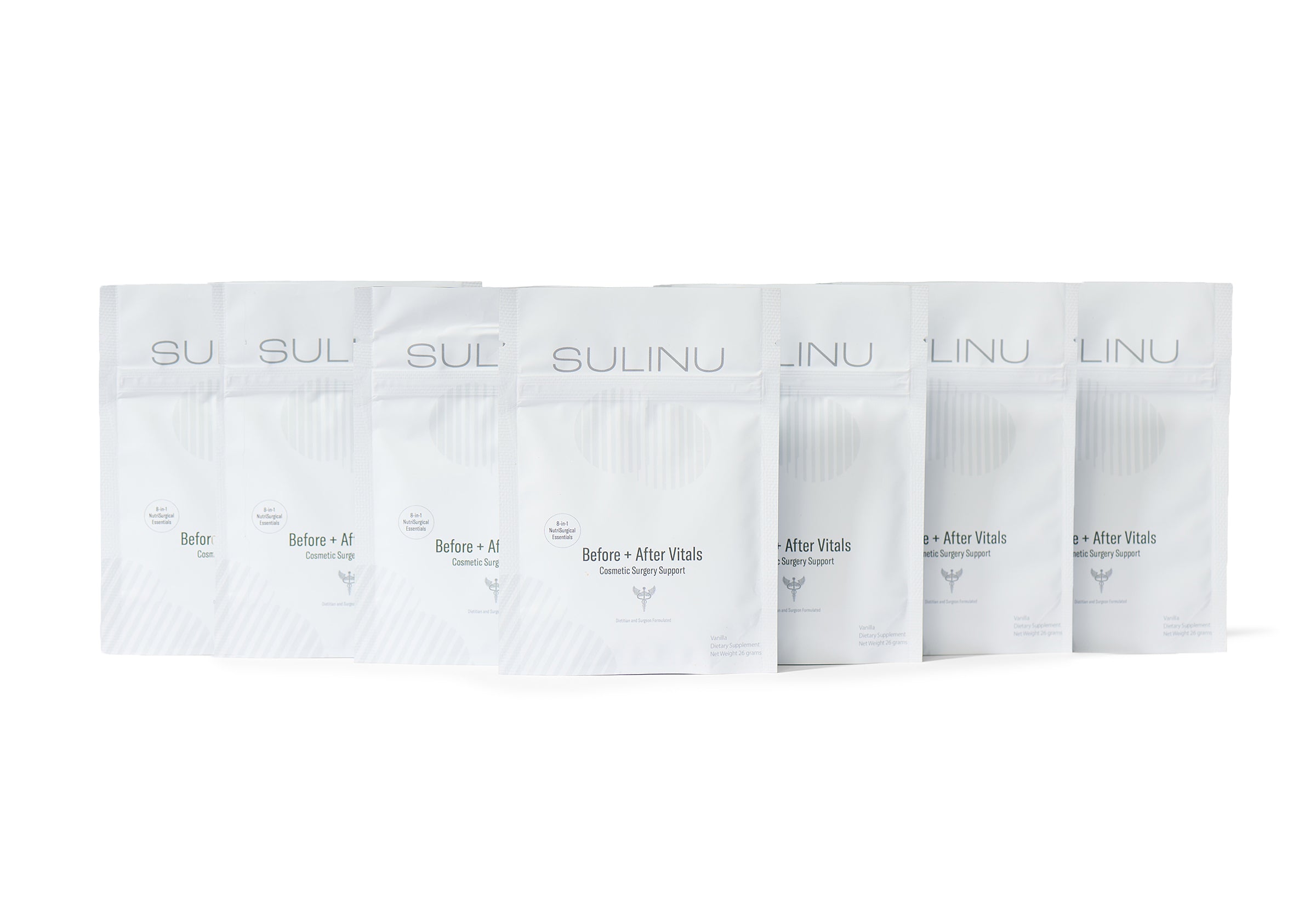
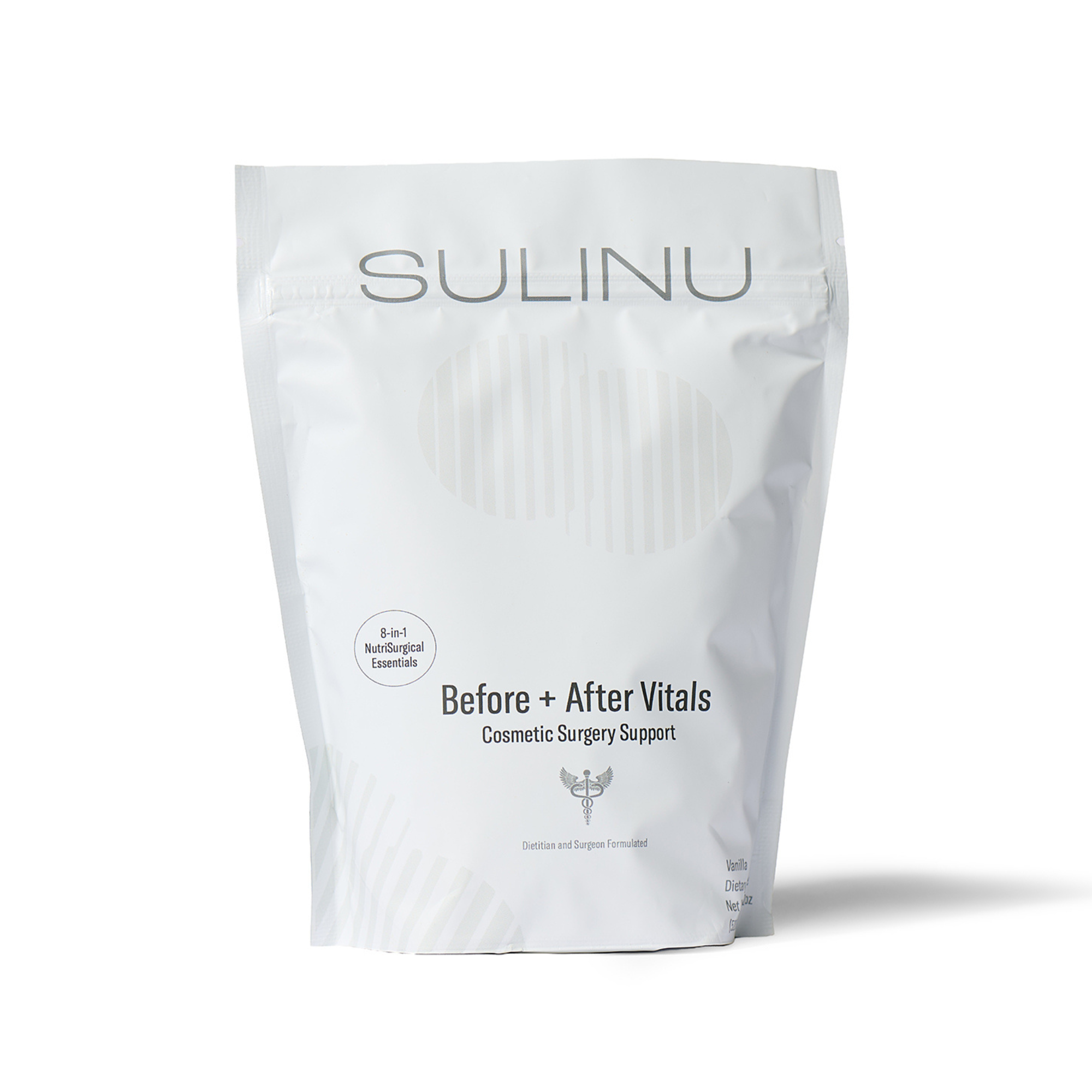
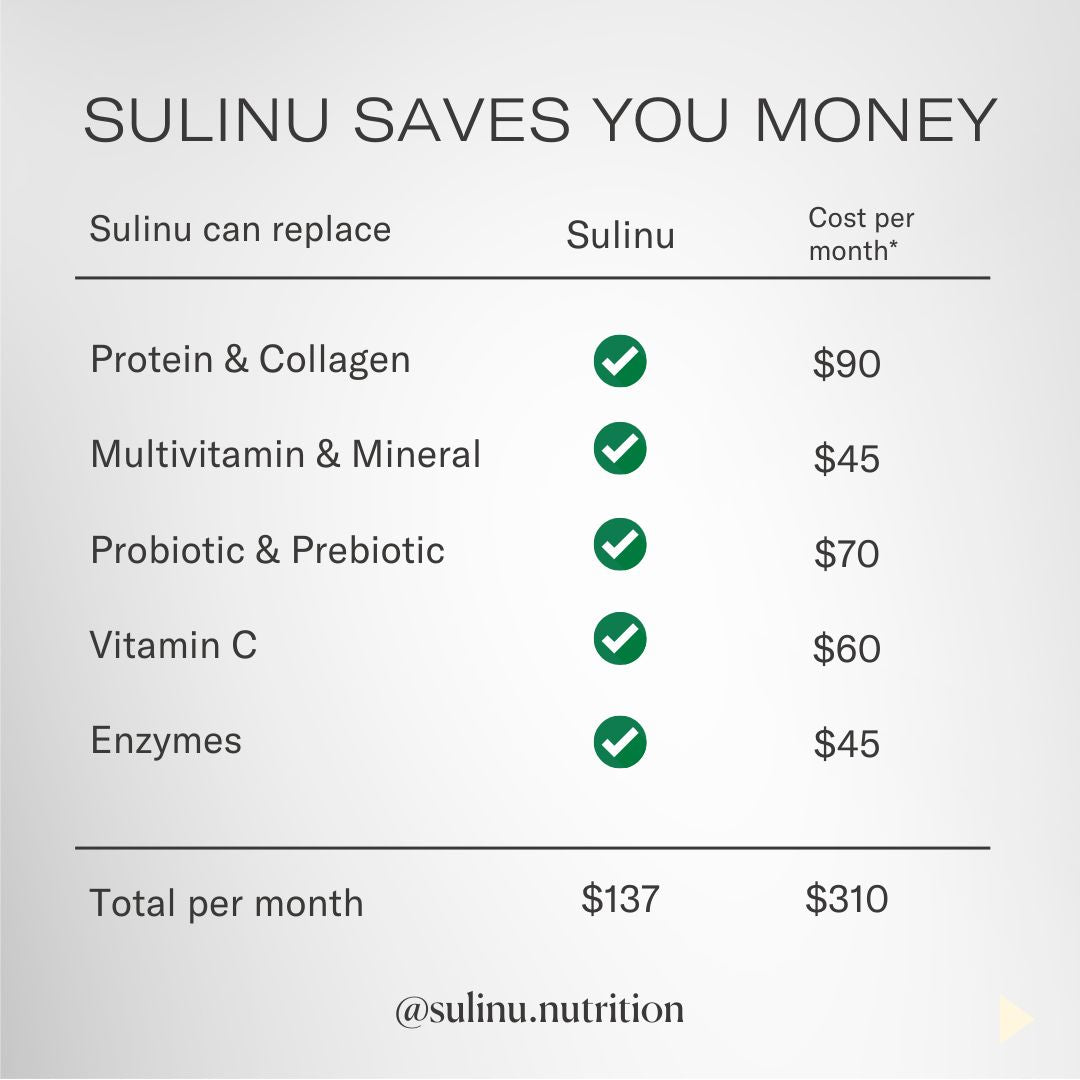
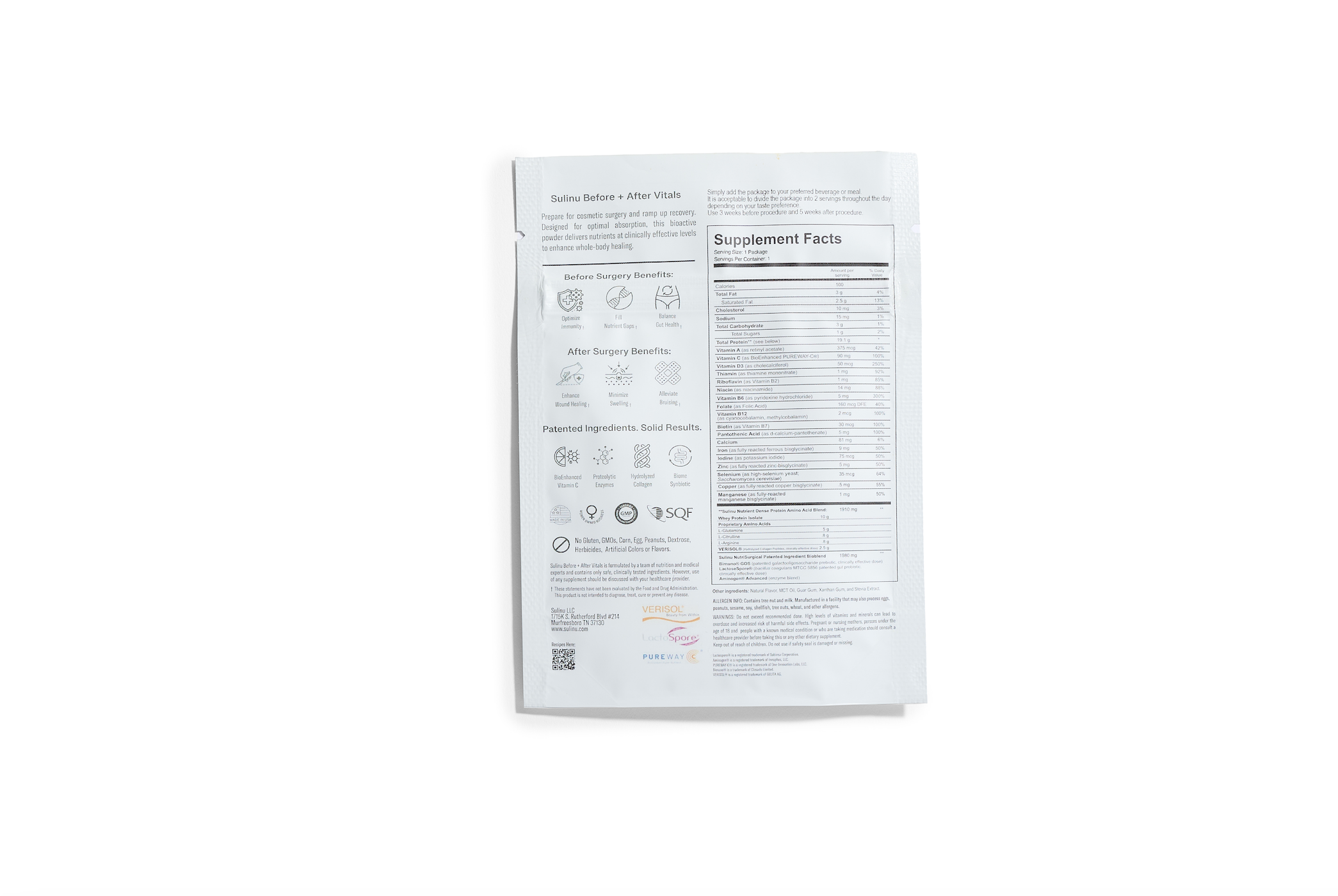
Sulinu's Before + After Vitals is the world's first comprehensive wound healing supplement built specifically for surgery recovery — a NutriSurgical formula, meaning it addresses the surgical healing process directly rather than functioning as a general multivitamin. The formula includes 27 surgeon-approved ingredients, including patented ingredients and a few core components that impact your recovery.
Before + After Vitals was originally developed with cosmetic surgery patients in mind, but wound healing works the same way regardless of why the incision was made.
The nutritional demands of tissue repair don't shift based on the reason for surgery, which is why the formula supports recovery from medically necessary procedures like a mastectomy just as effectively.
The formula includes 27 surgical essentials:
BioEnhanced Vitamin C
A patented, rapid-absorbing form that some research suggests achieves significantly higher tissue retention than standard ascorbate formulations. Vitamin C is foundational to collagen synthesis, immune defense, and antioxidant protection during the inflammatory phase, all of which directly influence how your body manages bruising, swelling, and the quality of scar tissue over time. It's also formulated to avoid the GI side effects that typically make high-dose vitamin C difficult to tolerate post-surgery.
Hydrolyzed Collagen Peptides
A patented version that some studies indicate may support meaningful improvement in skin elasticity in a matter of weeks. Collagen peptides don't just add collagen. They signal skin cells to produce more of their own. This matters at every stage: for swelling resolution as tissues remodel, for bruising clearance as vascular integrity is restored, and for scar quality as new tissue architecture forms.
Proteolytic Enzymes
Patented enzymes that, when combined with protein, some research suggests, can help double total amino acid absorption. Amino acids are the building blocks your body uses to repair incision tissue, clear inflammatory debris, and build new scar architecture. Getting more of them absorbed, not just consumed, is the goal.
Biome Synbiotics
Surgery disrupts gut health, and disrupted gut health disrupts everything else: nutrient absorption, immune function, inflammatory response. Prolonged bruising and swelling are often downstream of a gut that isn't processing and delivering nutrients efficiently. This patented prebiotic and probiotic blend is designed to survive stomach acid and arrive active in the gut, supporting the digestive foundation that makes all other healing nutrients work.
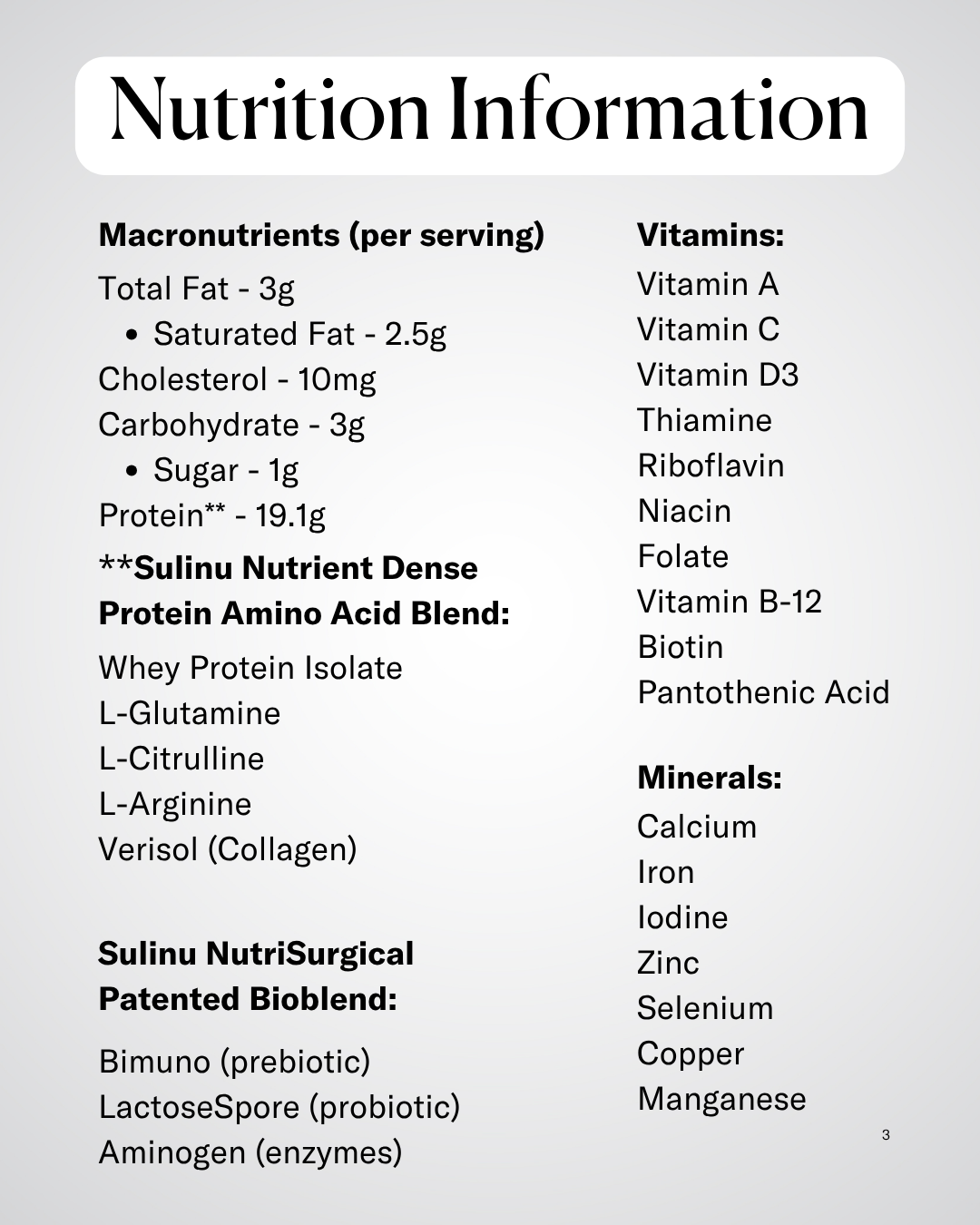
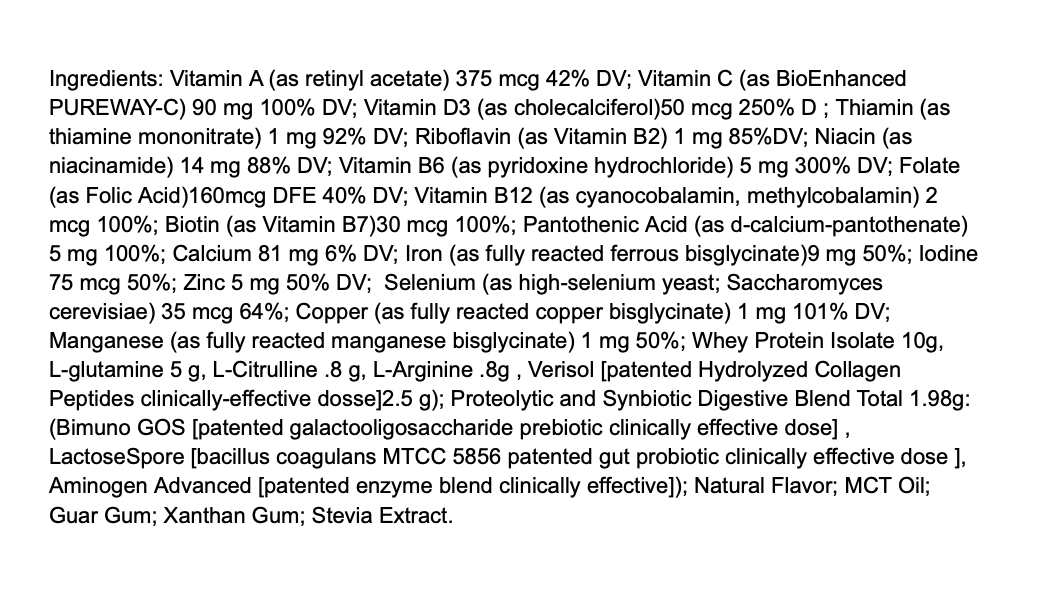
The formula also includes targeted amino acids (L-glutamine, L-citrulline, L-arginine), essential vitamins (A, B-complex, C, D3), and minerals (zinc, copper, manganese, iron) — all in clinically relevant dosages, not token inclusions.
No GMOs. No gluten. No artificial colors. No ingredients that interfere with each other. Everything in Before + After Vitals is there because it has a specific job in your recovery.
Scoop. Mix. Heal.

How much do I need to support my Mastectomy Recovery?
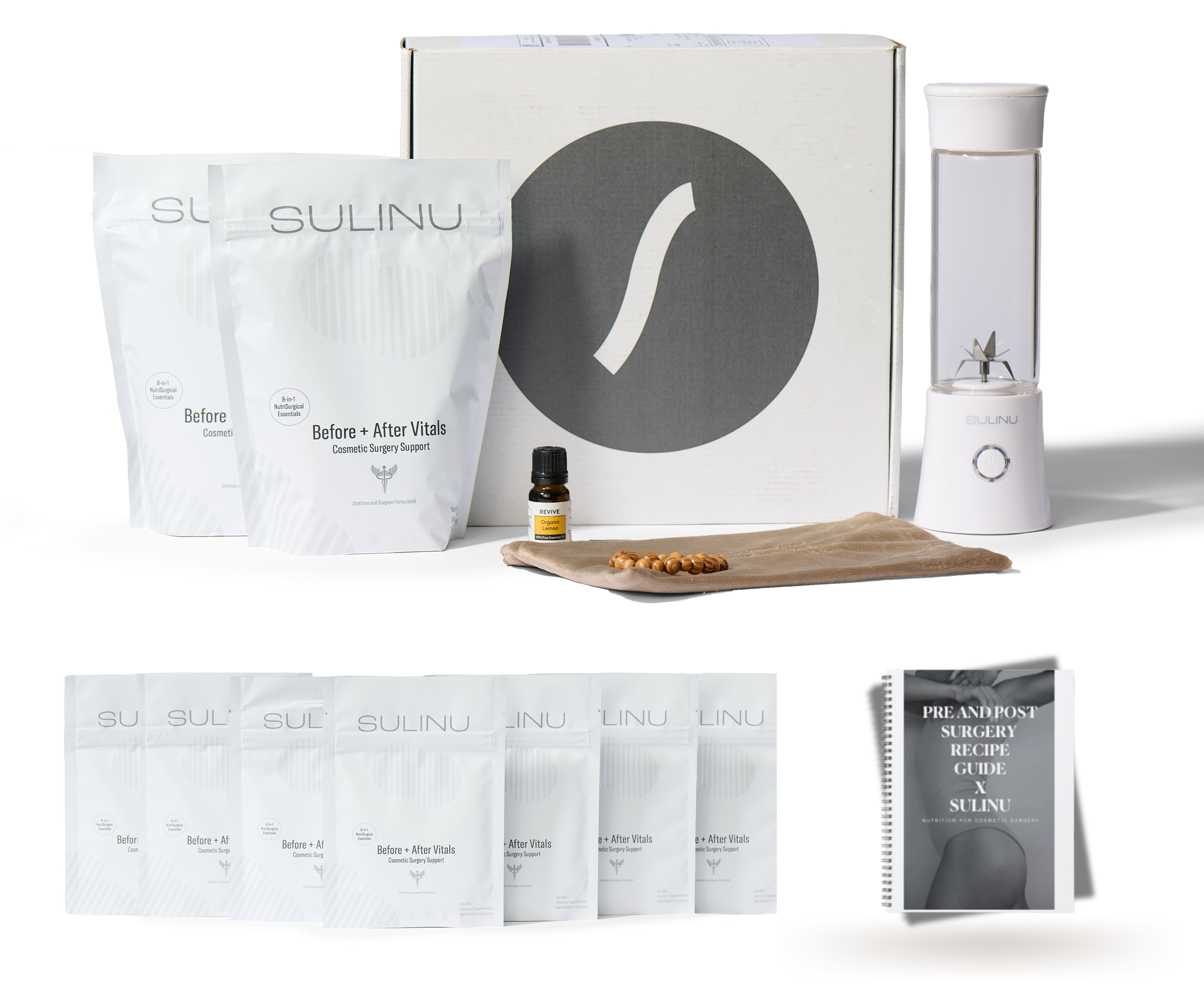
Our recommended protocol is two bags total for most surgeries.
1 bag for before surgery
1 bags for after surgery
![The PREP STARTER Kit [free shipping] features cosmetic surgery support supplements in a large pouch with three small packets, accompanied by the Best Proteins Guide booklet showcasing a black and white photo of a woman’s midsection—the perfect addition to your surgery prep kit and trusted pre-op supplement routine.](https://cdn.shopify.com/s/files/1/0629/0590/9502/files/B3FA903F-D7B8-4185-A129-BB3E7405FDB9.png?v=1788283272)
Prepping for Mastectomy Surgery?
Get everything you need to start prepping your body before surgery - our highly rated supplement, travel-ready packs, and the guide that tells you exactly how to eat right leading up to your procedure.
Already healing from a mastectomy or reconstruction? You can still support your results!
Bruising, scarring, and swelling don't stop mattering after surgery. You've got up to a year to still influence how your tissue heals. Starting now still counts.
Supporting the Healing Phase
A few practical habits make a real difference during this phase of recovery:

Mastectomy Recovery Nutrition
Mastectomy surgery means your body needs more than a standard multivitamin can offer. Before + After Vitals delivers patented ingredients formulated to support tissue repair and circulation during recovery — no piecing together separate pills required.
Though Before + After Vitals was originally formulated for cosmetic surgery patients, the tissue repair process it supports is the same one your body relies on after any surgical incision, mastectomy included.
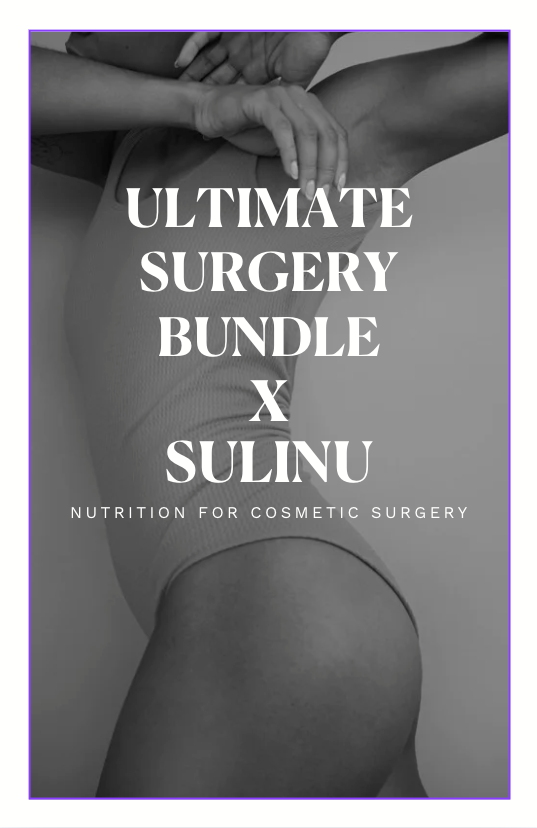
Don't stop at supplements. The Ultimate Surgery Bundle hands you eight expert guides so nothing about recovery catches you off guard.
FAQs: Eating Before and After Mastectomy Surgery
What should I eat the week before my mastectomy? Prioritize protein at every meal, along with iron, vitamin C, and zinc-rich foods, and stay well-hydrated. Building nutritional reserves in the two to four weeks beforehand gives your body a stronger starting point for healing.
What foods help a mastectomy incision heal faster? Protein-rich foods support tissue rebuilding, vitamin C supports collagen formation, zinc supports wound healing directly, and iron helps replace blood lost during surgery. No single food does all of this alone, which is why variety across these categories matters more than any one "superfood."
Is it normal to have no appetite after surgery? Yes. Reduced appetite from anesthesia, pain medication, and the body's stress response is common in the first several days. Smaller, more frequent meals and easy-to-tolerate options like smoothies or broths are often more realistic than forcing full meals.
Should I stop taking my regular supplements before surgery? Some supplements, particularly blood thinners like fish oil, vitamin E, turmeric, and garlic supplements, are typically paused about two weeks before surgery. Always review your full supplement list with your surgical team rather than deciding independently.
How long should I keep prioritizing nutrition after surgery? Longer than most people expect. Collagen remodeling and tissue repair continue for months after the incision closes, which means the nutritional demands of healing don't end once the surgical site looks closed on the surface.
Medical Disclaimer
The information provided in this article is for general educational purposes only and is not intended to constitute medical advice, diagnosis, or treatment.
Every individual's healing process is unique, and outcomes vary based on a wide range of factors, including health status, surgical technique, and post-operative care. Always follow the specific guidance of your board-certified plastic surgeon and medical team.
If you experience any concerning symptoms during recovery — including signs of infection, wound separation, or unusual pain — contact your surgical team immediately.
These statements have not been evaluated by the Food and Drug Administration. Sulinu's Before + After Vitals is not intended to diagnose, treat, cure, or prevent any disease.


![A promotional image for The PREP STARTER Kit [free shipping], showcasing its key benefits such as protein, vitamins, minerals, amino acids, probiotics, and enzymes. Featured as an essential pre-op supplement in your surgery prep kit, the product bag is displayed alongside fresh green vegetables on a light background.](http://www.sulinu.com/cdn/shop/files/12.jpg?v=1776452906&width=1080)
![A hand holds a scoop of white powder above an open bag of The PREP STARTER Kit [free shipping]. Text highlights that this research-based formula aids surgery recovery, delivers 19g of protein and 29 carefully selected ingredients per daily scoop—making The PREP STARTER Kit an essential addition to any surgery prep kit.](http://www.sulinu.com/cdn/shop/files/3.jpg?v=1776452906&width=1080)
![A ⭐BEST VALUE⭐ The Prep + Recovery Bundle [free shipping] package is displayed on a white background with text highlighting its clinical benefits and international sourcing, emphasizing improved nerve regeneration, better protein absorption, and faster healing—making it an ideal addition to any surgical recovery kit.](http://www.sulinu.com/cdn/shop/files/2.jpg?v=1776452906&width=1080)
![A woman’s face in close-up appears on the left. On the right, text explains post-surgery risks: metabolism rises, appetite drops, food intake falls, and nutrient needs soar. The message: your body needs more while you eat less—making The PREP STARTER Kit [free shipping] essential for recovery.](http://www.sulinu.com/cdn/shop/files/9.jpg?v=1776452906&width=1080)
![Text graphic explaining consequences of not fueling the healing body: slower wound healing, higher infection risk, more bruising, increased fatigue, pain, and constipation. Highlights that nutrition is essential for recovery but often overlooked—using The PREP STARTER Kit [free shipping] can help support your body and make all the difference for surgical recovery.](http://www.sulinu.com/cdn/shop/files/10.jpg?v=1776452906&width=1080)
![A smiling woman holding a box labeled The PREP STARTER Kit [free shipping] stands beside text explaining the purpose behind creating The PREP STARTER Kit: to support post-surgery recovery by providing targeted nutrition backed by real clinical data, serving as an essential surgery protein guide for patients seeking optimal outcomes.](http://www.sulinu.com/cdn/shop/files/14.jpg?v=1776452906&width=1080)
![A person in a fitted outfit poses against a neutral background. Text reads ⭐BEST VALUE⭐ The Prep + Recovery Bundle [free shipping]. Discover the ultimate surgery prep bundle—nutrition for cosmetic surgery and essential support for your recovery kit.](http://www.sulinu.com/cdn/shop/files/UltimateSurgeryBundle-Sulinu.png?v=1775162796&width=537)