Mastectomy scars carry more weight than most surgical scars, both literally and emotionally, and understanding how they actually heal can make the process feel a little less uncertain. Whether the surgery was for breast cancer treatment, a preventive decision, or part of a broader reconstruction journey, the scar itself follows a fairly predictable biological timeline — even though how it looks and how long it takes to settle varies from person to person. Knowing what shapes that timeline, what's normal to see along the way, and what genuinely helps the healing process makes it easier to know what to expect.
Why Mastectomy Scars Heal the Way They Do
A mastectomy incision closes and heals in stages, the same way any surgical wound does, but a few things make this particular scar behave a little differently than most. The chest is covered by relatively thin skin with limited natural laxity compared to areas like the abdomen, which affects how the tissue settles as it heals. Whether axillary lymph nodes were removed alongside the breast tissue also matters, since that involves a separate incision, typically in the armpit, and disrupts a different set of tissue and lymphatic pathways.
Radiation therapy, when it's part of treatment, has a significant effect on scar behavior. Radiated skin tends to heal more slowly, becomes less elastic over time, and is more prone to a firmer, less pliable scar than skin that wasn't exposed to radiation. This is one of the more underappreciated factors in how a mastectomy scar ultimately looks and feels, and it's worth understanding going in if radiation is part of the treatment plan.
Individual factors shape the outcome too. Skin tone influences the risk of post-inflammatory hyperpigmentation around the scar, and a personal or family history of raised, thickened scarring (hypertrophic scars or keloids) makes a real difference in how the tissue is likely to respond, independent of anything done differently during surgery itself.
Types of Mastectomy Scars
The type of mastectomy performed determines where the scar sits and, to some extent, how it behaves as it heals.
Total (Simple) Mastectomy. Typically involves a horizontal, elliptical incision across the chest, removing the breast tissue along with the nipple and areola. This tends to be the longest incision of the mastectomy types.
Skin-Sparing Mastectomy. Preserves more of the natural skin envelope, usually through a smaller incision, and is commonly paired with immediate reconstruction. Less skin removal generally means a shorter scar than a total mastectomy.
Nipple-Sparing Mastectomy. Preserves the nipple-areola complex, with the incision usually placed along the underside fold of the breast or toward the side, keeping the scar out of the most visible central area.
Modified Radical Mastectomy. Includes axillary lymph node removal alongside the breast tissue, which means an additional incision or scar in the underarm area. This combination carries a higher likelihood of cording (axillary web syndrome) and lymphedema risk during recovery, since the lymphatic pathways running through that region are more directly affected.
Reconstruction, if it's part of the plan, adds its own incisions and healing considerations depending on the technique used, whether implant-based or using the body's own tissue. That's a large enough topic to deserve its own conversation with your surgical team rather than a quick summary here.
The Mastectomy Scar Healing Timeline
Scar tissue follows a biological process that unfolds over a much longer timeline than most people expect, and a scar that looks far from finished at six weeks is often right on schedule.
Weeks 1–2. The incision is closed, and initial tissue bonding takes place. Sutures, staples, or surgical glue are typically addressed during this window, and the area is often numb or has altered sensation, which is normal given the nerve tissue disrupted during surgery.
Weeks 3–8. This is the proliferative phase, when the scar is usually at its most visible: pink or red, slightly raised, and firm to the touch as the body actively builds new collagen. It's common for the scar to look more prominent during this stretch than it will months later.
Months 3–6. The scar typically begins to soften and flatten as collagen remodels, and color usually starts fading from red or pink toward a lighter tone.
Months 6–18. Full scar maturation is a slow process, and it's normal for texture, color, and pliability to keep improving well past the point most people assume healing is finished. Radiated skin, in particular, often takes longer to reach its final state than non-radiated tissue.
Supporting Your Body's Scar Healing
The nutritional demands of surgical wound healing don't disappear just because the visible part of recovery is winding down — collagen remodeling, the process responsible for how a scar ultimately looks and feels, continues for months after the incision itself has closed.
Protein and specific amino acids are the raw material the body uses to build that new collagen, and a body running short during the weeks and months of active remodeling isn't positioned to produce the best possible scar outcome. This is a longer nutritional window than most people plan for, since the visible incision closing is really just the beginning of the process that determines the final result.

Before + After Vitals for Mastectomy Scar Recovery
Here's the part that doesn't get enough attention: what you're eating (and supplementing) during recovery plays a real role in how efficiently your body repairs tissue.
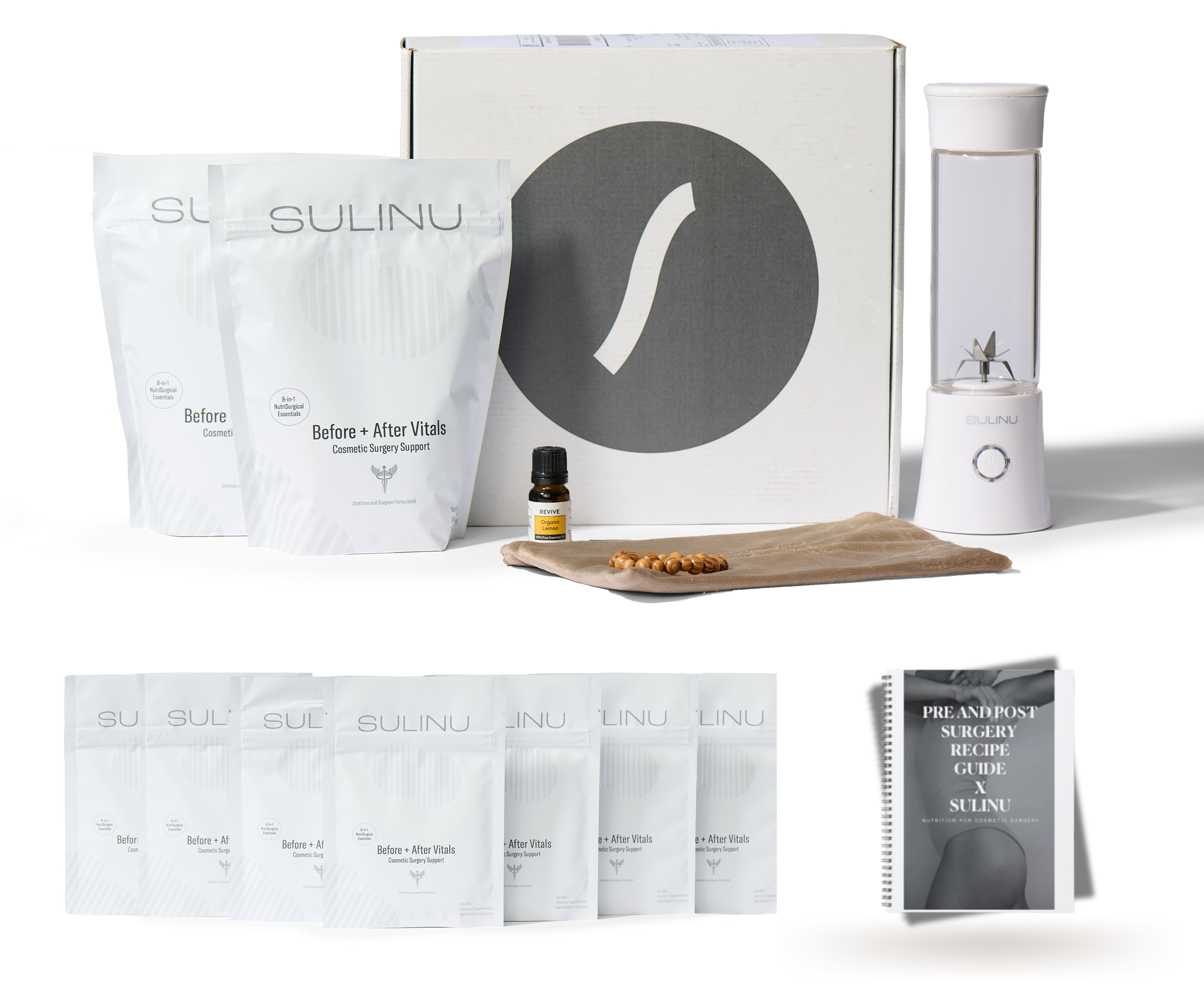
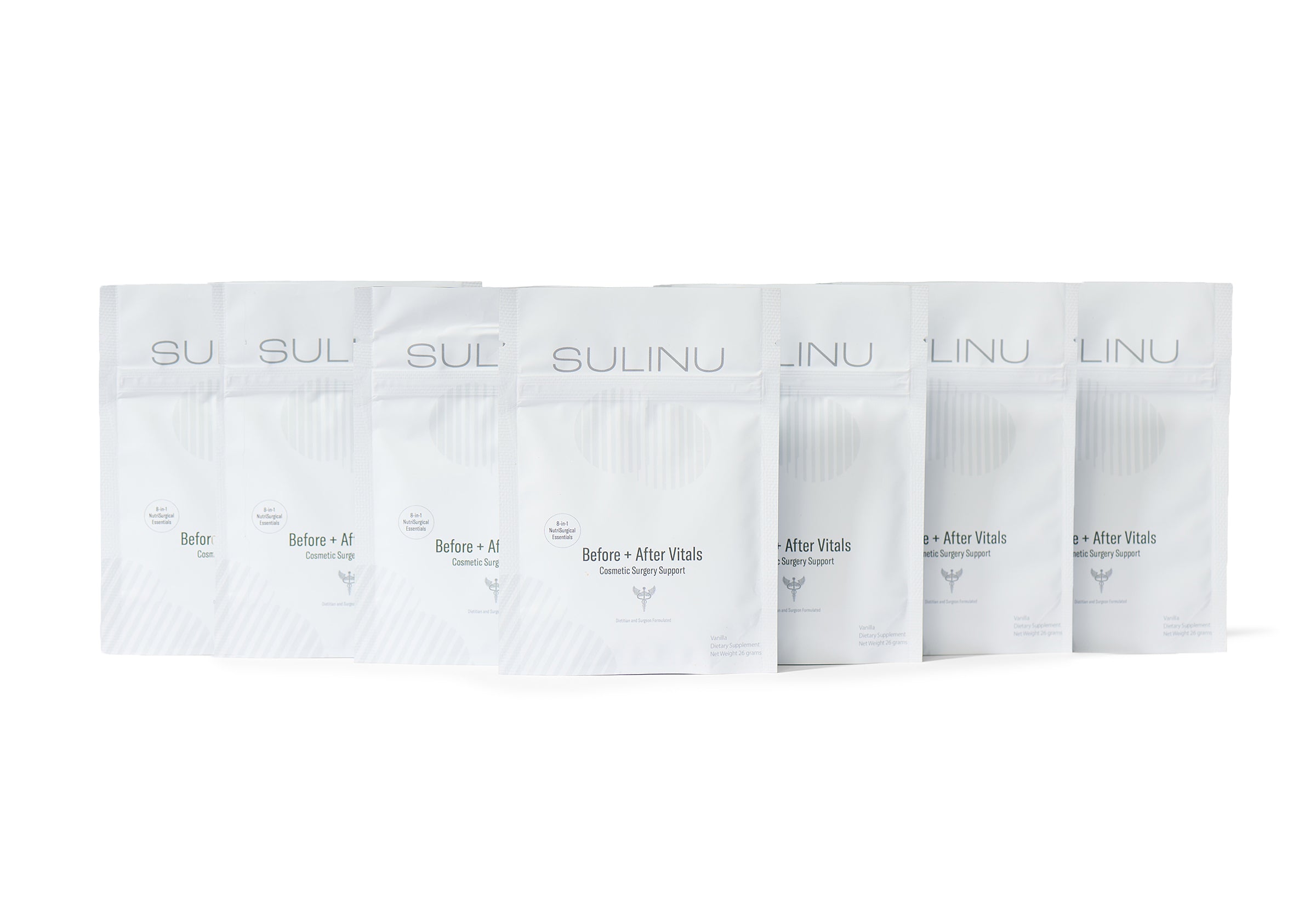
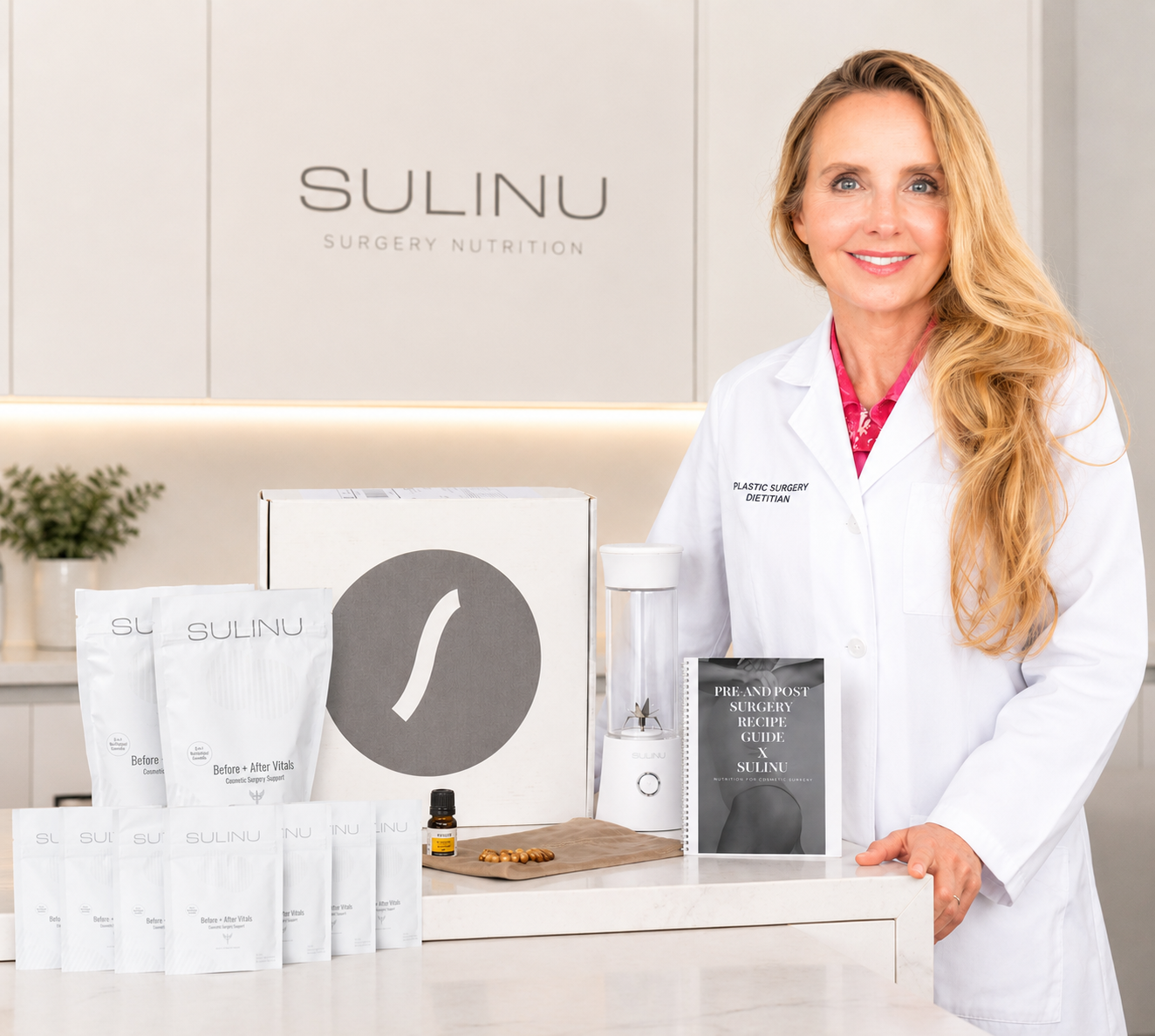
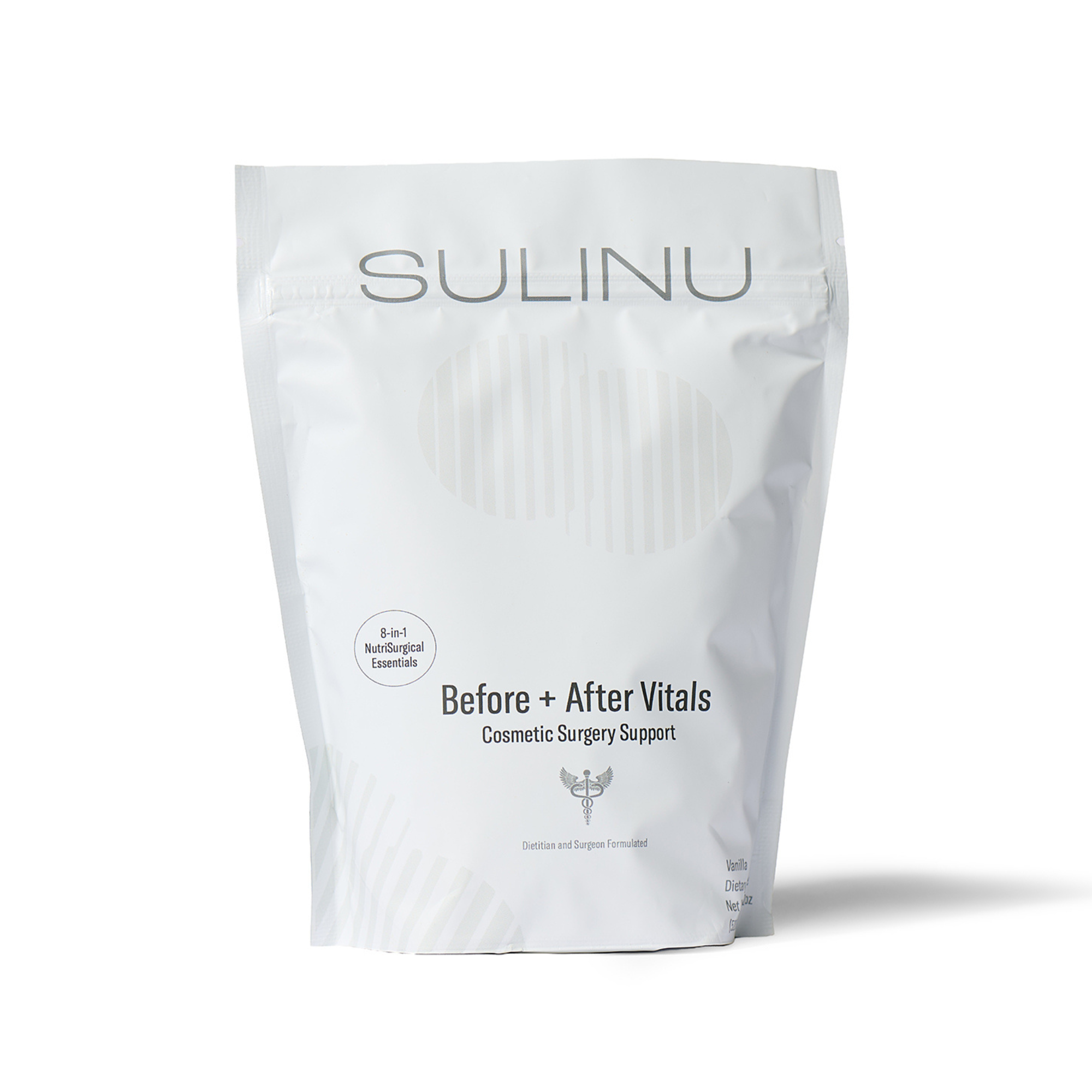
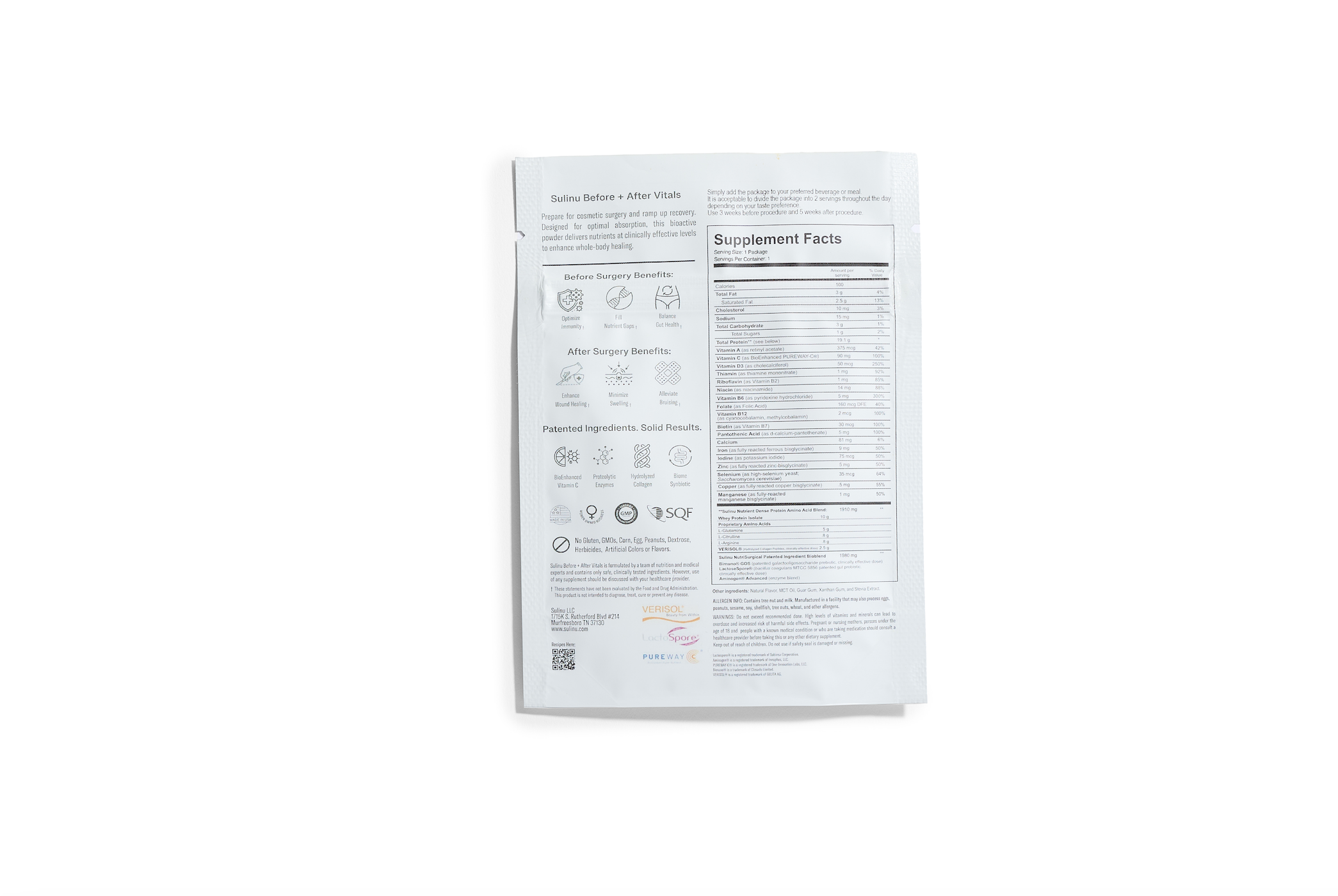
Sulinu's Before + After Vitals is the world's first comprehensive wound healing supplement built specifically for surgery recovery — a NutriSurgical formula, meaning it addresses the surgical healing process directly rather than functioning as a general multivitamin. The formula includes 27 surgeon-approved ingredients, including patented ingredients and a few core components that impact your recovery.
Before + After Vitals was originally developed with cosmetic surgery patients in mind, but wound healing works the same way regardless of why the incision was made.
The nutritional demands of tissue repair don't shift based on the reason for surgery, which is why the formula supports recovery from medically necessary procedures like a mastectomy just as effectively.
The formula includes 27 surgical essentials:
BioEnhanced Vitamin C
A patented, rapid-absorbing form that some research suggests achieves significantly higher tissue retention than standard ascorbate formulations. Vitamin C is foundational to collagen synthesis, immune defense, and antioxidant protection during the inflammatory phase, all of which directly influence how your body manages bruising, swelling, and the quality of scar tissue over time. It's also formulated to avoid the GI side effects that typically make high-dose vitamin C difficult to tolerate post-surgery.
Hydrolyzed Collagen Peptides
A patented version that some studies indicate may support meaningful improvement in skin elasticity in a matter of weeks. Collagen peptides don't just add collagen. They signal skin cells to produce more of their own. This matters at every stage: for swelling resolution as tissues remodel, for bruising clearance as vascular integrity is restored, and for scar quality as new tissue architecture forms.
Proteolytic Enzymes
Patented enzymes that, when combined with protein, some research suggests, can help double total amino acid absorption. Amino acids are the building blocks your body uses to repair incision tissue, clear inflammatory debris, and build new scar architecture. Getting more of them absorbed, not just consumed, is the goal.
Biome Synbiotics
Surgery disrupts gut health, and disrupted gut health disrupts everything else: nutrient absorption, immune function, inflammatory response. Prolonged bruising and swelling are often downstream of a gut that isn't processing and delivering nutrients efficiently. This patented prebiotic and probiotic blend is designed to survive stomach acid and arrive active in the gut, supporting the digestive foundation that makes all other healing nutrients work.
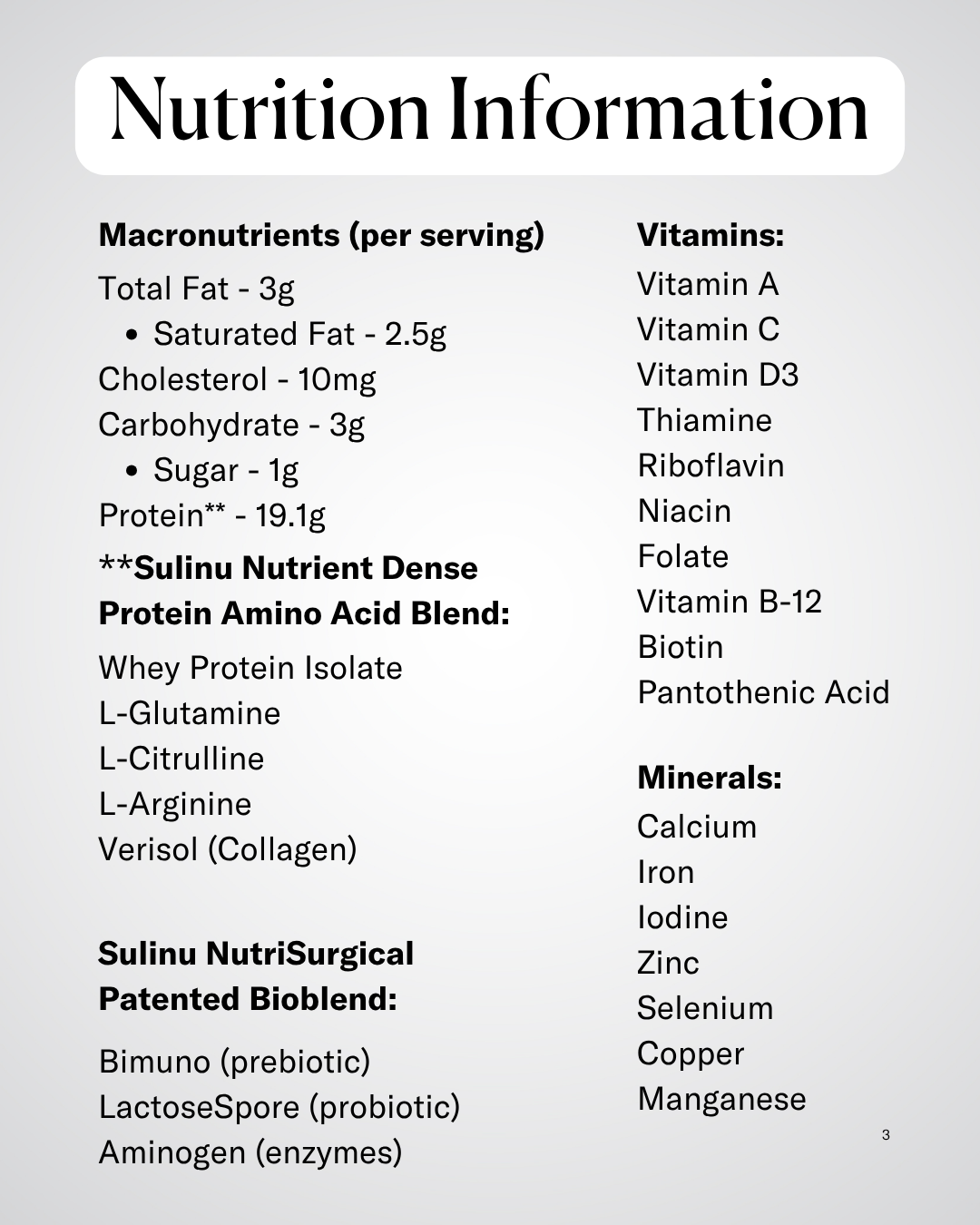
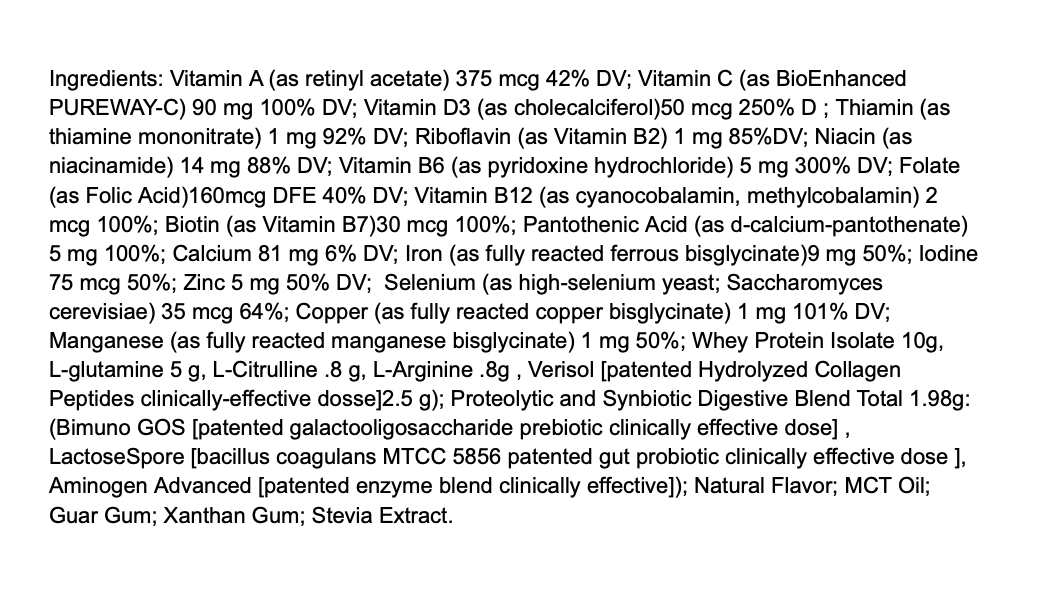
The formula also includes targeted amino acids (L-glutamine, L-citrulline, L-arginine), essential vitamins (A, B-complex, C, D3), and minerals (zinc, copper, manganese, iron) — all in clinically relevant dosages, not token inclusions.
No GMOs. No gluten. No artificial colors. No ingredients that interfere with each other. Everything in Before + After Vitals is there because it has a specific job in your recovery.
Scoop. Mix. Heal.

How much do I need to support my Mastectomy Recovery?
Our recommended protocol is two bags total for most surgeries.
1 bag for before surgery
1 bags for after surgery
![The PREP STARTER Kit [free shipping] features cosmetic surgery support supplements in a large pouch with three small packets, accompanied by the Best Proteins Guide booklet showcasing a black and white photo of a woman’s midsection—the perfect addition to your surgery prep kit and trusted pre-op supplement routine.](https://cdn.shopify.com/s/files/1/0629/0590/9502/files/B3FA903F-D7B8-4185-A129-BB3E7405FDB9.png?v=1788283272)
Prepping for Mastectomy Surgery?
Get everything you need to start prepping your body before surgery - our highly rated supplement, travel-ready packs, and the guide that tells you exactly how to eat right leading up to your procedure.
Already healing from a mastectomy or reconstruction? You can still support your results!
Bruising, scarring, and swelling don't stop mattering after surgery. You've got up to a year to still influence how your tissue heals. Starting now still counts.
Supporting the Healing Phase
A few practical habits make a real difference during this phase of recovery:

Mastectomy Recovery Nutrition
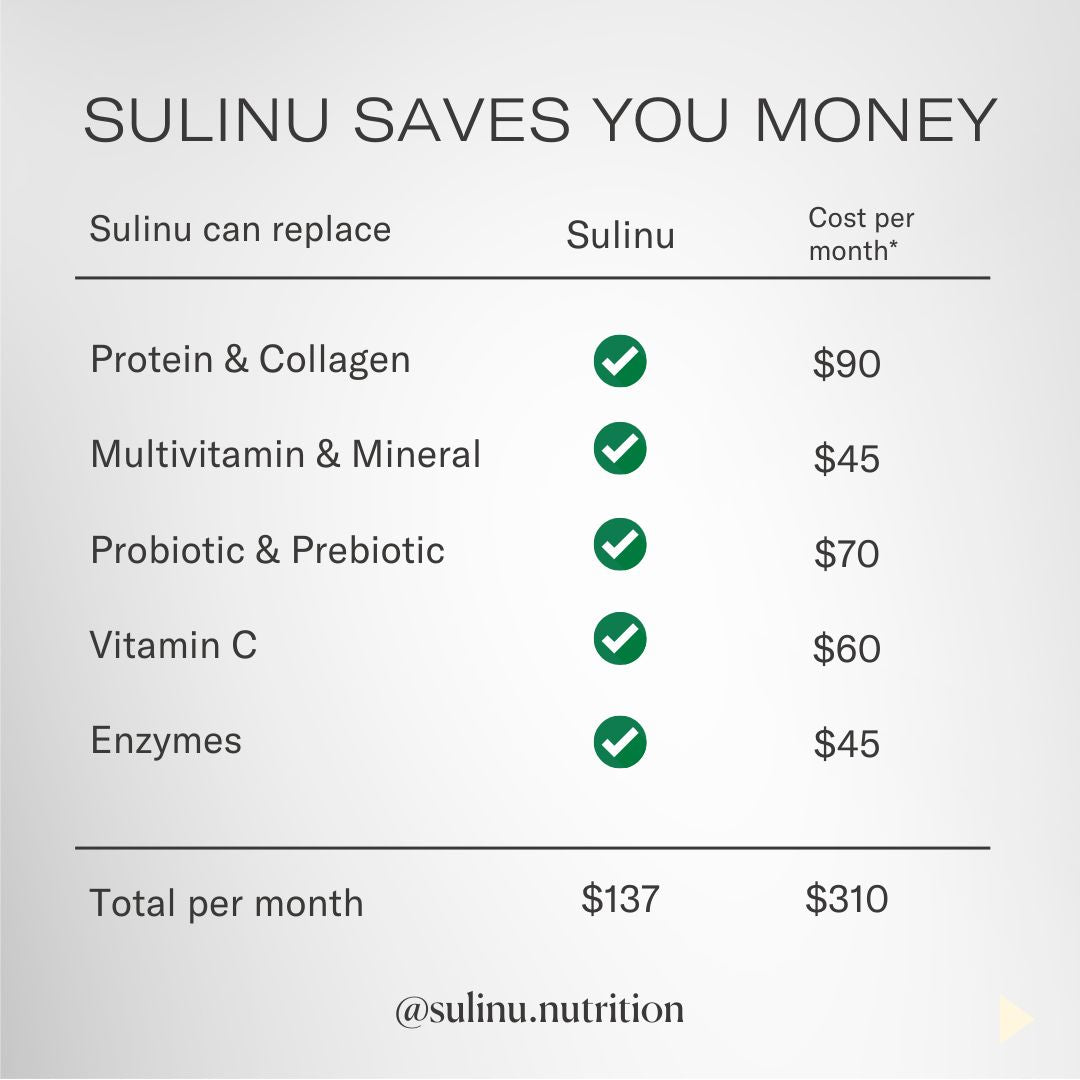
Mastectomy surgery means your body needs more than a standard multivitamin can offer. Before + After Vitals delivers patented ingredients formulated to support tissue repair and circulation during recovery — no piecing together separate pills required.
Though Before + After Vitals was originally formulated for cosmetic surgery patients, the tissue repair process it supports is the same one your body relies on after any surgical incision, mastectomy included.
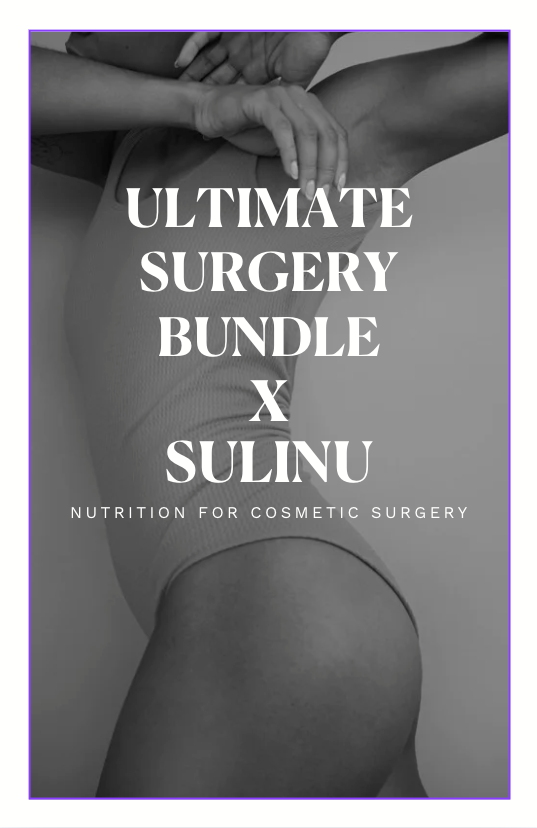
Don't stop at supplements. The Ultimate Surgery Bundle hands you eight expert guides so nothing about recovery catches you off guard.
Supporting the Healing Phase
A few practical habits make a real difference in how a mastectomy scar ultimately settles:
Follow Scar Care Guidance Precisely. Whether your surgeon recommends silicone sheeting, scar massage, or a specific timeline for sun protection, consistency matters more than any single product choice.
Protect the Scar From Sun Exposure. UV exposure can cause a healing scar to darken permanently, so consistent coverage or SPF over the area, especially during the first year, meaningfully affects the final result.
Watch for Cording, Not Just the Incision Itself. If axillary lymph nodes were removed, tight, rope-like bands under the skin near the armpit (cording, or axillary web syndrome) can develop during recovery. This is different from ordinary scar tissue and often responds well to gentle stretching or physical therapy, so it's worth mentioning to your care team rather than assuming it's just part of normal healing.
Give the Nutritional Window Its Full Length. Because collagen remodeling continues for months, supporting your body's repair process shouldn't stop the moment the incision looks closed on the surface.
Be Patient With the Timeline. A scar that still looks pink and raised at two months isn't behind schedule. Comparing it to how a scar looks a year later, rather than to how other people's scars looked at the same point in recovery, tends to be a far more accurate way to track progress.
When to Contact Your Surgical Team
Ordinary mastectomy scar healing involves gradual softening, fading, and improved texture over months, even when the pace feels slow. A few signs are worth flagging rather than waiting it out:
- Increasing redness, warmth, or drainage from the incision (possible signs of infection)
- A wound edge that reopens or fails to close
- Swelling in the arm or hand on the surgical side (a possible early sign of lymphedema)
- New or worsening pain instead of gradual improvement
- A firm, cord-like band under the skin near the armpit that's limiting arm movement
None of these are meant to cause alarm on their own, but they're worth a call to your surgical team rather than something to monitor alone.
FAQs: Mastectomy Scars
How long does it take for a mastectomy scar to fully heal? The incision itself typically closes within a couple of weeks, but full scar maturation — where color, texture, and pliability reach their final state — commonly takes anywhere from six months to a year and a half, and longer for skin that received radiation.
Will my mastectomy scar fade completely? Most scars lighten significantly and become much less noticeable over the first year, though complete fading to match surrounding skin tone varies by individual, especially for those with a tendency toward hyperpigmentation or keloid scarring.
Does radiation therapy affect how the scar heals? Yes. Radiated skin tends to heal more slowly and often ends up less elastic and more firm than skin that wasn't exposed to radiation, which can extend the overall timeline for the scar to soften and mature.
What's the difference between normal scar tissue and cording? Ordinary scar tissue is localized to the incision itself, while cording (axillary web syndrome) presents as tight, rope-like bands under the skin, usually near the armpit, following axillary lymph node removal. Cording often improves with gentle stretching or physical therapy and is worth mentioning to your care team.
Can nutrition actually influence how a scar looks months later? Yes. Collagen remodeling, the process that determines a scar's final texture and appearance, continues for months after the incision closes, and adequate protein and micronutrient intake during that entire window supports that process.
When should I be concerned about how my scar is healing? Increasing redness, warmth, or drainage, a wound that reopens, new or worsening pain, or swelling in the arm on the surgical side are all worth a call to your surgical team rather than something to wait out.
Medical Disclaimer
The information provided in this article is for general educational purposes only and is not intended to constitute medical advice, diagnosis, or treatment.
Every individual's healing process is unique, and outcomes vary based on a wide range of factors, including health status, surgical technique, and post-operative care. Always follow the specific guidance of your board-certified plastic surgeon and medical team.
If you experience any concerning symptoms during recovery — including signs of infection, wound separation, or unusual pain — contact your surgical team immediately.
These statements have not been evaluated by the Food and Drug Administration. Sulinu's Before + After Vitals is not intended to diagnose, treat, cure, or prevent any disease.


![A promotional image for The PREP STARTER Kit [free shipping], showcasing its key benefits such as protein, vitamins, minerals, amino acids, probiotics, and enzymes. Featured as an essential pre-op supplement in your surgery prep kit, the product bag is displayed alongside fresh green vegetables on a light background.](http://www.sulinu.com/cdn/shop/files/12.jpg?v=1776452906&width=1080)
![A hand holds a scoop of white powder above an open bag of The PREP STARTER Kit [free shipping]. Text highlights that this research-based formula aids surgery recovery, delivers 19g of protein and 29 carefully selected ingredients per daily scoop—making The PREP STARTER Kit an essential addition to any surgery prep kit.](http://www.sulinu.com/cdn/shop/files/3.jpg?v=1776452906&width=1080)
![A ⭐BEST VALUE⭐ The Prep + Recovery Bundle [free shipping] package is displayed on a white background with text highlighting its clinical benefits and international sourcing, emphasizing improved nerve regeneration, better protein absorption, and faster healing—making it an ideal addition to any surgical recovery kit.](http://www.sulinu.com/cdn/shop/files/2.jpg?v=1776452906&width=1080)
![A woman’s face in close-up appears on the left. On the right, text explains post-surgery risks: metabolism rises, appetite drops, food intake falls, and nutrient needs soar. The message: your body needs more while you eat less—making The PREP STARTER Kit [free shipping] essential for recovery.](http://www.sulinu.com/cdn/shop/files/9.jpg?v=1776452906&width=1080)
![Text graphic explaining consequences of not fueling the healing body: slower wound healing, higher infection risk, more bruising, increased fatigue, pain, and constipation. Highlights that nutrition is essential for recovery but often overlooked—using The PREP STARTER Kit [free shipping] can help support your body and make all the difference for surgical recovery.](http://www.sulinu.com/cdn/shop/files/10.jpg?v=1776452906&width=1080)
![A smiling woman holding a box labeled The PREP STARTER Kit [free shipping] stands beside text explaining the purpose behind creating The PREP STARTER Kit: to support post-surgery recovery by providing targeted nutrition backed by real clinical data, serving as an essential surgery protein guide for patients seeking optimal outcomes.](http://www.sulinu.com/cdn/shop/files/14.jpg?v=1776452906&width=1080)
![A person in a fitted outfit poses against a neutral background. Text reads ⭐BEST VALUE⭐ The Prep + Recovery Bundle [free shipping]. Discover the ultimate surgery prep bundle—nutrition for cosmetic surgery and essential support for your recovery kit.](http://www.sulinu.com/cdn/shop/files/UltimateSurgeryBundle-Sulinu.png?v=1775162796&width=537)