Nutrition, gentle movement, proper compression, and hydration are the main levers that support faster bruising resolution after a tummy tuck — but how much they can do depends on understanding why tummy tuck bruising behaves the way it does in the first place. A full abdominoplasty repairs muscle beneath the surface, not just skin, which means the bruising you see is often the smaller story compared to what's happening underneath. Knowing that timeline, and what actually helps along the way, makes it easier to support healing and tell normal recovery from something worth a call to your surgeon.
Why Tummy Tuck Bruising Runs Deeper Than Other Procedures
A tummy tuck isn't a single, shallow incision. Most abdominoplasties involve two things happening at once: the removal of excess skin and fat across a wide section of the lower abdomen, and muscle plication, where the surgeon sutures the abdominal muscles back together at the midline to restore a tighter, flatter core structure. That second part is the one people underestimate.
Muscle repair disturbs deeper tissue and a larger network of small blood vessels than skin removal alone. That's part of why abdominal bruising after a tummy tuck can look more extensive, and take longer to surface fully, than bruising after a procedure that only addresses skin or fat. Blood from that deeper disruption has farther to travel before it reaches the surface, so it's common for bruising to look mild in the first day or two and then become more visible as it works its way up through the tissue.
The extent of the incision also matters. A full tummy tuck runs hip to hip and typically includes a second incision around the belly button, so the surface area available for bruising is considerably larger than in a mini tummy tuck, which involves a shorter incision and usually no muscle repair, or a limited one. If you've had a full abdominoplasty combined with liposuction — a common pairing to refine the waistline — you're managing bruising from two different mechanisms in overlapping areas, which can make the overall picture look more dramatic.
Drains, if your surgeon uses them, are doing important work managing fluid buildup, but the drain sites themselves are a source of minor localized bruising too. And because most patients spend the first one to two weeks walking in a slightly hunched position to protect the tightened muscle repair, that altered posture can shift pressure in ways that create secondary bruising in the hips or lower back that has nothing to do with the incision itself.
Compression garments add another layer, the same way they do after other body procedures — supporting swelling reduction while occasionally deepening bruising at seams or pressure points.
The Tummy Tuck Bruising Timeline
The general color progression of bruising — from purple or deep blue, to green, to yellow, before fading entirely — follows the same underlying biology after a tummy tuck as it does after any surgery. What differs is the pace and the depth, given how much is happening beneath the skin.
Days 1–3
Swelling tends to arrive faster than visible bruising in this window. Because the deepest tissue disruption is at the muscle layer, bruising is still working its way toward the surface, so many patients are surprised the area doesn't look as bruised as it feels.
Week 1
This is typically when bruising becomes most visible, often across the lower abdomen and sometimes tracking down toward the hips, groin, or upper thighs as blood follows gravity through the tissue planes. Firmness and swelling are usually at their peak alongside the bruising during this window, and drains, if placed, are commonly removed around days 7–10.
Weeks 2–4
Bruising typically shifts from deep purple toward green and yellow during this stretch, and most patients see a noticeable reduction by the end of week three or into week four. Compression garments are usually still in use through part or all of this period, which can mean lingering discoloration at pressure points even as the rest of the area clears.
Weeks 5–6
Visible bruising has usually resolved by this point for most patients, though firmness from the muscle repair and swelling in the lower abdomen can persist well beyond the point where bruising is gone. This distinction matters: firmness and residual swelling are a normal, separate part of the healing timeline and aren't a bruising concern on their own.
Recovery pace varies with how extensive the muscle repair was and whether liposuction was combined with the tuck. A more extensive repair or a larger combined procedure generally means a longer runway before every area looks fully settled, which isn't a sign anything has gone wrong.
Bruising vs. What Actually Needs a Call to Your Surgeon
Ordinary tummy tuck bruising is diffuse, follows the expected color progression even while it lingers, and gradually softens to the touch as the days pass. It tends to improve in a fairly even, predictable pattern across the treated area.
What's worth flagging to your surgical team:
An area that feels increasingly hard or firm rather than gradually softening, swelling or pain that's getting worse instead of better as the days go on, redness or warmth that could point to infection, bruising that's dramatically more severe on one side with no clear cause, or a firm, tender lump that doesn't resolve the way the surrounding tissue does (which can sometimes indicate a seroma or hematoma needing attention). None of this is meant to cause alarm. Most tummy tuck recoveries proceed exactly as expected. But knowing the difference between normal, if slow, healing and something that needs a surgeon's eyes on it is worth having going into recovery.
What Actually Helps Bruising Heal
A few practical habits make a real, measurable difference during this stretch of recovery:
Prioritize Nutrition.
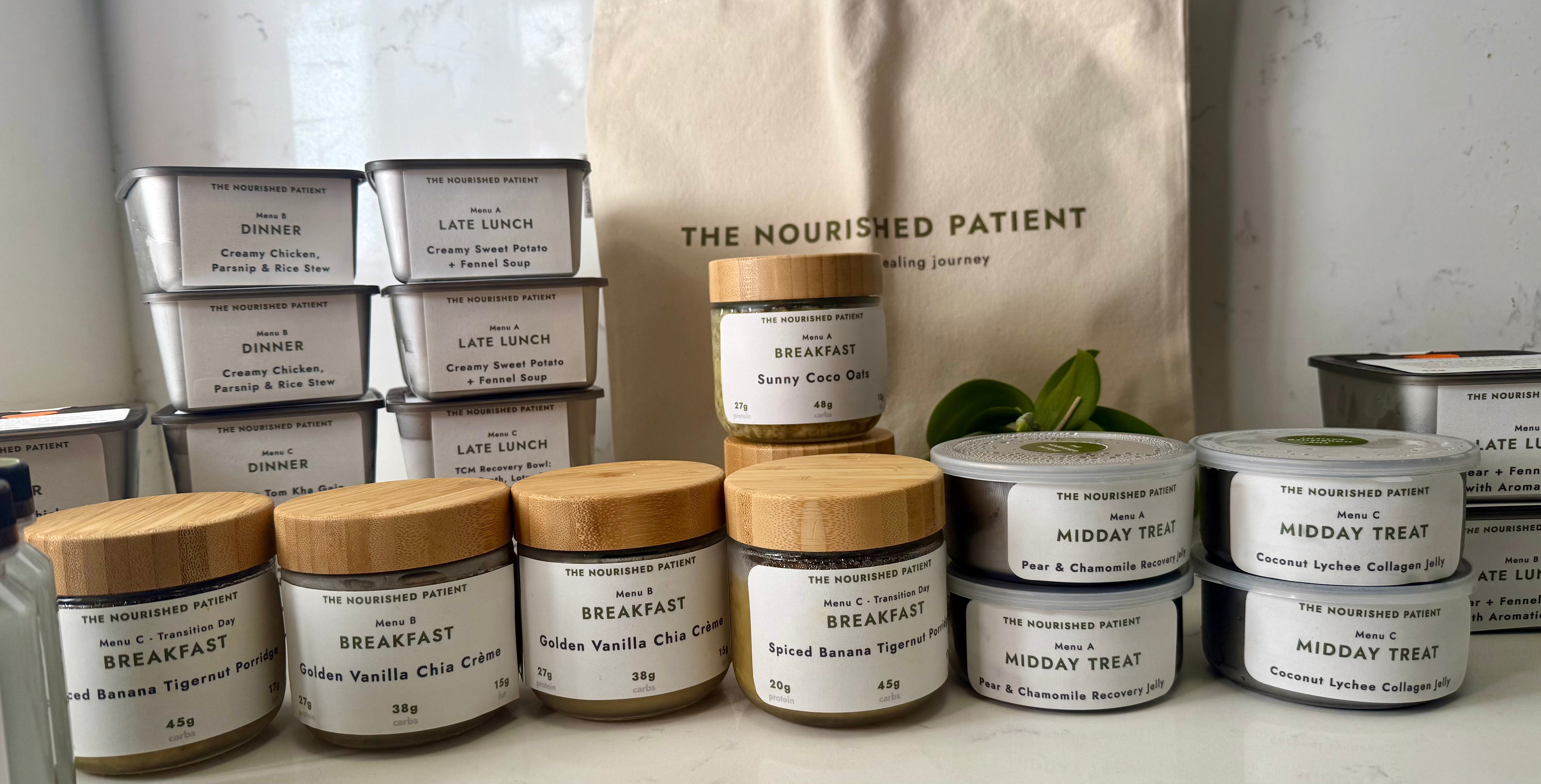
Repairing muscle tissue across a wide incision area asks more of your body than a smaller, single-site procedure would. Protein rebuilds what was disrupted, and how efficiently your body can actually use it depends on more than what's printed on a standard multivitamin label. Piecing together separate pills can create its own problems too, since certain minerals compete with each other for absorption instead of working together. This is where a formula built specifically for surgical recovery starts to matter.
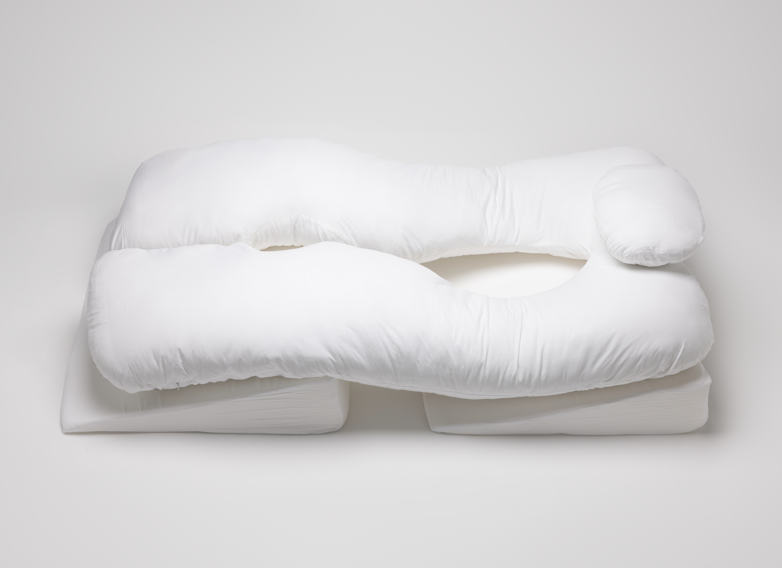
Follow Your Compression and Posture Guidance. Stick to your surgeon's compression garment schedule, and expect to walk in a slightly bent position for the first week or two to protect the muscle repair. Resist the urge to straighten up too early, since it can strain the tightened muscles.
Move Gently, Early. Short, frequent walks starting soon after surgery support circulation and help reduce clotting risk, even though bending, twisting, and lifting need to wait.
Track Progress With Photos. Consistent lighting and angle every few days gives you a more accurate read on healing than day-to-day memory, which tends to make slow, steady progress feel like no progress at all.
Hydrate Consistently. Well-hydrated tissue tends to show bruising less dramatically and generally supports the body's healing processes.
Avoid Comparing Recoveries. Muscle repair extent, whether liposuction was combined with the tuck, skin elasticity, and individual healing pace all vary enough that comparing your bruising to someone else's recovery photos rarely tells you anything useful.

Before + After Vitals for Tummy Tuck Bruising Support
Here's the part that doesn't get enough attention: what you're eating (and supplementing) during recovery plays a real role in how efficiently your body repairs tissue.
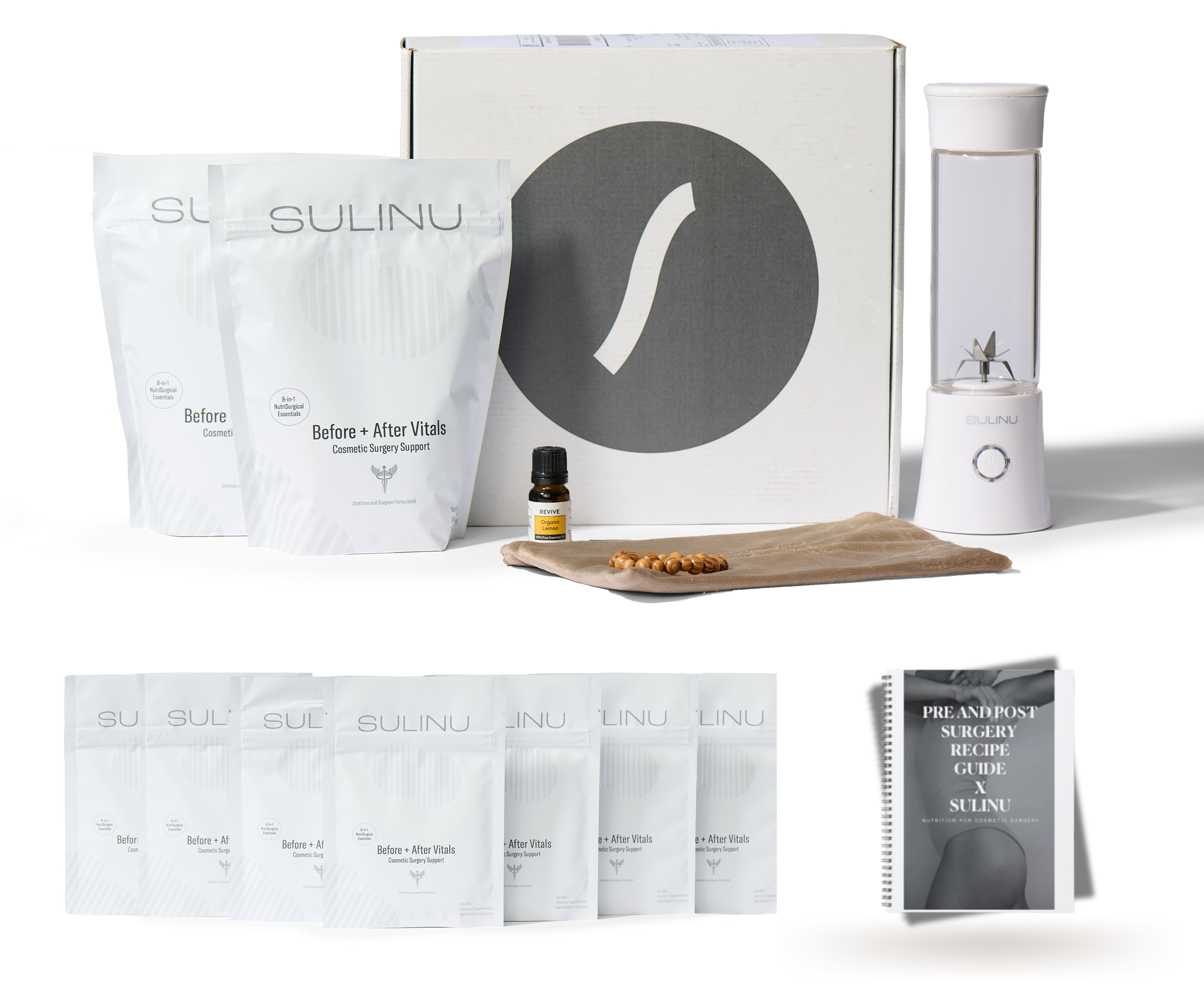
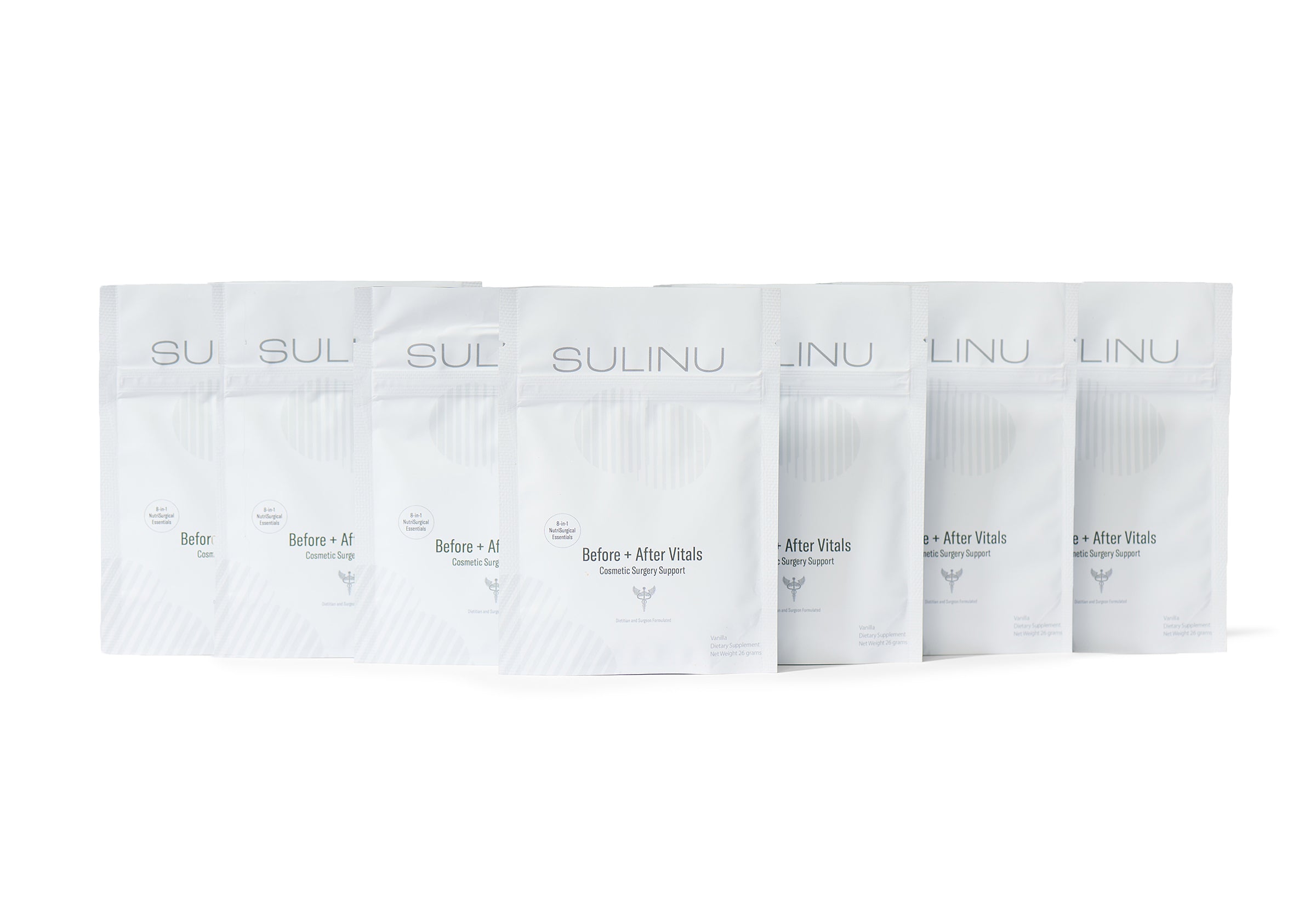
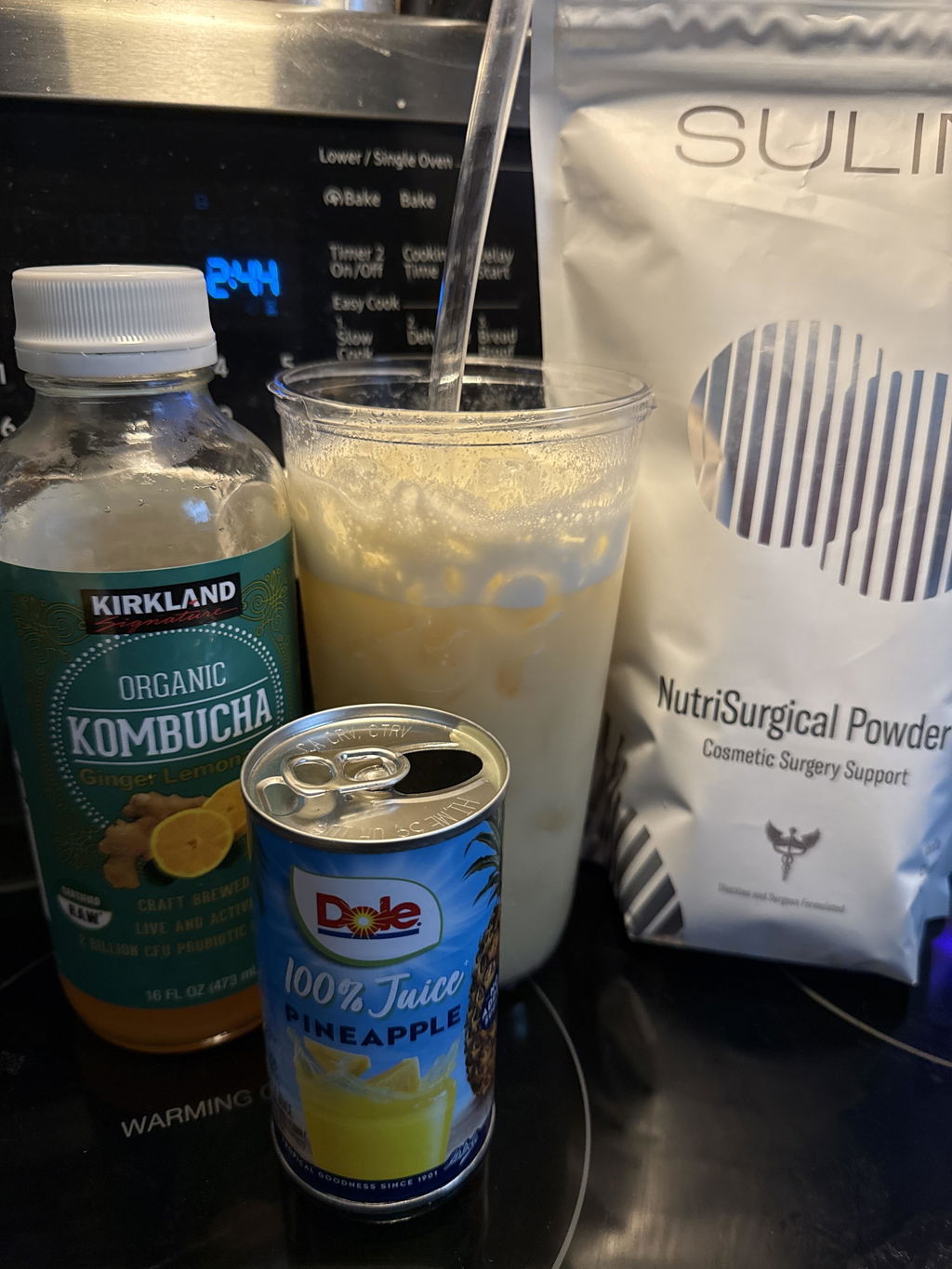
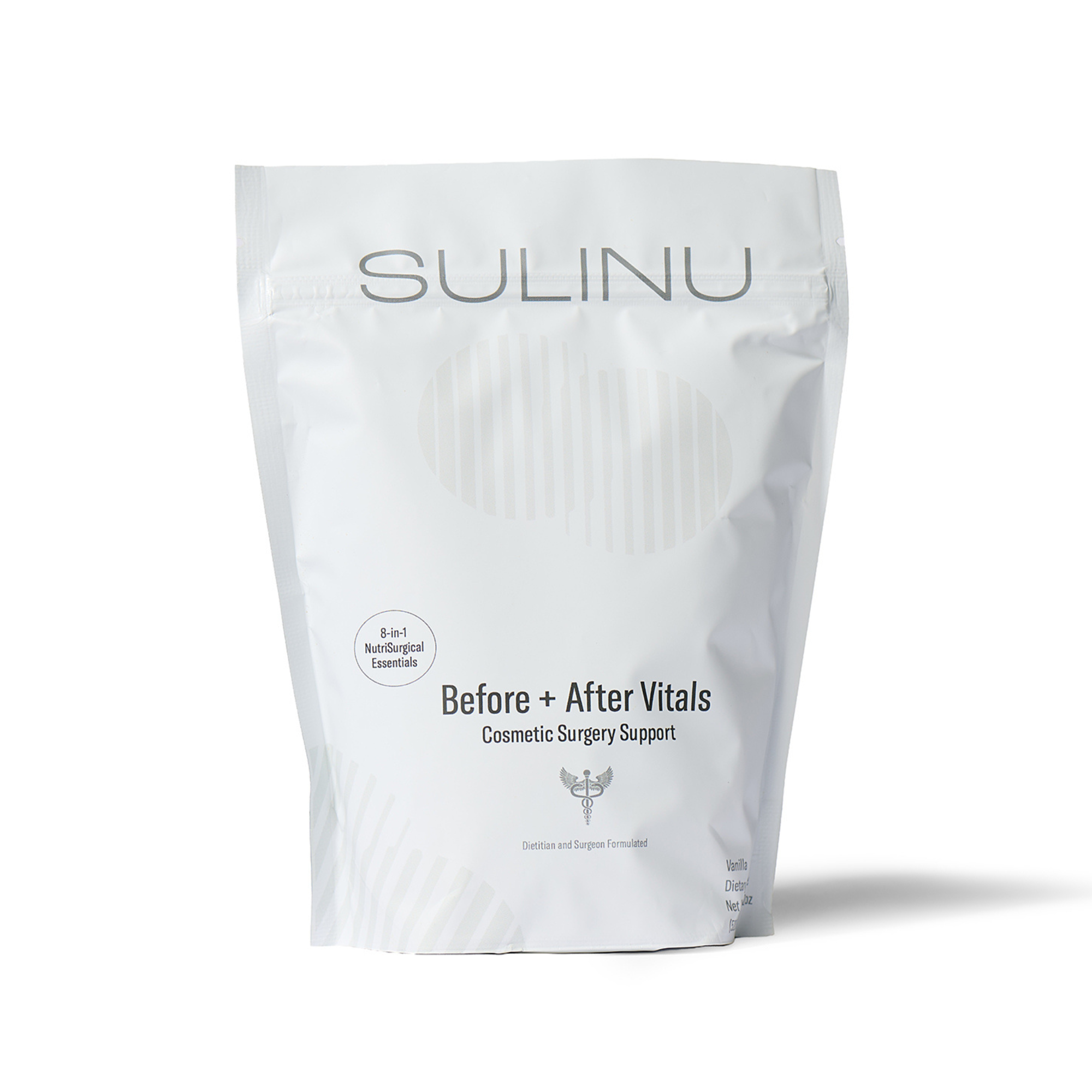
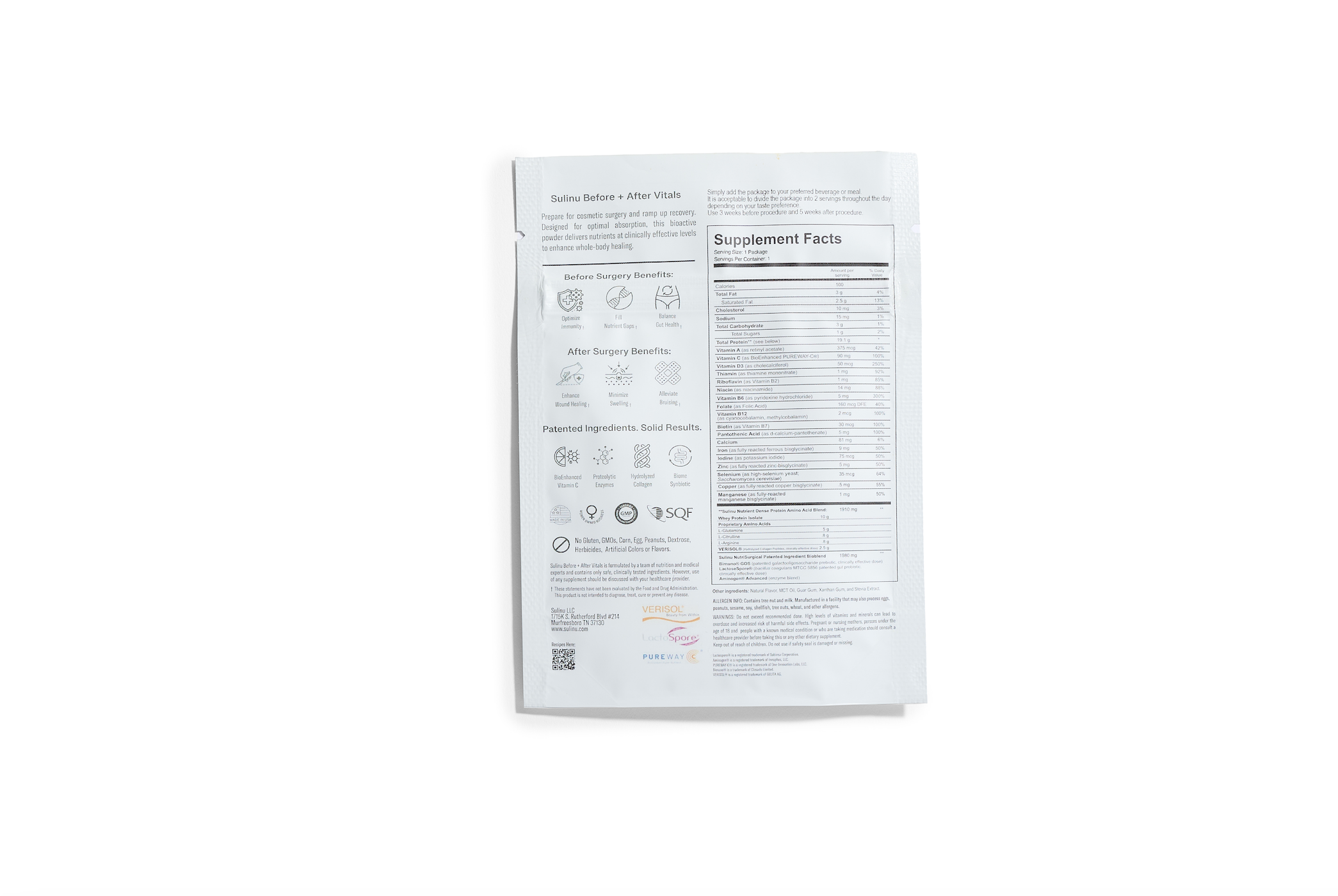
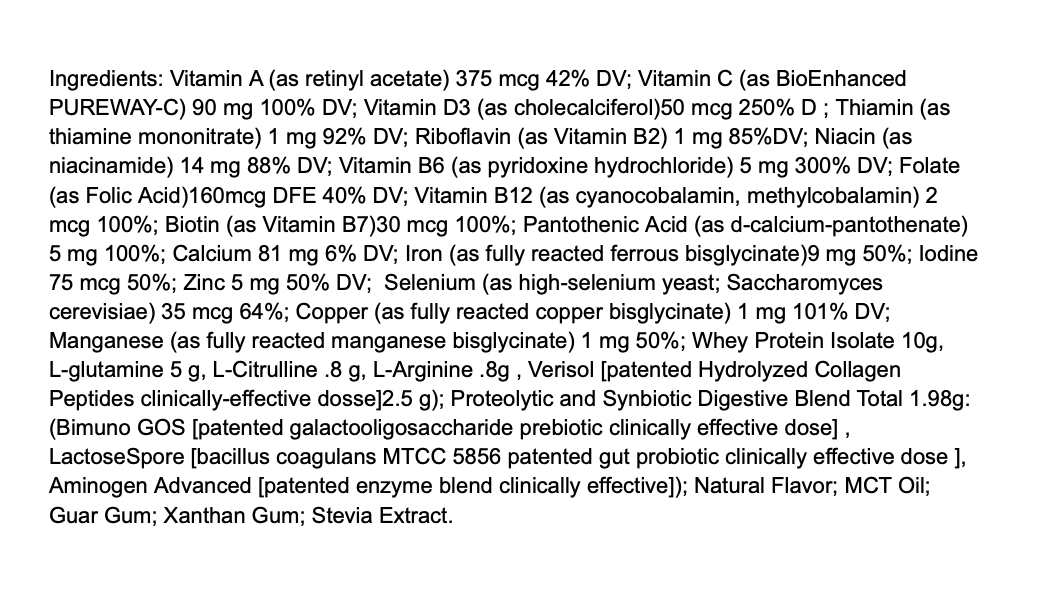
Sulinu's Before + After Vitals is the world's first comprehensive wound healing supplement built specifically for cosmetic surgery recovery — a NutriSurgical formula, meaning it addresses the surgical healing process directly rather than functioning as a general multivitamin. The formula includes 27 surgeon-approved ingredients, including patented ingredients and a few core components that impact your recovery.
The formula includes 27 surgical essentials:
BioEnhanced Vitamin C
A patented, rapid-absorbing form that some research suggests achieves significantly higher tissue retention than standard ascorbate formulations. Vitamin C is foundational to collagen synthesis, immune defense, and antioxidant protection during the inflammatory phase, all of which directly influence how your body manages bruising, swelling, and the quality of scar tissue over time. It's also formulated to avoid the GI side effects that typically make high-dose vitamin C difficult to tolerate post-surgery.
Hydrolyzed Collagen Peptides
A patented version that some studies indicate may support meaningful improvement in skin elasticity in a matter of weeks. Collagen peptides don't just add collagen. They signal skin cells to produce more of their own. This matters at every stage: for swelling resolution as tissues remodel, for bruising clearance as vascular integrity is restored, and for scar quality as new tissue architecture forms.
Proteolytic Enzymes
Patented enzymes that, when combined with protein, some research suggests, can help double total amino acid absorption. Amino acids are the building blocks your body uses to repair incision tissue, clear inflammatory debris, and build new scar architecture. Getting more of them absorbed, not just consumed, is the goal.
Biome Synbiotics
Surgery disrupts gut health, and disrupted gut health disrupts everything else: nutrient absorption, immune function, inflammatory response. Prolonged bruising and swelling are often downstream of a gut that isn't processing and delivering nutrients efficiently. This patented prebiotic and probiotic blend is designed to survive stomach acid and arrive active in the gut, supporting the digestive foundation that makes all other healing nutrients work.
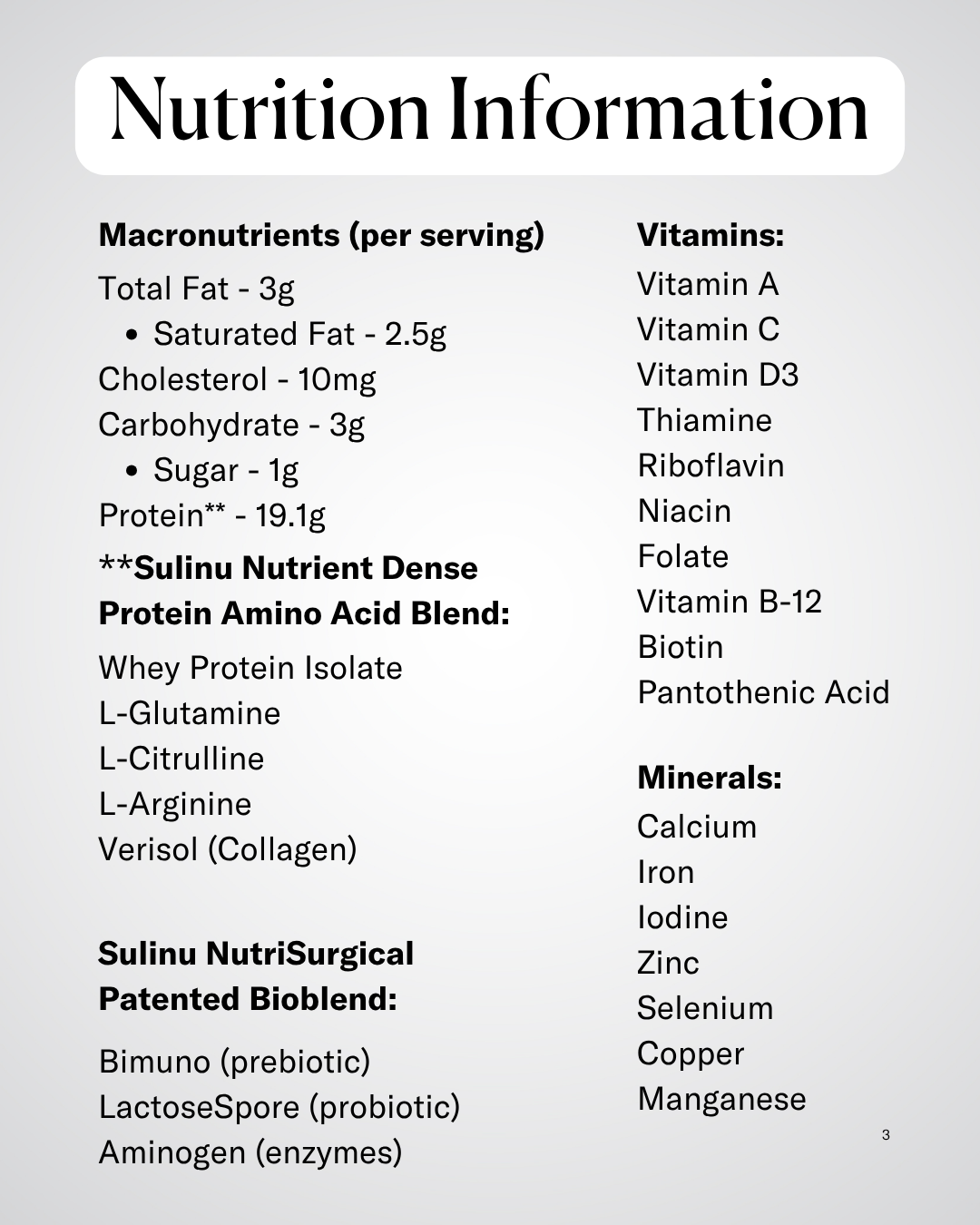
The formula also includes targeted amino acids (L-glutamine, L-citrulline, L-arginine), essential vitamins (A, B-complex, C, D3), and minerals (zinc, copper, manganese, iron) — all in clinically relevant dosages, not token inclusions.
No GMOs. No gluten. No artificial colors. No ingredients that interfere with each other. Everything in Before + After Vitals is there because it has a specific job in your recovery.
Scoop. Mix. Heal.

How much do I need to support my Tummy Tuck Recovery?
Our recommended protocol is two bags total for most surgeries.
1 bag for before surgery
1 bags for after surgery
![The PREP STARTER Kit [free shipping] features cosmetic surgery support supplements in a large pouch with three small packets, accompanied by the Best Proteins Guide booklet showcasing a black and white photo of a woman’s midsection—the perfect addition to your surgery prep kit and trusted pre-op supplement routine.](https://cdn.shopify.com/s/files/1/0629/0590/9502/files/B3FA903F-D7B8-4185-A129-BB3E7405FDB9.png?v=1788283272)
Prepping for a Tummy Tuck?
Get everything you need to start prepping your body before surgery - our highly rated supplement, travel-ready packs, and the guide that tells you exactly how to eat right leading up to your procedure.
Already healing from a tummy tuck? You can still support your results!
Bruising and scarring don't stop mattering after surgery. You've got up to a year to still influence how your tissue heals. Starting now still counts.
Getting Through the Bruising Phase
A few practical habits make a real difference during this phase of recovery:

Tummy Tuck Nutrition
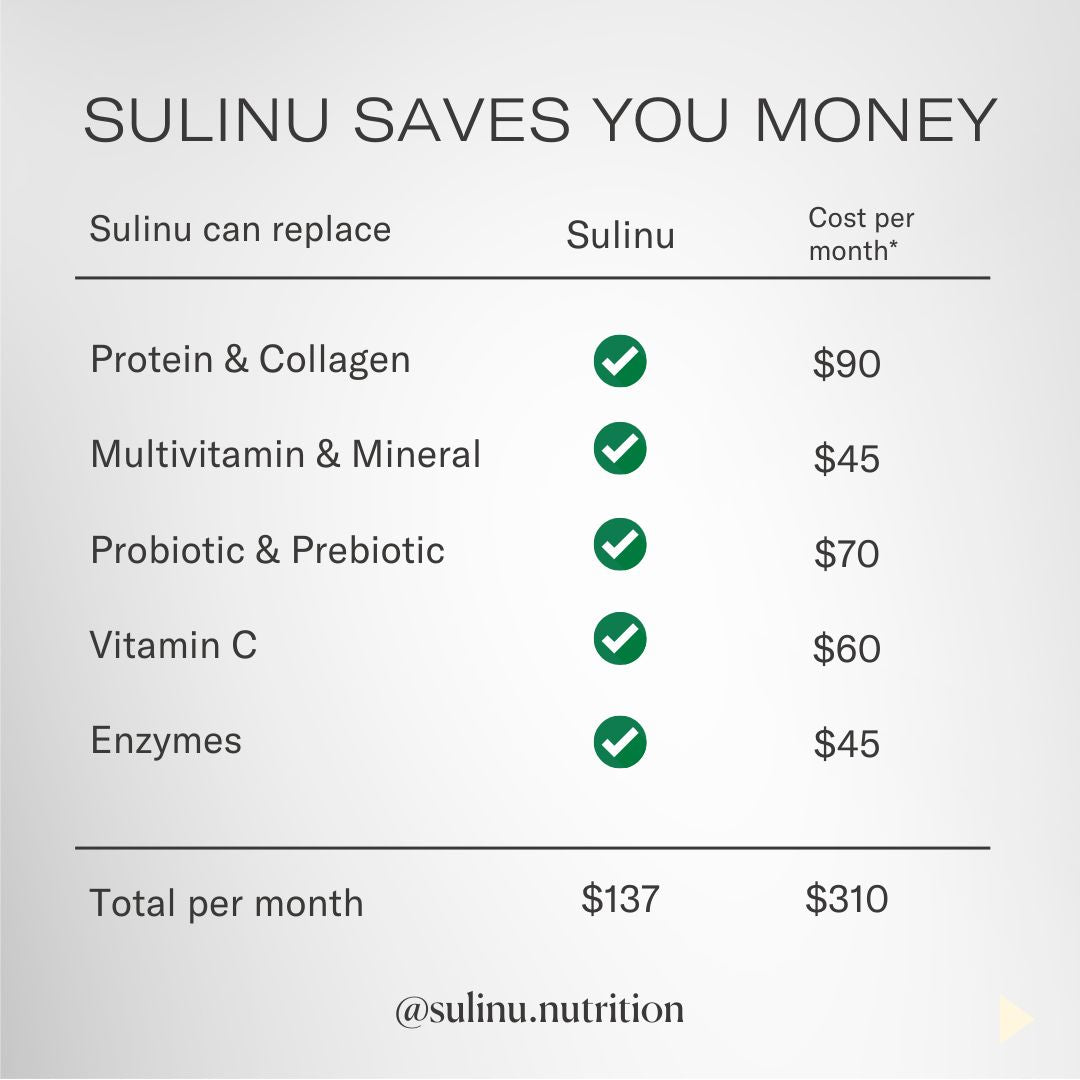
Multi-site healing means your body needs more than a standard multivitamin can offer. Before + After Vitals delivers patented ingredients formulated to support tissue repair and circulation during recovery — no piecing together separate pills required.
Don't stop at supplements. The Ultimate Surgery Bundle hands you eight expert guides so nothing about recovery catches you off guard.
FAQs: Tummy Tuck Bruising
What helps bruising heal faster after a tummy tuck? Gentle, consistent movement, proper compression garment use, staying well-hydrated, and adequate protein and micronutrient intake all support the body's healing process during this window — though individual pace still depends heavily on surgical technique and personal health factors.
Why does my bruising seem to get worse before it gets better? Because a tummy tuck disrupts deeper tissue at the muscle layer, blood often takes a day or two to surface, so bruising can look more extensive in the days after surgery than it did immediately post-op.
Is it normal for bruising to spread toward my hips or thighs? Yes. Blood follows gravity and the paths of least resistance through tissue, not the boundaries of the incision, so bruising tracking toward the hips, groin, or upper thighs is a common and expected pattern.
How long does tummy tuck bruising typically last? Most visible bruising resolves within four to six weeks, though this depends on how extensive the muscle repair was and whether liposuction was performed at the same time.
Is bruising worse with a full tummy tuck than a mini tummy tuck? Generally, yes. A full tummy tuck involves a longer incision and, in most cases, muscle plication, both of which create more tissue disruption than the shorter incision and typically limited muscle work involved in a mini tummy tuck.
Should I be concerned if a firm lump doesn't go away? A firm, tender area that isn't softening the way the surrounding tissue is can sometimes indicate a seroma or hematoma, and it's worth a call to your surgeon rather than something to wait out.


![A promotional image for The PREP STARTER Kit [free shipping], showcasing its key benefits such as protein, vitamins, minerals, amino acids, probiotics, and enzymes. Featured as an essential pre-op supplement in your surgery prep kit, the product bag is displayed alongside fresh green vegetables on a light background.](http://www.sulinu.com/cdn/shop/files/12.jpg?v=1776452906&width=1080)
![A hand holds a scoop of white powder above an open bag of The PREP STARTER Kit [free shipping]. Text highlights that this research-based formula aids surgery recovery, delivers 19g of protein and 29 carefully selected ingredients per daily scoop—making The PREP STARTER Kit an essential addition to any surgery prep kit.](http://www.sulinu.com/cdn/shop/files/3.jpg?v=1776452906&width=1080)
![A ⭐BEST VALUE⭐ The Prep + Recovery Bundle [free shipping] package is displayed on a white background with text highlighting its clinical benefits and international sourcing, emphasizing improved nerve regeneration, better protein absorption, and faster healing—making it an ideal addition to any surgical recovery kit.](http://www.sulinu.com/cdn/shop/files/2.jpg?v=1776452906&width=1080)
![A woman’s face in close-up appears on the left. On the right, text explains post-surgery risks: metabolism rises, appetite drops, food intake falls, and nutrient needs soar. The message: your body needs more while you eat less—making The PREP STARTER Kit [free shipping] essential for recovery.](http://www.sulinu.com/cdn/shop/files/9.jpg?v=1776452906&width=1080)
![Text graphic explaining consequences of not fueling the healing body: slower wound healing, higher infection risk, more bruising, increased fatigue, pain, and constipation. Highlights that nutrition is essential for recovery but often overlooked—using The PREP STARTER Kit [free shipping] can help support your body and make all the difference for surgical recovery.](http://www.sulinu.com/cdn/shop/files/10.jpg?v=1776452906&width=1080)
![A smiling woman holding a box labeled The PREP STARTER Kit [free shipping] stands beside text explaining the purpose behind creating The PREP STARTER Kit: to support post-surgery recovery by providing targeted nutrition backed by real clinical data, serving as an essential surgery protein guide for patients seeking optimal outcomes.](http://www.sulinu.com/cdn/shop/files/14.jpg?v=1776452906&width=1080)
![A person in a fitted outfit poses against a neutral background. Text reads ⭐BEST VALUE⭐ The Prep + Recovery Bundle [free shipping]. Discover the ultimate surgery prep bundle—nutrition for cosmetic surgery and essential support for your recovery kit.](http://www.sulinu.com/cdn/shop/files/UltimateSurgeryBundle-Sulinu.png?v=1775162796&width=537)