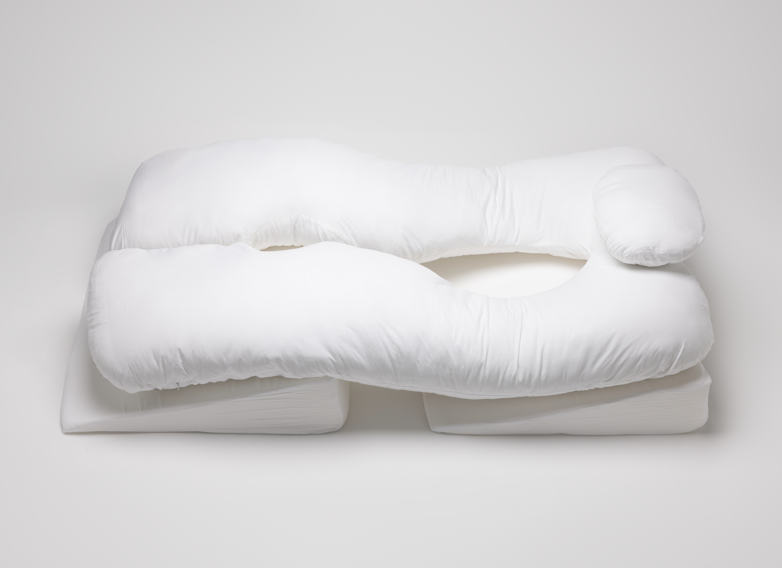
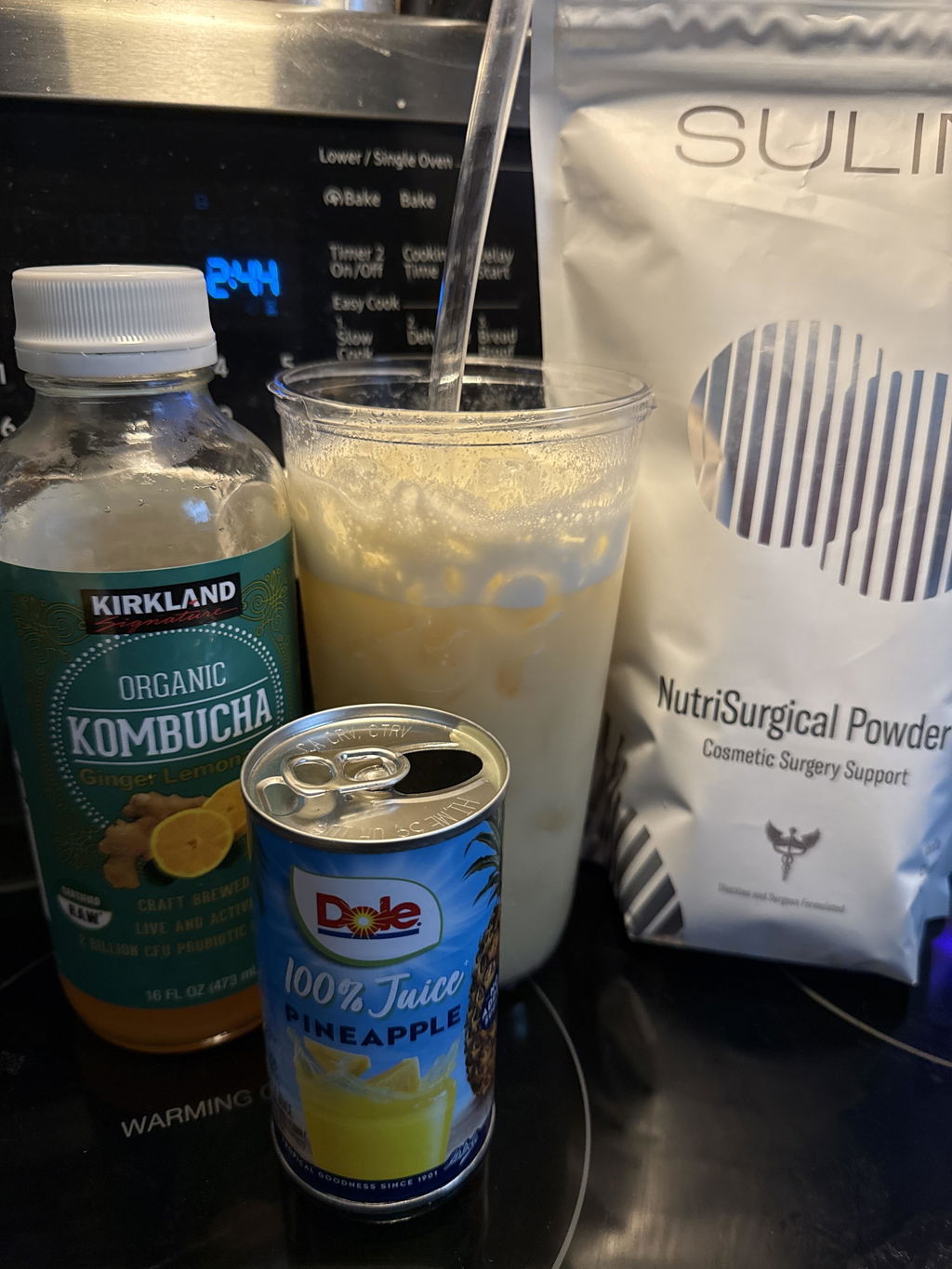
Compression, gentle movement, hydration, and supporting nutrition are the habits that make the biggest difference in how comfortably and efficiently lipo swelling resolves.
Swelling itself isn't something to fight outright. It's the body's normal response to the fluid shifts and tissue disruption liposuction involves, and it tends to follow a slower, longer arc than bruising does. Understanding that timeline, and what actually moves the needle along the way, makes the wait easier and makes it easier to spot the rare case that needs a surgeon's attention.
Why Lipo Swelling Happens
A cannula moving beneath the skin to break up and remove fat disturbs small blood vessels and surrounding tissue as it goes, and swelling is the body's inflammatory response to that disruption — fluid moves into the area as part of the normal healing process, the same mechanism that shows up after any injury.
Tumescent fluid adds to the picture in most modern liposuction techniques. Surgeons infuse a saline solution containing a numbing agent into the treatment area before removing fat, which loosens tissue and reduces bleeding during the procedure itself. The body needs time to reabsorb whatever fluid remains afterward, and that reabsorption is part of what shows up as swelling in the weeks that follow.
A few factors shape how much swelling to expect and how long it lingers:
How much area was treated. Larger treatment areas or multiple sites at once generally mean more fluid and tissue disruption to resolve.
Which area was treated. Some areas hold onto fluid more stubbornly than others — the abdomen in particular tends to show more prolonged swelling than areas like the arms or chin.
Individual healing response. Circulation, lymphatic function, and overall health all shape how quickly two people with similar procedures end up healing at noticeably different paces.
The Lipo Swelling Timeline
Swelling doesn't follow the same fast color-and-fade arc that bruising does. It tends to build over the first several days, plateau, and then taper off slowly, often outlasting bruising by a wide margin.
Days 1–3
Swelling typically increases during this window rather than peaking immediately, as the inflammatory response and tumescent fluid reabsorption both ramp up. It's common to look more swollen on day three than on day one.
Week 1–2
This is usually when swelling is at its most pronounced and most uncomfortable, often accompanied by firmness or a tight, heavy feeling in the treated area. Compression garment wear during this window matters more than almost any other habit on the list.
Weeks 3–4
Swelling generally starts a more noticeable decline during this stretch, though it rarely disappears completely. Many patients start to see the emerging contour underneath, even while some puffiness remains.
Weeks 5–8
Most of the obvious, everyday swelling has usually settled by this point, but a lingering layer can remain, especially in areas like the abdomen that tend to hold fluid longer.
Months 2–6
The last stretch of swelling is typically the slowest and the easiest to underestimate going in. Full, final resolution — where the treated area looks and feels completely settled — commonly takes several months, and it's normal for a treated area to look great at six weeks and still keep refining beyond that point.

Before + After Vitals for Liposuction Swelling Support
Here's the part that doesn't get enough attention: what you're eating (and supplementing) during recovery plays a real role in how efficiently your body repairs tissue.
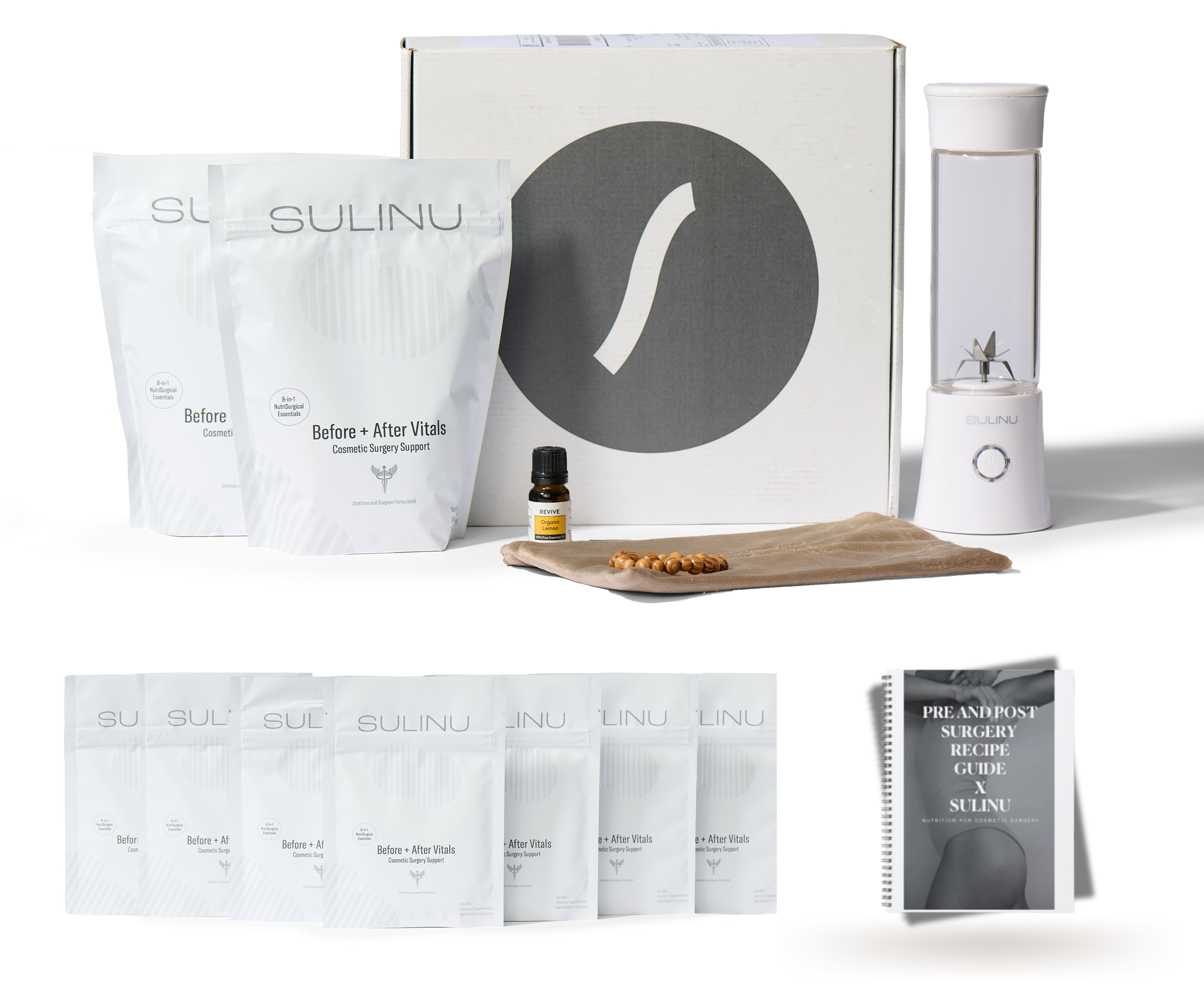
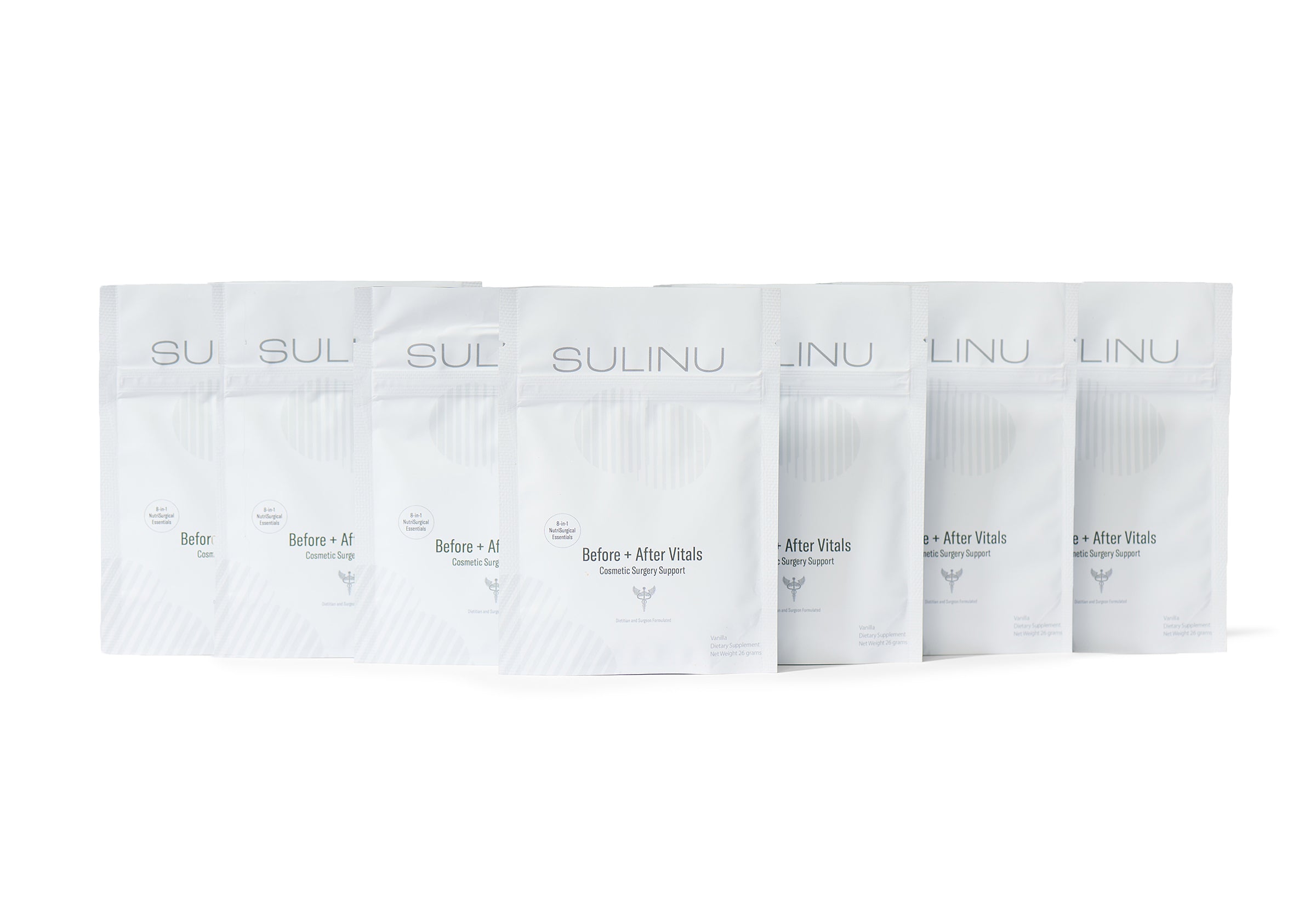
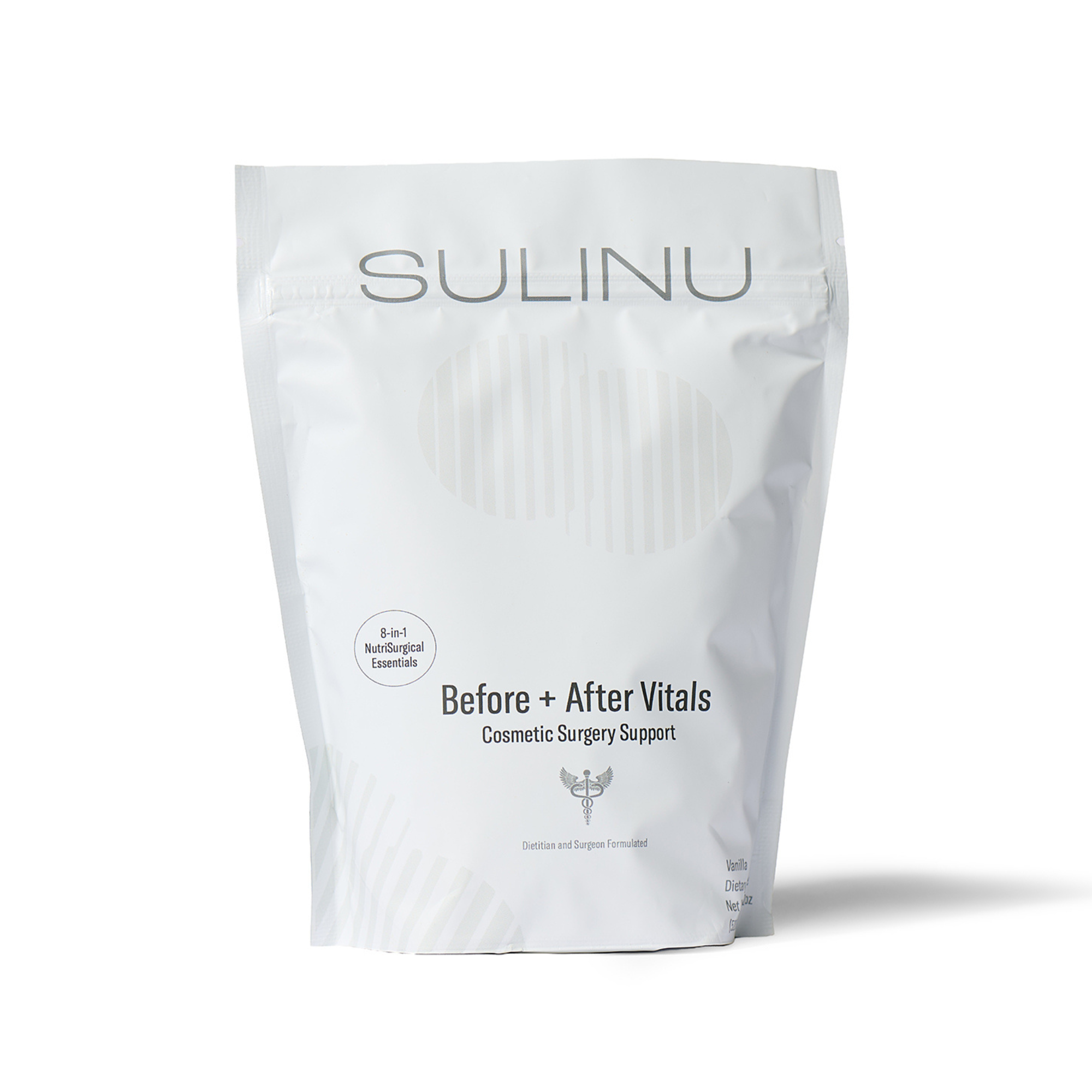
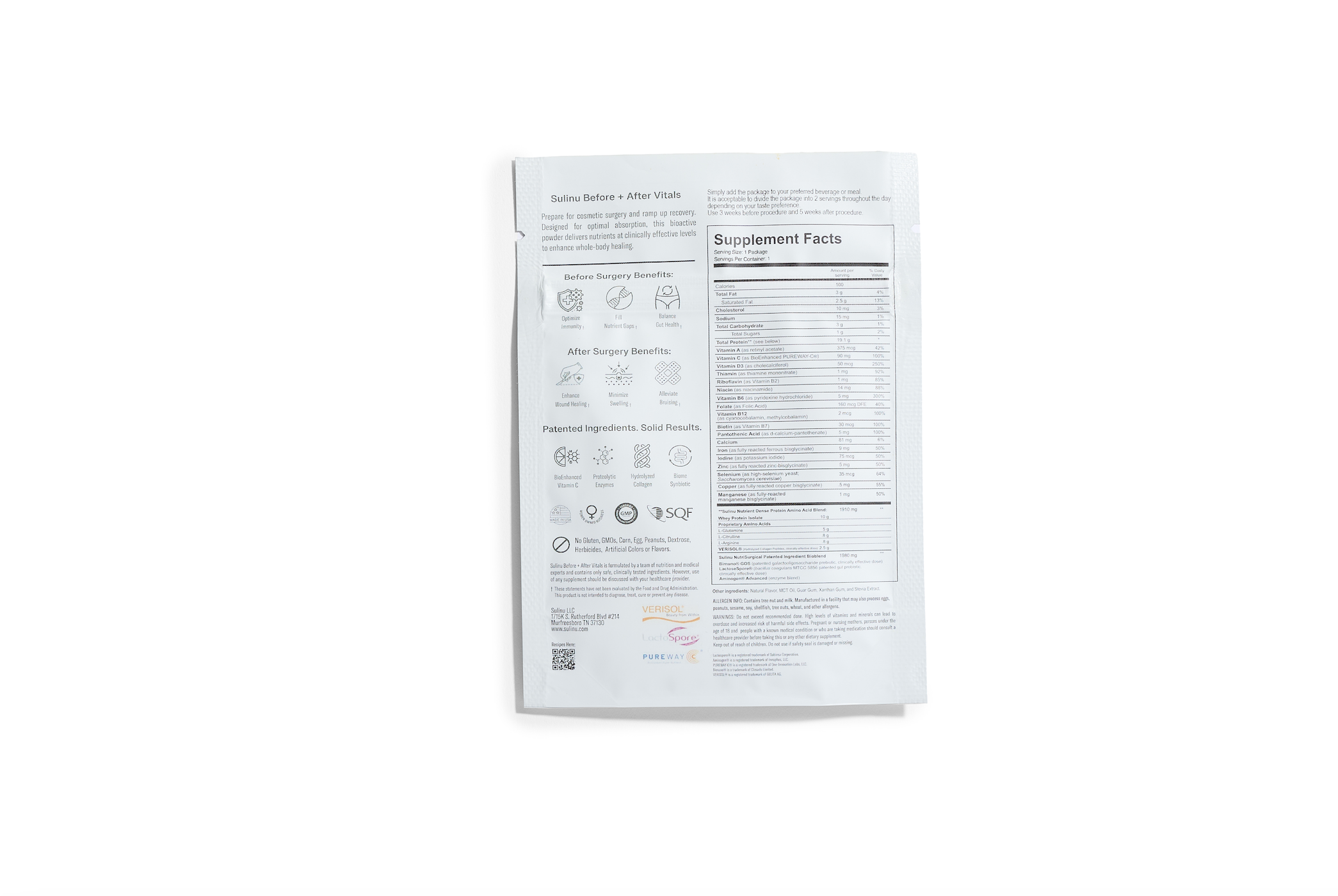
Sulinu's Before + After Vitals is the world's first comprehensive wound healing supplement built specifically for cosmetic surgery recovery — a NutriSurgical formula, meaning it addresses the surgical healing process directly rather than functioning as a general multivitamin. The formula includes 27 surgeon-approved ingredients, including patented ingredients and a few core components that impact your recovery.


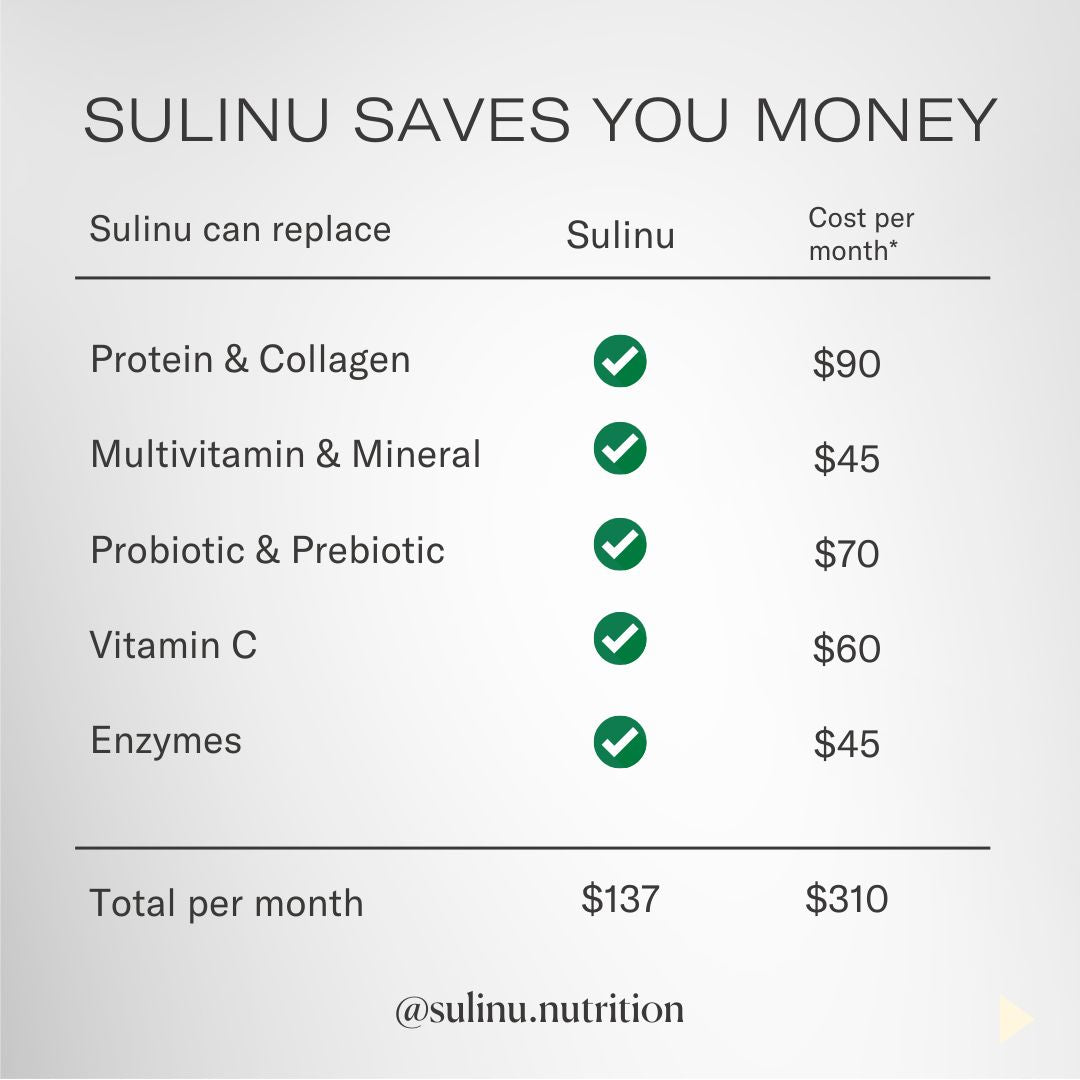
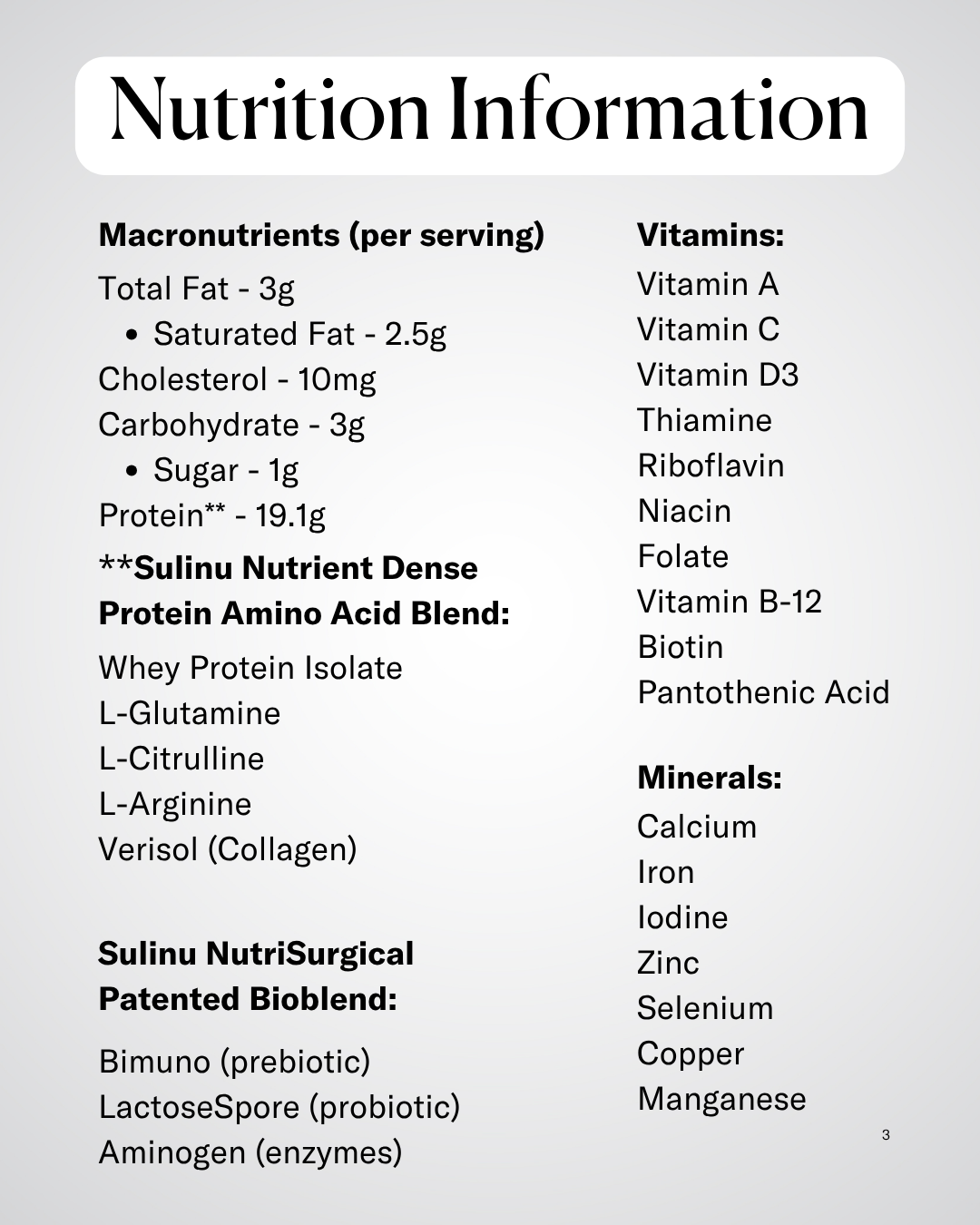
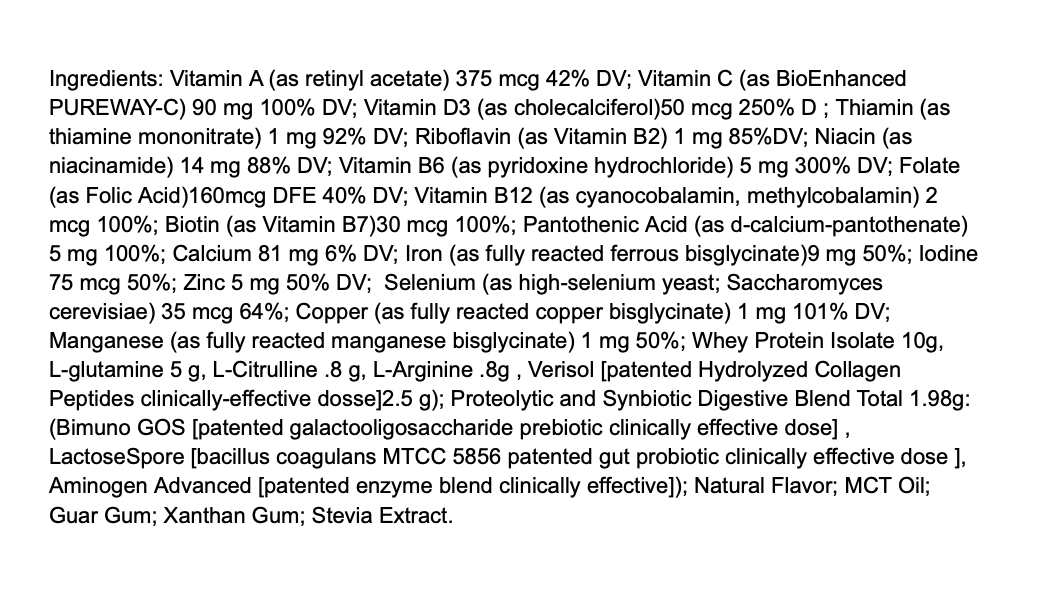
The formula includes 27 surgical essentials:
BioEnhanced Vitamin C
A patented, rapid-absorbing form that some research suggests achieves significantly higher tissue retention than standard ascorbate formulations. Vitamin C is foundational to collagen synthesis, immune defense, and antioxidant protection during the inflammatory phase, all of which directly influence how your body manages bruising, swelling, and the quality of scar tissue over time. It's also formulated to avoid the GI side effects that typically make high-dose vitamin C difficult to tolerate post-surgery.
Hydrolyzed Collagen Peptides
A patented version that some studies indicate may support meaningful improvement in skin elasticity in a matter of weeks. Collagen peptides don't just add collagen. They signal skin cells to produce more of their own. This matters at every stage: for swelling resolution as tissues remodel, for bruising clearance as vascular integrity is restored, and for scar quality as new tissue architecture forms.
Proteolytic Enzymes
Patented enzymes that, when combined with protein, some research suggests, can help double total amino acid absorption. Amino acids are the building blocks your body uses to repair incision tissue, clear inflammatory debris, and build new scar architecture. Getting more of them absorbed, not just consumed, is the goal.
Biome Synbiotics
Surgery disrupts gut health, and disrupted gut health disrupts everything else: nutrient absorption, immune function, inflammatory response. Prolonged bruising and swelling are often downstream of a gut that isn't processing and delivering nutrients efficiently. This patented prebiotic and probiotic blend is designed to survive stomach acid and arrive active in the gut, supporting the digestive foundation that makes all other healing nutrients work.
The formula also includes targeted amino acids (L-glutamine, L-citrulline, L-arginine), essential vitamins (A, B-complex, C, D3), and minerals (zinc, copper, manganese, iron) — all in clinically relevant dosages, not token inclusions.
No GMOs. No gluten. No artificial colors. No ingredients that interfere with each other. Everything in Before + After Vitals is there because it has a specific job in your recovery.
Scoop. Mix. Heal.

How much do I need to support my Liposuction Recovery?
Our recommended protocol is two bags total for most surgeries.
1 bag for before surgery
1 bags for after surgery
![The PREP STARTER Kit [free shipping] features cosmetic surgery support supplements in a large pouch with three small packets, accompanied by the Best Proteins Guide booklet showcasing a black and white photo of a woman’s midsection—the perfect addition to your surgery prep kit and trusted pre-op supplement routine.](https://cdn.shopify.com/s/files/1/0629/0590/9502/files/B3FA903F-D7B8-4185-A129-BB3E7405FDB9.png?v=1788283272)
Prepping for Lipo?
Get everything you need to start prepping your body before surgery - our highly rated supplement, travel-ready packs, and the guide that tells you exactly how to eat right leading up to your procedure.
Already healing from lipo? You can still support your results!
Bruising, scarring, and swelling don't stop mattering after surgery. You've got up to a year to still influence how your tissue heals. Starting now still counts.
Getting Through the Swelling Phase
A few practical habits make a real difference during this phase of recovery:

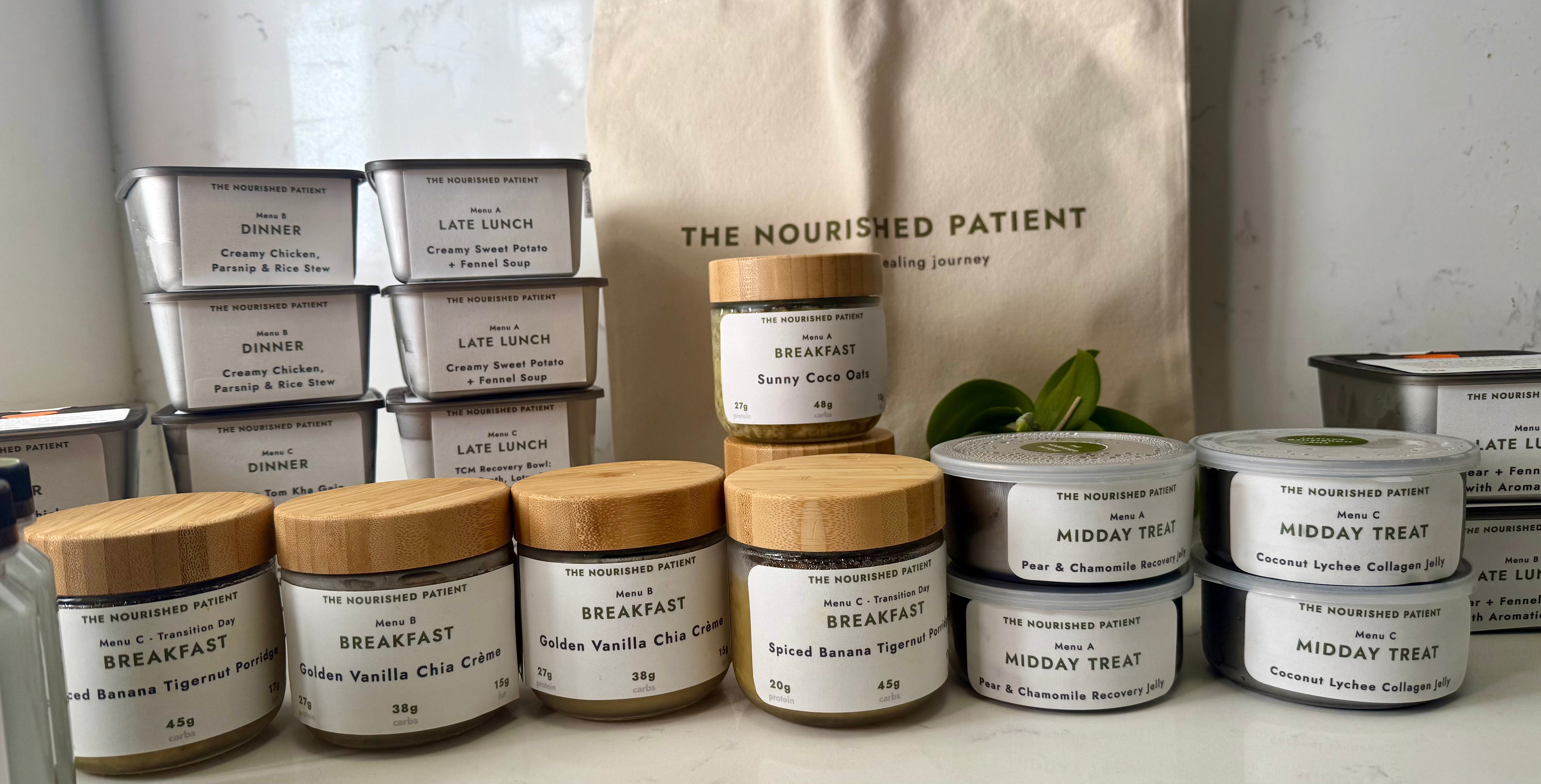
Liposuction Nutrition
Multi-site healing means your body needs more than a standard multivitamin can offer. Before + After Vitals delivers patented ingredients formulated to support tissue repair and circulation during recovery — no piecing together separate pills required.
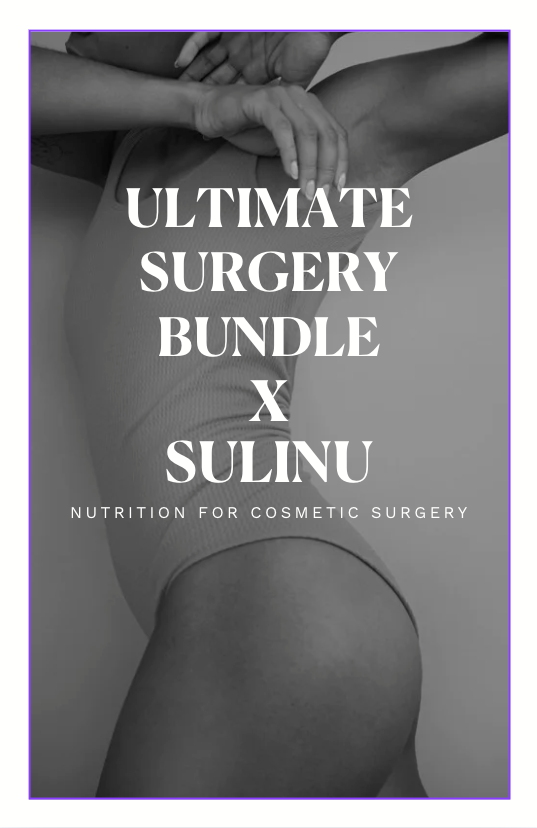
Don't stop at supplements. The Ultimate Surgery Bundle hands you eight expert guides so nothing about recovery catches you off guard.
Swelling vs. What Actually Needs a Call to Your Surgeon
Ordinary lipo swelling is diffuse, gradually softens over time even while it lingers, and gets more comfortable week over week even when it's not fully gone. It improves rather than worsens, even on a slow timeline.
What's worth flagging to your surgical team: swelling that's increasing instead of gradually easing, redness or warmth that could point to infection, fever, pain that's getting worse rather than better, or a firm, tender area that isn't softening the way the surrounding tissue is. None of this is meant to cause alarm — most lipo recoveries proceed exactly as expected — but knowing the difference between normal, slow-moving healing and something that needs a surgeon's eyes on it is worth having going into recovery.
What Actually Helps Lipo Swelling Resolve
A few practical habits make a real, measurable difference during this stretch of recovery:
Wear Your Compression Garment as Directed. Compression supports the treated tissue, encourages circulation, and helps prevent fluid from pooling in one area. Sticking to your surgeon's wear schedule consistently matters more than any other single habit here.
Keep Moving, Gently. Short, frequent walks keep blood and lymphatic fluid circulating, which helps move excess fluid out of the treated area rather than letting it settle. This isn't the moment for a workout — your surgeon's activity guidance should take priority over general advice.
Elevate Treated Areas When Possible. For areas like the abdomen, thighs, or flanks, propping the area up while resting encourages fluid to drain rather than accumulate.
Watch Sodium Intake. Higher sodium intake encourages the body to retain water, which can make swelling more noticeable and slower to resolve. This doesn't mean eliminating salt entirely, just being more deliberate about it during the first few weeks.
Stay Hydrated. Adequate hydration supports the lymphatic system's ability to move fluid out of tissue — under-hydration tends to make the body hold onto fluid more, not less, even though that feels counterintuitive.
Prioritize Nutrition. Removing fat and disrupting tissue across a treated area asks more of your body's repair systems than most people expect, and the demands of that repair process are higher than what a typical diet, or a generic multivitamin, is built to cover. [Placeholder — Before + After Vitals ingredient/brand section continues here]
Ask About Lymphatic Drainage Massage. Specialized post-surgical lymphatic massage, performed by a therapist experienced with this specific technique, can help move fluid through the lymphatic system more efficiently. This should always be cleared with your surgeon first and timed appropriately in your recovery.
FAQs: Lipo Swelling
What helps with lipo swelling the most? Consistent compression garment wear, gentle daily movement, adequate hydration, and limiting sodium intake are the habits with the most consistent impact, though treatment extent and individual healing pace still set the overall timeline.
How long does lipo swelling actually last? The most noticeable swelling typically eases over the first four to eight weeks, but a final, slower-resolving layer can take several months to fully settle, particularly in areas like the abdomen.
Why does my swelling seem to be getting worse in the first few days instead of better? This is a normal part of the process. Tumescent fluid reabsorption and the inflammatory response both build over the first several days, so it's common to look more swollen on day three than immediately after surgery.
Is more swelling normal if I had liposuction on multiple areas? Yes. Treating a larger surface area or multiple sites at once generally means more fluid and tissue disruption to resolve, which typically shows up as more swelling for a longer stretch.
When should I be concerned about swelling instead of just waiting it out? Swelling that's getting worse rather than gradually improving, especially alongside redness, warmth, fever, or increasing pain, is worth a call to your surgeon rather than something to wait out.
Medical Disclaimer
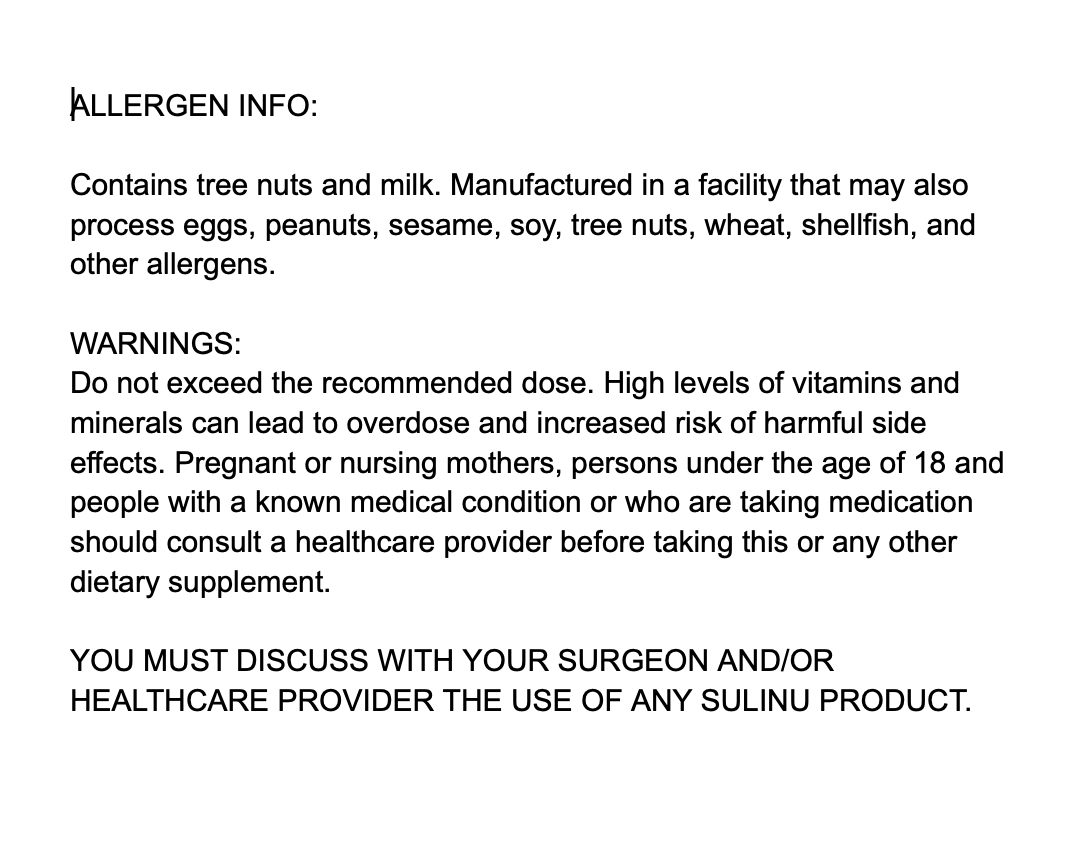
The information provided in this article is for general educational purposes only and is not intended to constitute medical advice, diagnosis, or treatment.
Every individual's healing process is unique, and outcomes vary based on a wide range of factors, including health status, surgical technique, and post-operative care. Always follow the specific guidance of your board-certified plastic surgeon and medical team.
If you experience any concerning symptoms during recovery — including signs of infection, wound separation, or unusual pain — contact your surgical team immediately.
These statements have not been evaluated by the Food and Drug Administration. Sulinu's Before + After Vitals is not intended to diagnose, treat, cure, or prevent any disease.

![A promotional image for The PREP STARTER Kit [free shipping], showcasing its key benefits such as protein, vitamins, minerals, amino acids, probiotics, and enzymes. Featured as an essential pre-op supplement in your surgery prep kit, the product bag is displayed alongside fresh green vegetables on a light background.](http://www.sulinu.com/cdn/shop/files/12.jpg?v=1776452906&width=1080)
![A hand holds a scoop of white powder above an open bag of The PREP STARTER Kit [free shipping]. Text highlights that this research-based formula aids surgery recovery, delivers 19g of protein and 29 carefully selected ingredients per daily scoop—making The PREP STARTER Kit an essential addition to any surgery prep kit.](http://www.sulinu.com/cdn/shop/files/3.jpg?v=1776452906&width=1080)
![A ⭐BEST VALUE⭐ The Prep + Recovery Bundle [free shipping] package is displayed on a white background with text highlighting its clinical benefits and international sourcing, emphasizing improved nerve regeneration, better protein absorption, and faster healing—making it an ideal addition to any surgical recovery kit.](http://www.sulinu.com/cdn/shop/files/2.jpg?v=1776452906&width=1080)
![A woman’s face in close-up appears on the left. On the right, text explains post-surgery risks: metabolism rises, appetite drops, food intake falls, and nutrient needs soar. The message: your body needs more while you eat less—making The PREP STARTER Kit [free shipping] essential for recovery.](http://www.sulinu.com/cdn/shop/files/9.jpg?v=1776452906&width=1080)
![Text graphic explaining consequences of not fueling the healing body: slower wound healing, higher infection risk, more bruising, increased fatigue, pain, and constipation. Highlights that nutrition is essential for recovery but often overlooked—using The PREP STARTER Kit [free shipping] can help support your body and make all the difference for surgical recovery.](http://www.sulinu.com/cdn/shop/files/10.jpg?v=1776452906&width=1080)
![A smiling woman holding a box labeled The PREP STARTER Kit [free shipping] stands beside text explaining the purpose behind creating The PREP STARTER Kit: to support post-surgery recovery by providing targeted nutrition backed by real clinical data, serving as an essential surgery protein guide for patients seeking optimal outcomes.](http://www.sulinu.com/cdn/shop/files/14.jpg?v=1776452906&width=1080)
![A person in a fitted outfit poses against a neutral background. Text reads ⭐BEST VALUE⭐ The Prep + Recovery Bundle [free shipping]. Discover the ultimate surgery prep bundle—nutrition for cosmetic surgery and essential support for your recovery kit.](http://www.sulinu.com/cdn/shop/files/UltimateSurgeryBundle-Sulinu.png?v=1775162796&width=537)