Your BBL scars are strategically hidden in places designed for concealment—but only if you know how to help them heal properly. Miss the critical healing window, and those tiny incisions can become permanent reminders visible to anyone who gets close enough.
Here's what catches most BBL patients off guard: while you're managing sitting restrictions and watching your new curves take shape, your scars are going through a make-or-break phase that determines whether they'll fade into invisibility or darken into permanent marks. The difference isn't luck—it's understanding what your body needs during the first 90 days of healing.
This guide explains exactly where your BBL scars are located, why they behave differently from other surgical scars, and what you can do to ensure they fade faster and better than you thought possible.
Where Are BBL Scars Located?
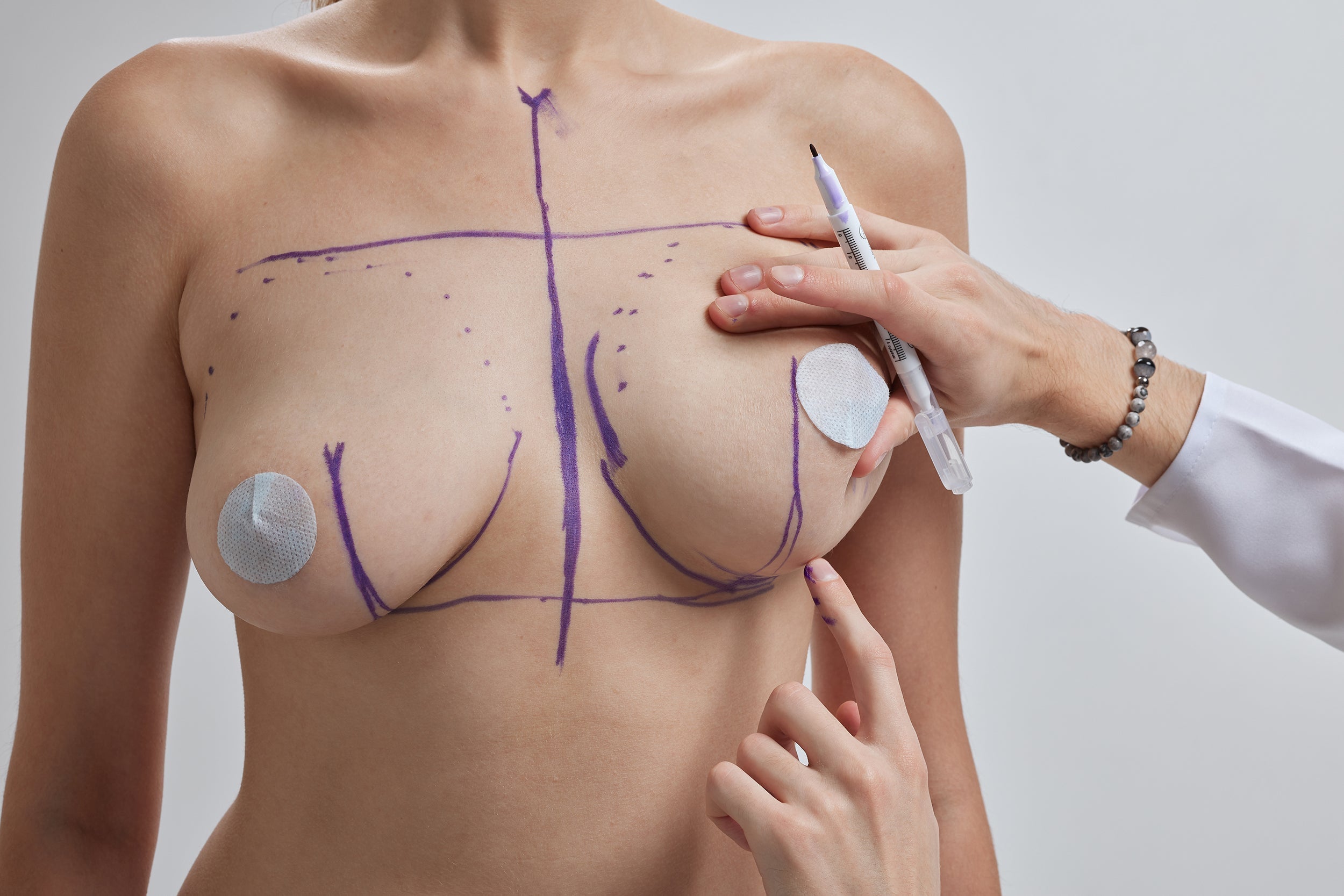
BBL creates a unique scar pattern that most patients don't fully understand until they're already healing. Unlike procedures with single, large incisions, BBL leaves multiple small scars distributed across your body.
Liposuction Donor Site Scars
These tiny incisions (3-5mm) mark where fat was removed from areas like your abdomen, flanks, thighs, or back. Most surgeons make 4-8 liposuction incisions strategically placed in natural skin folds or areas hidden by underwear.
The challenge isn't size—it's number and location. Abdominal scars near the belly button often heal beautifully because skin is naturally thinner and more elastic. Flank and back scars face more tension from movement and clothing. Inner thigh scars deal with friction and moisture that can slow healing.
Fat Injection Site Scars
These even smaller incisions (2-4mm) mark where fat was injected into your buttocks. They're usually placed in the gluteal crease where your buttock meets your thigh, making them naturally concealed.
These scars face unique challenges because the sitting restrictions essential for fat graft survival also affect how they heal. Pressure, tension, and limited mobility create a healing environment requiring strategic support.
The BBL Scar Healing Timeline
Understanding your scar's evolution helps you provide the right support at the right time.
Days 1-14: Foundation Phase
Your incisions transition from open wounds to closed scars. Your body forms initial collagen bridges and creates temporary scar tissue that's much thicker than the final result.
What You'll See: Red, slightly raised incisions. Some drainage or crusting is normal. Small scabs may form at liposuction sites.
Key Actions: Keep incisions clean and dry per your surgeon's protocol. Don't pick at scabs. Follow sitting restrictions religiously. Begin nutrition that supports collagen formation.
Weeks 2-8: Active Remodeling Phase
This is your most important window to influence final scar appearance. Your body breaks down thick, temporary collagen and replaces it with refined, permanent architecture.
What You'll See: Scars may appear worse before improving. Firmness and raised texture are normal. Color often intensifies before fading.
Key Actions: Begin gentle massage (typically week 3-4). Start silicone-based treatments when cleared. Maintain compression garments. Focus on protein-rich nutrition.
Months 2-6: Refinement Phase
Scars transition from active healing to final maturation. Inflammatory redness fades, texture smooths, and color lightens toward your natural skin tone.
What You'll See: Subtle week-to-week changes. Scars that seemed problematic at 6 weeks often improve significantly by 3 months. Different areas progress at different rates.
Key Actions: Continue sun protection. Maintain nutrition supporting final collagen maturation. Consider professional treatments if areas aren't improving as expected.
Month 6+: Final Maturation
Most BBL scars achieve 80-90% of their final appearance by six months, with remaining improvement happening gradually over the next 6-12 months.
The Pre-Surgery Advantage: Start Before Surgery
Here's what surprises most patients: your scar outcome is largely determined by what you do BEFORE surgery. Your body's collagen-building capacity and cellular repair mechanisms need optimization weeks before your surgeon makes the first incision.
The Nutritional Preparation Gap
Research shows that women who are nutrient-depleted before surgery experience significantly more healing complications, slower recovery, and worse scar outcomes. Your body needs approximately 2-3 weeks to build tissue reserves of nutrients critical for scar formation.
Enhanced vitamin C for collagen synthesis can't be rapidly loaded—tissues need time to reach therapeutic levels. Specialized enzymes supporting protein utilization need a consistent presence. Digestive health needs stabilization to ensure nutrient absorption when demands skyrocket.
SHOP THE BEST SUPPLEMENTS FOR BBL SCARS
Supporting Optimal Scar Formation
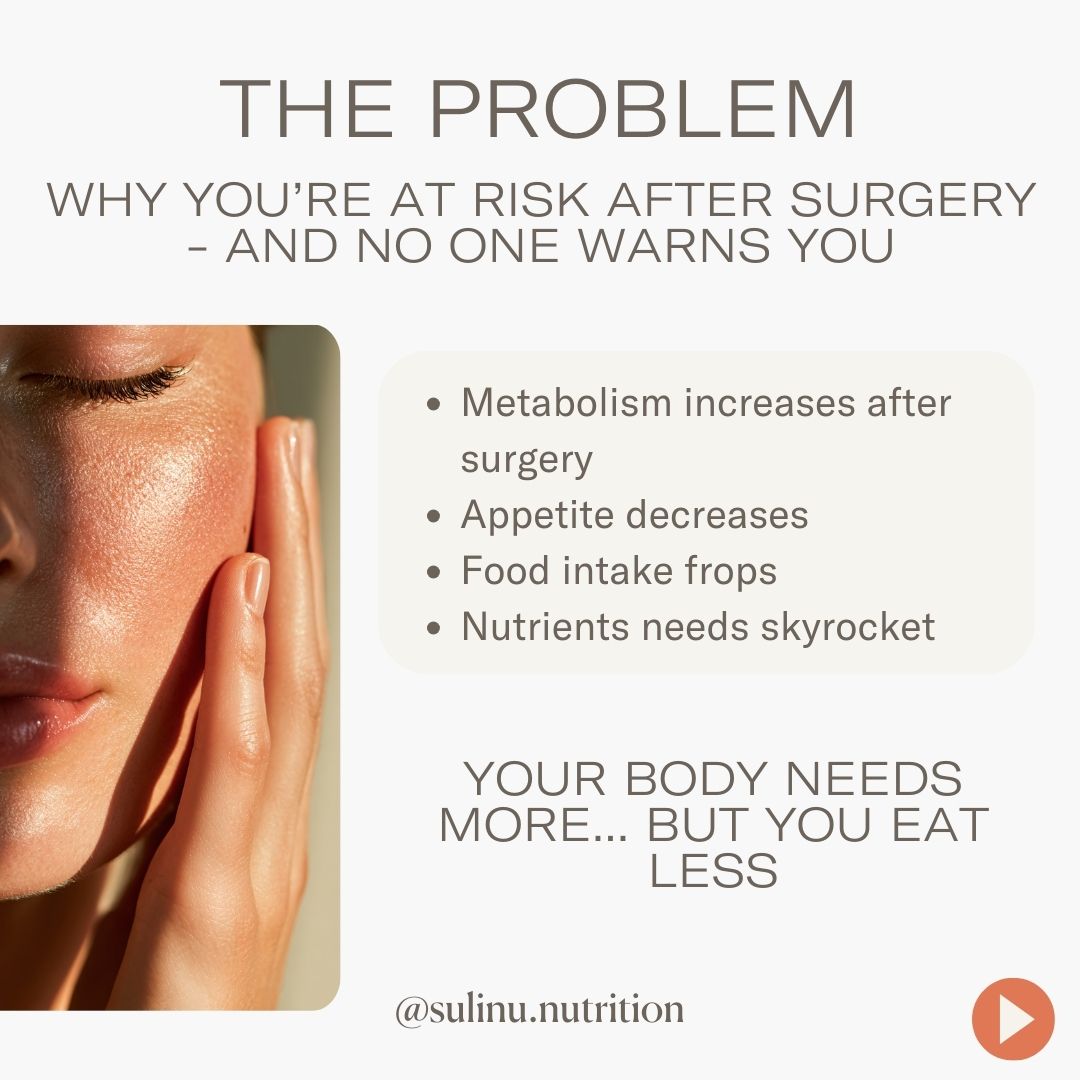
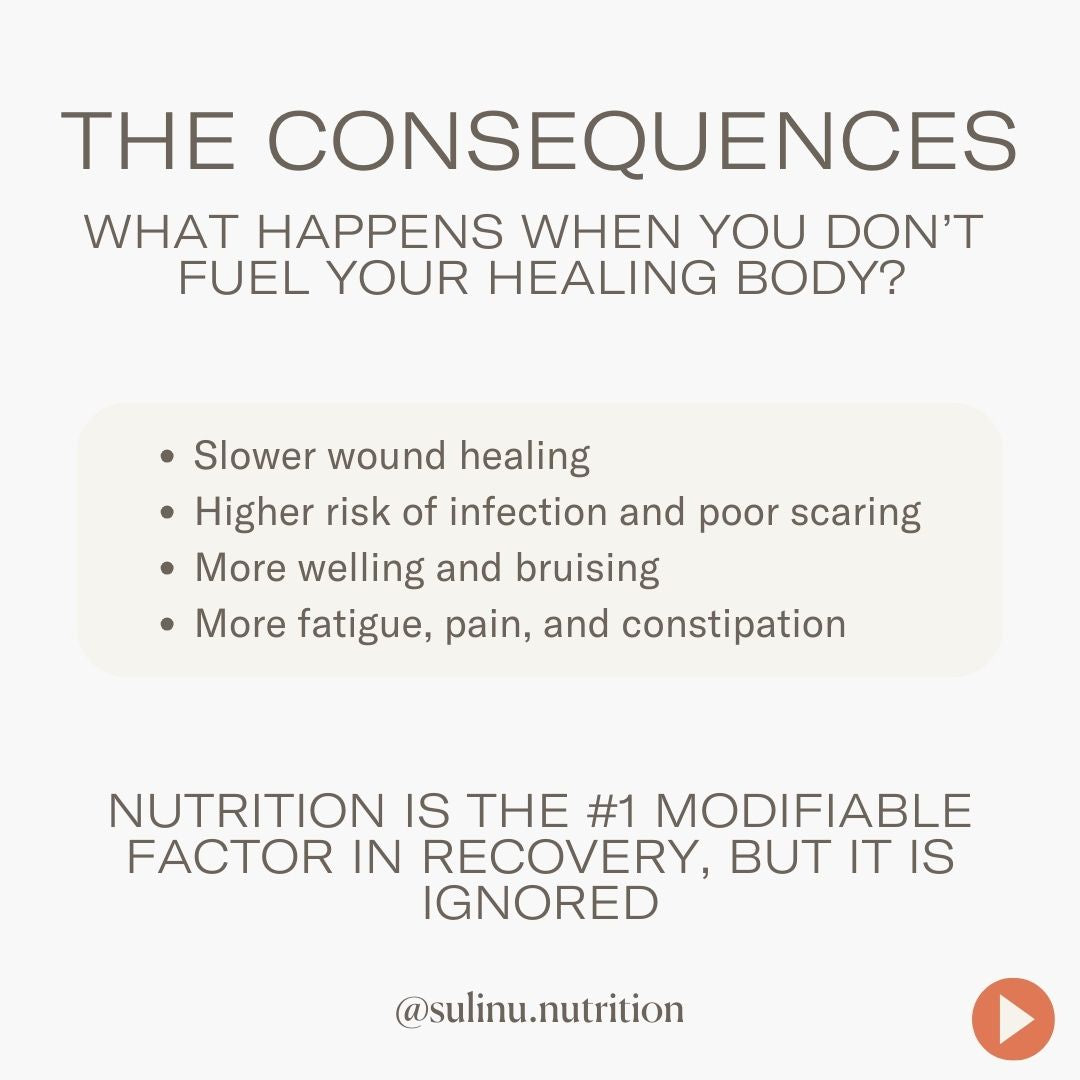
2 out of 3 women are nutrient-depleted after surgery. This directly impacts whether scars fade versus darken, smooth versus raise, and disappear versus persist.
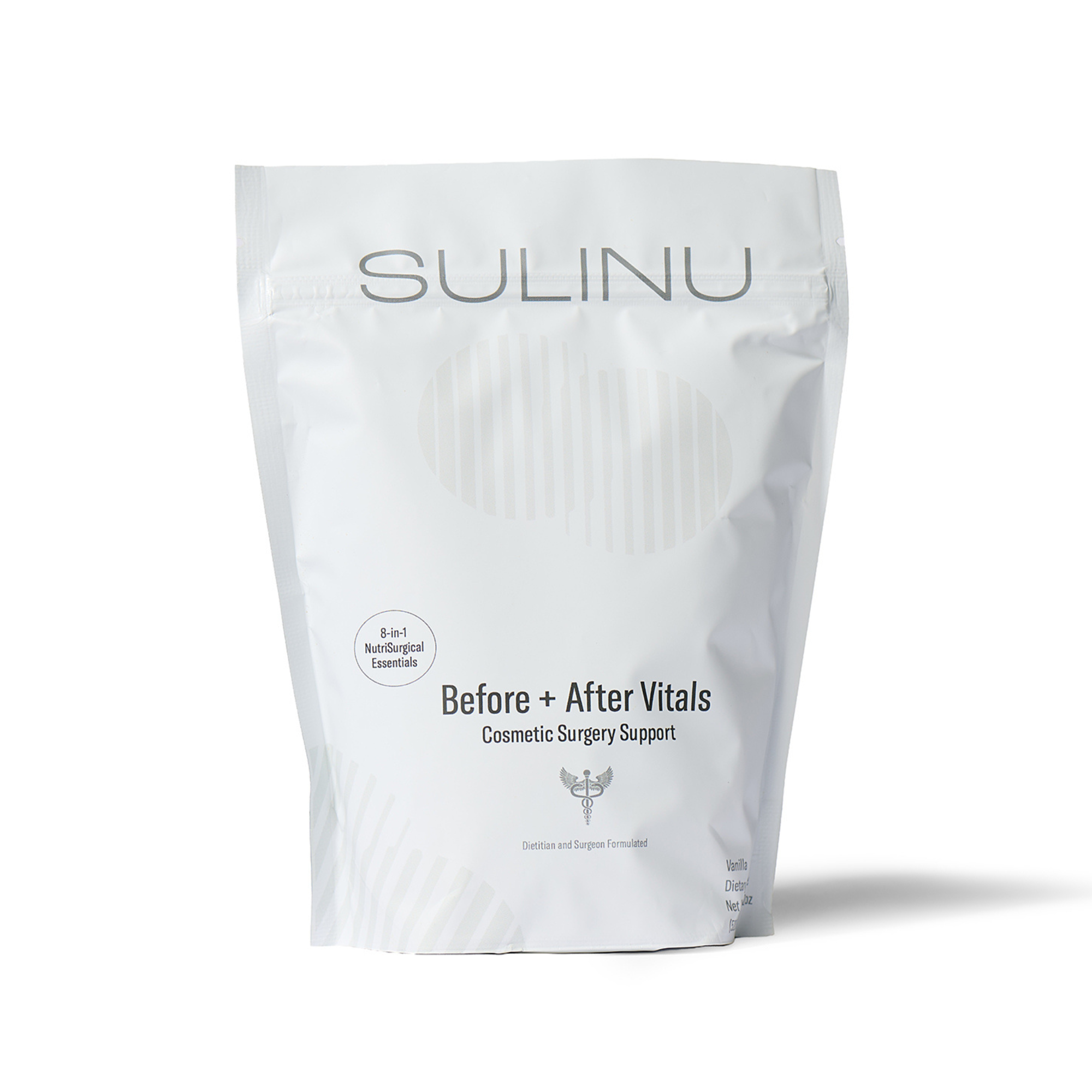
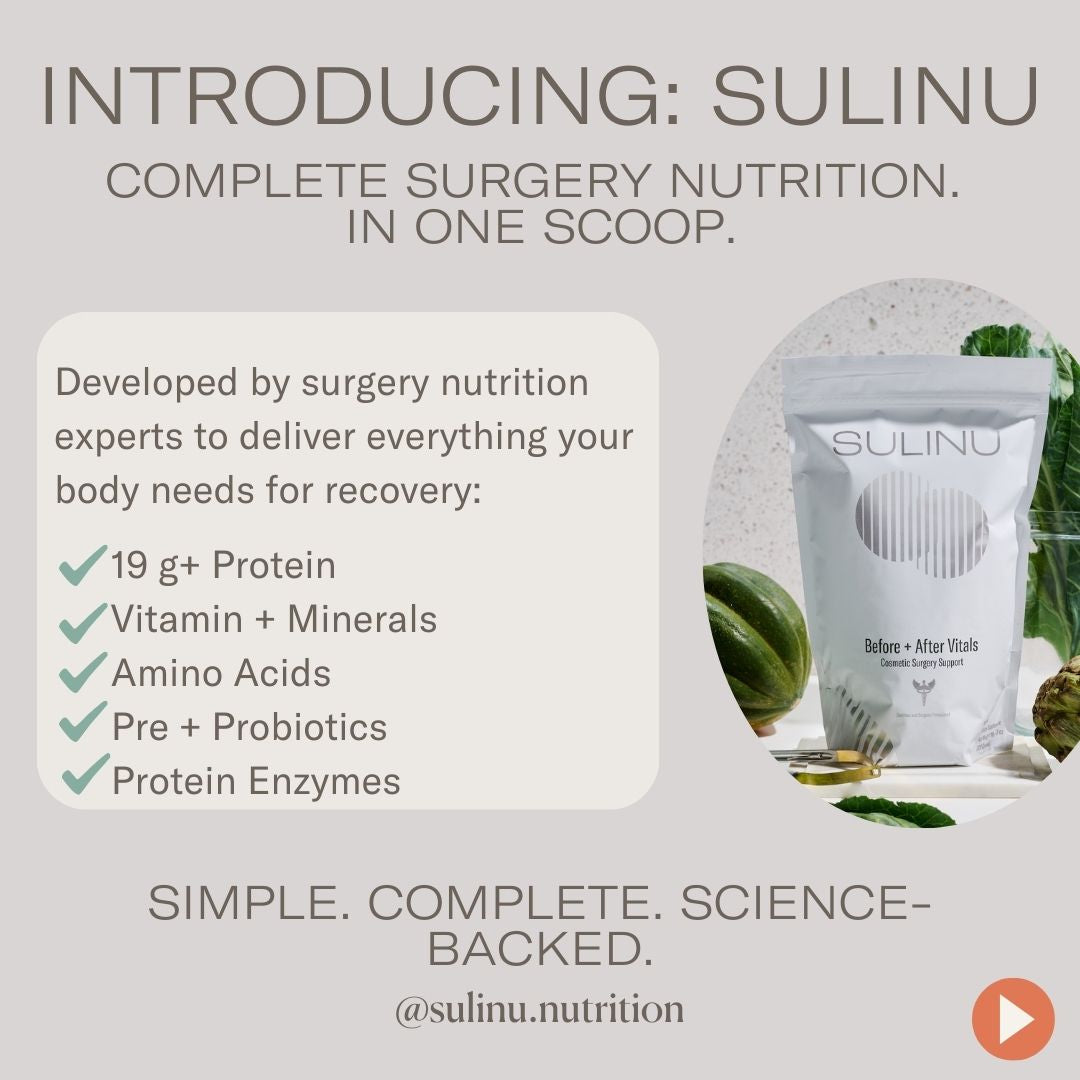
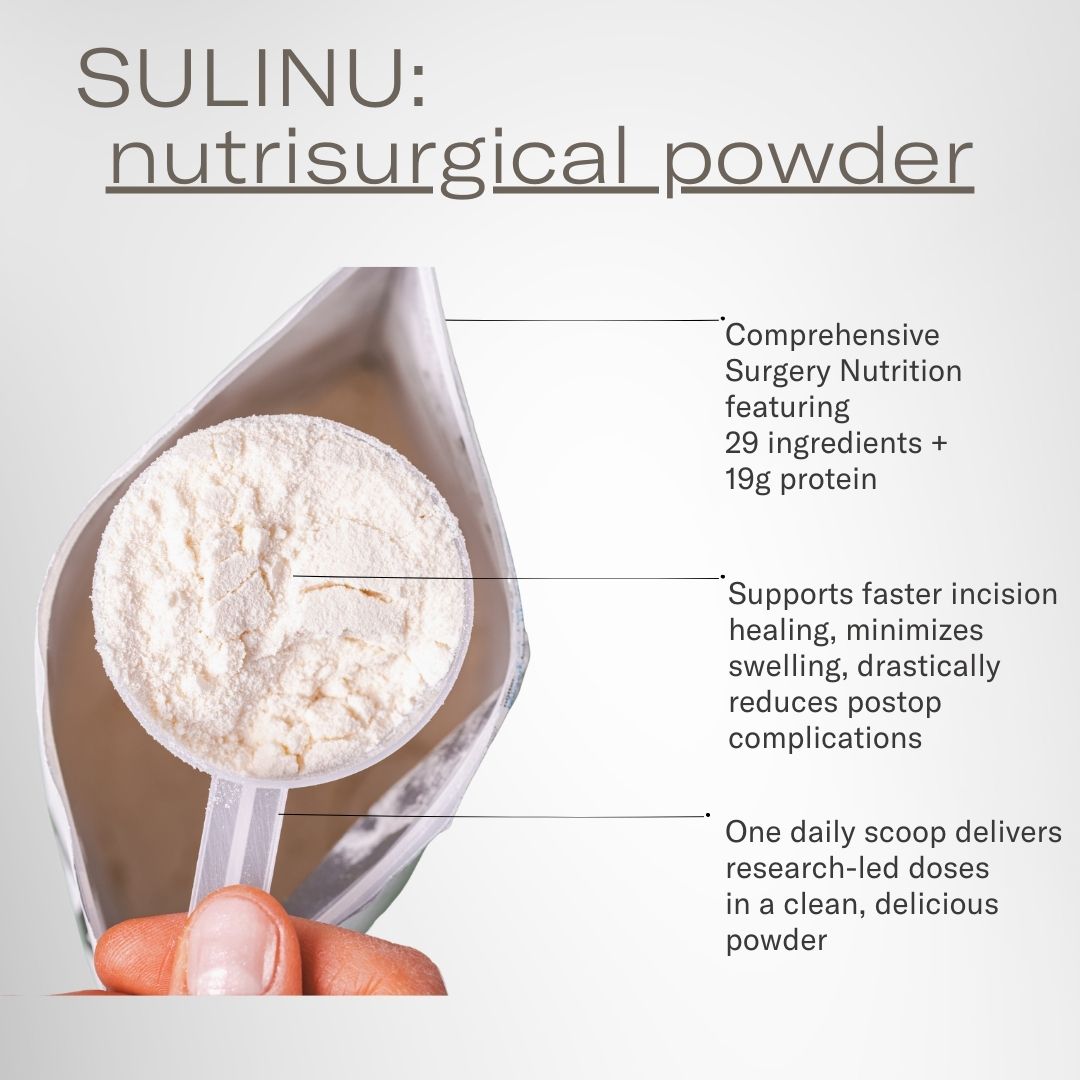
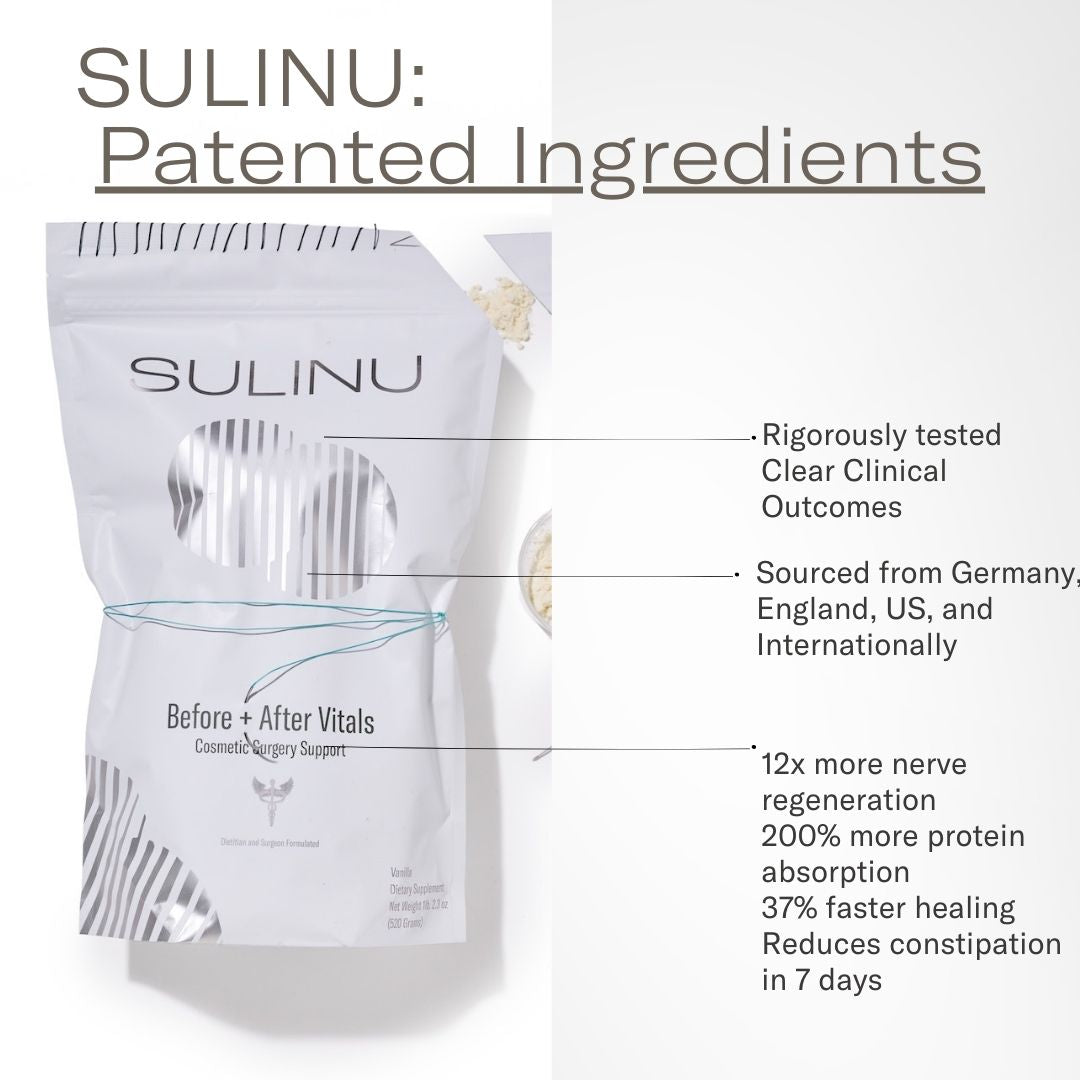
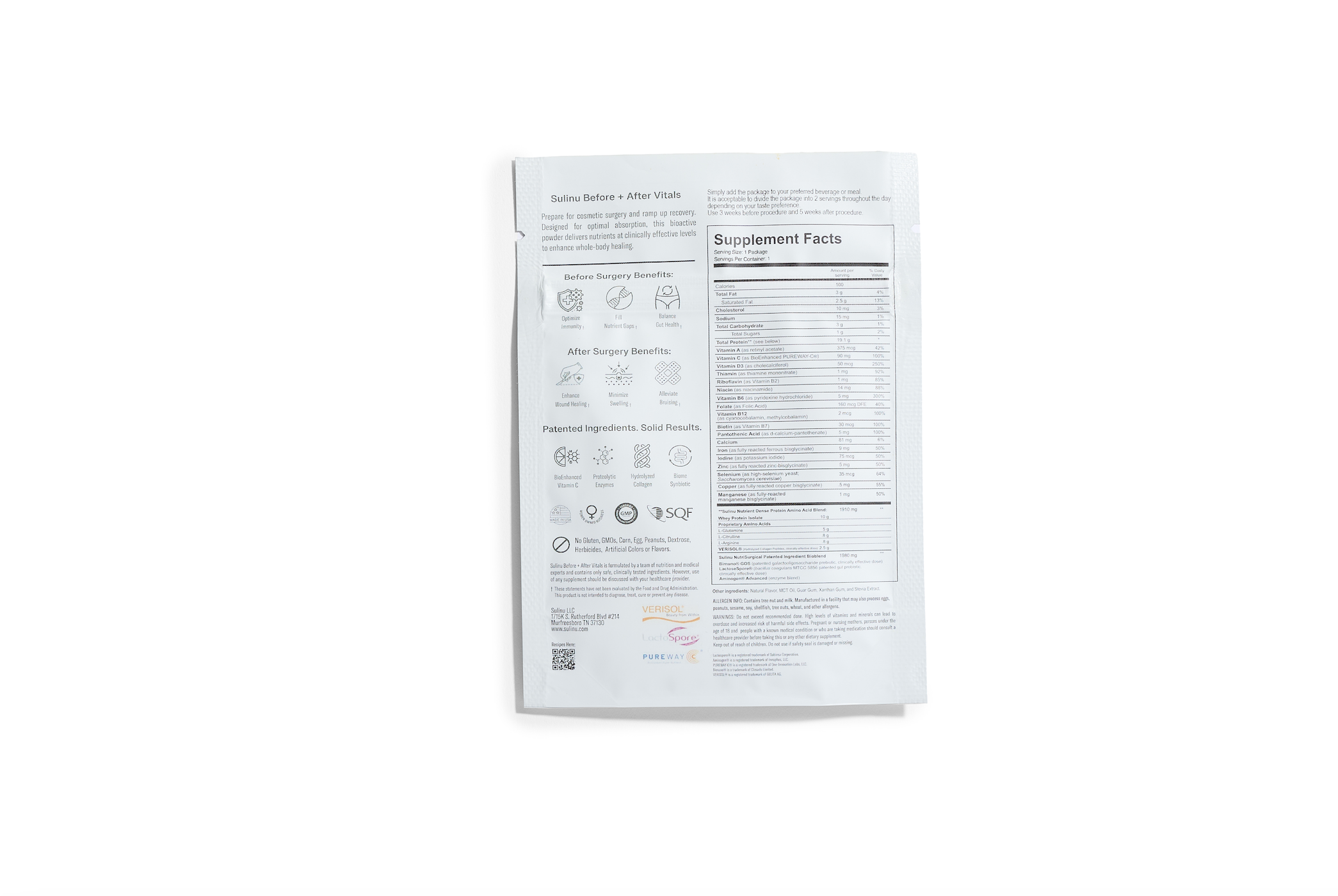
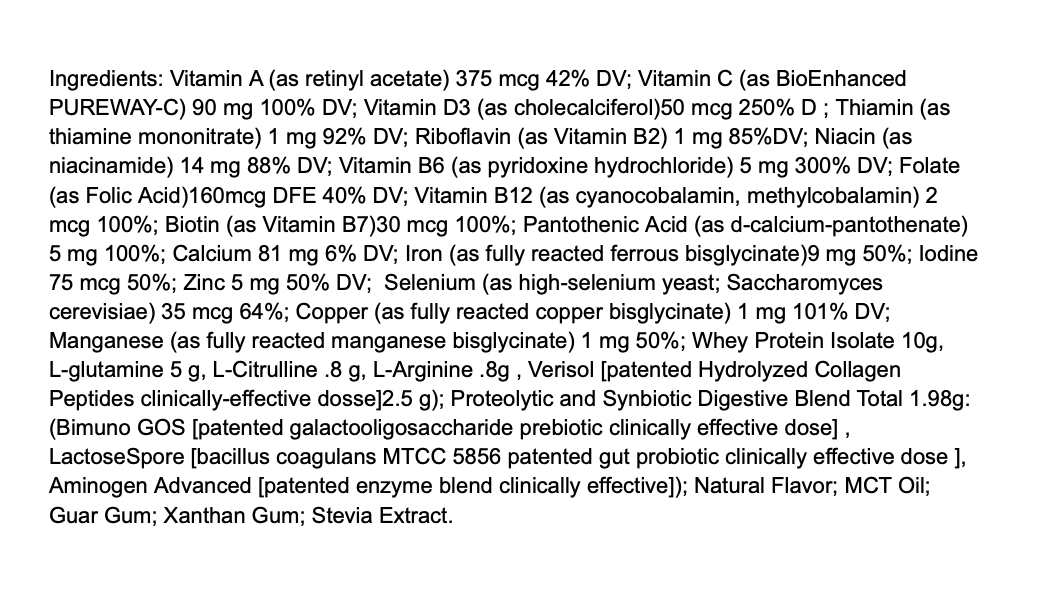
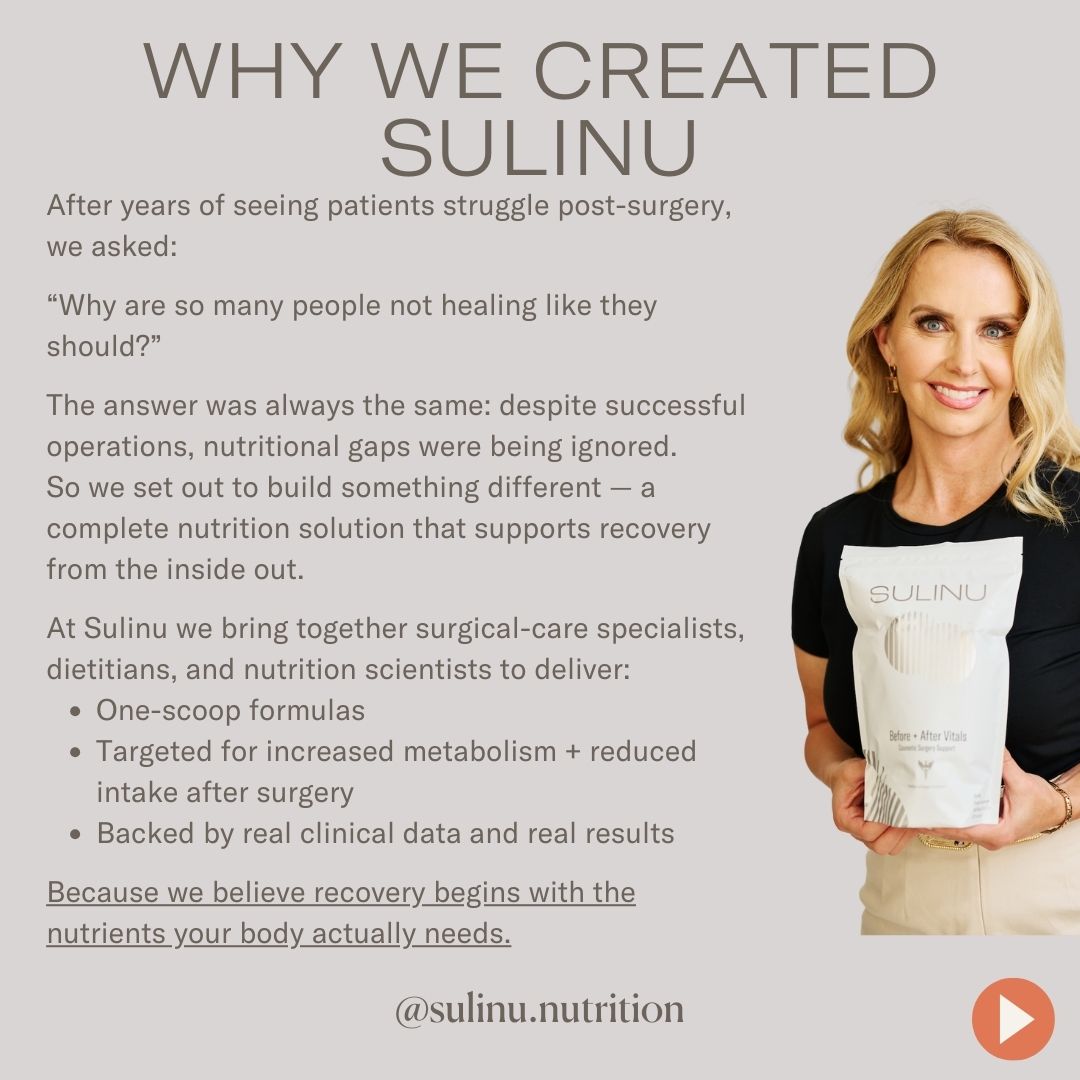
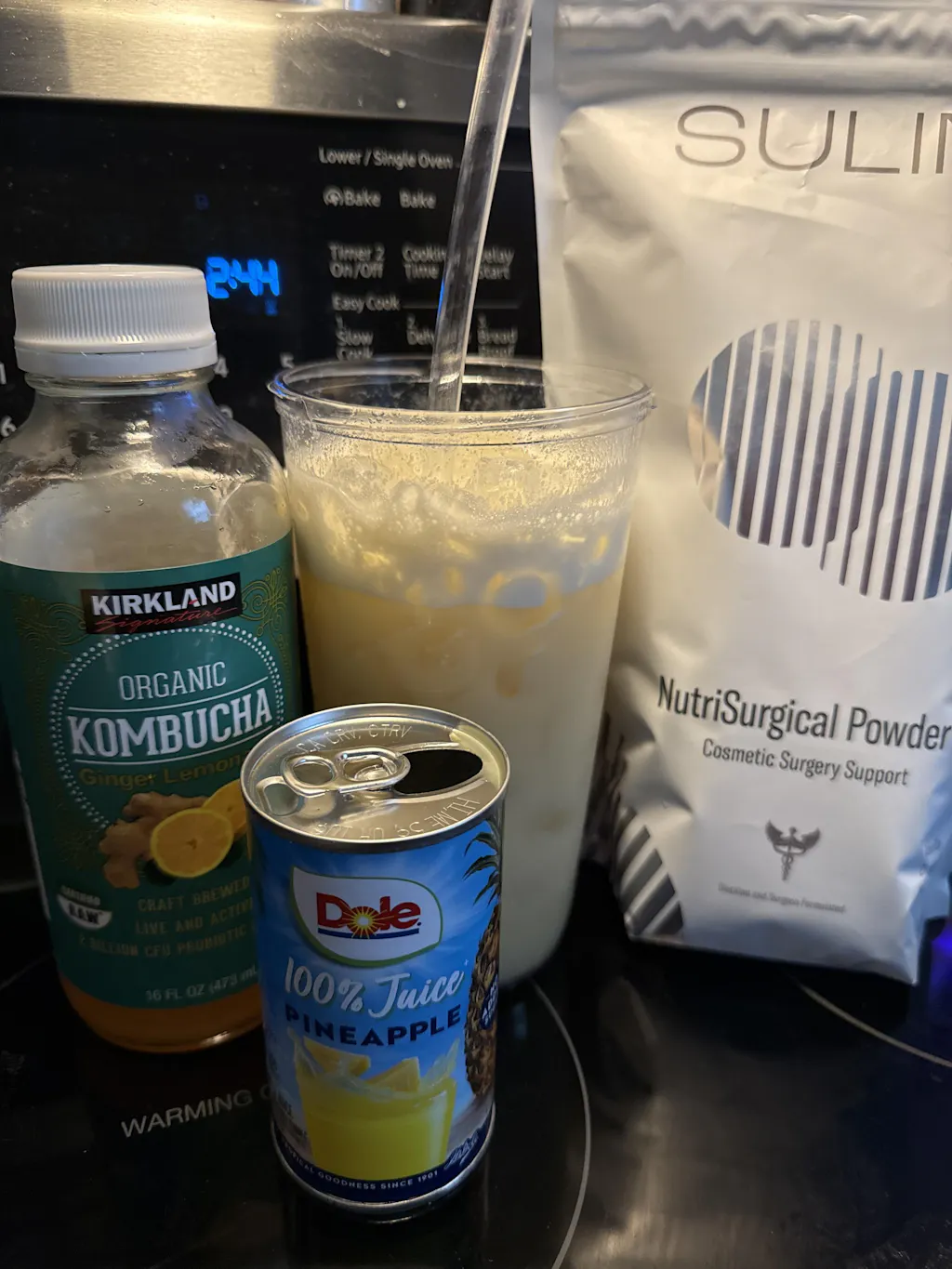
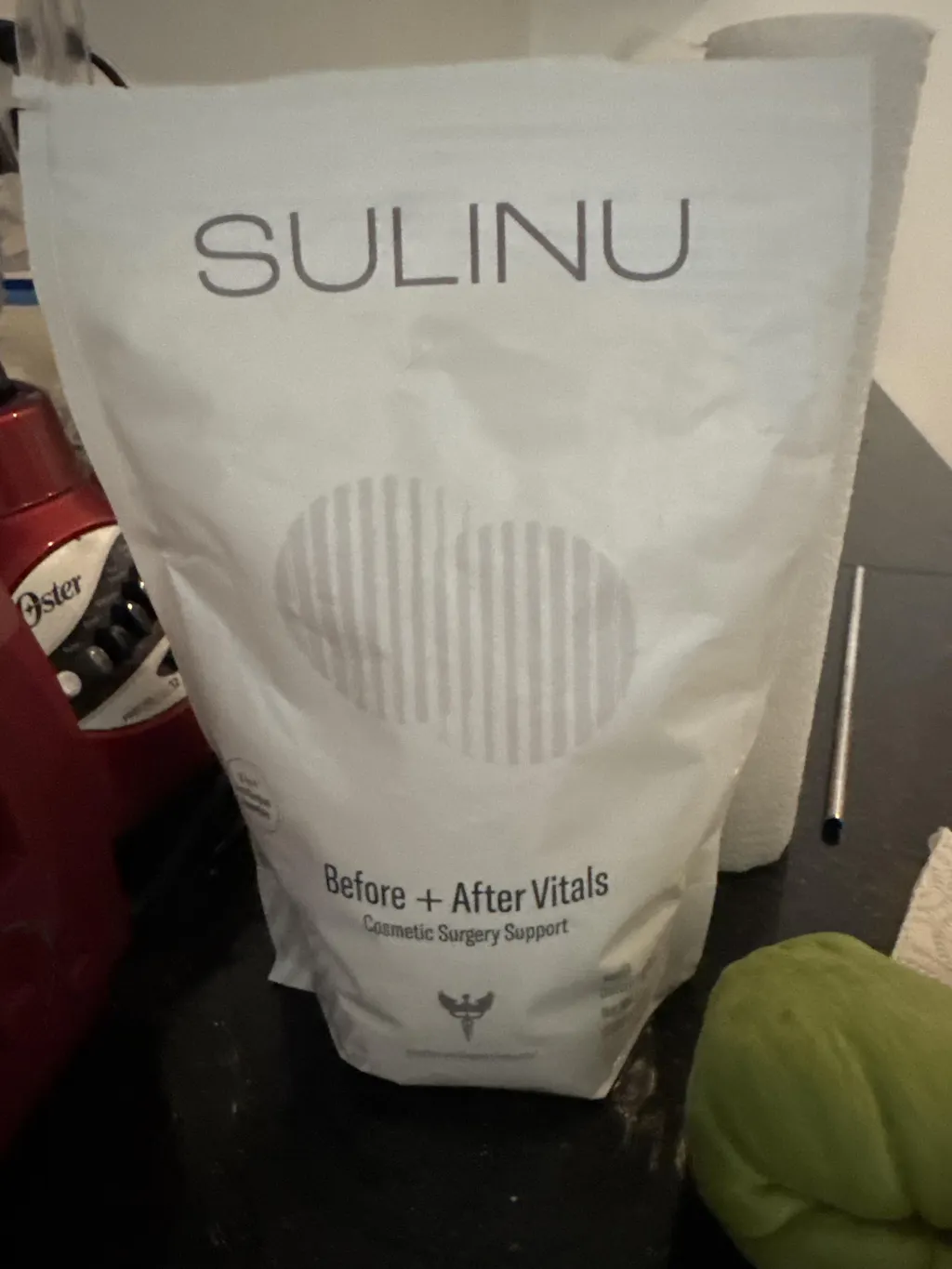
Sulinu's Before and After Vitals addresses this with precision nutrition engineered for surgical recovery. The formula includes:
BioEnhanced Vitamin C achieves 233% higher tissue retention than standard forms, delivering anti-inflammatory support while providing the cofactor essential for organized collagen formation.
Proteolytic Enzymes double your body's ability to utilize dietary protein. BBL patients need 50-100% more protein than normal, but absorption is the limiting factor. These enzymes ensure damaged tissues get the amino acids needed for refined scar architecture.
Hydrolyzed Collagen Peptides trigger your skin cells to produce 15% more natural collagen within 4 weeks. Quality collagen production determines whether scars stay flat and pale or become raised and dark.
Biome Synbiotics maintain digestive health disrupted by surgery and medications. Gut dysfunction triggers systemic inflammation that interferes with healing everywhere, including your scars.
Why This Works for BBL
BBL creates scattered scars across multiple body regions—each facing different mechanical stress, blood supply, and healing conditions. You need systemic support optimizing healing everywhere simultaneously. Topical treatments help but can't address underlying nutritional deficits determining collagen quality.
Usage Protocol
-
Pre-Surgery (2-3 weeks before): 1/2 to 1 scoop daily to build tissue reserves
-
Post-Surgery (first 8-12 weeks): 1 full scoop daily during critical scar formation
-
Extended Support (through month 6): Continue for optimal final maturation
Scoop. Mix. Heal.
SHOP THE BEST SUPPLEMENTS FOR BBL SCARS
Location-Specific Scar Care
Different locations require adapted approaches based on mechanical stress, sun exposure, and tissue characteristics.
Abdominal Scars
These often heal most favorably due to elastic skin and good blood supply. Primary challenge is sun exposure if in the bikini zone.
Strategy: Protect from UV immediately—exposure during first 6 months causes permanent hyperpigmentation. Use silicone products when cleared. Avoid excessive core exercises for 6-8 weeks.
Back and Flank Scars
These experience more stress from clothing and movement. Constant friction can slow healing.
Strategy: Choose seamless compression garments. Be patient—these often take longer to flatten than abdominal scars. Consider professional massage at 6-8 weeks if healing slowly.
Thigh Scars
Inner thigh scars deal with friction, moisture, and sometimes compromised blood supply.
Strategy: Keep area dry to prevent complications. Use powder or moisture-wicking fabrics under compression. Avoid activities creating significant friction for 8-12 weeks.
Gluteal Injection Sites
Hidden in natural creases but face challenges from sitting restrictions needed for fat survival.
Strategy: Follow sitting restrictions religiously. Once cleared for normal sitting, monitor whether clothing seams create irritation during maturation.
Scar Optimization Techniques
Silicone Treatment
Medical-grade silicone reduces scar thickness, redness, and overall appearance by hydrating skin and regulating collagen production.
Protocol: Apply sheets or gel once surgeon clears (typically 2-3 weeks). Use 12-24 hours daily for 8-12 weeks during active remodeling.
Massage
Gentle massage breaks down excess collagen and improves blood flow.
Protocol: Once approved (typically 3-4 weeks), use circular motions with light to moderate pressure for 2-3 minutes per scar, twice daily.
Sun Protection
UV exposure causes permanent hyperpigmentation in healing scars.
Protocol: Use SPF 50+ on all exposed scars for 12-18 months. Reapply every 2 hours during sun exposure. Consider UV-protective clothing.
When Scars Need Professional Help
While most BBL scars heal beautifully, some situations require professional intervention.
Hypertrophic Scars
Raised, thickened scars within original incision boundaries. Result from excessive collagen production.
Signs: Progressive raising rather than flattening, persistent redness beyond 6 months, firm or rope-like texture, itching.
Treatments: Steroid injections, laser treatments, pressure therapy.
Keloid Formation
Aggressive scars extending beyond original boundaries. More common with genetic predisposition, particularly in darker skin tones.
Prevention: Discuss history with surgeon before BBL. Optimal nutrition reduces risk.
Hyperpigmentation
Darker pigmentation than surrounding skin, especially from sun exposure or genetic predisposition.
Solutions: Prescription treatments, professional peels, or laser therapy once scars are fully matured.

Your BBL scars don't have to be the permanent reminder you feared.
With strategic preparation starting before surgery, consistent support during the critical healing window, and patience through the maturation process, most BBL scars fade to nearly invisible lines. The difference between scars that disappear and scars that persist isn't luck—it's understanding exactly what your body needs and providing it from day one.
SHOP THE BEST SUPPLEMENTS FOR BBL SCARS
Frequently Asked Questions About BBL Scars
How many scars will I have after BBL?
Most BBL patients have 6-12 small scars total. 4-8 liposuction donor site scars and 2-4 injection site scars hidden in the gluteal crease. Exact number depends on your surgeon's technique and which areas were treated.
How long until my BBL scars are invisible?
Scars show noticeable improvement by 6-8 weeks, significant fading by 3-6 months, and final maturation by 12-18 months. Many fade to nearly invisible within a year with optimal care, though this varies by skin tone, location, and genetics.
Can BBL scars be completely hidden?
When properly cared for, most BBL scars fade to thin, pale lines difficult to detect even in swimwear. Surgeons strategically place them in natural folds or areas covered by underwear. With optimal healing, many patients report even intimate partners don't notice their scars.
Why do some of my scars look better than others?
Different body regions have different healing characteristics based on blood supply, mechanical stress, and sun exposure. Abdominal scars often heal fastest. Back and thigh scars may take longer due to friction and movement. This variation is normal—focus on supporting optimal healing at all sites.
What's most important for minimizing scar appearance?
Strategic pre-surgery nutrition combined with consistent post-surgery support creates the foundation for optimal outcomes. Starting specialized surgical nutrition like Before + After Vitals 2-3 weeks before surgery gives your body resources to build refined, organized collagen.
When can I start using silicone products or massage?
Most surgeons clear silicone treatments around 2-3 weeks post-surgery once incisions are fully closed. Massage typically begins around 3-4 weeks. Always follow your surgeon's specific timeline—starting too early disrupts healing, while waiting too long may miss the optimal window.
Will sun exposure make my scars darker permanently?
Yes. UV exposure during the first 6-12 months causes melanin production that can become permanent hyperpigmentation. Even one afternoon without protection during the critical healing window can cause darkening that never fully resolves. Sun protection is non-negotiable for BBL scars.
How do I know if I'm developing problem scars?
Warning signs include scars becoming progressively raised after 8-12 weeks, persistent redness or itching beyond 6 months, extension beyond original boundaries, or significant asymmetry. Contact your surgeon if you notice these patterns—early intervention produces better outcomes.
Does nutrition really matter for scar healing?
While genetics influence baseline healing capacity, nutrition determines how well your body executes its genetic potential. Even people with excellent genetic healing can develop problem scars when nutrient-depleted, while optimal nutrition helps even those predisposed to difficult healing achieve better outcomes.
Can I do anything about scars that didn't heal well?
Many revision options exist once scars are fully matured (typically 12+ months post-surgery). Treatments include laser therapy, steroid injections, surgical revision, or prescription topicals. However, prevention through optimal initial healing is always preferable to correction.
Medical Disclaimer
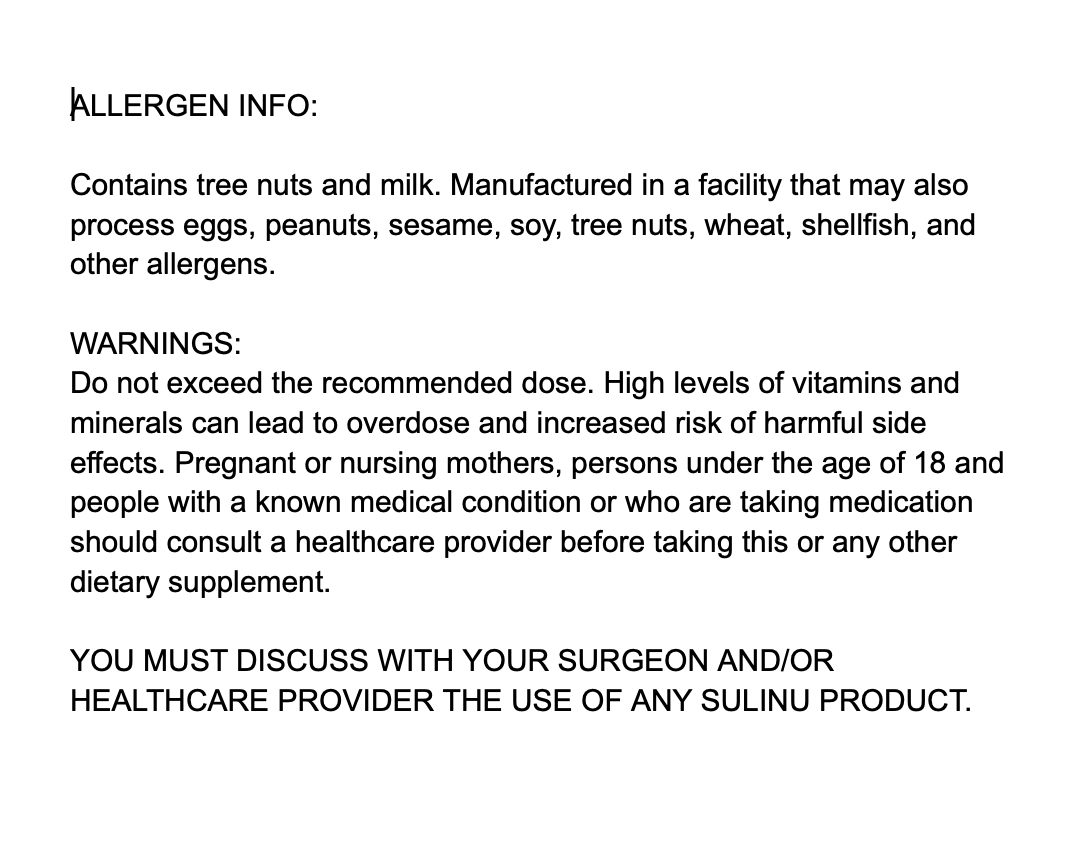
This content is provided for educational purposes only and should not be considered a substitute for professional medical advice, diagnosis, or treatment. Every BBL recovery and scar healing process is unique and depends on numerous factors, including surgical technique, individual healing characteristics, skin type, and adherence to post-operative instructions.
The information presented represents general guidelines and should never replace the specific instructions provided by your plastic surgeon and medical team. Post-operative care protocols vary significantly between surgeons and individual patient circumstances. Always prioritize and follow your surgeon's specific guidelines over any general information found online.
If you experience concerning symptoms during recovery—including signs of infection, abnormal scar development, or healing complications—contact your surgeon immediately or seek appropriate medical care. Individual scar healing results vary significantly, and no article can guarantee specific outcomes or timelines.
The mention of specific products, treatments, or supplements does not constitute medical advice or professional endorsement. Always consult with your healthcare providers before starting any new treatments or supplements, as these may interact with prescribed medications or interfere with your healing process.